
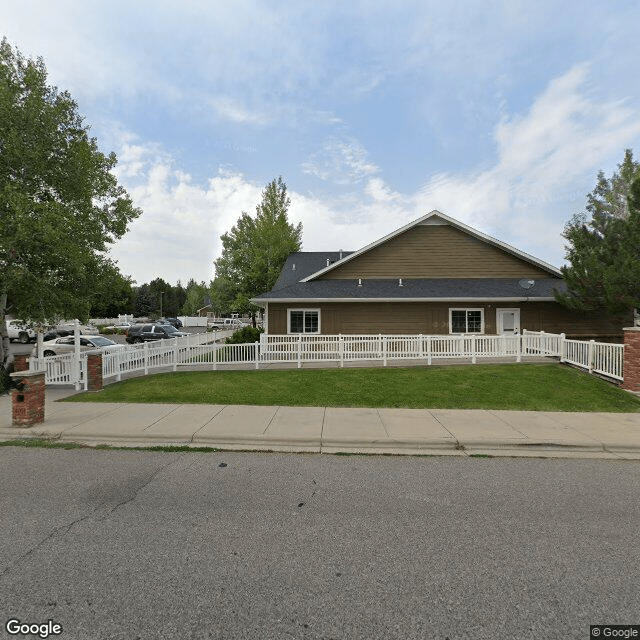
4001 Parkhill Dr, Billings, MT 59106
To contact a resident: (406) 655-9100
For more information about senior living options: (866) 208-4318
Overall Review of Tendernest LLC 1b
Pros
 Residents love their new home and appreciate the aides and nurses.
- The caregivers have been wonderful and compassionate with residents.
- Most caregivers are caring and compassionate with residents.
- The facility provides prompt medical care when needed.
- Residents are treated with dignity and kindness, and the atmosphere feels like family.
- The owners and management team are professional but with a heart.
- Families feel blessed to have found a safe, loving home for their loved ones.
- The décor is non-institutional and comforting for residents and families.
- The staff, including nurses, support staff, housekeepers, cooks, and maintenance, are helpful, professional, and friendly.
- The facility is more affordable than a Nursing Home and feels more like home.
Cons
 Management is terrible and provides no feedback on problem resolution.
- They are severely understaffed and do not give their staff the support or tools to be successful.
- There appeared to be a lack of training in essential areas.
- Caregivers have so many additional responsibilities that the core duty of caring for residents becomes secondary.
- A resident received another resident’s medication in error.
- Management minimized the severity of the medication error and did not offer an explanation or express concern.
- Two days after addressing the issue, the family received a 30-day eviction notice.
Review
Tendernest LLC 1b in Billings, MT is best suited for families seeking a warm, home-like setting where residents receive attentive, everyday care from caregivers who are praised for kindness and personal warmth. This community works best for seniors who want a comforting atmosphere, personal attention, and a sense of belonging without the clinical feel of a traditional nursing facility. It suits residents with moderate care needs who benefit from regular daily support, reassuring bedside care, and a staff culture that feels genuinely caring. Families willing to stay actively involved and to monitor care closely will likely appreciate the approachable, family-friendly vibe that many staff members convey.
At the same time, those should look at alternatives if high, consistent medical oversight is non-negotiable or if a resident requires unwavering 1-on-1 attention. Tendernest has shown troubling patterns around management responsiveness and operational stability, including episodes where family concerns were met with minimal acknowledgment or even reactions that felt punitive. For residents with complex medication needs, a history of safety incidents, or a need for robust, readily observable accountability from leadership, other facilities with stronger governance, clearer incident reporting, and a more predictable management framework may be a safer choice.
On the upside, the care staff emerge as a major strength. Descriptions of aides, nurses, and support personnel emphasize compassion, dignity, and a genuine willingness to help. The atmosphere is described as non-institutional and homey, with residents reportedly enjoying good daily meals, a familial environment, and a sense that caregivers know them by name. Several families highlight the staff’s professionalism and the warmth of the owners and management team, which can translate into meaningful, day-to-day comfort for residents who respond well to personal attention and a friendly, less clinical setting.
However, these positives are entangled with notable governance gaps. The most persistent concerns center on staffing levels and training, which many reviews flag as insufficient for consistently meeting essential needs. Medication errors are cited, including misallocated dosages and insufficient follow-through when concerns are raised. The most striking red flag is the eviction of a resident after a family member challenged procedures, followed by a perception that management minimized the severity of an incident. There are multiple accounts of limited feedback on problem resolution, and a sense that advocacy can carry personal risk, which can undermine trust and ongoing safety.
The core question for families is whether the warmth and lower cost justify the trade-offs in governance and risk management. The care tone and home-like setting do provide real value, especially for residents who thrive on routine, familiar faces, and a less clinical daily rhythm. Yet the risk of uneven care, delayed responses to issues, and the possibility of punitive responses to family inquiries cannot be dismissed. The offset here depends on how actively a family is willing to engage as partners in care, insist on transparent accountability, and push for concrete safeguards around medication handling and incident resolution.
For a well-informed decision, prospective residents and families should approach Tendernest with a practical, checklist-driven mindset. Prioritize questions about staff-to-resident ratios, ongoing training, and how medication administration is monitored and audited. Seek detailed explanations of how incidents are documented, reviewed, and communicated, and request recent examples of corrective actions taken in response to family feedback. Visit multiple times, talk candidly with current residents and family members, and ask to see the care plan and daily routine in action. If the answers are clear, concrete, and backed by reliable processes, Tendernest can be a strong fit for those seeking a heartfelt, affordable home where care feels personal and near at hand. If not, alternatives with steadier management and a tighter safety net may better align with expectations for safety, consistency, and transparent accountability.
 Board and Care Home
 Billings Logan International (4 miles away)


 Understanding the Nuances of Palliative Care and Hospice: A Comprehensive Exploration
 Fecal Incontinence in Older Adults: A Comprehensive Guide
 Recognizing the Journey: Understanding and Navigating Anticipatory Grief