
4001 Parkhill Drive, Billings, MT 59106
For more information about senior living options: (866) 208-4318
Overall Review of TenderNest 1B
Pros
 The staff take good care of residents and the grandpa is in good hands there.
- Tender Nest is a very small, home-like community where residents are not lost in a crowd.
- The cooking and food quality are exceptional, including homemade meals.
- The rooms are nicely decorated with private bathrooms and a warm, inviting atmosphere.
- The staff are kind, friendly, and consistently attentive to residents.
- Tender Nest goes the distance to care for residents and collaborates well with families.
- The owners and management are professional but with a heart, creating a family atmosphere.
- Families highly recommend Tender Nest.
Cons
 The management is terrible.
- Management minimized the severity of a medication error and offered no explanation.
- The eviction notice was unfair and forced relocation, harming the resident’s well-being.
- There was a lack of training in essential areas and caregivers were overloaded with other duties, making caregiving secondary.
- The facility was horribly understaffed and the management was dreadful.
- There was no consistency in rules during COVID and communication between staff and management was terrible.
- The turnover of caregivers was unacceptable, with new faces replacing trained staff.
- Staff did not assist with eating or medications when family presence wasn’t possible, leading to inadequate care.
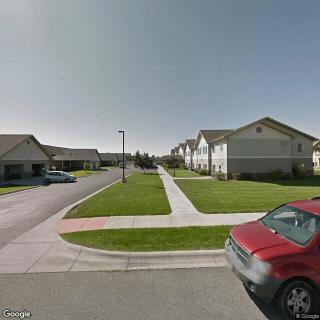
- The buildings look nice, but the care provided was poor and residents were kept in their rooms and not attended to.
- Medication errors were minimized and blamed on others rather than properly addressed.
Review
TenderNest 1B in Billings is best suited for families seeking a deliberately small, home-like assisted living environment where residents have private rooms, come with personal attention from a dedicated staff, and live in a cottage setting that feels more like a family house than a facility. The community typically hosts around 14 to 20 residents per house, which preserves a warm, intimate atmosphere. Visitors consistently note a welcoming layout, open living areas, and a dining room that encourages a shared, family-style experience. The care model emphasizes hands-on staffing and visible engagement from caregivers, cooks, and a nurse, all contributing to a sense that life here is personal, not impersonal.
That intimate, home-like orientation makes TenderNest attractive, but it also flags who may want to consider alternatives. Families that prioritize ironclad medication safety, rigid and transparent problem resolution, and highly consistent staffing may encounter stress here. Several reviews point to management gaps, including minimal follow-through after errors and a history of staff turnover that disrupts continuity of care. When concerns are raised, the response can feel muted or focused on deflection rather than clear accountability. For those needing robust, systematized oversight, or a facility with fewer staffing fluxs, an alternate option may be prudent.
On the plus side, the small scale and family ownership create undeniable strengths that frequently offset the downsides. Caregivers are described as compassionate and genuinely engaged, with many residents forming meaningful attachments to the staff. The on-site nurse presence and open lines of communication with families are repeatedly highlighted as meaningful advantages. Cooking and dining receive high marks, including homemade meals and a welcoming, communal dining experience that helps residents feel at home. The physical environment, private rooms with bathrooms, tasteful décor, a spacious common area, and an outdoor porch, supports independence while preserving a sense of belonging for residents who value dignity and comfort.
Yet the cons are not easily ignored. Several accounts recount medication distribution errors, a lack of training in critical elder-care tasks, and a pattern of staff turnover that makes consistent care difficult. One family described eviction after raising questions, an outcome both unusual and alarming, suggesting governance vulnerabilities that can undermine trust. Communication gaps between management and families also surface in multiple stories, making it hard to align on care plans or understand how incidents are addressed. Finally, while the community is small and intimate, some reviewers note a shortage of structured activities, leaving residents with limited daytime engagement beyond routine meals and TV.
How the strong points measure against the drawbacks hinges on expectations and advocacy capacity. For families who want a genuinely homelike setting and who can actively participate in care planning, TenderNest delivers emotionally rich caregiving, visible caregiver attention, and a supportive dining culture that many seniors and families prize. The presence of a nurse and a culture of collaboration with families can translate into high-quality end-of-life and daily care when operations run smoothly. However, the risks around governance, staffing consistency, and safety processes mean that these advantages may be undermined if management does not act decisively to improve training, accountability, and transparent communication.
In the end, TenderNest 1B is a compelling choice for households prioritizing warmth, intimacy, and everyday person-centered care in a small, homey setting. It can be a superb home for residents who thrive on personal connections and who have family members willing to stay engaged and vigilant about care plans. For others, especially those who require unwavering medication safety protocols, ultra-stable staffing, or a clearly demonstrated track record of rapid problem resolution, considering alternatives with larger teams, formalized oversight, and more robust activity programming is wise. Prospective families should insist on concrete demonstrations of training, staffing ratios, and a transparent incident-management process, and should reach out to current residents’ families to gauge how well the environment actually supports safety, dignity, and daily vitality.
 21 resident community capacity
 Studio apartments
 Assisted Living
 Beauty salon
 Cable or satellite TV
 Dining room
 Fully furnished
 Garden
 Housekeeping services
 Kitchenette
 Laundry
 Move-in coordination
 Outdoor space
 Restaurant-style dining
 Small library
 Telephone
 Wi-Fi/high-speed internet available
 Billings Logan International (4 miles away)
 24-hour call system
 Activities of daily living assistance
 Assistance with bathing
 Assistance with dressing
 Assistance with transfers
 Diabetes diet
 Medication management
 Mental wellness program
 Special dietary restrictions
 English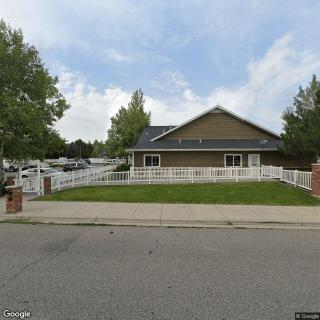



 Beyond the Bingo Hall: 50+ Enriching Activities for Seniors in Assisted Living
 Understanding the Distinctions: Assisted Living and Memory Care Explained
 Guiding Elderly Parents Who Refuse Assisted Living: 6 Practical Steps