
4040 Parkhill Drive #2, Billings, MT 59106
For more information about senior living options: (866) 208-4318
Overall Review of TenderNest 4B
Pros
 Residents love their new home and appreciate the aides and nurses.
- The caregivers have been wonderful.
- Most caregivers were caring and compassionate toward residents.
- The mother is treated with dignity and kindness.
- The owners and management team are professional and have a heart.
- Nurses, support staff, housekeepers, cooks and maintenance are helpful, professional and friendly.
Cons
 They described management as terrible and noted there was no feedback on resolving problems.
- They observed a lack of training and that caregivers had too many additional responsibilities, making caregiving secondary.
- They reported a medication error where another resident’s drug was given, and management minimized its severity with no explanation.
- They noted that concerns about medication distribution were minimized or blamed on others.
- They recounted a bubble-wrapped pill incident followed by a 30-day eviction notice, forcing a move and contributing to the deterioration of the resident’s dementia.
- They felt that management did not want scrutiny and that a family member could not advocate without facing consequences.
Review
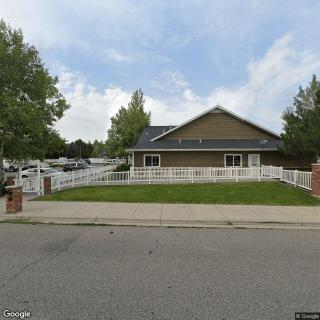
TenderNest 4B in Billings is best suited for families seeking a home-like assisted living experience where compassionate aides and nursing support are readily available, and daily life centers on personal connection rather than institutional rigidity. The atmosphere appeals to residents who value dignity, kindness, and a familial feel: non-institutional décor, attentive staff, and a level of warmth that makes loved ones feel safe and well looked after. For seniors who want help with daily tasks without sacrificing warmth or independence, the setting can feel like a practical, step-down alternative to a traditional nursing home.
Those who demand flawless operations and transparent, consistent problem resolution may want to explore other options. The most serious concerns cited by families revolve around management’s handling of issues, including a perceived lack of feedback when problems arise and a history of punitive responses to family advocacy, culminating in eviction in at least one case. Medication errors, such as a mix-up with another resident’s pills and compromised pills, point to procedural gaps that must be addressed to ensure safety. If administrative fragility is unacceptable, alternatives with stronger governance and clear escalation paths should be seriously considered.
On the positive side, the caregiving team is repeatedly described as caring and capable, with nurses and aides delivering attentive, compassionate service. Families note timely medical attention and a readiness to respond to health needs, and several reviewers highlight a home-like environment with comforting decor, good food, and a family atmosphere. These strengths foster trust and reduce stress for families navigating care decisions. Yet these bright spots do not fully counterbalance the operational downsides: the workload placed on caregivers, reports of training gaps, and management’s tendency to minimize concerns undermine consistency and safety.
Several accounts emphasize that TenderNest can be a compassionate setting for residents facing terminal illness or ongoing medical needs, where staff approach care with warmth and a respectful demeanor. The non-institutional feel, together with a dedicated team, often makes families feel their loved ones are cherished rather than warehoused. That sense of safety can be undercut, however, if governance falters, especially when families perceive a lack of accountability after mistakes or when eviction becomes a tool for quieting scrutiny.
In making a choice, prospective residents should test the management pipeline as thoroughly as the care staff. Ask to review how medication administration is documented, what training gaps exist, and how ongoing education is handled. Demand a written care plan, clear staffing ratios, and a transparent process for reporting and resolving concerns with timely follow-up. If one-on-one attention is non-negotiable, confirm that the facility can deliver that level of staffing and verify how a plan would be adjusted if a loved one requires more intensive oversight. This practical diligence will determine whether the home’s warmth can be sustained under pressure.
TenderNest 4B can be an excellent fit for families who prize a warm, home-like setting, strong daily bedside care, and a more affordable alternative to a full-scale nursing home, provided governance lapses are acknowledged and actively monitored. It is less suitable for families that require faultless operational control, consistent issue resolution, and an unambiguous policy against retaliatory actions. The best approach is a rigorous due-diligence process: visit multiple times, talk candidly with current residents and their families, review care and incident protocols, and schedule direct conversations with leadership to assess whether improvements are in place. When those conditions align, TenderNest 4B can deliver genuine comfort and capable support.
 16 resident community capacity
 Assisted Living
 Beauty salon
 Cable or satellite TV
 Dining room
 Fully furnished
 Garden
 Housekeeping services
 Kitchenette
 Move-in coordination
 Outdoor space
 Restaurant-style dining
 Small library
 Telephone
 Wi-Fi/high-speed internet available
 Billings Logan International (4 miles away)
 24-hour supervision
 Activities of daily living assistance
 Assistance with bathing
 Assistance with dressing
 Assistance with transfers
 Diabetes diet
 Medication management
 Mental wellness program
 Special dietary restrictions


 Senior Transition Services: Understanding Their Role, Cost, and Importance
 Exploring the Path to Senior Living: A Comprehensive Look at Independent Living and Assisted Living
 Is Assisted Living Deductible on Your Taxes? Understanding the Complexities of Assisted Living Expenses and Deductions