
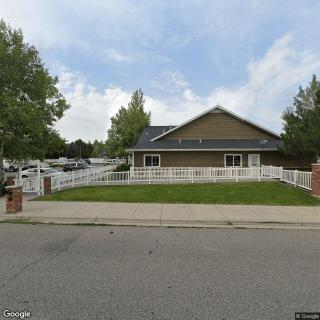
4003 Parkhill Drive, Billings, MT 59106
For more information about senior living options: (866) 208-4318
Overall Review of TenderNest 2B
Pros
 Residents love their new home and the aides and nurses.
- The caregivers are wonderful.
- Most of the caregivers were caring and compassionate toward residents.
- Grandpa is in good hands there.
- Residents are treated with dignity and kindness.
- The home offers good food and a family atmosphere.
- TenderNest provides an amazing experience for residents and families.
Cons
 There appears to be a lack of training in essential areas.
- Caregivers have so many additional responsibilities that caring for residents becomes secondary.
- A resident’s medication was given in error.
- Management minimized the severity of the medication error and offered no explanation or concern.
- Concerns were minimized or blamed on another party.
- Bubble-wrapped pills were compromised.
- A 30-day eviction notice was issued, which is unheard of in the industry.
- They were forced to move to another facility, resulting in deterioration of Mom’s dementia.
- The eviction was cited to require 1-on-1 care, but it is perceived that management did not want scrutiny of their operations.
- It is unfortunate that a family member cannot advocate for their loved ones without facing these consequences.
Review
TenderNest 2B in Billings, MT is best suited for seniors who prize a warm, home-like setting with close caregiver relationships and an affordable path away from the formality of a traditional nursing facility. The reviews consistently celebrate a non-institutional feel, compassionate aides, and a family atmosphere where residents are treated with dignity and kindness. For families that value personal attention, steady daily routines, and a sense of belonging over clinical polish, TenderNest 2B offers a compelling personal touch and cost savings relative to nursing homes. It is a viable option when the priority is comfort, approachable staff, and a lifestyle that feels more like home than hospital.
Those who should consider alternatives are the families facing higher medical complexity or who demand relentless governance and transparent accountability. If a loved one requires strict, ongoing 1:1 supervision, complex medication management, or rapid escalation of care, the track record at TenderNest 2B raises red flags. Several accounts describe management that minimizes problems, provides little feedback on resolutions, and even responds with evasive explanations when concerns surface. An eviction after raising safety questions is a stark signal that administrative decisions can overshadow resident welfare. In short, if governance, clear communication, and predictable problem-solving are non-negotiables, explore other options with stronger, more transparent oversight.
Pros like a genuine sense of care, strong bedside kindness, and a homey, non-clinical décor do offset many day-to-day headaches, but only to a threshold. Families report caring nurses and aides who connect with residents, quick responses to medical needs, and a setting that feels safer and more comfortable than a traditional facility. The upside is tangible: better mood, less institutional stress, and a welcoming environment that can support dignity in daily living and in some dementia-care contexts. The downside is real: when management gaps appear, the warmth on the floor cannot reliably compensate for missed communication, inconsistent safety practices, or a culture of defensiveness around incidents.
The medication mishaps and the eviction episode are not minor blips; they strike at the core of care governance. A resident receiving another person’s medication, or being dismissed after advocating for safer practices, signals systemic weaknesses rather than isolated mistakes. These issues undermine trust and elevate risk, especially for families managing complex regimens or those who require careful monitoring and clear explanations when things go wrong. The positives, loving care and a comfortable, home-like setting, still exist, but they cannot fully neutralize the risk created by inconsistent training, overburdened staff, and a management style that appears to resist scrutiny.
If TenderNest 2B is under consideration, prospective families should demand concrete assurances: the exact staffing ratios on different shifts, the training processes for medication administration, and the formal steps for incident resolution with transparent timelines. Ask to meet the direct supervisors, review the resident care plan templates, and request examples of how concerns were addressed in the past. Investigate the eviction policy and any emergency contingency plans; confirm how 1:1 care requests are accommodated and priced. A candid tour should include conversations with front-line staff and quiet observation of medication rounds and daily interactions so the reality behind the warm narrative is visible.
Bottom line: TenderNest 2B can be an excellent fit for seniors who want a home-like, affectionate setting at a lower cost than a nursing home and who can tolerate some variability in administrative responsiveness. It is less suited for those whose care needs demand rigorous governance, flawless safety reporting, and consistently proactive management. For families prioritizing predictability, accountability, and unambiguous problem resolution, another option with stronger governance and 24/7 clinical oversight should be on the shortlist. TenderNest 2B remains a compelling choice when the priority is heartfelt daily care in a warm environment, yet the decision should hinge on the resident’s medical complexity and the family’s tolerance for administrative risk.
 17 resident community capacity
 Assisted Living
 Beauty salon
 Cable or satellite TV
 Dining room
 Fully furnished
 Garden
 Housekeeping services
 Kitchenette
 Move-in coordination
 Outdoor space
 Restaurant-style dining
 Small library
 Telephone
 Wi-Fi/high-speed internet available
 Billings Logan International (4 miles away)
 24-hour supervision
 Activities of daily living assistance
 Assistance with bathing
 Assistance with dressing
 Assistance with transfers
 Diabetes diet
 Medication management
 Mental wellness program
 Special dietary restrictions


 Senior Transition Services: Understanding Their Role, Cost, and Importance
 Exploring the Path to Senior Living: A Comprehensive Look at Independent Living and Assisted Living
 Is Assisted Living Deductible on Your Taxes? Understanding the Complexities of Assisted Living Expenses and Deductions