
4040 Parkhill Drive #4, Billings, MT 59106
For more information about senior living options: (866) 208-4318
Overall Review of TenderNest 6B
Pros
 They are taking good care of the people there; grandpa is in good hands.
- The mother is treated with dignity and kindness, and she loves her caretakers.
- The owners and management team are professional but with a heart, making it a safe and loving place.
- Tender Nest provided an amazing experience for their cousin, with nurses, support staff, housekeepers, cooks and maintenance people who were helpful, professional and friendly.
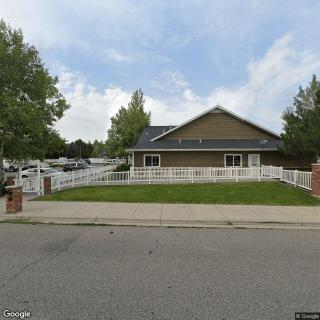
- The non-institutional décor is comforting and the facility feels like home, at a lower cost than a nursing home.
- The staff are great people.
Cons
 The management is terrible and provides no feedback on resolving problems.
- There was a lack of training in essential areas.
- Caregivers had so many additional responsibilities that caring for residents became secondary.
- A medication error occurred and management minimized its severity, offering no explanation.
- Concerns raised by the family were minimized or blamed on another party.
- The mother received a 30-day eviction notice after addressing the issue, forcing relocation.
- It appeared management did not want family members to scrutinize or question operations, discouraging advocacy.
Review
TenderNest 6B in Billings is best suited for families seeking a warm, home-like environment where residents are treated with dignity, kindness, and personal attention by caregivers. The setting itself is praised for its non-institutional feel, comforting atmosphere, and staff who embody compassion in daily care. For seniors who want to stay connected with a family vibe, enjoy straightforward meals, and rely on timely medical oversight, TenderNest offers a solid, affordable alternative to traditional nursing homes. This community shines when the focus is on quality caregiving in a smaller, homier footprint rather than hospital-like efficiency.
Those weighing alternatives should be aware that TenderNest may not meet every family’s standards for governance and accountability. If a family requires crystal-clear, proactive management, transparent problem resolution, and a rigorously documented medication system with meaningful feedback after errors, other options with stronger governance structures may be preferable. The same holds for families who prioritize zero tolerance for disputes over care plans or for residents who need consistently assertive advocacy without the risk of pushback from leadership.
Pros at TenderNest are real and meaningful. Caregivers are repeatedly described as wonderful, capable, and genuinely attentive to residents’ needs. The non-institutional décor and family-oriented milieu contribute to a sense of safety and belonging that many families value deeply. Families report that staff are professional, the care teams, nurses, aides, cooks, housekeepers, and maintenance, work well together, and medical attention is promptly on start when needed. Across anecdotes, residents often appear content, calm, and well cared for, with visible warmth from the team that supports daily living and comfort.
However, the cons are not minor and they cluster around governance, training, and risk management. Several accounts point to gaps in training in essential areas, with caregivers carrying heavy, multifaceted workloads that can push care to the background amidst other duties. The most serious red flag centers on medication safety and management communication: a resident received another person’s medication, management minimized the incident, and explanations or accountability were largely sidelined. A later incident involved compromised bubble-wrapped pills, followed by a 30-day eviction after raising concerns, an action described by families as unheard of in the industry. What begins as a staffing strain can quickly escalate into fear and distrust, undermining the very sense of security families seek.
In balancing the positives with the negatives, TenderNest’s strengths, genuine caregiver warmth, a comforting, homey environment, and cost savings compared with nursing homes, do offset some daily risks when families are engaged and vigilant. Yet the most critical failures, opaque escalation, minimal acknowledgment of serious safety lapses, and punitive responses to family advocacy, can override the care quality in the eyes of many families. For residents with robust health and minimal risk of needing intense, 1:1 supervision, the home-like benefits may sustain a decent quality of life. For those who anticipate frequent safety checks, formal incident review, and unambiguous accountability, the current pattern is a meaningful deterrent.
The practical takeaway is clear. Prospective families should undertake focused due diligence before committing: meet the management leadership and request a transparent care plan, a formal medication administration protocol, and a written corrective-action process for any errors. Ask for staffing ratios, training schedules, and a direct line of escalation for concerns. Seek recent testimonials from multiple families and, if possible, arrange a trial period to observe how issues are handled in real time. If the ability to advocate assertively for a loved one is essential and the assurance of prompt, open management follow-through is non-negotiable, TenderNest 6B may not be the best fit. Conversely, if a family can tolerate some governance friction in exchange for remarkable daily caregiving and a home-like environment, it remains a compelling option worth exploring, and monitoring closely after move-in.
 16 resident community capacity
 Assisted Living
 Beauty salon
 Cable or satellite TV
 Dining room
 Fully furnished
 Garden
 Housekeeping services
 Kitchenette
 Move-in coordination
 Outdoor space
 Restaurant-style dining
 Small library
 Telephone
 Wi-Fi/high-speed internet available
 Billings Logan International (4 miles away)
 24-hour supervision
 Activities of daily living assistance
 Assistance with bathing
 Assistance with dressing
 Assistance with transfers
 Diabetes diet
 Medication management
 Mental wellness program
 Special dietary restrictions


 Choosing the Right Senior Care: A Detailed Exploration of Assisted Living and Nursing Homes
 Understanding the True Cost of Assisted Living in 2025: A Comprehensive Guide
 Understanding Medicaid Coverage for Assisted Living: A Comprehensive Guide