
4040 Parkhill Drive #5, Billings, MT 59106
For more information about senior living options: (866) 208-4318
Overall Review of TenderNest 7B
Pros
 They love their new home and appreciate the aides and nurses.
- The caregivers have been wonderful.
- Most of the caregivers were caring and compassionate with the residents.
- They are taking good care of the residents and the grandpa is in good hands there.
- She is treated with dignity and kindness.
- She loves her caretakers.
- She likes the food and the family atmosphere.
- The owners and management team are professional but with a heart.
- They feel their mom has found a safe and loving home there.
- TenderNest provided an amazing experience for their cousin.
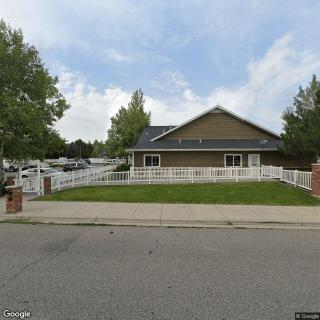
- The non-institutional décor is comforting for residents and family.
- The nurses, support staff, housekeepers, cooks and maintenance people were helpful, professional and friendly.
- It was cheaper than the nursing home and much more like home.
- They are great people.
Cons
 The management is terrible and provides no feedback on resolving problems.
- There is a lack of training in essential areas among the caregivers.
- Caregivers have so many additional responsibilities that caring for residents becomes secondary.
- A resident’s medication was given in error.
- Management minimized the severity of medication errors and offered no explanation.
- Family concerns were minimized or blamed on another party.
- Bubble-wrapped pills were compromised.
- The facility issued a 30-day eviction notice after addressing care concerns, disrupting the resident’s well-being.
- Management did not want family members to scrutinize or question their operations.
Review
TenderNest 7B in Billings is best suited for families seeking a small, home-like assisted living experience where residents are treated with warmth, dignity, and personal attention. It works especially well for seniors who value meaningful daily interactions with caregivers and who are comfortable in a setting that prioritizes a non-institutional atmosphere over clinical polish. This community shines for families who want a supportive, approachable environment and are willing to trade some administrative polish for genuine, day-to-day kindness. Those needing stringent medical oversight, tightly controlled operations, or uncompromising accountability should look at alternatives that offer more formal governance and more predictable responses from management.
The strongest positives are unmistakable: caregivers are described as wonderful, compassionate, and consistently attentive, with many residents forming genuine bonds with their aides and nurses. Families highlight the honest warmth of the staff, the feeling of being cared for as family, and a kitchen and atmosphere that feel comfortable rather than institutional. The ambience is homey, the décor non-clinical, and the care team’s accessibility a real asset for residents who want to feel seen and valued in small, everyday moments. Food and daily interactions contribute to a sense of belonging that many families crave when choosing care for a loved one. Cost is also a practical upside, with testimonials indicating the option is cheaper than a traditional nursing home while still delivering active nursing support.
Yet the downsides are not trivial. Management appears to be the most consistently cited friction point, with several families reporting a lack of feedback on problem resolution and a tendency to minimize or deflect concerns when issues arise. Medication errors, including one incident where a resident received another person’s pills, have understandably raised alarms about safety and the reliability of protocols. A particularly jarring note is the eviction of a resident family member after raising concerns; such actions understandably undermine trust and create a chilling effect on advocacy. Additional strains, perceived overloading of caregivers with multiple responsibilities, emerge as a factor that can dilute attention to the core duty of direct resident care.
These tensions do not erase the value of the positives, but they do limit the overall risk profile. The same caregivers who are praised for kindness are sometimes stretched thin by shifts that demand they juggle many tasks beyond personal care, leading to a perception that essential duties can take a backseat to administrative chores. In scenarios where medical needs require close, proactive supervision or rapid escalation, or where families must rely on transparent, accountable reporting, strengths in warmth and companionship may not fully compensate for governance gaps. The home-like environment and ready access to staff help mitigate stress for dementia-related behaviors, but the risk of inconsistent problem-solving decisions remains a concern for families prioritizing predictable operations.
For families considering TenderNest 7B, practical due diligence is essential. Demand a written, specifics-based care plan that includes 24/7 access to a trusted clinician, clear medication administration procedures, and a documented process for addressing concerns with timely follow-ups. Request a direct line to management with guaranteed responses and schedule regular care plan reviews involving family members. Confirm staffing ratios, especially for residents needing higher levels of assistance, and verify that 1-on-1 care can be reliably arranged if required. Finally, visit at different times and speak directly with current residents and multiple staff members to assess whether the warmth is consistently echoed in daily practice or too frequently offset by management blind spots.
Bottom line: TenderNest 7B delivers a compelling blend of genuine caregiver warmth, a homey, reassuring environment, and cost advantages that appeal to families prioritizing quality of daily life and personal connection. However, management communication gaps, safety process concerns, and a punitive approach to advocacy pose real risks for families who require transparent governance and dependable problem resolution. For those who can couple a fondness for a family-like setting with strict expectations around accountability and safety, TenderNest 7B remains a viable option. For others, particularly those who cannot tolerate inconsistent responses to concerns or who need unassailable medical governance, exploring alternatives with stronger oversight may be the wiser path.
 10 resident community capacity
 Assisted Living
 Beauty salon
 Cable or satellite TV
 Dining room
 Fully furnished
 Garden
 Housekeeping services
 Kitchenette
 Move-in coordination
 Outdoor space
 Restaurant-style dining
 Small library
 Telephone
 Wi-Fi/high-speed internet available
 Billings Logan International (4 miles away)
 24-hour supervision
 Activities of daily living assistance
 Assistance with bathing
 Assistance with dressing
 Assistance with transfers
 Diabetes diet
 Medication management
 Mental wellness program
 Special dietary restrictions


 Exploring the Contrasts Between Assisted Living and Skilled Nursing
 8 Key Indicators That Suggest It May Be Time to Transition from Assisted Living to Skilled Nursing Care
 Vibrant Senior Living: A Comprehensive Guide for Active Older Adults