
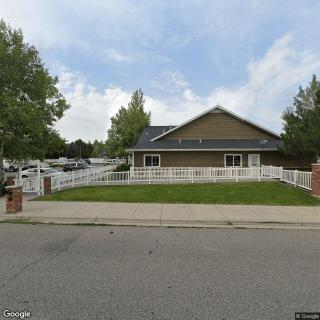
4040 Parkhill Drive #3, Billings, MT 59106
For more information about senior living options: (866) 208-4318
Overall Review of TenderNest 5B
Pros
 They love their new home and appreciate the aides and nurses.
- Most of the caregivers are caring and compassionate.
- Grandpa is in good hands there.
- The mother is treated with dignity and kindness, and medical care is promptly addressed.
- The owners and management team are professional and have a heart.
- The staff are helpful, professional and friendly, and the experience feels like home.
- Tendernest provides an amazing experience with comforting décor.
Cons
 The management is terrible and provides no feedback on resolving problems.
- There is a lack of training in essential areas among the caregivers.
- Caregivers have so many additional responsibilities that caring for residents becomes secondary.
- A mother received another resident’s medication in error.
- Management minimized the severity of the medication error and offered no explanation or concern.
- Concerns raised by the family were minimized or blamed on another party.
- A 30-day eviction notice was issued to the mother, forcing a move and contributing to deterioration of dementia.
- The eviction appeared to be intended to prevent scrutiny of operations.
- It is unfortunate that a family member cannot advocate for a loved one without facing consequences.
Review
TenderNest 5B in Billings, MT is best suited for seniors who want a warm, home-like setting where dignity and personal attention come first. The community consistently earns praise for its caring on-site staff, a non-institutional ambiance, and a family atmosphere that makes residents feel “at home.” Cost is a practical consideration here, with care that typically undercuts traditional nursing homes while preserving daily comfort, personal meals, and accessible assistance. For families prioritizing a livable, familiar environment over formal hospital-like surroundings, TenderNest 5B presents a sensible, human-centered option.
But this is not a universal fit. Families should consider alternatives if constant, close supervision is non-negotiable or if the operation must demonstrate unwavering, transparent management. The most persistent concerns center on how problems are addressed and communicated. When issues arise, the impression in some instances is of limited feedback from leadership, or a tendency to minimize or shift responsibility rather than offering clear explanations and corrective actions. In such a climate, trust hinges on active family advocacy, and that is a demanding requirement for many households.
The strongest positives revolve around the people delivering care. Caregivers are described as compassionate, professional, and attentive, with residents receiving timely medical attention when needed. The non-clinical décor and relaxed, home-like setting contribute to a sense of normalcy and comfort that matters greatly for daily well-being. The combination of approachable staff, genuine kindness, and a supportive environment helps residents maintain dignity and identity, particularly for those navigating chronic health needs or end-of-life transitions. In practical terms, these strengths can offset some operational fragility when families are able to participate in ongoing care planning and regular communication with front-line staff.
These advantages, however, do not erase the substantive risks embedded in the reported management gaps. The most disconcerting issues include a lack of transparent problem-resolution feedback, a serious medication-handling incident, and, in an extreme case, a 30-day eviction notice after concerns were raised about care processes. The eviction episode is especially troubling and suggests a policy environment that may penalize scrutiny rather than address it. Staff appear stretched by multiple duties, which can dilute attention to core caregiving tasks and heighten the chance of oversights. Taken together, these factors create a tension between a genuinely caring frontline and a governance layer that may not consistently reinforce safety, accountability, and open communication.
From the resident and family perspective, TenderNest 5B often feels like a place where people are treated with dignity, kindness, and respect. Families report a strong sense of gratitude for the personal attention their loved ones receive, the quality of meals, and the opportunity to participate in a supportive, intimate community life. Several accounts highlight professional but heartfelt leadership, and a gratitude for the home-like environment that can ease transitions for residents with dementia or terminal illness. The contrast between these moving, positive experiences and the more challenging management dynamic underscores a critical truth: care quality on the floor can be superb, but sustained safety and continuity depend on dependable governance and responsive problem-solving.
The bottom line for decision-makers is clear. TenderNest 5B offers a compelling, cost-conscious alternative for families who can commit to active oversight and insist on consistent, transparent management. For households where advocacy is not feasible or where reliable escalation and corrective action are non-negotiable, it may be prudent to explore other options with stronger track records in governance and incident handling. When evaluating TenderNest, prospective residents should secure a detailed care plan, inquire about staff-to-resident ratios, training standards, medication administration protocols, and the facility’s process for addressing concerns or complaints. It is equally wise to request candid references from current families and to understand how eviction policies would operate under different care scenarios. In the right hands, TenderNest 5B can be a gracious, human-centered home; in others, safer, more tightly governed environments may better align with needs for consistent oversight and measurable accountability.
 16 resident community capacity
 Assisted Living
 Beauty salon
 Cable or satellite TV
 Dining room
 Fully furnished
 Garden
 Housekeeping services
 Kitchenette
 Move-in coordination
 Outdoor space
 Restaurant-style dining
 Small library
 Telephone
 Wi-Fi/high-speed internet available
 Billings Logan International (4 miles away)
 24-hour supervision
 Activities of daily living assistance
 Assistance with bathing
 Assistance with dressing
 Assistance with transfers
 Diabetes diet
 Medication management
 Mental wellness program
 Special dietary restrictions


 Assisted Living Expenses and Long-Term Care Insurance: A Comprehensive Exploration
 Securing Financial Support for Assisted Living: A Comprehensive Overview
 Social Security Benefits and Assisted Living: Navigating Options Across the U.S.