
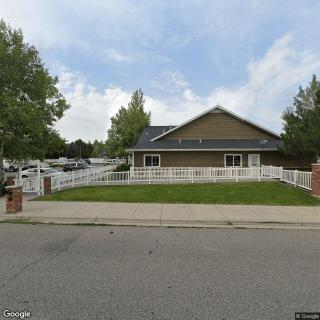
4005 Parkhill Drive, Billings, MT 59106
For more information about senior living options: (866) 208-4318
Overall Review of TenderNest 3B
Pros
 They love their new home and the aides and nurses.
- The caregivers have been wonderful.
- Most of the caregivers were caring and compassionate.
- They are taking good care of the residents; the grandpa is in good hands there.
- She is treated with dignity and kindness.
- She loves her caretakers.
- The owners and management team are professional but with a heart.
- Tendernest provided an amazing experience for their cousin.
- The nurses, support staff, housekeepers, cooks, and maintenance people were helpful, professional, and friendly.
- It was cheaper than the nursing home and felt more like home.
Cons
 The management is terrible and provides no feedback on resolution of problems.
- There appears to be a lack of training in essential areas, and caregivers have so many additional responsibilities that caring for residents becomes secondary.
- A resident received another resident’s medication in error.
- Management minimized the severity of medication errors and offered no explanation.
- Concerns about medication distribution were minimized or blamed on others.
- There was an incident with bubble-wrapped pills that were compromised.
- A 30-day eviction notice forced relocation, which worsened the resident’s dementia.
- It is unfortunate that a family member cannot advocate for their loved ones without facing consequences.
Review
TenderNest 3B in Billings is best suited for families and residents who prize a warm, home-like atmosphere with genuinely caring aides and nurses, and who are comfortable taking an active, ongoing role in oversight. The facility has earned praise for its personal touch, approachable staff, and a setting that feels less institutional than a traditional nursing home. It can be an affordable, emotionally supportive option for seniors who want dignity, accessible medical attention, and a family-feel environment. Those who prioritize a highly structured administrative process, transparent problem-solving, and ironclad guarantees around safety and medication administration may want to consider alternatives.
The clearest counterpoint emerges in how management operates and how errors are handled. Positive notes consistently center on the caregivers’ compassion, the residents’ sense of being valued, and the overall atmosphere, people speak of dignity, kindness, and a supportive team that treats residents like family. Yet multiple reviewers flag significant gaps at the leadership level: minimal feedback when issues arise, a tendency to minimize or shift responsibility for problems, and a troubling history of consequences for families who push for accountability. Critical incidents, misdistributed medication, compromised pills, and a reported eviction after raising concerns, cast a long shadow over what otherwise appears to be a nurturing care environment. In short, the day-to-day caregiving can be excellent, but the administrative framework can undermine trust and safety if not vigilantly managed.
The strongest pros, the non-institutional décor, the intimate, family-oriented culture, and the ability to deliver timely medical attention when needed, can offset many everyday concerns for residents who do not require relentless oversight. Families report that care teams are empathetic, that meals and social atmosphere feel homelike, and that professional staff respond promptly to health needs. End-of-life and terminal-care moments reportedly benefit from the staff’s compassionate approach, aided by a setting that reduces the sterility many associate with larger facilities. The price point, often cheaper than a traditional nursing home, further reinforces its appeal for families weighing ongoing care expenses. When a resident thrives on personal connections and a familiar routine, TenderNest 3B can deliver meaningful quality of life that supports both residents and their families.
However, the cons cannot be dismissed or treated as background noise. The most consequential risk relates to management accountability and problem resolution. When concerns arise, the perception that management minimizes, deflects, or inadequately explains outcomes undermines trust and can erode safety over time. The combination of staff being stretched thin with multiple duties and insufficient training in critical areas translates into real-world vulnerability, especially around medication administration. The eviction incident, in particular, is a red flag: it suggests policies that may supersede a family’s right to advocate, potentially leading to abrupt transitions that destabilize a resident, particularly someone with dementia or fluctuating needs. In short, the facility can deliver warmth and competent daily care, but it requires families to stay highly engaged and to push for clear, timely accountability.
For families weighing TenderNest 3B, a practical decision framework helps: if the priority is a home-like environment with attentive aides and a lower-cost option, and if the ability to monitor care closely is feasible (through regular visitation, explicit care plans, and rapid escalation channels), then this community can be a strong fit. If the main concern is rock-solid administrative transparency, consistent 1-on-1 care oversight, rigorous medication safety protocols, and protections against punitive measures for families who raise concerns, consider alternatives with a demonstrably stronger track record in governance and accountability. For residents with evolving memory or medical needs, ensure that dementia-specific programming and contingency plans are in place, and confirm there is a clear path to escalate concerns without retaliation.
To make a well-founded decision, arrange a thorough on-site visit with ample time to observe interactions between staff and residents, and request candid conversations with current families about how issues are resolved. Probe specifically into medication handling protocols, staff-to-resident ratios at different shifts, training programs, and documented responses to past incidents. Ask about eviction policies, how care plans are updated, and what happens when a family member questions care decisions. If the answers feel transparent, timely, and oriented toward continuous improvement, and if the culture shown by staff aligns with the warmth described by residents, TenderNest 3B stands as a compelling, practical choice. If not, it is prudent to explore facilities with more robust governance and proven, bias-free problem-resolution processes to guard against similar concerns.
 16 resident community capacity
 Assisted Living
 Beauty salon
 Cable or satellite TV
 Dining room
 Fully furnished
 Garden
 Housekeeping services
 Kitchenette
 Move-in coordination
 Outdoor space
 Restaurant-style dining
 Small library
 Telephone
 Wi-Fi/high-speed internet available
 Billings Logan International (4 miles away)
 24-hour supervision
 Activities of daily living assistance
 Assistance with bathing
 Assistance with dressing
 Assistance with transfers
 Diabetes diet
 Medication management
 Mental wellness program
 Special dietary restrictions


 Comprehensive Insights into Activities of Daily Living (ADLs) and Their Assessment
 Guiding Elderly Parents Who Refuse Assisted Living: 6 Practical Steps
 Your Comprehensive Guide to Luxury Assisted Living: Elevated Facilities, Amenities, and Costs