
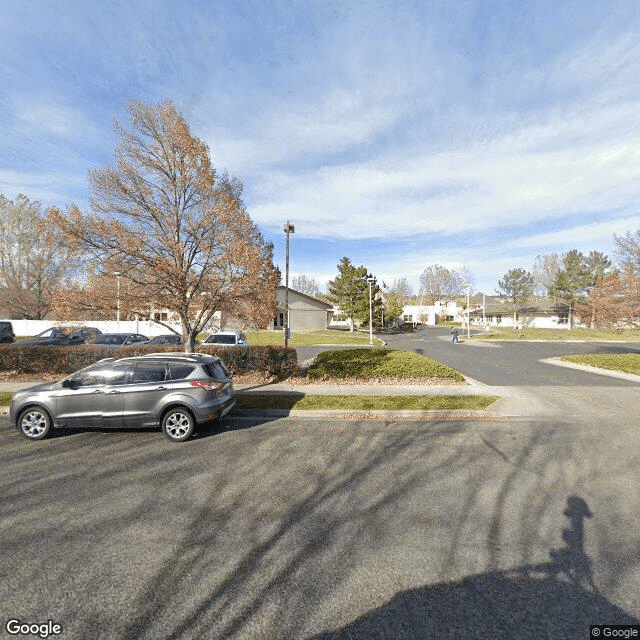
3155 Ave C, Billings, MT 59102
To contact a resident: (406) 656-8818
For more information about senior living options: (866) 208-4318
Aspen Meadows Assisted Living Costs & Pricing
Aspen Meadows Assisted Living offers competitive pricing compared to the broader market in Yellowstone County and across Montana. For a one-bedroom unit, residents can expect to pay $3,359 per month, which is slightly above the county average of $3,214 but notably below the state average of $3,468. In the case of two-bedroom accommodations, Aspen Meadows' rate of $5,995 stands out as significantly higher than both local and statewide figures, with Yellowstone County averaging $4,137 and Montana at $4,247. This pricing reflects the unique amenities and services that Aspen Meadows provides, catering to those who seek an enriching assisted living experience.
| Floor plans | Aspen Meadows Assisted Living | Yellowstone County | Montana |
|---|---|---|---|
| 1 Bedroom | $3,359 | $3,214 | $3,468 |
| 2 Bedrooms | $5,995 | $4,137 | $4,247 |
Assisted Living communities with a similar price nearby
-
from -$384 / mo
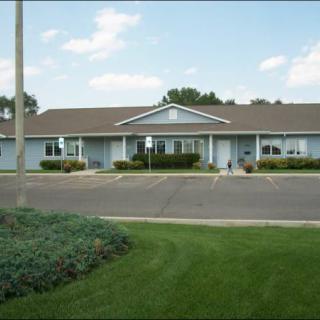
Edgewood Vista-Billings
$2,975 to $4,150 / month3.9 miles away -
from +$641 / mo
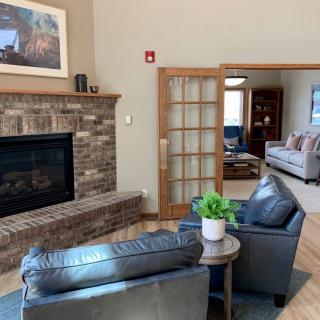
Autumn Springs Assisted Living
$4,000 to $5,000 / month6.3 miles away -
from +$311 / mo

MorningStar Of Billings
$3,670 to $6,365 / month6.7 miles away -
from +$441 / mo

Autumn Care Center
$3,800 / month7.7 miles away
Overall Review of Aspen Meadows Assisted Living
Pros
 The food was great.
- There was an activity director who kept things lively.
- The staff was very helpful when the uncle had to be relocated from assisted living to the nursing home facility.
- They carried out the move cheerfully and were very kind.
- The staff works hard to accommodate residents' needs.
- There were three great meals.
- The updates on Uncle Tom's ongoing care were appreciated.
Cons
 Things have gone downhill quite a bit.
- There has been no music, no wine-downs, and the food was horrible.
- Tonight they ran out of hamburgers, and many residents went without dinner.
- The MIL does not like the fish because it is not served with tartar sauce; there was only a dry square of fish.
- Ketchup had been unavailable for a month.
- The reviewer urged others to stay away.
- The community was adequate at best and not what they were looking for for their loved one.
Review
Aspen Meadows is best suited for seniors who prize an active, people-centered environment and rely on a responsive, hands-on staff. The community tends to reward residents who want regular social programming and dependable caregivers who can adjust to individual needs. Families evaluating options will find there is value in transparent updates and caregivers who demonstrate ongoing engagement. This is not a luxury resort; it is a practical option for those who want companionship, accessible staff, and a straightforward care routine at a moderate price. The combination of an engaged activity culture and attentive aides remains a core strength when operations run smoothly.
However, those who demand unwavering dining quality and stable leadership should consider alternatives. The most critical negatives here are inconsistent meal experiences and a pattern of management turnover that shakes resident confidence. Several reviews cite meals that swing from solid to disappointing, with specific complaints about portioning and availability, and a lean toward routine lapses like running out of basic items. The absence of steady, ongoing programming such as music or social wine-downs also undermines the sense of a consistently vibrant community. Prospective buyers should be aware that what works one week may not be replicated the next.
From a pros-versus-cons perspective, the strong point set centers on staff availability and willingness to help. A history of caregivers who go the extra mile, helping with relocations, packing belongings, and providing updates on care, offers real reassurance to families navigating transitions. The activity director in earlier times helped keep the atmosphere lively, and there are credible reports of genuinely good meals during promotional or visitation moments. Yet these positives do not fully offset the recurring downsides. Time and again, dining quality and reliability appear to lag when leadership shifts or when operational pressures surface, leaving residents and families uncertain about what to expect next.
That tension makes due diligence essential. Families should press for current, concrete details: how menus are developed, how often they are updated, and what contingency plans exist for shortages. Ask to meet the current manager and kitchen leadership, review recent resident satisfaction notes, and arrange a trial period focused on dining reliability and event programming. It is prudent to observe meal service and programming on multiple days, not just during a favorable corporate visit, to gauge consistency. If control over the dining experience and a steady management presence are non-negotiable, Aspen Meadows may feel precarious.
On the other hand, for families prioritizing personal contact and hands-on staff support, Aspen Meadows can still deliver meaningful value. The ability of aides to respond promptly, the barrier-free access to updates, and the visible investment in resident well-being across caregiving tasks are meaningful advantages. The community can offer a practical, compassionate living environment where residents are not neglected and staff members make earnest efforts to accommodate needs. In such a scenario, the variability in meals might be tolerated as a trade-off for ongoing caregiver attentiveness and the social fabric that persists when programming is intact.
Bottom line: Aspen Meadows is a workable choice for those who value reliable, personable staff and a reasonably active social scene, provided appetite for stability in dining and leadership is flexible. Families with a fixed expectation of consistent menus, dependable dining routines, and steady senior-management oversight may want to explore other nearby options first. If those non-negotiables can be negotiated and the surrounding environment, companionship, and caregiver engagement take precedence, a visit is warranted to judge whether current operations align with expectations. This community rewards candid oversight and careful, short-term testing before committing long-term.
 Assisted Living
 Dogs allowed
 Activities on-site
 Air-conditioning
 Beautician on-site
 Cable or satellite TV
 Devotional services off-site
 Ground floor units
 Handicap accessible
 Indoor common areas
 Kitchenette
 Outdoor common areas
 Wi-Fi/high-speed internet available
 Billings Logan International (4 miles away)
 Ambulatory care
 Incontinence care
 Medication management
 Guest meals
 Art classes
 Catholic services
 Day trips and outings
 Karaoke
 Live musical performances
 Trivia games
 Wii bowling
 Is Assisted Living Deductible on Your Taxes? Understanding the Complexities of Assisted Living Expenses and Deductions
 Assisted Living Support for Veterans: A Complete and Detailed Overview
 Exploring the Contrasts Between Assisted Living and Skilled Nursing