Benton House of Staley Hills offers a range of living options with pricing that reflects its premium services and amenities. For a studio apartment, residents can expect to pay $4,200 per month, significantly higher than the average costs in both Platte County at $2,993 and the broader Missouri state level, which stands at $3,418. The 1-bedroom option is priced at $4,650, again surpassing county and statewide averages of $2,796 and $3,349 respectively. The semi-private room option has a monthly rate of $5,220, which not only exceeds the local cost of $4,354 but also the state average of $3,772. These figures underline Benton House's positioning as a premium choice for individuals seeking high-quality assisted living experiences in a supportive community environment.
Floor plans
Benton House of Staley Hills
Platte County
Missouri
Studio
$4,200
$2,993
$3,418
1 Bedroom
$4,650
$2,796
$3,349
Semi-Private
$5,220
$4,354
$3,772
Memory care communities with a similar price nearby
Residents and families consistently describe staff as caring, responsive, and supportive.
Across many reviews, people say the staff is friendly and goes out of their way to help, including keeping family members updated and handling concerns promptly. Multiple reviewers also mention staff supporting day-to-day needs and providing guidance through care decisions and transitions. A minority of reviews raise serious concerns about care follow-through and communication, but even those include that there were some good individuals on-site mixed in.
common18 reviews mention this
Clean, well-maintained facility
Reviews repeatedly note a clean, well-maintained community.
Several reviews directly praise cleanliness and upkeep, describing the facility as clean and maintained. Families also mention their loved ones’ rooms and common spaces as well kept, and at least one review connects upkeep to a more comfortable daily experience. Even some critical reviews frame their concerns around basic care issues, while other residents contrast those issues with how clean parts of the community appear.
differentiator10 reviews mention this
Dining with chef-led options
Food quality is a frequent bright spot, including chef-led dining.
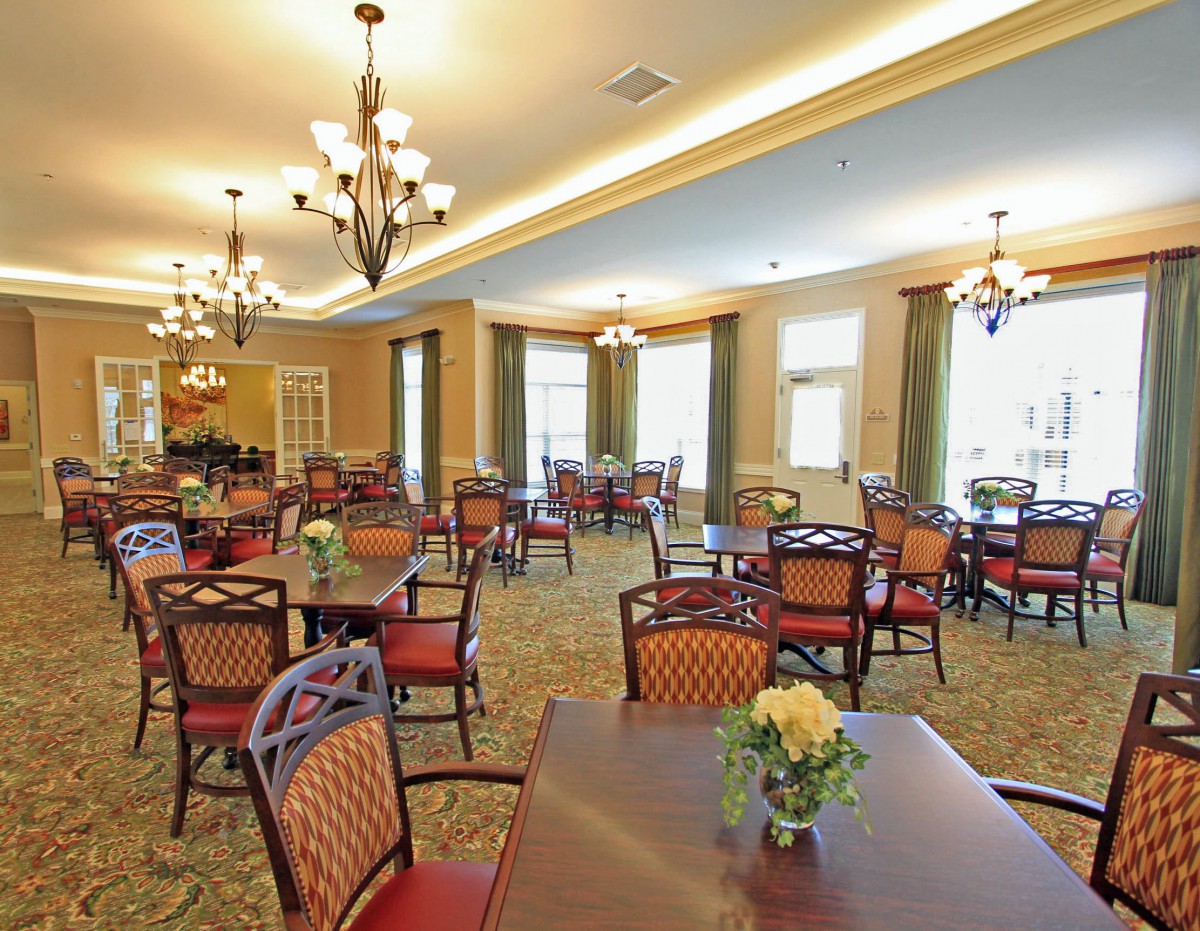
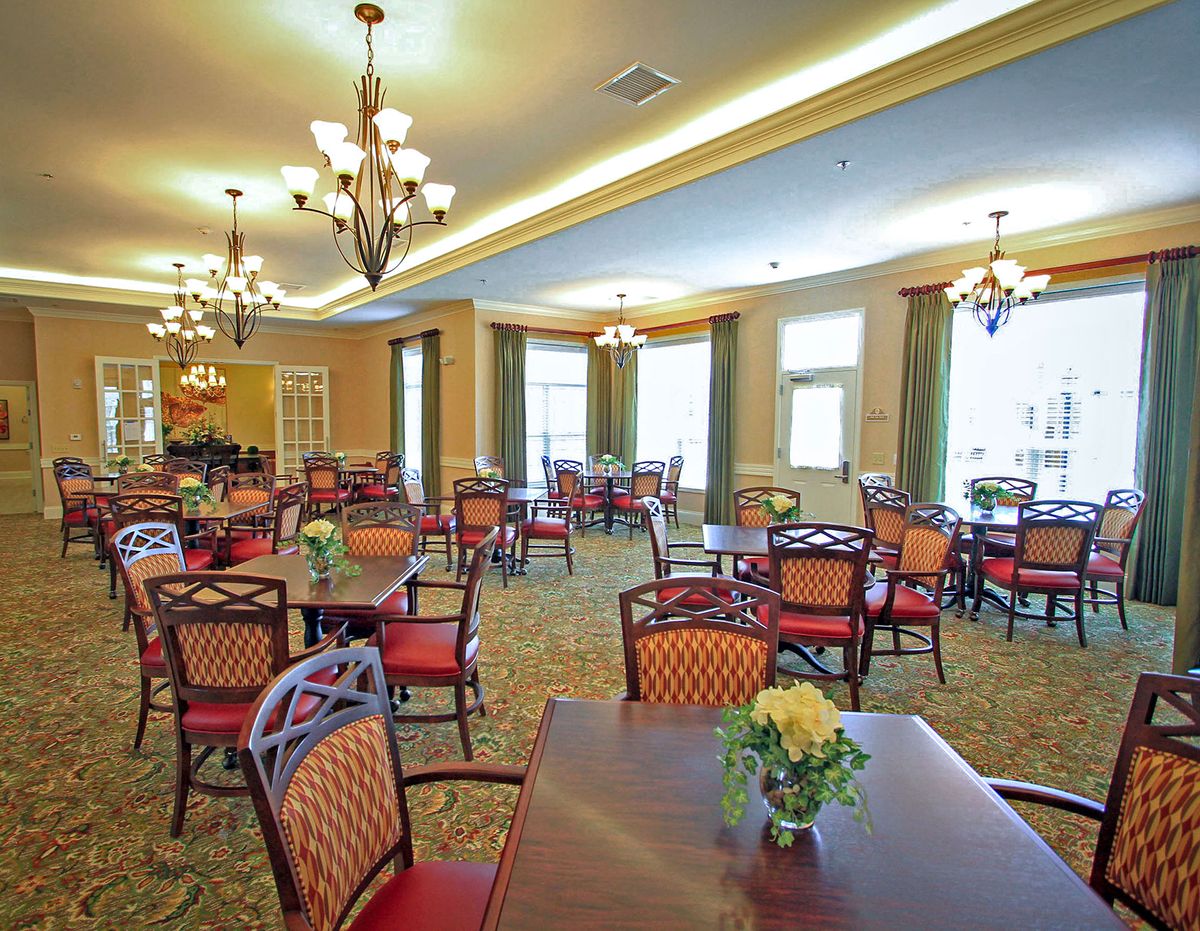
Dining comes up often, with reviewers describing food as appetizing and enjoyable, and specifically calling out the presence of a chef. Some families mention improvements over time when meals and appetite were an issue, and others describe dining room experiences as pleasant and social. This lines up with the community’s restaurant-style dining and meal service approach in its offered dining options.
differentiator7 reviews mention this
Care support for meds and needs
Families describe confidence in day-to-day care, including medication support.
Several reviews highlight care outcomes and peace of mind, including medication handling and attention to day-to-day needs. Some reviewers also describe help with transitions, and others mention staff support when circumstances change. This matches the community offering medication management and an around-the-clock care framework for residents who need assistance with daily activities.
caveat7 reviews mention this
High rates and mixed care reports
Pricing is a recurring concern, and experiences with care can vary widely.
A few reviews say the rates are high and difficult to afford, even when families believe the staffing levels justify the cost. On the care side, most accounts are positive, but a small set of reviews describe serious breakdowns in assistance, communication, and follow-through, including concerns about basic care needs. Taken together, residents’ experiences appear inconsistent for some families.
How we summarize
Counts show how many written reviews mention each theme; a review can touch several themes, and only frequently mentioned themes are displayed.
Features
Housing
80 resident community capacity
Types of Care
Assisted Living
Memory Care
Pets
Cats allowed
Dogs allowed
Amenities
Activities off-site
Activities on-site
Air-conditioning
Beautician on-site
Beauty salon
Cable or satellite TV
Computer center
Devotional services off-site
Devotional services on-site
Dining room
Fitness room
Fully furnished
Gaming room
Garden
Ground floor units
Handicap accessible
Housekeeping services
Indoor common areas
Kitchenette
Move-in coordination
Outdoor common areas
Outdoor space
Private bathrooms
Respite or short term stays offered
Restaurant-style dining
Small library
Telephone
Wellness center
Wheelchair accessible showers
Wi-Fi/high-speed internet available
Transportation
Kansas City International (8 miles away)
Community operated transportation
Transportation arrangement
Care Services
24-hour call system
24-hour supervision
Activities of daily living assistance
Ambulatory care
Assistance with bathing
Assistance with dressing
Assistance with transfers
Diabetes diet
Diabetic care
Incontinence care
Meal preparation and service
Medication management
Mental wellness program
Mild cognitive impairment
Special dietary restrictions
Specialized memory care programming
Dining
Diabetes diet
Guest meals
Low / no sodium
Meals provided
No Sugar
Professional chef
Restaurant style dining
Room service
Special dietary restrictions
Special dining programs
Activities
Art classes
Catholic services
Community-sponsored activities
Concierge services
Cooking classes
Day trips and outings
Devotional activities offsite
Devotional activities on-site
Educational speakers / life long learning
Fitness programs
Karaoke
Live well programs
Other religious services
Planned day trips
Protestant services
Resident-run activities
Scheduled daily activities
Visiting chaplain or priest
Nearby Places of Interest
This part of Kansas City, Missouri offers a variety of amenities that cater to seniors looking for convenience and entertainment. With several dining options ranging from casual eateries like Destiny's Bar & Grill and Taco Bell to more upscale cafes like Starbucks and Panera Bread, there is something for every palate. Additionally, there are multiple pharmacies nearby such as Sun Fresh and CVS Pharmacy, making it easy to access medication and healthcare supplies. For medical needs, there are several physician offices in the area including Meritas Health Gashland and Priority Care Pediatrics. Places of worship like North Oak Christian Church and Gashland Presbyterian Church provide spiritual support for residents. Seniors can also enjoy outdoor activities at parks like Barry Platte Park and Cabin Fever Trailhead - Smithville Lake. Overall, this neighborhood offers a well-rounded living experience with easy access to essential services and recreational opportunities.
Restaurants
Destiny's Bar & Grill (1 miles)
Taco Bell (3.4 miles)
McDonald's (3.5 miles)
Asian Buffet (3.7 miles)
PowerPlay Family Entertainment Center North (3.8 miles)
The Sandbox (3.8 miles)
Kate's Kitchen (3.9 miles)
Pharmacies
Sun Fresh (1.4 miles)
CVS Pharmacy (3.4 miles)
Walgreens (3.5 miles)
CVS Pharmacy (4.9 miles)
CVS Pharmacy (5.2 miles)
Medicine Shoppe (5.4 miles)
Walgreens (5.7 miles)
Physicians
nimal Clinic of Newmark (1.4 miles)
Meritas Health Gashland (2.2 miles)
Monarch Plastic Surgery and Skin Rejuvenation Center (2.2 miles)
Gashland Clinic (2.2 miles)
Priority Care Pediatrics (2.2 miles)
Discover Vision Centers in North Kansas City (2.3 miles)
Pediatric; Care North (3.7 miles)
Places of Worship
North Oak Christian Church (1.7 miles)
Gashland Presbyterian Church (3.9 miles)
Calvary Chapel Church God (5.5 miles)
First Baptist Church of Smithville (6.4 miles)
Southern Baptist Convention (6.4 miles)
Cafes
Friendly Bean Coffee (3.4 miles)
Starbucks (3.8 miles)
Panera Bread (6 miles)
Starbucks (6 miles)
Cornerstone Coffee (6.5 miles)
Panera Bread (6.9 miles)
Parks
Barry Platte Park (3.9 miles)
Cabin Fever Trailhead - Smithville Lake (6.3 miles)
Hospitals
Saint Luke's Health System, Saint Luke's East Hospital, Smithville Campus (5.8 miles)
Benton House of Staley Hills offers a range of living options with pricing that reflects its premium services and amenities. For a studio apartment, residents can expect to pay $4,200 per month, significantly higher than the average costs in both Platte County at $2,993 and the broader Missouri state level, which stands at $3,418. The 1-bedroom option is priced at $4,650, again surpassing county and statewide averages of $2,796 and $3,349 respectively. The semi-private room option has a monthly rate of $5,220, which not only exceeds the local cost of $4,354 but also the state average of $3,772. These figures underline Benton House's positioning as a premium choice for individuals seeking high-quality assisted living experiences in a supportive community environment.
The comprehensive services at Benton House of Staley Hills are designed to enhance the quality of life for residents facing the challenges of dementia or Alzheimer's disease. The 24-hour supervision ensures that individuals receive constant support and safety, while assistance with activities of daily living--such as bathing, dressing, and transfers--promotes independence and dignity. Incontinence care further alleviates anxiety related to personal hygiene, while meal preparation and service provide nutrition tailored to individual needs. Medication management is crucial in ensuring proper adherence to treatment plans, thus maintaining health stability. Additionally, the mental wellness program and specialized memory care programming cater specifically to cognitive development and emotional well-being, addressing both mild cognitive impairment and more advanced stages of memory loss through engaging activities that foster social interaction and cognitive stimulation. Together, these features create a nurturing environment conducive to comfort, safety, and holistic care for each resident.
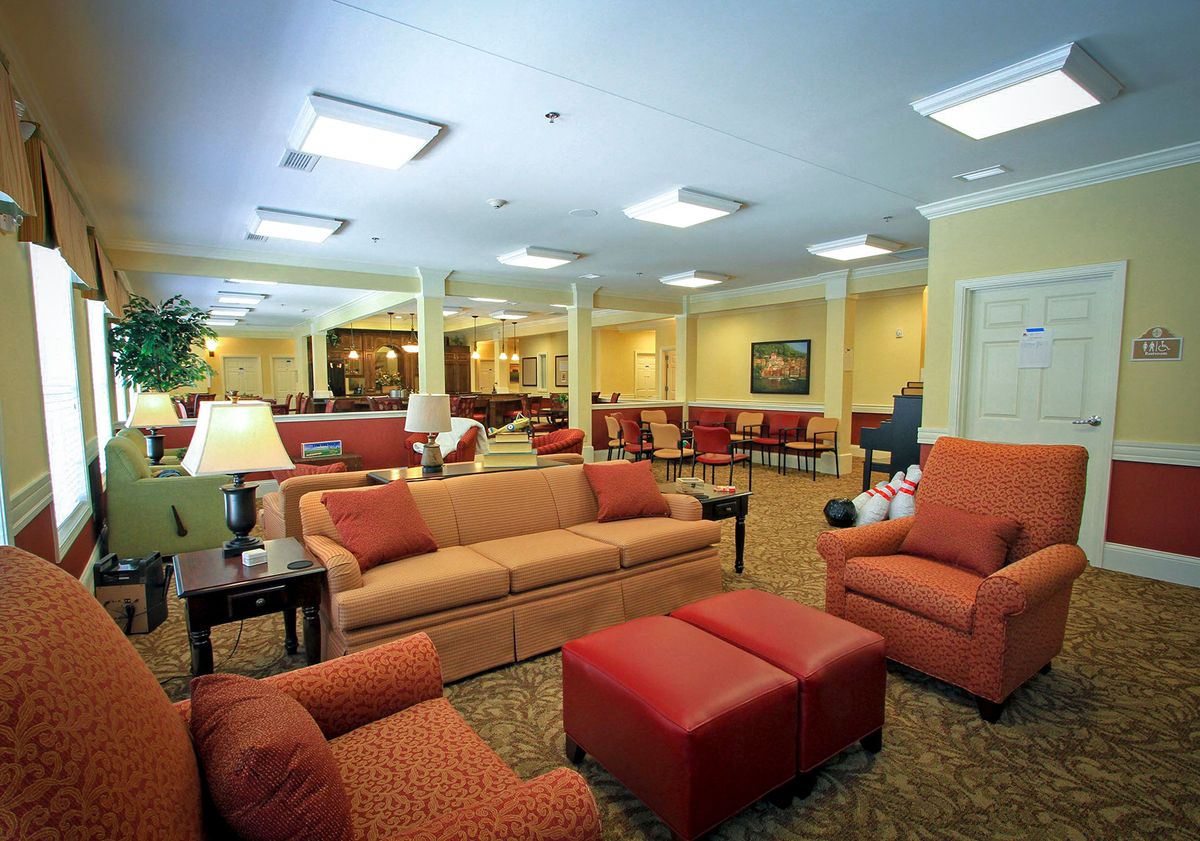
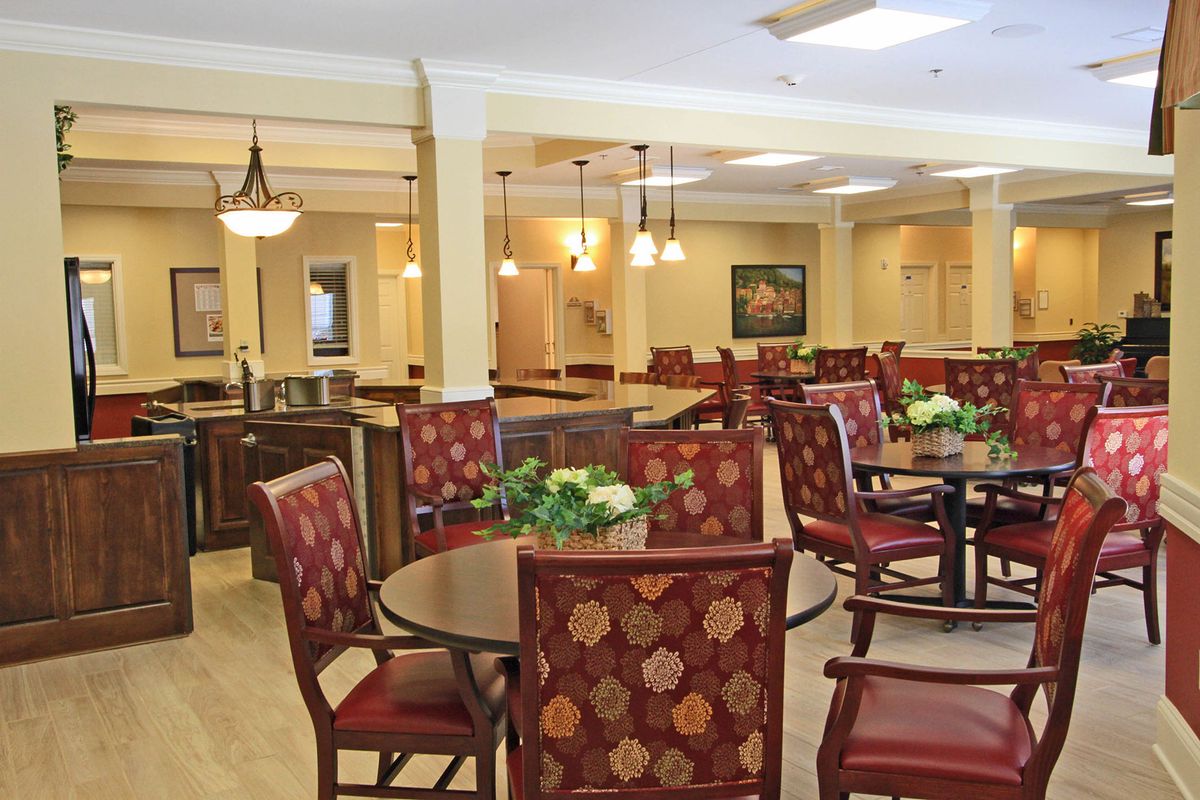
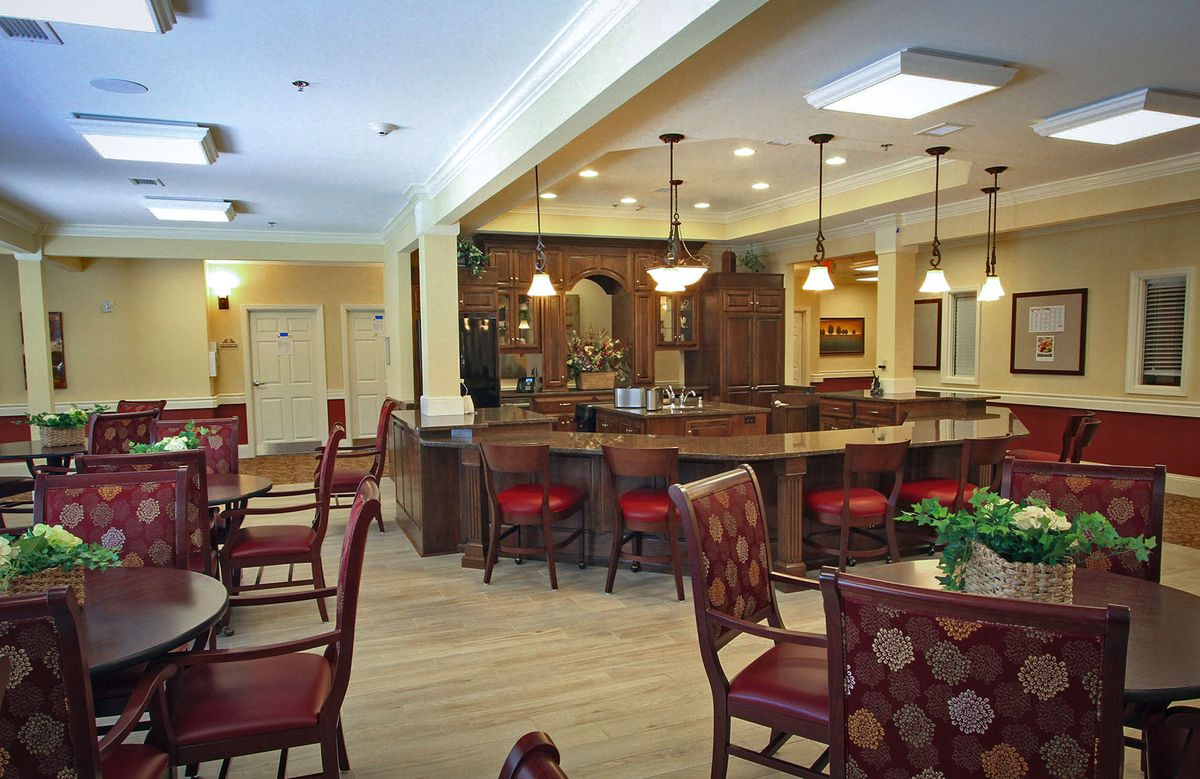
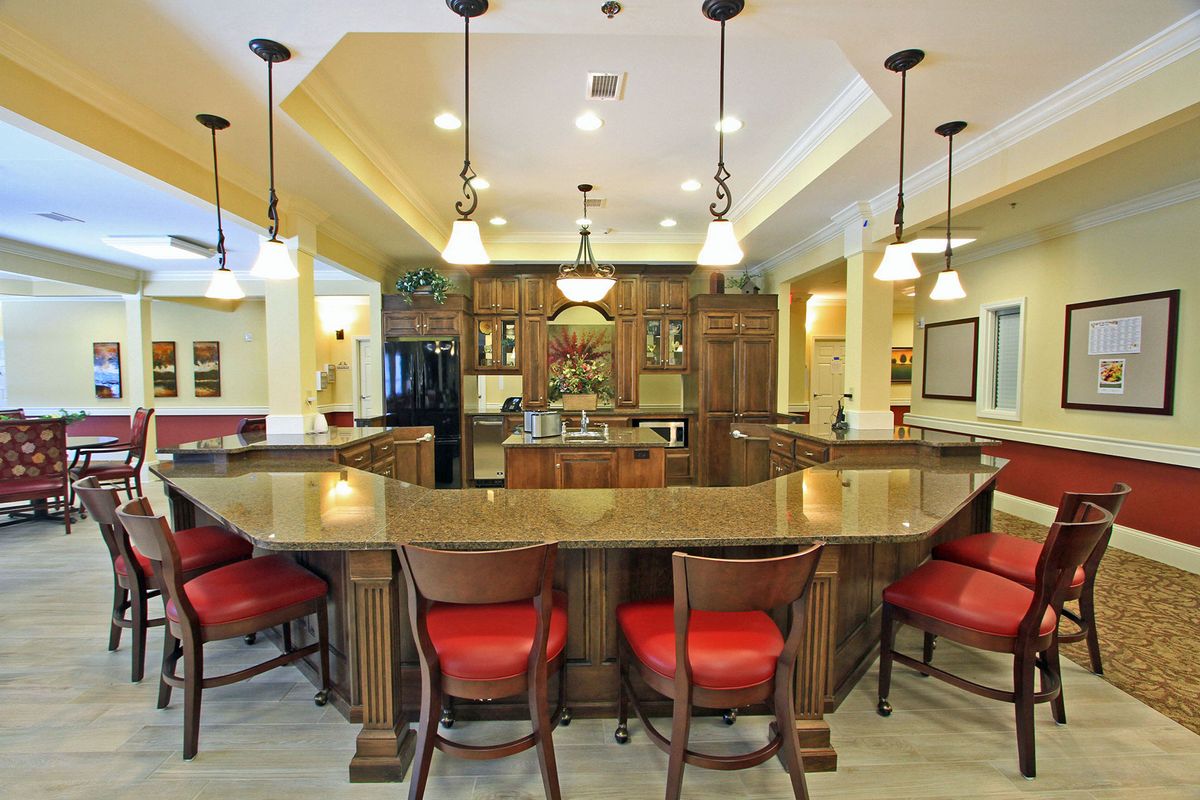
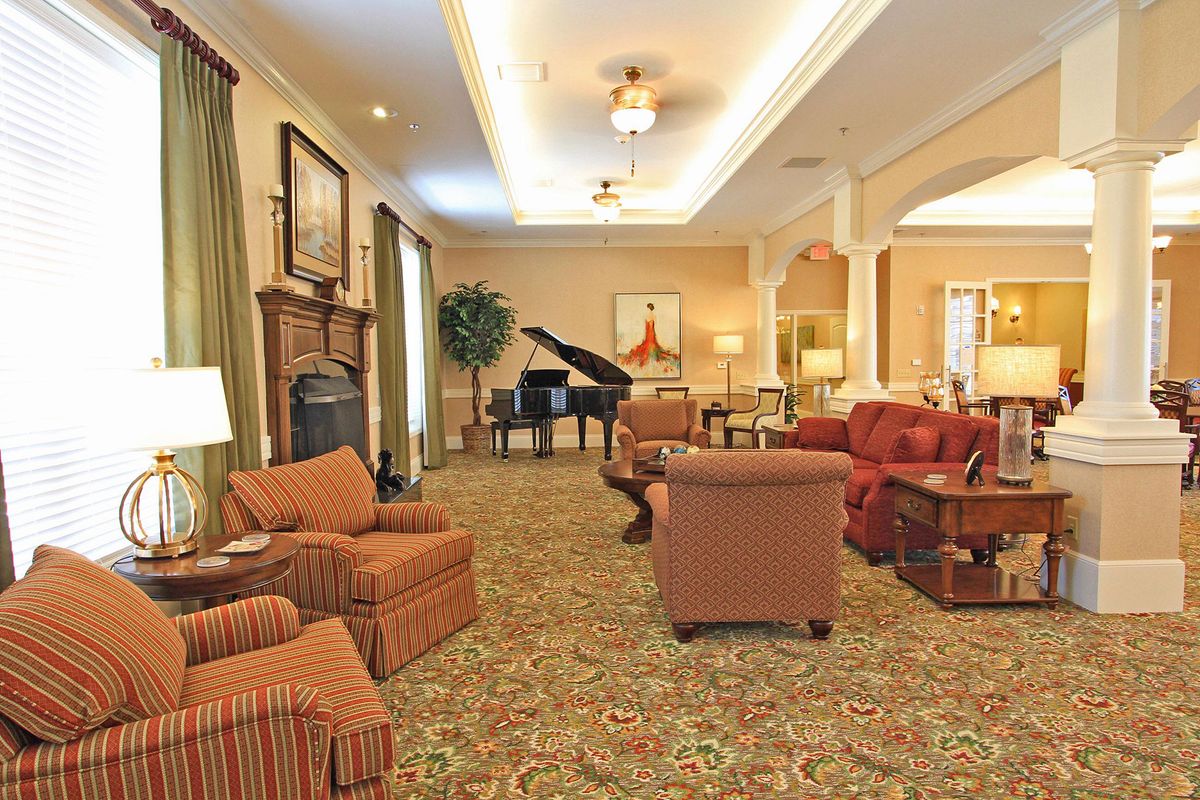
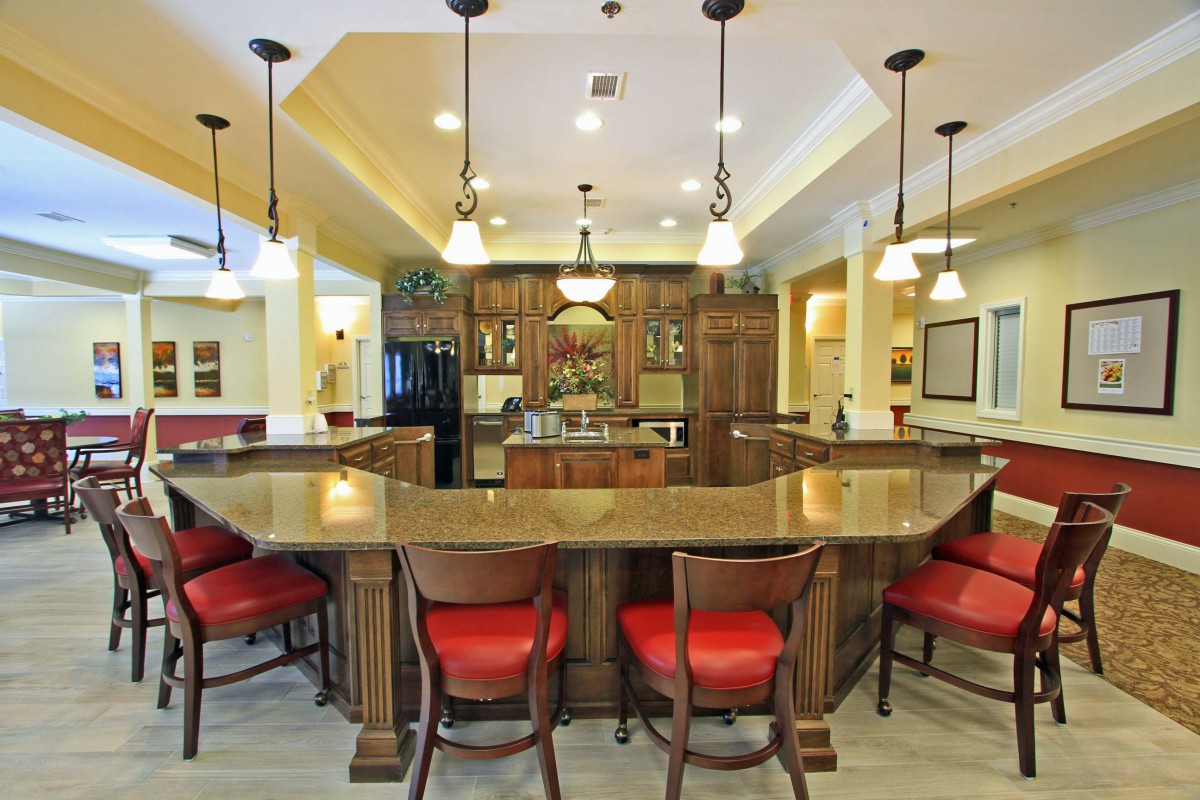
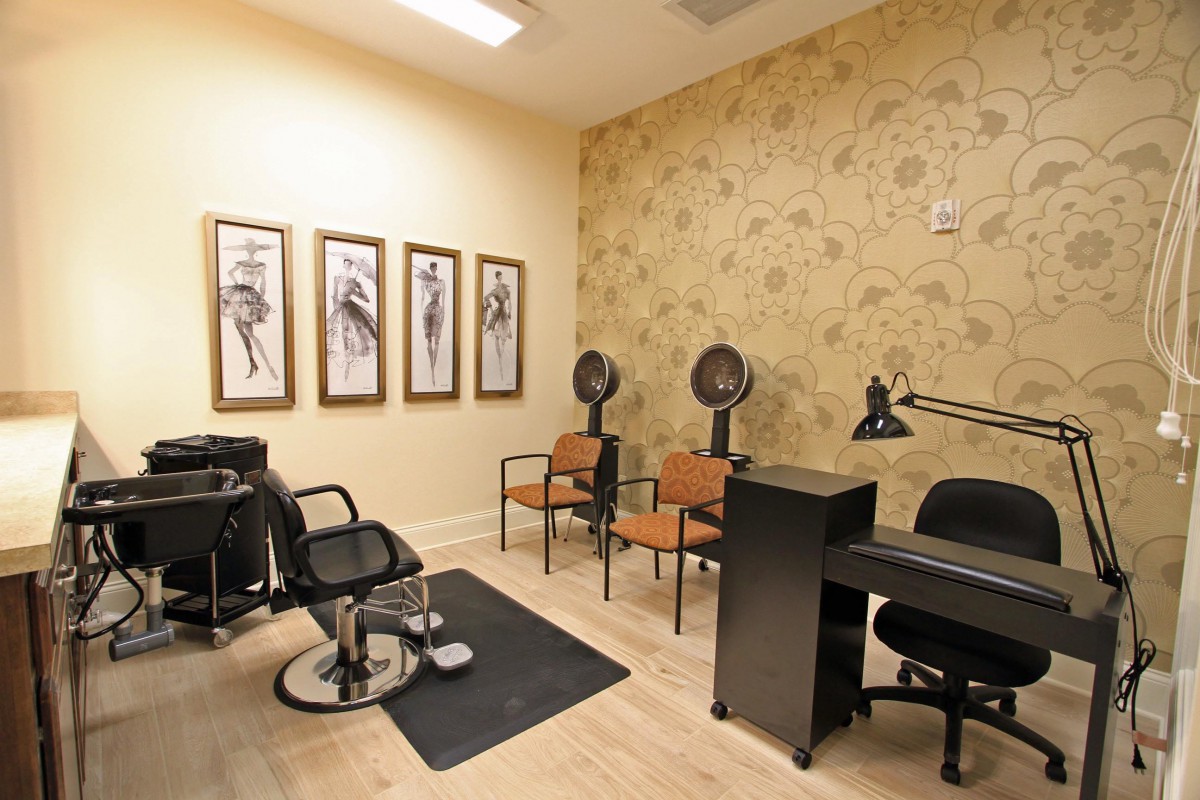
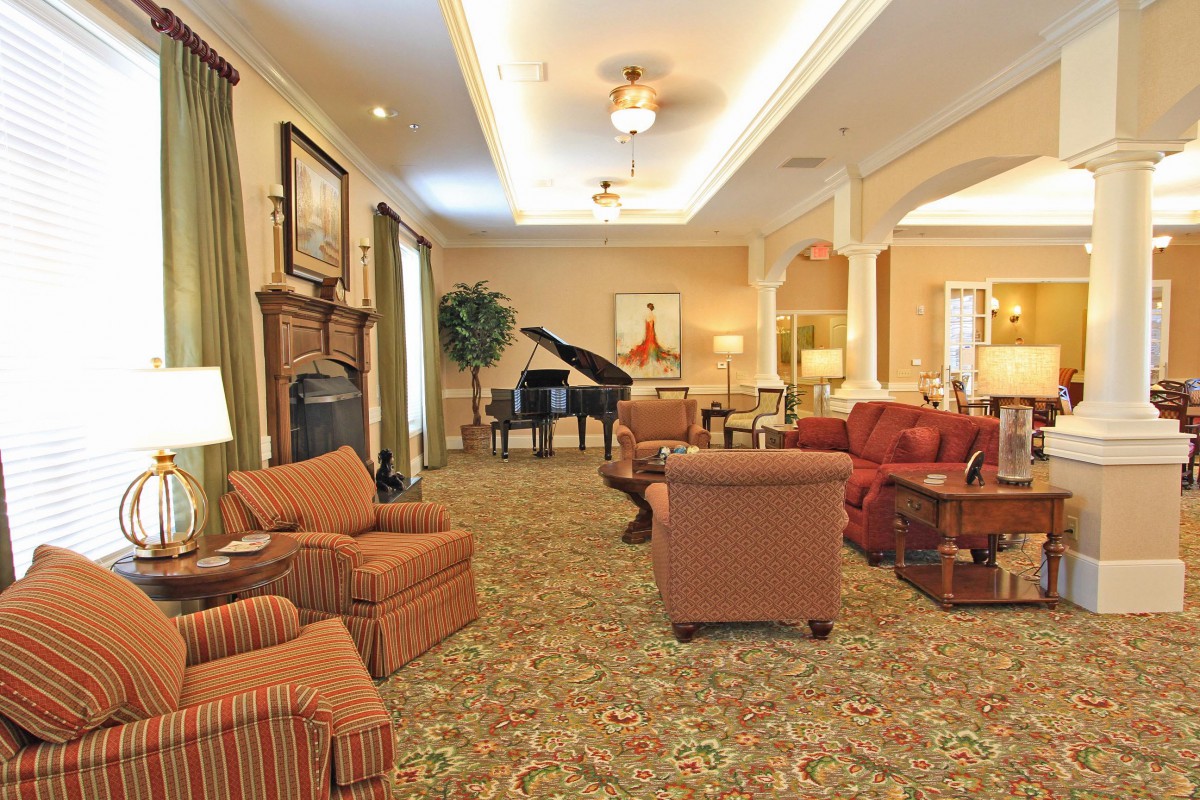
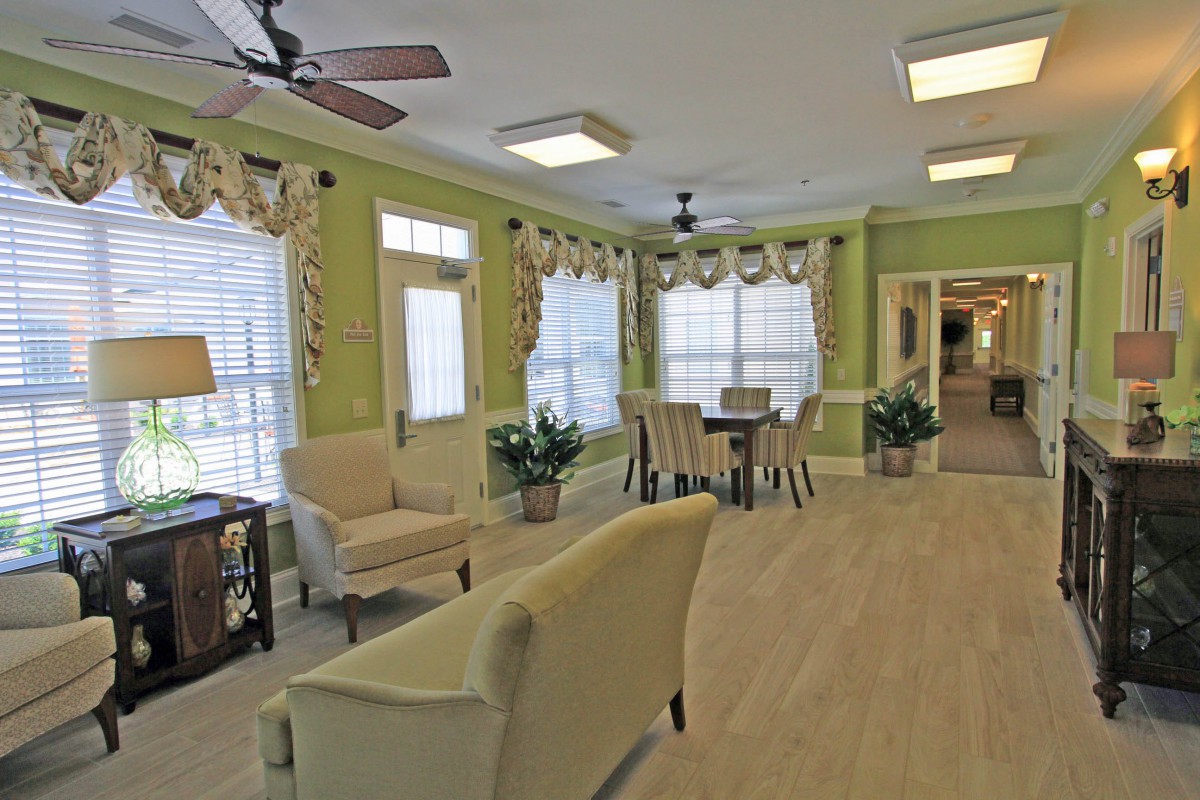
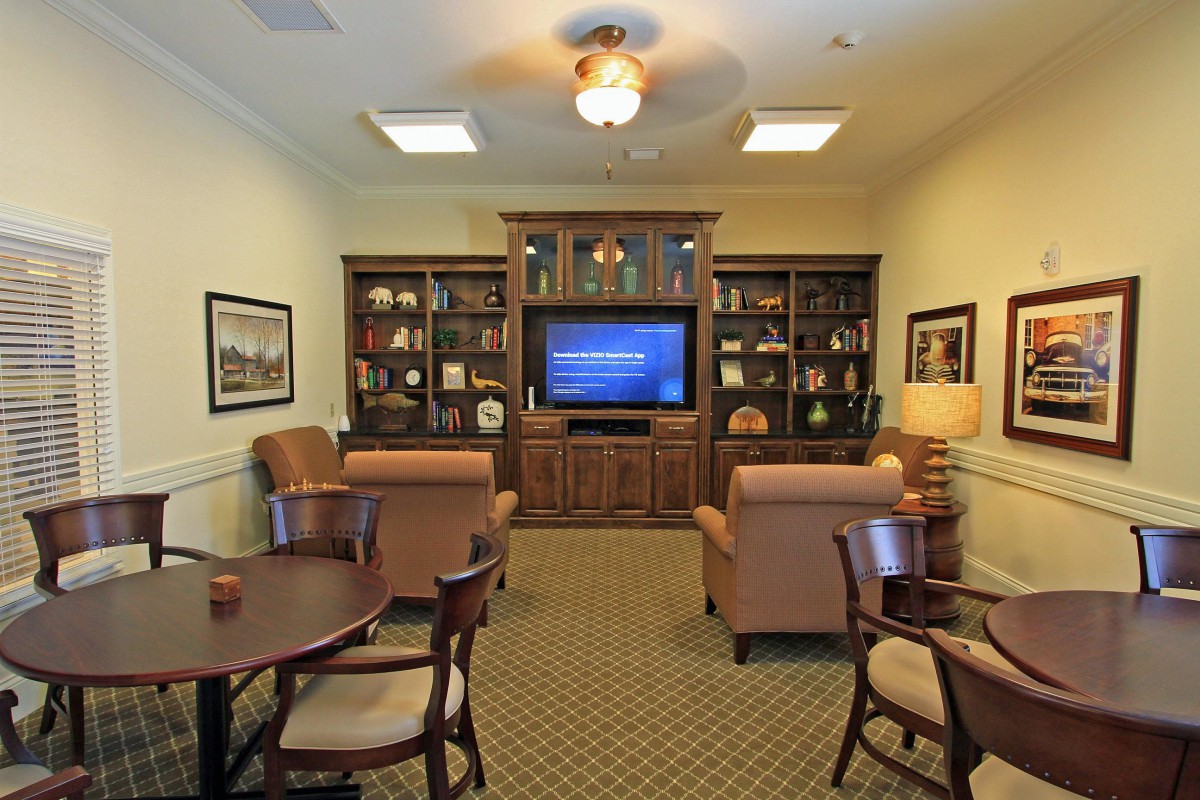
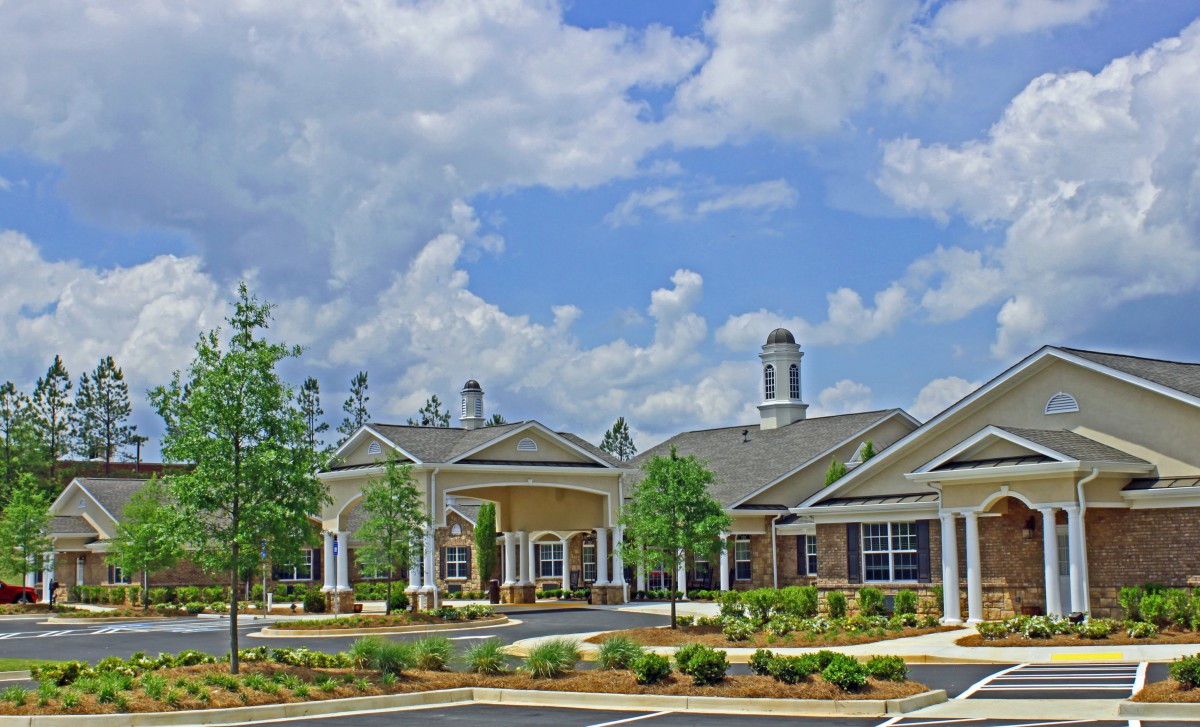
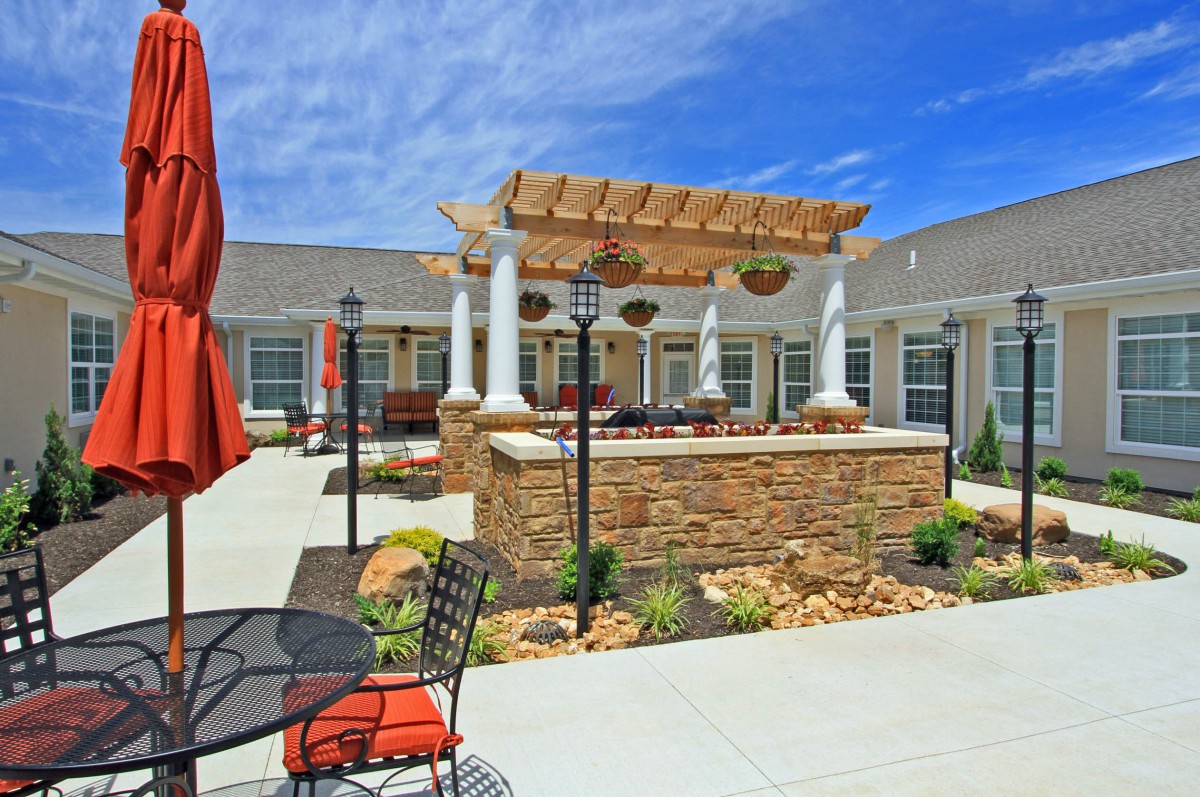
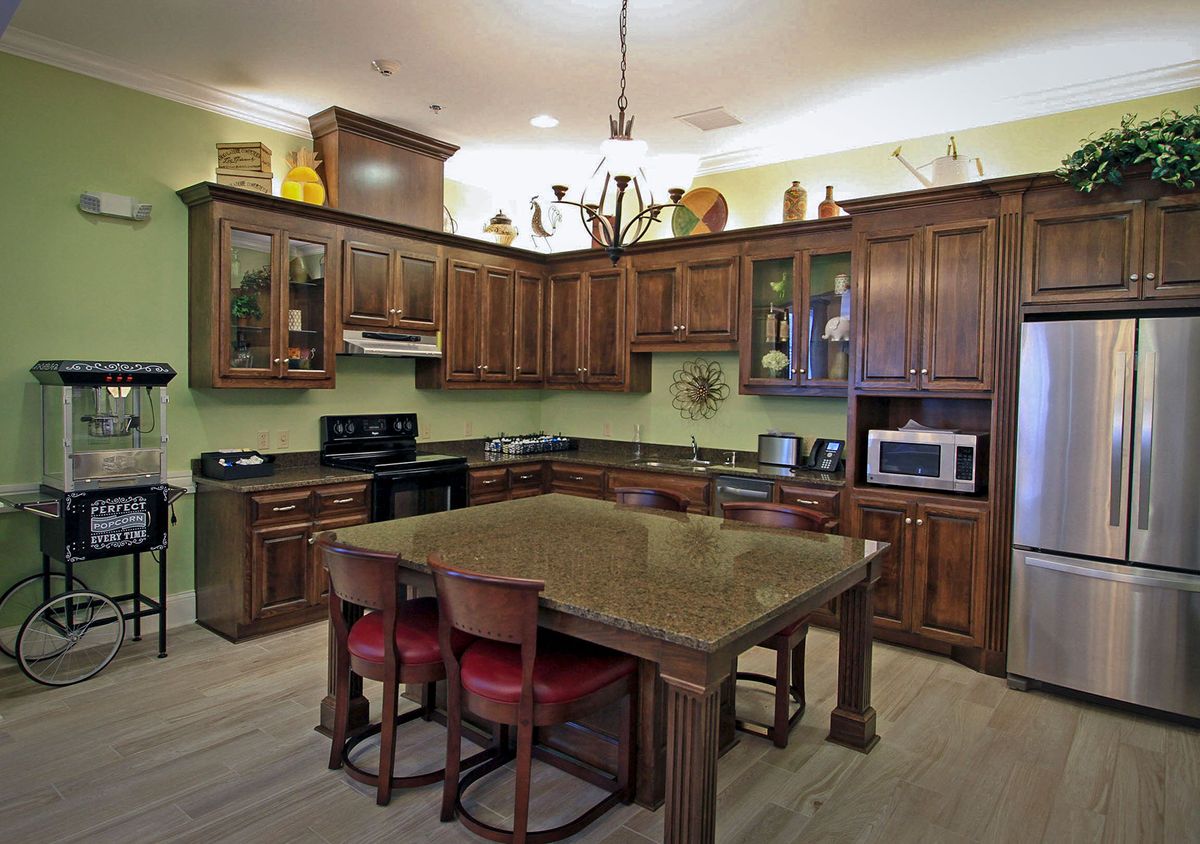
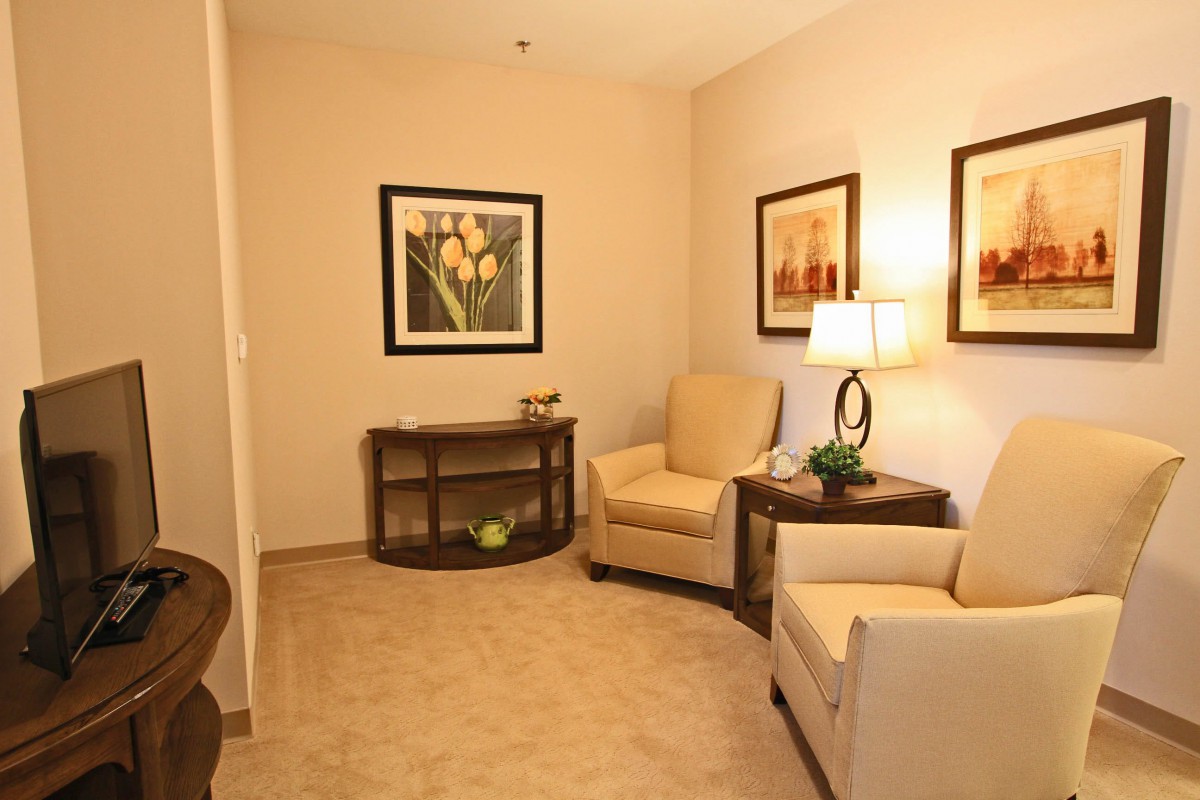
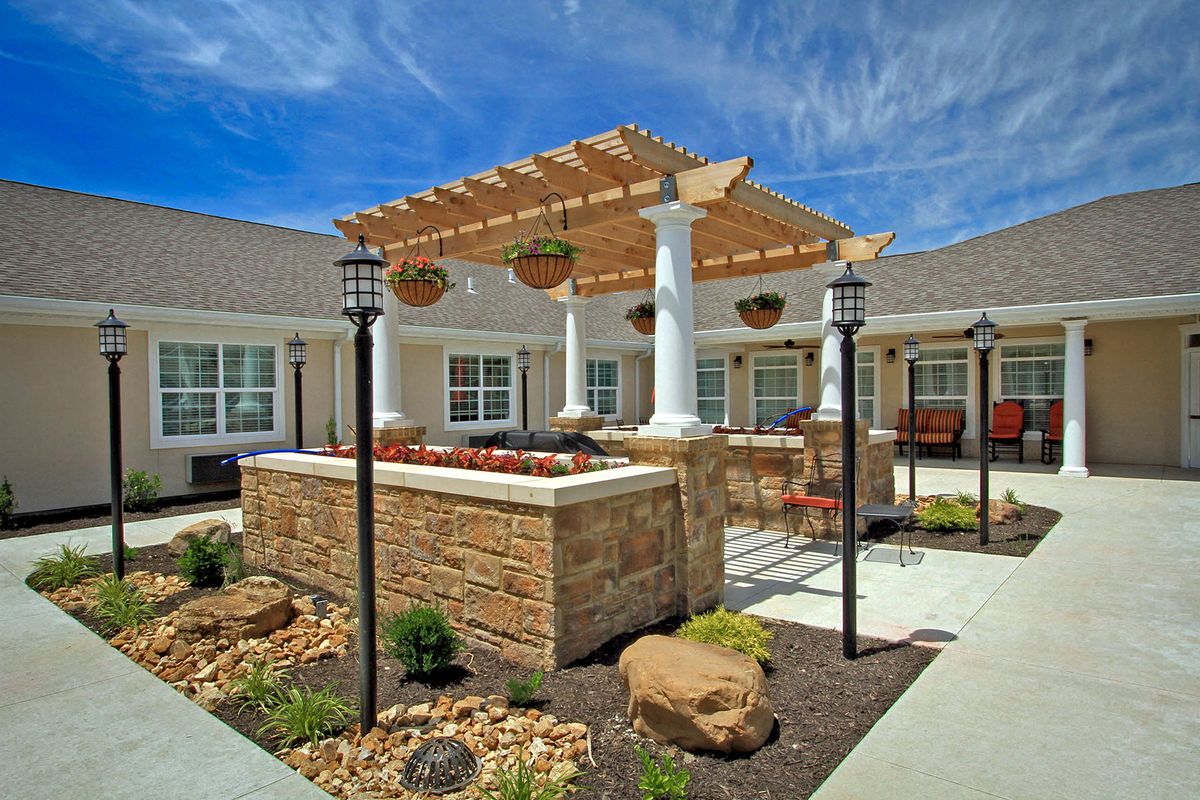
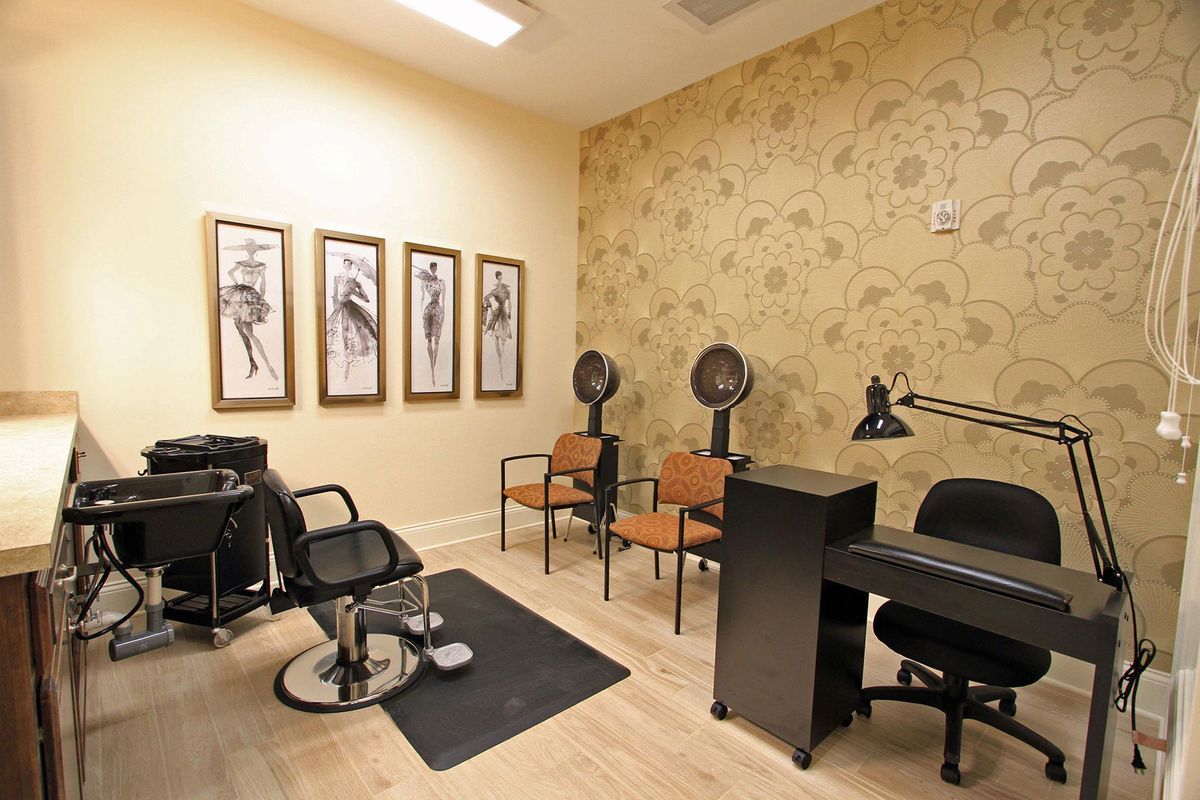
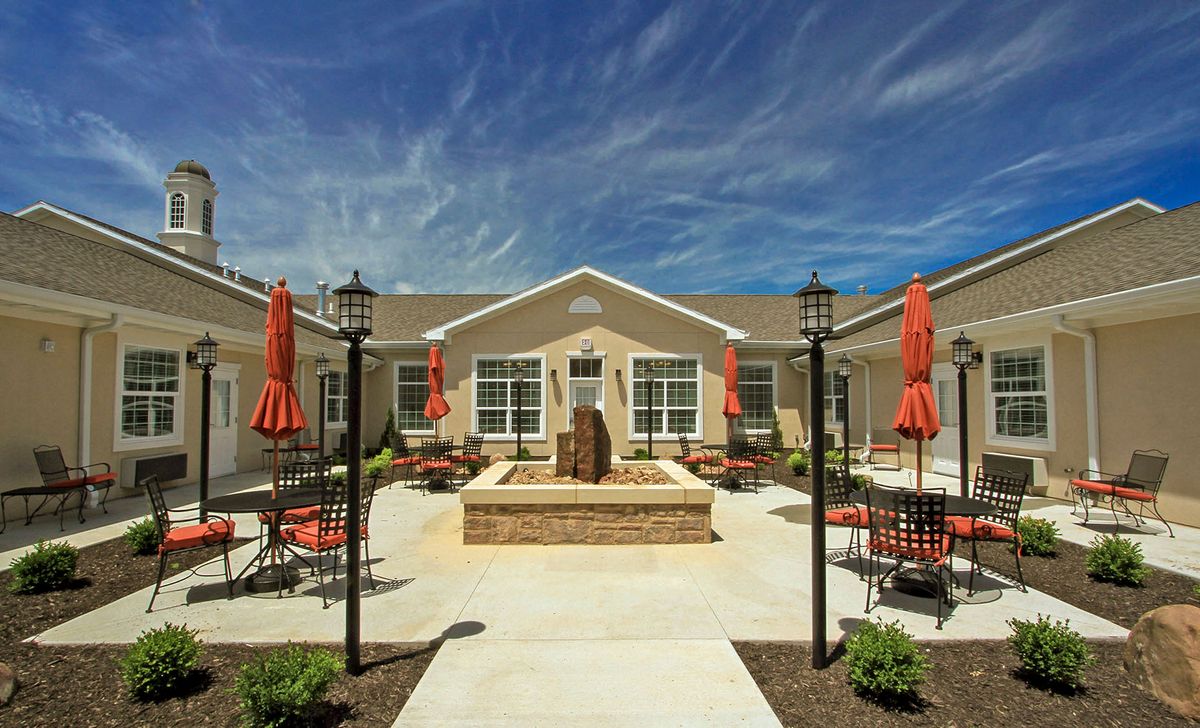
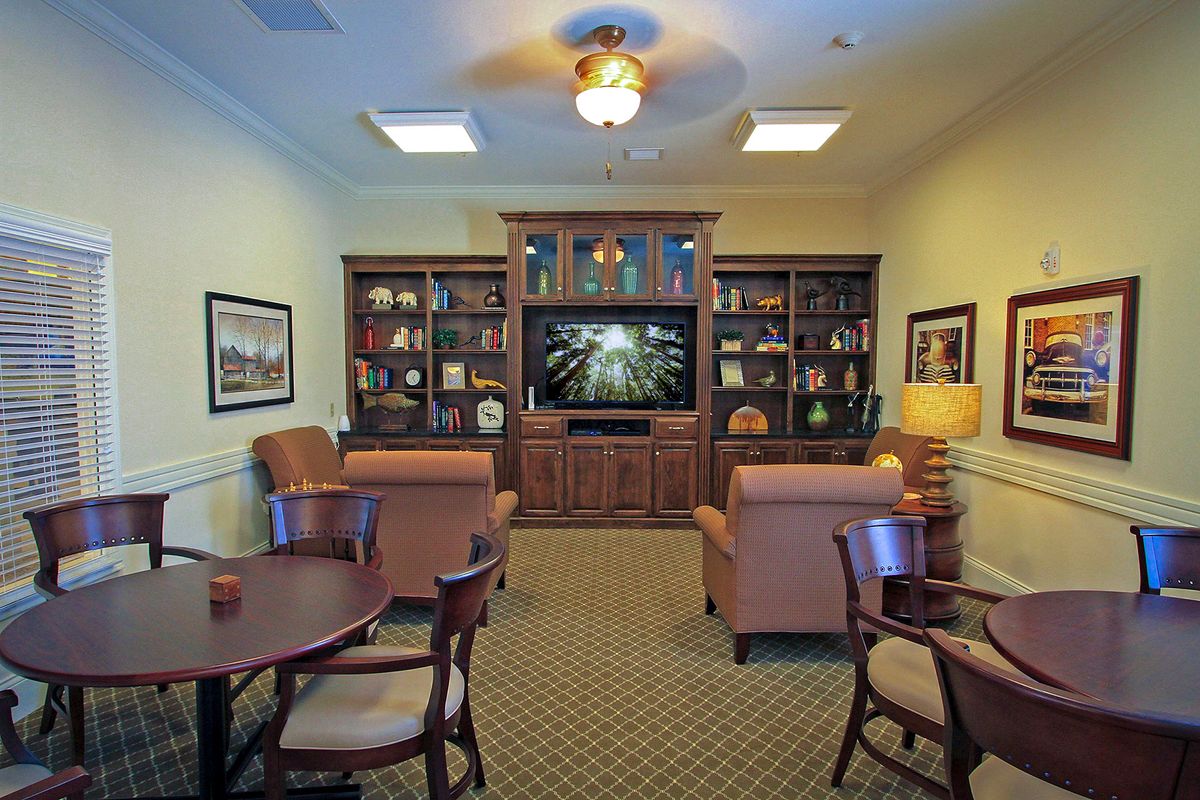
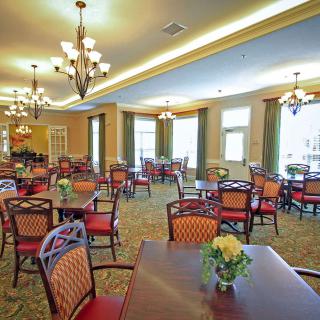
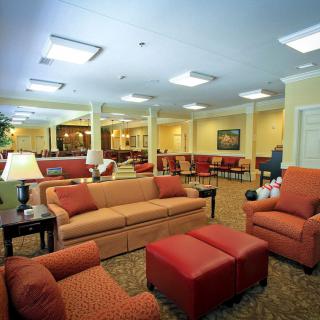
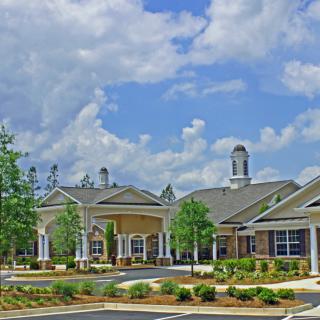
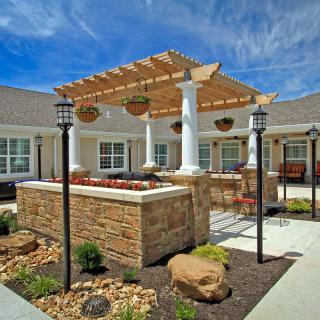
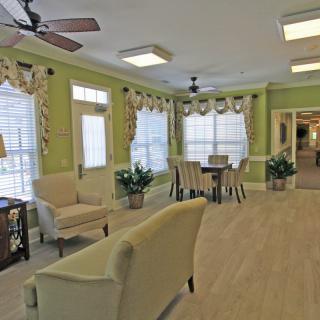
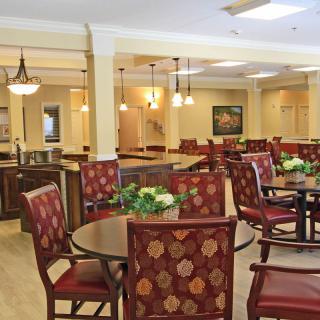
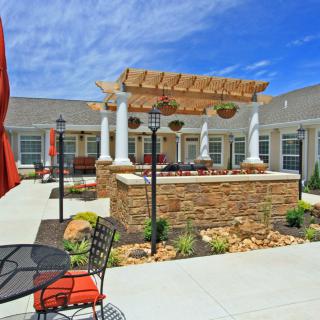
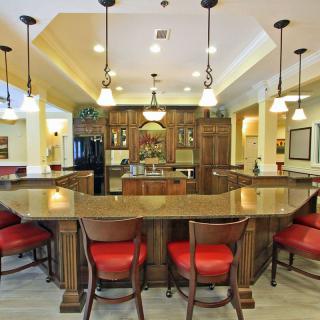
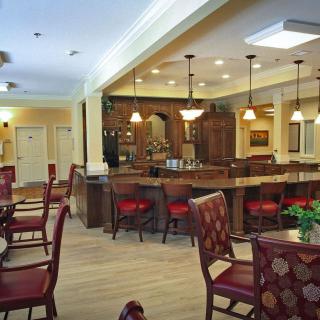
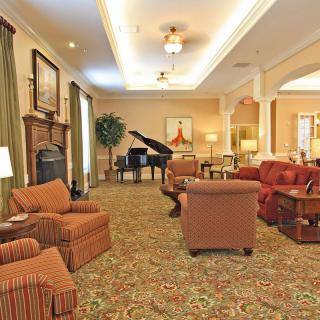
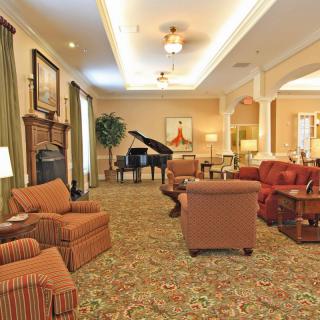
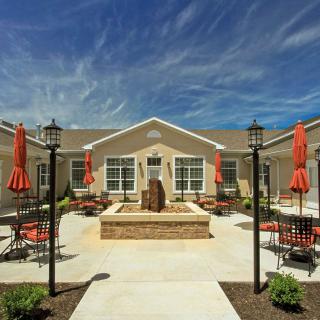
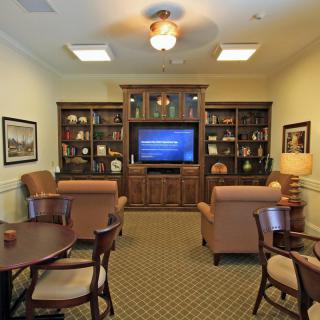
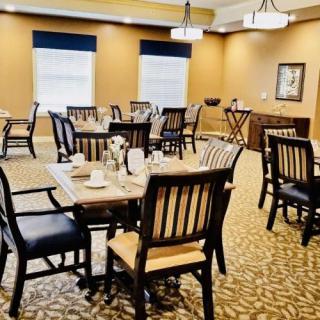
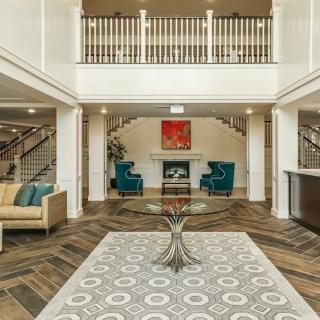
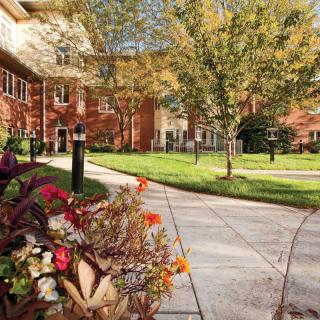
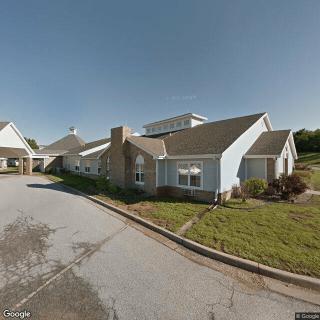
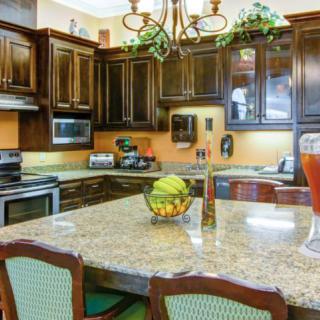
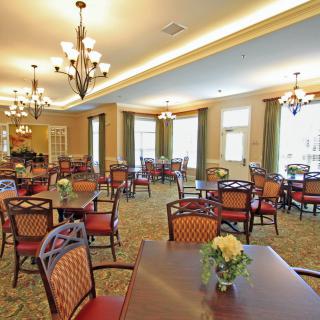
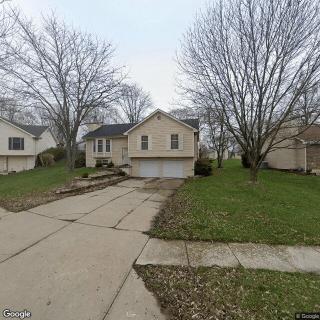
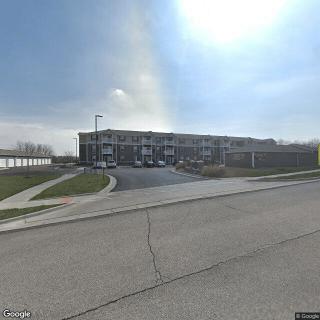
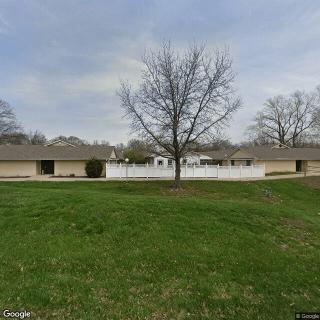
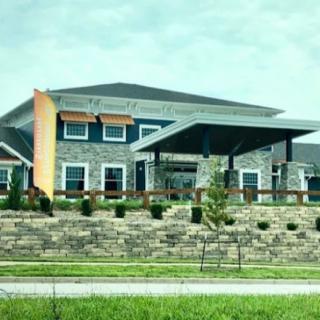
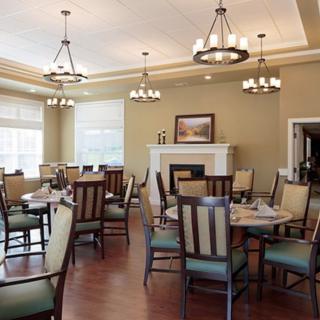
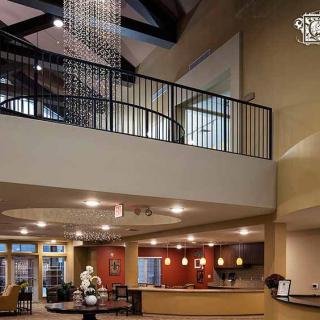
Benton House of Staley Hills on seniors.fyi includes 22 photos including images showing interior, dining, living room, decor, kitchen, lighting, courtyard, landscaping, and more.
Nearby Communities
New Marks Care Center & North Court Rehab Suites
Kansas City, MO
3.6 from 53 reviews
Clean, well-maintained facility with prompt therapy initiation and a dedicated staff, highlighted by Mindy the speech therapist.
New Mark Care Center
Kansas City, MO
3.6 from 71 reviews
$4,500 to $5,200 / month
Excellent therapy services in a well-maintained, updated facility with accessible rooms.
Preferred Care At Home-Greater Kansas City Missouri
Kansas City, MO
4.6 from 28 reviews
Compassionate, organized caregiving that supported a smooth transition home.
Connect 55+ Kansas City
Kansas City, MO
3.6 from 29 reviews
$980 to $1,280 / month
Affordable independent living with rents well below local averages.
Brightstar Healthcare
Kansas City, MO
4.5 from 50 reviews
$4,500 / month
Maple Wood Healthcare Center
Kansas City, MO
3.3 from 43 reviews
$4,200 to $4,800 / month
Engaging activities and comprehensive on-site amenities.
Ignite Medical Resort Kansas City
Kansas City, MO
4.3 from 118 reviews
Luxurious resort-style setting with comprehensive care and on-site amenities.
Linden Woods Village
Kansas City, MO
4.4 from 111 reviews
$5,895 to $8,395 / month
Friendly, attentive staff in a clean, activity-rich community.
Oxford Grand At Shoal Creek
Kansas City, MO
4.4 from 66 reviews
Caring staff with a family-like atmosphere, good dining, and engaging activities.
Reminiscence therapy helps individuals with dementia recall past memories through structured discussions and meaningful objects, enhancing mood, relationships, and sense of identity while celebrating their lives. It can be practiced in formal settings or at home, requiring sensitivity to personal histories and cultural backgrounds.
Reminiscence therapy is a structured method for older adults, especially those with dementia, to share life stories using prompts and sensory cues, fostering emotional well-being, social engagement, and self-identity. It aims to improve quality of life by enhancing interpersonal connections and cognitive stimulation while requiring careful facilitation to avoid distressing memories.
Dementia, particularly Lewy body dementia, often involves hallucinations that can significantly distress both patients and caregivers due to disruptions in sensory processing and neurotransmitter imbalances. Effective management includes compassionate communication, environmental adjustments, and a multidisciplinary approach to care while addressing the emotional needs of caregivers.
Get PricingAsk A QuestionSchedule A TourContact Senior Advisor
By clicking submit, you agree to our Partner's Terms of Use. You
also consent to receive calls and texts, which may be autodialed, from our Partner. Your consent is not a condition to
using our Partner's service. Please visit our Partner's Privacy Policy for information about their privacy practices.

 80 resident community capacity
 Assisted Living
 Memory Care
 Cats allowed
 Dogs allowed
 Activities off-site
 Air-conditioning
 Beautician on-site
 Cable or satellite TV
 Computer center
 Devotional services off-site
 Dining room
 Fitness room
 Fully furnished
 Gaming room
 Garden
 Ground floor units
 Handicap accessible
 Housekeeping services
 Indoor common areas
 Kitchenette
 Move-in coordination
 Outdoor common areas
 Private bathrooms
 Respite or short term stays offered
 Restaurant-style dining
 Small library
 Telephone
 Wellness center
 Wheelchair accessible showers
 Wi-Fi/high-speed internet available
 Kansas City International (8 miles away)
 Community operated transportation
 24-hour call system
 Ambulatory care
 Assistance with bathing
 Assistance with dressing
 Assistance with transfers
 Diabetes diet
 Diabetic care
 Incontinence care
 Medication management
 Mental wellness program
 Special dietary restrictions
 Art classes
 Catholic services
 Concierge services
 Cooking classes
 Day trips and outings
 Educational speakers / life long learning
 Karaoke
 Clean, well-maintained facility with prompt therapy initiation and a dedicated staff, highlighted by Mindy the speech therapist.
 Exploring the Power of Reminiscence Therapy for Individuals With Dementia
 An In-Depth Look at Reminiscence Therapy in Dementia Care
 Dementia-Related Hallucinations: Causes, Experiences, and Practical Approaches