Oxford Grand At Shoal Creek offers a range of accommodations with monthly costs that reflect its premium services and amenities. For instance, a studio apartment is priced at $3,995, which is notably higher than the county average of $3,320 and the state average of $3,418. Similarly, the one-bedroom option is available for $4,550, significantly exceeding both Jackson County's average of $2,857 and Missouri's average of $3,349. The semi-private room costs $5,150 compared to local averages of $3,832 in the county and $3,772 statewide. Private rooms are listed at $5,331 while nearby options vary from $4,101 in Jackson County to $4,483 across Missouri as a whole. Lastly, the two-bedroom units are priced at $5,595 - again above local standards of $3,010 in the county and $3,675 in Missouri. Overall, while Oxford Grand At Shoal Creek commands higher prices than its competitors within Jackson County and the state overall, it reflects the enhanced living experience offered at this distinguished community.
Floor plans
Oxford Grand At Shoal Creek
Jackson County
Missouri
Studio
$3,995
$3,320
$3,418
1 Bedroom
$4,550
$2,857
$3,349
Semi-Private
$5,150
$3,832
$3,772
Private
$5,331
$4,101
$4,483
2 Bedrooms
$5,595
$3,010
$3,675
Overall Review of Oxford Grand At Shoal Creek
common18 reviews mention this
Staff warmth and responsiveness
Residents describe staff as warm, attentive, and easy to reach with questions.
Many reviewers say the staff feels genuinely caring and familiar, with people who learn residents’ routines and preferences. Families also describe communication that helps them feel informed, including staff responding promptly to questions and being flexible during transitions. Even reviewers highlighting the tour and move-in process emphasize that the team followed through with guidance and follow-up.
common9 reviews mention this
Meals and dining stand out
Dining is repeatedly described as a strong point of daily life.
Several residents and families mention that the food is consistently good, with meals described as nutritious, appealing, and varied. A number of reviewers reference the dining experience specifically, from overall meal quality to the way menus are handled. Some also note that families can join for meals and that dining feels more like an experience than a routine task.
common12 reviews mention this
Activities keep residents engaged
Reviewers frequently describe an activity calendar that keeps people involved.
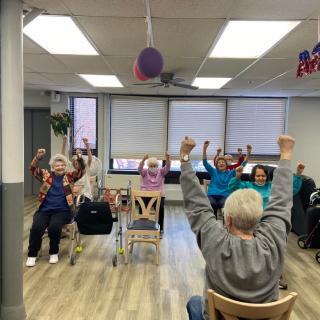
Across reviews, residents are described as staying busy with scheduled activities, live entertainment, classes, and group events. Families point to regular engagement—such as exercise classes, outings, and social gatherings—as a reason their loved ones seem happier and more connected. Some reviewers also mention added activity improvements after a new activity director and ongoing updates to the calendar.
caveat4 reviews mention this
Memory care and staffing concerns
Some families report serious issues with memory care staffing and safety.
While many reviews are positive about care, a few describe breakdowns in memory care support, including residents left unattended and repeated falls. One reviewer also describes delayed follow-up on medical coordination and call responses, with concerns that issues did not improve over time. Others raise safety concerns tied to staffing after hours, and one review attributes poor care to inadequate training and coverage.
caveat3 reviews mention this
Corporate responsiveness and refunds
Some reviewers say corporate office support is slow or unresponsive for refunds.
A recurring negative point involves getting help after a serious event or when refund requests are pending. One review says the family did not receive a promised refund and that corporate did not respond to inquiries. Another reviewer describes difficulty reaching the office by phone and points to long delays returning money after cancellation or grace periods.
How we summarize
Counts show how many written reviews mention each theme; a review can touch several themes, and only frequently mentioned themes are displayed.
Features
Housing
98 resident community capacity
Types of Care
Assisted Living
Memory Care
Pets
Cats allowed
Dogs allowed
Amenities
Activities off-site
Activities on-site
Air-conditioning
Beautician on-site
Beauty salon
Cable or satellite TV
Computer center
Devotional services on-site
Dining room
Fitness room
Fully furnished
Gaming room
Garden
Ground floor units
Handicap accessible
Housekeeping services
Indoor common areas
Kitchenette
Move-in coordination
Outdoor common areas
Outdoor space
Private bathrooms
Restaurant-style dining
Small library
Telephone
Wellness center
Wheelchair accessible showers
Wi-Fi/high-speed internet available
Transportation
Kansas City International (13 miles away)
Community operated transportation
Transportation arrangement
Care Services
24-hour call system
24-hour supervision
Activities of daily living assistance
Ambulatory care
Assistance with bathing
Assistance with dressing
Assistance with transfers
Diabetes diet
Diabetic care
Incontinence care
Meal preparation and service
Medication management
Special dietary restrictions
Dining
Anytime dining
Diabetes diet
Gluten-free
Guest meals
Low / no sodium
Meals provided
No Sugar
Professional chef
Restaurant style dining
Room service
Special dietary restrictions
Special dining programs
Activities
Art classes
Community-sponsored activities
Concierge services
Cooking classes
Day trips and outings
Devotional activities on-site
Fitness programs
Happy hour
Live dance or theater performances
Live musical performances
Live well programs
Other religious services
Planned day trips
Resident-run activities
Scheduled daily activities
Stretching classes
Visiting chaplain or priest
Wine tasting
Videos
Nearby Places of Interest
This area of Kansas City, Missouri offers a variety of amenities within close proximity, making it convenient for senior living. There are several dining options ranging from casual eateries like Cheddar's Scratch Kitchen and Corner Cafe to fast food chains such as Burger King. In terms of healthcare, there are reputable physicians and pharmacies nearby, including Kansas City Surgical Arts and Walmart Pharmacy. For leisure activities, residents can enjoy watching movies at Liberty Cinema 12 or taking a stroll in one of the nearby parks like Ruth Moore Park or Paradise Falls. Additionally, there are places of worship for spiritual fulfillment and cafes like Hammerhand Coffee for socializing with friends. In case of emergencies, Liberty Hospital is just a short drive away. Overall, this neighborhood provides a mix of essential services and recreational opportunities suitable for seniors looking to settle in a vibrant community.
Oxford Grand At Shoal Creek offers a range of accommodations with monthly costs that reflect its premium services and amenities. For instance, a studio apartment is priced at $3,995, which is notably higher than the county average of $3,320 and the state average of $3,418. Similarly, the one-bedroom option is available for $4,550, significantly exceeding both Jackson County's average of $2,857 and Missouri's average of $3,349. The semi-private room costs $5,150 compared to local averages of $3,832 in the county and $3,772 statewide. Private rooms are listed at $5,331 while nearby options vary from $4,101 in Jackson County to $4,483 across Missouri as a whole. Lastly, the two-bedroom units are priced at $5,595 - again above local standards of $3,010 in the county and $3,675 in Missouri. Overall, while Oxford Grand At Shoal Creek commands higher prices than its competitors within Jackson County and the state overall, it reflects the enhanced living experience offered at this distinguished community.
The features offered at Oxford Grand At Shoal Creek are specifically designed to enhance the quality of life for residents with dementia or Alzheimer's disease, ensuring their safety and comfort. With 24-hour supervision, residents receive constant monitoring that helps prevent wandering and provides immediate assistance when needed. Assistance with activities of daily living, including bathing and dressing, supports individuals in maintaining dignity while addressing their unique needs. Help with transfers ensures safe mobility, reducing the risk of falls, while incontinence care maintains hygiene and prevents discomfort. Meal preparation and service cater to dietary requirements and preferences, encouraging proper nutrition which is crucial for overall health. Moreover, medication management ensures that residents receive the correct medications on time, helping to manage symptoms effectively and improve their well-being. Collectively, these services create a nurturing environment that promotes stability and security for individuals facing cognitive challenges.
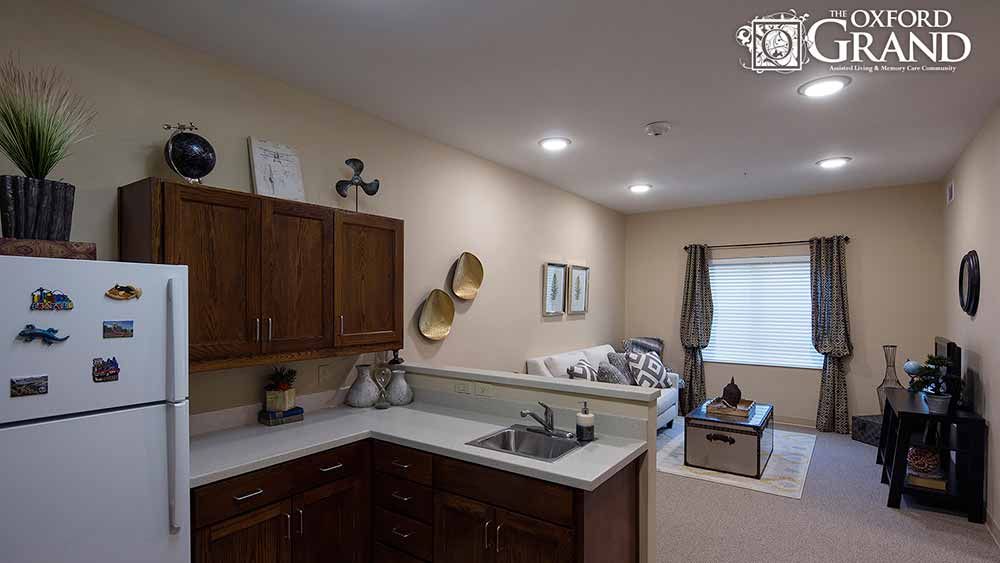
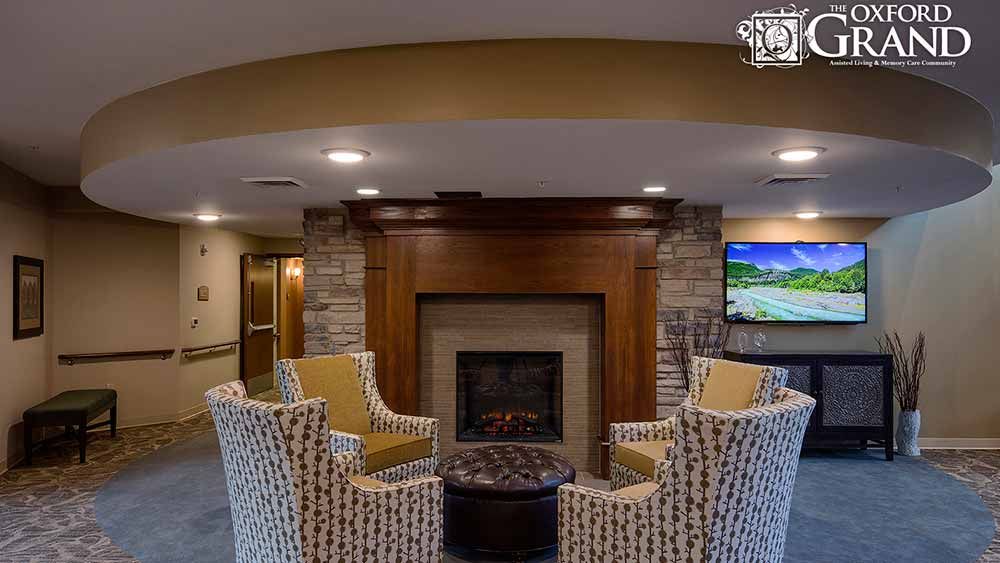
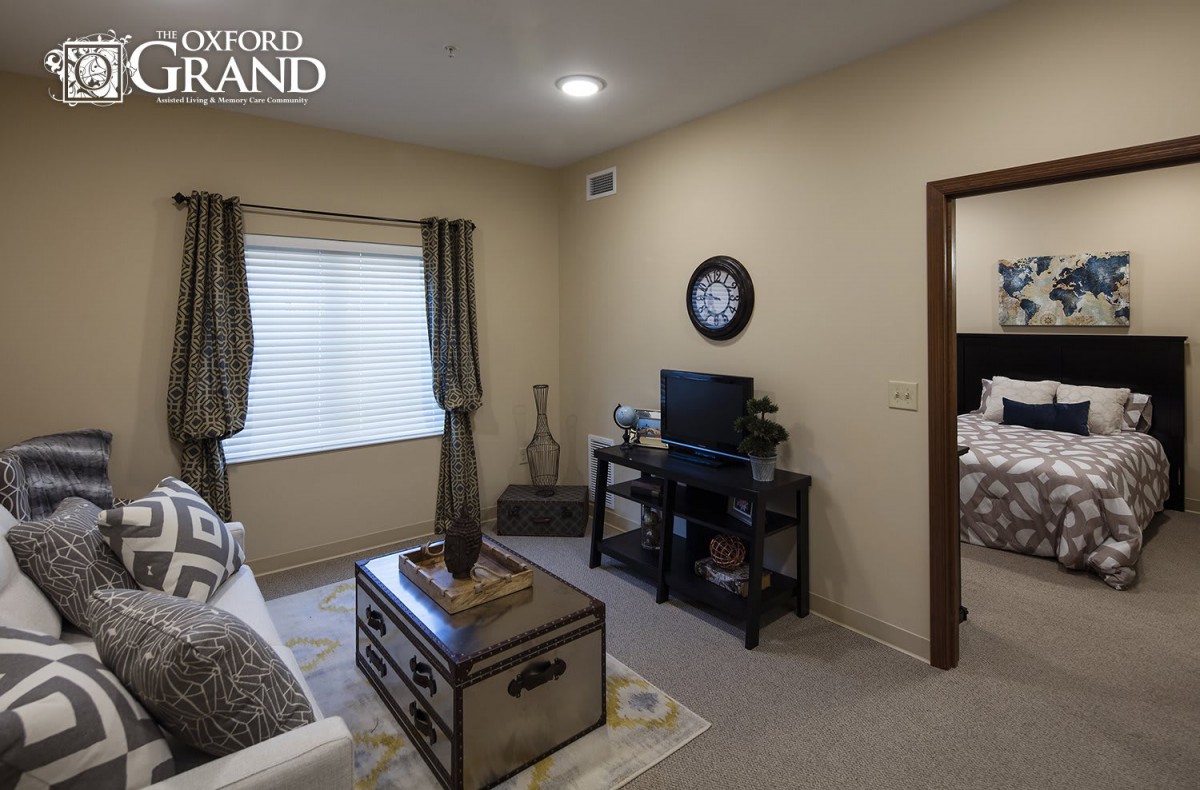
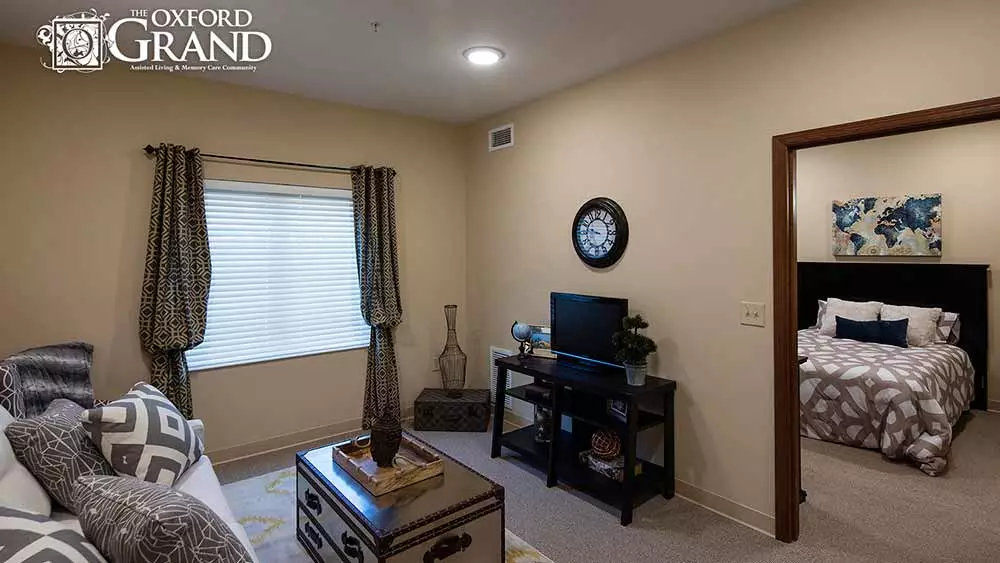
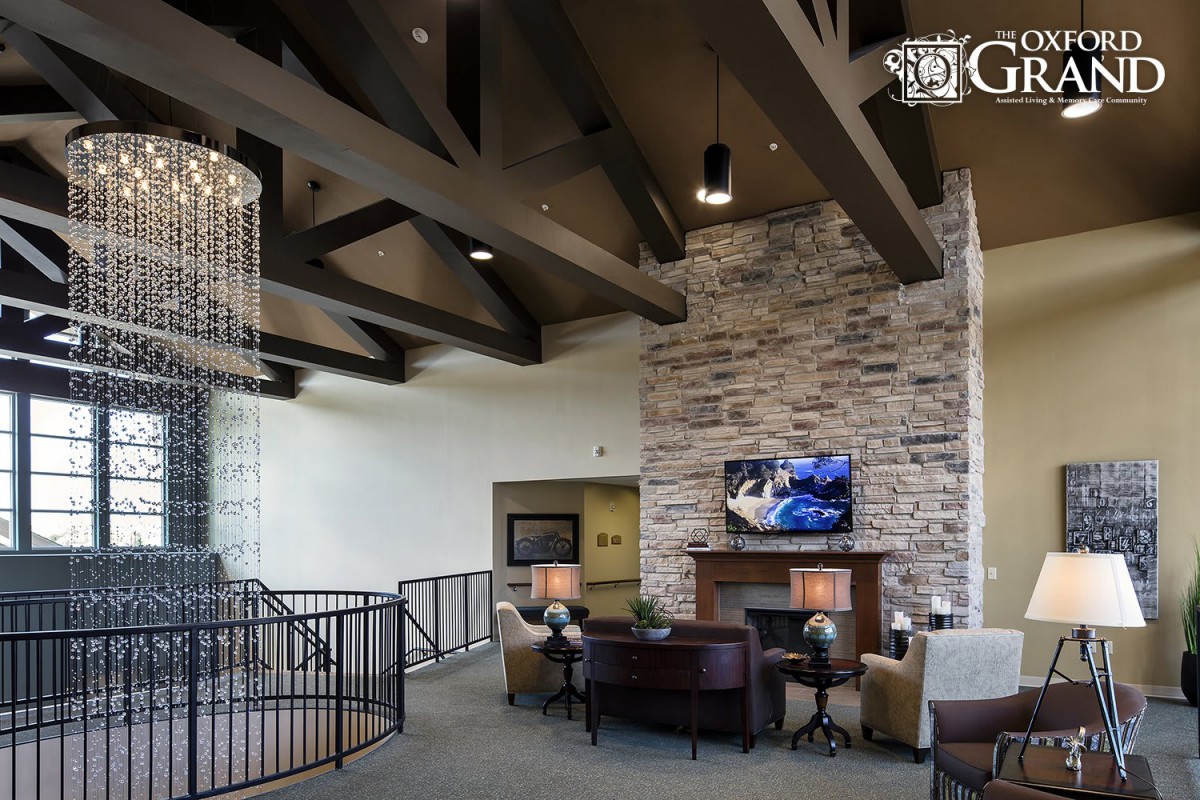
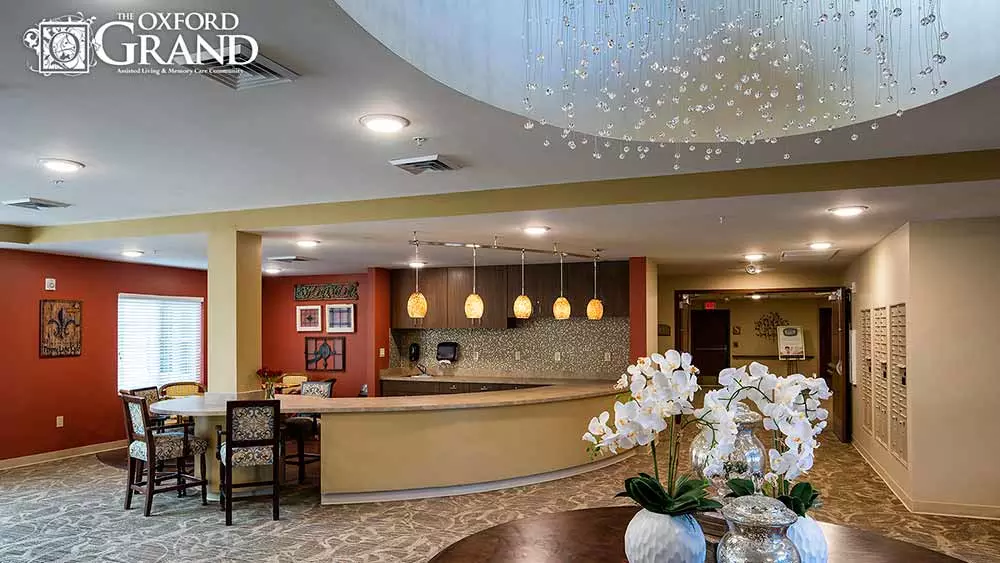
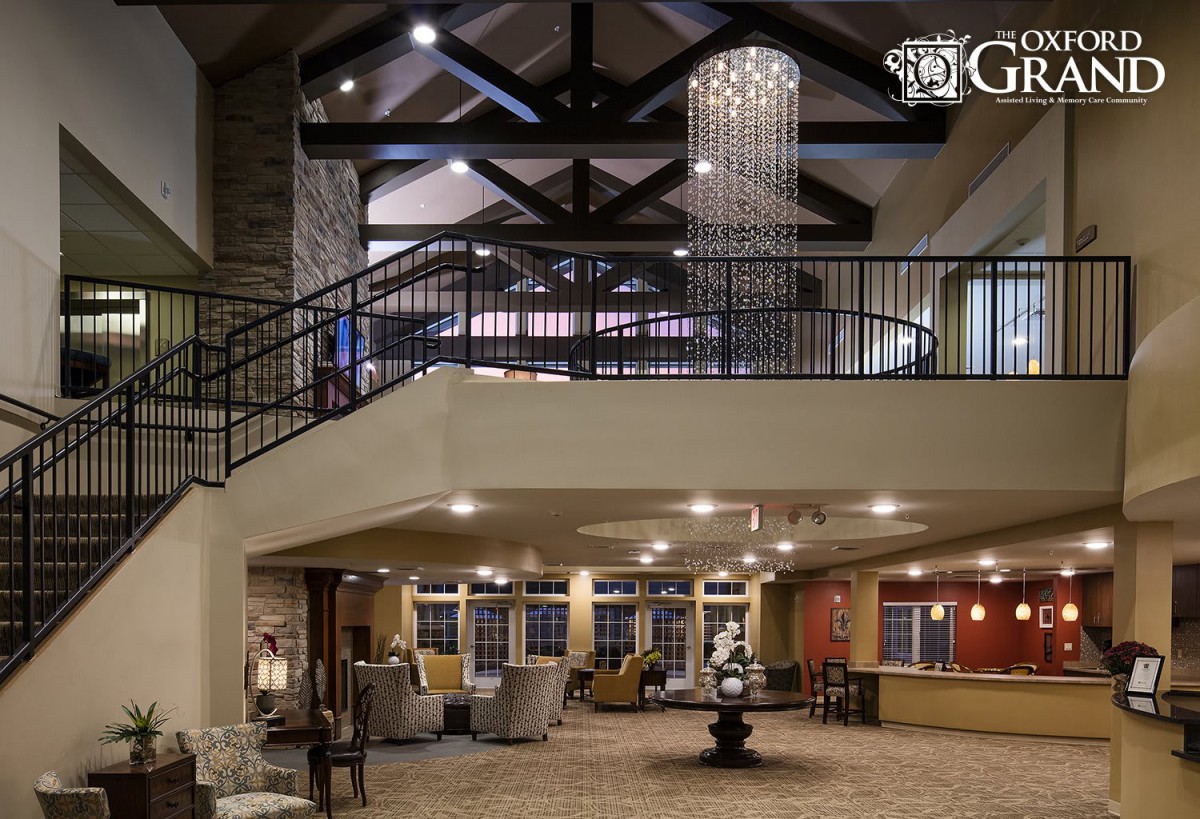
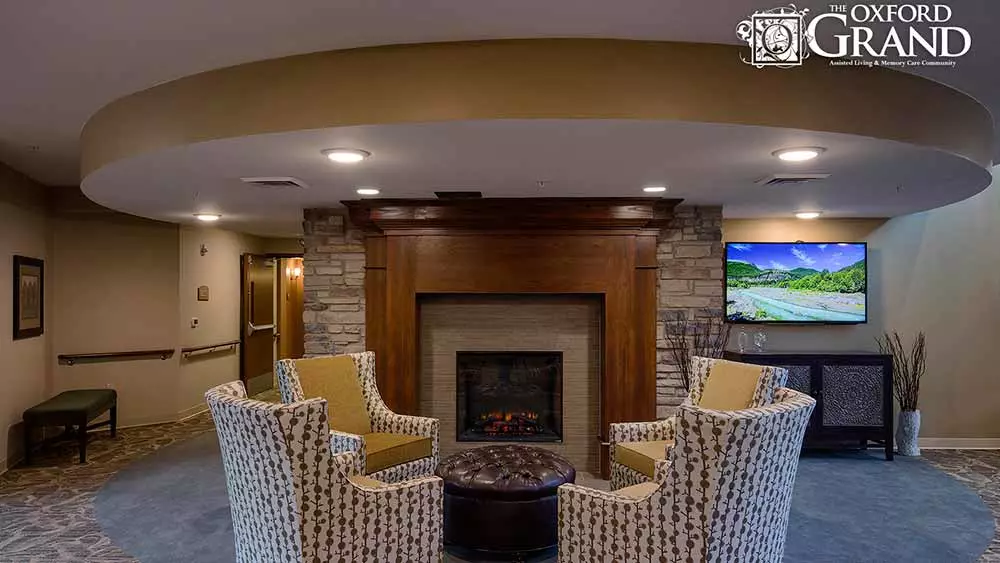
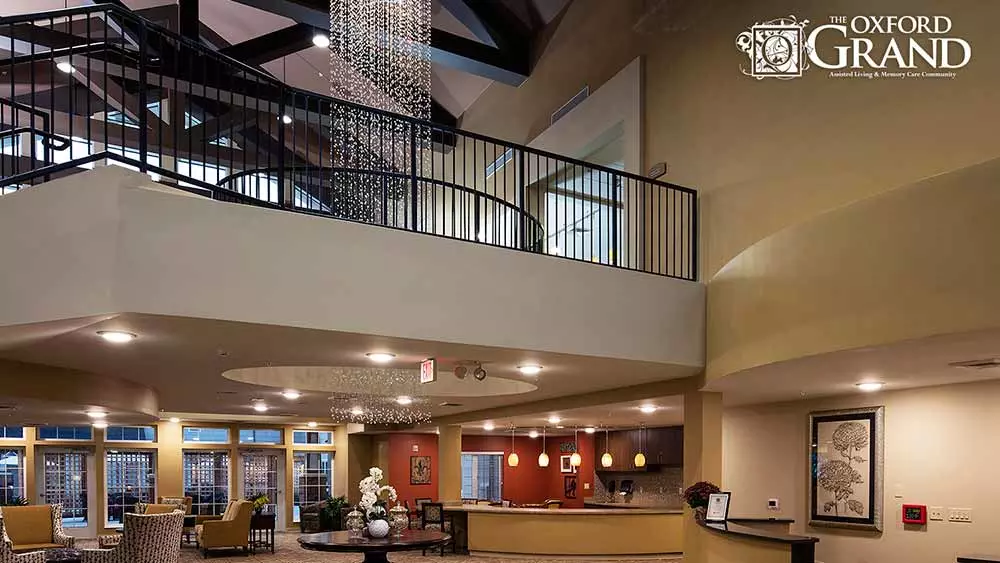
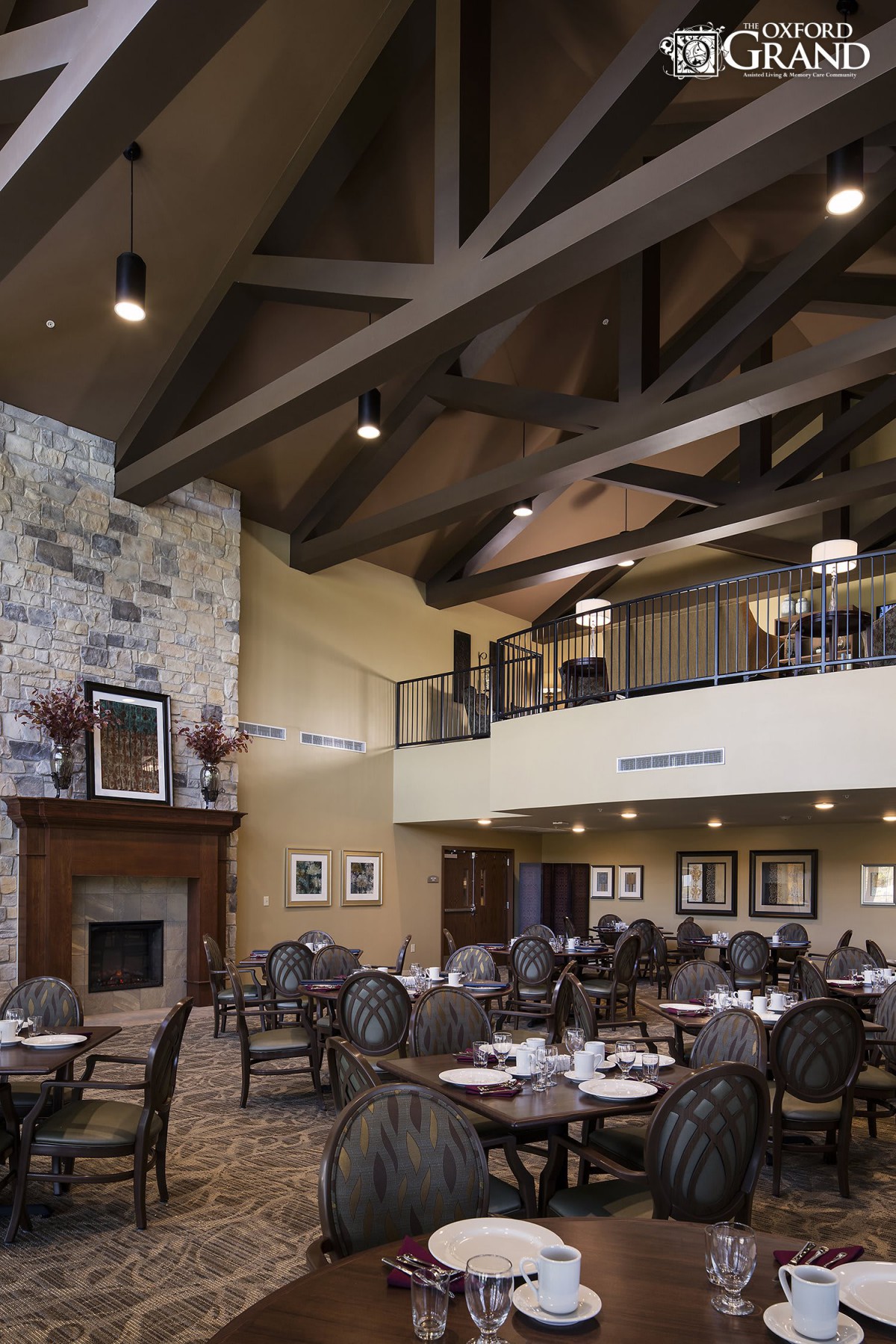
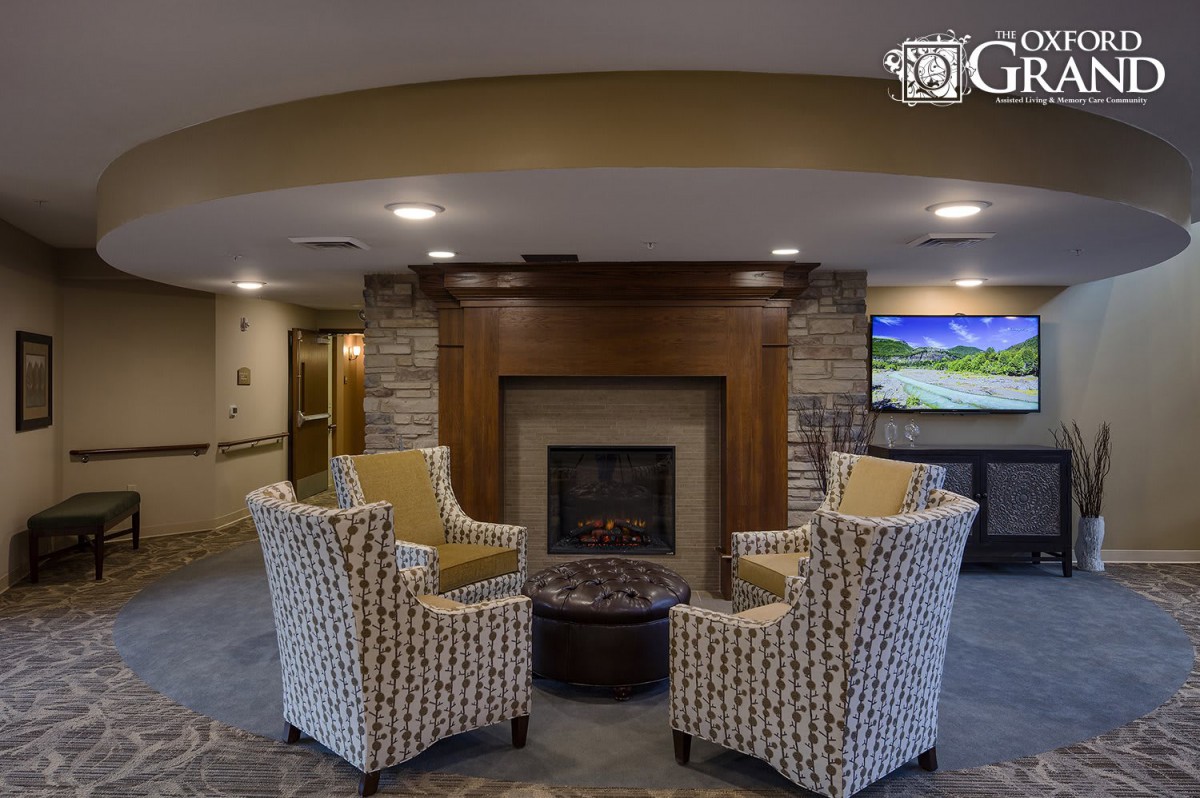
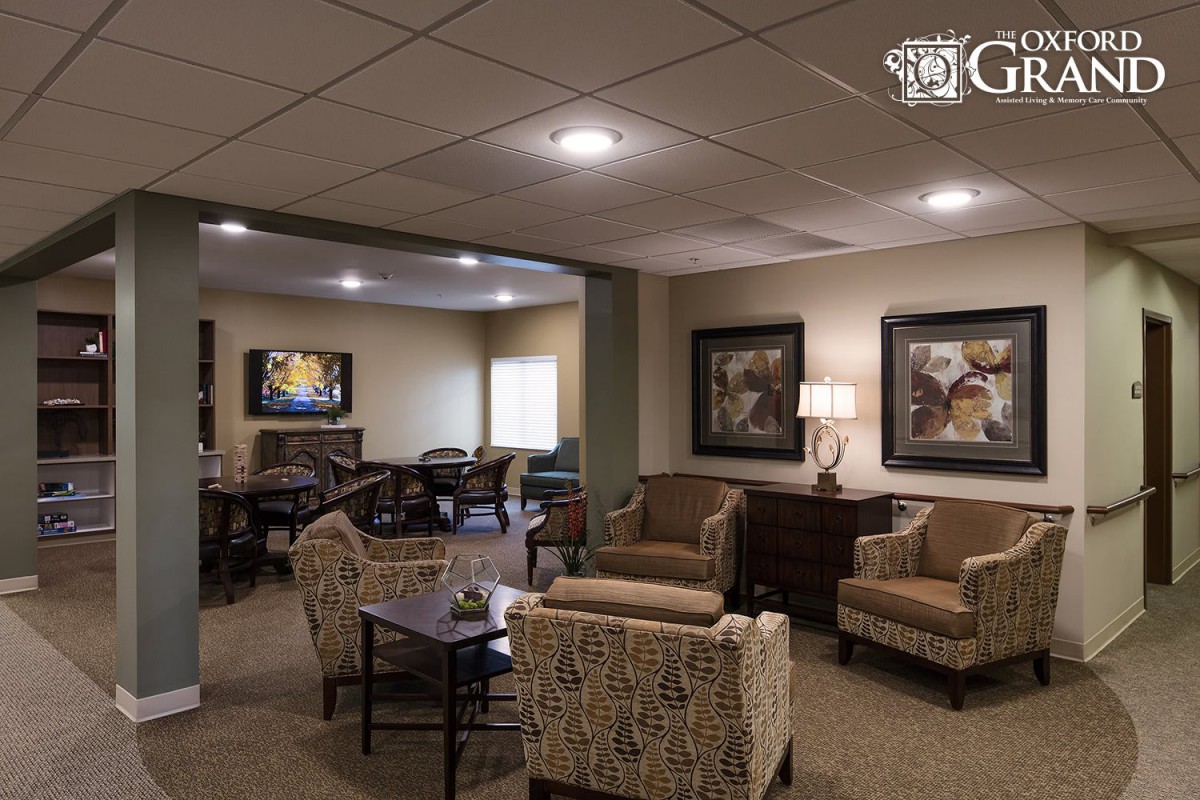
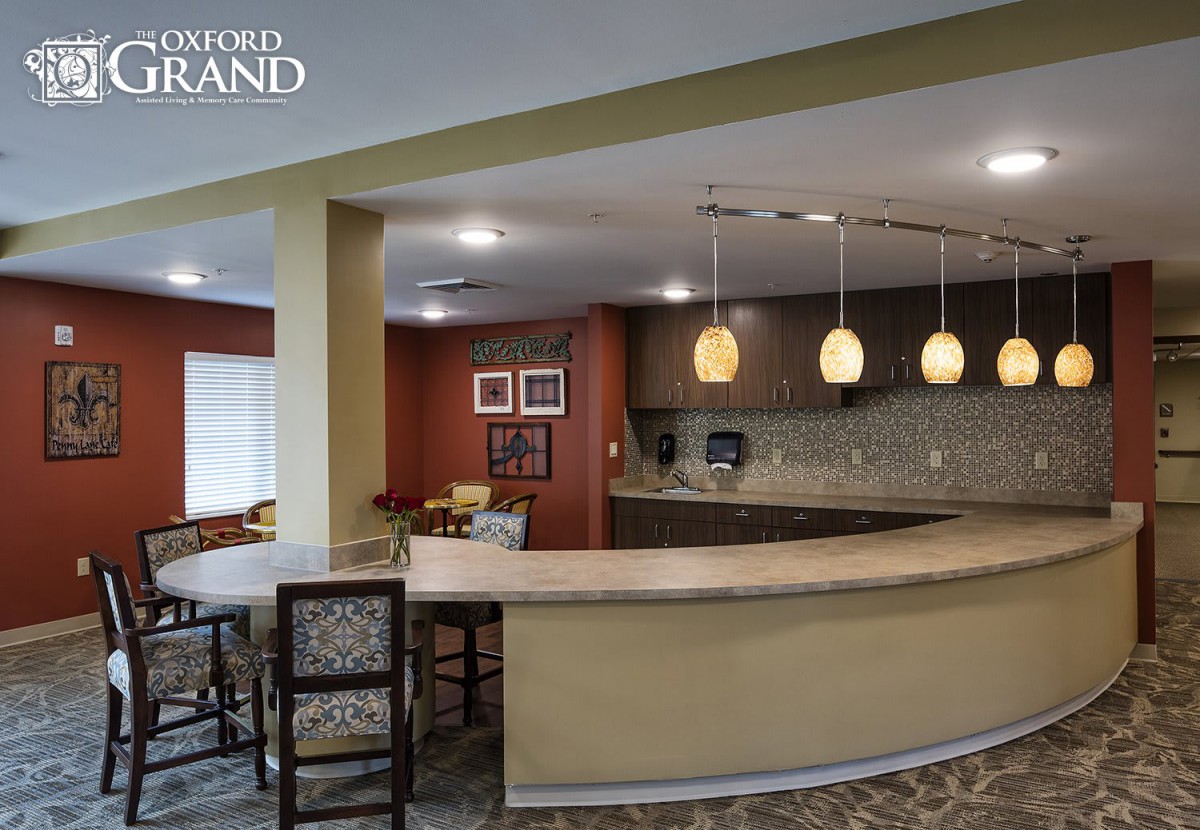
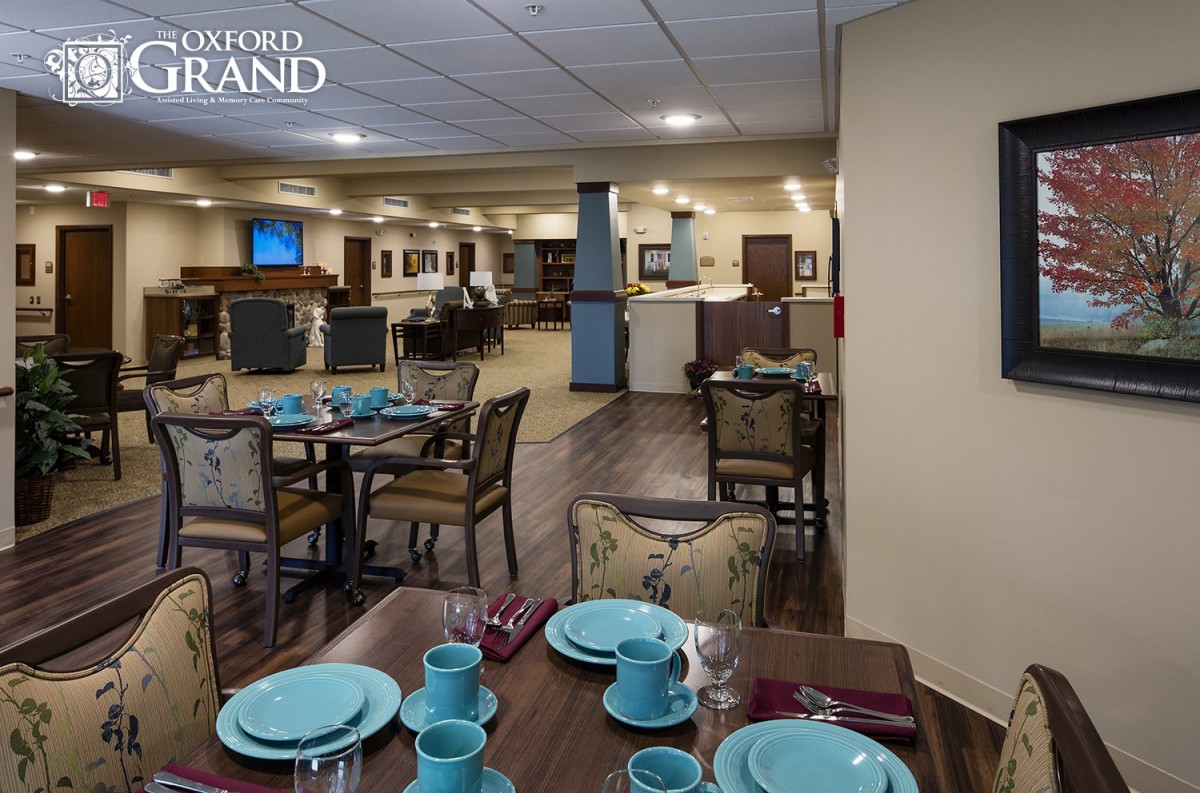
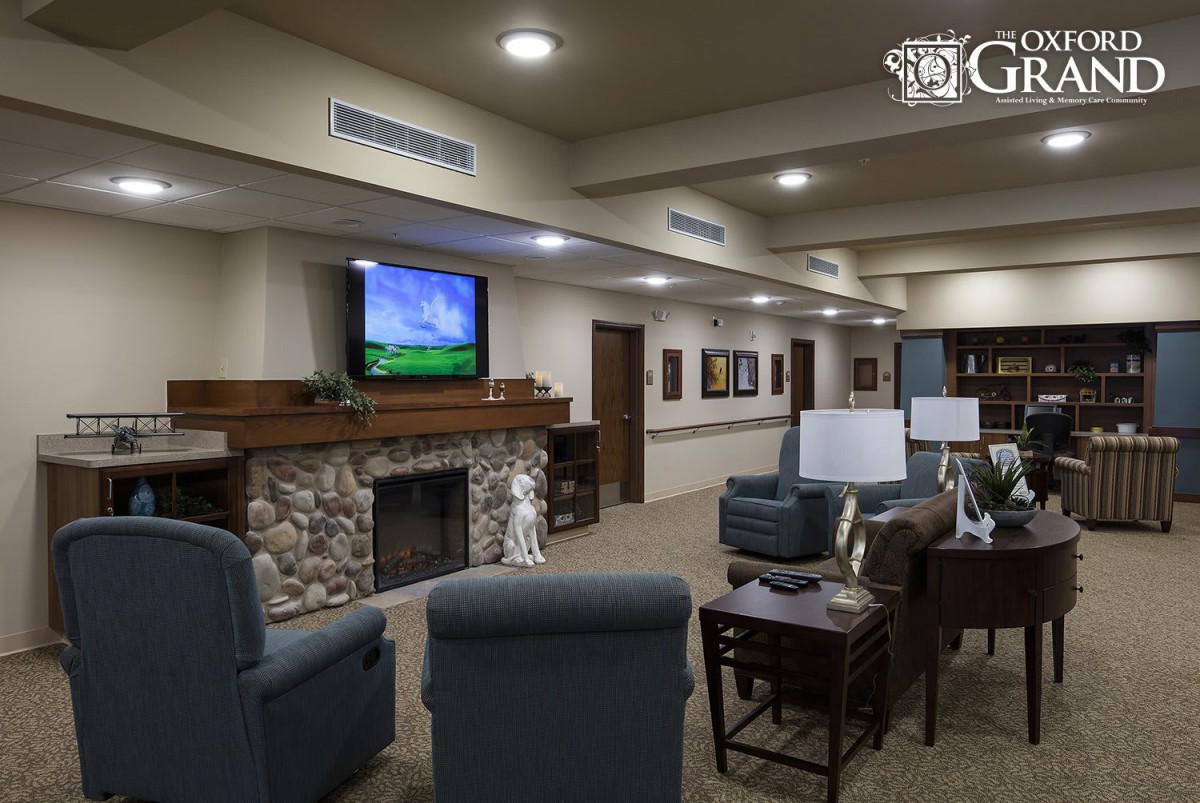
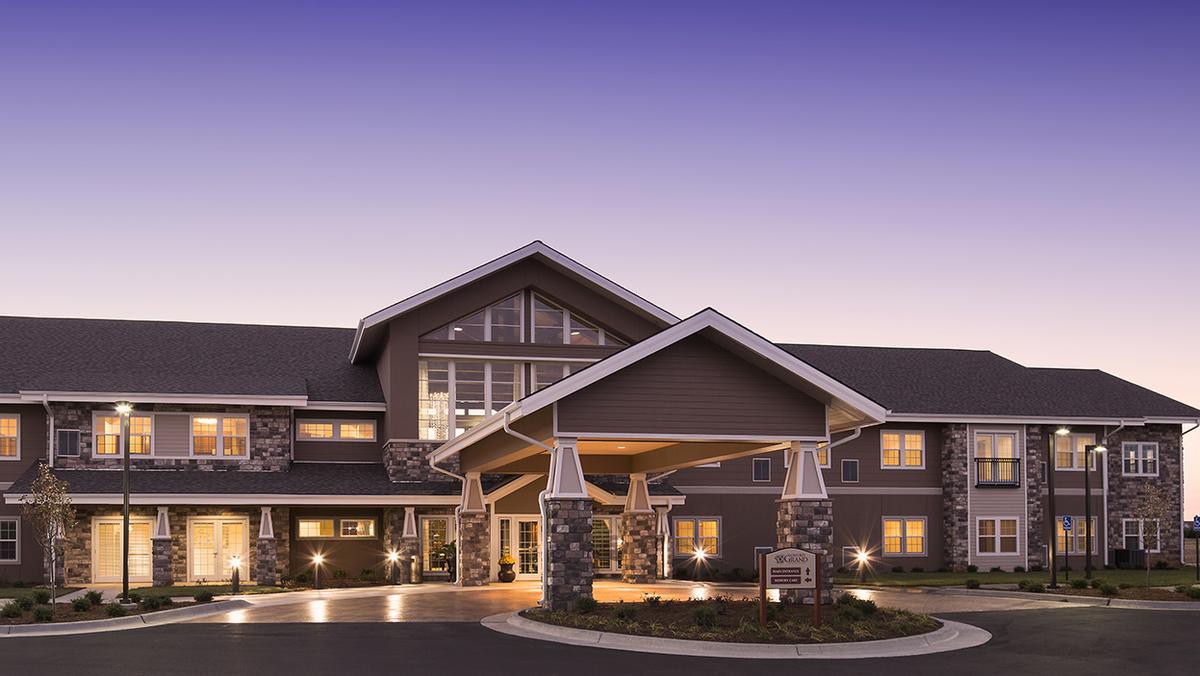
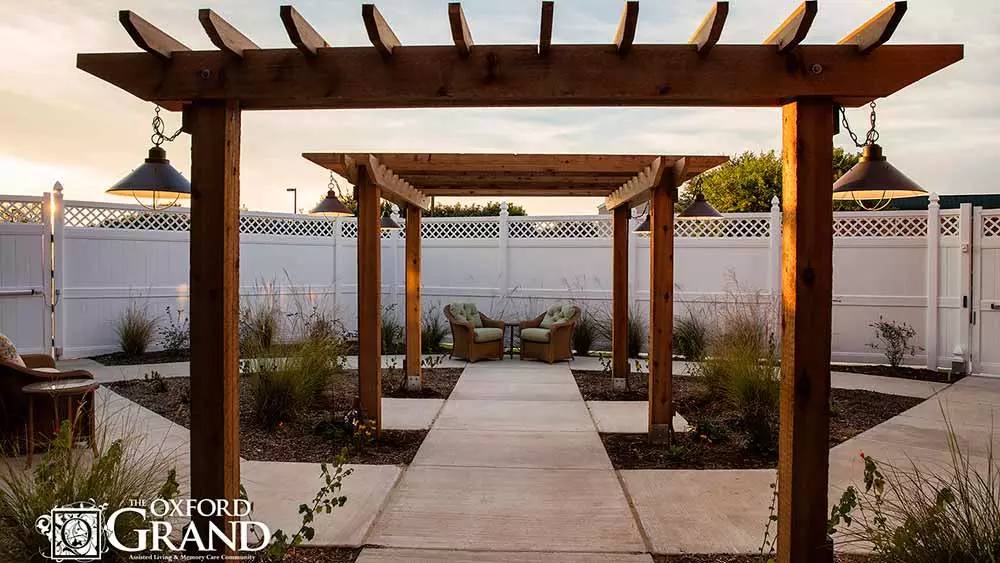
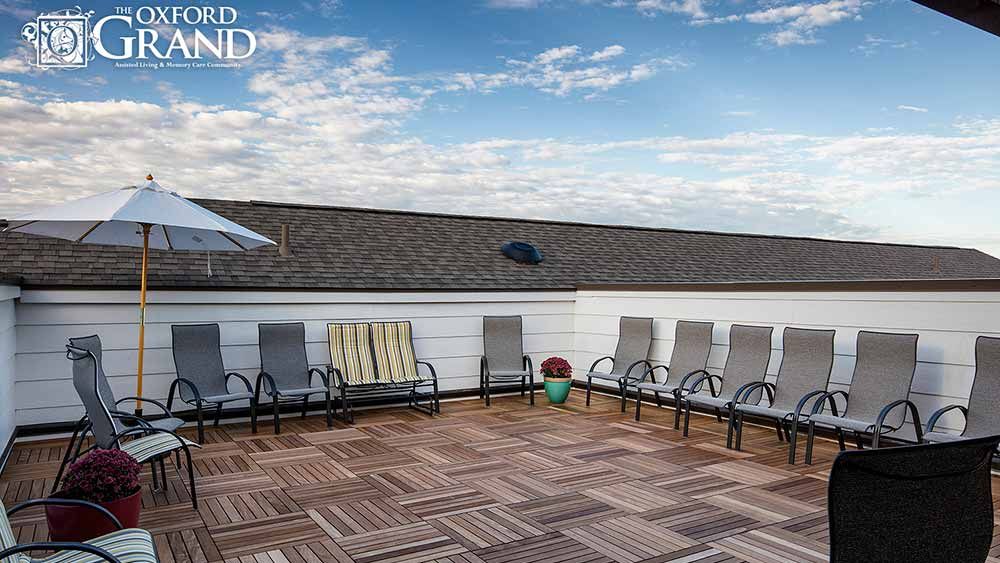
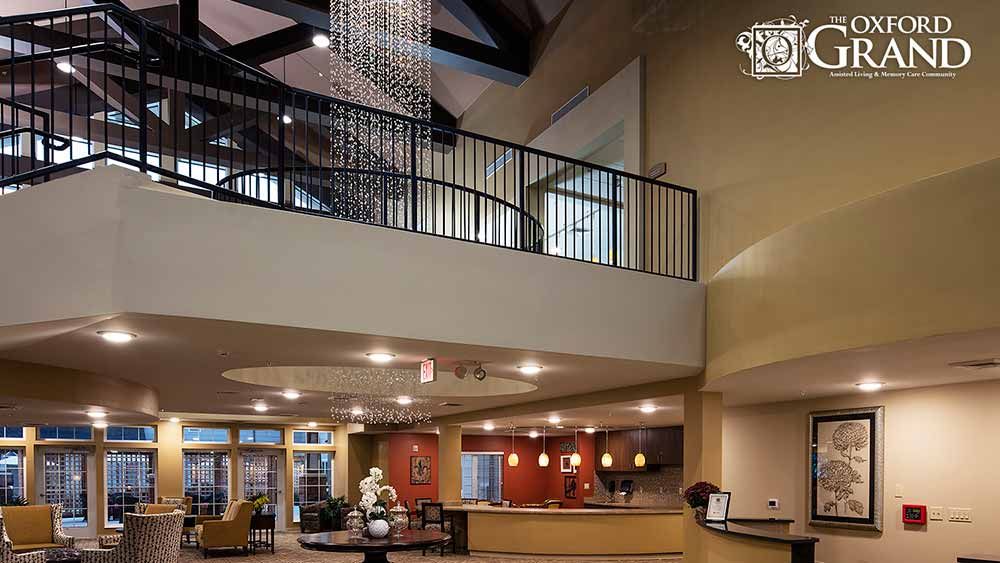
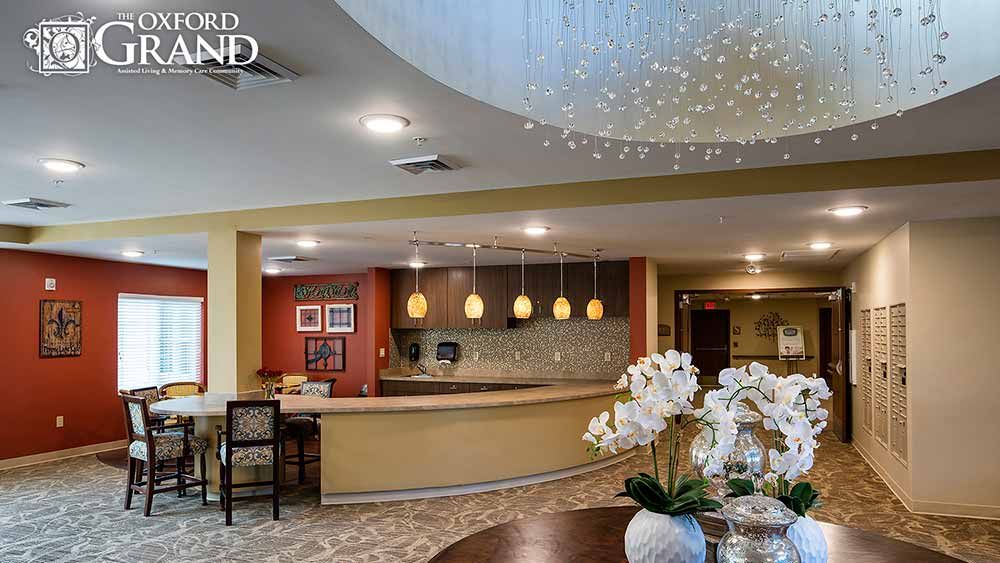
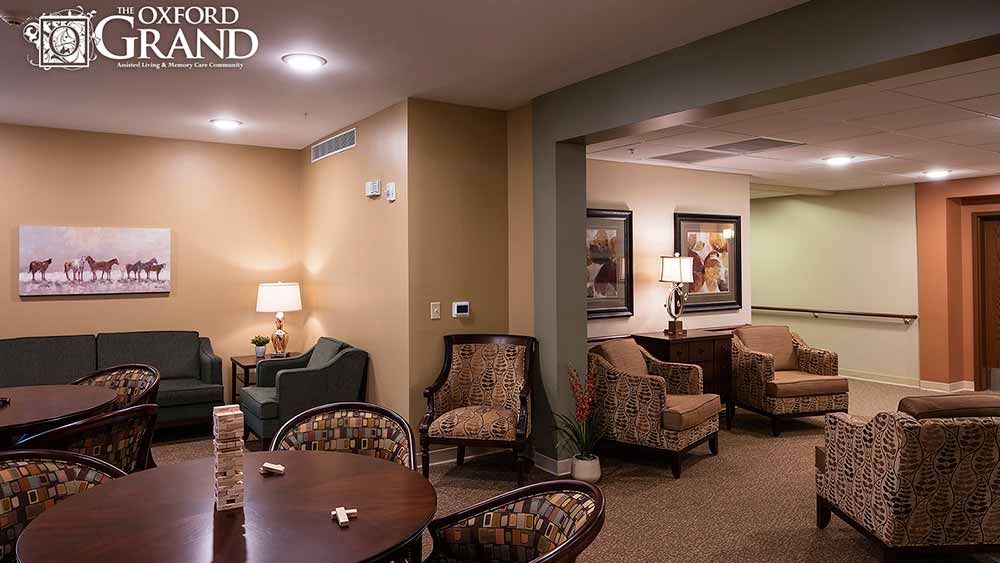
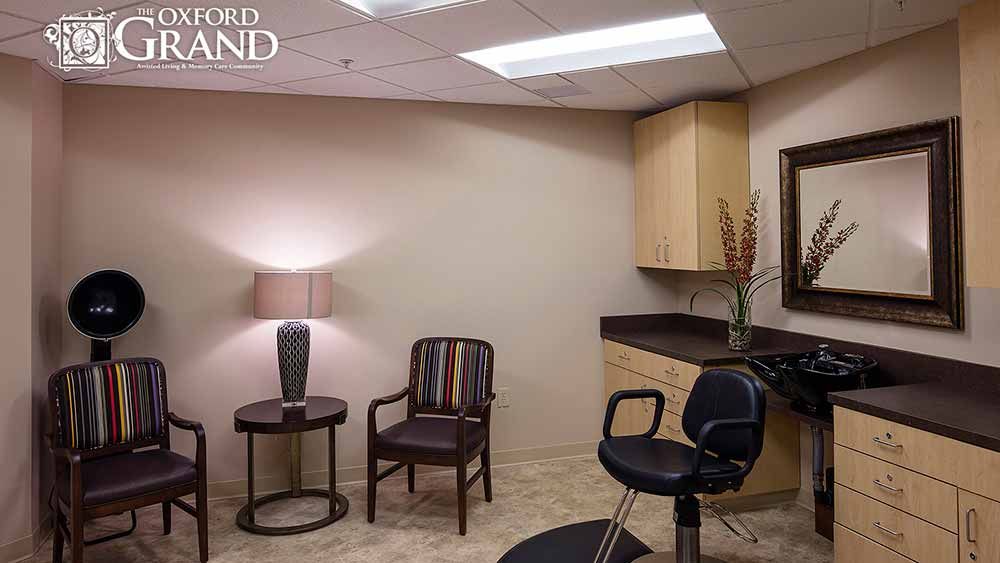
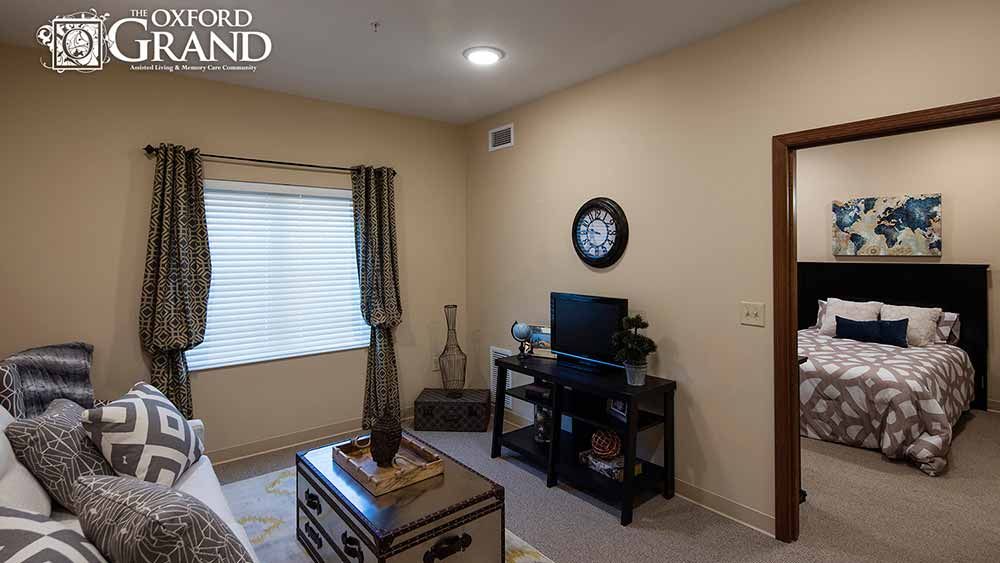
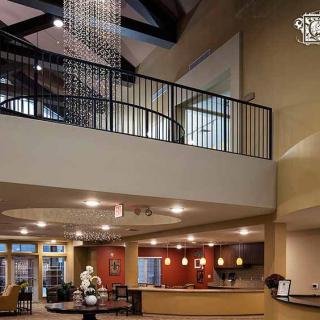
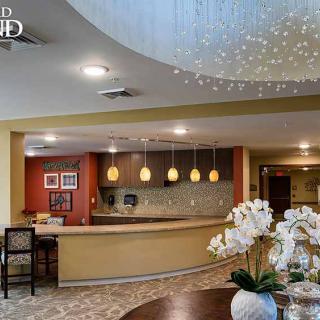
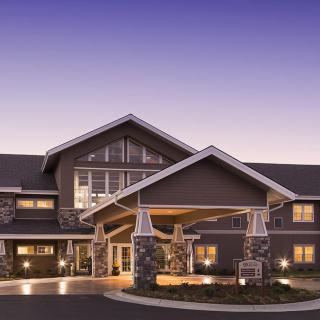
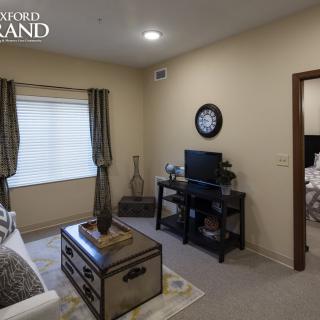
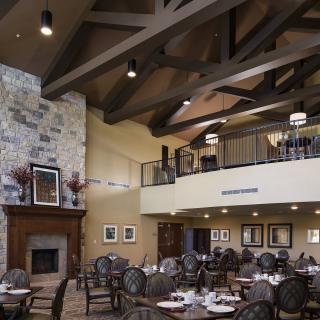
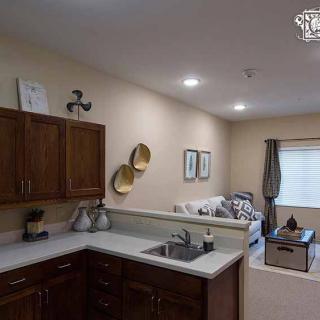
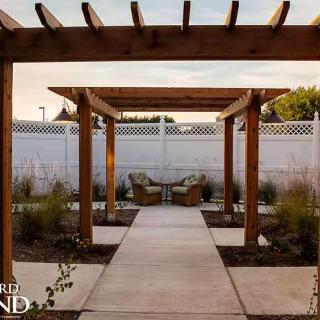
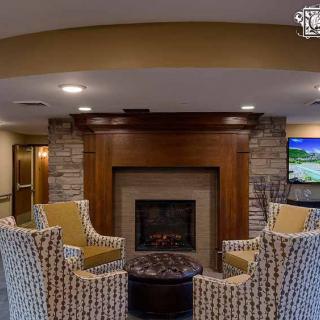
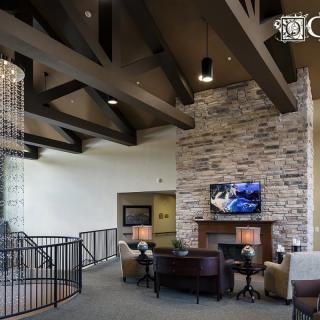
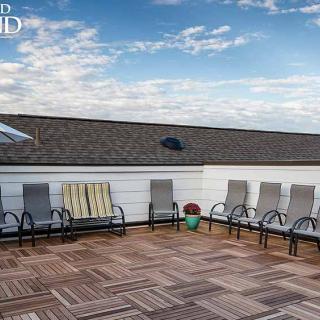
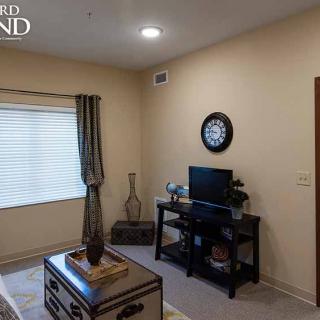
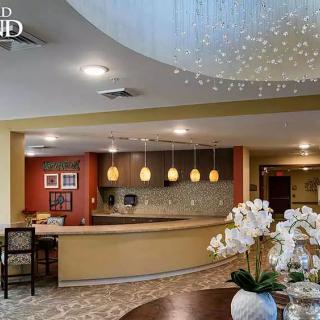
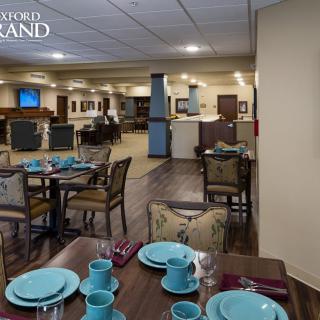
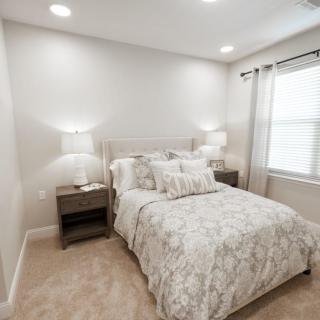
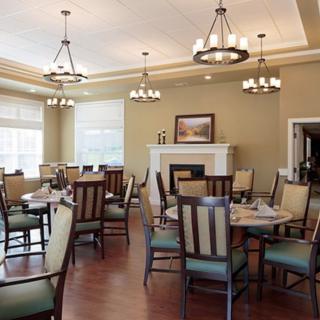
Oxford Grand At Shoal Creek on seniors.fyi includes 29 photos including images showing interior, decor, living room, seating area, television, lobby, fireplace, chandelier, and more.
Nearby Communities
Liberty At Shoal Creek
Kansas City, MO
4.8 from 42 reviews
$1,200 to $1,800 / month
Spacious apartments with an active social scene and indoor pool.
Westwood Manor
Liberty, MO
3.5 from 8 reviews
$900 / month
Very affordable 2-bedroom independent living with on-site activities and devotional services.
Pleasant Valley Manor Care Center
Liberty, MO
3.9 from 96 reviews
Clean facility with good resident engagement.
Addington Place of Shoal Creek
Kansas City, MO
4.3 from 141 reviews
$4,250 to $4,800 / month
Friendly, attentive staff in a clean, welcoming setting with engaging activities and chef-prepared meals.
Copper Ridge Apartments
Liberty, MO
3.8 from 76 reviews
Fully furnished apartments with 24/7 care and tailored dining.
Landmark Towers
Liberty, MO
3.5 from 95 reviews
Convenient location with nearby dining, healthcare, and parks.
Our Lady Of Mercy Country Home
Liberty, MO
4.7 from 121 reviews
Caring staff, clean facilities, strong sense of community, and affordable pricing.
The Wellington Senior Living
Liberty, MO
4.6 from 123 reviews
$2,655 to $4,620 / month
Clean, modern community with friendly staff and a robust activity calendar.
Linden Woods Village
Kansas City, MO
4.4 from 111 reviews
$5,895 to $8,395 / month
Friendly, attentive staff in a clean, activity-rich community.
The transition from assisted living to skilled nursing care is often prompted by complex medical needs that assisted living cannot meet, with key indicators including frequent health declines, increased falls, severe memory issues, and caregiver burnout. Families should recognize these signs early to discuss options with healthcare providers and prepare for the emotional and logistical aspects of moving to a facility that offers comprehensive medical support.
Dementia is characterized by cognitive decline, with nutrition playing a vital role in brain health; while no specific diet can prevent or reverse it, a nutrient-dense diet rich in antioxidants and healthy fats may support cognitive function. The MIND diet, which emphasizes beneficial foods and limits processed items, along with proper hydration and individualized meal strategies, can enhance the well-being of dementia patients.
Dementia affects memory and cognitive function in older adults, presenting challenges for caregivers due to behavioral changes such as confusion and mood swings. Compassionate, person-centered care that considers individual history and preferences, along with effective communication and environmental modifications, is essential for supporting both patients and their caregivers.
Get PricingAsk A QuestionSchedule A TourContact Senior Advisor
By clicking submit, you agree to our Partner's Terms of Use. You
also consent to receive calls and texts, which may be autodialed, from our Partner. Your consent is not a condition to
using our Partner's service. Please visit our Partner's Privacy Policy for information about their privacy practices.






 98 resident community capacity
 Assisted Living
 Memory Care
 Cats allowed
 Dogs allowed
 Activities off-site
 Air-conditioning
 Beautician on-site
 Cable or satellite TV
 Computer center
 Devotional services on-site
 Dining room
 Fitness room
 Fully furnished
 Gaming room
 Garden
 Ground floor units
 Handicap accessible
 Housekeeping services
 Indoor common areas
 Kitchenette
 Move-in coordination
 Outdoor common areas
 Private bathrooms
 Restaurant-style dining
 Small library
 Telephone
 Wellness center
 Wheelchair accessible showers
 Wi-Fi/high-speed internet available
 Kansas City International (13 miles away)
 Community operated transportation
 24-hour call system
 Ambulatory care
 Assistance with bathing
 Assistance with dressing
 Assistance with transfers
 Diabetes diet
 Diabetic care
 Incontinence care
 Medication management
 Special dietary restrictions
 Art classes
 Concierge services
 Cooking classes
 Day trips and outings
 Happy hour
 Live dance or theater performances
 Live musical performances
 Visiting chaplain or priest
 Wine tasting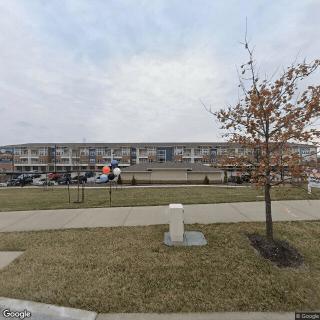
 Spacious apartments with an active social scene and indoor pool.




 8 Key Indicators That Suggest It May Be Time to Transition from Assisted Living to Skilled Nursing Care
 Nourishing the Mind: Essential Dietary Approaches for Dementia
 Understanding Dementia Behaviors: Practical Insights and Strategies for Caregivers