Addington Place of Shoal Creek offers competitive pricing for its residential options, particularly when compared to the broader market rates in Jackson County and the state of Missouri. The monthly cost for a studio is $4,250, which is notably higher than both the county average of $3,320 and the state average of $3,418. For one-bedroom accommodations, the cost is set at $4,800, exceeding the Jackson County rate of $2,857 and the Missouri average of $3,349. While Addington Place's pricing may be on the higher end within this context, it reflects a commitment to quality care and enhanced living environments that cater to residents' needs in a supportive community setting.
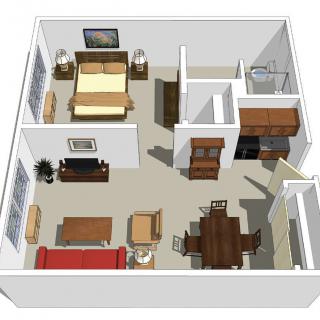
Floor plans
Addington Place of Shoal Creek
Jackson County
Missouri
Studio
$4,250
$3,320
$3,418
1 Bedroom
$4,800
$2,857
$3,349
Memory care communities with a similar price nearby
Residents and families consistently describe caring, attentive staff.
Across reviews, people highlight staff who feel professional, pleasant, and genuinely engaged with residents. Several mention named caregivers and specific examples of patience and follow-through, along with families feeling comforted by communication and availability. A few reviews contrast that experience by describing understaffing or missed monitoring in memory care, but many others still emphasize kindness and responsiveness as a core strength.
common16 reviews mention this
Clean spaces and home-like feel
Many reviews point to a consistently clean, well-kept setting.
Multiple reviewers describe the building as clean, maintained, and presenting a home-like atmosphere. Several also call out comfort features like spacious apartments and a layout that feels simpler to navigate. A small number of reviews mention cleanliness lapses or dirt related to accidents in memory care, but the larger pattern in reviews is that the community is kept tidy and welcoming.
common10 reviews mention this
Dining quality is a frequent bright spot
Dining stands out in reviews, with many describing food quality positively.
Food comes up repeatedly, with residents and families describing meals as fresh, delicious, or well-prepared. Reviews also mention that dining experience feels more enjoyable than a typical cafeteria setup. Some reviewers note food concerns after a chef change, and one family describes dissatisfaction with how meals were handled, so results appear to vary by period.
common9 reviews mention this
Activities and outings keep residents engaged
Reviews frequently mention active schedules and resident engagement.
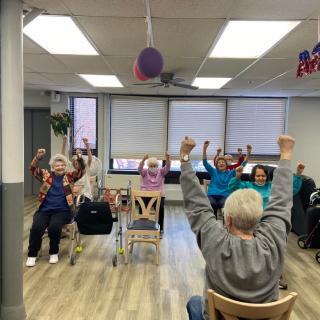
Many reviewers say residents have something to do, citing daily activity planning, music, outings, and on-site options like beauty services. Families also describe the community helping residents stay involved and adjust to life there. A few reviews suggest activity variety may not be strong for everyone, especially in memory care, but most still describe programming and engagement as a consistent part of the day.
caveat6 reviews mention this
Pricing feels mixed across reviews
Some families like the pricing, while others feel costs or billing practices are unclear.
Several reviewers say the pricing is reasonable or competitive, and some mention choosing Addington Place because it fit their budget. Others raise concerns about piece-by-piece pricing or additional charges for day-to-day help, making it harder to predict monthly costs. There are also a few billing-related complaints where families felt money was handled incorrectly, which is a significant negative theme for those reviewers.
caveat7 reviews mention this
Memory care safety and staffing concerns
Some memory care reviews describe serious supervision and staffing failures.
A recurring negative theme is inadequate monitoring in memory care, including reports of wandering, frequent falls, and situations where staff did not respond as expected. One review describes a severe injury after not being managed or supervised, while others mention understaffing and missed care needs. While the overall reviews often praise attentiveness, these safety-and-staffing complaints are prominent enough to stand out as a key risk area for families considering the memory care setting.
How we summarize
Counts show how many written reviews mention each theme; a review can touch several themes, and only frequently mentioned themes are displayed.
Features
Housing
88 resident community capacity
1-bedroom apartments
2-bedroom apartments
Studio apartments
Types of Care
Assisted Living
Memory Care
Pets
Cats allowed
Dogs allowed
Amenities
Activities off-site
Activities on-site
Air-conditioning
Beautician on-site
Beauty salon
Cable or satellite TV
Computer center
Devotional services off-site
Devotional services on-site
Dining room
Fitness room
Fully furnished
Gaming room
Garden
Garden view
Ground floor units
Handicap accessible
Housekeeping services
Indoor common areas
Kitchenette
Move-in coordination
Outdoor common areas
Outdoor space
Pet friendly
Private bathrooms
Respite or short term stays offered
Restaurant-style dining
Small library
Spa
Telephone
Wellness center
Wheelchair accessible showers
Wi-Fi/high-speed internet available
Transportation
Kansas City International (13 miles away)
Community operated transportation
Transportation & parking
Transportation arrangement
Transportation arrangement (non-medical)
Transportation to doctors appointments
Care Services
12-16 hour nursing
24-hour call system
24-hour supervision
Activities of daily living assistance
Ambulatory care
Assistance with bathing
Assistance with dressing
Assistance with transfers
Coordination with health care providers
Dementia waiver
Diabetes diet
Diabetic care
High acuity care
Hospice waiver
Incontinence care
Meal preparation and service
Medication management
Mental wellness program
Mild cognitive impairment
Physical therapy
Special dietary restrictions
Specialized memory care programming
Transportation arrangement (medical)
Transportation to doctors appointments
Dining
Diabetes diet
Gluten-free
Guest meals
Low / no sodium
Meals provided
Professional chef
Restaurant style dining
Special dietary restrictions
Activities
Activities off-site
Art classes
Community-sponsored activities
Concierge services
Cooking classes
Day trips and outings
Devotional activities offsite
Devotional activities on-site
Fitness programs
Happy hour
Live dance or theater performances
Live musical performances
Other religious services
Planned day trips
Protestant services
Resident-run activities
Scheduled daily activities
Visiting chaplain or priest
Languages Spoken
English
Nearby Places of Interest
Located in Kansas City, Missouri, this area offers a variety of amenities suitable for seniors looking for a peaceful and convenient neighborhood. With several places of worship such as Calvary Chapel Church God and North Oak Christian Church nearby, residents can find spiritual fulfillment within their community. In terms of healthcare, there are multiple physicians offices including Priority Care Pediatrics Liberty and Northland Oral Maxillofacial Surgery, as well as pharmacies like Walgreens and Walmart Pharmacy for easy access to medication. For dining options, there are popular restaurants like Cheddar's Scratch Kitchen and Sonic Drive-In within close proximity. Additionally, the area boasts several parks such as Northwyck Park and Ruth Moore Park for leisurely strolls and relaxation. Close to amenities such as Liberty Hospital and cafes like Hammerhand Coffee and Starbucks, this neighborhood provides a comfortable living environment for seniors seeking a vibrant community with essential services at their fingertips.
Places of Worship
Calvary Chapel Church God (1.4 miles)
North Oak Christian Church (5 miles)
Gashland Presbyterian Church (5.3 miles)
North Cross United Methodist Church (7.4 miles)
Physicians
Priority Care Pediatrics Liberty (1.5 miles)
Shoal Creek Family Medicine (1.7 miles)
Kansas City Surgical Arts (2.1 miles)
Redwood Pediatrics (2.2 miles)
U.S. Dermatology Partners of Liberty (2.3 miles)
Northland Oral Maxillofacial Surgery (2.5 miles)
Cobblestone Family Health (2.8 miles)
Pharmacies
Walgreens (1.5 miles)
Walmart Pharmacy (2.1 miles)
CVS Pharmacy (2.4 miles)
Walgreens (2.7 miles)
Wimmer Clinical Clinical Consultin (2.9 miles)
Walgreens (4.7 miles)
Sun Fresh (5 miles)
Restaurants
Sonic Drive-In (1.6 miles)
Cheddar's Scratch Kitchen (1.7 miles)
McDonald's (1.7 miles)
Fun Run (1.8 miles)
Zaxby's (1.8 miles)
54th Street Grill & Bar (1.9 miles)
Corner Cafe (2 miles)
Theaters
Liberty Cinema 12 (2.5 miles)
Parks
Northwyck Park (2.9 miles)
Ruth Moore Park (3.4 miles)
Ruth Stocksdale Park (5.6 miles)
Clay Ridge Park (5.6 miles)
Barry Platte Park (6.6 miles)
Paradise Falls (6.7 miles)
Cabin Fever Trailhead - Smithville Lake (8.3 miles)
Addington Place of Shoal Creek offers competitive pricing for its residential options, particularly when compared to the broader market rates in Jackson County and the state of Missouri. The monthly cost for a studio is $4,250, which is notably higher than both the county average of $3,320 and the state average of $3,418. For one-bedroom accommodations, the cost is set at $4,800, exceeding the Jackson County rate of $2,857 and the Missouri average of $3,349. While Addington Place's pricing may be on the higher end within this context, it reflects a commitment to quality care and enhanced living environments that cater to residents' needs in a supportive community setting.
The comprehensive features of Addington Place of Shoal Creek are designed to address the unique needs of residents with dementia or Alzheimer's disease, ensuring a supportive and enriching environment. Continuous 24-hour supervision provides safety and reassurance, while assistance with activities of daily living, including bathing, dressing, and transfers, helps maintain dignity and comfort for residents. The coordination with healthcare providers ensures that medical needs are promptly addressed, which is crucial for individuals experiencing cognitive decline. Specialized memory care programming along with a mental wellness program effectively engages residents cognitively and emotionally, promoting social interaction and mental stimulation. Incontinence care and meal preparation tailored to individual dietary needs further enhance personal well-being. Medication management is meticulously handled to prevent any complications associated with memory lapses. Additionally, transportation arrangements for medical appointments facilitate access to necessary health services, thereby supporting overall health management. Activities specifically designed for those with mild cognitive impairment also contribute to their quality of life by fostering independence while providing appropriate levels of challenge and engagement.
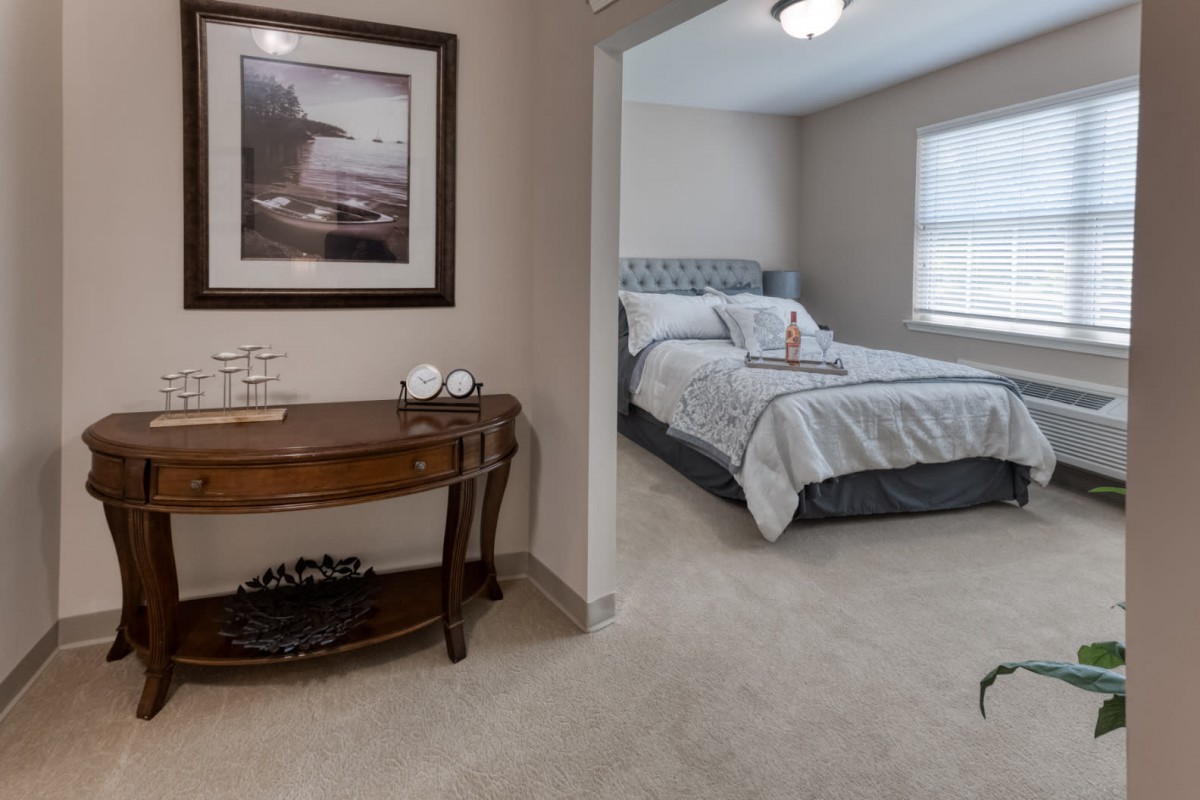
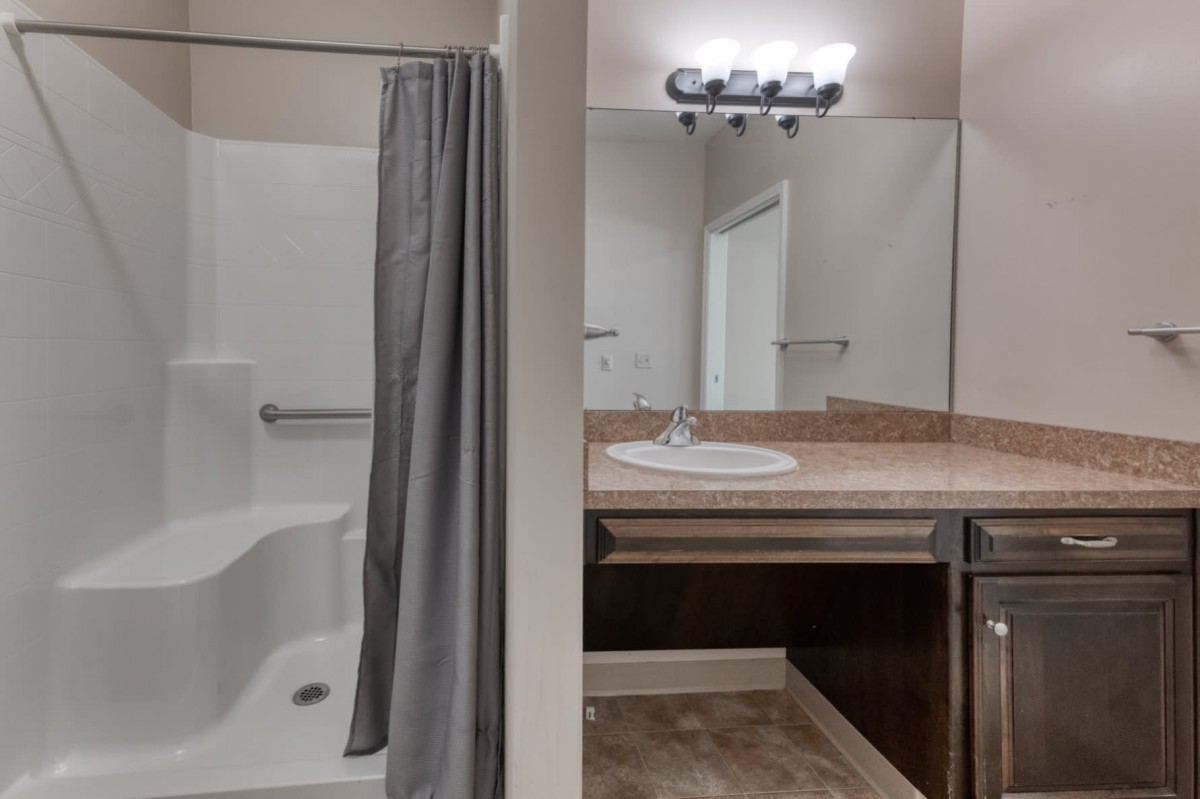
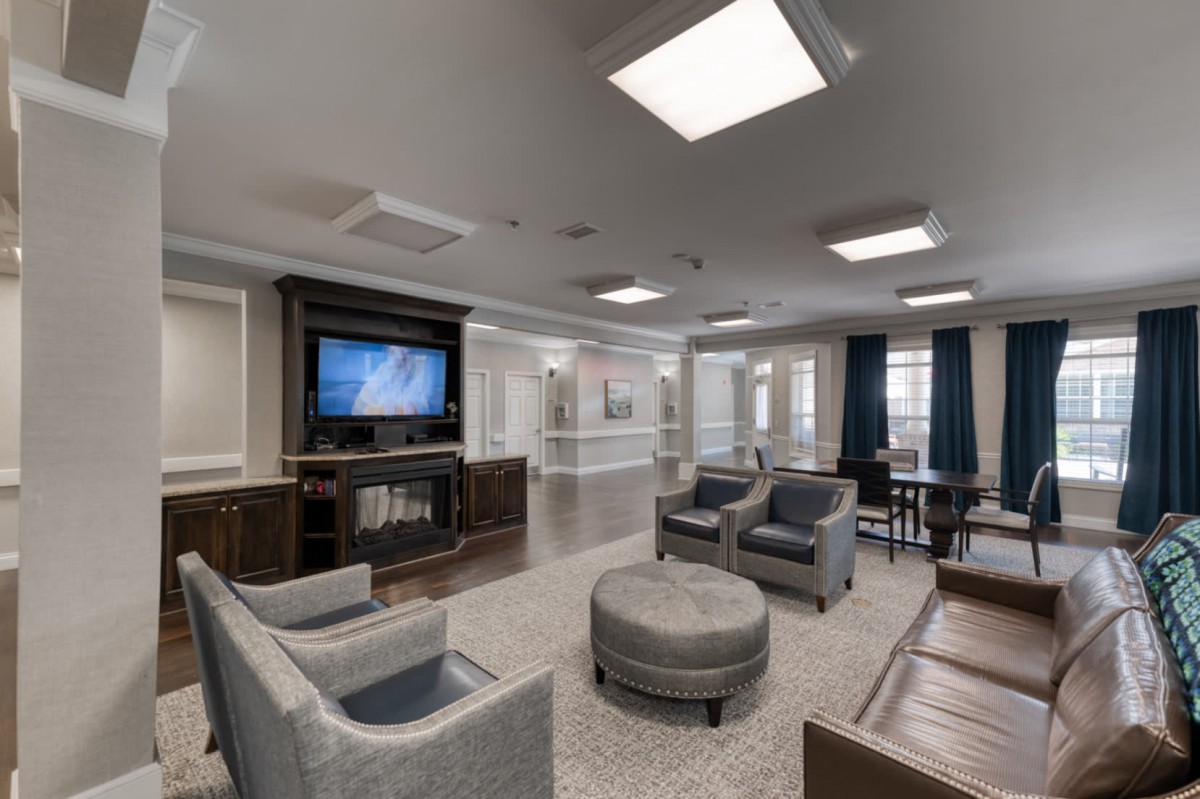
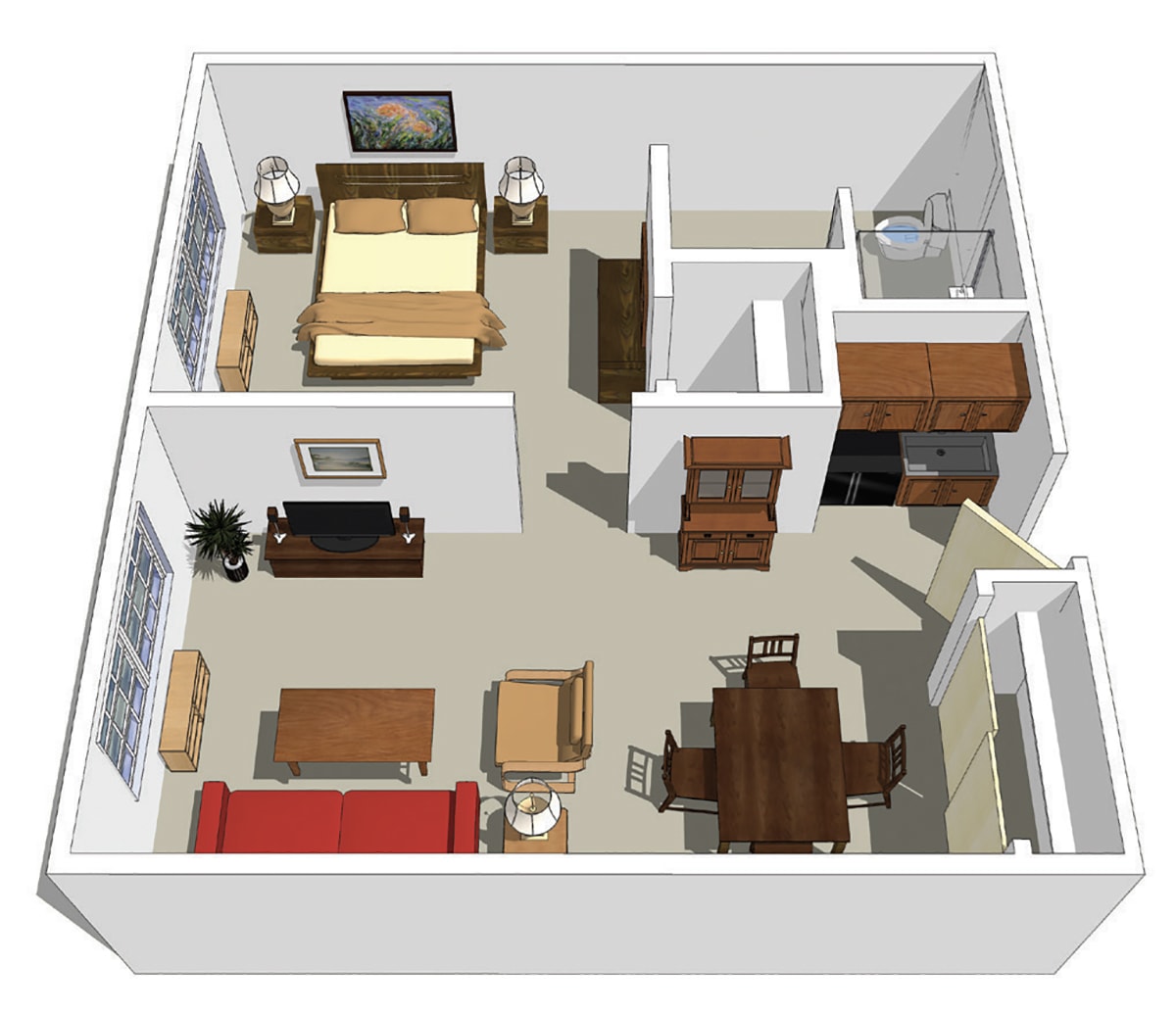
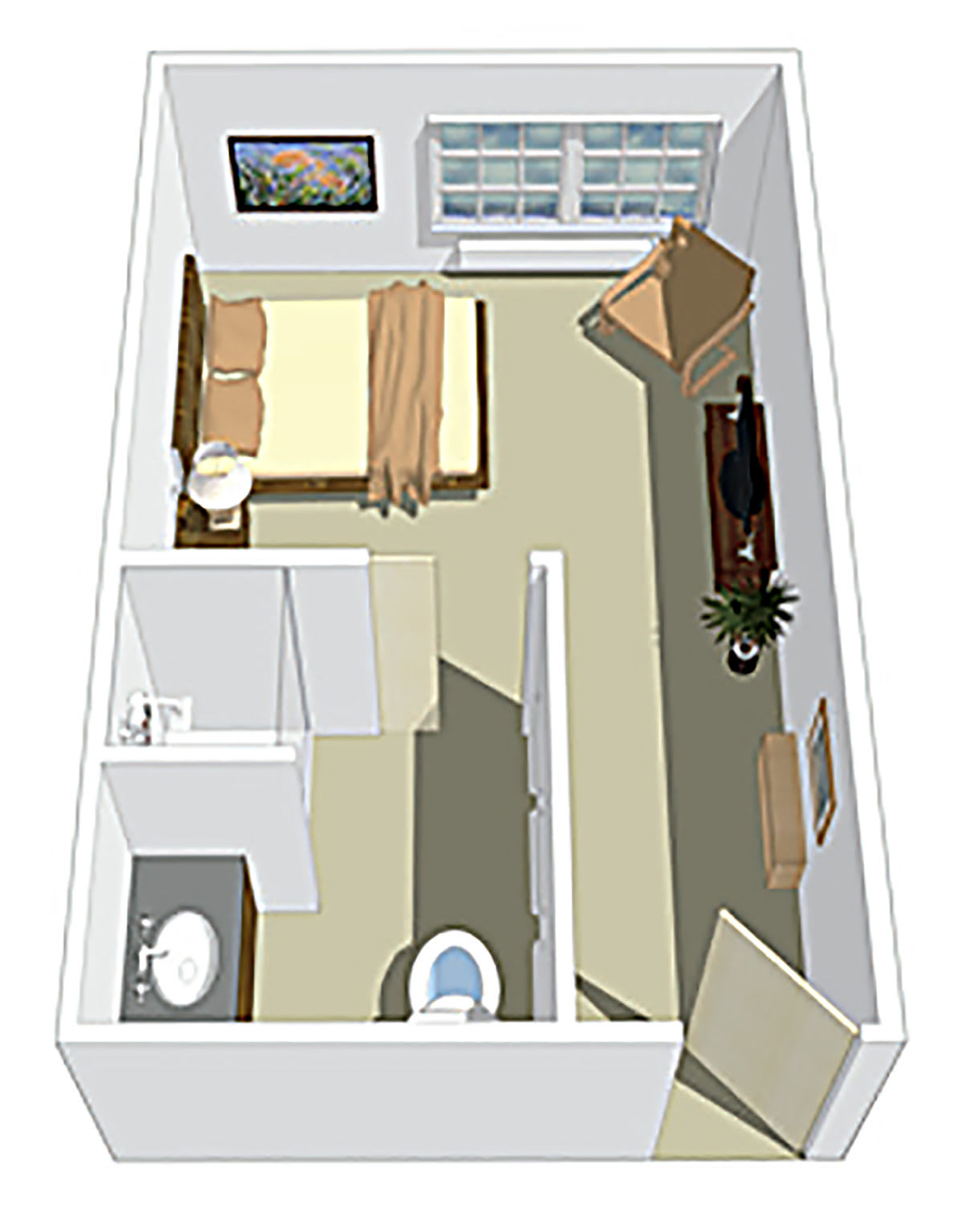
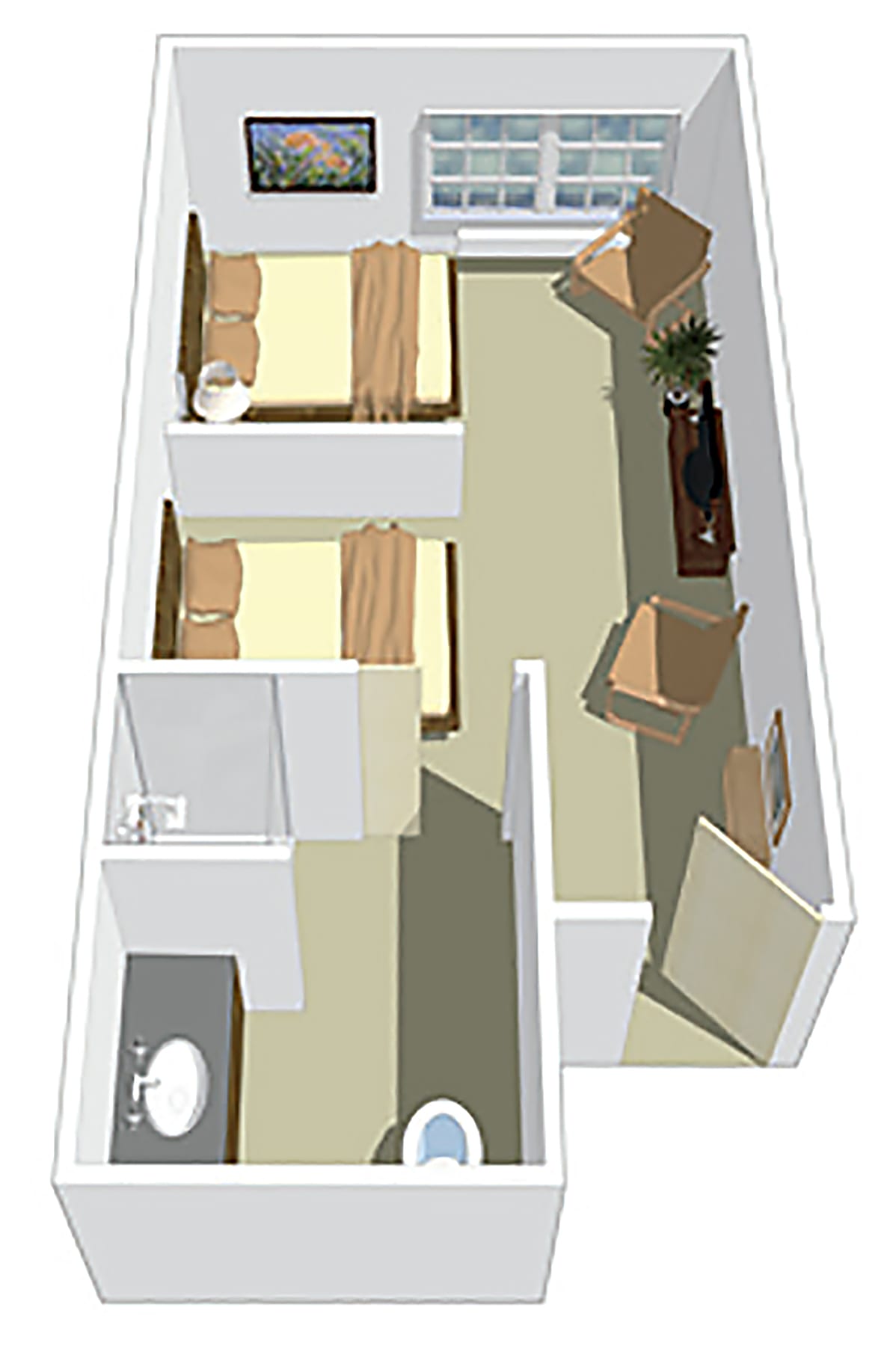
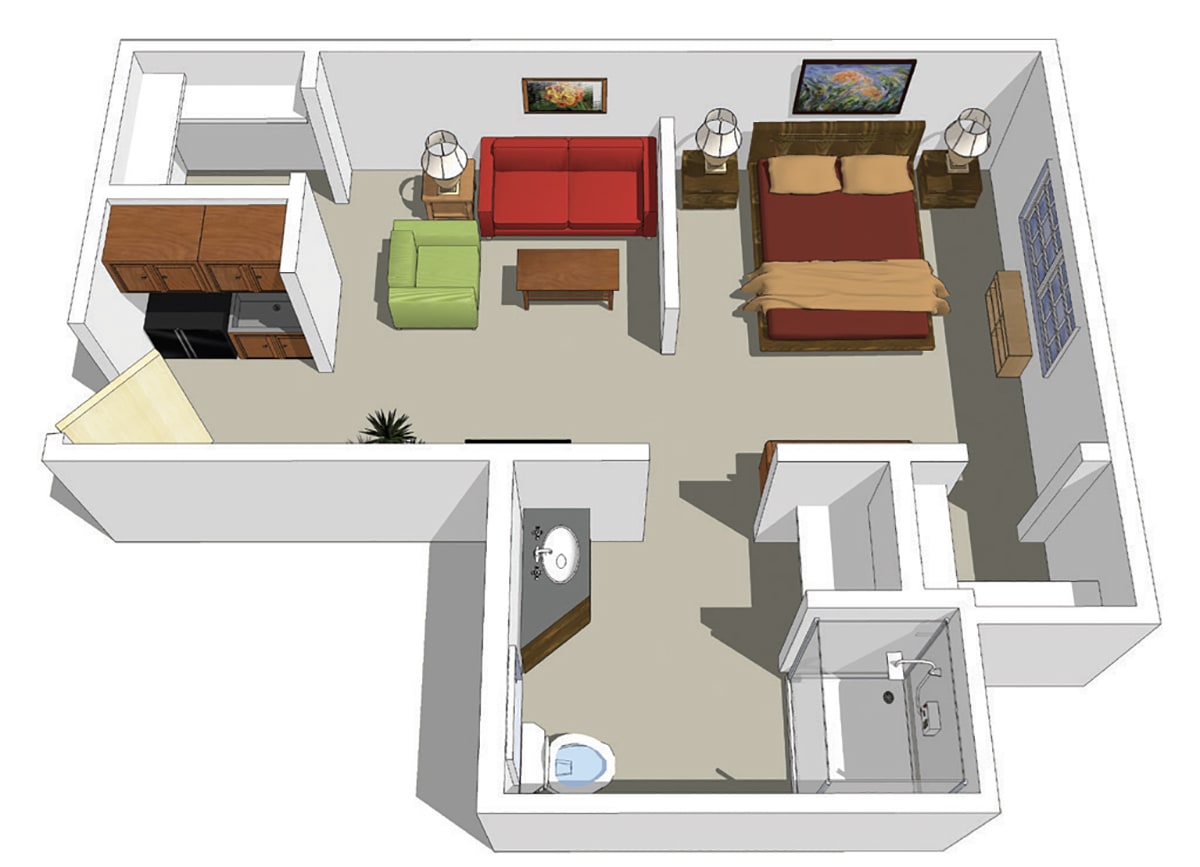
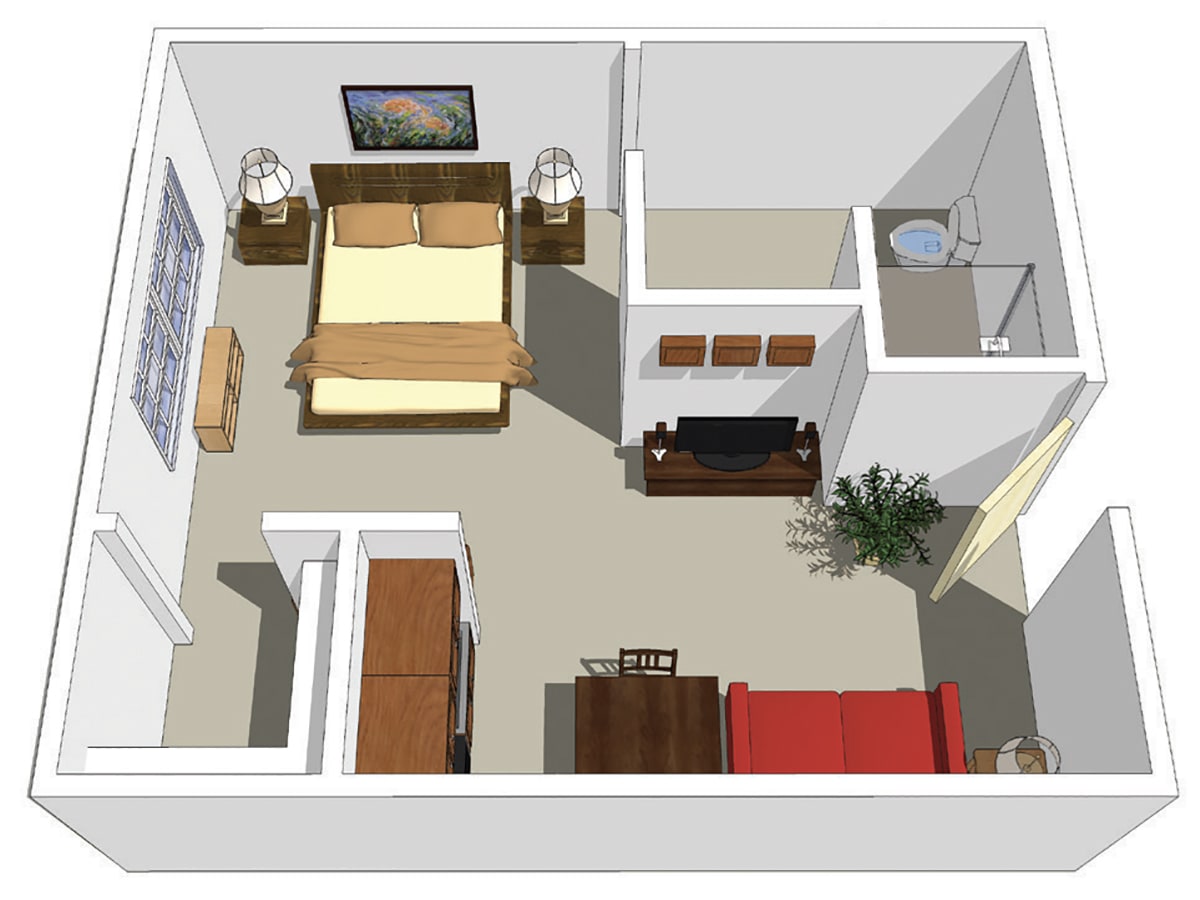
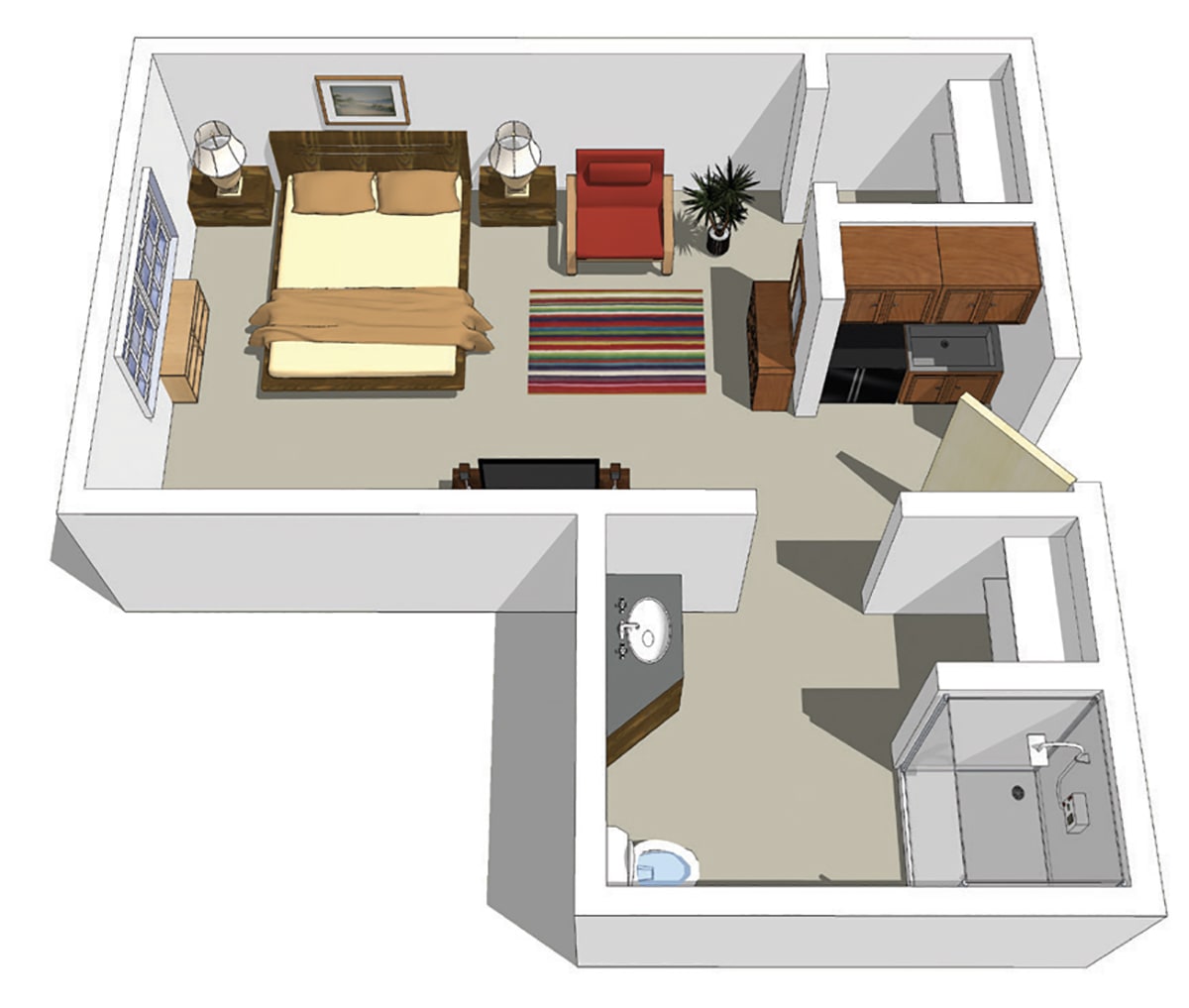
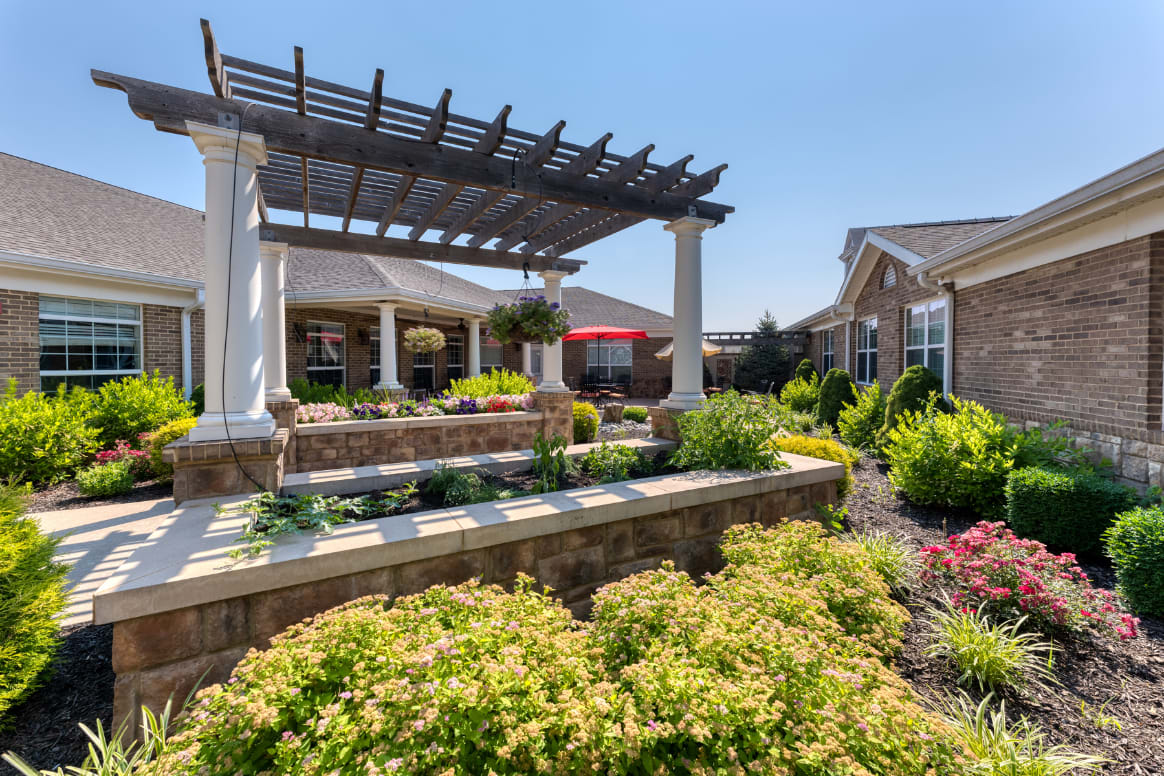
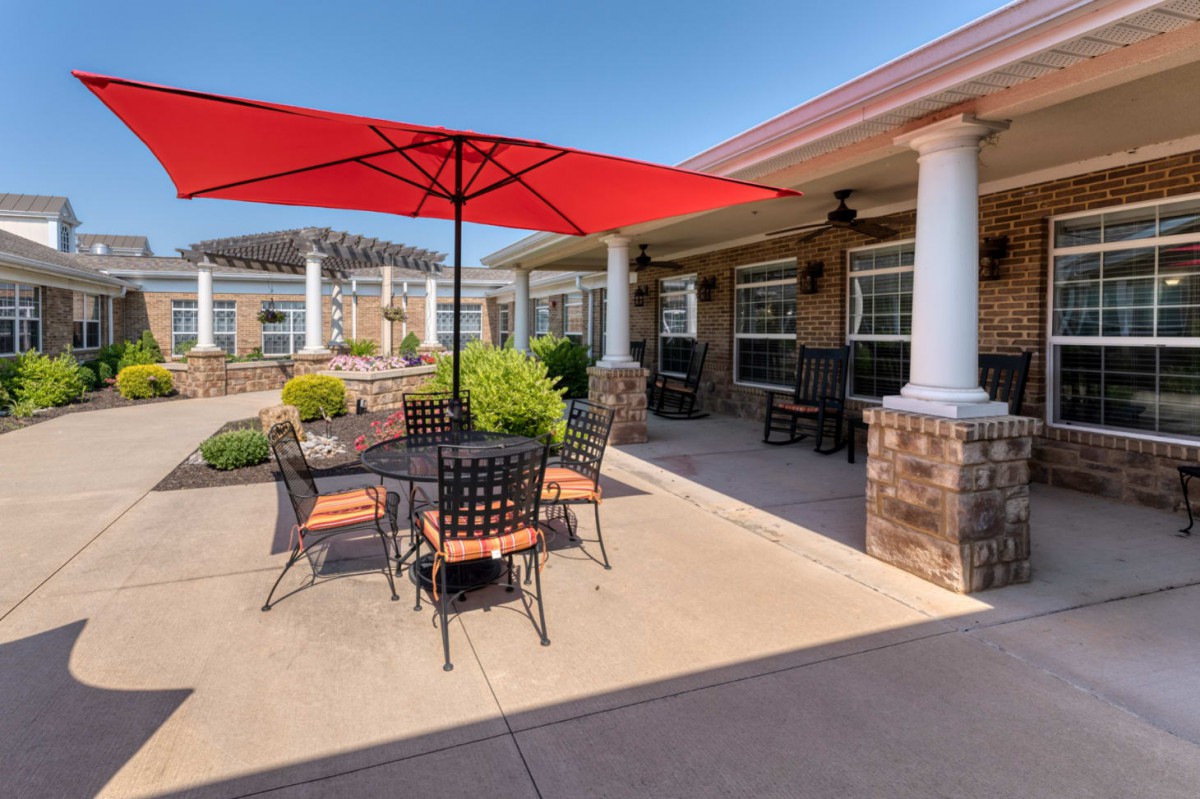
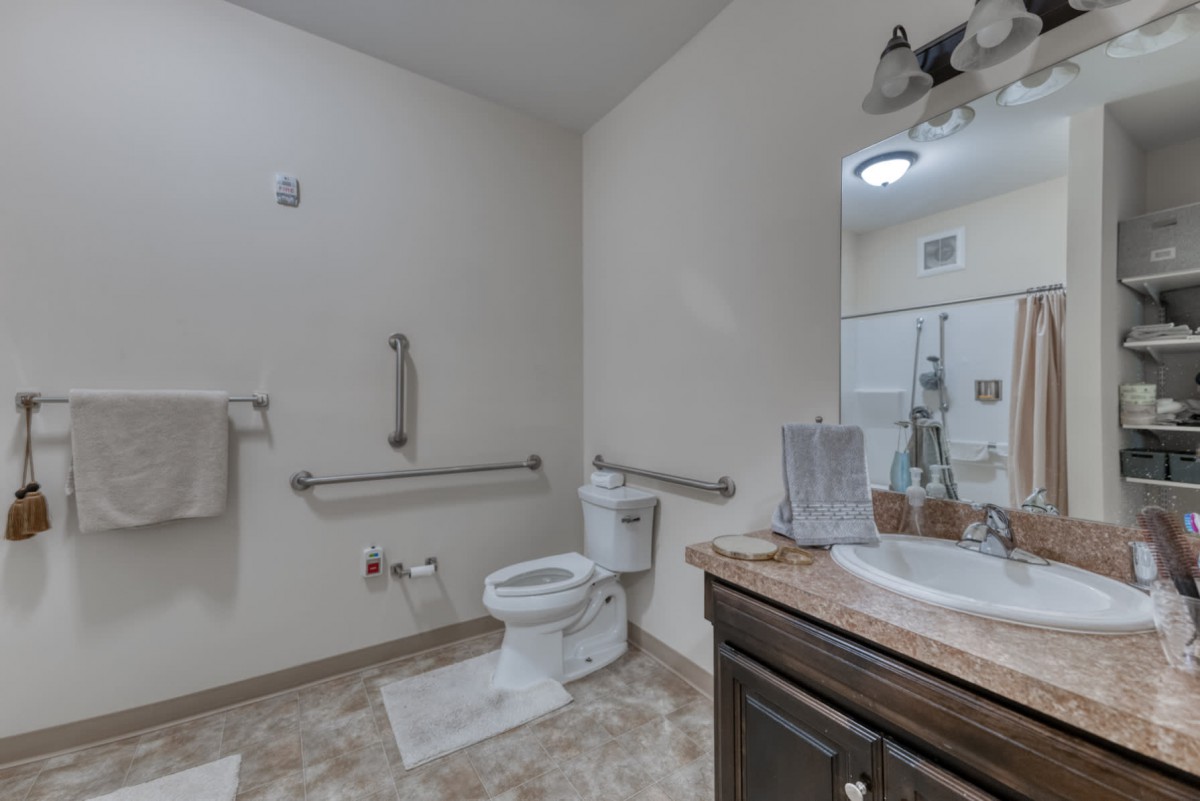
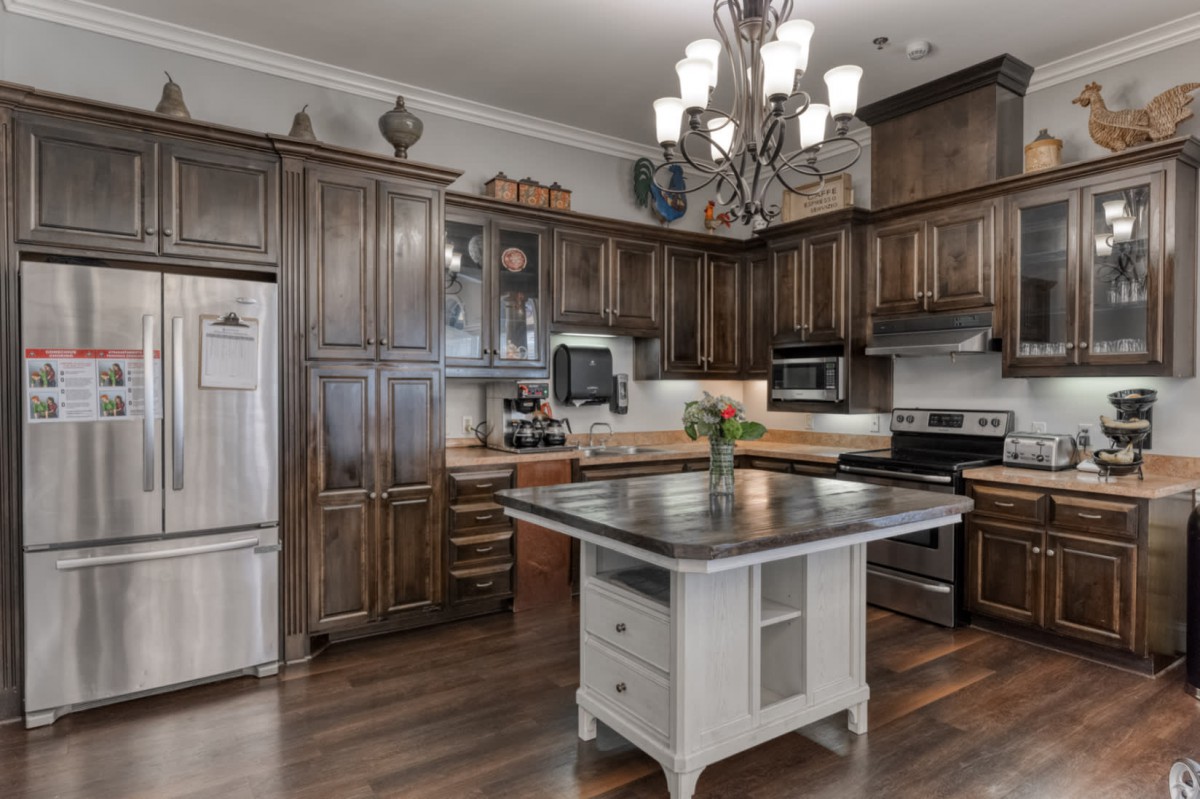
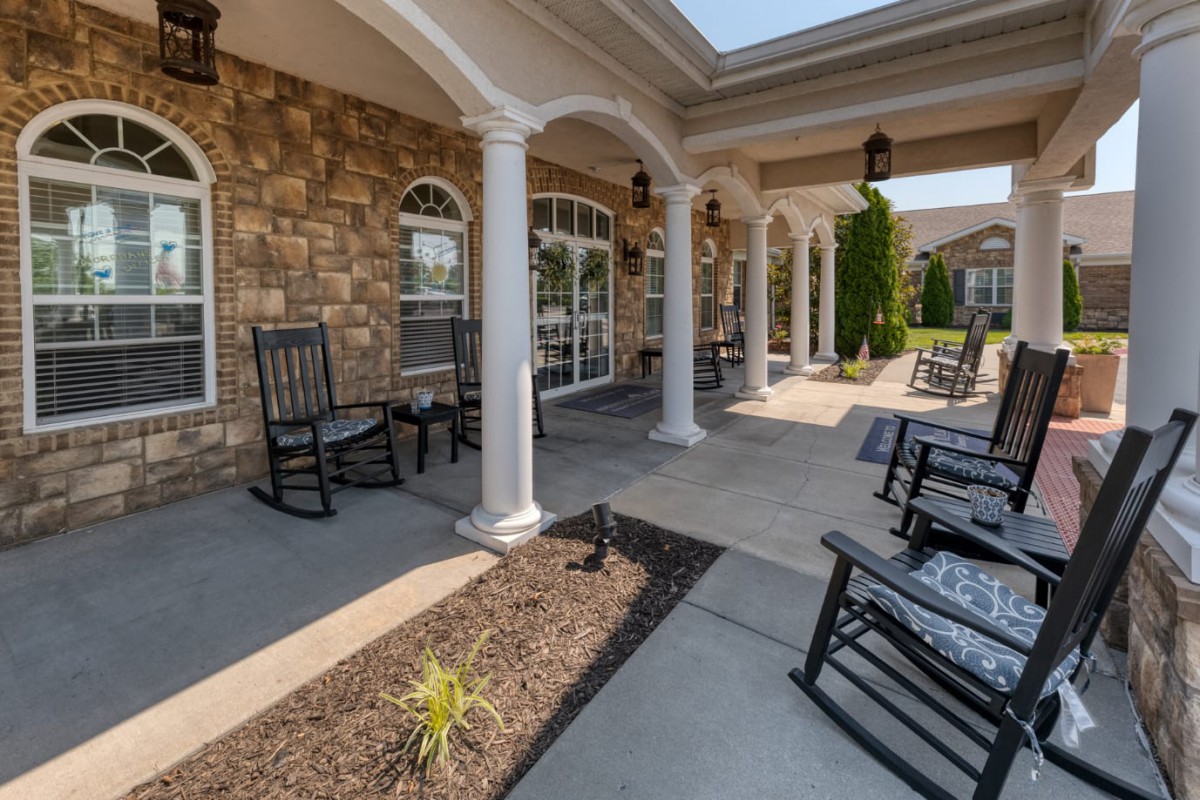
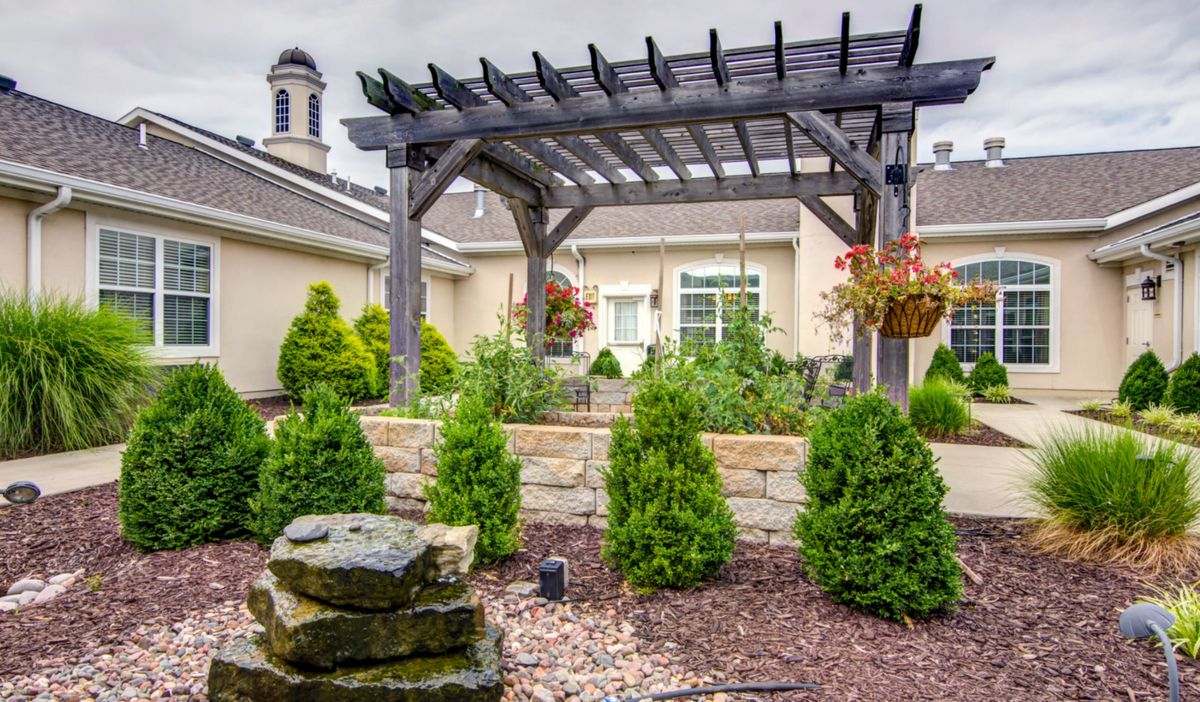
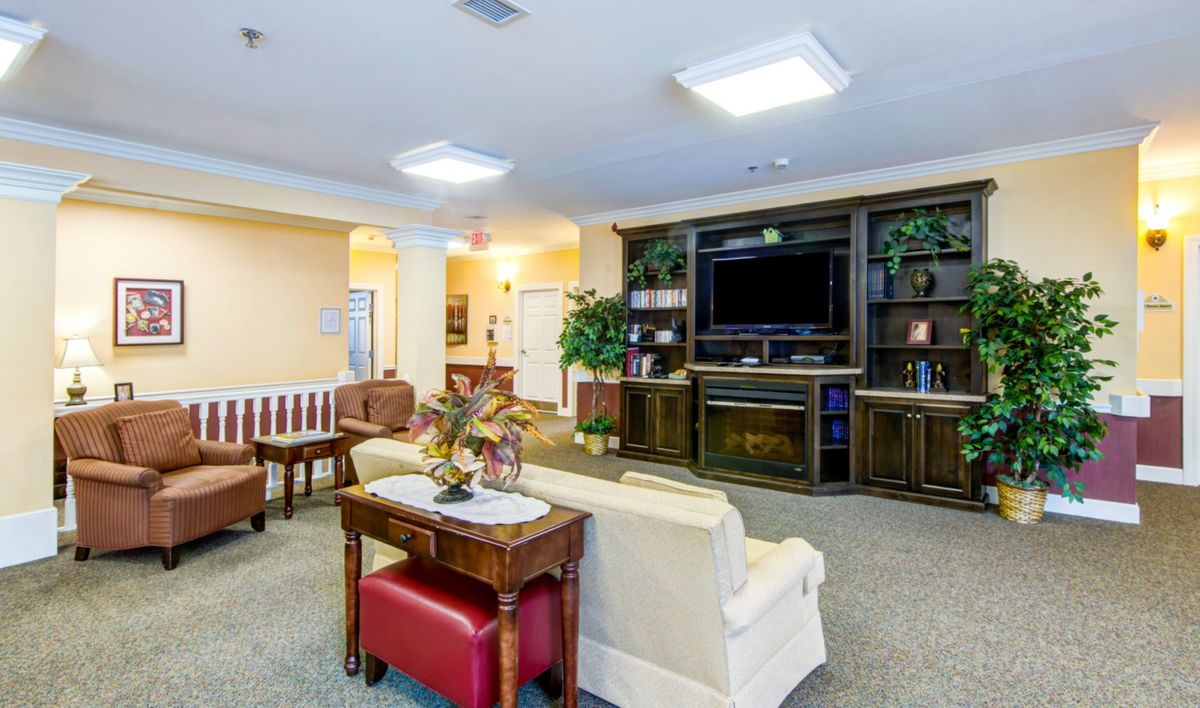
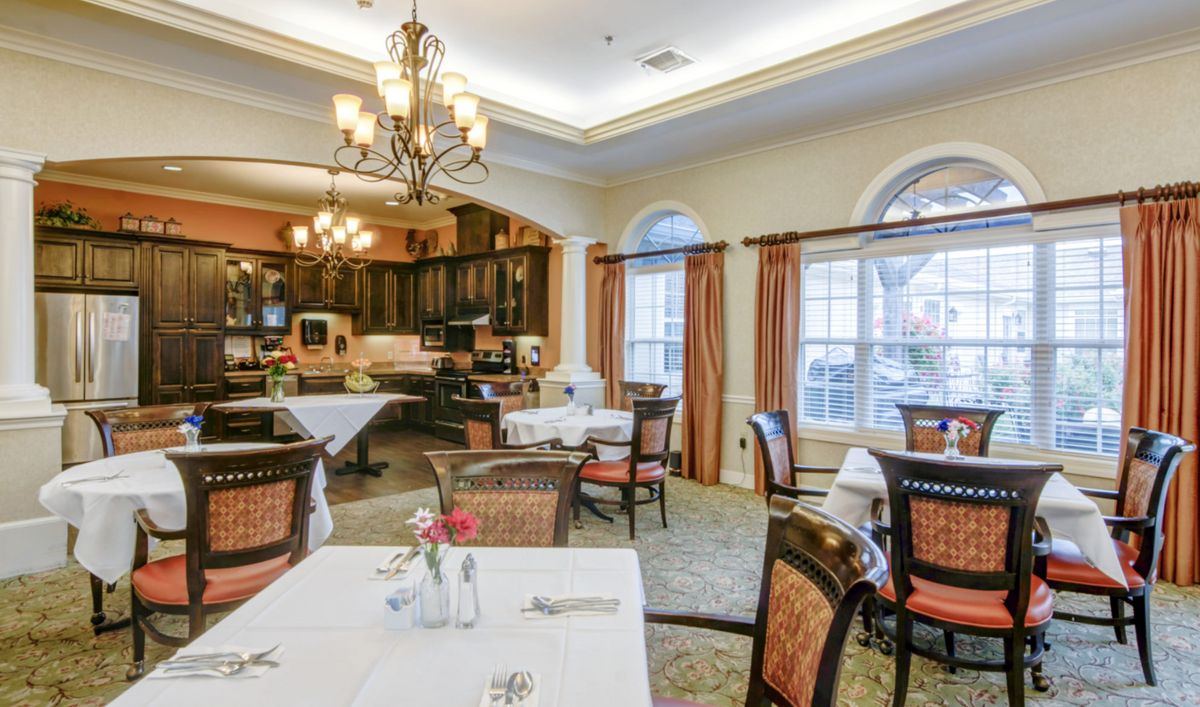
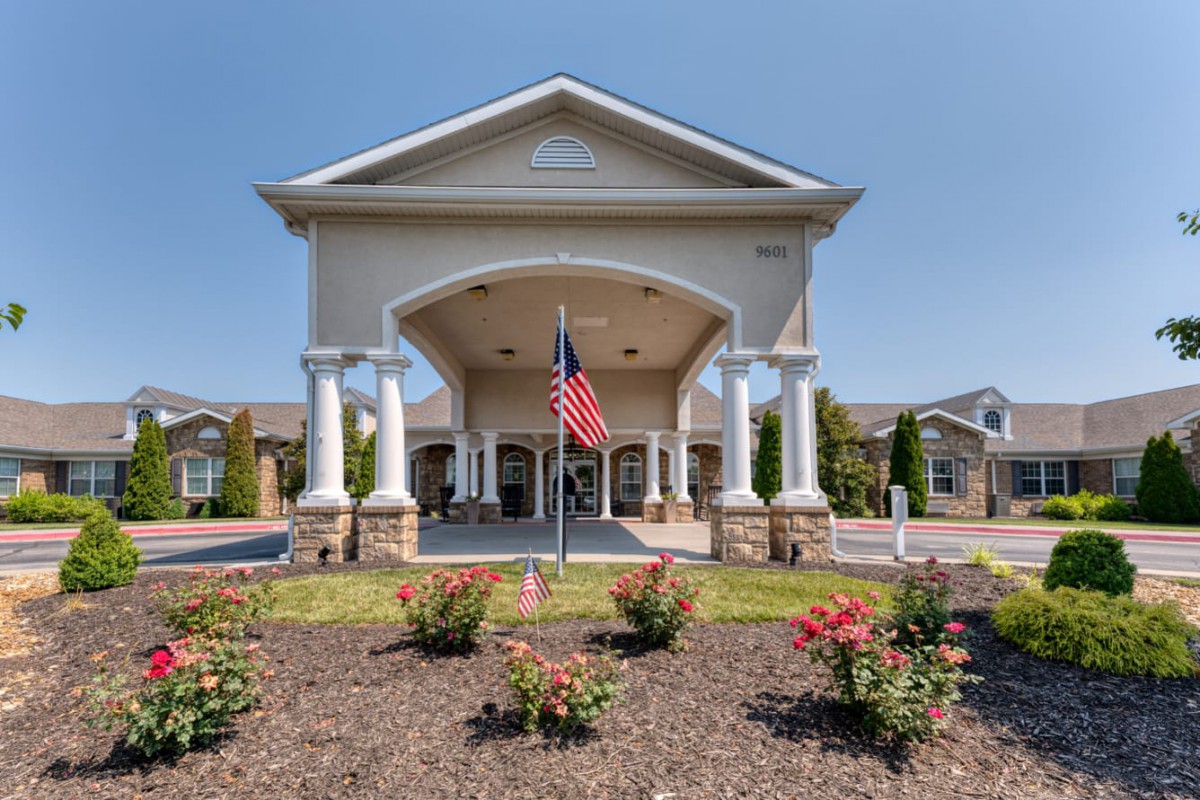
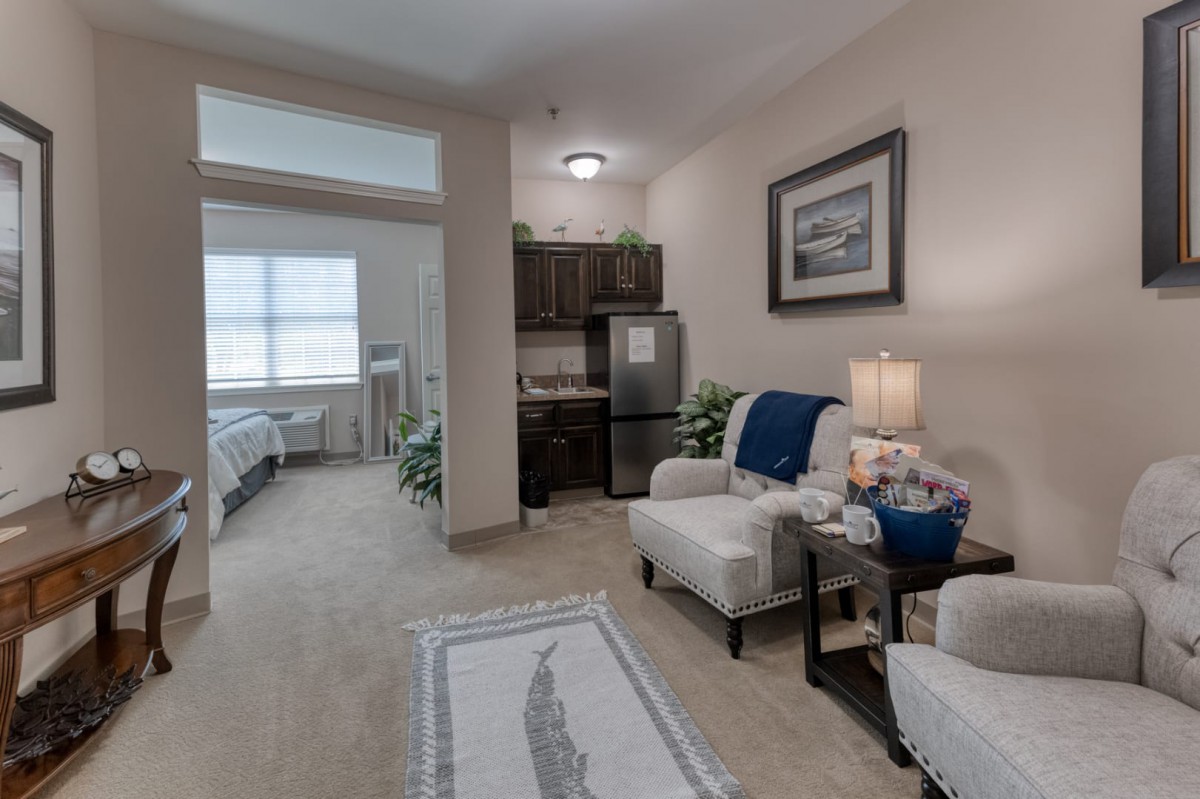
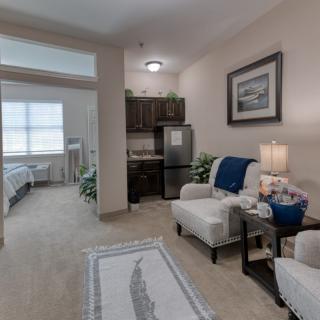
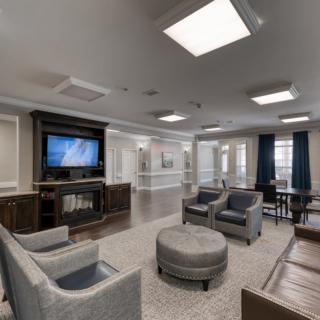
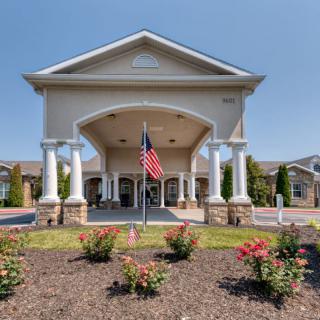
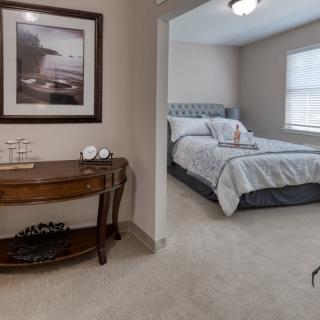
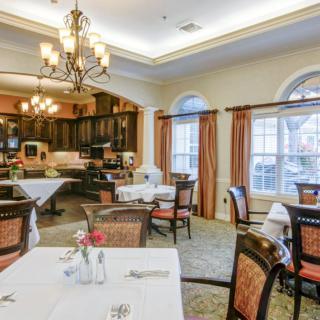
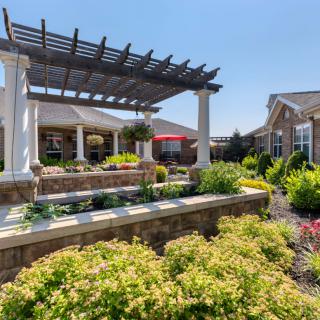
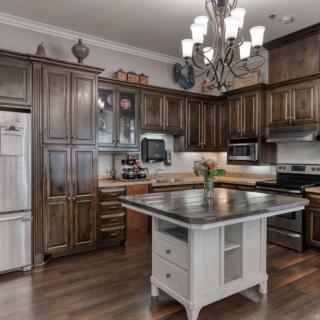
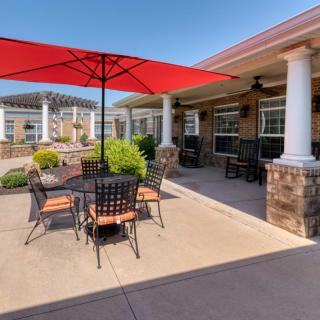
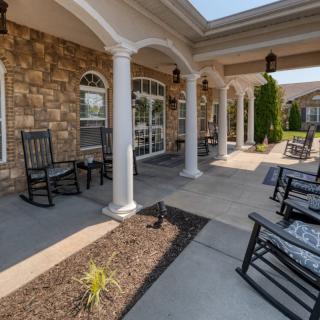
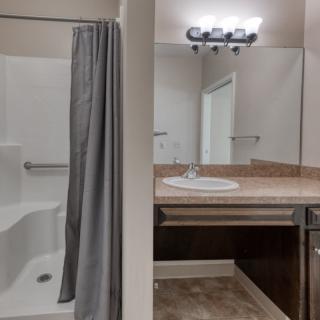
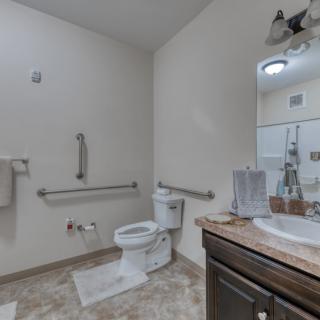
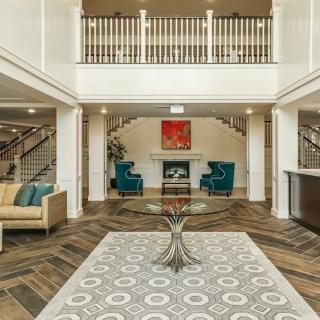
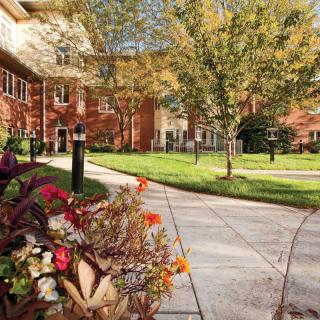
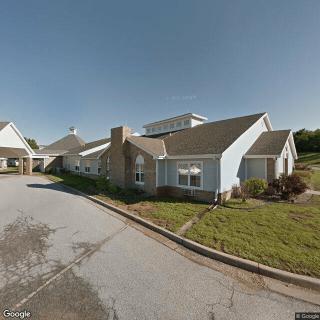
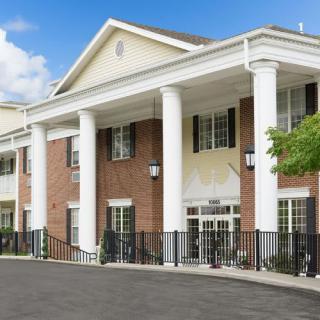
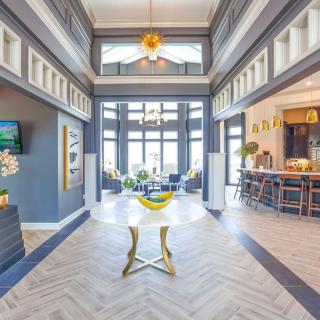
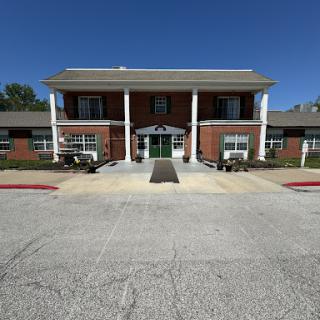
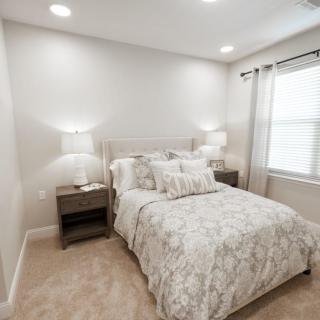
Addington Place of Shoal Creek on seniors.fyi includes 19 photos including images showing floor plan, interior, bedroom, bathroom, living room, patio, garden, landscaping, and more.
Nearby Communities
Liberty At Shoal Creek
Kansas City, MO
4.8 from 42 reviews
$1,200 to $1,800 / month
Spacious apartments with an active social scene and indoor pool.
Oxford Grand At Shoal Creek
Kansas City, MO
4.4 from 66 reviews
Caring staff with a family-like atmosphere, good dining, and engaging activities.
Copper Ridge Apartments
Liberty, MO
3.8 from 76 reviews
Fully furnished apartments with 24/7 care and tailored dining.
Landmark Towers
Liberty, MO
3.5 from 95 reviews
Convenient location with nearby dining, healthcare, and parks.
Ashton Court Care And Rehabilitation Centre
Liberty, MO
3.9 from 137 reviews
Warm, attentive staff and a dedicated rehab team.
Liberty Health And Wellness
Liberty, MO
3.9 from 98 reviews
$3,600 to $4,600 / month
Extensive amenities and 24/7 supervision.
The Wellington Senior Living
Liberty, MO
4.6 from 123 reviews
$2,655 to $4,620 / month
Clean, modern community with friendly staff and a robust activity calendar.
Our Lady Of Mercy Country Home
Liberty, MO
4.7 from 121 reviews
Caring staff, clean facilities, strong sense of community, and affordable pricing.
Benton House of Staley Hills
Kansas City, MO
4.3 from 55 reviews
$4,200 to $5,220 / month
Friendly, caring staff in a clean, well-maintained facility with engaging activities and good family communication.
Reminiscence therapy is a structured method for older adults, especially those with dementia, to share life stories using prompts and sensory cues, fostering emotional well-being, social engagement, and self-identity. It aims to improve quality of life by enhancing interpersonal connections and cognitive stimulation while requiring careful facilitation to avoid distressing memories.
Dementia, particularly Lewy body dementia, often involves hallucinations that can significantly distress both patients and caregivers due to disruptions in sensory processing and neurotransmitter imbalances. Effective management includes compassionate communication, environmental adjustments, and a multidisciplinary approach to care while addressing the emotional needs of caregivers.
Alzheimer’s disease is a progressive neurological disorder that significantly impacts memory and cognitive functions, accounting for 60-80% of dementia cases, with early diagnosis being crucial yet challenging. It involves brain changes like beta-amyloid plaques and tau tangles, influenced by genetic and lifestyle factors, and while there is no cure, symptom management and support for caregivers are essential.
Get PricingAsk A QuestionSchedule A TourContact Senior Advisor
By clicking submit, you agree to our Partner's Terms of Use. You
also consent to receive calls and texts, which may be autodialed, from our Partner. Your consent is not a condition to
using our Partner's service. Please visit our Partner's Privacy Policy for information about their privacy practices.






 88 resident community capacity
 1-bedroom apartments
 Assisted Living
 Memory Care
 Cats allowed
 Dogs allowed
 Activities off-site
 Air-conditioning
 Beautician on-site
 Cable or satellite TV
 Computer center
 Devotional services off-site
 Dining room
 Fitness room
 Fully furnished
 Gaming room
 Garden
 Ground floor units
 Handicap accessible
 Housekeeping services
 Indoor common areas
 Kitchenette
 Move-in coordination
 Outdoor common areas
 Pet friendly
 Private bathrooms
 Respite or short term stays offered
 Restaurant-style dining
 Small library
 Spa
Spa Telephone
 Wheelchair accessible showers
 Wi-Fi/high-speed internet available
 Kansas City International (13 miles away)
 Community operated transportation
 12-16 hour nursing
 24-hour call system
 Ambulatory care
 Assistance with bathing
 Assistance with dressing
 Assistance with transfers
 Diabetes diet
 Diabetic care
 High acuity care
 Hospice waiver
 Incontinence care
 Medication management
 Mental wellness program
 Physical therapy
 Special dietary restrictions
 Transportation arrangement (medical)
 Art classes
 Concierge services
 Cooking classes
 Day trips and outings
 Happy hour
 Live dance or theater performances
 Live musical performances
 Protestant services
 English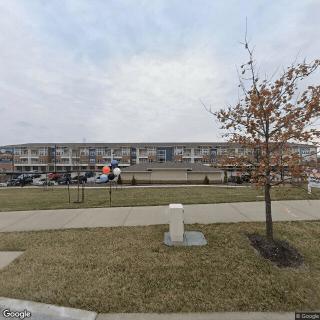
 Spacious apartments with an active social scene and indoor pool.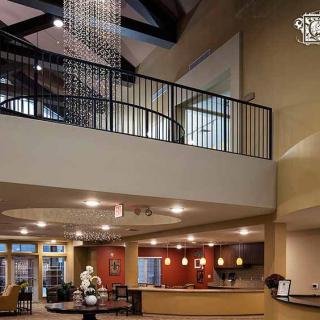



 An In-Depth Look at Reminiscence Therapy in Dementia Care
 Dementia-Related Hallucinations: Causes, Experiences, and Practical Approaches
 Illuminating Insights About Alzheimer's Disease: Ten Crucial Realities