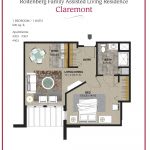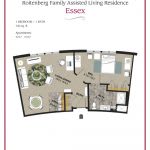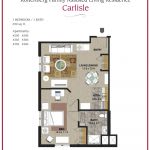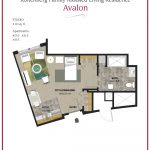
3610 Phillips Parkway, Saint Louis Park, MN 55426
To contact a resident: (952) 908-1776
For more information about senior living options: (866) 208-4318
Roitenberg Family Assisted Living Residence Costs & Pricing
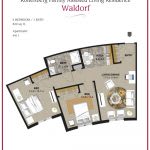
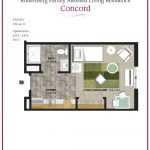
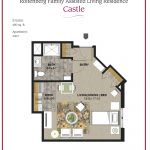
The Roitenberg Family Assisted Living Residence offers competitive pricing for its residents, especially when compared to Hennepin County and the broader state of Minnesota. For a studio unit, residents can expect to pay $2,505 per month, significantly lower than Hennepin County's average of $3,713 and Minnesota's statewide average of $3,617. In contrast, the one-bedroom options at Roitenberg are priced at $4,020, which is notably higher than both county ($3,550) and state averages ($2,893). The two-bedroom accommodation is also positioned at $4,935 - again exceeding the county ($3,848) and state ($2,955) benchmarks. This pricing structure indicates that while Roitenberg provides an attractive option for studios relative to local costs, families may need to weigh their choices for larger accommodations against other local offerings.
| Floor plans | Roitenberg Family Assisted Living Residence | Hennepin County | Minnesota |
|---|---|---|---|
| Studio | $2,505 | $3,713 | $3,617 |
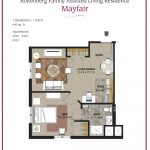
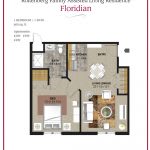
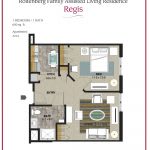
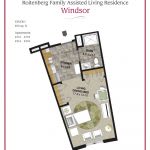
| 1 Bedroom | $4,020 | $3,550 | $2,893 |
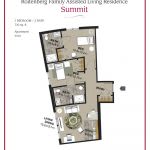
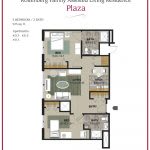
| 2 Bedrooms | $4,935 | $3,848 | $2,955 |
Skilled Nursing Facilities with a similar price nearby
-
from -$255 / mo

The Kenwood
$2,250 to $3,000 / month5.4 miles away -
from -$435 / mo
Southview Acres Care Center
$2,070 to $4,800 / month16.3 miles away -
from +$195 / mo
Walker Methodist Care Suites
$2,700 / month6.0 miles away -
from +$495 / mo
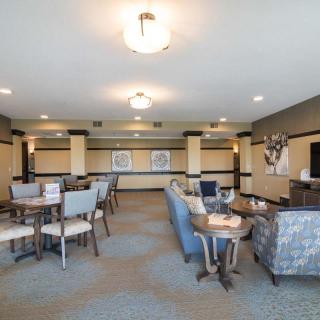
Orchard Path
$3,000 to $4,800 / month18.6 miles away -
from +$395 / mo
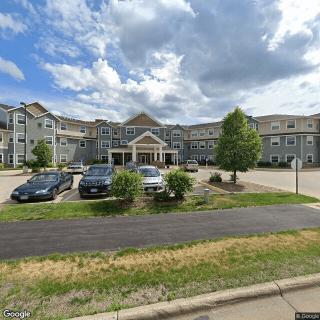
Arbor Oaks Senior Living
$2,900 to $4,800 / month22.1 miles away
Overall Review of Roitenberg Family Assisted Living Residence
Pros
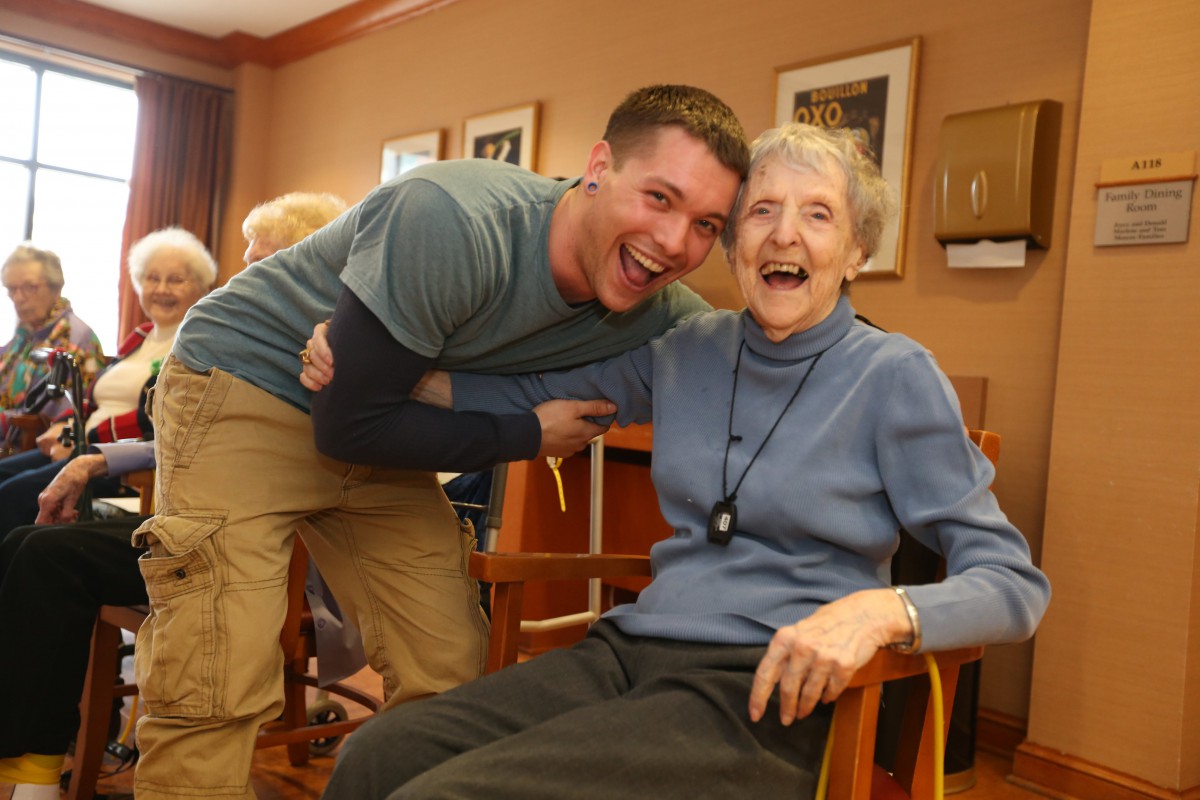
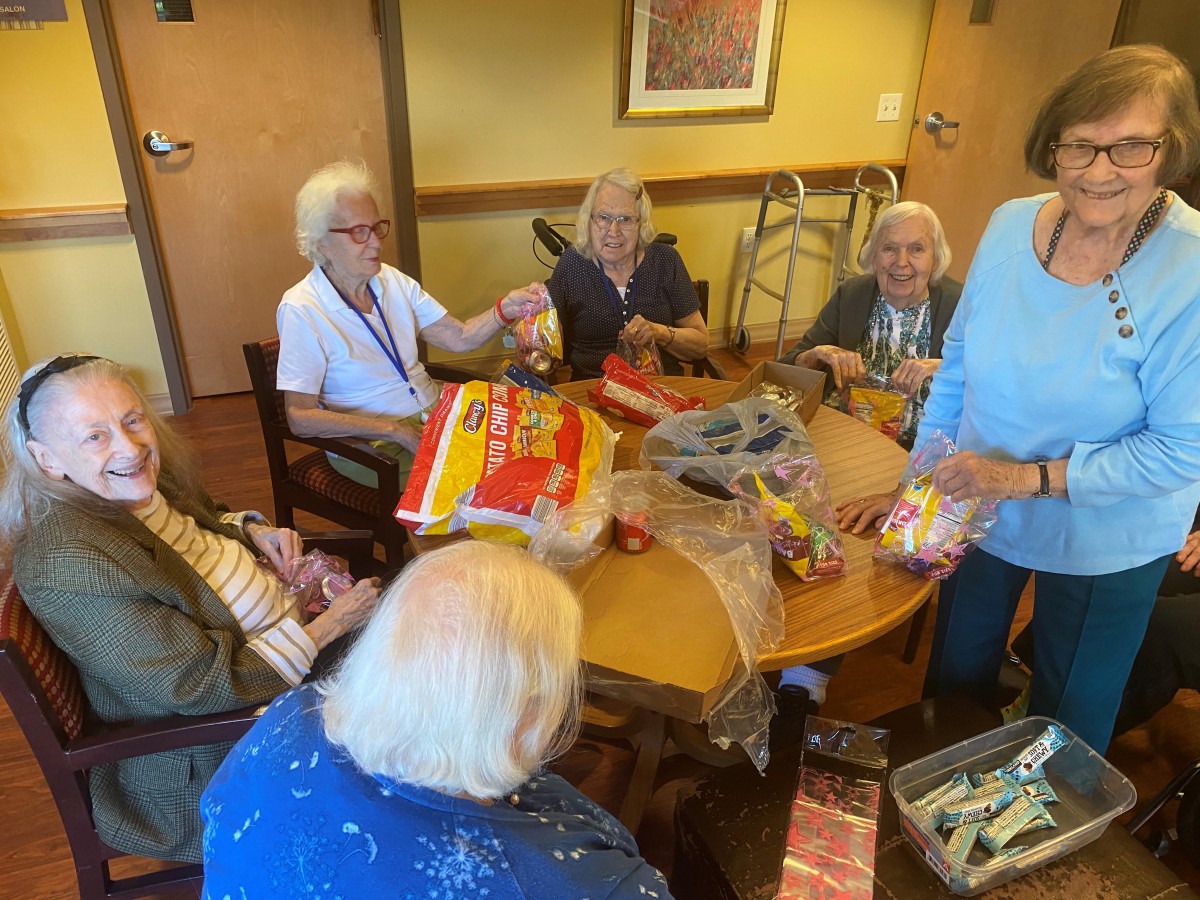
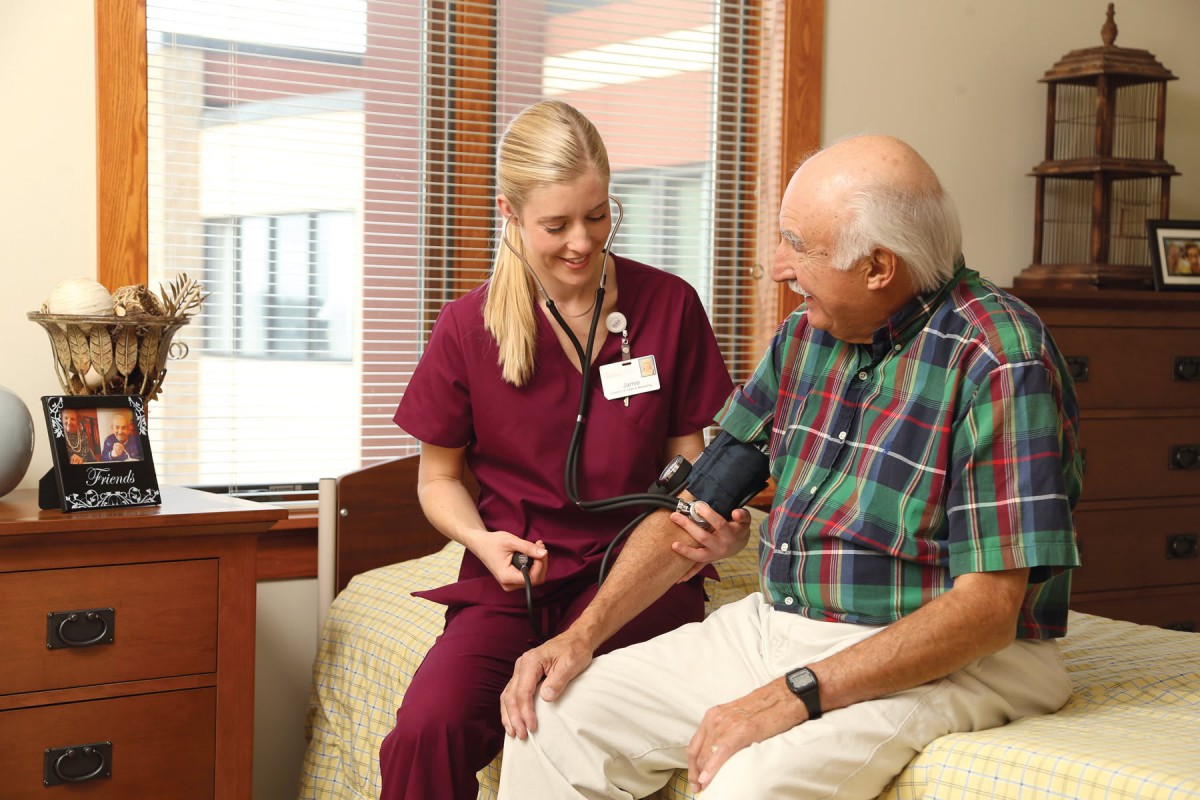
 The staff are blessed to work with lovely residents who embrace efforts to enrich their lives.
- The family had the best experience with the staff and Shalom Hospice, feeling their mother-in-law was well loved, cared for, and safe.
- The care shown for the family during their loved one's passing was exceptional.
- The facility, staff, and ethos are amazing, and they accommodate elderly waivers when needed.
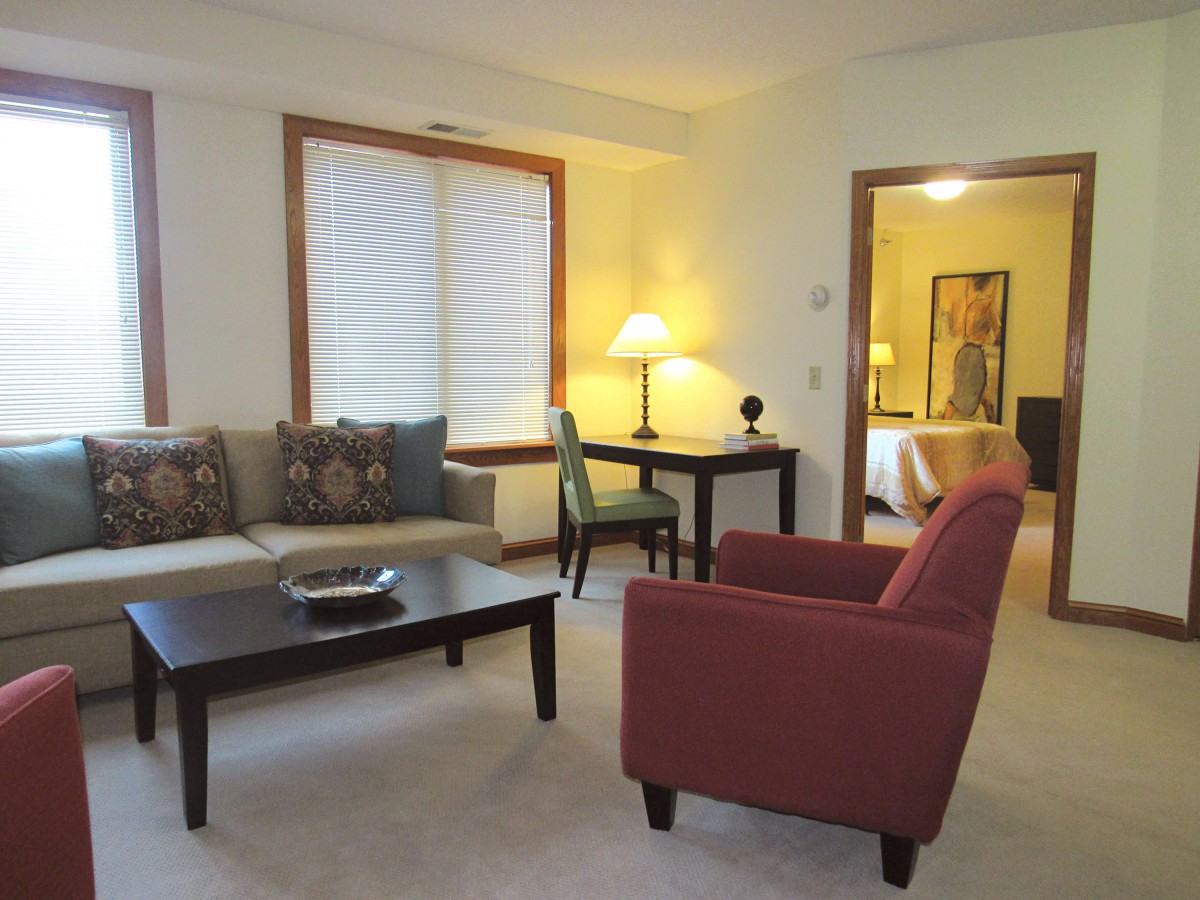
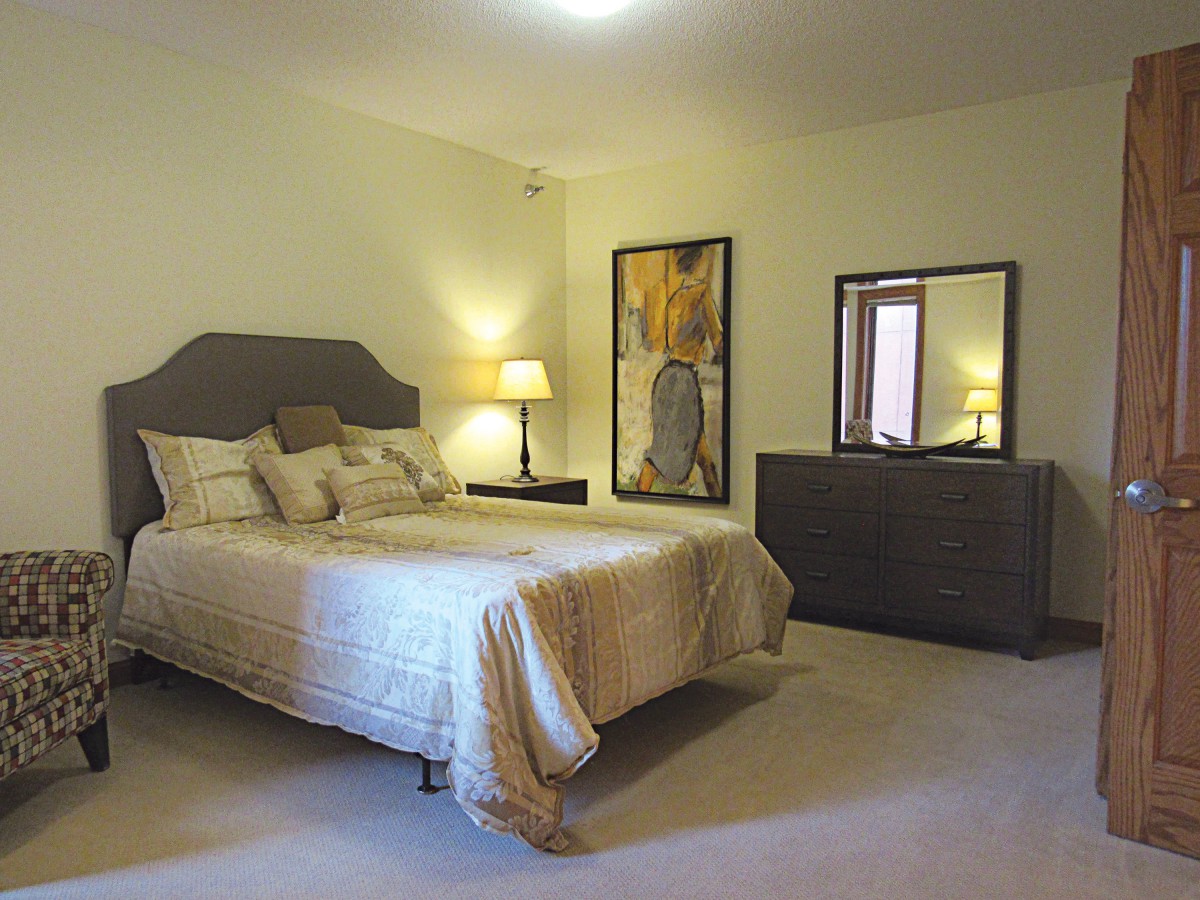
- She enjoys Roitenberg's offerings, has made new friends, enjoys dining and activities, loves her apartment, and the caregivers are amazing.
- The staff's care and professionalism at Roitenberg are outstanding.
- The grandma loves living at Roitenberg, receives excellent care, and participates in activities.
- The staff are friendly and helpful, the facility is clean, and meals are very good.
Cons
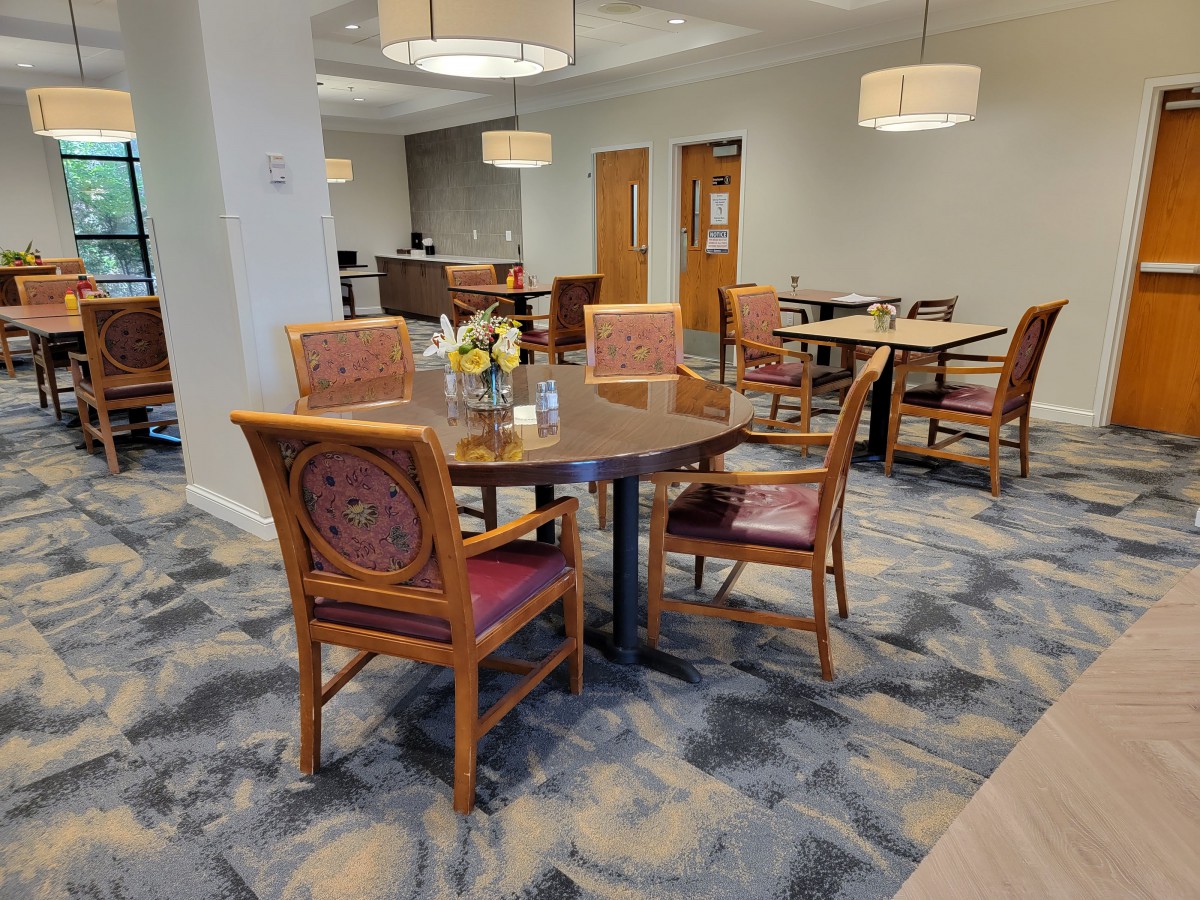
 The facility has 52 apartments but fewer than 28 residents on site, and the dining room attendance is low with poor food quality.
- The poor food quality led to the mother losing about 40 pounds and bullying by another resident caused severe mental distress that was not prevented or addressed.
- New management this past year has revealed cracks in the facility, including a lack of safety.
- The unhealthy environment forced the family to relocate their mother.
- The nighttime staff isn't as good as the daytime staff.
- There is very little social activities and the facility is in decline.
Review
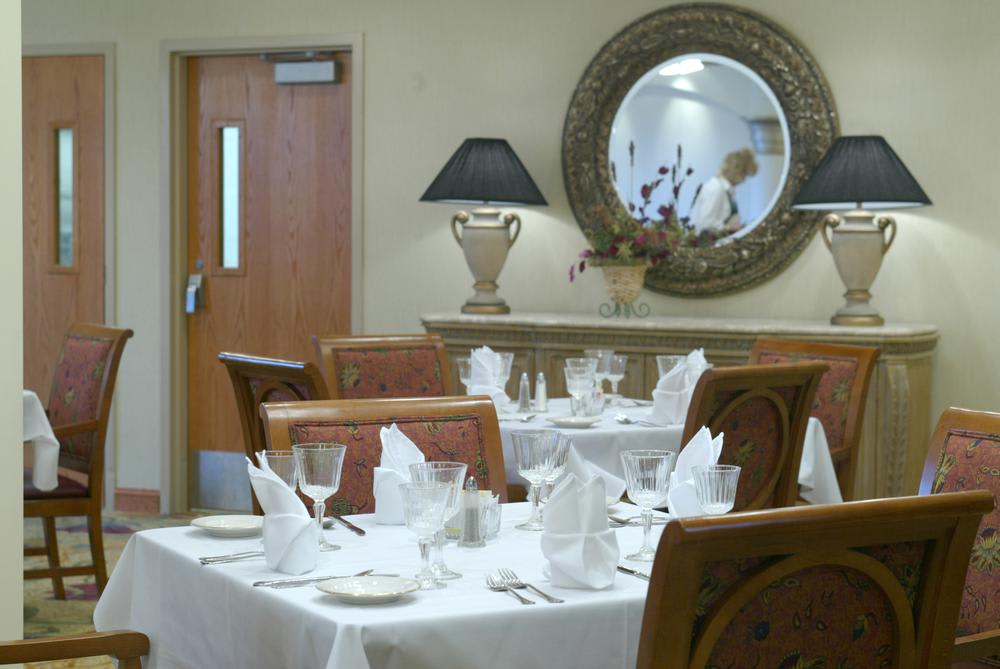
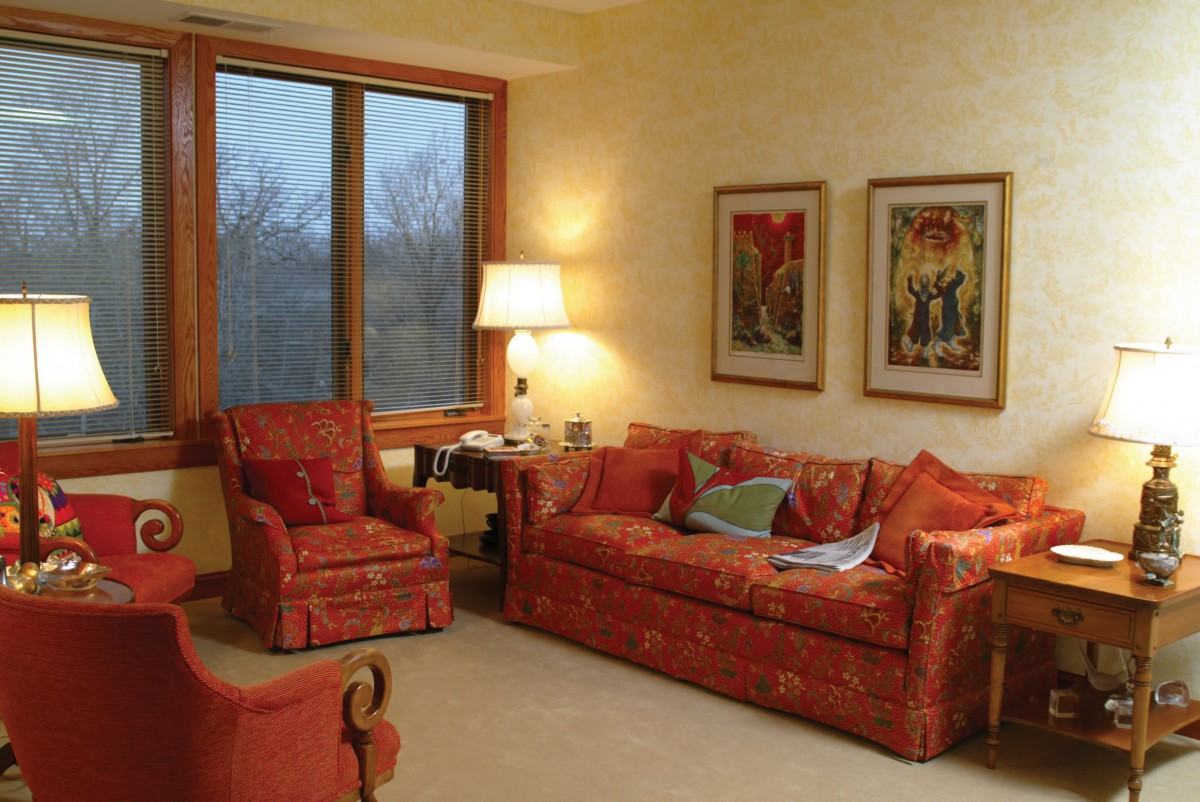
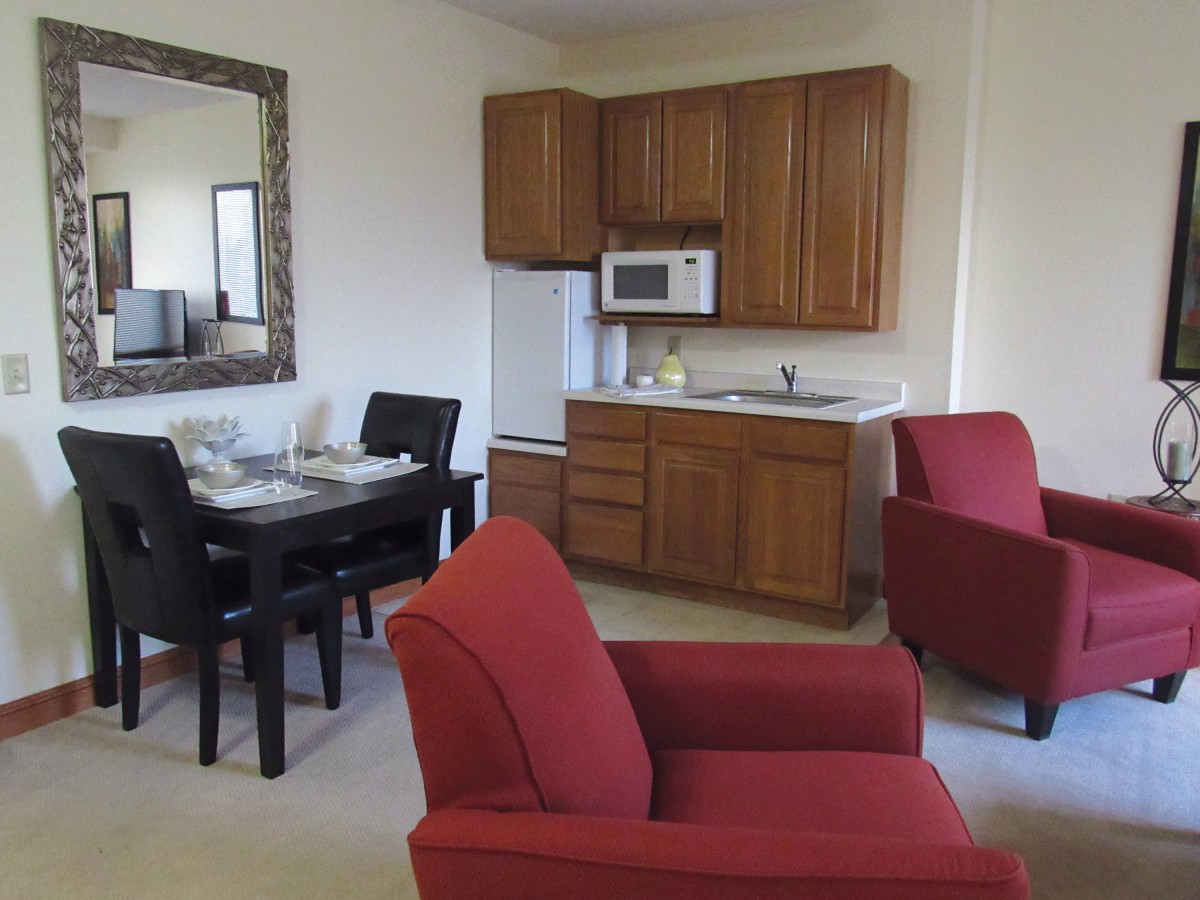
Roitenberg Family Assisted Living Residence in Saint Louis Park is best suited for families seeking a warm, safety-forward environment where frontline caregivers form real bonds with residents. It excels when a senior values attentive, compassionate staff, clear family communication, and a calm, home-like atmosphere over a bustling campus vibe. The community often appeals to those who want meaningful daily life, kosher dining, and memory-support options in a setting that emphasizes safety, cleanliness, and personal attention. For families who prioritize a facility that feels like a well-supported extension of home, with staff who know residents by name and respond quickly to needs, Roitenberg is a strong match.
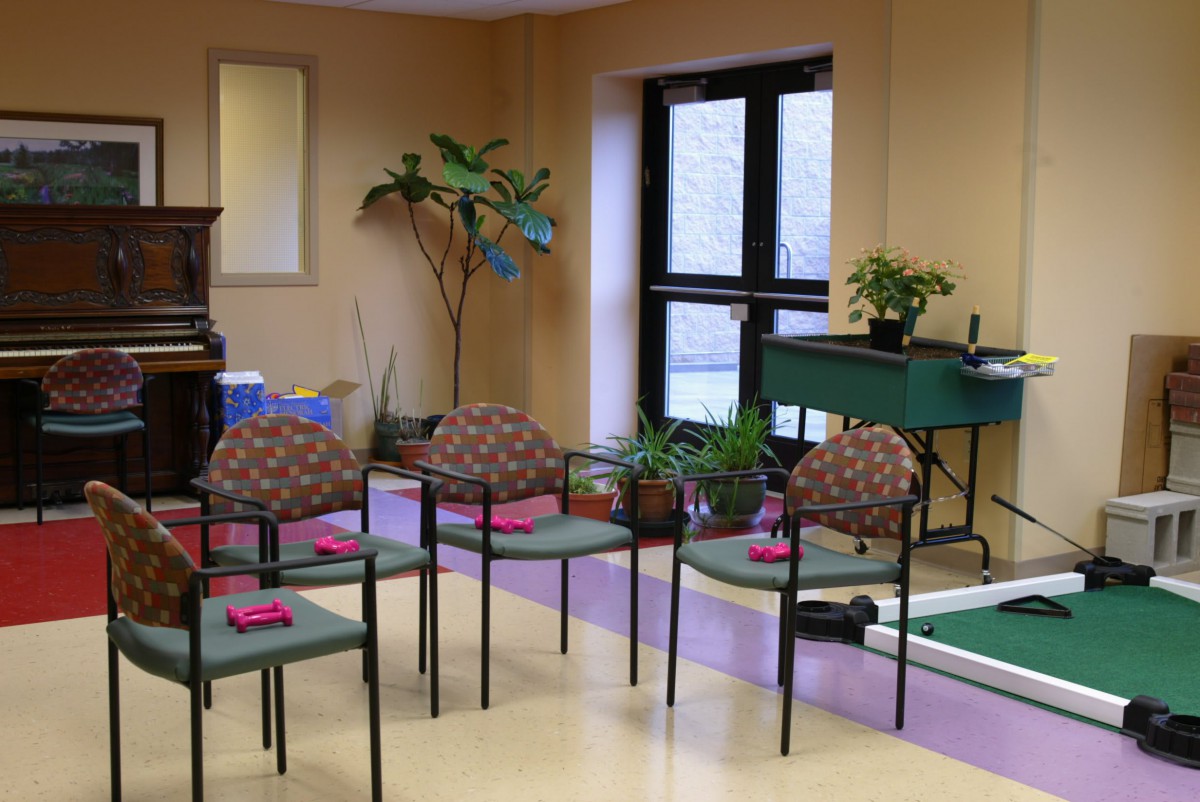
Those who may want to consider alternatives include families seeking a more active social calendar or a larger community with a relentless focus on programming. Several reviews note limited daytime social activity and a smaller resident pool at times, which can translate to slower pacing and fewer spontaneous interactions. Nighttime coverage and some aspects of safety under newer management have raised concerns for a few families. For residents who require very robust social engagement, frequent high-traffic events, or highly consistent 24/7 medical oversight, other options with bigger teams and busier activity schedules may be a better fit.
The strongest positives here, staff warmth, safety, proactive approach to care, and strong family communication, often offset the drawbacks of a quieter milieu and occasional food or programming gaps. Families repeatedly highlight how the staff’s genuine care translates into residents feeling supported, safe, and connected to loved ones. The facility’s kosher dining protocol is a clear plus for families who value dietary alignment, and the willingness of the team to coordinate with external doctors and services reduces the burden on families. When care is the priority, Roitenberg’s emphasis on person-centered interaction and safety tends to outshine the less dynamic social calendar.
Memory care and related support are a clear advantage in this setting. Several accounts describe tangible improvements in mood, engagement, and social participation among residents enrolled in memory care. Dining in the common areas, participating in activities, and re-establishing familiarity with peers contribute to reduced isolation and greater daily purpose. In memory care, staff attentiveness and a proactive stance on physical and emotional needs appear to be consistently strong, which makes this option particularly compelling for families evaluating dementia-related care.
Operationally, the environment blends strengths with caveats. Positive notes about cleanliness, apartment quality, and transparent communication are balanced by comments about new management revealing cracks in safety or consistency and by concerns about nighttime coverage. This pattern suggests variability depending on shifts and leadership at any given time. Prospective residents should verify the current leadership team, review any recent safety audits, and talk directly with night-shift staff and families of current residents to gauge how reliably the environment remains safe and well-staffed.
For decision-making, Roitenberg is a sound choice where warmth, safety, and family communication are non-negotiables, and where the senior can thrive with meaningful daily life and memory-care support in a calmer setting. However, if the priority is rich social programming, a very active dining scene, or ironclad nighttime oversight, alternatives may better align with those expectations. A thorough on-site visit during daytime and after-hours, direct conversations with the intake team, current residents, and family members, and a concrete review of recent staffing patterns will provide the clearest read on whether this residence matches the specific needs and pace of the individual’s life.
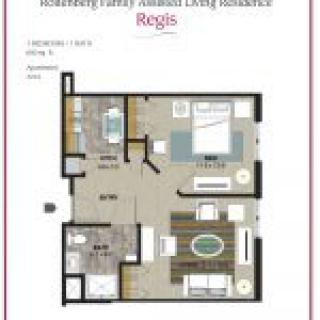
 1-bedroom apartments
 Assisted Living
 Day Program
 Memory Care
 Skilled Nursing Facility
 Cats allowed
 Dogs allowed
 Bath tubs
 Beautician on-site
 Devotional services off-site
 Dining room
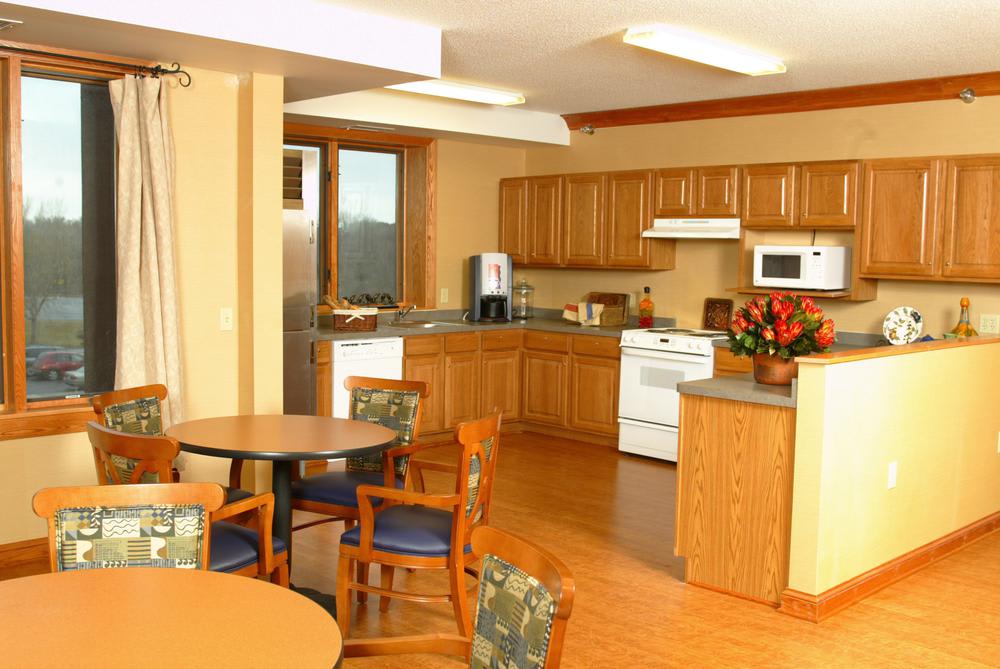
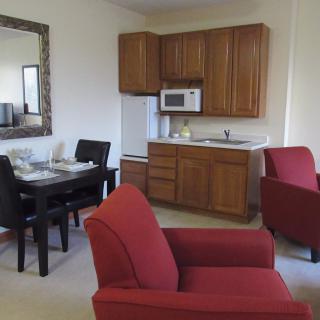
 Full kitchen
 Housekeeping services
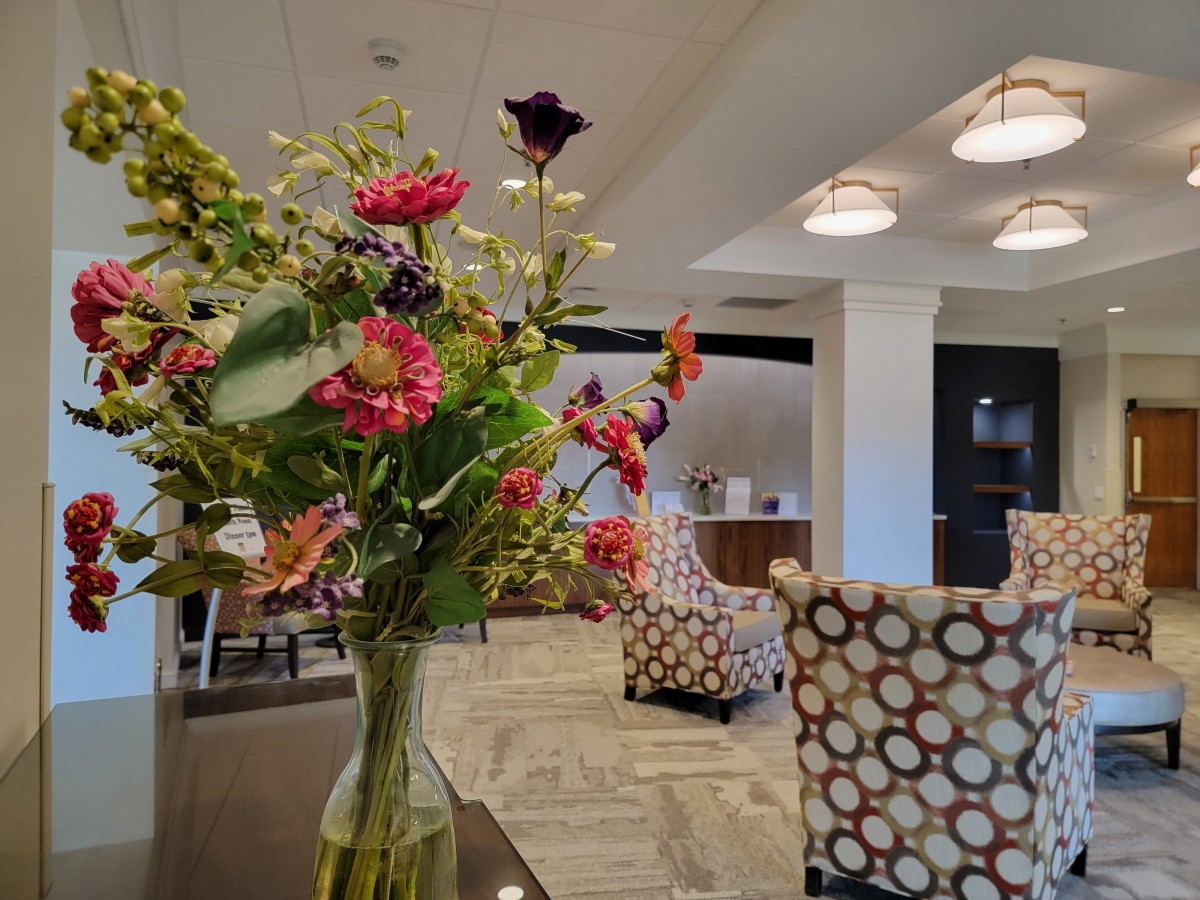
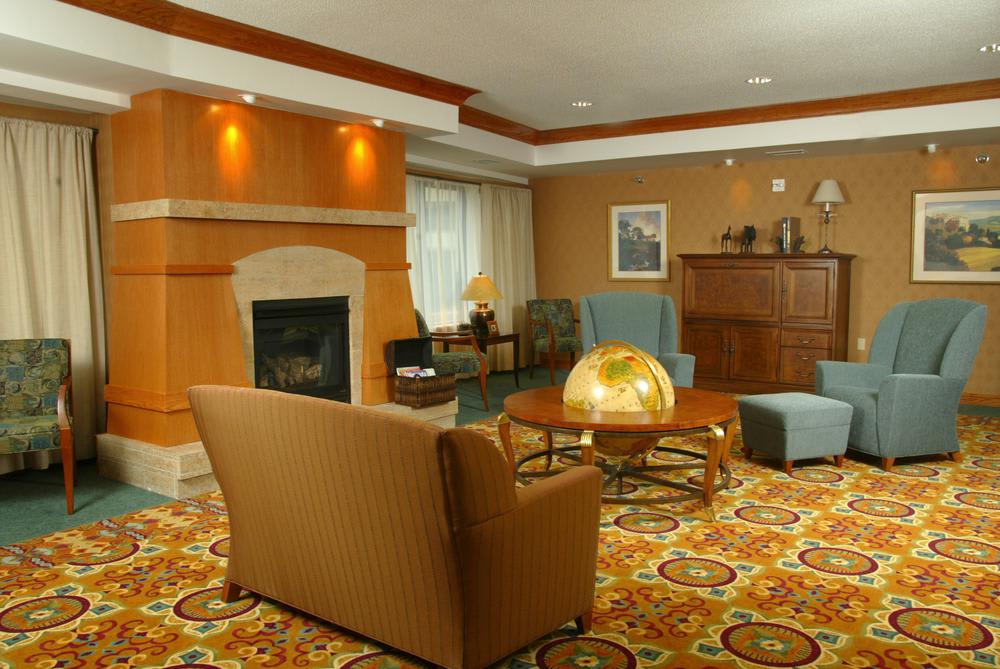
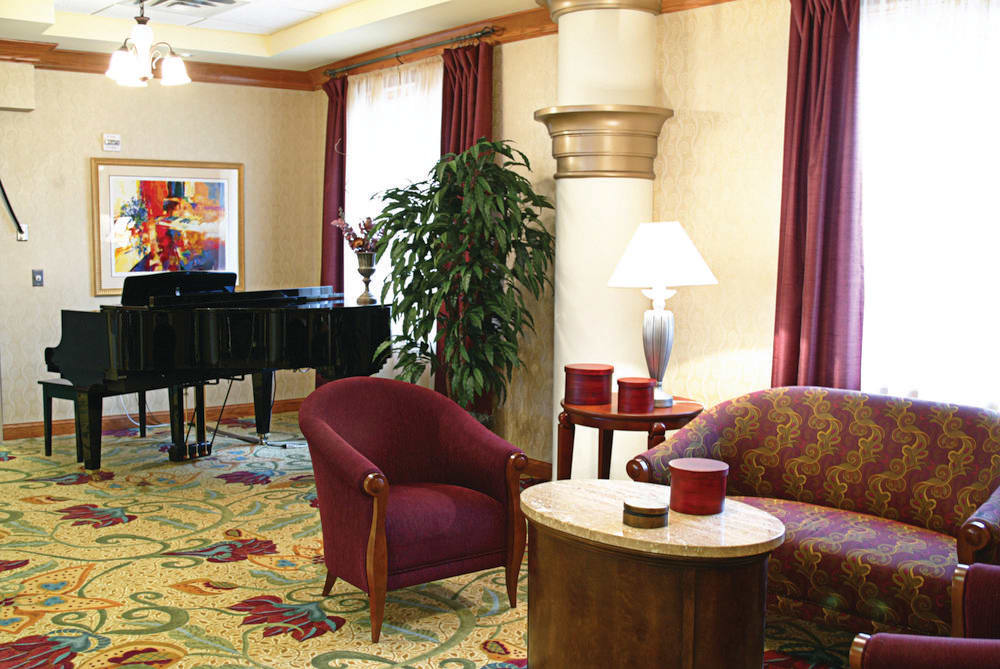
 Indoor common areas
 Laundry
 Party space
 Respite or short term stays offered
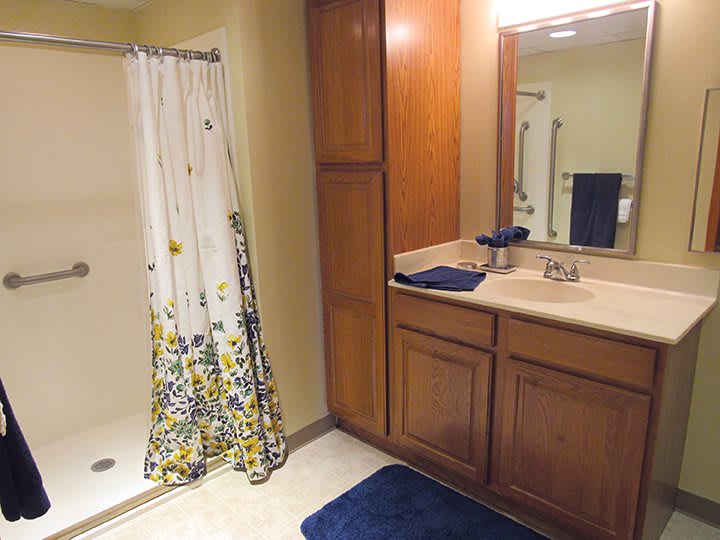
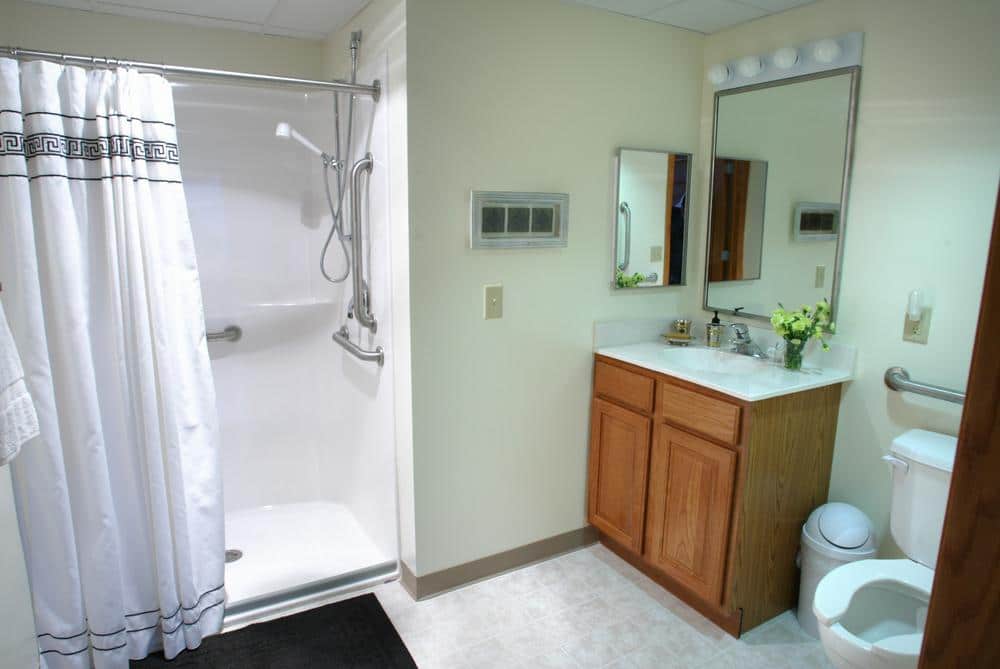
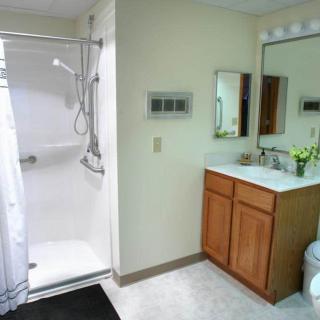
 Wheelchair accessible showers
 Minneapolis-St Paul International (10 miles away)
 Transportation & parking
 Ambulatory care
 Diabetic care
 Incontinence care
 Medication management
 Walking wheelchair assistance
 Kosher
 English

 Nourishing the Mind: Essential Dietary Approaches for Dementia
 Understanding Dementia Behaviors: Practical Insights and Strategies for Caregivers
 When Dementia Sparks Anger and Aggression: Understanding the Connection and Ways to Cope