
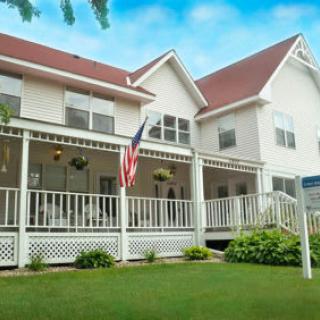
3541 Aquila Avenue South, St Louis Park, MN 55426
For more information about senior living options: (866) 208-4318
Overall Review of H & H Group Home
Pros
 The staff genuinely cares for residents' well-being and does not push for anything else.
- The staff are felt to be like family by the residents.
- The facility helps people stabilize for those in need of a temporary group home.
- The reviewer would recommend contacting the facility for anyone needing a temporary group home.
- The experience reflects trust and support from the staff.
Cons
 The reviewer was homeless two years ago.
- They were stuck at the Villa of Bryn Mawr for a year.
Review
H & H Group Home in St Louis Park is best suited for adults who need a compassionate, non-clinical stabilization setting. It functions well as a temporary landing place for individuals coming from crisis, homelessness, or sudden housing disruption, where steady supervision, predictable routines, and genuinely caring staff can make a critical difference. The environment is built around warmth and personal attention, offering a reliable, low-pressure space where residents can focus on basic daily functioning, trust caretakers, and begin the process of rebuilding stability without feeling pushed toward premature moves.
Those evaluating alternatives should consider whether long-term independence, comprehensive medical oversight, or specialized care are the primary goals. If the plan calls for ongoing, sustainable residence with robust medical or rehabilitative services, other options, such as traditional assisted living facilities, larger group homes with detailed care plans, or memory-care communities, may better fit. For individuals who want more privacy, more amenities, or a clearly defined path to permanent residency within a larger campus, it makes sense to compare settings in the metro area that explicitly advertise extended stays and advanced clinical support.
The strongest pro here is the quality of care and the human touch. Staff involvement is genuine and focused on well-being, not on pressuring residents into services or transitions. That translates into a sense of safety and acceptance, where residents feel like they are treated as people first rather than as cases. The “family” feel that residents report is more than sentiment; it creates practical stability, reliable check-ins, consistent routines, and a supportive backdrop that reduces stress during a vulnerable time and helps stabilize daily living.
On the downside, the model assumes a temporary arrangement rather than a long-term home with a clear, ongoing care plan. Because it is designed as a bridge, residents should expect eventual transitions to other housing solutions, which can be disruptive if planning isn’t concrete. Privacy tends to be more limited in a small, communal setting, and there may be fewer on-site services than found in larger, fully equipped campuses. For those needing intensive medical management, complex medication oversight, or specialized care (such as memory care or acute rehabilitation), the options here may fall short.
Yet the favorable elements can substantially offset these drawbacks when the objective is stabilization and trust-building. The staff-first approach acts as a practical bridge to whatever comes next, softening the transition and reducing the chance of relapse into homelessness or instability. The lack of pressure to accelerate progression means residents can design a pace that matches their recovery, creating a solid foundation for subsequent placements that truly align with their stabilized needs rather than with demand for rapid advancement.
In the end, the decision comes down to the goal of care. If the priority is a compassionate, stabilizing, low-stress environment that helps a person regain footing and prepare for the next steps, H & H Group Home presents a compelling option. It excels in creating safety, trust, and daily structure at a critical moment. However, for families seeking a long-term, fully equipped residence with consistent medical oversight or specialized care, it is essential to pursue nearby alternatives that deliver those capabilities. Prospective residents should tour, ask precise questions about expected duration, verify staffing ratios, and confirm the next placement plan to ensure alignment with the stabilization objective. When a genuine stabilization and gentle transition is the aim, this community warrants serious consideration.
 21 resident community capacity
 Assisted Living
 Beauty salon
 Cable or satellite TV
 Dining room
 Fully furnished
 Garden
 Housekeeping services
 Kitchenette
 Move-in coordination
 Outdoor space
 Telephone
 Wi-Fi/high-speed internet available
 Minneapolis-St Paul International (9 miles away)
 24-hour call system
 Activities of daily living assistance
 Assistance with bathing
 Assistance with dressing
 Assistance with transfers
 Diabetes diet
 Meal preparation and service
 Medication management
 Mental wellness program
 Special dietary restrictions
 Transportation arrangement (medical)
 Transportation to doctors appointments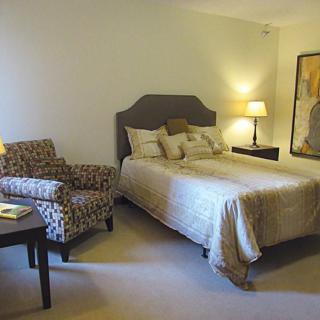



 8 Key Indicators That Suggest It May Be Time to Transition from Assisted Living to Skilled Nursing Care
 Vibrant Senior Living: A Comprehensive Guide for Active Older Adults
 When to Transition from Assisted Living to Memory Care: Key Indicators, Steps, and Finding the Right Community