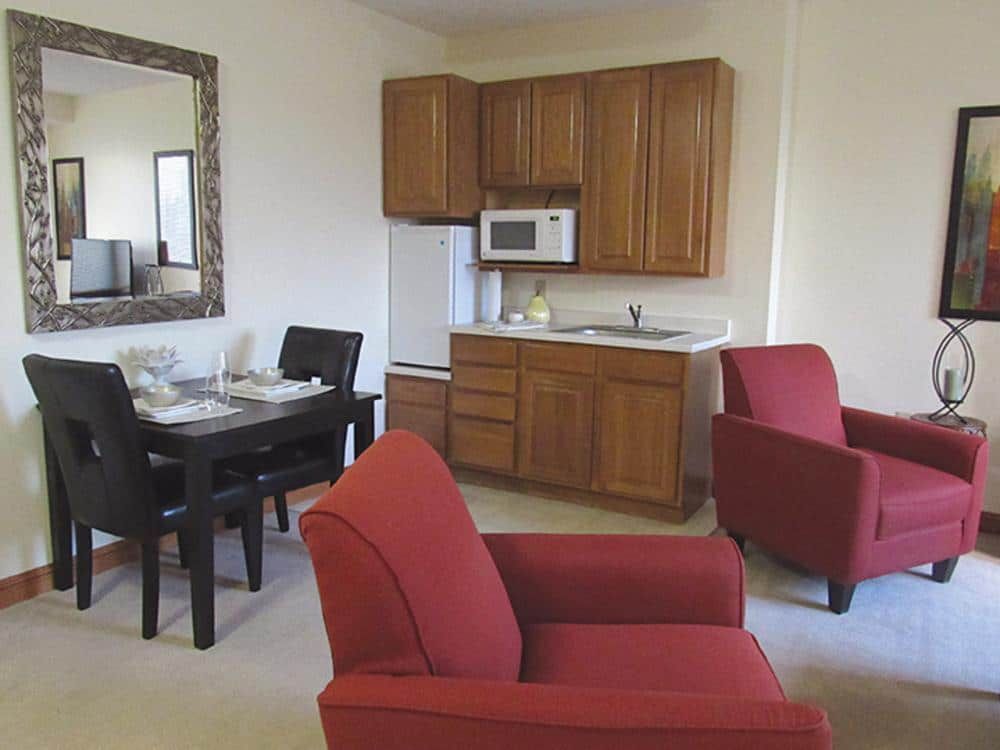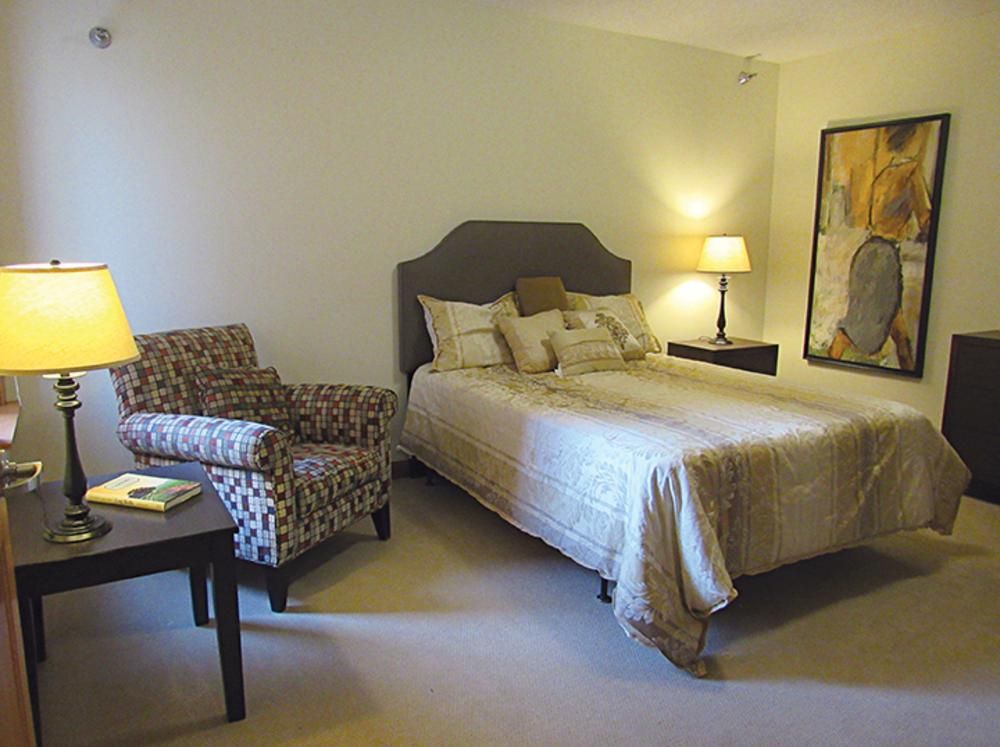
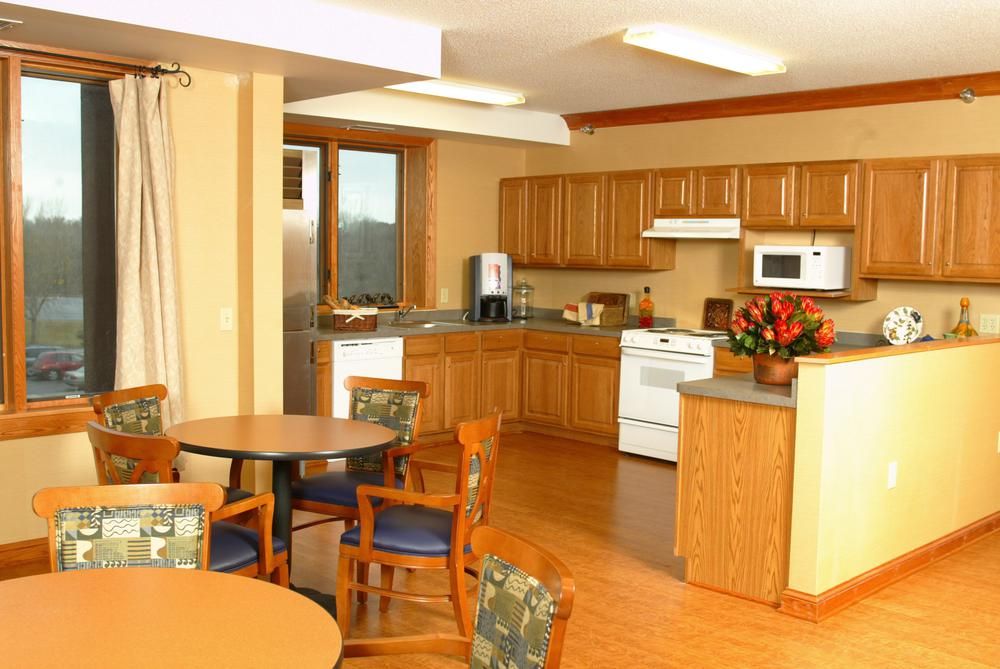
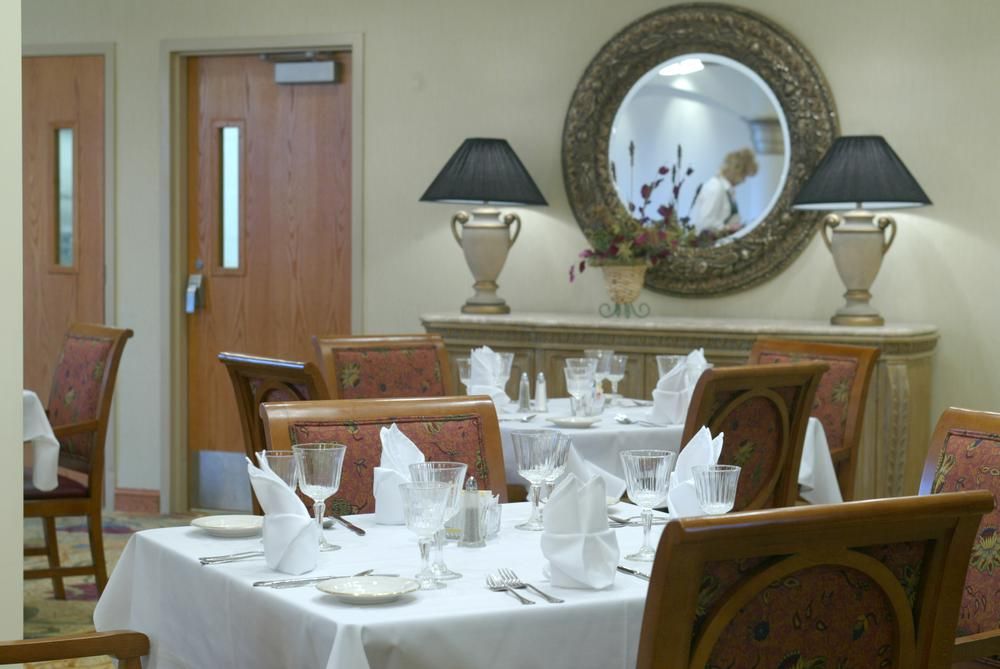

3610 Phillips Parkway South, St. Louis Park, MN 55426
For more information about senior living options: (866) 208-4318
Overall Review of Roitenberg Family Assisted Living
Pros
 The staff show residents great love and provide excellent care, giving families peace of mind.
- The care shown for families during difficult times is exceptional.
- The facility, the staff, and the ethos of Roitenberg are amazing.
- Roitenberg works with elderly waivers to help families when needed.
- The sister's life has improved greatly since moving to Roitenberg Memory Care; she now goes to the dining room for meals and activities.
- The staff are friendly and attentive to residents' needs, both physical and emotional.
Cons
 They had a really horrible experience with another facility before moving here.
- They report their mother lost 40 pounds over the year due to poor food quality, and bullying from another resident causing severe mental distress that was not prevented or addressed.
- There is very little social activity and the facility is in decline.
- New management this past year revealed cracks in the facility, including a lack of safety.
- They had to relocate their mother due to this unhealthy environment.
Review
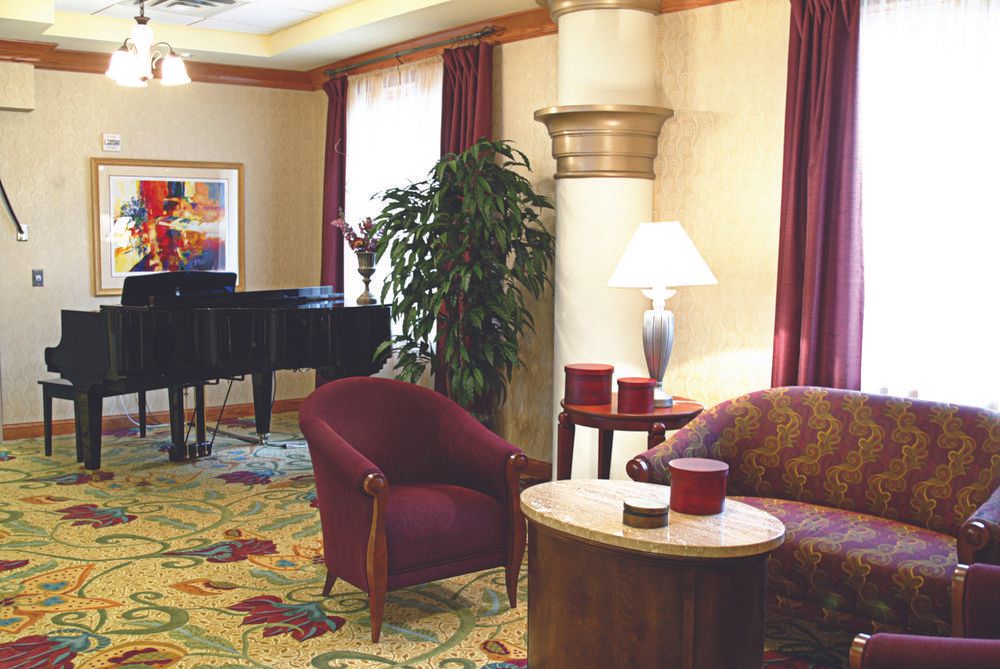
Roitenberg Family Assisted Living in St. Louis Park is best suited for families seeking a small, intimate community where caregiving comes with genuine warmth and a strong sense of safety. It excels for seniors who want meaningful relationships with staff, regular opportunities to socialize, and a living environment that feels like a compassionate extended family. The campus has a clear emphasis on connection: residents often speak of being loved, welcomed into activities, and treated with care that feels personal rather than transactional. For families navigating memory care needs or hospice coordination, the facility’s ethos and its ability to work with outside providers can be a decisive advantage. A memory-care sister program and the ability to access elderly waivers further align with households seeking coordinated, person-centered support.
Those weighing alternatives should consider options if top priorities include a robust, bustling social calendar, consistently high dining quality, or a larger, more bustling campus. Some reviews flag a thinner social scene and uneven meal experiences, with concerns that dining quality can slip and activities aren’t as vigorous as hoped. Concerns about safety and the organization’s direction under new management also surface in the feedback, suggesting that families who demand steady governance, transparent processes, and a consistently active campus might prefer larger or more tightly managed communities. For families with residents who require intense safety oversight or who have had problematic experiences with bullying or interpersonal conflicts, it is prudent to explore facilities with stronger, formalized behavior policies and more robust incident-response systems.
The strongest pros, genuine warmth from staff, a safe-feeling environment, and real opportunities to socialize, often offset the main drawbacks for many residents. Reviews repeatedly highlight caregivers who are described as amazing, attentive, and deeply invested in residents’ wellbeing. Families report relief knowing their loved ones are valued, safe, and emotionally supported, with care teams that cultivate friendship, sustain routines, and encourage participation in activities. The small-community atmosphere supports personalized attention, and the integration of memory-care programming appears to foster improved engagement for residents who were previously isolated. When a family emphasizes relational care and a stable, family-like setting, these advantages can significantly outweigh concerns about dining quality or program breadth.
On the other hand, potential gaps are real and should be weighed carefully. Food quality and the breadth of daily activities emerge as recurring themes, with some residents not eating well or engaging less than expected. Instances of bullying described in some accounts and mentions of safety concerns or cracks revealed after management changes underscore the need for prospective residents to scrutinize how conflicts are managed and how safety is maintained now. Occupancy dynamics, 52 apartments with around half to two-thirds filled, can also influence the social fabric and activity options. Yet even within these challenges, memory-care residents report tangible improvements in social participation and mood, suggesting that the facility can deliver meaningful benefits when the caregiving team remains cohesive and attentive.
For families moving through the decision, a prudent path is to verify current leadership stability, request a detailed dining-program outline, and assess the memory-care module in person. Ask for a recent activity calendar, observe meals to gauge quality and pacing, and discuss how bullying and safety incidents are documented and resolved. Engage with the care team to understand individualized care planning, including how outside providers (like hospice) coordinate with Roitenberg’s staff. Ask to meet residents and see how peers interact, and request a trial period if available to gauge whether the daily rhythm aligns with the loved one’s needs. The community is a practical, experienced option for those prioritizing heartfelt staff relationships and safety, with clear strengths that can decisively outweigh drawbacks for the right resident and family.
In summary, Roitenberg is a practical, capable choice for families seeking a warm, attentive home where staff devotion and resident safety are paramount. It is less ideal for households whose primary criteria center on high-end dining, a bustling social calendar, or rigid, consistently transparent governance without exception. The balance tilts in favor of those who value connection, personal attention, and a memory-care-forward environment, with the caveat that current families should confirm management stability and an active plan to elevate dining and social programming. For the right resident, the care climate here can translate into restored social vitality, renewed sense of safety, and enduring peace of mind for families.
 76 resident community capacity
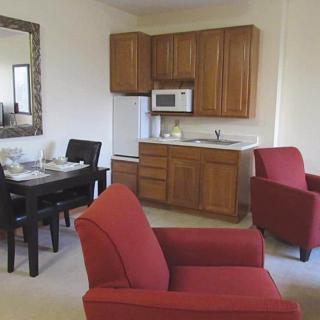
 1-bedroom apartments
 Assisted Living
 Skilled Nursing Facility
 Air-conditioning
 Beautician on-site
 Cable or satellite TV
 Computer center
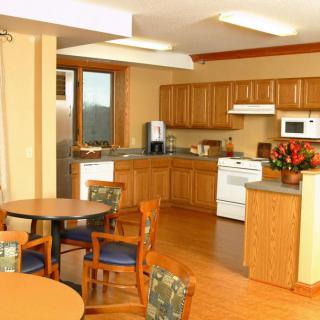
 Dining room
 Fitness room
 Full kitchen
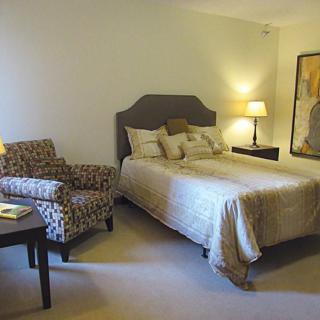
 Fully furnished
 Gaming room
 Garden
 Housekeeping services
 Laundry
 Move-in coordination
 Outdoor space
 Party space
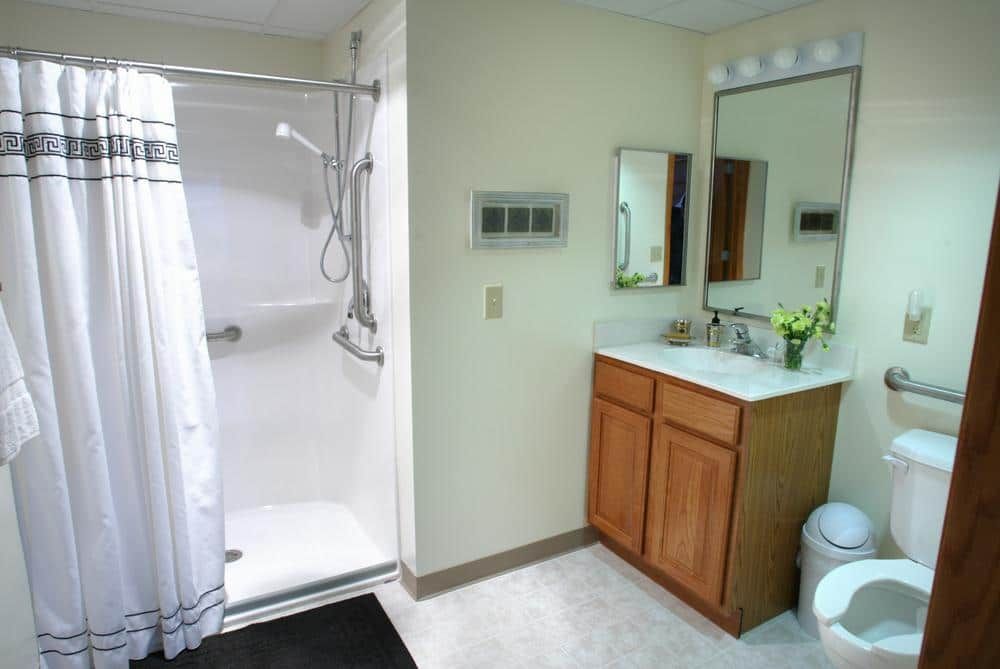
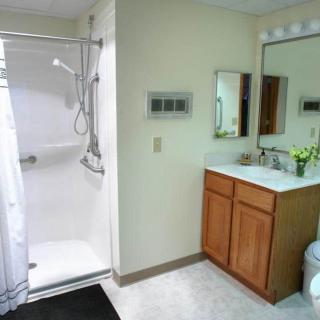
 Private bathrooms
 Restaurant-style dining
 Small library
 Telephone
 Wellness center
 Wi-Fi/high-speed internet available
 Minneapolis-St Paul International (10 miles away)
 Community operated transportation
 12-16 hour nursing
 24-hour call system
 Activities of daily living assistance
 Assistance with bathing
 Assistance with dressing
 Assistance with transfers
 Diabetes diet
 Medication management
 Mental wellness program
 Special dietary restrictions
 Transportation arrangement (medical)
 Walking wheelchair assistance
 Concierge services
 Planned day trips
 Religious services
 English


 Assisted Living Expenses and Long-Term Care Insurance: A Comprehensive Exploration
 Securing Financial Support for Assisted Living: A Comprehensive Overview
 Social Security Benefits and Assisted Living: Navigating Options Across the U.S.