Elder Homestead offers competitive monthly rates compared to the broader market in Hennepin County and the state of Minnesota. For a studio apartment, residents would pay $3,235, which is more affordable than the county average of $3,713 and slightly less than the state average of $3,617. Transitioning to a one-bedroom unit at Elder Homestead costs $3,415, again positioned favorably against Hennepin County's rate of $3,550; however, it stands out as higher than Minnesota's statewide average of just $2,893. The two-bedroom option at Elder Homestead is priced at $3,545 - though this is somewhat above both the county cost of $3,848 and the state average of $2,955. Overall, while Elder Homestead presents an attractive option for studio living and maintains a competitive edge for one-bedroom units, larger accommodations seem to reflect a slight premium compared to regional norms.
Floor plans
Elder Homestead
Hennepin County
Minnesota
Studio
$3,235
$3,713
$3,617
1 Bedroom
$3,415
$3,550
$2,893
2 Bedrooms
$3,545
$3,848
$2,955
Skilled Nursing Facilities with a similar price nearby
Meals are a frequent topic, ranging from excellent to only mediocre.
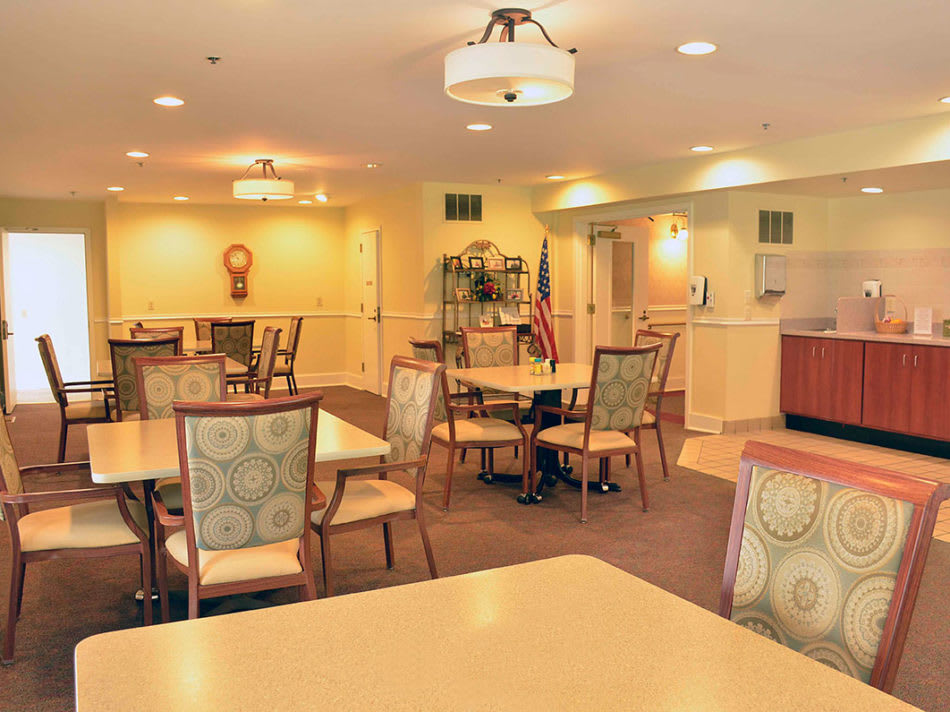
Dining is a clear recurring theme. Some residents and families describe the food as excellent, fabulous, made from scratch, and enjoyed in memory care. Others say the meals are mediocre or inconsistent, leading them to bring extra food at times. A few residents focus more on the activity director’s outings and social mealtimes, which can make dining feel more engaging even when quality varies.
common24 reviews mention this
Caring, responsive staff
Residents and families repeatedly describe staff as caring and responsive.
Across reviews, the most consistent day-to-day strength is staff interaction. Many comments highlight kindness, professionalism, and communication—families describe being kept updated and feeling comfortable calling for help. A few reviews also praise individual staff members for being helpful and accommodating, including during stressful transitions. At the same time, there are negative reviews that cite rude behavior, high turnover, and communication or accountability concerns, so experiences can vary by situation and unit.
common15 reviews mention this
Activities help with daily life
Plenty of activities show up in resident and family comments.
Residents and families mention a steady schedule of activities and social time. Comments include exercise and stretching, remembrances, happy hour, music and performances, and regular outings like lunches at local restaurants. Memory care reviews also describe engagement through the activity director, with residents enjoying groups and events. A couple of reviews add caveats that a loved one’s frailty or stamina can limit participation, and one says they wish there were more activities for their specific needs.
caveat8 reviews mention this
Small rooms and older feel
Some rooms are described as too small or dated.
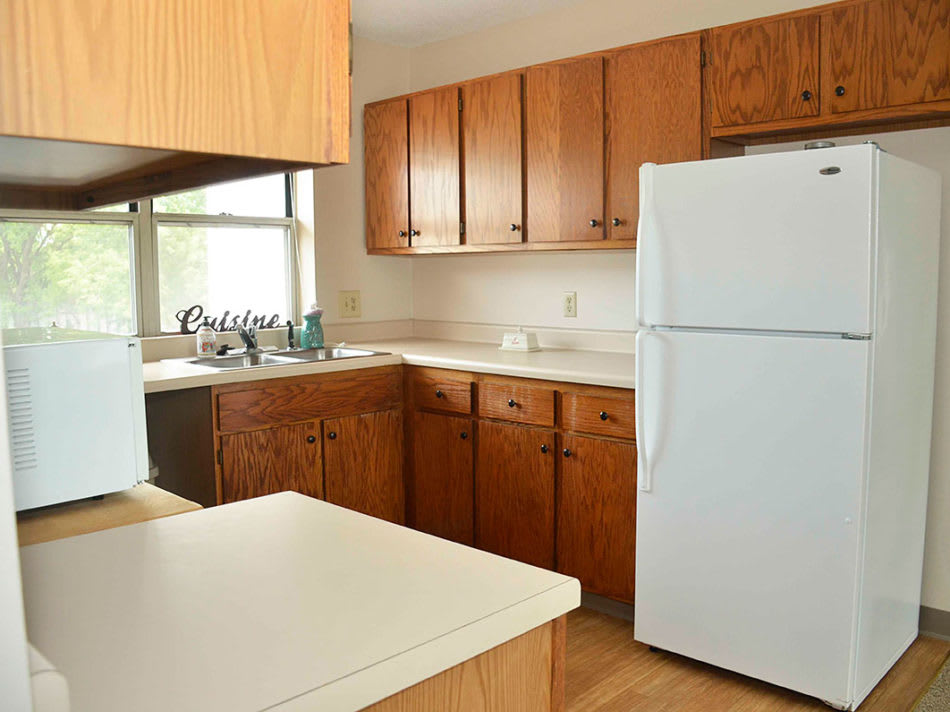
Several reviewers comment on space and building condition. Families describe studio and memory care rooms as very small, including one tour experience that emphasized limited closet space and a cramped kitchenette area. Others say the facility feels run down or not as modern or luxurious as they expected, even while still liking parts of the environment. There’s also at least one more balanced view that the facility isn’t brand new but works for value, so preferences appear to differ.
caveat3 reviews mention this
Medication management issues appear
Medication handling is a concern in some reviews.
While many reviews are broadly positive, medication is called out in a few places. One review says medication administration was messed up multiple times early on, with the family working with leadership afterward. Another review is concerned that staff could be giving medications in person and watching residents take them. These comments suggest attention to medication routines can matter a lot to families choosing between communities.
common5 reviews mention this
Affordability is a selling point
Families often describe the community as affordable for the care level.
Pricing comes up as a reason people chose Elder Homestead. Multiple reviews frame the community as good value or affordable compared with what services typically cost elsewhere. Even reviewers who raise concerns still refer back to affordability when explaining their overall impression. The community offers assisted living, memory care, and skilled nursing facility care types, which may be part of why some families compare price against the level of support they received.
How we summarize
Counts show how many written reviews mention each theme; a review can touch several themes, and only frequently mentioned themes are displayed.
Features
Housing
1-bedroom apartments
2-bedroom apartments
Studio apartments
Types of Care
Assisted Living
Memory Care
Skilled Nursing Facility
Pets
Cats allowed
Dogs allowed
Amenities
Activities off-site
Activities on-site
Air-conditioning
Beautician on-site
Cable or satellite TV
Devotional services off-site
Devotional services on-site
Ground floor units
Handicap accessible
Housekeeping services
Indoor common areas
Kitchenette
Outdoor common areas
Respite or short term stays offered
Wheelchair accessible showers
Wi-Fi/high-speed internet available
Transportation
Minneapolis-St Paul International (11 miles away)
Transportation & parking
Care Services
Diabetic care
Incontinence care
Medication management
Dining
Guest meals
Meals provided
Professional chef
Restaurant style dining
Activities
Activities on-site
Catholic services
Day trips and outings
Devotional activities offsite
Devotional activities on-site
Happy hour
Live dance or theater performances
Live musical performances
Protestant services
Reminiscence programs
Stretching classes
Languages Spoken
English
Nearby Places of Interest
This area of Minnetonka, Minnesota offers a convenient and vibrant community with easy access to essential amenities. There are several pharmacies nearby, including Walgreens and CVS Pharmacy, ensuring that medical needs are easily met. A variety of dining options can be found within a short distance, from fast food at Taco Bell to sit-down meals at The Cheesecake Factory. The area also boasts several parks for leisurely strolls or outdoor activities, as well as places of worship for spiritual nourishment. Additionally, there are cafes for social gatherings and physicians' offices for any healthcare needs. Nearby hospitals such as Park Nicollet Methodist Hospital provide peace of mind in case of medical emergencies. Overall, this neighborhood offers a well-rounded lifestyle with all the necessary resources for comfortable senior living.
Pharmacies
Walgreens (0.3 miles)
Walgreens (3.2 miles)
Love Shack (3.6 miles)
Walgreens (3.7 miles)
Walgreens (4.1 miles)
CVS Pharmacy (4.2 miles)
Walgreens (4.7 miles)
Restaurants
Taco Bell (1.8 miles)
Chick-Fil-A (2.1 miles)
The Cheesecake Factory (2.5 miles)
Taco Teresa's (2.6 miles)
Kona Grill (2.6 miles)
Duke's On 7 (2.7 miles)
Olive Garden (2.8 miles)
Parks
Aquila Park (2.1 miles)
Dakota Dog Park (3.6 miles)
McGuire Park (4.5 miles)
Parkers Lake Park (5.1 miles)
French Regional Park (6.2 miles)
Centennial Lakes Park (6.6 miles)
Bandimere Heights Park (7.3 miles)
Places of Worship
Shepherd of the Hills Lutheran Church (2.1 miles)
St Therese of Deephaven (4.3 miles)
Grace Church (7.2 miles)
Cafes
Angel Food Bakery & Coffee Bar (2.4 miles)
Jinx Tea (4.8 miles)
Starbucks (6.5 miles)
Spyhouse Coffee (6.6 miles)
Panera Bread (7.3 miles)
Dunn Brothers Coffee (7.3 miles)
Physicians
Children's Hospitals and Clinics of Minnesota's Ear, Nose and Throat (2.6 miles)
Ellgaard Annemarie Park Nicollet Clinic Carlson Parkway Minnetonka (3.6 miles)
Metropolitan Dermatology & Cutaneous Surgery PA (4.6 miles)
Twin Cities Orthopedics Edina - Crosstown (5.5 miles)
Park Nicollet Clinic (5.7 miles)
University of Minnesota Physicians Heart at Fairview Southdale Hospital (5.7 miles)
CCRM Fertility of Minneapolis (5.7 miles)
Hospitals
Park Nicollet Methodist Hospital (3.1 miles)
Abbott Northwestern Center For Outpatient Care (5.1 miles)
Elder Homestead offers competitive monthly rates compared to the broader market in Hennepin County and the state of Minnesota. For a studio apartment, residents would pay $3,235, which is more affordable than the county average of $3,713 and slightly less than the state average of $3,617. Transitioning to a one-bedroom unit at Elder Homestead costs $3,415, again positioned favorably against Hennepin County's rate of $3,550; however, it stands out as higher than Minnesota's statewide average of just $2,893. The two-bedroom option at Elder Homestead is priced at $3,545 - though this is somewhat above both the county cost of $3,848 and the state average of $2,955. Overall, while Elder Homestead presents an attractive option for studio living and maintains a competitive edge for one-bedroom units, larger accommodations seem to reflect a slight premium compared to regional norms.
Elder Homestead's medication management ensures that residents receive the correct medications at the appropriate times, reducing the risk of confusion or missed doses that can exacerbate cognitive decline. This structured approach fosters a sense of stability and predictability for individuals living with dementia or Alzheimer's disease, as they often thrive in environments where routines are maintained. Additionally, incontinence care is critical to promoting dignity and comfort among residents, as this sensitive issue can lead to distress if not managed appropriately. By providing compassionate support in this area, Elder Homestead helps alleviate anxiety and encourages overall well-being, allowing residents to focus on their daily activities without added stress or embarrassment. Together, these features contribute significantly to a supportive environment tailored to meet the unique needs of those experiencing memory loss.
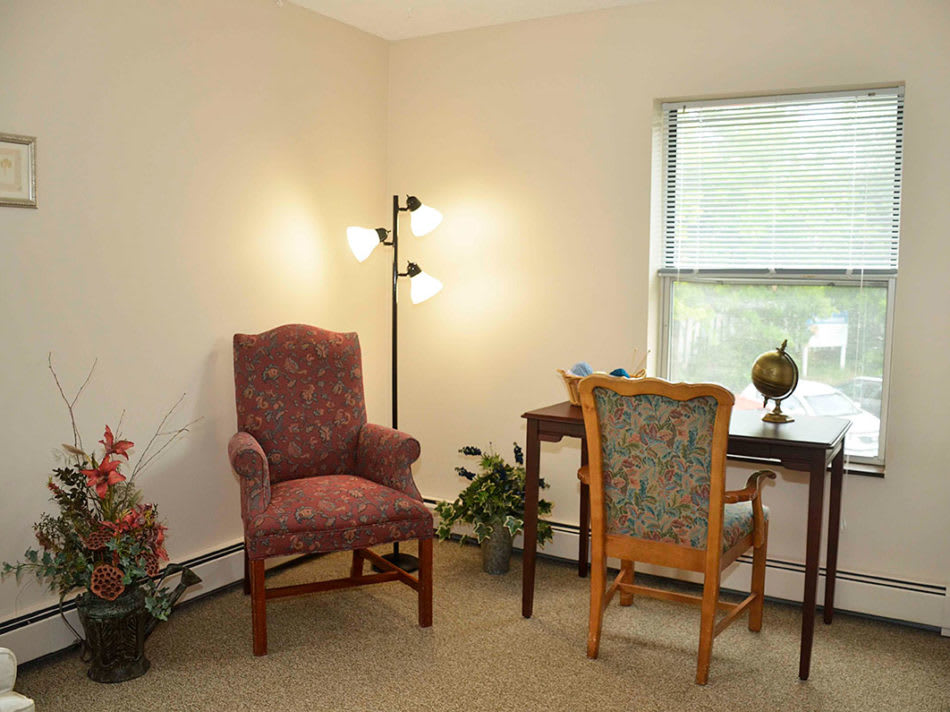
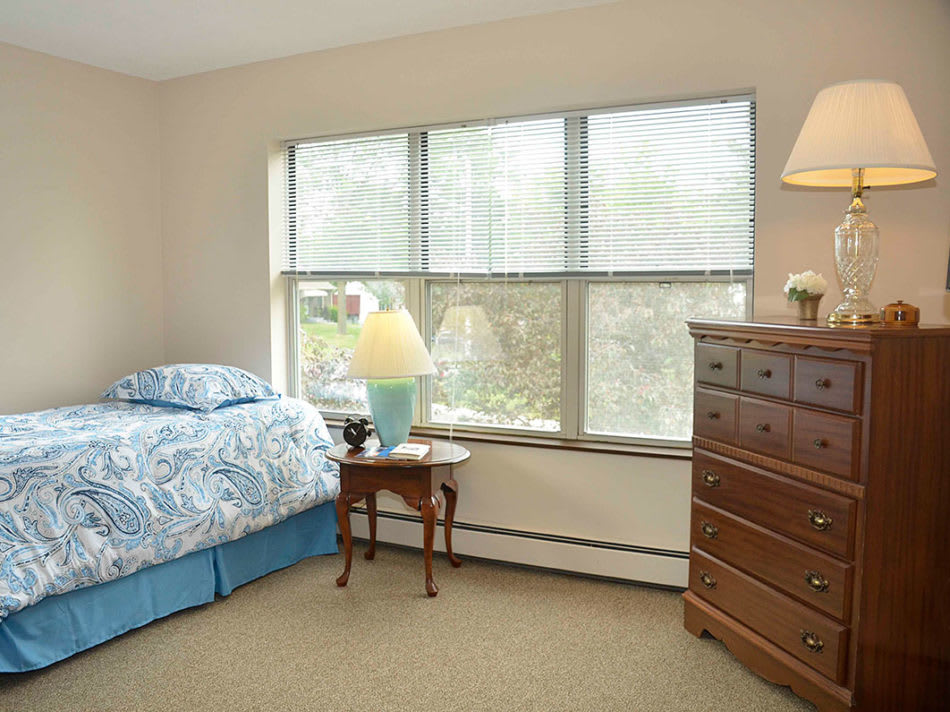
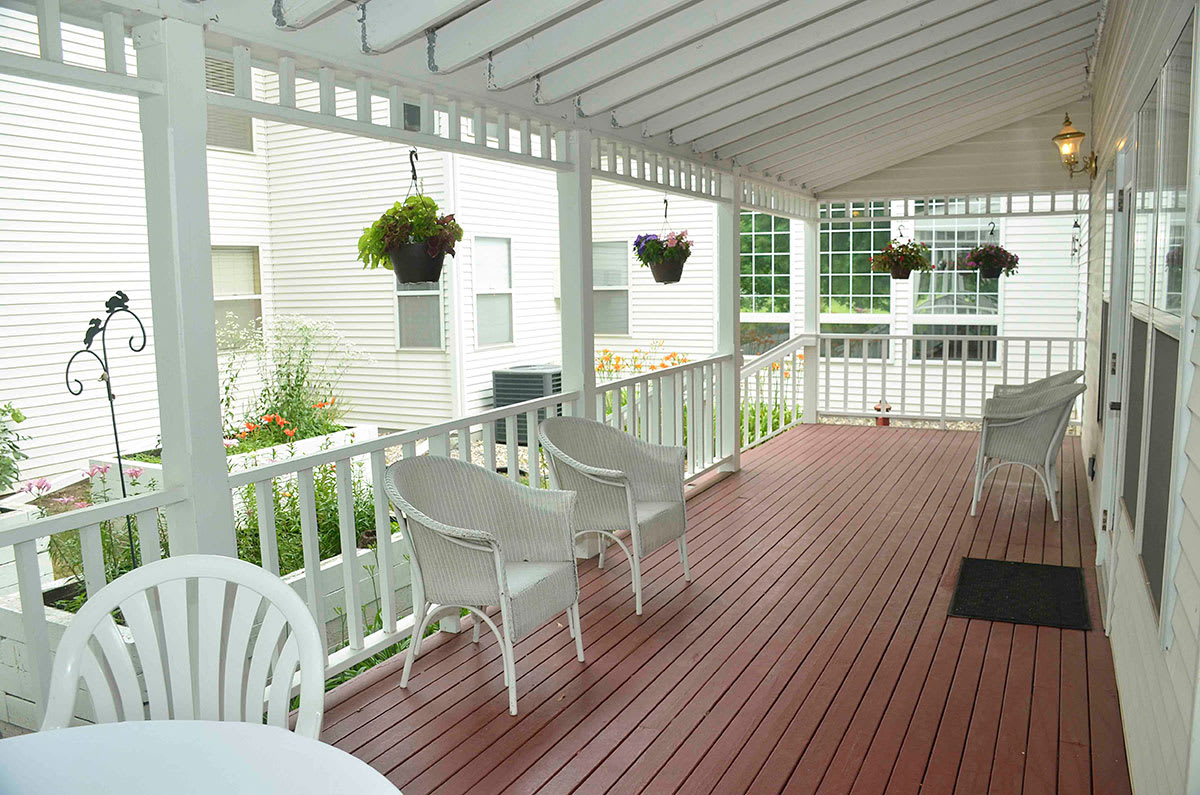
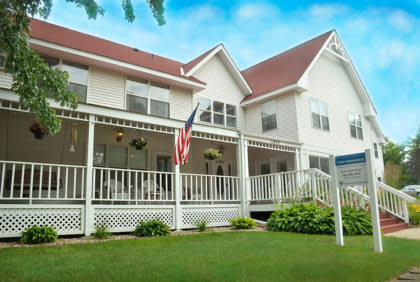
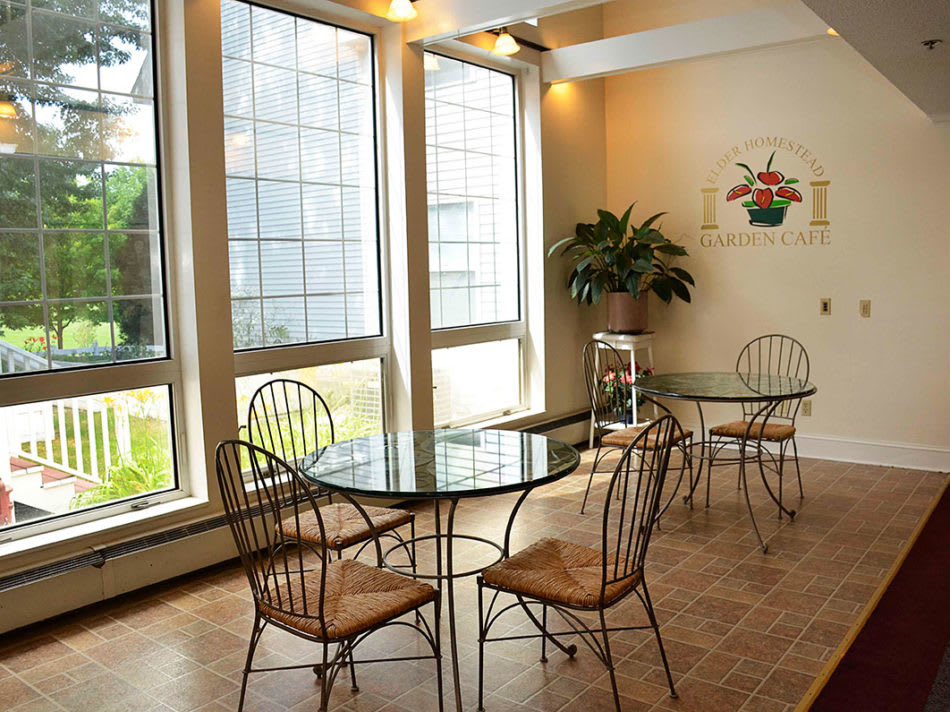
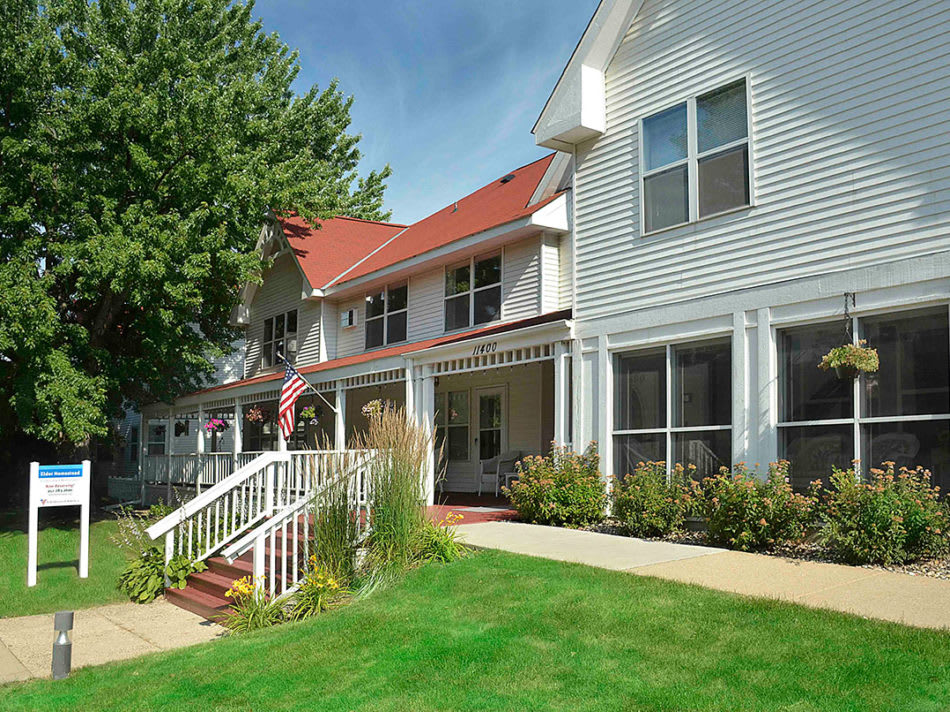
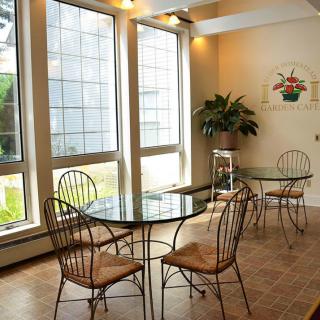
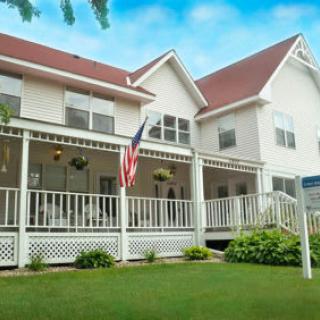
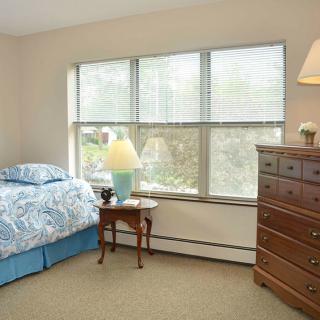
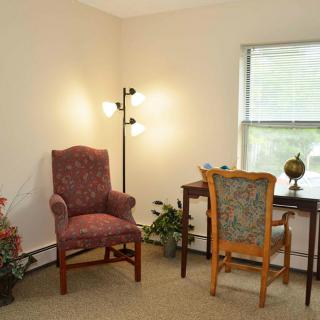
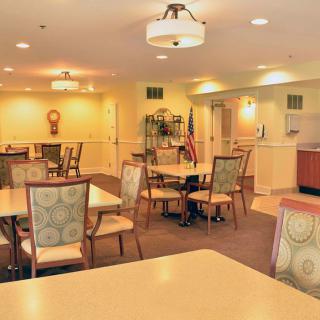
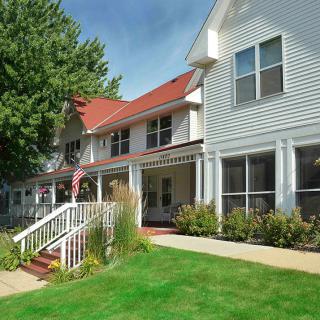
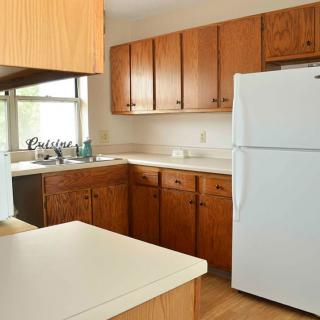
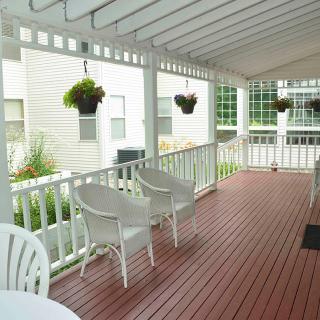
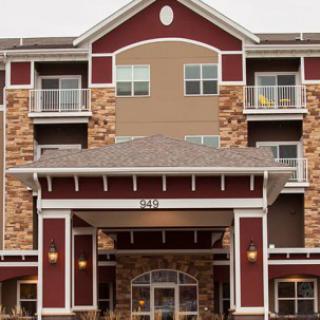
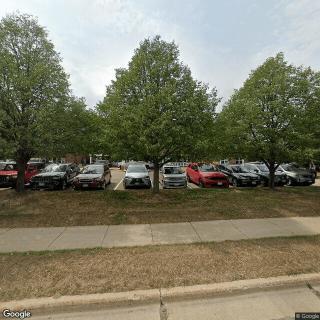
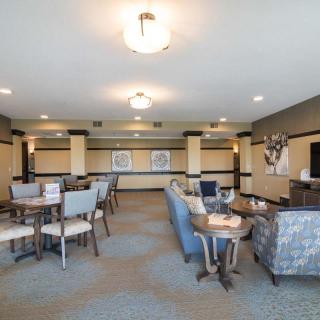
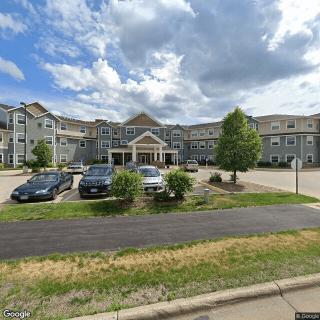
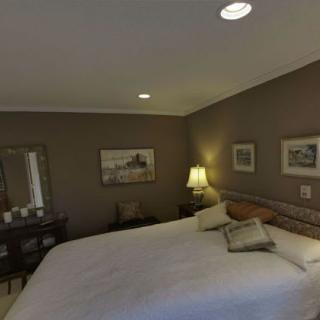
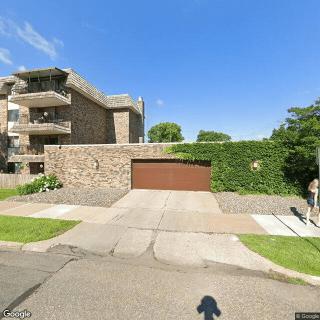
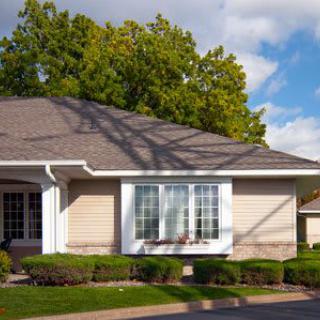
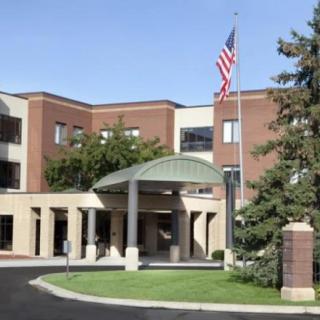
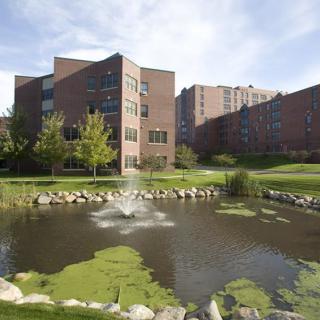
Elder Homestead on seniors.fyi includes 11 photos including images showing interior, windows, landscaping, architecture, dining, bedroom, porch, deck, and more.
Nearby Communities
Voa Home Health At Elder Homes
Minnetonka, MN
4.8 from 16 reviews
Specialized memory care with 24-hour supervision and medication management
Minnesota Wellness Center II
Hopkins, MN
4.5 from 108 reviews
Comprehensive care services and abundant amenities (24/7 supervision, ADL support, meals, housekeeping, outdoor spaces).
Gold Crest Apartments
Hopkins, MN
4 from 4 reviews
$800 to $960 / month
Very affordable 1- and 2-bedroom rents with good nearby amenities.
Stonecrest Living
Minnetonka, MN
Fully furnished apartments with restaurant-style dining and 24-hour supervision.
Stonecrest Living 5
Minnetonka, MN
Luxurious, comprehensive assisted living with furnished apartments and on-site amenities.
Accra Care II
Hopkins, MN
2.9 from 55 reviews
$2,460 to $3,198 / month
Affordable pricing with comprehensive care (24/7 supervision, medication management, and mental wellness).
Emerald Crest of Minnetonka
Minnetonka, MN
3.8 from 20 reviews
$3,570 to $3,980 / month
Caring staff with a home-like environment and engaging activities.
Sholom Home West
Saint Louis Park, MN
3.4 from 56 reviews
Caring staff, clean facility, good food, and engaging activities.
The Glenn Hopkins
Hopkins, MN
4.5 from 114 reviews
$1,874 to $3,449 / month
Friendly staff with a welcoming atmosphere, beautiful grounds and an accessible location with transportation; competitive pricing and active spiritual programming.
Dementia, influenced by aging and certain medications, may be exacerbated by drug classes such as anticholinergics, benzodiazepines, and antipsychotics, which are associated with cognitive impairment. Regular medication reviews by healthcare professionals are crucial for older adults to manage risks and optimize cognitive health.
Dementia often results in disrupted sleep patterns, leading to excessive daytime sleeping due to factors like brain damage affecting circadian rhythms, medication side effects, and lack of structure in daily activities. Caregivers must monitor these changes closely, as oversleeping can increase risks such as malnutrition or dehydration, and provide necessary support and routines to enhance patient engagement and well-being.
The transition from assisted living to skilled nursing care is often prompted by complex medical needs that assisted living cannot meet, with key indicators including frequent health declines, increased falls, severe memory issues, and caregiver burnout. Families should recognize these signs early to discuss options with healthcare providers and prepare for the emotional and logistical aspects of moving to a facility that offers comprehensive medical support.
Patio, Outdoor Seating, Pergola, Deck, and Wooden Flooring
Exterior
Natural Light and Seating
Flag
Healthcare and Nurse
Home Office
Additional Photos
Get PricingAsk A QuestionSchedule A TourContact Senior Advisor
By clicking submit, you agree to our Partner's Terms of Use. You
also consent to receive calls and texts, which may be autodialed, from our Partner. Your consent is not a condition to
using our Partner's service. Please visit our Partner's Privacy Policy for information about their privacy practices.



 1-bedroom apartments
 Assisted Living
 Memory Care
 Skilled Nursing Facility
 Cats allowed
 Dogs allowed
 Activities off-site
 Air-conditioning
 Beautician on-site
 Cable or satellite TV
 Devotional services off-site
 Ground floor units
 Handicap accessible
 Housekeeping services
 Indoor common areas
 Kitchenette
 Outdoor common areas
 Respite or short term stays offered
 Wheelchair accessible showers
 Wi-Fi/high-speed internet available
 Minneapolis-St Paul International (11 miles away)
 Transportation & parking
 Diabetic care
 Incontinence care
 Medication management
 Guest meals
 Catholic services
 Day trips and outings
 Happy hour
 Live dance or theater performances
 Live musical performances
 Stretching classes
 English
 Specialized memory care with 24-hour supervision and medication management
 A Thorough Discussion of Medications Potentially Linked to Dementia Risk
 Why Do Dementia Patients Sleep So Much? Understanding Oversleeping, Stages, and Care Approaches
 8 Key Indicators That Suggest It May Be Time to Transition from Assisted Living to Skilled Nursing Care