
11400 4Th Street North, Minnetonka, MN 55343
For more information about senior living options: (866) 208-4318
Overall Review of Voa Home Health At Elder Homes
Pros
 The staff at VOA are always considerate and work hard to make residents comfortable.
- The facility is a wonderful place.
- The staff are wonderful and caring.
- The food is excellent.
- The environment is welcoming, thorough, and safe.
- Elder Homestead has a caring staff and is a perfect fit for residents.
- The location of Elder Homestead is excellent with an intimate living environment.
- Residents enjoy the activities and meals arranged by the activity director.
- The staff at Elder Homestead are friendly and provide good care and communication.
- The community at Elder Homestead makes residents feel like they belong.
Cons
 Two residents ended up with identical bruises around their left eyes, and caregivers claimed they were caused by "falls on the carpet," but the directors declined to investigate.
 - Caregivers stated residents “fought them,” yet management said no further investigation was necessary.
- Neighbors report residents screaming throughout the night and calling 911.
- Many residents need mechanical lifts, but management refuses to allow them, resulting in unsafe transfers.
- Residents are being transferred unsafely without mechanical lifts because management says they aren’t allowed there.
- Management claimed that using mechanical lifts is against the law, which is not true.
- This creates a very unsafe environment for residents and caregivers.
- Refusal to use mechanical lifts has caused resident and caregiver injuries.
Review
VOA Home Health at Elder Homes in Minnetonka is best suited for families seeking a small, home-like assisted living with a clear emphasis on memory care. The community shines when residents and families prize a warm, neighborly atmosphere, ready access to staff, and a steady calendar of social and therapeutic activities that foster purpose. Its intimate setting, wrap-around porch, park across the street, and a culture of everyday connection, supports seniors who thrive on routine and personal attention. For families prioritizing transparent communication and hands-on caregiving, Elder Homestead delivers a level of reassurance that broad campuses may not match.
Those who must have ironclad safety governance may want to explore alternatives. Serious concerns raised by some reviewers center on safe transfer practices, incident investigations, and device use, including resistance to mechanical lifts for residents who need them. If the acuity level is higher or a rapid clinical response is essential, a larger campus with formal safety protocols and documented oversight may be more suitable. The warmth and intimacy of Elder Homestead do not erase the need for demonstrable risk management and transparent incident handling.
On the upside, staff commitment stands out. Families repeatedly praise caregivers who communicate changes, coordinate care, and genuinely strive to improve quality of life. The dining program earns praise for from-scratch meals, and the activity slate, outings, crafts, music, and social hours, keeps residents engaged. Memory care residents often form friendships and participate in meaningful routines. The combination of attentive caregivers, a welcoming environment, and opportunities for family participation creates daily life that feels personal rather than institutional.
Yet safety and governance concerns dock the overall calculus. Reports of injuries and conflicting explanations, coupled with allegations that certain assistive devices are restricted, create unease about risk management. Even when families encounter strong communication, the absence of consistent, transparent incident review invites caution. For families with residents who require reliable safety protocols, these issues may offset the advantages of warmth and engagement unless verified through direct, objective evidence during tours and trial stays.
Prospective residents should enter with a sharp due-diligence plan. Key questions include lift and transfer protocols, overnight staffing levels, how incidents are documented and reviewed, access to care plans and logs, nurse availability, and how family feedback is acted upon. During tours, observe caregiver interactions, the pace of routines, and whether assistive devices are demonstrated in real use. A candid conversation with the memory care director about safety policies and recent incident history is essential to determine alignment with expectations and risk tolerance.
Overall, Elder Homestead offers a compelling blend of warmth, social vitality, and memory-care focus for families who can verify strong safety practices. The strongest recommendation targets those able to confirm robust governance through firsthand observation and documentation. If objective safety oversight is non-negotiable, it remains wise to compare with other options. When safety protections are confirmed, this community can deliver a high-quality, engaged living experience that feels like a comfortable home rather than a clinical setting.
 21 resident community capacity
 Assisted Living
 Memory Care
 Beauty salon
 Cable or satellite TV
 Dining room
 Fully furnished
 Garden
 Housekeeping services
 Kitchenette
 Move-in coordination
 Outdoor space
 Telephone
 Wi-Fi/high-speed internet available
 Minneapolis-St Paul International (11 miles away)
 24-hour call system
 Activities of daily living assistance
 Assistance with bathing
 Assistance with dressing
 Assistance with transfers
 Diabetes diet
 Hospice waiver
 Meal preparation and service
 Medication management
 Mental wellness program
 Special dietary restrictions
 Transportation arrangement (medical)
 Transportation to doctors appointments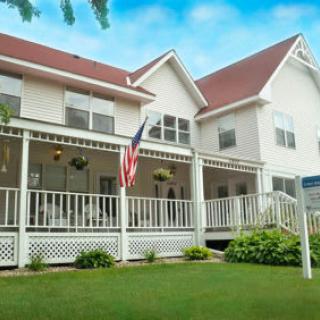


 Understanding Medicaid Coverage for Assisted Living: A Comprehensive Guide
 How and When Medicaid May Cover Assisted Living Costs
 A Detailed Exploration of Assisted Living Medicaid Waivers Across the United States