13401 Lake St Ext, Minnetonka, MN 55305
To contact a resident: (952) 908-2215
For more information about senior living options: (866) 208-4318
Emerald Crest of Minnetonka Costs & Pricing
Emerald Crest of Minnetonka offers competitive pricing for its residents, with monthly costs that reflect a thoughtful balance between quality care and affordability. The semi-private rooms at Emerald Crest are priced at $3,570, notably lower than the average rate in Hennepin County, which stands at $4,356, and also below Minnesota's statewide average of $4,051. For those considering studio accommodations, Emerald Crest charges $3,980 per month; while this is slightly higher than the Hennepin County average of $3,713 and Minnesota's state average of $3,617, it represents an investment in superior services and amenities. Overall, Emerald Crest provides a compelling choice for prospective residents seeking both comfort and value within the landscape of local care options.
| Floor plans | Emerald Crest of Minnetonka | Hennepin County | Minnesota |
|---|---|---|---|
| Semi-Private | $3,570 | $4,356 | $4,051 |
| Studio | $3,980 | $3,713 | $3,617 |
Memory care communities with a similar price nearby
-
from -$570 / mo
Highland on Graham
$3,000 to $4,000 / month13.3 miles away -
from -$370 / mo
Carver Ridge Senior Living
$3,200 to $4,800 / month14.8 miles away -
from -$230 / mo
The Fountains at Hosanna
$3,340 to $4,440 / month17.5 miles away -
from +$210 / mo
Lilydale Senior Living
$3,780 / month15.4 miles away -
About the same
Gable Pines
$3,655 to $4,535 / month21.4 miles away
Overall Review of Emerald Crest of Minnetonka
Pros
 The staff treat residents with respect and dignity beyond expectations.
- The facility feels welcoming and makes visitors feel like family.
- The staff are flexible, kind, and do a great job.
- The environment is home-like, comfortable, and safe.
- The building layout with shared spaces encourages residents to engage and socialize.
- The programs are robust, including music therapy, chapel services, and activities seven days a week.
- Nursing and health care are excellent, with issues treated promptly.
- Families feel supported and confident in the quality of care.
- The pastor is involved and loving, providing compassionate care to residents.
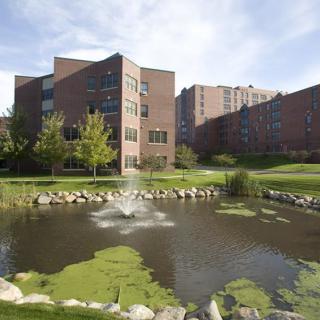
- The location presents a peaceful, beautiful, and loving atmosphere.
Cons
 The facility is described as a prison for the elderly.
- A relative starved themselves to death here due to depression and lack of control.
- It is understaffed and the manager is heartless.
- Residents are locked inside the building, and visitors cannot exit without staff assistance.
- The staff is unprofessional and shows no caring after a loved one dies.
- There are few staff on duty, and some aides are rude, with no activities to speak of.
- The meals were not suitable to eat, served from bulk containers rather than being chef-prepared.
- Reviewers would not recommend Emerald Crest Minnetonka to others.
Review
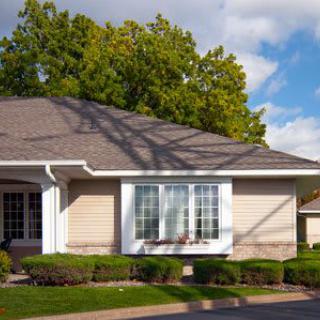
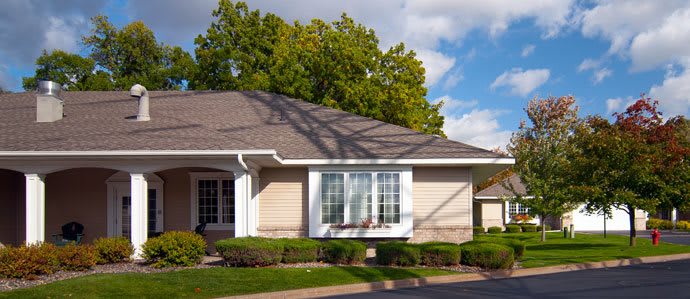
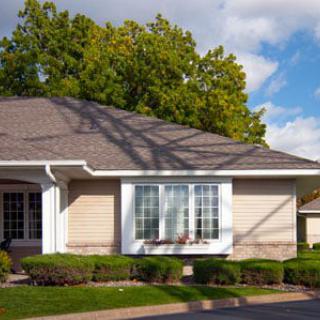
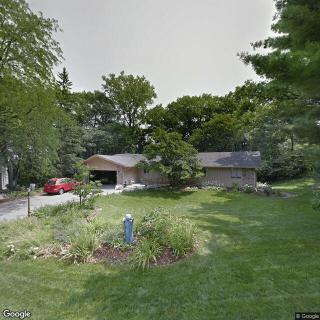
Emerald Crest of Minnetonka is best suited for families seeking an intimate, dementia-focused memory-care environment where residents live in small, home-like settings and receive hands-on attention from consistently engaged staff. The property’s three separate houses, each designed for different levels of dementia and housing about a dozen residents, nurture real connection, predictable routines, and a sense of belonging. This model rewards communities where staff know individual histories, preferences, and triggers, and where programming emphasizes meaningful engagement over institutional distance. It is a clear fit for families who want a calm, neighborly atmosphere with steady nursing oversight and a structured path for residents as dementia progresses.
Not every family will find Emerald Crest the right fit. Alternatives may appeal to those prioritizing very high staffing density, more aggressive safety protocols, or a campus-style layout with broader on-site services. Some reviewers flag concerns that matter in decision making: occasional difficulty locating help during the day, locked doors that can feel restrictive, and episodes of under-staffing. Price sensitivity is another factor worth weighing, as the memory-care model here carries a substantial monthly cost. When a family needs a facility with consistently proactive outreach, transparent management, and unwavering daytime availability, these are legitimate criteria to compare against Emerald Crest’s intimate, smaller-scale approach.
The strongest positives center on care quality, warmth, and community. Families repeatedly describe a home-like vibe, with residents who can move among common spaces, eat together, and participate in activities seven days a week. The three-house arrangement supports peer groups aligned to cognitive and functional levels, which helps residents form friendships and feel understood. Nursing and health-care responsiveness are frequently highlighted, with many families noting rapid attention to medical or wound-care needs and a staff culture that feels genuinely caring. The presence of spiritual and social programming, such as a local pastor visiting weekly and varied in-house activities, adds a layer of holistic support that resonates with families seeking a supportive, well-rounded environment.
Yet the cons cited by some families are not trivial. Reports of staffing gaps, insufficient aides at times, difficulty finding help, and long waits, pose safety and comfort questions for families used to more robust coverage. Several reviews describe a “prison-like” feel from locked doors or a perception that residents cannot easily access assistance when needed. Food quality concerns and occasional meals that do not meet expectations also appear in some accounts. A few families describe less-than-ideal communication after a loved one’s death and disappointed treatment from staff during emotionally charged moments. The combination of these issues with the higher price point can be a decisive hurdle for some.
Those evaluating Emerald Crest should weigh the practical realities of the positives against the negatives. For families who prize an intimate, resident-centered setting, strong nursing care, and continuous opportunities for socialization and meaningful activity, the advantages often offset the drawbacks. The small-house design, the consistent emphasis on dementia-appropriate programming, and the evident enthusiasm of many staff members create a compelling picture of quality life for residents who thrive on routine, familiarity, and peer connections. The risk, primarily around staffing consistency and cost, becomes meaningful only if the family cannot tolerate occasional gaps in response times or if budget constraints make the price difficult to sustain over time.
Decision-makers should approach Emerald Crest with targeted questions and a pragmatic plan. Key inquiries include current staffing ratios by shift and how response times are tracked, the specifics of safety measures around locked doors and wandering, and how quickly staff can be summoned for assistance. Clarify the menu quality, dining arrangements, and the breadth of activities across all three houses, ensuring they align with the resident’s interests. Obtain a clear, line-item understanding of monthly fees, what is included, and potential add-ons. Request candid references from current families, and if possible, arrange visits to each house to observe the atmosphere and interactions firsthand. If the goal is a highly personalized, dementia-focused community where staff know residents well and families feel supported, Emerald Crest can be an excellent match, justers must confirm that operational realities align with those ideals before committing.
 Studio apartments
 Memory Care
 Activities off-site
 Air-conditioning
 Beautician on-site
 Devotional services on-site
 Ground floor units
 Handicap accessible
 Indoor common areas
 Outdoor common areas
 Respite or short term stays offered
 Wheelchair accessible showers
 Minneapolis-St Paul International (12 miles away)
 Ambulatory care
 Diabetic care
 Incontinence care
 Medication management
 Guest meals
 Art classes
 Catholic services
 Day trips and outings
 Educational speakers / life long learning
 Fitness programs
 Jewish services
 Karaoke
 Live musical performances
 English


 Five Subtle Dementia Indicators to Observe: An In-Depth Guide to Understanding “Does My Mom Have Dementia?”
 Dementia, Paranoia, and Caregiver Guidance: Understanding the Connection
 Engaging Memory Care Activities That Enhance Quality of Life