Nurturing Care Residence in Minnetonka, MN

4441 Hunters Ridge Road, Minnetonka, MN 55345

For more information about senior living options: (844) 490-3973

5 from 2 reviews
Assisted Living Memory Care

What level of care are you interested in?

Assisted Living

Memory Care

Independent Living

Skilled Nursing Facility

Continuing Care Retirement Community (CCRC)CCRC

Other


Request a tour at Nurturing Care Residence

    Overall Review of Nurturing Care Residence

    Pros

    • pro The facility is described as the best assisted care facility in the state.
    • pro The resident stayed there for over a year, indicating strong trust in the care provided.
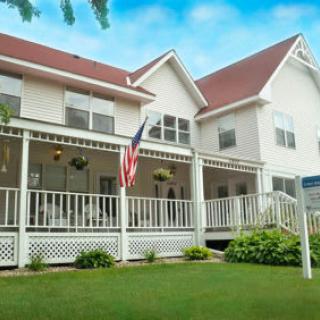
    • pro The family has peace of mind knowing she is in a beautiful house where she can garden, cook meals, participate in activities, and receive care from the best staff.
    • pro The owners are described as salt-of-the-earth people.
    • pro Nurturing Care is conveniently located nearby with a close staff-to-resident ratio due to its small size.
    • pro The director/owner is very knowledgeable about dementia and Alzheimer's and has learned the resident's diabetic needs.
    • pro The facility offers pet therapy, engaging activities, and a virtual dementia tour for families.

    Review

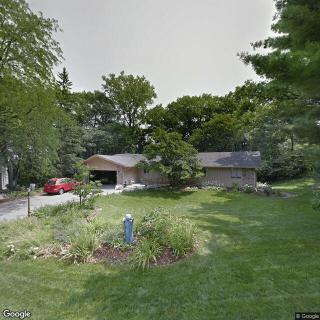
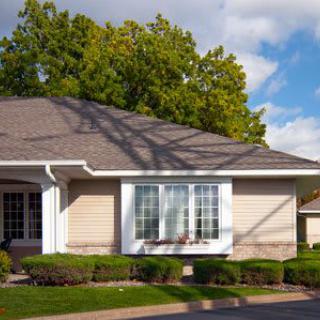
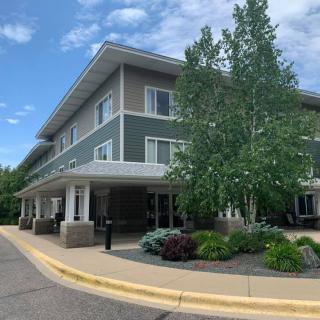
    Nurturing Care Residence in Minnetonka is clearly best suited for families seeking an intimate, home-like assisted living experience where dementia care is a core competency. The six-resident, house-style setup delivers hands-on attention, predictable routines, and daily support that feel tangible and human. This community shines for seniors who want meaningful day-to-day engagement - help with meals, light chores, gardening, and organized activities - without the impersonal vibe of a large campus. The close staff-to-resident relationship translates into steady supervision, quicker recognition of subtle changes, and a sense of security that often eludes bigger facilities.

    Those weighing alternatives should consider the realities of size and scope. If a loved one requires more extensive medical oversight, frequent skilled services, or a broader calendar of therapies and social programming, a larger memory-care environment or a campus with more on-site medical resources may be a better match. Proximity to family remains a practical advantage in Minnetonka, but for families living far away or needing frequent medical coordination, exploring options with broader clinical staffing or more diversified activity schedules could prevent gaps in care.

    The strongest pros here - an intimate setting, the high touch of a small team, and the owner-director's dementia expertise - do work in concert to offset most of the potential drawbacks. The staff-to-resident ratio is naturally favorable, enabling personalized monitoring, quick assistance, and the ability to tailor routines to individual cognitive and medical needs. The ability to assimilate a loved one's diabetes management plan, adjust meals accordingly, and maintain consistent, day-to-day rhythms speaks to a level of practical competence that families rightly value.

    Pet therapy, regular activities, and social engagement are meaningful complements to medical care, and the director's willingness to offer a virtual dementia tour shows a commitment to transparent family communication. Such offerings create peace of mind for relatives who want to participate in planning and stay informed about their loved one's cognitive status. In a setting this small, residents often receive a level of attentiveness that can feel restorative for families who fear the fragmentation that sometimes accompanies larger residences.

    Yet one should acknowledge that size can introduce certain limits. With only six residents, the pool of potential peers for ongoing social interaction naturally narrows, and programming may not rival the breadth seen in larger communities. The care model, while strong in dementia and daily living support, may depend heavily on the owner/director's hands-on involvement; coverage gaps or caregiver turnover could disrupt routines, more so than in a larger, institutionally staffed campus. If a resident's needs evolve toward complex medical interventions or require a full-time, high-volume rehab program, alternatives with deeper medical resources deserve consideration.

    Ultimately, for families prioritizing dementia-capable, home-like daily living and reassurance from a dedicated, knowledgeable owner-operator, Nurturing Care Residence stands out in Minnetonka. The proven strengths - personalized attention, diabetes-aware meal planning, pet therapy, and authentic dementia understanding - translate into meaningful quality-of-life benefits and invaluable family peace of mind. The recommended path is a focused visit: observe care interactions, assess how staff respond to memory challenges, confirm the consistency of routines, and discuss specific medical supports and activity options. If the resident thrives on close-knit engagement and predictable, gentle structure, this residence is a compelling, practical choice. If broader medical capacity or richer social programming are non-negotiables, exploring additional options will be prudent.

    Features

    Housing

    • 21 resident community capacity 21 resident community capacity
    • Studio apartments Studio apartmentsStudio apartments are important for seniors because they offer a smaller, more manageable living space that is easier to navigate and maintain as physical abilities decline. Additionally, studio apartments provide seniors with independence and privacy while still being part of a community that offers support and social opportunities.

    Types of Care

    • Assisted Living Assisted LivingAssisted living facilities provide crucial support and care for seniors who may need help with daily tasks such as medication management, bathing, and meal preparation. These communities offer a safe and comfortable environment where seniors can maintain their independence while receiving the assistance they need to thrive in their golden years.
    • Memory Care Memory CareMemory care is crucial for seniors as it provides specialized support and services for individuals with dementia or Alzheimer's disease. These programs offer a safe and secure environment where residents receive personalized care, cognitive stimulation, and help with daily activities. Memory care helps seniors maintain their independence, quality of life, and dignity while also providing peace of mind for their families.

    Amenities

    • Beautician on-site Beautician on-siteHaving a beautician on-site at a senior living community is important for seniors as it allows them to easily access grooming and personal care services, boosting their self-esteem and overall well-being. It also provides convenience and helps seniors maintain their sense of independence and personal style.
    • Beauty salon Beauty salonBeauty salons are important for seniors because they provide a space for them to feel pampered, socialize, and maintain their personal grooming and hygiene. Regular visits to a beauty salon can help boost seniors' self-esteem and overall well-being.
    • Cable or satellite TV Cable or satellite TVCable or satellite TV is important for seniors because it provides entertainment, news, and companionship, helping to combat loneliness and boredom. It also offers a wide range of programming options tailored to different interests and preferences.
    • Dining room Dining roomDining rooms are important for seniors as they provide a space for socialization, connection, and nutritious meals. They offer opportunities for residents to bond over shared meals, foster a sense of community, and promote healthy eating habits. Dining rooms also ensure that seniors have access to well-balanced meals tailored to their dietary needs and preferences.
    • Fully furnished Fully furnishedFully furnished senior living communities are important for seniors because they provide convenience, comfort, and a hassle-free moving experience. Seniors can easily settle into their new living space without the stress of having to buy and move furniture. This allows them to focus on enjoying their new home and community.
    • Garden GardenGardens are important for seniors as they provide a peaceful and therapeutic environment for relaxation, physical activity, and socialization. Being in nature has been shown to reduce stress, improve mood, and promote overall well-being. Gardens also offer opportunities for seniors to engage in gardening activities, which can improve mobility, flexibility, and cognitive function. Additionally, gardens create a sense of community and connection with others who share a passion for plants and outdoor spaces.
    • Housekeeping services Housekeeping servicesHousekeeping services are important for seniors because they help maintain a clean and safe living environment, promote independence, and reduce the risk of accidents or illnesses. Additionally, having assistance with household chores can alleviate physical strain and allow seniors to focus on other aspects of their well-being.
    • Kitchenette KitchenetteKitchenettes are important for seniors living in senior living communities because they provide the convenience and independence of being able to prepare simple meals and snacks in the comfort of their own living space. This can help promote a sense of autonomy and well-being for seniors, allowing them to maintain some level of control over their dietary choices and daily routines.
    • Laundry LaundryLaundry services are important for seniors as they may have difficulty with physical tasks such as bending, lifting, or carrying heavy loads. Having access to laundry services can help seniors maintain personal hygiene, cleanliness, and independence in their daily lives.
    • Move-in coordination Move-in coordinationMove-in coordination is important for seniors because it helps ease the transition into their new living environment. It ensures that all logistics, such as packing, organizing movers, and setting up utilities are taken care of, allowing seniors to focus on settling in and adjusting to their new home. Having a smooth move-in process can alleviate stress and anxiety, making the transition smoother and more enjoyable for seniors.
    • Outdoor space Outdoor spaceOutdoor spaces are important for seniors as they provide opportunities for physical activity, social interaction, exposure to natural light and fresh air, and a sense of connection to nature. Having access to outdoor spaces can improve overall well-being and quality of life for older adults living in senior communities.
    • Party space Party spaceHaving access to party space is important for seniors as it provides opportunities for socialization, connection, and enjoyment. These spaces allow seniors to celebrate special occasions, host gatherings with friends and family, and participate in community events, enhancing their overall well-being and quality of life.
    • Respite or short term stays offered Respite or short term stays offeredRespite or short term stays provide seniors with a temporary solution when their regular caregiver is unavailable, offering them the opportunity to receive additional care and support during times of need, while also giving caregivers a chance to rest and recharge.
    • Telephone TelephoneTelephones are important for seniors as they provide a lifeline for communication with loved ones, emergency services, and healthcare providers. They offer a sense of security and independence, enabling seniors to stay connected and access assistance when needed.
    • Wi-Fi/high-speed internet available Wi-Fi/high-speed internet availableWi-Fi/high-speed internet is important for seniors to stay connected with loved ones, access online resources, and participate in virtual activities to combat feelings of loneliness and isolation. It also allows them to easily manage healthcare needs, access entertainment, and engage in lifelong learning opportunities.

    Transportation

    • Minneapolis-St Paul International (12 miles away) Minneapolis-St Paul International (12 miles away)
    • Transportation & parking Transportation & parkingTransportation and parking are vital for seniors as they offer access to essential services, activities, and social interactions. Reliable transportation options can help seniors maintain independence, stay connected within their community, and enjoy a higher quality of life. Additionally, convenient parking facilities ensure that seniors can easily access necessary resources and amenities without added stress or difficulty.

    Care Services

    • 24-hour call system 24-hour call system24-hour call systems are important for seniors because they provide peace of mind and immediate assistance in case of emergencies. This technology ensures that help is always available, promoting safety and security for elderly individuals living alone or in assisted living facilities.
    • 24-hour supervision 24-hour supervision24-hour supervision is important for seniors to ensure their safety, well-being, and access to immediate assistance in case of emergencies or health issues. This constant support provides peace of mind for both seniors and their loved ones, allowing them to age in place with dignity and security.
    • Activities of daily living assistance Activities of daily living assistanceActivities of daily living assistance are important for seniors because they provide essential support with tasks such as eating, bathing, dressing, and mobility. This assistance helps seniors maintain their independence, dignity, and overall quality of life as they age.
    • Assistance with bathing Assistance with bathingAssistance with bathing is crucial for seniors as it helps maintain personal hygiene, prevents infections, and ensures their overall well-being and comfort. It also provides a sense of dignity and independence for seniors who may struggle with this task on their own.
    • Assistance with dressing Assistance with dressingAssistance with dressing is important for seniors because it helps maintain their independence, promotes personal hygiene, prevents accidents and injuries, and improves overall quality of life. This service ensures that seniors can continue to dress comfortably and confidently, despite any physical limitations they may have.
    • Assistance with transfers Assistance with transfersAssistance with transfers is crucial for seniors as it helps prevent falls and injuries, maintains their independence, and ensures they can safely navigate their living environment. It also provides peace of mind for both seniors and their loved ones.
    • Coordination with health care providers Coordination with health care providersCoordination with health care providers is crucial for seniors to ensure proper medical care, medication management, and overall well-being. This collaboration helps prevent overlapping treatments, track progress more effectively, and provide comprehensive support tailored to individual needs.
    • Dementia waiver Dementia waiverDementia waivers are essential for seniors as they provide critical protections and accommodations for those experiencing cognitive decline. These waivers ensure individuals with dementia receive appropriate care, support, and resources to maintain their quality of life and dignity as they navigate the challenges of this progressive condition.
    • Diabetes diet Diabetes dietA diabetes diet is crucial for seniors as it helps manage blood sugar levels, reduce risks of complications, and improve overall health and well-being. By following a balanced and nutritious diet tailored to their specific needs, seniors can better control their diabetes and enhance their quality of life.
    • Hospice care Hospice careHospice care is important for seniors as it provides specialized end-of-life support, pain management, and emotional comfort for both the senior and their loved ones. It allows seniors to maintain dignity, receive personalized care, and spend their remaining time in a peaceful and comfortable environment.
    • Hospice waiver Hospice waiverHospice waivers are important for seniors because they allow individuals to receive specialized end-of-life care and support at home or in a hospice facility. This waiver ensures that seniors can access the necessary resources and services to maintain comfort and dignity during their final days.
    • Meal preparation and service Meal preparation and serviceMeal preparation and service are crucial for seniors as they may have limited mobility or energy to cook nutritious meals. Having access to healthy and convenient food options can ensure they are getting the proper nutrition needed to maintain their overall health and well-being.
    • Medication management Medication managementMedication management is crucial for seniors to ensure they are taking the right medications at the correct dosages and times. This helps prevent adverse drug interactions, reduces the risk of medication errors, and promotes overall health and well-being. Proactive management also allows for adjustments as needed based on changing health conditions or new prescriptions.
    • Mental wellness program Mental wellness programMental wellness programs are essential for seniors as they promote cognitive stimulation, emotional support, and social engagement. These programs help prevent isolation, depression, and cognitive decline, ultimately enhancing the overall quality of life for older adults.
    • Mild cognitive impairment Mild cognitive impairment"Mild cognitive impairment" is important for seniors because it is an early stage of cognitive decline that can potentially progress to more severe conditions such as dementia. Recognizing and addressing mild cognitive impairment can help seniors receive appropriate care and support to maintain their quality of life and independence for as long as possible.
    • Special dietary restrictions Special dietary restrictionsSpecial dietary restrictions are important for seniors because age-related changes in metabolism and health conditions can make it difficult for their bodies to process certain foods. By following a diet tailored to their specific needs, seniors can maintain their overall health and well-being, manage chronic conditions, and reduce the risk of complications such as malnutrition or food interactions with medications.
    • Specialized memory care programming Specialized memory care programmingSpecialized memory care programming is crucial for seniors with cognitive impairments such as dementia or Alzheimer's disease. These programs provide a safe and supportive environment tailored to the unique needs of individuals with memory loss, helping them maintain their independence, dignity, and quality of life.
    • Transportation arrangement (medical) Transportation arrangement (medical)Transportation arrangements for medical purposes are essential for seniors as they may have difficulty driving themselves to appointments or accessing public transportation. Having reliable and safe transportation options ensures that seniors can receive timely medical care and maintain their health and well-being.
    • Transportation to doctors appointments Transportation to doctors appointmentsTransportation to doctors' appointments is crucial for seniors as it ensures they have access to necessary medical care and support for their health needs. Without reliable transportation, seniors may struggle to attend important appointments, leading to potential delays in treatment and health complications. Providing transportation services helps seniors maintain their overall well-being and quality of life.

    Dining

    • Diabetes diet Diabetes dietA diabetes diet is crucial for seniors as it helps manage blood sugar levels, reduce risks of complications, and improve overall health and well-being. By following a balanced and nutritious diet tailored to their specific needs, seniors can better control their diabetes and enhance their quality of life.
    • Special dietary restrictions Special dietary restrictionsSpecial dietary restrictions are important for seniors because age-related changes in metabolism and health conditions can make it difficult for their bodies to process certain foods. By following a diet tailored to their specific needs, seniors can maintain their overall health and well-being, manage chronic conditions, and reduce the risk of complications such as malnutrition or food interactions with medications.

    Activities

    • Community-sponsored activities Community-sponsored activitiesCommunity-sponsored activities are important for seniors as they provide opportunities for social interaction, mental stimulation, and physical activity. These activities can help improve overall well-being, combat loneliness and isolation, and promote a sense of belonging and purpose among older adults.
    • Resident-run activities Resident-run activitiesResident-run activities are important for seniors as they encourage social interaction, creativity, and a sense of autonomy. These activities empower seniors to stay engaged and active in their community while fostering meaningful connections with their peers.
    • Scheduled daily activities Scheduled daily activitiesScheduled daily activities are important for seniors because they provide structure, socialization, mental stimulation, and physical activity. Engaging in regular activities can improve overall well-being and quality of life for seniors living in a community setting.

    Languages Spoken

    • English EnglishEnglish is important for seniors as it allows them to communicate effectively with healthcare providers, understand important information related to their health and medications, stay connected with loved ones, and engage in social activities within their communities. It also opens up opportunities for lifelong learning and intellectual stimulation.

    Description

    The Nurturing Care Residence in Minnetonka, MN is a specialized Memory Care facility that provides comprehensive care and support for individuals with memory impairments. The residence offers a range of amenities to ensure the comfort and well-being of its residents. These amenities include a beauty salon, cable or satellite TV, a dining room, fully furnished accommodations, a garden, housekeeping services, kitchenettes in each unit, laundry services, outdoor space, party spaces for social gatherings, respite or short term stays, telephone access, transportation and parking facilities, as well as Wi-Fi/high-speed internet connectivity.

    The community offers various care services to meet the individual needs of each resident. There is around-the-clock supervision provided to ensure safety and security. Trained staff are available to assist with activities of daily living such as bathing, dressing, and transfers. The team at Nurturing Care Residence also coordinates with healthcare providers to ensure seamless medical care delivery for residents. Additionally, the community provides specialized care for individuals with dementia and mild cognitive impairment through specialized memory care programming.

    Residents at Nurturing Care Residence benefit from delicious meals prepared and served on-site while catering to any special dietary restrictions they may have. Medication management is also provided by trained staff members to ensure proper administration of medications. A mental wellness program is available to promote emotional well-being among residents.

    In terms of location convenience, there are nearby cafes, parks, pharmacies, physicians' offices, restaurants for dining options and places of worship for spiritual needs. Furthermore, transportation arrangements can be made for medical appointments or other necessary trips.

    Overall the Nurturing Care Residence in Minnetonka offers a secure and supportive environment where individuals with memory impairments receive personalized care while enjoying a variety of amenities and engaging in scheduled daily activities within close proximity to essential services in the local community.

    Nearby Places of Interest

    Restaurants

    • Duke's On 7 (1.1 miles)
    • Taco Teresa's (3.1 miles)
    • The Cheesecake Factory (3.3 miles)
    • Kona Grill (3.3 miles)
    • Taco Bell (3.4 miles)
    • BLVD Kitchen & Bar (3.7 miles)
    • Olive Garden (3.7 miles)

    Pharmacies

    • Walgreens (1.9 miles)
    • Love Shack (2.2 miles)
    • Walgreens (2.4 miles)
    • Walgreens (4.1 miles)
    • Walgreens (4.4 miles)
    • CVS Pharmacy (4.8 miles)
    • Walgreens (4.8 miles)

    Physicians

    • Children's Hospitals and Clinics of Minnesota's Ear, Nose and Throat (2 miles)
    • Ellgaard Annemarie Park Nicollet Clinic Carlson Parkway Minnetonka (3.5 miles)
    • Metropolitan Dermatology & Cutaneous Surgery PA (4 miles)
    • Park Nicollet Clinic (5.1 miles)
    • Northwest Family Physicians Plymouth (5.5 miles)
    • MN Otolaryngology (5.8 miles)
    • Pinnacle Dermatology- Excelsior (6.1 miles)

    Places of Worship

    • St Therese of Deephaven (3 miles)
    • Shepherd of the Hills Lutheran Church (3.4 miles)
    • Grace Church (6.2 miles)

    Parks

    • Aquila Park (3.8 miles)
    • Parkers Lake Park (5.2 miles)
    • McGuire Park (5.2 miles)
    • Dakota Dog Park (5.3 miles)
    • Bandimere Heights Park (5.8 miles)
    • Lake Ann Park (6.3 miles)
    • Lake Susan Park (6.5 miles)

    Cafes

    • Angel Food Bakery & Coffee Bar (4.1 miles)
    • Panera Bread (5.8 miles)
    • Jinx Tea (6.2 miles)
    • Caribou Coffee (6.4 miles)
    • Starbucks (7.3 miles)

    Hospitals

    • Park Nicollet Methodist Hospital (4.6 miles)
    • Abbott Northwestern Center For Outpatient Care (5.2 miles)
    • Fairview Southdale Hospital (6.8 miles)
    • Plymouth Surgery Center (7.2 miles)
    • Regency Hospital (7.7 miles)

    Theaters

    • 0705 Amc Southdale 16 (7 miles)

    Frequently Asked Questions

    What floor plans and room types does Nurturing Care Residence offer?
    Where is Nurturing Care Residence?
    Does Nurturing Care Residence provide care for residents with dementia or Alzheimer's disease?

    Nearby Communities

    • Nurturing Care

      Nurturing Care

      Minnetonka, MN

      4.5 from 4 reviews
      $6,000 / month

      pro Friendly staff and regular family updates

    • Stonecrest Living 6

      Stonecrest Living 6

      Minnetonka, MN


      pro Intimate, personalized care in a well-equipped setting.

    • Generation Care

      Generation Care

      Minnetonka, MN


      pro Small, intimate community with 24/7 supervision and comprehensive care services.

    • Emerald Crest of Minnetonka

      Emerald Crest of Minnetonka

      Minnetonka, MN

      3.7 from 19 reviews
      $3,570 to $3,980 / month

      pro Caring staff with a home-like environment and engaging activities.

    • Augustana Emerald Crest III

      Augustana Emerald Crest III

      Minnetonka, MN

      3.4 from 7 reviews
       

      pro Small, homelike dementia-focused setting with personalized attention and engaging programs.

    • Emerald Crest Of Minnetonka

      Emerald Crest Of Minnetonka

      Minnetonka, MN

      3.5 from 6 reviews
       

      pro Fully furnished units with 24/7 supervision and coordinated care.

    • Landings Of Minnetonka

      Landings Of Minnetonka

      Minnetonka, MN

      4.2 from 52 reviews
       

      pro Helpful, cooperative staff with engaging daily activities and good dining.

    • Elder Homestead

      Elder Homestead

      Minnetonka, MN

      4.3 from 59 reviews
      $3,235 to $3,545 / month

      pro Friendly, attentive staff with good family communication and solid value for care.

    • The Glenn Hopkins

      The Glenn Hopkins

      Hopkins, MN

      4.5 from 114 reviews
      $1,874 to $3,449 / month

      pro Friendly staff with a welcoming atmosphere, beautiful grounds and an accessible location with transportation; competitive pricing and active spiritual programming.

    Related Resources

    • sundown syndromeComprehending Evening Confusion in Dementia: Causes, Manifestations, and Support

      Sundown syndrome, or sundowning, is a phenomenon in dementia patients characterized by increased confusion and agitation during late afternoon and evening, influenced by factors like disrupted circadian rhythms and fatigue. Effective caregiver strategies include establishing routines and managing environmental light while addressing caregiver stress through support services.

    • delirium vs dementiaDelirium and Dementia: Unraveling the Key Differences

      Delirium is a rapidly onset, reversible cognitive disturbance often caused by acute medical issues, while dementia is a gradual and irreversible decline due to chronic neurodegenerative diseases. Accurate differentiation between the two is essential for appropriate treatment and management in older adults.

    • can you die from dementiaAre Dementia and Alzheimer's Disease Lethal? A Comprehensive Exploration

      Dementia, including Alzheimer’s disease, is often mischaracterized in terms of lethality as it leads to complications that can be fatal rather than being a direct cause of death; it causes a progressive decline in cognitive and physical health, making patients vulnerable to infections and other health crises. Effective management of nutrition, hydration, and communication is crucial in patient care, with palliative care becoming vital in advanced stages to enhance comfort and quality of life while caregivers play a key role amidst the challenges posed by the disease.


    Get Pricing Ask A Question Schedule A Tour Contact Senior Advisor