
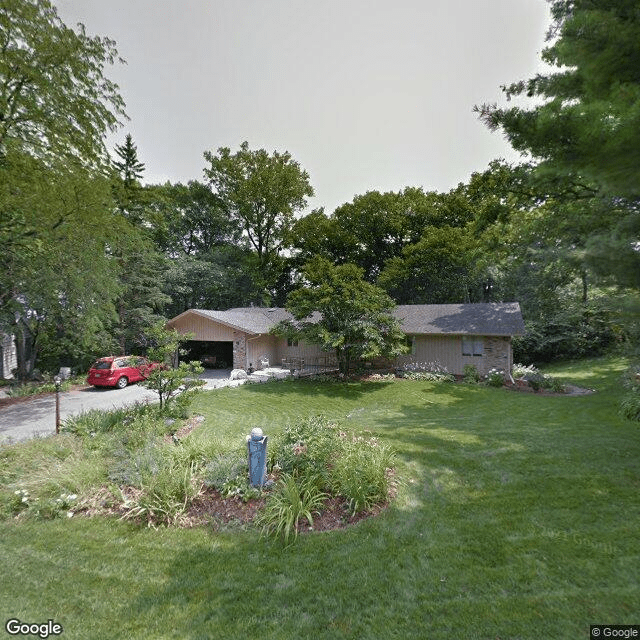
4441 Hunters Ridge Rd, Minnetonka, MN 55345
To contact a resident: (952) 688-1106
For more information about senior living options: (866) 208-4318
Nurturing Care Costs & Pricing
The costs for Nurturing Care reflect a premium for personalized, high-quality support, with private room accommodations priced at $6,000 per month. This figure is slightly higher than the average rates in Hennepin County, which stand at $5,580, and Minnesota's overall average of $5,090. The additional investment in Nurturing Care underscores its commitment to providing an exceptional level of service and individualized attention that may be particularly beneficial for those seeking more tailored care options. This comparative analysis highlights the value proposition of Nurturing Care within the broader landscape of residential care facilities in the region.
| Floor plans | Nurturing Care | Hennepin County | Minnesota |
|---|---|---|---|
| Private | $6,000 | $5,580 | $5,090 |
Senior living communities with a similar price nearby
-
About the same
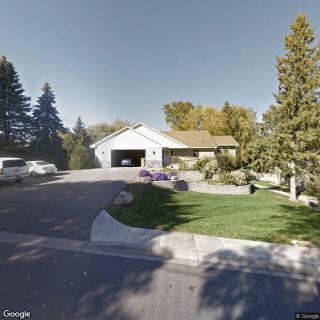
Legacy Care Home
$6,000 / month0.8 miles away -
from -$600 / mo
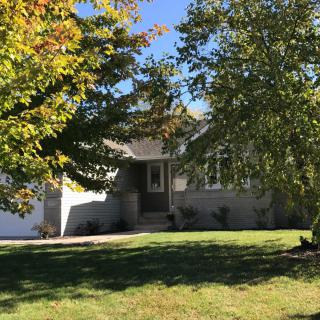
Family Tree Homes
$5,400 / month20.2 miles away -
from -$1000 / mo
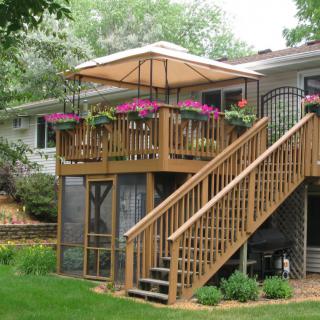
LuAnn's Place
$5,000 to $6,800 / month3.5 miles away -
from -$300 / mo
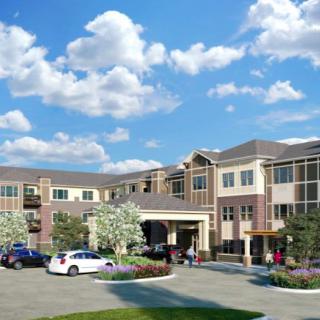
Cherrywood Pointe Of Plymouth
$5,700 to $9,450 / month8.4 miles away -
from +$300 / mo
Breck Home Residential Care Center, LLC
$6,300 to $6,600 / month10.5 miles away
Overall Review of Nurturing Care
Pros
 It is described as the best assisted care facility in the state.
- Families have peace of mind knowing their loved ones are in a beautiful house, participating in activities and cared for by the best staff.
- The owners are salt-of-the-earth people.
- The staff are great and friendly, and the location is great for visiting loved ones.
- It feels like a safe community for residents.
- Caregivers are very caring, and families receive weekly updates on residents’ well-being.
Cons
 The actual physical environment is small.
- The hallways are not wide enough.
- There isn’t enough staff to care for eight residents.
Review
Nurturing Care in Minnetonka is best suited for families seeking a small, home-like assisted living option where residents receive highly personalized attention and meaningful daily engagement. This community excels for seniors who thrive in intimate settings, where daily routines include gardening, helping with meals, participating in organized activities, and enjoying the consistent presence of caregivers who know names, preferences, and histories. The ownership and staff present a grounded, trustworthy vibe, and their hands-on approach creates a level of peace of mind that many families prize when choosing care for a loved one.
Those weighing options for a larger, more facility-like environment should consider alternatives. If a resident requires a bustling campus with extensive on-site medical services, rehab programs, or memory-care specialization, a bigger community with broader staffing and more expansive amenities may be a better fit. Likewise, if mobility or safety needs demand wide corridors, substantial assistive equipment, or a more formal medical setting, the compact, house-like footprint may feel limiting. For families prioritizing rapid access to a wide network of services and a broad social calendar, a larger facility could deliver more diverse opportunities.
The strengths of Nurturing Care largely offset the modest physical footprint. The care model relies on a lean but attentive team, two caregivers for seven to eight residents, to deliver meals, daily supervision, and companionship. This arrangement fosters consistent relationships, quick recognition of changing needs, and a calm, predictable routine that many families find reassuring. The weekly family updates reinforce transparency and trust, so relatives stay connected without intrusive oversight. The home atmosphere extends beyond staffing: residents participate in cooking tasks, light gardening, and structured activities, all of which help maintain a sense of purpose and belonging.
Food service and daily programming are clearly a priority, and the community is described as well-kept, organized, and safe. The practical benefits of a small, neighborly setting, short walking distances within the home, familiar faces presenting care with genuine warmth, often translate into stronger day-to-day satisfaction for residents. The owners’ approach contributes an extra layer of reliability; families repeatedly note sincere, “salt of the earth” character, which translates into steady, dependable care and a willingness to collaborate with families on individual needs. In short, the pros, personalized attention, regular communication, homey surroundings, and meaningful activities, directly counterbalance the constraints of a small footprint.
However, the layout and scale do present undeniable trade-offs. The physical environment is compact, and the hallways are not as wide as those in larger facilities, which can matter for residents with limited mobility or wheelchair use. With only seven to eight residents, social variety is naturally narrower than in bigger communities, and even with robust activities, some families may worry about options becoming repetitive. Staffing, while caring and cohesive, remains lean, so peak times can stretch the team. These realities do not undermine the quality of care, but they do shape expectations: this is not a setting to substitute for a hospital or a large campus with extensive on-site services.
For families deciding where to place a loved one, alignment with priorities is key. If the objective is peace of mind grounded in a warm, home-like environment, where caregivers know residents well, meals and activities are thoughtfully organized, and updates arrive on a regular schedule, Nurturing Care delivers. If the need is for a broad continuum of care, generous social programming, or specialized medical oversight, look toward alternatives with more expansive infrastructure. A visit, talking with staff about daily schedules, observing interactions, and probing about night coverage and any future care plans, will reveal how well this setting can adapt to evolving needs. In practice, the decision comes down to balancing intimate, reliable daily care with the realities of a small footprint.
Overall, Nurturing Care presents a compelling choice for families seeking a practical, dependable, and emotionally reassuring living arrangement in Minnetonka. The strongest appeal rests on intimate staff-resident relationships, transparent communication, and a home-forward philosophy that makes daily life feel manageable and meaningful. The main caveats are space constraints and the implied limits of scale, but those factors are substantially offset by the consistent attentiveness, kindness, and structured routines residents receive. For households prioritizing personal connection, warmth, and straightforward, steady care, this community stands out as a prudent, purpose-driven option.
 Board and Care Home
 Cats allowed
 Dogs allowed
 Activities off-site
 Bath tubs
 Beautician on-site
 Devotional services on-site
 Indoor common areas
 Outdoor common areas
 Private
 Private bathrooms
 Respite or short term stays offered
 Wheelchair accessible showers
 Minneapolis-St Paul International (12 miles away)
 Ambulatory care
 Diabetic care
 High acuity care
 Incontinence care
 Kosher

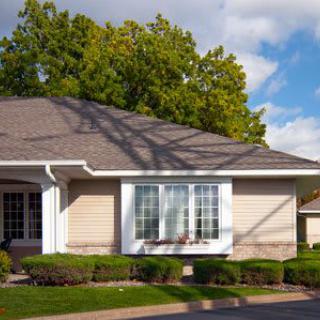
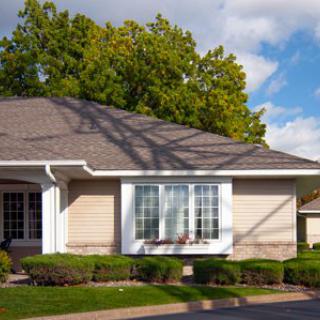
 Urinary Tract Infections in Older Adults: Comprehensive Insights on Symptoms, Treatment, and Prevention
 California's Form 602A: An In-Depth Examination of Senior Care Assessment
 Comprehensive Look at Senior Blood Pressure Charts: Normal and Elevated Levels by Age