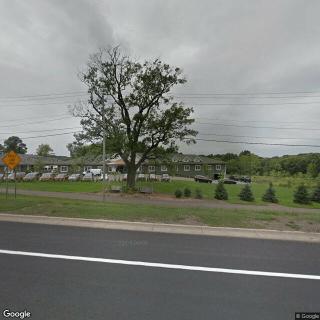
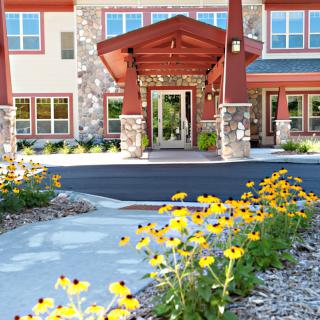
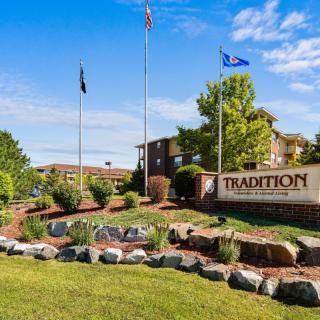
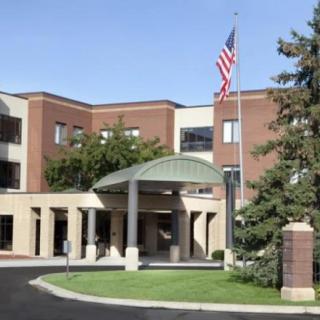
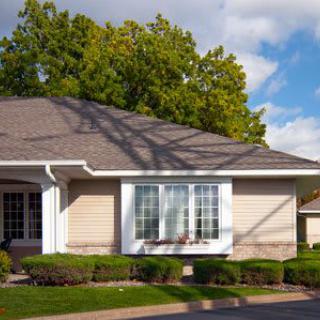
Accra Care II is an assisted living community in Hopkins, MN.
Information last verified:
1011 1St Street South Ste 315, Hopkins, MN 55343
For more information about senior living options: (866) 208-4318
2.9 from 55 reviews
5 stars
25
4 stars
1
3 stars
0
2 stars
2
1 stars
27
Accra Care II Costs & Pricing
Accra Care II offers competitive pricing for its accommodations compared to both Hennepin County and the broader state of Minnesota. For a semi-private room, residents will pay $2,460 per month, notably lower than the county and state averages of $4,356 and $4,051, respectively. The cost for a private room at Accra Care II is also attractive at $2,952, significantly less than the county's average of $5,580 and the state's $5,090. Additionally, for those looking for studio options, Accra Care II's rate of $3,198 is more favorable compared to Hennepin County's $3,713 and Minnesota's average of $3,617. Overall, Accra Care II presents an economical choice for individuals seeking quality care while maintaining affordability in their living arrangements.
Floor plans
Accra Care II
Hennepin County
Minnesota
Semi-Private
$2,460
$4,356
$4,051
Private
$2,952
$5,580
$5,090
Studio
$3,198
$3,713
$3,617
Assisted Living communities with a similar price nearby
Some residents and caregivers describe delays or failures with reimbursements and payroll.
Several reviews describe problems getting paid on time and getting expenses reimbursed, including reports of missing checks and not receiving reimbursement after submitting paperwork. A few people also say service was disrupted when billing or waiver-related items were not handled as expected. Multiple reviewers describe frustration with how long it can take to resolve payment and reimbursement issues.
caveat7 reviews mention this
Communication and access can be difficult
Reviews frequently mention trouble reaching staff and getting timely responses.
A number of reviewers say phones are hard to reach, with long waits, no answer, or difficulty getting callbacks. Others describe customer service problems and internal delays when changes or forms are needed. There are also complaints about a mobile app that glitches and limits basic actions, which adds to the feeling of poor access.
common5 reviews mention this
Caregivers are described as caring
Some reviews praise the professionalism and caring approach of staff.
A few reviewers describe positive experiences, including caring professionals and organized staff who seem to understand client needs. Some reviews specifically call out individuals positively, and others highlight professional, courteous interactions. While many comments are critical, these supportive reviews add balance by pointing to compassionate day-to-day caregiving.
caveat3 reviews mention this
Family fit and care expectations
Some families describe mismatched expectations around support for their situation.
Several reviews focus on whether the agency could support a residentā€™s life beyond basic care, including help that would allow time with children or participation in community activities. At least one reviewer says they were told the provider would not continue the service as requested, which they felt would separate them from their family. Others also urge caution for families needing help for a disabled child, describing the experience as not dependable.
How we summarize
Counts show how many written reviews mention each theme; a review can touch several themes, and only frequently mentioned themes are displayed.
Features
Housing
21 resident community capacity
Types of Care
Assisted Living
Amenities
Beauty salon
Cable or satellite TV
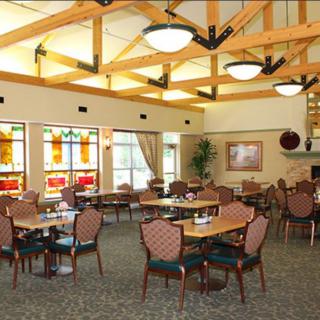
Dining room
Fully furnished
Garden
Housekeeping services
Kitchenette
Move-in coordination
Outdoor space
Telephone
Wi-Fi/high-speed internet available
Transportation
Minneapolis-St Paul International (10 miles away)
Care Services
24-hour call system
24-hour supervision
Activities of daily living assistance
Assistance with bathing
Assistance with dressing
Assistance with transfers
Coordination with health care providers
Diabetes diet
Meal preparation and service
Medication management
Mental wellness program
Special dietary restrictions
Transportation arrangement (medical)
Transportation to doctors appointments
Dining
Diabetes diet
Special dietary restrictions
Activities
Community-sponsored activities
Scheduled daily activities
Nearby Places of Interest
Pharmacies
Walgreens (0.8 miles)
Walgreens (3 miles)
Walgreens (3.3 miles)
Love Shack (3.6 miles)
CVS Pharmacy (3.7 miles)
Lunds & Byerlys 50th Street Edina (4.1 miles)
Walgreens (4.2 miles)
Places of Worship
Shepherd of the Hills Lutheran Church (1.4 miles)
St Therese of Deephaven (4.9 miles)
Grace Church (6.8 miles)
Restaurants
Taco Bell (1.5 miles)
Chick-Fil-A (1.9 miles)
Bunny's Bar & Grill (2.9 miles)
McDonald's (3 miles)
Duke's On 7 (3.1 miles)
The Cheesecake Factory (3.3 miles)
Taco Teresa's (3.4 miles)
Parks
Aquila Park (2.1 miles)
Dakota Dog Park (3.5 miles)
McGuire Park (3.7 miles)
Centennial Lakes Park (5.8 miles)
Parkers Lake Park (5.9 miles)
French Regional Park (6.9 miles)
Hyland Lake Park Reserve (7.1 miles)
Physicians
Children's Hospitals and Clinics of Minnesota's Ear, Nose and Throat (2.3 miles)
Ellgaard Annemarie Park Nicollet Clinic Carlson Parkway Minnetonka (4.5 miles)
Twin Cities Orthopedics Edina - Crosstown (4.7 miles)
University of Minnesota Physicians Heart at Fairview Southdale Hospital (4.9 miles)
CCRM Fertility of Minneapolis (4.9 miles)
Fairview Southdale Physicians Building (4.9 miles)
Park Nicollet Clinic (5.1 miles)
Cafes
Angel Food Bakery & Coffee Bar (2.4 miles)
Jinx Tea (4.2 miles)
Starbucks (5.7 miles)
Spyhouse Coffee (6.3 miles)
Dunn Brothers Coffee (7.1 miles)
Panera Bread (7.3 miles)
Panera Bread (7.3 miles)
Hospitals
Park Nicollet Methodist Hospital (2.6 miles)
Abbott Northwestern Center For Outpatient Care (4.4 miles)
Accra Care II offers competitive pricing for its accommodations compared to both Hennepin County and the broader state of Minnesota. For a semi-private room, residents will pay $2,460 per month, notably lower than the county and state averages of $4,356 and $4,051, respectively. The cost for a private room at Accra Care II is also attractive at $2,952, significantly less than the county's average of $5,580 and the state's $5,090. Additionally, for those looking for studio options, Accra Care II's rate of $3,198 is more favorable compared to Hennepin County's $3,713 and Minnesota's average of $3,617. Overall, Accra Care II presents an economical choice for individuals seeking quality care while maintaining affordability in their living arrangements.
Accra Care II is located at 1011 1St Street South Ste 315, Hopkins, MN 55343 in Hennepin County, Minnesota
Nearby Communities
Accra Care I
Hopkins, MN
2.9 from 55 reviews
24-hour supervision with diabetes care, medication management, and a mental wellness program; on-site meals and social activities.
Gold Crest Apartments
Hopkins, MN
4 from 4 reviews
$800 to $960 / month
Very affordable 1- and 2-bedroom rents with good nearby amenities.
Park Nicollet Methodist
Hopkins, MN
Fully furnished rooms; 24/7 supervision and ADL support; diabetes-friendly dining; coordinated care; pleasant outdoor spaces; housekeeping.
Chapel View Apartments
Hopkins, MN
4.2 from 25 reviews
$1,229 to $2,215 / month
Friendly, caring staff in a clean, active community with accessible, well-equipped apartments.
Augustana Home Health Services
Hopkins, MN
3.4 from 33 reviews
24/7 supervision with ADL support, medication management, mental wellness program, and restaurant-style dining in fully furnished accommodations.
Elder Homestead
Minnetonka, MN
4.3 from 61 reviews
$3,235 to $3,545 / month
Friendly, attentive staff with good family communication and solid value for care.
The Glenn Hopkins
Hopkins, MN
4.5 from 114 reviews
$1,874 to $3,449 / month
Friendly staff with a welcoming atmosphere, beautiful grounds and an accessible location with transportation; competitive pricing and active spiritual programming.
Sholom Home West
Saint Louis Park, MN
3.4 from 56 reviews
Caring staff, clean facility, good food, and engaging activities.
Emerald Crest of Minnetonka
Minnetonka, MN
3.8 from 20 reviews
$3,570 to $3,980 / month
Caring staff with a home-like environment and engaging activities.
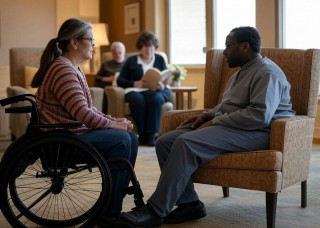
The article examines the complexities of assisted living for individuals with disabilities, emphasizing the need for tailored care solutions that enhance quality of life and social inclusion, while addressing financial challenges and advocating for community integration. It discusses various housing options, the importance of financial assistance through public benefits, and highlights trends towards integrated and technology-driven solutions in disability-focused housing.
Assisted living for adults with disabilities has transformed to provide personalized care and support services aimed at improving residents' quality of life while balancing independence and assistance. However, low-income individuals often face challenges in affording these services, requiring navigation of various financial resources and advocacy for better policies and solutions.
Assisted living facilities provide support for older adults needing help with daily activities without extensive medical care, but their costs can be high and vary by location and services offered. Families often seek various funding options and financial strategies to manage these expenses effectively while considering future needs and potential price increases.
Get PricingAsk A QuestionSchedule A TourContact Senior Advisor
By clicking submit, you agree to our Partner's Terms of Use. You
also consent to receive calls and texts, which may be autodialed, from our Partner. Your consent is not a condition to
using our Partner's service. Please visit our Partner's Privacy Policy for information about their privacy practices.


 21 resident community capacity
 Assisted Living
 Beauty salon
 Cable or satellite TV
 Dining room
 Fully furnished
 Garden
 Housekeeping services
 Kitchenette
 Move-in coordination
 Outdoor space
 Telephone
 Wi-Fi/high-speed internet available
 Minneapolis-St Paul International (10 miles away)
 24-hour call system
 Activities of daily living assistance
 Assistance with bathing
 Assistance with dressing
 Assistance with transfers
 Diabetes diet
 Meal preparation and service
 Medication management
 Mental wellness program
 Special dietary restrictions
 Transportation arrangement (medical)
 Transportation to doctors appointments
 24-hour supervision with diabetes care, medication management, and a mental wellness program; on-site meals and social activities.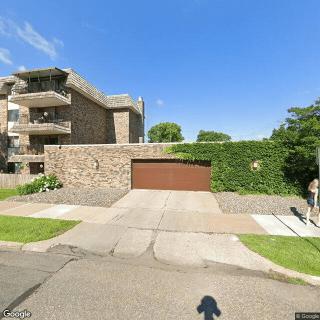
 Comprehensive Residential Support and Assisted Living Solutions for Individuals with Disabilities
 Comprehensive Supportive Living Arrangements for Adults with Disabilities
 Funding and Affording Assisted Living: A Thorough Overview