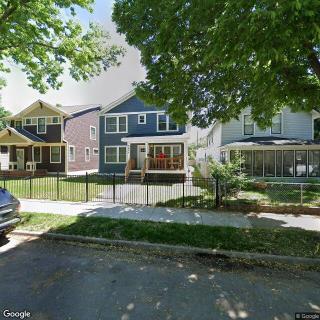
Kubra Home Care

2435 15Th Avenue South, Minneapolis, MN 55404

For more information about senior living options: (844) 490-3973

1 from 1 review
Assisted Living

Overall Review of Kubra Home Care

Pros

  • pro The manager called in professionals to get rid of the cockroaches.
  • pro The manager is actively trying to address the pest problem in the house.
  • pro The actions described show an effort to improve living conditions despite challenges.

Cons

  • pro They claim residents are stealing from other clients.
  • pro They say a resident lived there and was very disrespectful, even trying to break the door down in the manager's presence.
  • pro They report cockroaches in the group home and infestations.
  • pro They say the house is old and cockroach problems persist despite treatments.
  • pro They assert the manager is unprofessional, can kick people out, and relies on three write-ups to evict someone.
  • pro They state they had only bad experiences and that the staff are unprofessional.

Review

There's a lot going on at this group home, and the overall impression is one of ongoing trouble rather than a stable, supportive living environment. The reviewer portrays a place where theft among residents is a real concern, with statements that some clients are stealing from others. This creates a sense of insecurity and mistrust that colors every interaction in the house. In particular, there's mention of at least one resident who is extremely disrespectful, someone who even tried breaking the reviewer's door down, an incident that occurred in the presence of the manager. The combination of theft and aggression sets a troubling tone for anyone trying to live there.

The disruptions don't stop with theft and altercations. The reviewer highlights a serious infestation problem, describing cockroaches as widespread and persistent. The house is described as old, making it harder for any pest control measures to be fully effective. Despite attempts to address the issue - "the manager called some people out to get rid of them" - the roaches remain numerous and seemingly entrenched throughout the home. The image painted is of a facility that struggles to keep the living space clean and sanitary, with residents forced to cope with an ongoing pest problem rather than a safe, healthy environment.

On the management side, the account is highly critical of how issues are handled. The reviewer notes that the manager has brought in pest control, but the effectiveness is limited, likely in part because the structure of the building itself is aging. There's a sense that management is aware of problems but cannot fully resolve them, leaving residents to live with ongoing discomfort and safety concerns. The tone is one of frustration and disappointment, as repairs and cleanups seem sporadic rather than consistent, and the underlying conditions that contribute to the problems - like the old building - remain.

Disciplinary practices within the group home are described as a major point of contention. The reviewer accuses the manager of being prone to "kiking you out" and of issuing formal write-ups for residents' missteps. The process is described as punitive, with a policy alleged to require three write-ups before eviction occurs. This is presented as a harsh and potentially unfair system, especially in a group home setting where residents may face unique behavioral or health challenges and where stability is supposed to be a priority. The reviewer feels that necessary removals are approached with a heavy hand, contributing to a climate of fear and insecurity rather than support.

Beyond disciplinary policy, the reviewer characterizes the staff and leadership as unprofessional. There's a sense of inconsistency and a lack of helpful accountability, which compounds the existing problems of theft, disrespect among residents, and pest infestations. The combination of unprofessional conduct, eviction threats, and an unaddressed infestation creates an overall impression of a place that fails to meet basic living standards. The reviewer emphasizes that this is not a good place to live, noting a long history of negative experiences and urging readers to recognize the shortcomings that persist over time.

In sum, the living situation at this group home is portrayed as unstable and unsafe, with multiple converging issues that undermine residents' well-being. The presence of stealing among clients, a particularly disruptive resident, and a serious cockroach infestation paints a picture of a facility that struggles to maintain order, hygiene, and safety. The management's approach to discipline, coupled with perceived unprofessionalism, leaves the reviewer feeling unsupported and wary about staying in the home. Taken together, these elements contribute to a strongly negative assessment of the living conditions and the overall quality of life offered at this group home.

Features

Housing

  • 21 resident community capacity 21 resident community capacity

Types of Care

  • Assisted Living Assisted LivingAssisted living facilities provide crucial support and care for seniors who may need help with daily tasks such as medication management, bathing, and meal preparation. These communities offer a safe and comfortable environment where seniors can maintain their independence while receiving the assistance they need to thrive in their golden years.

Amenities

  • Beauty salon Beauty salonBeauty salons are important for seniors because they provide a space for them to feel pampered, socialize, and maintain their personal grooming and hygiene. Regular visits to a beauty salon can help boost seniors' self-esteem and overall well-being.
  • Cable or satellite TV Cable or satellite TVCable or satellite TV is important for seniors because it provides entertainment, news, and companionship, helping to combat loneliness and boredom. It also offers a wide range of programming options tailored to different interests and preferences.
  • Dining room Dining roomDining rooms are important for seniors as they provide a space for socialization, connection, and nutritious meals. They offer opportunities for residents to bond over shared meals, foster a sense of community, and promote healthy eating habits. Dining rooms also ensure that seniors have access to well-balanced meals tailored to their dietary needs and preferences.
  • Fully furnished Fully furnishedFully furnished senior living communities are important for seniors because they provide convenience, comfort, and a hassle-free moving experience. Seniors can easily settle into their new living space without the stress of having to buy and move furniture. This allows them to focus on enjoying their new home and community.
  • Garden GardenGardens are important for seniors as they provide a peaceful and therapeutic environment for relaxation, physical activity, and socialization. Being in nature has been shown to reduce stress, improve mood, and promote overall well-being. Gardens also offer opportunities for seniors to engage in gardening activities, which can improve mobility, flexibility, and cognitive function. Additionally, gardens create a sense of community and connection with others who share a passion for plants and outdoor spaces.
  • Housekeeping services Housekeeping servicesHousekeeping services are important for seniors because they help maintain a clean and safe living environment, promote independence, and reduce the risk of accidents or illnesses. Additionally, having assistance with household chores can alleviate physical strain and allow seniors to focus on other aspects of their well-being.
  • Kitchenette KitchenetteKitchenettes are important for seniors living in senior living communities because they provide the convenience and independence of being able to prepare simple meals and snacks in the comfort of their own living space. This can help promote a sense of autonomy and well-being for seniors, allowing them to maintain some level of control over their dietary choices and daily routines.
  • Move-in coordination Move-in coordinationMove-in coordination is important for seniors because it helps ease the transition into their new living environment. It ensures that all logistics, such as packing, organizing movers, and setting up utilities are taken care of, allowing seniors to focus on settling in and adjusting to their new home. Having a smooth move-in process can alleviate stress and anxiety, making the transition smoother and more enjoyable for seniors.
  • Outdoor space Outdoor spaceOutdoor spaces are important for seniors as they provide opportunities for physical activity, social interaction, exposure to natural light and fresh air, and a sense of connection to nature. Having access to outdoor spaces can improve overall well-being and quality of life for older adults living in senior communities.
  • Telephone TelephoneTelephones are important for seniors as they provide a lifeline for communication with loved ones, emergency services, and healthcare providers. They offer a sense of security and independence, enabling seniors to stay connected and access assistance when needed.
  • Wi-Fi/high-speed internet available Wi-Fi/high-speed internet availableWi-Fi/high-speed internet is important for seniors to stay connected with loved ones, access online resources, and participate in virtual activities to combat feelings of loneliness and isolation. It also allows them to easily manage healthcare needs, access entertainment, and engage in lifelong learning opportunities.

Transportation

  • Minneapolis-St Paul International (6 miles away) Minneapolis-St Paul International (6 miles away)

Care Services

  • 24-hour call system 24-hour call system24-hour call systems are important for seniors because they provide peace of mind and immediate assistance in case of emergencies. This technology ensures that help is always available, promoting safety and security for elderly individuals living alone or in assisted living facilities.
  • 24-hour supervision 24-hour supervision24-hour supervision is important for seniors to ensure their safety, well-being, and access to immediate assistance in case of emergencies or health issues. This constant support provides peace of mind for both seniors and their loved ones, allowing them to age in place with dignity and security.
  • Activities of daily living assistance Activities of daily living assistanceActivities of daily living assistance are important for seniors because they provide essential support with tasks such as eating, bathing, dressing, and mobility. This assistance helps seniors maintain their independence, dignity, and overall quality of life as they age.
  • Assistance with bathing Assistance with bathingAssistance with bathing is crucial for seniors as it helps maintain personal hygiene, prevents infections, and ensures their overall well-being and comfort. It also provides a sense of dignity and independence for seniors who may struggle with this task on their own.
  • Assistance with dressing Assistance with dressingAssistance with dressing is important for seniors because it helps maintain their independence, promotes personal hygiene, prevents accidents and injuries, and improves overall quality of life. This service ensures that seniors can continue to dress comfortably and confidently, despite any physical limitations they may have.
  • Assistance with transfers Assistance with transfersAssistance with transfers is crucial for seniors as it helps prevent falls and injuries, maintains their independence, and ensures they can safely navigate their living environment. It also provides peace of mind for both seniors and their loved ones.
  • Coordination with health care providers Coordination with health care providersCoordination with health care providers is crucial for seniors to ensure proper medical care, medication management, and overall well-being. This collaboration helps prevent overlapping treatments, track progress more effectively, and provide comprehensive support tailored to individual needs.
  • Diabetes diet Diabetes dietA diabetes diet is crucial for seniors as it helps manage blood sugar levels, reduce risks of complications, and improve overall health and well-being. By following a balanced and nutritious diet tailored to their specific needs, seniors can better control their diabetes and enhance their quality of life.
  • Meal preparation and service Meal preparation and serviceMeal preparation and service are crucial for seniors as they may have limited mobility or energy to cook nutritious meals. Having access to healthy and convenient food options can ensure they are getting the proper nutrition needed to maintain their overall health and well-being.
  • Medication management Medication managementMedication management is crucial for seniors to ensure they are taking the right medications at the correct dosages and times. This helps prevent adverse drug interactions, reduces the risk of medication errors, and promotes overall health and well-being. Proactive management also allows for adjustments as needed based on changing health conditions or new prescriptions.
  • Mental wellness program Mental wellness programMental wellness programs are essential for seniors as they promote cognitive stimulation, emotional support, and social engagement. These programs help prevent isolation, depression, and cognitive decline, ultimately enhancing the overall quality of life for older adults.
  • Special dietary restrictions Special dietary restrictionsSpecial dietary restrictions are important for seniors because age-related changes in metabolism and health conditions can make it difficult for their bodies to process certain foods. By following a diet tailored to their specific needs, seniors can maintain their overall health and well-being, manage chronic conditions, and reduce the risk of complications such as malnutrition or food interactions with medications.
  • Transportation arrangement (medical) Transportation arrangement (medical)Transportation arrangements for medical purposes are essential for seniors as they may have difficulty driving themselves to appointments or accessing public transportation. Having reliable and safe transportation options ensures that seniors can receive timely medical care and maintain their health and well-being.
  • Transportation to doctors appointments Transportation to doctors appointmentsTransportation to doctors' appointments is crucial for seniors as it ensures they have access to necessary medical care and support for their health needs. Without reliable transportation, seniors may struggle to attend important appointments, leading to potential delays in treatment and health complications. Providing transportation services helps seniors maintain their overall well-being and quality of life.

Dining

  • Diabetes diet Diabetes dietA diabetes diet is crucial for seniors as it helps manage blood sugar levels, reduce risks of complications, and improve overall health and well-being. By following a balanced and nutritious diet tailored to their specific needs, seniors can better control their diabetes and enhance their quality of life.
  • Special dietary restrictions Special dietary restrictionsSpecial dietary restrictions are important for seniors because age-related changes in metabolism and health conditions can make it difficult for their bodies to process certain foods. By following a diet tailored to their specific needs, seniors can maintain their overall health and well-being, manage chronic conditions, and reduce the risk of complications such as malnutrition or food interactions with medications.

Activities

  • Community-sponsored activities Community-sponsored activitiesCommunity-sponsored activities are important for seniors as they provide opportunities for social interaction, mental stimulation, and physical activity. These activities can help improve overall well-being, combat loneliness and isolation, and promote a sense of belonging and purpose among older adults.
  • Resident-run activities Resident-run activitiesResident-run activities are important for seniors as they encourage social interaction, creativity, and a sense of autonomy. These activities empower seniors to stay engaged and active in their community while fostering meaningful connections with their peers.
  • Scheduled daily activities Scheduled daily activitiesScheduled daily activities are important for seniors because they provide structure, socialization, mental stimulation, and physical activity. Engaging in regular activities can improve overall well-being and quality of life for seniors living in a community setting.

Description

Kubra Home Care in Minneapolis, MN is a premier assisted living community that offers a wide range of amenities and care services to ensure the comfort and well-being of its residents. The community provides a homely and fully furnished environment with cable or satellite TV, Wi-Fi/high-speed internet, and telephone facilities. Residents can enjoy delicious meals in the dining room that caters to special dietary restrictions.

The dedicated staff at Kubra Home Care provides 24-hour supervision and assistance with activities of daily living, such as bathing, dressing, and transfers. They also coordinate with health care providers for the overall healthcare needs of residents, including medication management and transportation arrangements for medical appointments.

In addition to the exceptional care services, Kubra Home Care aims to promote mental wellness through its mental wellness program. Residents can participate in resident-run activities and scheduled daily activities that cater to their interests and preferences.

Conveniently located near cafes, parks, pharmacies, physicians' offices, restaurants, transportation options, places of worship, and hospitals, Kubra Home Care ensures easy access to essential amenities and services for its residents.

Overall, Kubra Home Care in Minneapolis offers a comfortable and supportive living environment where seniors can receive personalized care while maintaining their independence and enjoying an active lifestyle.

Nearby Places of Interest

Hospitals

  • Csc Gi Lab (1 miles)
  • Hennepin County Medical Center (1.1 miles)
  • University of Minnesota Medical Center - East Bank Campus (1.4 miles)
  • VA Medical Center (4.5 miles)
  • Regency Hospital (4.6 miles)

Restaurants

  • Maxwell's American Cafe (1.1 miles)
  • Matt's Bar (1.3 miles)
  • Sawatdee Thai Restaurant - Minneapolis (1.4 miles)
  • 19 Bar (1.4 miles)
  • Hell's Kitchen (1.5 miles)
  • Owamni (1.6 miles)
  • Mortimer's (1.7 miles)

Parks

  • Gateway Dog Park - Off-Leash Play Area (1.2 miles)
  • Franklin Terrace Off-Leash Dog Park (1.3 miles)
  • Mill Ruins Park (1.5 miles)
  • Loring Park (1.6 miles)
  • Longfellow Park (2 miles)
  • North Loop Dog Park (2.4 miles)
  • Lake Hiawatha Park (2.4 miles)

Pharmacies

  • CVS Pharmacy (1.2 miles)
  • Walgreens (1.5 miles)
  • Walgreens (1.6 miles)
  • Target Pharmacy (1.9 miles)
  • CVS Pharmacy (2 miles)
  • Walgreens (2.2 miles)
  • Walgreens (2.4 miles)

Physicians

  • Whittier Clinic (1.3 miles)
  • HealthPartners Health Center for Women Clinic St Paul (2.4 miles)
  • Dermatology Consultants P.A. (4.3 miles)
  • Parkway Family Physicians (5 miles)
  • Southwest Dermatology Specialist (5.1 miles)

Places of Worship

  • Westminster Presbyterian Church (1.4 miles)
  • WW Studio (5 miles)
  • St George Greek Orthodox Church (5.3 miles)

Cafes

  • Dunn Brothers Coffee (1.6 miles)
  • Spyhouse Coffee (2 miles)
  • Roundtable Cof (2.8 miles)
  • Jinx Tea (4.5 miles)
  • Groundswell (4.7 miles)
  • Starbucks (5 miles)
  • Starbucks (5.5 miles)

Transportation

  • Minnesota State Fair Transit Hub (4.1 miles)
  • Concourse E (5.4 miles)
  • Concourse D (5.4 miles)

Frequently Asked Questions

Where is Kubra Home Care?

Nearby Communities

  • Kubra Home Care

    Kubra Home Care

    Minneapolis, MN

    1 from 1 review
     

    pro Intimate setting with comprehensive care and amenities.

  • A Helping Hand Senior Care Service I

    A Helping Hand Senior Care Service I

    Minneapolis, MN

    4.3 from 6 reviews
     

    pro Intimate community with personalized care and comprehensive services.

  • Resident Services

    Resident Services

    Minneapolis, MN

    3.8 from 17 reviews
     

    pro 24/7 care with ADLs in a fully furnished, amenity-rich setting.

  • Comfort Living

    Comfort Living

    Minneapolis, MN


    pro Fully furnished accommodations with 24-hour supervision, medication management, dining, activities, and care coordination.

  • A Helping Hand Senior Care Services

    A Helping Hand Senior Care Services

    Minneapolis, MN

    3.9 from 7 reviews
     

    pro Prime location with convenient access to nearby amenities and services.

  • A Helping Hand Senior Care Svc

    A Helping Hand Senior Care Svc

    Minneapolis, MN

    4.3 from 6 reviews
     

    pro Fully furnished apartments with 24-hour supervision and daily living support.

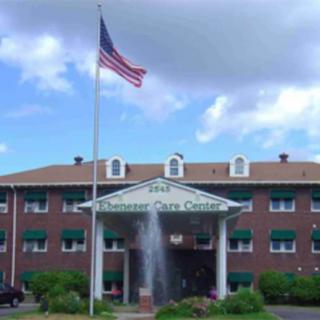
  • Ebenezer Care Center

    Ebenezer Care Center

    Minneapolis, MN

    4.2 from 10 reviews
     

    pro Initial tours showed safety and accessible activity areas.

  • Ebenezer Management Services

    Ebenezer Management Services

    Minneapolis, MN

    4.8 from 8 reviews
     

    pro Fully furnished apartments with 24/7 supervision and medication management

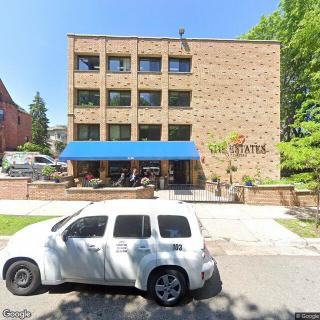
  • The Estates At Chateau

    The Estates At Chateau

    Minneapolis, MN

    3 from 24 reviews
    $3,600 / month

    pro Affordable private-room price with extensive on-site services.

Related Resources

  • va benefits for assisted livingAssisted Living Support for Veterans: A Complete and Detailed Overview

    The guide highlights the importance of assisted living facilities for aging veterans needing daily support, discusses unique challenges they face, and outlines available financial assistance from the VA, including the Aid and Attendance program. It emphasizes understanding eligibility criteria and navigating the VA system to access necessary benefits effectively.

  • assisted living vs skilled nursingExploring the Contrasts Between Assisted Living and Skilled Nursing

    The article compares assisted living and skilled nursing facilities, detailing their differing levels of assistance, medical support, cost structures, and day-to-day experiences. It emphasizes that assisted living is for those needing help with daily activities while maintaining independence, whereas skilled nursing facilities provide intensive medical care with 24-hour staff supervision.

  • when to move from assisted living to nursing home8 Key Indicators That Suggest It May Be Time to Transition from Assisted Living to Skilled Nursing Care

    The transition from assisted living to skilled nursing care is often prompted by complex medical needs that assisted living cannot meet, with key indicators including frequent health declines, increased falls, severe memory issues, and caregiver burnout. Families should recognize these signs early to discuss options with healthcare providers and prepare for the emotional and logistical aspects of moving to a facility that offers comprehensive medical support.