
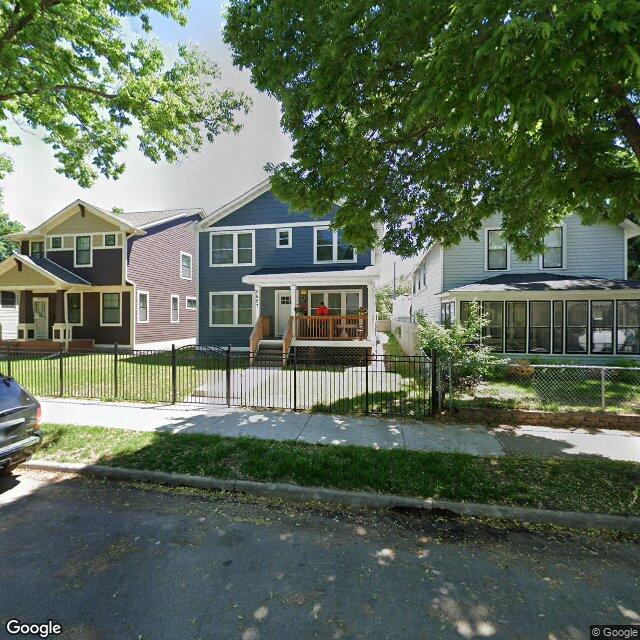
2527 14th Ave S, Minneapolis, MN 55404
To contact a resident: (612) 255-3110
For more information about senior living options: (866) 208-4318
Overall Review of A Helping Hand Senior Care Services
Pros
 The accommodations are very good.
- The staff members are positive, always there and eager to assist guests.
- There is always laughter and good food.
- Fatima, Jama, and their staff are welcoming and efficient.
- People love this place and miss everyone there.
Cons
 Staff members are accused of stealing medications from guests.
- Guests report being left alone and not cared for.
- A guest alleges staff sprayed their TV and refused to fix it.
- $400 went missing from a guest's room while they were hospitalized.
- Many staff are described as not understanding English well.
- Food quality is described as no food or very low quality, and cleanliness is poor with items often broken.
Review
This community is best suited for seniors who want a sociable, engagement-focused living environment where staff are accessible, friendly, and attentive to daily needs. It can feel welcoming and homey, with residents who enjoy laughter and good meals and caregivers who appear eager to service individual preferences. The strong positive experiences center on personal warmth from Fatima, Jama, and the team, and on accommodations that residents perceive as comfortable. Those who prize companionship, a lively atmosphere, and visible daily interaction will find value here. However, this is not a one-size-fits-all option.
Those who may want to consider alternatives are residents who require stringent reliability across three core areas: medication security, consistently high cleanliness and maintenance, and consistently fluent English-speaking staff across shifts. The most troubling experiences reported involve medication security concerns, missing cash, and perceived neglect in repairs or everyday oversight. Families prioritizing airtight safety protocols, predictable service quality, and clear communication should look for settings with verifiable incident-free records and more uniform staff language clarity. For residents with complex medical or cognitive needs requiring meticulous oversight, a facility with stronger fail-safes and standardized procedures may prove more suitable.
The key pros, welcoming staff, a warm social milieu, and pleasing meals, do provide meaningful ballast against some downsides. When staff members are genuinely eager to assist and create a positive atmosphere, residents feel seen and cared for, which can ease transition anxiety and support emotional well-being. Accommodations that look and feel comfortable contribute to daily satisfaction and can reduce the stress of moving. In a best-case scenario, these strengths keep social isolation at bay and help residents maintain a sense of dignity and routine. Yet these advantages only partially offset more troubling concerns, because warmth and good food cannot fully compensate for safety risks, reliability gaps, or ongoing maintenance shortcomings.
The concerns cited in resident and family feedback are not easily dismissed. Allegations of medication theft, unexplained losses, and unsettled repairs echo loudly in assessments of overall safety and trust. Language barriers and the impression that not all staff share a common command of English can complicate care planning, especially when clear instructions for meals, medications, and emergencies are essential. Cleanliness and broken or outdated fixtures likewise undermine day-to-day comfort and can escalate frustration for residents and families. Taken together, these issues erode confidence in consistent, dependable daily care, even when interpersonal warmth remains a real strength of the frontline team.
Given these dynamics, prospective residents who prize safety, reliability, and transparent operations should carefully weigh alternatives. If prioritizing strong guardrails around medications, regular housekeeping schedules, timely maintenance, and staff communication is non-negotiable, seek a setting with documented performance in these areas and proactive problem resolution. For families with the bandwidth to supervise and advocate, visits, check-ins, and ongoing feedback loops, the positives at this community can still offer meaningful value, particularly in terms of social engagement and the human touch of caregiving. The decision hinges on whether the social benefits happen to harmonize with robust operating controls.
Practical due diligence can tilt the balance decisively. Schedule an in-depth visit focused on staffing patterns, language support across shifts, and observable cleanliness. Request a tour of kitchens and dining areas to assess meal quality and food safety practices, and ask about recent maintenance requests and average response times. Speak with current residents and family members about how swiftly issues are resolved and what escalation pathways exist. Verify medication handling procedures, storage, and incident reporting, and request contact with the ombudsman or prior residents' families for candid insights. Consider a short trial period if offered, with explicit goals and a clear exit plan if expectations arenā€™t met. The right choice blends warm, attentive care with uncompromising assurances around safety, cleanliness, and reliability.
 Board and Care Home
 Minneapolis-St Paul International (6 miles away)

 Navigating the Tax Landscape of Caregiving: Credits, Deductions, and Beyond
 Highly Beneficial Low-Impact Exercises for Senior Living Residents
 Is In-Home Healthcare Tax Deductible? Your Comprehensive Guide