
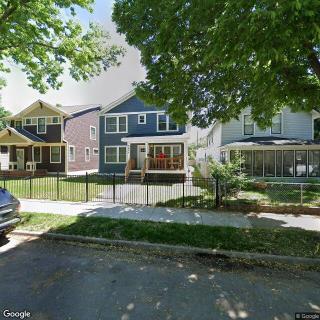
2521 12Th Avenue South, Minneapolis, MN 55404
For more information about senior living options: (866) 208-4318
Overall Review of Comfort Care Homes II
Cons
 The facility seems unclear about what's going on.
- One resident deals drugs and possesses firearms.
- A resident was seen hanging from the second-floor balcony and fell to the ground.
- The house is described as shady.
- The owners are suspected of taking money from the city or stealing city funds.
Review
Comfort Care Homes II in Minneapolis is not a fit for families prioritizing safety, transparency, and consistently solid governance. The best-suited audience is an extremely engaged set of families willing to supervise closely, demand routine oversight, and act quickly if concerns arise. For those unable to commit to that level of hands-on monitoring, this community should be given a wide berth. In practical terms, only those who can tolerate ongoing questions about safety and management, and who can devote substantial time to verifying operations, should consider Comfort Care Homes II. Absent that readiness, pursuing alternatives is the prudent path.
Anyone evaluating this facility should explicitly consider alternatives if reliability and risk management are non-negotiable. Prospective residents who require dependable safety protocols, transparent financial practices, and clearly documented incident response will likely find Comfort Care Homes II lacking. Families seeking a regulated, easily auditable environment with consistent staffing and robust oversight should look elsewhere. For seniors with higher medical or memory-care needs, the absence of demonstrated, verifiable safeguards becomes an even larger red flag, making other Minnesota providers a more sensible option.
In terms of potential upsides, the available feedback offers little to anchor confidence. If there are any advantages, such as a smaller, more home-like setting or a lower-cost footprint, they are not substantiated by credible evidence in the review. Those marginal positives do not counterbalance the core concerns raised. When evaluating a facility, the absence of verifiable strengths in the provider’s operations means the decision should tilt toward caution rather than optimism. The review leaves no solid pro-counterweight to the reported risks.
The main concerns cited are grave and deserve careful attention. The reviewer alleges illegal activity among residents, drugs and firearms, and questions the integrity of the ownership, suggesting financial impropriety or misappropriation of public funds. Additionally, a resident reportedly fell from a second-floor balcony, an event that signals potential lapses in supervision, safety controls, and risk management. While one account cannot establish fact, the gravity of these claims points to a governance and safety profile that many families will deem unacceptable. Taken together, these red flags create a risk landscape that outweighs any uncertain or speculative benefits of the setting.
For families still weighing options, a disciplined due-diligence playbook is essential. Verify the facility’s license status and inspect history with the Minnesota Department of Health, and request the latest inspection reports and any open or closed enforcement actions. Schedule in-person tours that include frank conversations with front-line staff, the administrator, and, where possible, current residents or their families. Probe staffing ratios, shift coverage, training records, and incident-reporting procedures. Demand a clear, written care plan for prospective residents and a transparent budget outlining fees, refunds, and any third-party contracts. Investigate security measures, safeguarding protocols, and how the facility handles emergencies. Finally, insist on references and a commitment to move promptly if red flags persist, because the combination of severe safety concerns and governance questions warrants decisive action.
In the end, Comfort Care Homes II should be approached with extreme caution. The reported issues create a risk profile that many families will judge unacceptable for a setting intended to protect vulnerable seniors. For most families, pursuing other Minneapolis options with proven safety records, independent oversight, and transparent governance remains the wiser course. If exploration proceeds, it must be tethered to stringent external validation, continuous monitoring, and a willingness to relocate at the first sign of trouble.
 4 resident community capacity
 Assisted Living
 Cable or satellite TV
 Dining room
 Fully furnished
 Garden
 Housekeeping services
 Move-in coordination
 Outdoor space
 Telephone
 Wi-Fi/high-speed internet available
 Minneapolis-St Paul International (6 miles away)
 24-hour supervision
 Activities of daily living assistance
 Assistance with bathing
 Assistance with dressing
 Assistance with transfers
 Diabetes diet
 Meal preparation and service
 Medication management
 Special dietary restrictions
 Transportation arrangement (medical)
 Transportation to doctors appointments
 Affordable rate with comprehensive care, meals, and daily activities.


 A Detailed Exploration of Assisted Living Medicaid Waivers Across the United States
 Comprehensive Residential Support and Assisted Living Solutions for Individuals with Disabilities
 Comprehensive Supportive Living Arrangements for Adults with Disabilities