
2527 14Th Avenue South, Minneapolis, MN 55404
For more information about senior living options: (866) 208-4318
Overall Review of A Helping Hand Senior Care Svc
Pros
 The accommodations are very good.
- The staff members are positive, always there and eager to serve guests.
- There is always laughter and good food.
- Fatima, Jama, and their staff are very welcoming and efficient.
- Guests love this place and miss everyone there.
Cons
 They say it is not a good place.
- The staff members allegedly stole their medications.
- They were left alone by staff.
- They claim staff tried to feed them raw meat.
- $400 went missing from their room while they were in the hospital.
- The staff sprayed their TV and refused to fix it.
- Most staff cannot even understand English.
- They advise that family members should be removed from the facility.
Review
A Helping Hand Senior Care Svc in Minneapolis is best suited for families seeking a warm, community-driven environment where attentive staff, everyday assistance, and engaging social life are the core strengths. The reviews consistently highlight a homey atmosphere, dependable personnel, and a culture of hospitality, with staff like Fatima and Jama singled out for being welcoming and efficient. Residents who value regular interaction, good meals, and a sense of laughter and companionship will find this option appealing. It is a practical choice for those who want practical help with daily tasks delivered in a friendly, less clinical setting. Those looking primarily for top-tier clinical care, rigorous security protocols, or highly standardized systems may find the fit less ideal.
Those families should consider alternatives if safety, medication security, and unambiguous communication are non-negotiable. The strongest caution from the mixed feedback centers on accountability and language barriers: a review describes medication theft, missing cash, and a damaged TV with unresponsive fixes, alongside concerns about English fluency among staff. While this represents a single, explicit negative experience, it signals the importance of validating a facility’s incident-response procedures, monitoring systems, and staff language support before placing a loved one here. For residents who require consistent bilingual communication and tightly controlled medication handling, other communities may offer more transparent safeguards and documented processes.
The positive elements, accommodations that feel respectable, staff who are routinely described as helpful and present, and a social environment with good food, constitute meaningful advantages. When daily needs are met with efficiency and warmth, residents typically experience less loneliness, steadier routines, and a sense of belonging. The recurring praise for Fatima, Jama, and the team implies reliable daytime coverage and an approachable culture, which can translate into easier care coordination for families and reduced caregiver stress. In practical terms, these strengths can offset routine maintenance or scheduling frictions by providing a consistently uplifting daily rhythm and accessible support during meals, activities, and customary care tasks.
However, the main cons require careful scrutiny. The alleged medication theft and financial loss strike at the heart of trust in a care setting, and any suspected lapse in addressing such incidents can erode confidence quickly. Language barriers compounded by reports of limited English proficiency among staff raise questions about the clarity of instructions, consent, and safety communications, factors that are non-negotiable for memory care or complex medical needs. Maintenance and responsiveness to problems, such as damage to personal equipment, must also be reliably demonstrated rather than episodic. These concerns do not negate the value of the positive experiences but they do demand thorough due diligence before decisions hinge on placement.
A practical decision framework is essential. Prospective families should schedule an in-depth tour focused on safety practices, medication administration workflows, incident reporting, and staff training standards. Request a tour of the facility’s secured areas, a review of incident logs, and copies of current policies on safeguarding residents’ belongings and resolving maintenance issues. Speak directly with several residents and their families to corroborate the day-to-day realities, and verify licensing status and any formal complaints or corrective actions. Gathering corroborating data builds a clear picture of whether the positives can consistently outpace the potential risks.
In the end, A Helping Hand Senior Care Svc offers a compelling blend of warmth, social engagement, and dependable daytime assistance that can deliver meaningful quality-of-life gains for many residents. Yet the red flags around safety, medication handling, and communication cannot be dismissed. If proximity to family, a lively, person-centered environment, and reliable staff presence are the priority, and a rigorous vetting process can be completed to confirm safeguards, this community can be a strong match. If, instead, safety certainty, transparent accountability, and seamless multilingual communication are essential, exploring alternatives with stronger documented safeguards is the prudent course.
 21 resident community capacity
 Assisted Living
 Beauty salon
 Cable or satellite TV
 Dining room
 Fully furnished
 Garden
 Housekeeping services
 Kitchenette
 Move-in coordination
 Outdoor space
 Telephone
 Wi-Fi/high-speed internet available
 Minneapolis-St Paul International (6 miles away)
 24-hour call system
 Activities of daily living assistance
 Assistance with bathing
 Assistance with dressing
 Assistance with transfers
 Diabetes diet
 Meal preparation and service
 Medication management
 Mental wellness program
 Special dietary restrictions
 Transportation arrangement (medical)
 Transportation to doctors appointments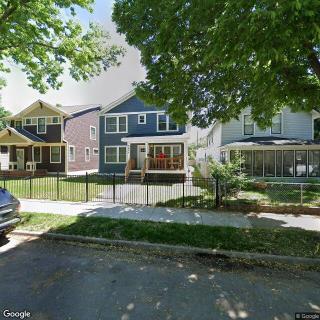


 Vibrant Senior Living: A Comprehensive Guide for Active Older Adults
 When to Transition from Assisted Living to Memory Care: Key Indicators, Steps, and Finding the Right Community
 Assisted Living and Memory Care: Understanding Their Core Differences