
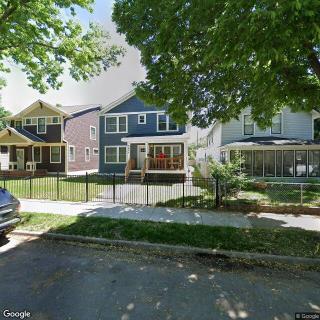
2437 15Th Avenue South, Minneapolis, MN 55404
For more information about senior living options: (866) 208-4318
Overall Review of Kubra Home Care
Cons
 Some residents steal from other clients.
- One resident is described as very disrespectful.
- A resident allegedly tried breaking down a door.
- The group home has a cockroach infestation; cockroaches are everywhere.
- The manager cannot get rid of the roaches, and the house is old yet still infested.
- The manager allegedly writes residents up and evicts them after three write-ups.
- The staff are described as unprofessional, and eviction policies seem at odds with group-home laws.
Review
Kubra Home Care in Minneapolis is best suited for residents who can tolerate a low-budget, tightly managed group-home environment where the emphasis is on basic supervision rather than consistent safety and comfort. The dynamics described point to a setting that only remains viable if expectations are modest: limited cleanliness, uneven enforcement of rules, and a willingness to endure recurring disturbances as the cost of admission. Families weighing options should recognize that this choice does not promise the steady, professional standard associated with more established assisted living facilities. It functions more like a last-resort baseline alternative for individuals with nowhere else to go who can endure ongoing uncertainty.
Safety and behavior concerns dominate the narrative. Reported theft by fellow clients and a disruptive resident who allegedly tried to break down a door create a climate of insecurity. The impression is that management does not intervene decisively when conflicts or potentially criminal behavior arise. For families, this signals a real risk that belongings cannot be reliably protected and personal security may depend on chance rather than clear policies or prompt responses. In a senior care setting, such gaps are not a minor nuisance; they are significant risk factors that erode daily living and peace of mind. Prospective residents should reject environments where staff response to disturbances is slow or ineffective.
Cleanliness and pest control are chronic red flags. Cockroaches are described as a persistent presence, with the house labeled as infested despite attempts to exterminate. An aging structure compounds the problem, suggesting maintenance and upkeep may lag behind basic standards. In a living arrangement catering to seniors or adults needing supervision, ongoing infestations are more than a nuisance; they raise health concerns and undermine dignity in daily life. Families should demand environments where pest management is reliable and transparent, not a recurring afterthought.
Management credibility emerges as a central fault line. The reviewer characterizes the manager as unresponsive, with eviction reportedly used after multiple write-ups. That combination, unprofessional conduct, weak enforcement of rules, and housing insecurity driven by punitive steps, creates a climate of fear rather than stability. In a group-home context, residents rely on predictable processes to protect rights and safety; here, the system appears to operate more as a gatekeeping mechanism than a supportive framework. The risk of sudden displacement looms, and that reality cannot be dismissed as a minor inconvenience.
Pros and cons do not balance in favor of this community. The information available offers little in the way of genuine advantages: no clear evidence of responsive administration, clean living spaces, or reliable accountability. The significant cons, theft risk, resident aggression, pest infestations, aging infrastructure, and eviction-driven uncertainty, vastly exceed any potential benefits such as companionship, routine, or supervision that a group-home model might offer in theory. This is not a place to anchor long-term plans. When confronted with such a profile, the weight of risk tips decisively toward seeking alternatives with stronger governance, better pest management, and clearer resident protections.
For families navigating the decision, actionable next steps are essential. Visit multiple facilities and demand current pest-control records, incident logs, and a transparent eviction policy. Ask about staff-to-resident ratios, on-site maintenance response times, and formal complaint procedures with independent review where possible. Seek facilities with verified licensure and a track record of safety, cleanliness, and respectful treatment. Consider other group homes or assisted-living options that demonstrate consistent handling of conflicts, proactive housekeeping, and dependable rules enforcement. In short, for peace of mind and practical daily living, this particular option should be excluded unless extensive improvements are demonstrated and verified prior to move-in.
 4 resident community capacity
 Assisted Living
 Cable or satellite TV
 Dining room
 Fully furnished
 Garden
 Housekeeping services
 Move-in coordination
 Outdoor space
 Telephone
 Wi-Fi/high-speed internet available
 Minneapolis-St Paul International (6 miles away)
 24-hour supervision
 Activities of daily living assistance
 Assistance with bathing
 Assistance with dressing
 Assistance with transfers
 Diabetes diet
 Meal preparation and service
 Medication management
 Special dietary restrictions
 Transportation arrangement (medical)
 Transportation to doctors appointments
 24/7 supervision and ADL assistance with coordinated healthcare, medication management, mental wellness program, and fully furnished living with meal service.


 Securing Financial Support for Assisted Living: A Comprehensive Overview
 Social Security Benefits and Assisted Living: Navigating Options Across the U.S.
 An Extensive Exploration of the VA Aid and Attendance Benefit