Residents describe caregivers who are professional, friendly, and genuinely caring.
Across the reviews, families and patients consistently talk about staff who show up with kindness and competence. Multiple reviewers specifically praise nurses, therapists, and other team members for being attentive, encouraging, and respectful during recovery or home health visits. A few reviewers also mention that staff coached them through exercises and communicated in a way that felt supportive.
common25 reviews mention this
PT and OT help recovery
PT and OT support is a central part of the experience for many residents.
Several reviews highlight progress tied to physical therapy and occupational therapy, including help with exercises and building back abilities after surgery or hospital stays. Reviewers describe therapists taking time with goals, explaining what to work on, and adjusting support as needs changed. Some also mention additional roles like social work support and coordination around therapy needs.
caveat4 reviews mention this
Communication and scheduling can fail
Some reviews report breakdowns in follow-up, scheduling, or communication.
A small set of reviews describe problems getting timely contact and reliable scheduling. One family says there was no follow-up for days and later calls and intake didn’t lead to the help they expected. Another review says providers arrived without warning and that phone communication became frustrating when trying to get information. There is also a review expressing that reaching out for help did not go well.
common2 reviews mention this
Personal care and bath support stand out
Personal-care support, including bath help, is called out positively by reviewers.
Two reviews specifically describe a bath aide who showed patience and genuine care during visits. Other reviewers also reference respectful help around daily needs and personal care during recovery at home, aligning with the community’s focus on ADL assistance. Taken together, the personal-care experience comes through as a meaningful part of why families felt supported.
How we summarize
Counts show how many written reviews mention each theme; a review can touch several themes, and only frequently mentioned themes are displayed.
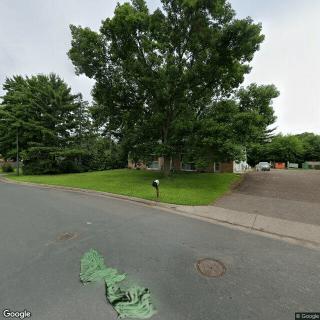
Kindred At Home IV is located at 7101 Northland Circle Ste 5101, Brooklyn Park, MN 55428 in Hennepin County, Minnesota
Nearby Communities
Kindred At Home
Brooklyn Park, MN
4.5 from 39 reviews
Small, intimate community with personalized care and comprehensive services (24-hour supervision, ADL assistance, meals, diabetes diet) and furnished apartments.
Empowerment Healthcare
Brooklyn Park, MN
2.5 from 8 reviews
24/7 supervision with comprehensive care and on-site amenities.
Empowerment Healthcare 7
Brooklyn Park, MN
2.5 from 8 reviews
Intimate small-community with 24/7 supervision and comprehensive care.
24 Seven Home Care
Brooklyn Park, MN
Fully furnished with extensive amenities, 24/7 supervision, transportation for medical needs, and active social programs.
Empowerment Healthcare 4
Brooklyn Park, MN
2.5 from 8 reviews
Intimate, well-equipped assisted living with comprehensive on-site care and amenities.
Empowerment Healthcare Rylee's
Brooklyn Park, MN
2.5 from 8 reviews
Personalized care with emphasis on diabetic care
The Residence at North Ridge
New Hope, MN
4 from 81 reviews
$1,700 to $2,200 / month
Caring staff and a strong resident community; clean, welcoming environment.
Silvercreek On Main
Maple Grove, MN
4.5 from 112 reviews
Friendly staff, a welcoming environment, and a wide range of on-site amenities supporting an active lifestyle.
Urbana Place Senior Living
Brooklyn Park, MN
4.4 from 65 reviews
$3,400 to $4,900 / month
Attentive staff and a welcoming, activity-rich community.
Transitioning from assisted living to memory care is driven by an individual's cognitive decline and specific needs, requiring careful evaluation of indicators like increased confusion and wandering. The process involves consulting medical professionals, researching suitable communities, considering financial and legal aspects, and ensuring effective communication for personalized care plans.
Assisted living provides moderate support for seniors seeking independence, while memory care offers specialized support for individuals with dementia or cognitive impairments through structured routines and trained staff. Key differences include care approaches, environment security measures, staff training levels, activity types, and cost considerations.
Assisted living communities offer diverse activities beyond traditional games to enhance seniors' physical health, cognitive well-being, emotional enrichment, and social connections, including fitness classes, creative expression, and intergenerational interactions. These enriching programs foster community bonds and support residents' independence and happiness.
Get PricingAsk A QuestionSchedule A TourContact Senior Advisor
By clicking submit, you agree to our Partner's Terms of Use. You
also consent to receive calls and texts, which may be autodialed, from our Partner. Your consent is not a condition to
using our Partner's service. Please visit our Partner's Privacy Policy for information about their privacy practices.

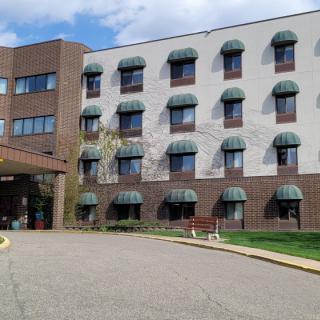
 21 resident community capacity
 Assisted Living
 Beauty salon
 Cable or satellite TV
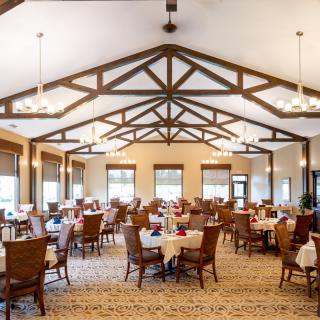
 Dining room
 Fully furnished
 Garden
 Housekeeping services
 Kitchenette
 Move-in coordination
 Outdoor space
 Restaurant-style dining
 Small library
 Telephone
 Wi-Fi/high-speed internet available
 Minneapolis-St Paul International (16 miles away)
 24-hour call system
 Activities of daily living assistance
 Assistance with bathing
 Assistance with dressing
 Assistance with transfers
 Diabetes diet
 Medication management
 Mental wellness program
 Special dietary restrictions
 Small, intimate community with personalized care and comprehensive services (24-hour supervision, ADL assistance, meals, diabetes diet) and furnished apartments.
 When to Transition from Assisted Living to Memory Care: Key Indicators, Steps, and Finding the Right Community
 Assisted Living and Memory Care: Understanding Their Core Differences
 Beyond the Bingo Hall: 50+ Enriching Activities for Seniors in Assisted Living