
7825 Modern Road, Brooklyn Park, MN 55428
For more information about senior living options: (866) 208-4318
Overall Review of Empowerment Healthcare 7
Pros
 Steve does a good job.
- Steve goes out of his way to help every resident and is always available when needed.
- Empowerment/Hidden Creek's atmosphere is consistently impressive.
- The homes are clean, and the caregivers appear to be engaged with the clients.
- The administrative staff are very involved in day-to-day operations and are a joy to work with.
- Empowerment/Hidden Creek ranks in the top 25% of facilities.
- Roger and his team deliver essential assisted living services for the mentally ill.
- The team consists of dedicated and passionate professionals who genuinely care for residents' well-being.
Cons
 The company is described as deplorable, with care that is almost inhumane.
- From top to bottom, no one cares about mistreatment of clients.
- There is overbilling, noncompliance, undocumented employees, and outright neglect.
- The reviewer felt compelled to resign after reporting mistreatment to management and HR.
- The facility is understaffed and lacks proper training.
- Medications are handed out without supervision, allowing residents to take extra meds.
- The company pays poorly and cheats employees and clients on housing and adequate staffing.
- Residents are not fed adequately and there are no activities as claimed on the website.
- The reviewer was assaulted by another resident and was thrown out.
Review
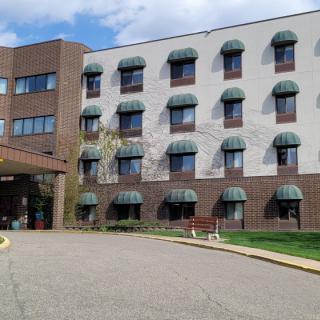
Empowerment Healthcare 7 in Brooklyn Park is best suited for families that want a facility where leadership is visible and operations feel personal, and for residents who respond well to a cleaner, home-like environment with caregivers who appear engaged. The on-site management, notably Steve, is highlighted as accessible and responsive, which can translate into quicker problem resolution and a sense of accountability on a day-to-day basis. That said, this community is not ideal for households seeking ironclad safety, consistently robust staffing, or flawless care. For families needing stringent oversight, reliable med administration, predictable meals, and a steady, well-structured activities program, alternatives should be actively considered.
On balance, the strongest positives center on leadership presence and environmental upkeep. Multiple accounts commend a manager who makes himself available and a setting described as clean with caregivers who seem involved. An external service provider also notes an engaged administrative layer and care standards reflected in daily practice. A separate positive thread emphasizes a team of dedicated professionals who genuinely care about residents’ well-being. These elements can produce real, tangible comfort in ordinary days and can help avert minor slips through clearer communication and hands-on supervision.
Yet the caveats are substantial and repeatedly echoed in the reviews. Chronic understaffing, limited training, and reports of inconsistent or unsafe medication handling appear as core concerns. Several critics allege mismanagement of payroll and housing or staffing disclosures, and there are troubling claims about neglect and inadequate food service. Disturbingly, there is at least one account of assault followed by removal from the community. Taken together, these themes point to systemic risk if the facility cannot maintain reliable staffing, rigorous training, and transparent, enforceable care protocols.
Those pros do not fully offset the main drawbacks. A clean environment and a responsive manager can help, but without consistent staffing and dependable medication oversight, daily safety and quality of life can deteriorate quickly. When staff-to-resident ratios are not solid, even well-intentioned caregivers struggle to supervise medications, monitor health changes, and deliver consistent meals and meaningful activities. The gap between the favorable anecdotes and the severe allegations creates a high-variance experience: some weeks may feel adequate, others unsafe. For families facing medical or cognitive needs, that inconsistency becomes a decisive flaw.
Decision-making should be guided by hard safeguards and concrete benchmarks. Prospective residents’ families should demand documented medication protocols, clear staffing ratios, ongoing training programs, and regular, third-party audits of care practices. Transparent billing, housing standards, and staffing records are essential, with a plan in place to address any deviation immediately. If these safeguards are not readily verifiable, pursuing alternatives with stronger regulatory track records and longer histories of compliant operation is prudent. For residents with complex mental health or behavioral needs, or for those requiring robust daily programming, screening several facilities for stability and measurable outcomes is essential.
In the end, Empowerment Healthcare 7 presents a mixed profile: moments of practical stability and visible leadership, shadowed by serious concerns about staffing, supervision, and care integrity. It is a viable option only for families who can actively supervise care, insist on stringent standards, and tolerate variability in day-to-day experiences. For anyone prioritizing dependable safety, consistent staffing, and proven compliance, a well-regarded alternative with a stronger track record is the wiser path. Prepare to demand specifics, arrange multiple visits, and maintain an explicit contingency plan; only then can this community be weighed with a realistic sense of what daily life would truly be like.
 4 resident community capacity
 Assisted Living
 Cable or satellite TV
 Dining room
 Fully furnished
 Garden
 Housekeeping services
 Move-in coordination
 Outdoor space
 Telephone
 Wi-Fi/high-speed internet available
 Minneapolis-St Paul International (16 miles away)
 24-hour supervision
 Activities of daily living assistance
 Assistance with bathing
 Assistance with dressing
 Assistance with transfers
 Diabetes diet
 Meal preparation and service
 Medication management
 Special dietary restrictions
 Transportation arrangement (medical)
 Transportation to doctors appointments




 Comprehensive Insights into Activities of Daily Living (ADLs) and Their Assessment
 Medicare Coverage for Assisted Living: An In-Depth Exploration
 Your Comprehensive Guide to Luxury Assisted Living: Elevated Facilities, Amenities, and Costs