
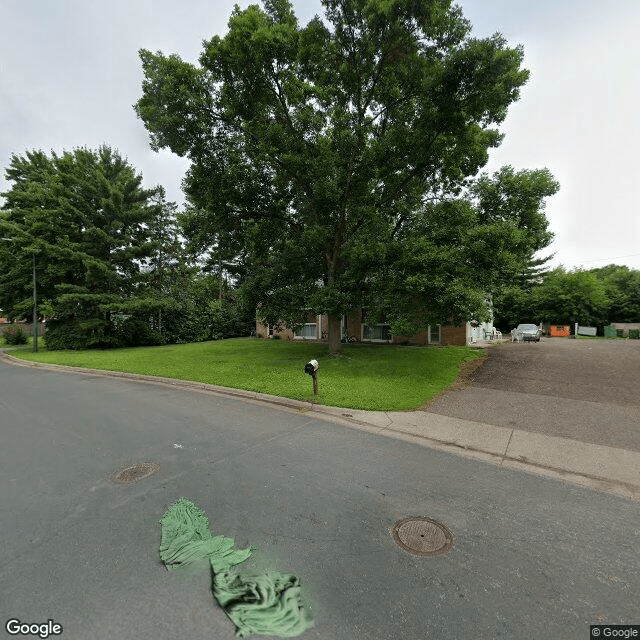
7517 69th Avenue North, Brooklyn Park, MN 55428
To contact a resident: (952) 848-0935
For more information about senior living options: (866) 208-4318
Overall Review of Empowerment Healthcare Rylee's
Pros
 Steve is praised for doing a good job and for going out of his way to help every resident, always being available when needed.
- The atmosphere at Empowerment/Hidden Creek facilities is consistently impressive.
- The homes are clean and well maintained.
- Caregivers appear to be engaged with the clients.
- The administrative staff are very involved in day-to-day operations and a joy to work with.
- The standards set by the facility, and the care and concern for clients' needs are well demonstrated.
- Roger and his team are working hard to deliver essential assisted living services for the mentally ill.
- The team comprises dedicated and passionate professionals who genuinely care for residents' well-being.
Cons
 The reviewer calls the company the most deplorable they've ever witnessed for client care and warns to keep loved ones out of these facilities.
 - They allege overbilling, noncompliance, undocumented employees, and neglect of clients.
- They claim mistreatment occurs from top to bottom and that no one cares.
- They report resigning after reporting mistreatment due to guilt and retaliation.
- They describe understaffing and lack of training, with unmonitored medication administration.
- They state the company pays poorly and cheats employees and clients on housing and staffing.
- They recount being assaulted by another resident and being thrown out.
- They claim there are no activities despite what the website says.
Review
Empowerment Healthcare Rylee's in Brooklyn Park is best suited for families that are prepared to stay actively involved and advocates for a loved one’s care, and for residents who can tolerate a lean operation in exchange for lower cost. This setting offers a supervised, community-oriented environment focused on daily living support rather than comprehensive medical oversight. It is not the right fit for anyone who depends on consistently high-touch care, meticulous medication management, or robust programming and meals delivered with reliability.
The few clear positives show up in a responsive on-site presence and observable day-to-day engagement. A manager who is accessible and helpful can make a meaningful difference in routine moments, and some providers note clean, cared-for homes with caregivers who appear engaged. Administrative involvement, when it occurs, can translate into smoother coordination of services and a sense that attention to residents’ needs is not merely perfunctory. These elements matter, but they are not a substitute for systemic reliability.
However, the core realities are troubling enough to temper any optimism. The operation is repeatedly described as understaffed, with insufficient training that leaves caregivers without consistent guidance. Medication management becomes a frequent flashpoint, with concerns about out-of-date or unsupervised administration and even accounts of extra meds or misplacement. The risk to residents rises where supervision is inconsistent, and incidents where staff feel unsupported or set up raise questions about accountability and safety. A serious injury and an eviction tied to safety and policy gaps underscore that daily risk is more than theoretical.
Compounding the care fragility are governance and compensation concerns that color every interaction. Reports of improper tax filings, underpayment of staff, and broader questions about housing adequacy and staffing levels point to a business model that seems to prize cost containment over resident protection. When cost-cutting intersects with claims of mistreatment or neglect, the likelihood of sustained quality declines increases. Even positive anecdotes from a minority of staff or providers cannot erase the impression of an unstable, profit-driven operation.
From the resident experience standpoint, promises of programming and engagement often clash with the actual offerings. Some days may deliver clean spaces and basic supervision, but others reveal limited meals, scant activities, and insufficient opportunities for meaningful interaction. For families evaluating options, these inconsistencies make it clear that this community cannot reliably deliver the transformative, well-rounded living environment that many seniors and caregivers seek. Vibrant programming, consistent nutrition, and dependable oversight are not guaranteed.
In decision-making terms, this community should be considered a last-resort option unless a concrete improvement plan is presented and verifiable. Those exploring alternatives should compare with facilities known for stronger staffing models, transparent billing, and proven governance. Before making any placement, demand current staffing ratios, review recent licensing and inspection records, request to observe medication routines, and speak with multiple residents or families about day-to-day life. If those assurances can’t be documented, steering toward a more stable operator is prudent to protect safety, dignity, and long-term well-being.
 Assisted Living
 Board and Care Home
 Activities on-site
 Devotional services off-site
 Indoor common areas
 Minneapolis-St Paul International (16 miles away)
 Ambulatory care
 Diabetic care
 Meals provided

 A Detailed Exploration of Assisted Living Medicaid Waivers Across the United States
 Comprehensive Residential Support and Assisted Living Solutions for Individuals with Disabilities
 Comprehensive Supportive Living Arrangements for Adults with Disabilities