Blaire House of Tewksbury Assisted Living Costs & Pricing
Blaire House of Tewksbury Assisted Living offers competitive pricing for its residents, with monthly costs that reflect both the quality of care and accommodations available. The rates for a semi-private room are set at $5,271, which is notably lower than the Middlesex County average of $6,395, although slightly above the state average of $5,805. For those seeking a studio apartment, Blaire House charges $5,668, again providing a price point that is in line with regional standards but still slightly higher than the county's average of $5,867 and significantly below the state's rate of $5,312. Lastly, the cost for a one-bedroom unit stands at $6,828 - higher than both the county and state averages of $5,920 and $5,349 respectively. This structure illustrates Blaire House's commitment to offering a range of options that cater to different needs and preferences while remaining mindful of community pricing trends.
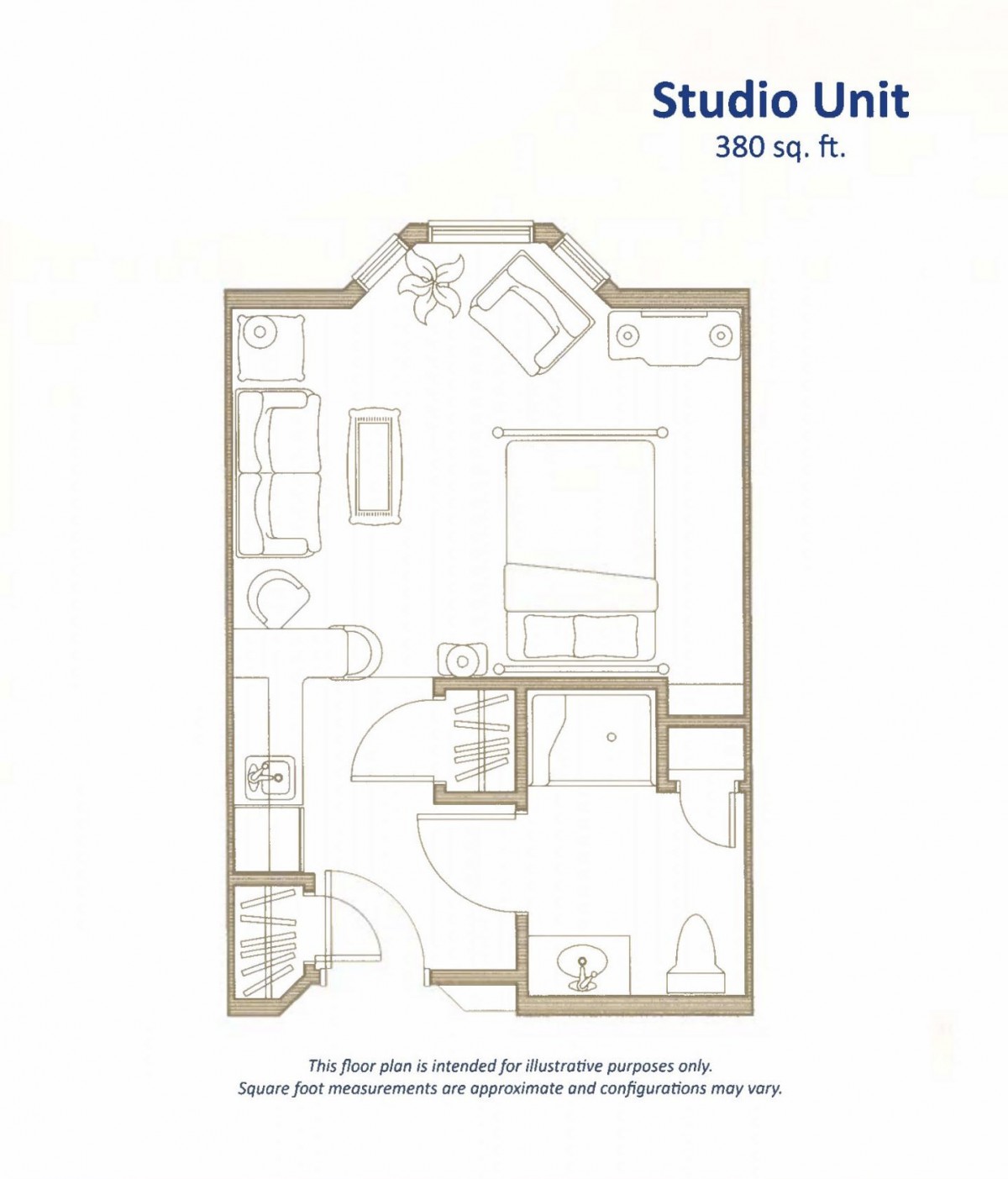
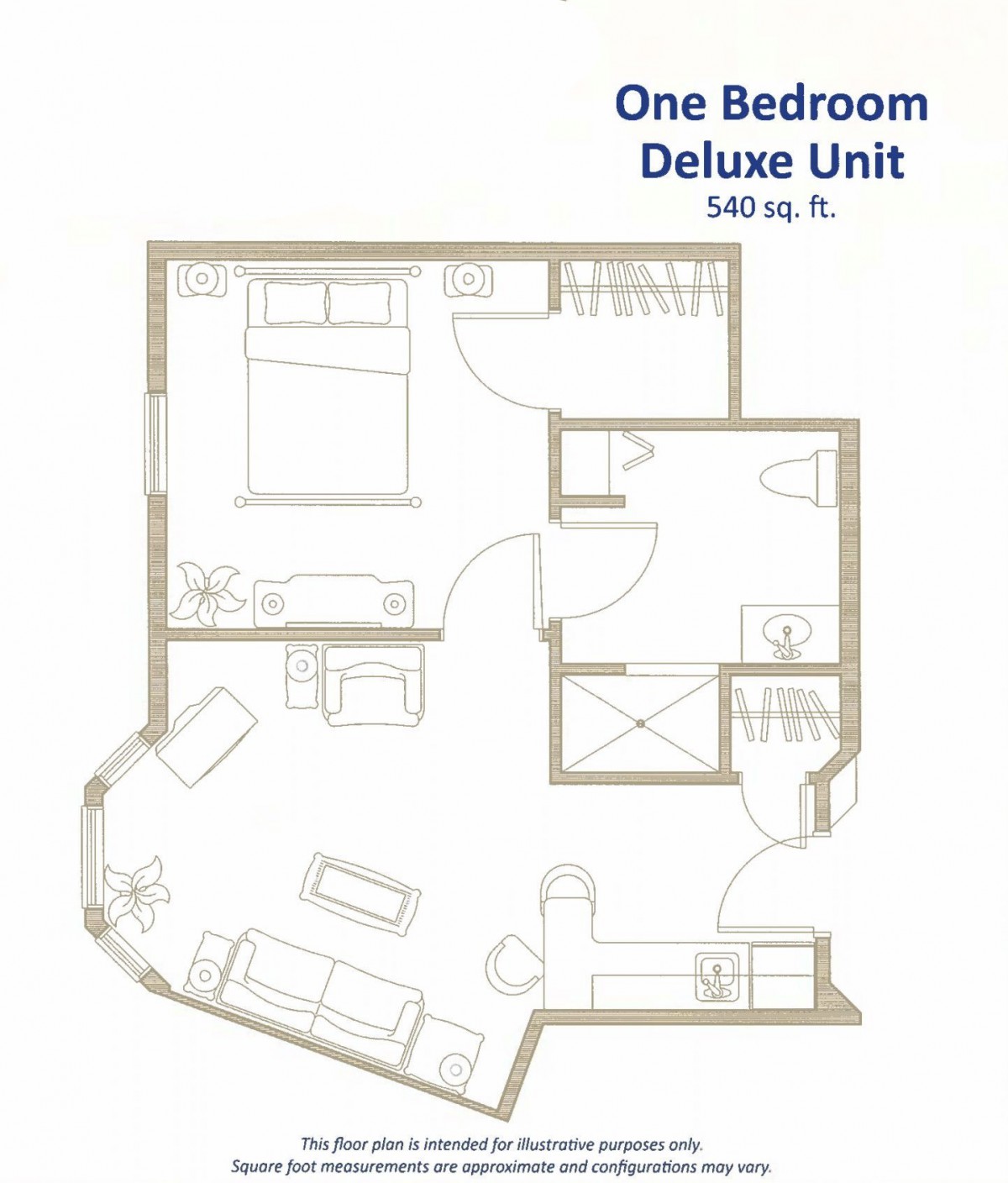
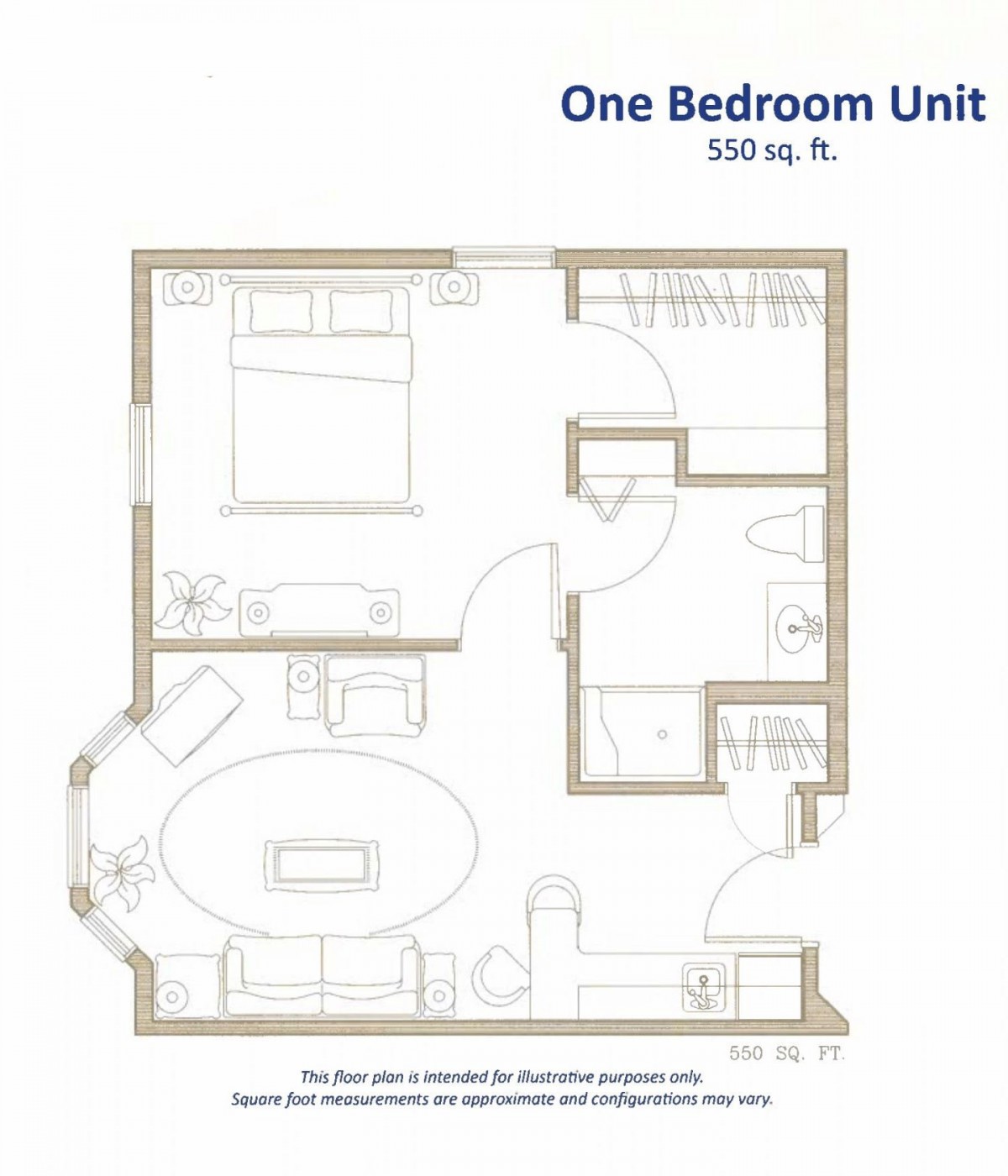
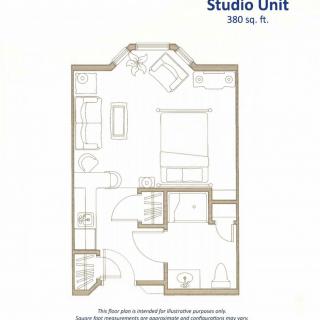
Floor plans
Blaire House of Tewksbury Assisted Living
Middlesex County
Massachusetts
Semi-Private
$5,271
$6,395
$5,805
Studio
$5,668
$5,867
$5,312
1 Bedroom
$6,828
$5,920
$5,349
Memory care communities with a similar price nearby
from -$1011 / mo
Langdon Place of Nashua , A Senior Living Community
Overall Review of Blaire House of Tewksbury Assisted Living
common24 reviews mention this
Staff feel caring and responsive
Residents and families describe staff as caring, attentive, and available with concerns.
Across many reviews, families say staff are warm, attentive, and quick to respond to questions. Several residents are described as receiving consistent, professional care, with frequent check-ins and communication when health changes happen. A few reviewers also describe an especially gentle approach in memory care and end-of-life moments, along with staff who engage socially and keep routines meaningful.
differentiator4 reviews mention this
Care options support transfers
The community’s care setup is described as able to support transfers when needs change.
Some reviewers mention a skilled nursing/VA-approved nursing home option on-site as a backup if a resident needs to move to a higher level of care. Others describe the availability of a nursing home side so residents can be transferred if needed, rather than starting over with a new facility. One review also points to prearranged transportation to medical facilities, which reinforces the idea that medical access is built into care planning.
common8 reviews mention this
Facility and rooms stay well kept
Multiple reviews describe the building as clean and well maintained.
Several reviewers describe the facility as clean, well maintained, and in good shape. Others mention pleasant grounds and an overall cared-for environment, including rooms that feel maintained and functional. There are also a couple of contrasting experiences, including one review that criticized cleanliness and upkeep, but overall cleanliness comes up repeatedly.
common6 reviews mention this
Activities help residents stay engaged
Reviews describe daily life with activities and scheduled social time.
Multiple reviews highlight involvement in activities, including religious services, exercise-related offerings, and group get-togethers. One reviewer who works in activities describes making residents laugh and building close relationships, while another describes staff trying to get a loved one engaged even when participation varies. Community social routines also come up, including recurring gatherings organized by leadership.
caveat4 reviews mention this
COVID handling and communication varied
Some reviews raise concerns about COVID communication and coordination.
A few reviewers describe how the community modified visits and emphasized cleaning during COVID. At the same time, at least one family member reports concerns about communication during a period with multiple nursing center cases and says they did not receive the information they expected. Another review notes activities were stopped during COVID but previously had included church and exercise-style events, which adds context to how routines changed.
How we summarize
Counts show how many written reviews mention each theme; a review can touch several themes, and only frequently mentioned themes are displayed.
Features
Types of Care
Assisted Living
Memory Care
Pets
Cats allowed
Amenities
Activities off-site
Activities on-site
Air-conditioning
Beautician on-site
Cable or satellite TV
Devotional services off-site
Devotional services on-site
Garden view
Ground floor units
Handicap accessible
Indoor common areas
Kitchenette
Outdoor common areas
Private bathrooms
Respite or short term stays offered
Wheelchair accessible showers
Wi-Fi/high-speed internet available
Transportation
Gen Edw L Logan International (21 miles away)
Manchester (24 miles away)
Care Services
Ambulatory care
Diabetic care
Incontinence care
Medication management
Dining
Gluten-free
Guest meals
Low / no sodium
Meals provided
No Sugar
Restaurant style dining
Room service
Special dining programs
Vegan
Vegetarian
Activities
Art classes
Bible study group
Catholic services
Cooking classes
Devotional activities offsite
Devotional activities on-site
Educational speakers / life long learning
Jewish services
Other religious services
Protestant services
Visiting chaplain or priest
Nearby Places of Interest
Located in Tewksbury, Massachusetts, this area offers a convenient and accessible environment for senior living. With Tewksbury Hospital nearby for any medical needs, as well as Lawrence General Hospital just a short drive away, residents have easy access to healthcare services. There are several pharmacies in the vicinity, making it convenient to pick up prescriptions. For dining options, there are various restaurants ranging from fast food chains like McDonald's and Burger King to sit-down establishments like Cracker Barrel and Piezano's Pizza. In terms of healthcare providers, there are reputable physicians and specialists within a few miles radius. For leisurely activities, parks such as Ward Reservation and Friendship Park offer opportunities for outdoor recreation. Overall, this part of Tewksbury provides essential amenities and services for seniors looking for a comfortable and convenient living environment.
Hospitals
Tewksbury Hospital (1.3 miles)
Lawrence General Hospital (8.2 miles)
Pharmacies
Walmart Pharmacy (1.5 miles)
Demoulas Super Markets (2.4 miles)
CVS Pharmacy (2.6 miles)
Walgreens (2.7 miles)
CVS Pharmacy (3.2 miles)
Walgreens (3.4 miles)
Walgreens (4.2 miles)
Restaurants
Subway (1.6 miles)
Burger King (1.7 miles)
Cracker Barrel (2.1 miles)
McDonald's (2.1 miles)
McDonald's (2.2 miles)
McDonald's (2.4 miles)
Piezano's Pizza (3.3 miles)
Physicians
Massachusetts Eye Associates (1.9 miles)
Harvard Vanguard Medical Associates (4.4 miles)
Allergy & Asthma Specialists, PC (5.5 miles)
Mark Gilchrist, MD (5.6 miles)
Chelmsford Dermatology (5.6 miles)
Massachusetts Eye Associates (5.6 miles)
Global Care Group MD (6.1 miles)
Cafes
Aroma Joe's (2.1 miles)
Perfecto's Caffe (2.5 miles)
Heav'nly Donuts (3.4 miles)
Starbucks (6.2 miles)
Starbucks (7.1 miles)
Panera Bread (7.3 miles)
Starbucks (7.4 miles)
Transportation
Ballardvale Mbta Station (5.7 miles)
Places of Worship
La Iglesia De Jesucristo De Los Santos De Los Últimos Días (6.8 miles)
Blaire House of Tewksbury Assisted Living offers competitive pricing for its residents, with monthly costs that reflect both the quality of care and accommodations available. The rates for a semi-private room are set at $5,271, which is notably lower than the Middlesex County average of $6,395, although slightly above the state average of $5,805. For those seeking a studio apartment, Blaire House charges $5,668, again providing a price point that is in line with regional standards but still slightly higher than the county's average of $5,867 and significantly below the state's rate of $5,312. Lastly, the cost for a one-bedroom unit stands at $6,828 - higher than both the county and state averages of $5,920 and $5,349 respectively. This structure illustrates Blaire House's commitment to offering a range of options that cater to different needs and preferences while remaining mindful of community pricing trends.
Medication management is crucial for residents with dementia or Alzheimer's, as it ensures that individuals receive their prescriptions consistently and correctly, minimizing the risk of missed doses or harmful interactions. This structured approach not only supports cognitive function but also alleviates caregiver stress, allowing families to focus on quality time with their loved ones rather than medication logistics. Incontinence care complements this by providing dignity and comfort to residents who may struggle with this aspect of daily living. Tailored assistance in personal hygiene and appropriate product use helps maintain a clean and respectful environment, promoting emotional well-being while safeguarding against potential health issues related to incontinence. Together, these features foster a supportive atmosphere that recognizes and addresses the unique challenges faced by those living with cognitive impairments.
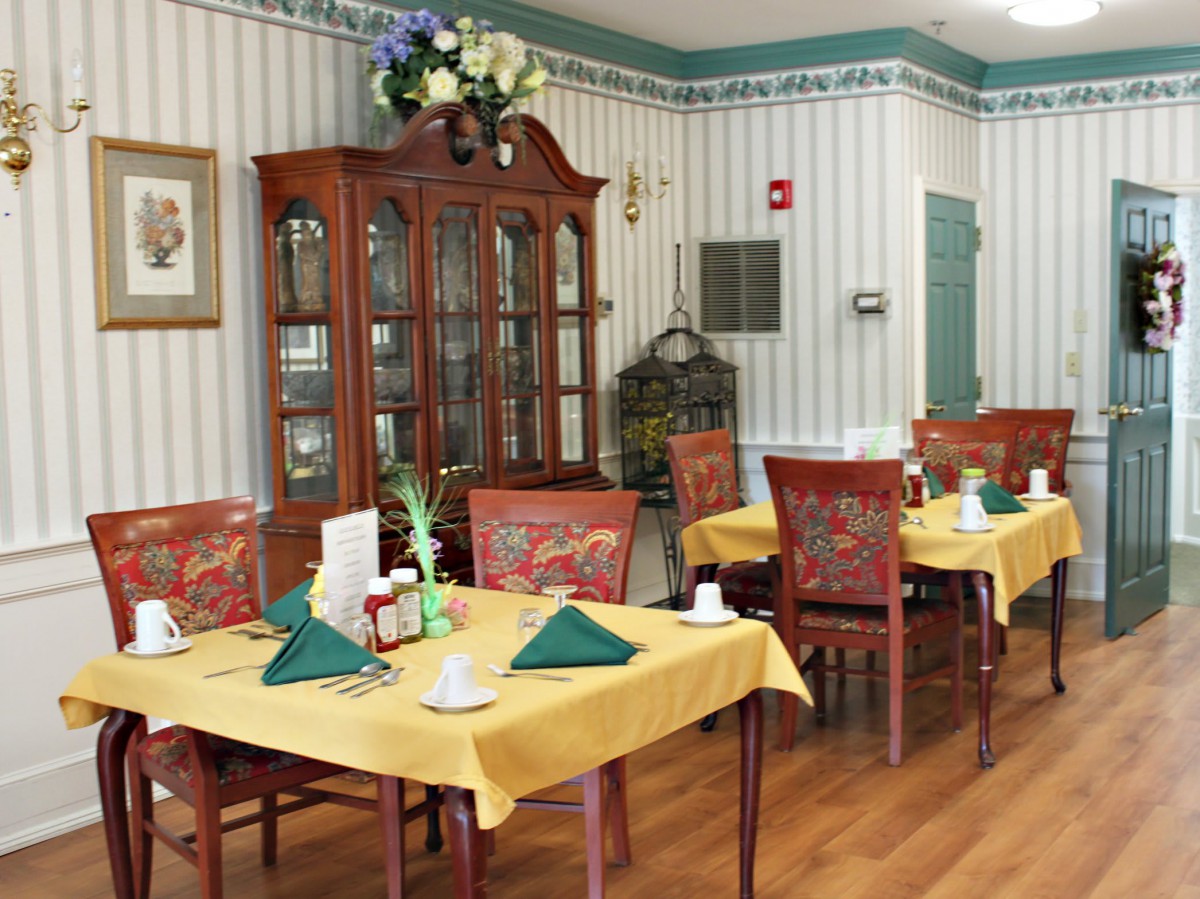
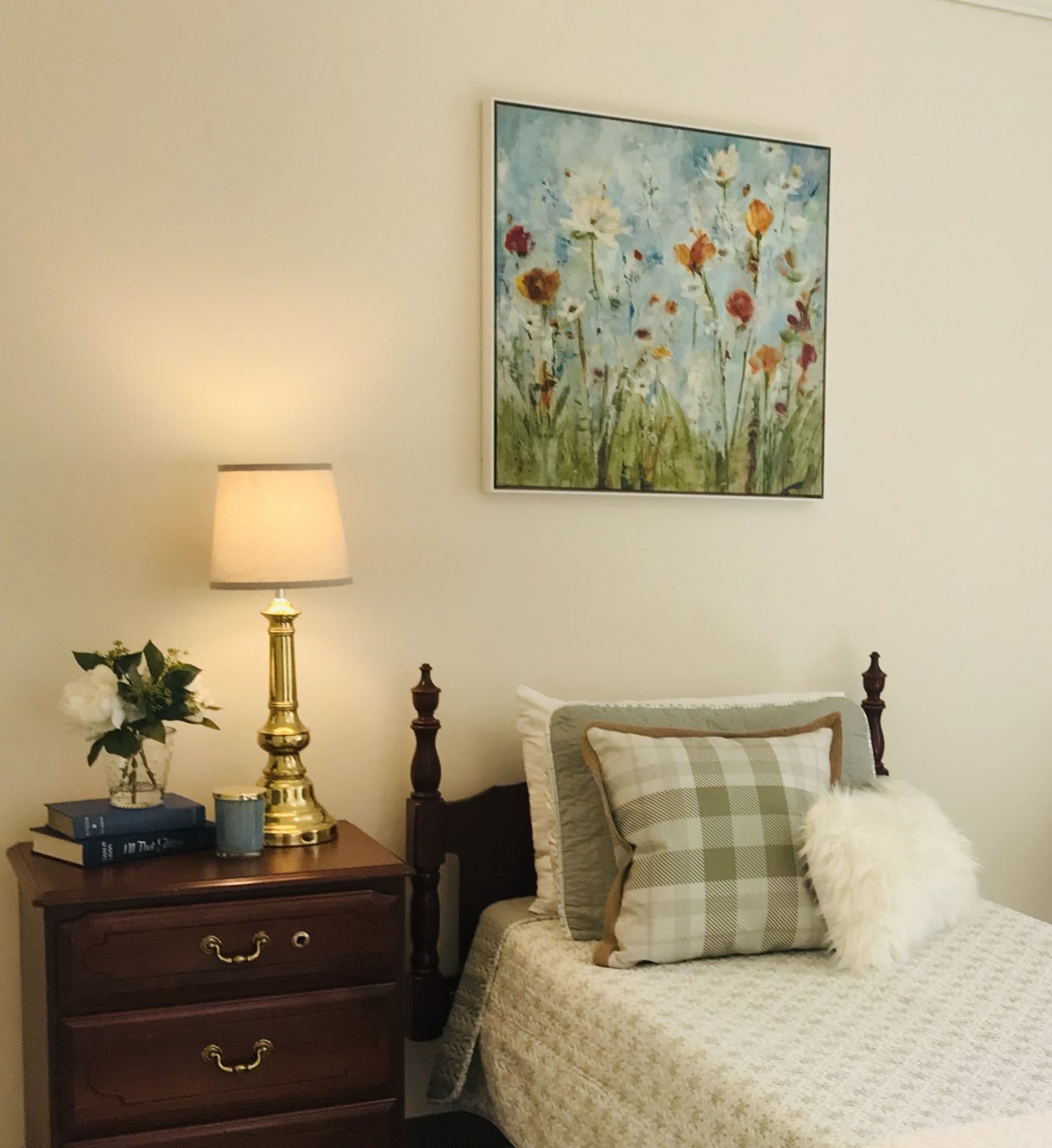
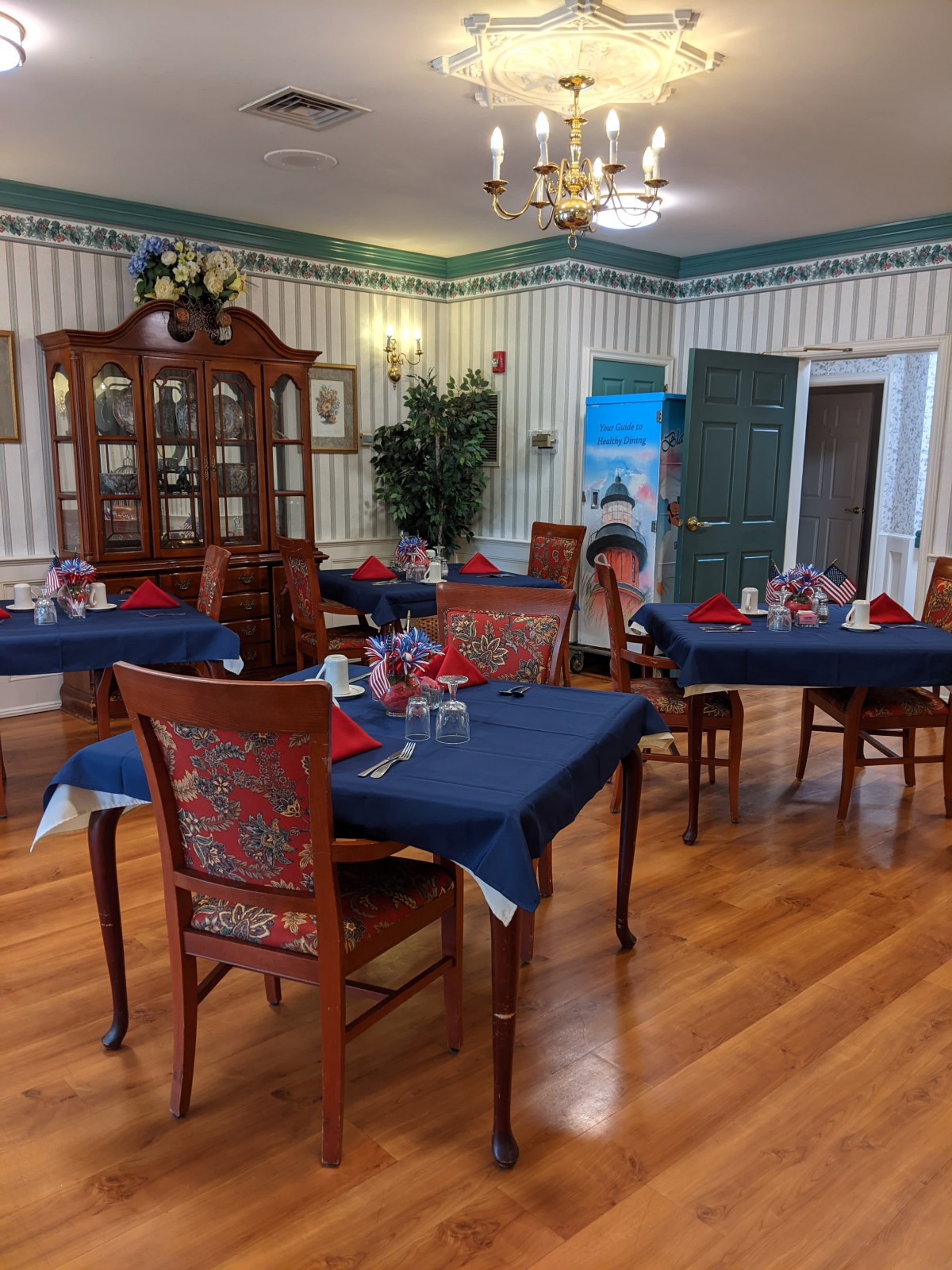
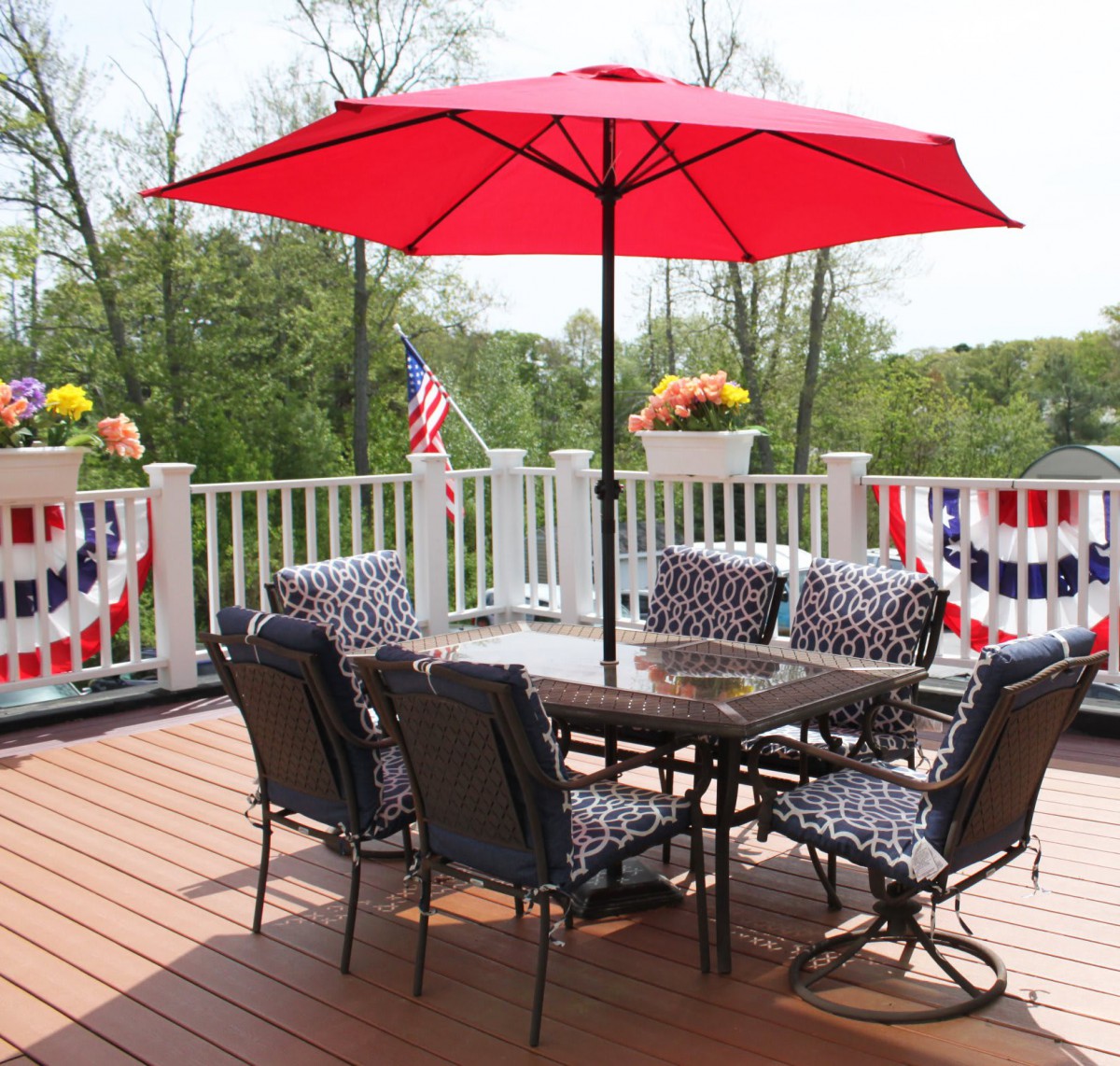
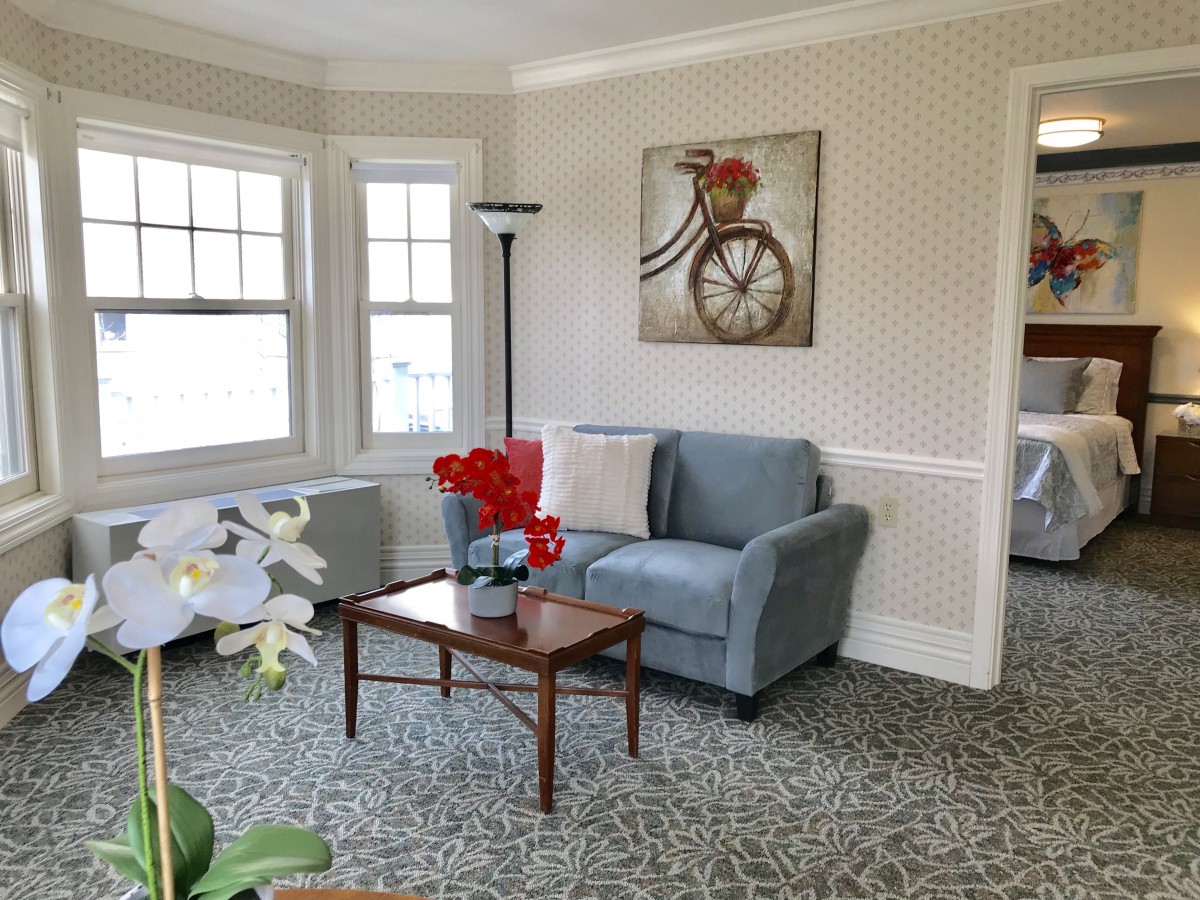
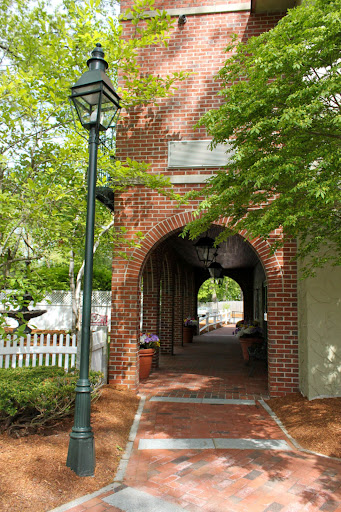
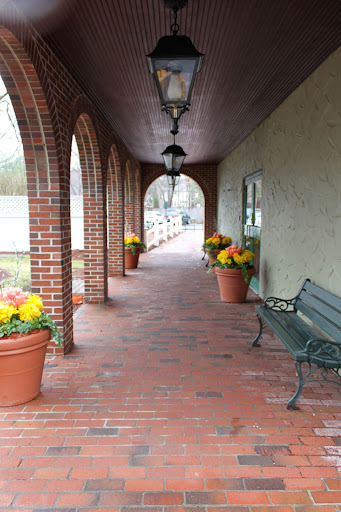
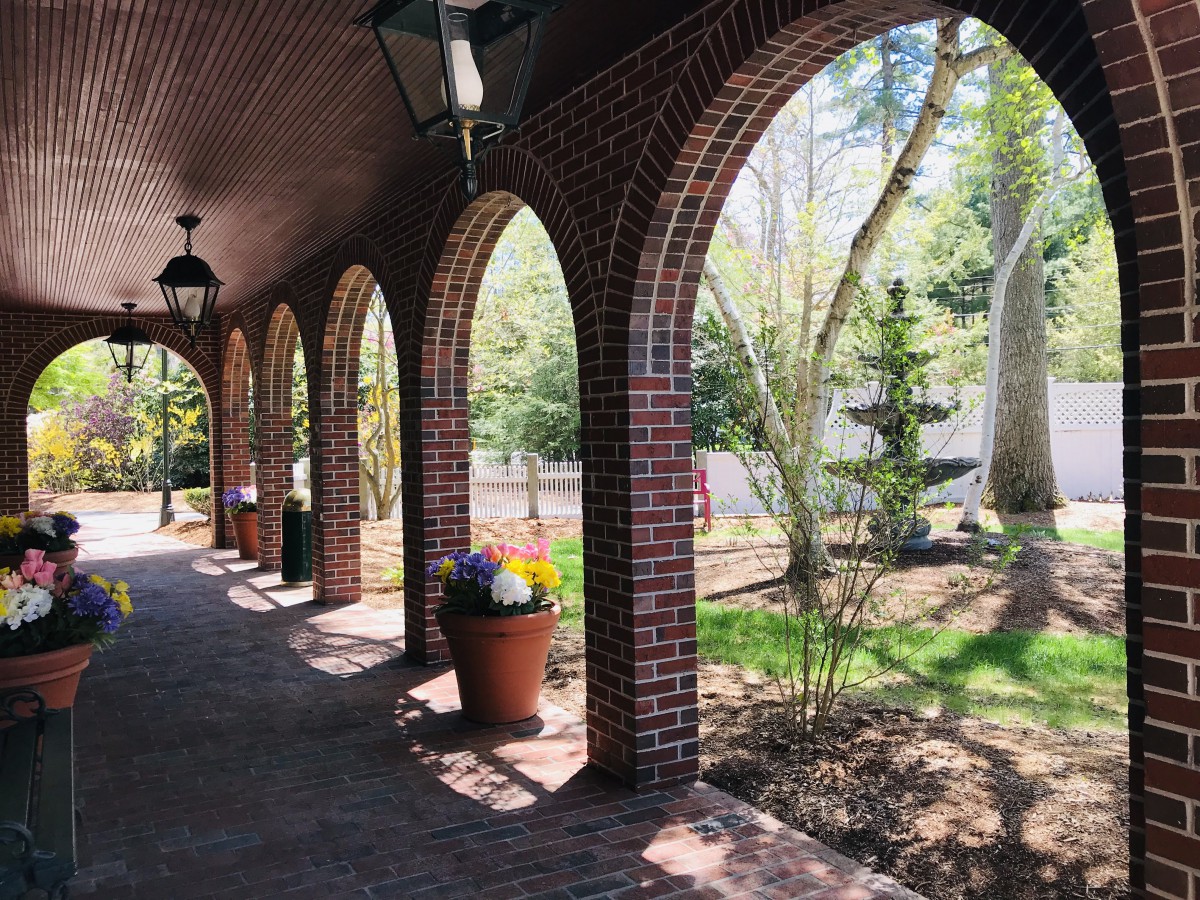
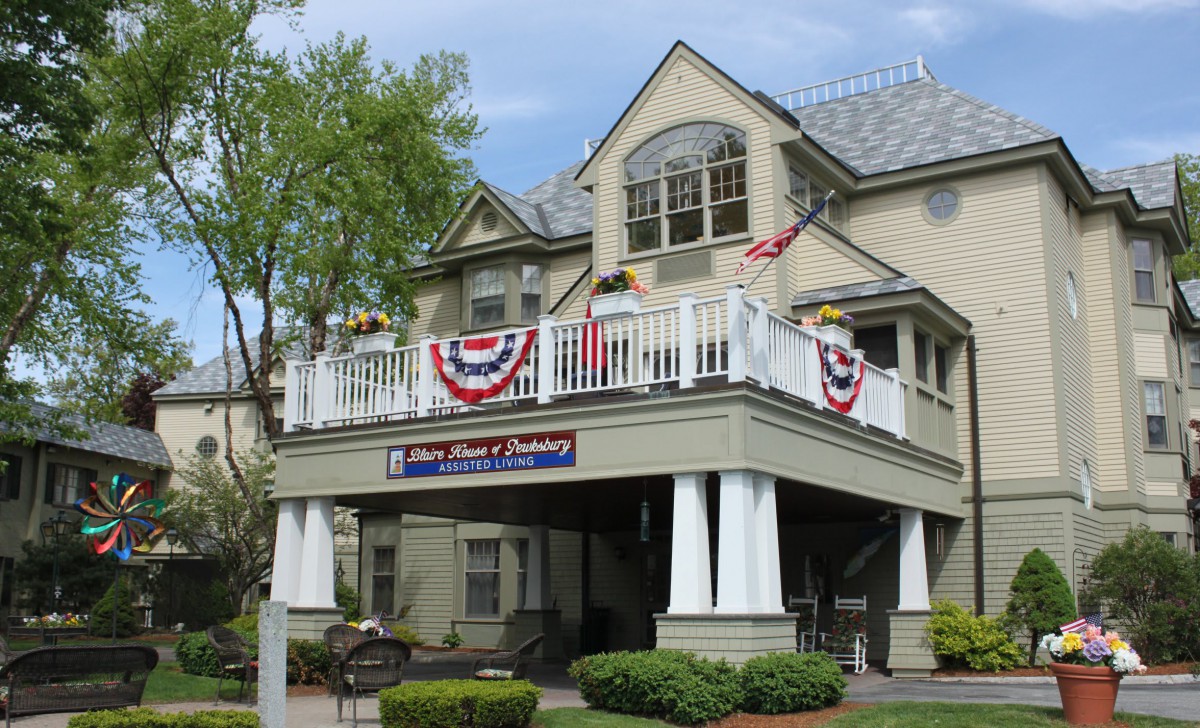
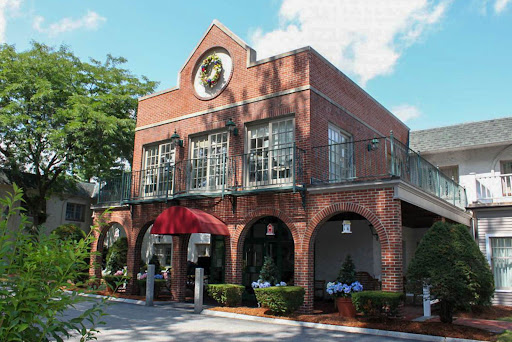
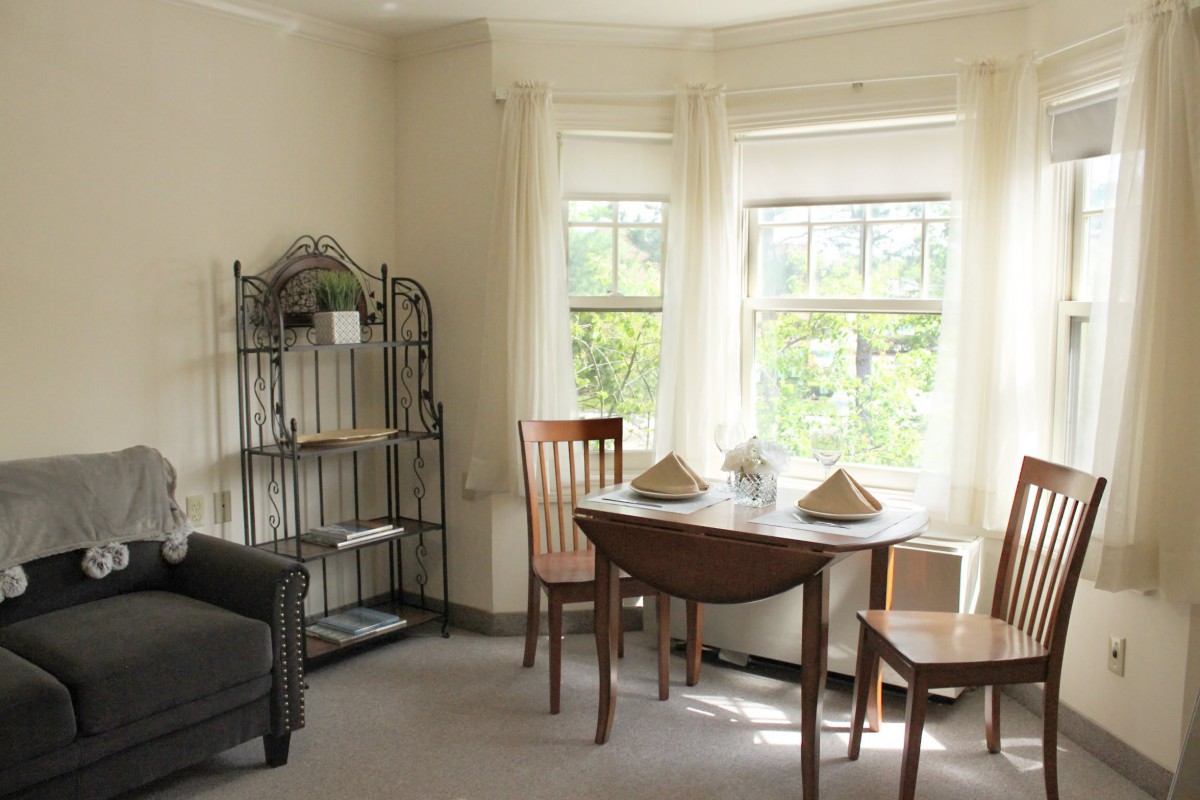
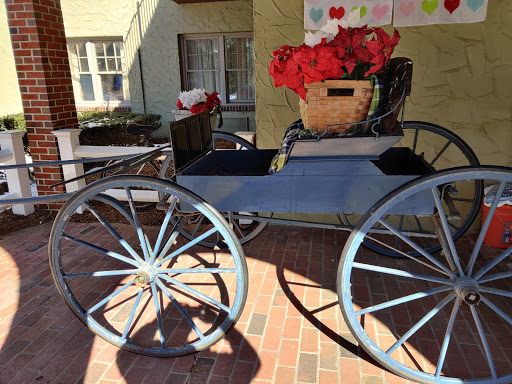
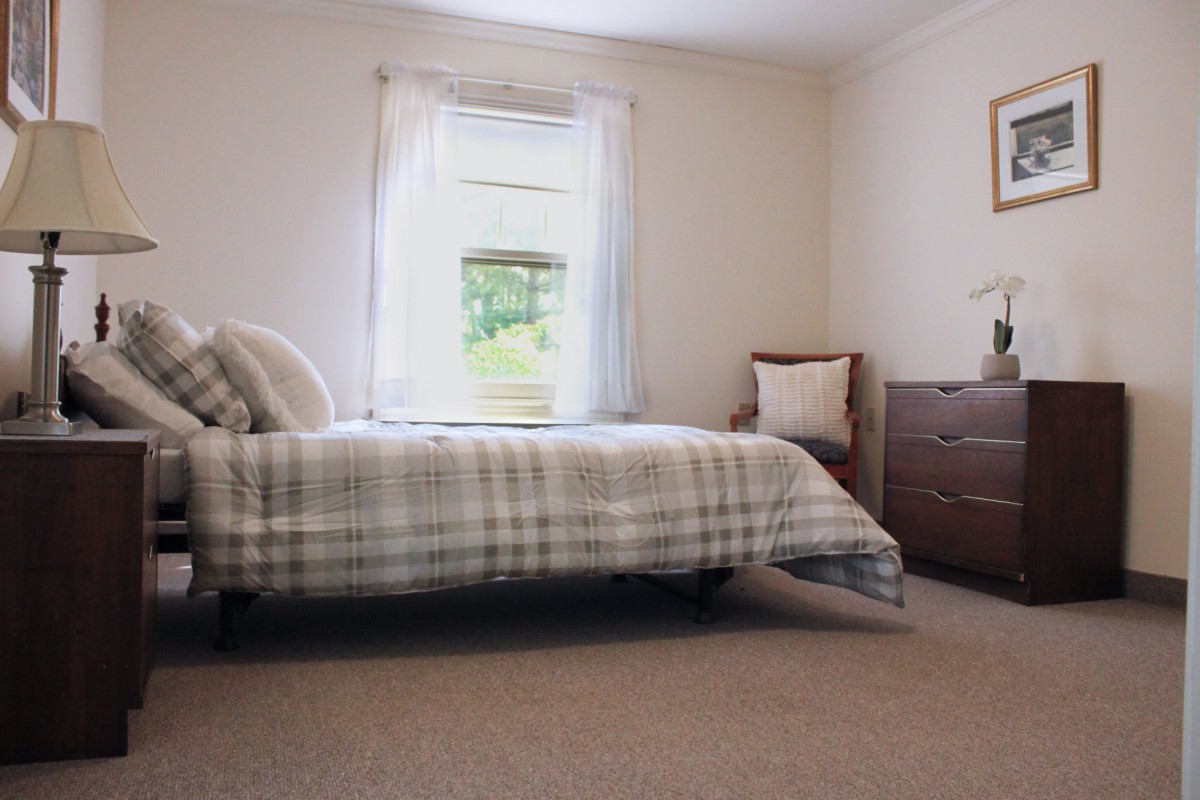
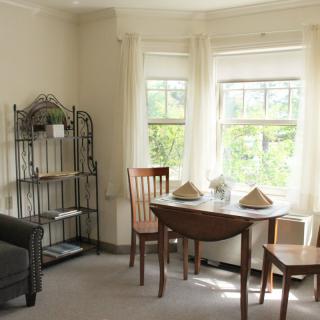
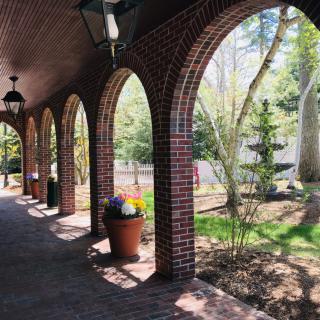
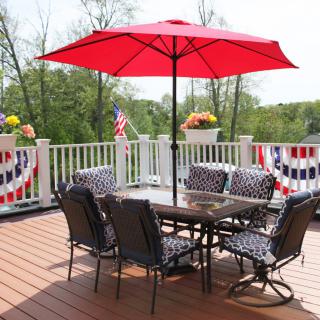
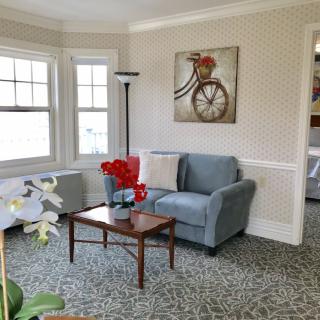
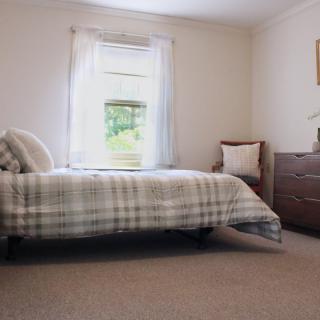
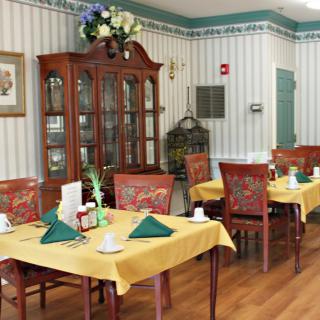
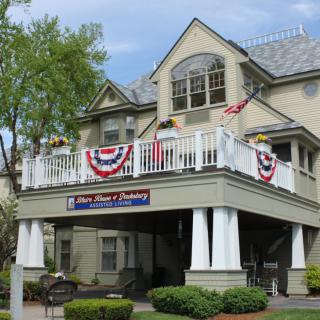
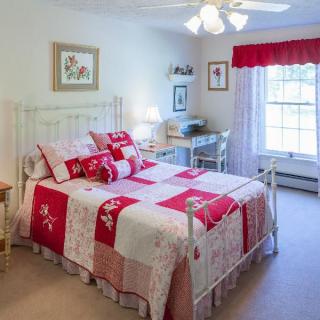
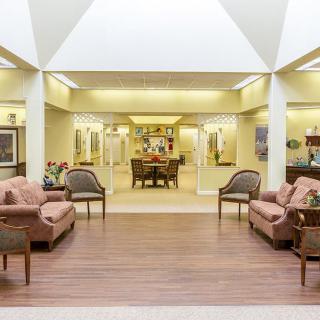
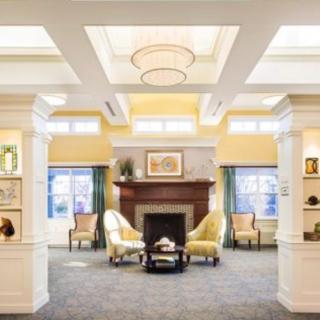
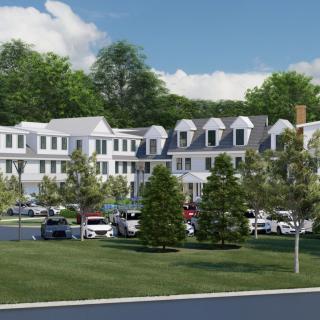
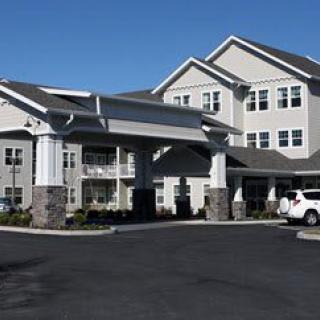
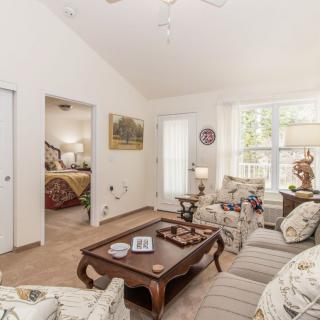
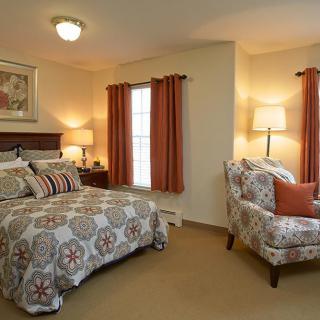
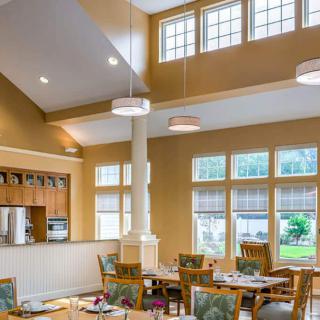
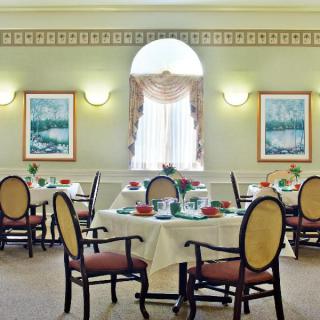
Blaire House of Tewksbury Assisted Living on seniors.fyi includes 17 photos including images showing interior, floor plan, bedroom, architecture, outdoor, dining, brick, decor, and more.
Nearby Communities
Blaire House Of Tewksbury
Tewksbury, MA
3.5 from 89 reviews
Friendly staff, clean facilities, and engaging activities.
Bayberry At Emerald Court
Tewksbury, MA
4.6 from 123 reviews
$3,560 to $8,640 / month
Very clean facility with friendly staff and engaging activities that foster a strong sense of community.
Oblate Novitiate House
Tewksbury, MA
5 from 2 reviews
Nearby amenities (cafes, pharmacies, restaurants, transportation) in a peaceful setting.
Heatherwood
Tewksbury, MA
4.3 from 53 reviews
$3,125 to $4,995 / month
Friendly staff in a well-maintained, welcoming community with engaging activities.
Heatherwood Gracious Retirement Living
Tewksbury, MA
4.1 from 26 reviews
Small, intimate community with 24/7 supervision and comprehensive care services.
Circle Home
Lowell, MA
1.8 from 5 reviews
Comprehensive care with 24/7 supervision, restaurant-style dining, and engaging activities.
Benchmark Senior Living At Billerica Crossings
Billerica, MA
4.5 from 77 reviews
$3,050 to $5,300 / month
Attentive staff, clean apartment-style living with engaging activities and varied dining.
Bridges® By Epoch At Andover
Andover, MA
4.7 from 27 reviews
Regal Care at Lowell
Lowell, MA
3.8 from 43 reviews
$1,850 to $2,700 / month
Lower-than-average pricing with 24-hour supervision and furnished units.
Dementia, primarily caused by Alzheimer's disease but also linked to other conditions, leads to cognitive decline impacting memory and daily functioning, with individuals experiencing varied awareness of their impairments. Despite memory loss, emotional connections persist, enabling responses to familiar stimuli, highlighting the need for caregivers to provide compassionate support that recognizes both limitations and retained emotional depth.
The article presents five subtle indicators of dementia, such as memory lapses and mood swings, to help families assess cognitive decline in loved ones. It emphasizes early detection, open communication, and seeking professional help while providing practical support steps.
Dementia encompasses progressive neurological disorders that impair cognitive functions and can lead to paranoia due to cognitive decline and emotional changes. The article discusses the triggers of paranoia in dementia, caregiver strategies for managing it, and the importance of distinguishing between dementia-related paranoia and other psychiatric conditions.
Get PricingAsk A QuestionSchedule A TourContact Senior Advisor
By clicking submit, you agree to our Partner's Terms of Use. You
also consent to receive calls and texts, which may be autodialed, from our Partner. Your consent is not a condition to
using our Partner's service. Please visit our Partner's Privacy Policy for information about their privacy practices.









 Assisted Living
 Memory Care
 Cats allowed
 Activities off-site
 Air-conditioning
 Beautician on-site
 Cable or satellite TV
 Devotional services off-site
 Garden view
 Ground floor units
 Handicap accessible
 Indoor common areas
 Kitchenette
 Outdoor common areas
 Private bathrooms
 Respite or short term stays offered
 Wheelchair accessible showers
 Wi-Fi/high-speed internet available
 Gen Edw L Logan International (21 miles away)
 Ambulatory care
 Diabetic care
 Incontinence care
 Medication management
 Gluten-free
 Art classes
 Bible study group
 Cooking classes
 Educational speakers / life long learning
 Jewish services
 Friendly staff, clean facilities, and engaging activities.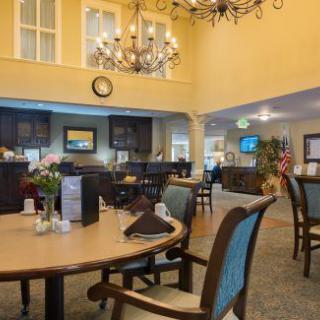

 Delving into the Inner World of Dementia: Insights into Thoughts and Awareness
 Five Subtle Dementia Indicators to Observe: An In-Depth Guide to Understanding “Does My Mom Have Dementia?”
 Dementia, Paranoia, and Caregiver Guidance: Understanding the Connection