Bayberry At Emerald Court offers competitive pricing for its various room types when compared to both Middlesex County and the broader Massachusetts area. For a semi-private room, residents can expect a cost of $3,560 per month, significantly lower than the county average of $6,395 and the state average of $5,805. The studio option at Bayberry is priced at $5,735, which aligns closely with the county figure of $5,867 but remains below the state's average of $5,312. For those seeking more space, the one-bedroom and two-bedroom options are priced at $7,630 and $8,640 respectively; these are above the county averages of $5,920 for one-bedroom and $6,960 for two-bedrooms but remain well above the state averages of $5,349 and $6,151. Overall, while some options may exceed local averages in larger categories like one and two bedrooms, Bayberry At Emerald Court maintains an attractive rate for semi-private accommodations that cater to budget-conscious individuals without compromising quality or comfort.
Floor plans
Bayberry At Emerald Court
Middlesex County
Massachusetts
Semi-Private
$3,560
$6,395
$5,805
Studio
$5,735
$5,867
$5,312
1 Bedroom
$7,630
$5,920
$5,349
2 Bedrooms
$8,640
$6,960
$6,151
Memory care communities with a similar price nearby
from +$700 / mo
Langdon Place of Nashua , A Senior Living Community
Residents and families consistently describe staff who are caring and responsive.
Across many reviews, families say the staff treats residents with kindness and respect, and they get reassurance from how staff stays engaged with day-to-day needs. Several reviewers also mention communication—sharing updates, being available to answer questions, and checking in on concerns—especially during stressful transitions. Even when reviews include criticisms, they often still single out certain team members as genuinely helpful.
differentiator40 reviews mention this
Restaurant-style dining stands out
Dining is repeatedly praised as varied and restaurant-style.
Meals come up again and again, with reviewers describing food as delicious and well prepared, and in some cases prepared fresh daily. Many mention liking the variety and the ability to accommodate preferences, including diet-related options. The community also offers restaurant-style dining and room service, which matches how residents and families talk about the dining experience.
common35 reviews mention this
Activities keep residents engaged
The activity calendar is a frequent reason families feel their loved ones stay engaged.
Reviews often describe an active schedule with both on-site and off-site options, including classes, games, entertainment, and special events. Families say residents have opportunities to socialize and stay mentally engaged, and some highlight how the schedule can be tailored to preference. Even reviewers who visited for tours note that people were actively doing things during the day.
differentiator22 reviews mention this
Memory care and dementia support
Families describe memory care as structured and personalized for dementia needs.
Several reviews specifically mention Alzheimer’s or early dementia and describe staff helping residents feel comfortable and supported as routines change. Families also describe staff guidance around daily routines and engagement, and in some cases improved social connection over time. This aligns with the community offering specialized memory care programming and services like mental wellness support and assistance with daily activities.
caveat10 reviews mention this
Cost is a mixed experience
Pricing comes up as a tradeoff, with some calling it pricey and others citing better value.
Some reviewers say the community is too expensive for their needs, while others feel the cost is more reasonable than nearby options they compared. A few also frame cost as a deciding factor when choosing among alternatives. The community offers private pay care types including assisted living, independent living, and memory care, so the fit depends heavily on the level of support a family needs.
How we summarize
Counts show how many written reviews mention each theme; a review can touch several themes, and only frequently mentioned themes are displayed.
Features
Housing
94 resident community capacity
1-bedroom apartments
2-bedroom apartments
Studio apartments
Types of Care
Assisted Living
Independent Living
Memory Care
Pets
Cats allowed
Dogs allowed
Amenities
Activities off-site
Activities on-site
Air-conditioning
Beautician on-site
Beauty salon
Cable or satellite TV
Computer center
Devotional services off-site
Devotional services on-site
Dining room
Financing advice
Fitness room
Fully furnished
Gaming room
Garden
General store
Ground floor units
Guasts at mealtime
Guest parking
Handicap accessible
Home sale assistance
Housekeeping services
Indoor common areas
Kitchenette
Laundry
Move-in coordination
Outdoor common areas
Outdoor space
Overnight guests
Party space
Private bathrooms
Respite or short term stays offered
Restaurant-style dining
Security gate
Small library
TV room
Telephone
VA Benefits Consultation
Wellness center
Wheelchair accessible showers
Wi-Fi/high-speed internet available
Transportation
Gen Edw L Logan International (21 miles away)
Manchester (24 miles away)
Community operated transportation
Transportation & parking
Transportation arrangement
Transportation arrangement (non-medical)
Care Services
12-16 hour nursing
24-hour call system
24-hour supervision
Activities of daily living assistance
Ambulatory care
Assistance with bathing
Assistance with dressing
Assistance with transfers
Coordination with health care providers
Diabetes diet
Incontinence care
Meal preparation and service
Medication management
Mental wellness program
Mild cognitive impairment
Special dietary restrictions
Specialized memory care programming
Transportation arrangement (medical)
Transportation to doctors appointments
Dining
Anytime dining
Diabetes diet
Gluten-free
Guest meals
International cuisine
Low / no sodium
Meals provided
No Sugar
Professional chef
Restaurant style dining
Room service
Special dietary restrictions
Special dining programs
Vegan
Vegetarian
Activities
Activities off-site
Art classes
Arts and crafts
Book club
Catholic services
Community-sponsored activities
Concierge services
Cooking classes
Cooking club
Day trips and outings
Devotional activities offsite
Devotional activities on-site
Educational speakers / life long learning
Fitness programs
Games
Gardening club
Happy hour
Karaoke
Live dance or theater performances
Live musical performances
Live well programs
Planned day trips
Religious services
Resident-run activities
Scheduled daily activities
Stories
Tai Chi
Wii bowling
Wine tasting
Yoga / chair yoga
Nearby Places of Interest
This part of Tewksbury, Massachusetts offers a convenient location with easy access to essential amenities for senior living. With multiple hospitals and pharmacies within a few miles, residents can easily access healthcare services and medication. There are also various dining options nearby, including familiar chains like Cracker Barrel and McDonald's, as well as local favorites like Piezano's Pizza. Additionally, there are cafes such as Aroma Joe's for a quick coffee break. For medical needs, there are reputable physicians and specialists in the area, providing quality healthcare services. Transportation options include the Ballardvale Mbta Station for those who prefer public transit, and the Lawrence Municipal Airport is also within reach. Places of worship like La Iglesia De Jesucristo De Los Santos De Los Últimos Días offer spiritual comfort, while parks like Ward Reservation provide opportunities for outdoor activities and relaxation. Overall, this part of Tewksbury provides a well-rounded environment for seniors seeking a comfortable and convenient lifestyle.
Hospitals
Tewksbury Hospital (1.3 miles)
Lawrence General Hospital (7.7 miles)
Pharmacies
Walmart Pharmacy (1.6 miles)
Demoulas Super Markets (2.2 miles)
Walgreens (2.5 miles)
CVS Pharmacy (2.7 miles)
Walgreens (3.6 miles)
CVS Pharmacy (3.6 miles)
Walgreens (4.3 miles)
Restaurants
Cracker Barrel (1.6 miles)
Subway (1.6 miles)
Burger King (1.7 miles)
McDonald's (1.7 miles)
McDonald's (2.1 miles)
McDonald's (2.6 miles)
Piezano's Pizza (3.5 miles)
Cafes
Aroma Joe's (1.6 miles)
Perfecto's Caffe (2.7 miles)
Heav'nly Donuts (3.1 miles)
Starbucks (6.4 miles)
Starbucks (6.6 miles)
Panera Bread (6.9 miles)
Starbucks (7 miles)
Physicians
Massachusetts Eye Associates (1.8 miles)
Harvard Vanguard Medical Associates (4.7 miles)
Allergy & Asthma Specialists, PC (5.8 miles)
Mark Gilchrist, MD (5.8 miles)
Chelmsford Dermatology (5.9 miles)
Massachusetts Eye Associates (5.9 miles)
Global Care Group MD (6.2 miles)
Transportation
Ballardvale Mbta Station (5.9 miles)
Lawrence Municipal Airport (LWM) (8.7 miles)
Places of Worship
La Iglesia De Jesucristo De Los Santos De Los Últimos Días (6.3 miles)
Bayberry At Emerald Court offers competitive pricing for its various room types when compared to both Middlesex County and the broader Massachusetts area. For a semi-private room, residents can expect a cost of $3,560 per month, significantly lower than the county average of $6,395 and the state average of $5,805. The studio option at Bayberry is priced at $5,735, which aligns closely with the county figure of $5,867 but remains below the state's average of $5,312. For those seeking more space, the one-bedroom and two-bedroom options are priced at $7,630 and $8,640 respectively; these are above the county averages of $5,920 for one-bedroom and $6,960 for two-bedrooms but remain well above the state averages of $5,349 and $6,151. Overall, while some options may exceed local averages in larger categories like one and two bedrooms, Bayberry At Emerald Court maintains an attractive rate for semi-private accommodations that cater to budget-conscious individuals without compromising quality or comfort.
The range of features at Bayberry At Emerald Court is designed to create a supportive and nurturing environment for residents experiencing memory challenges. Continuous 24-hour supervision ensures safety while promoting a sense of security, allowing residents to engage more freely in daily activities. Assistance with daily living tasks, including bathing, dressing, and transfers, fosters independence while addressing individual needs sensitively. Coordination with healthcare providers ensures that medical care is seamlessly integrated into the resident's routine, which is crucial for managing physical health alongside cognitive well-being. Incontinence care, meal preparation and service tailored to dietary requirements promote both dignity and nutrition essential for overall health. Medication management helps maintain adherence to prescribed treatments, further supporting cognitive function. The mental wellness program and specialized memory care programming specifically target cognitive engagement and emotional support, enhancing quality of life. Additionally, transportation arrangements for medical appointments remove barriers to accessing necessary healthcare services, ensuring that residents receive comprehensive support as their needs evolve.
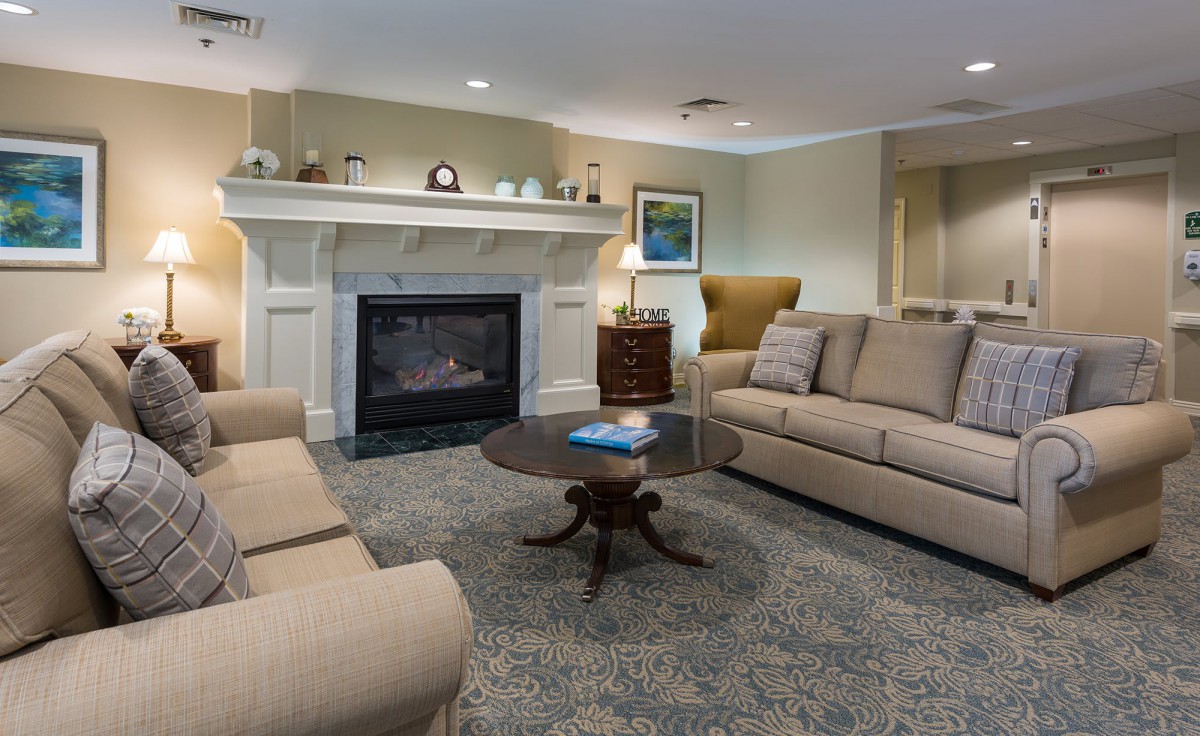
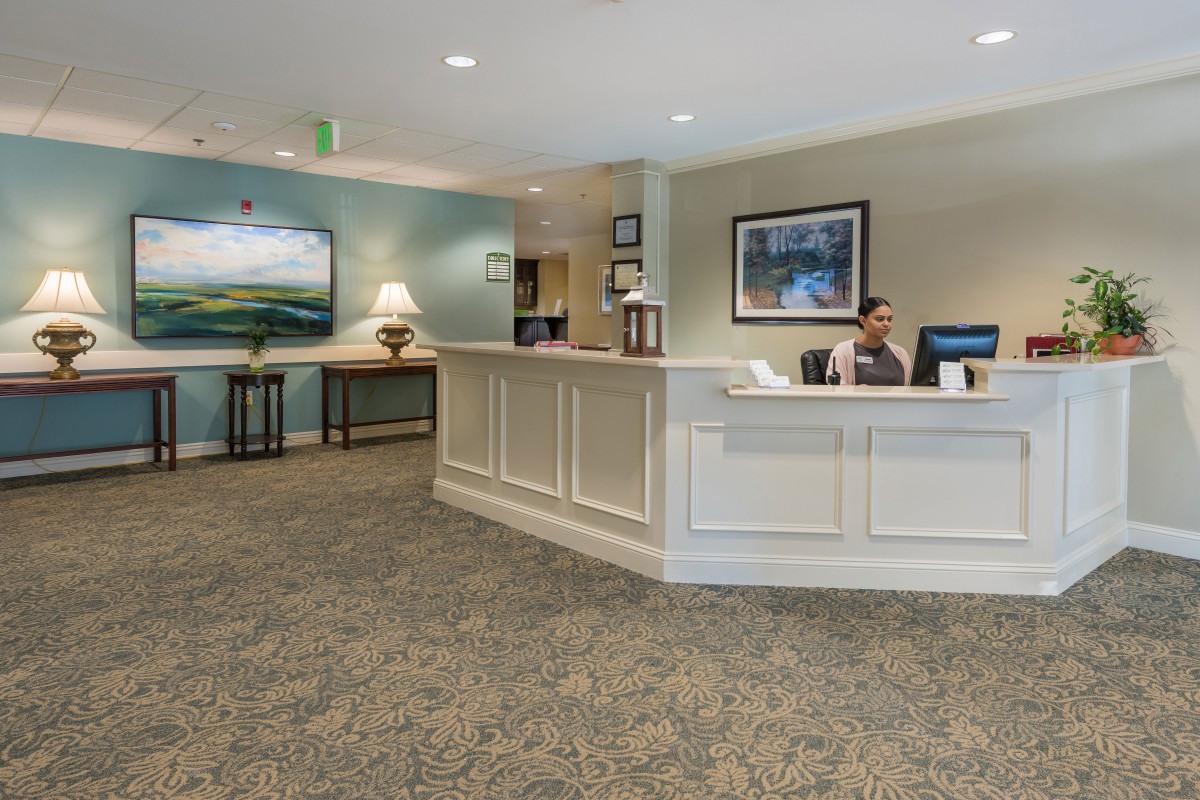
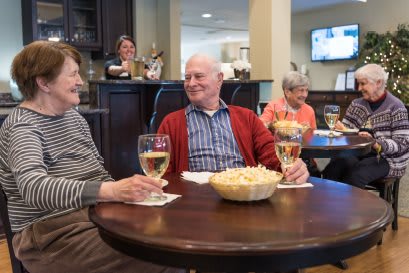
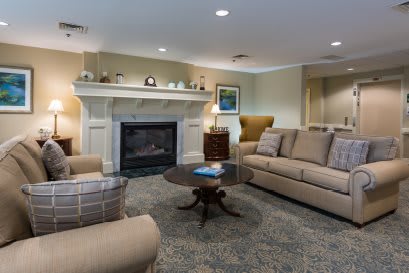
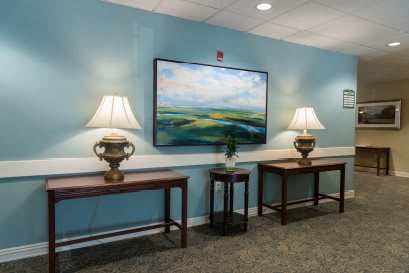
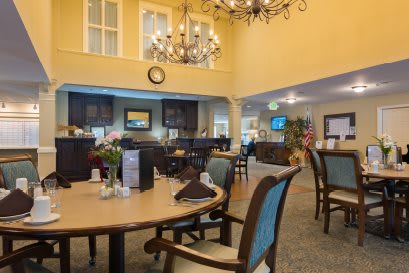
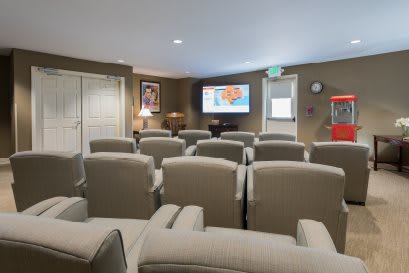
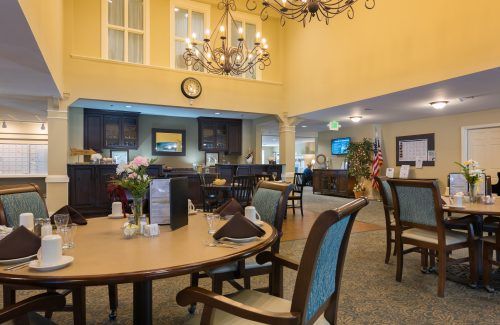
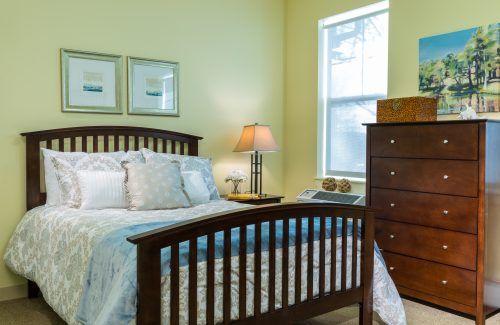
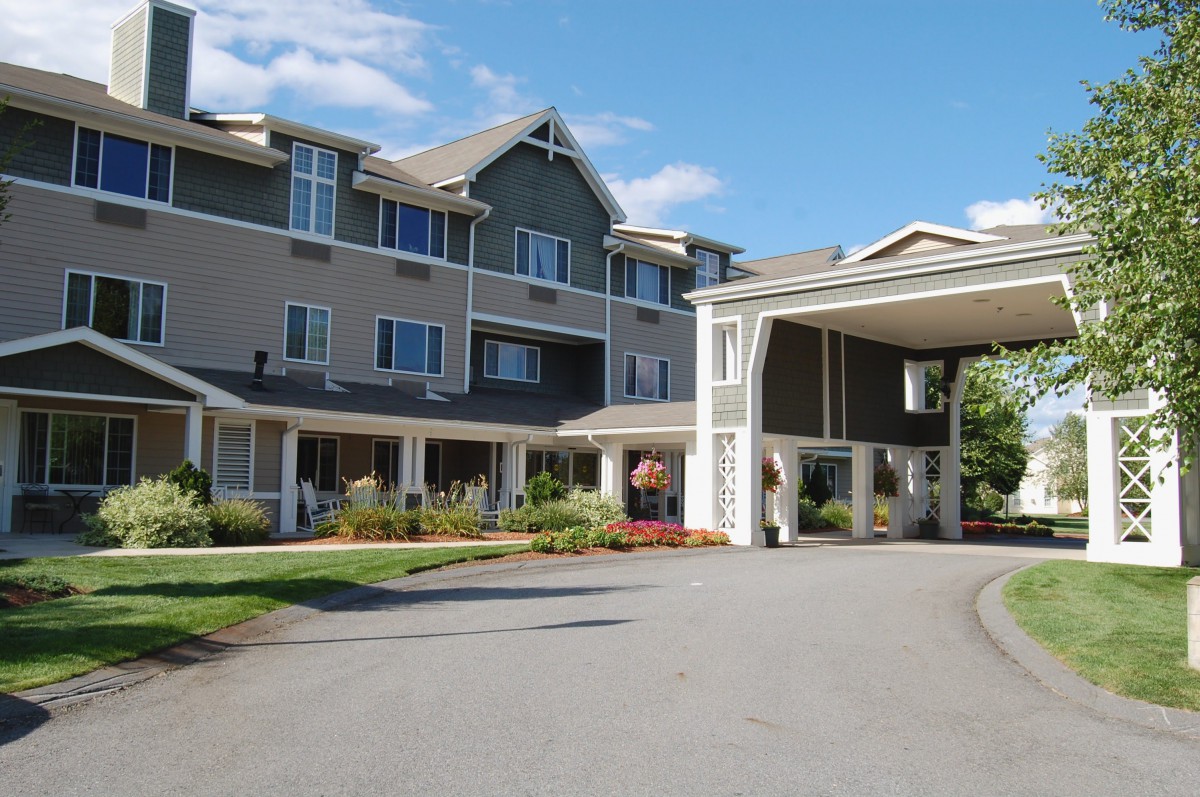
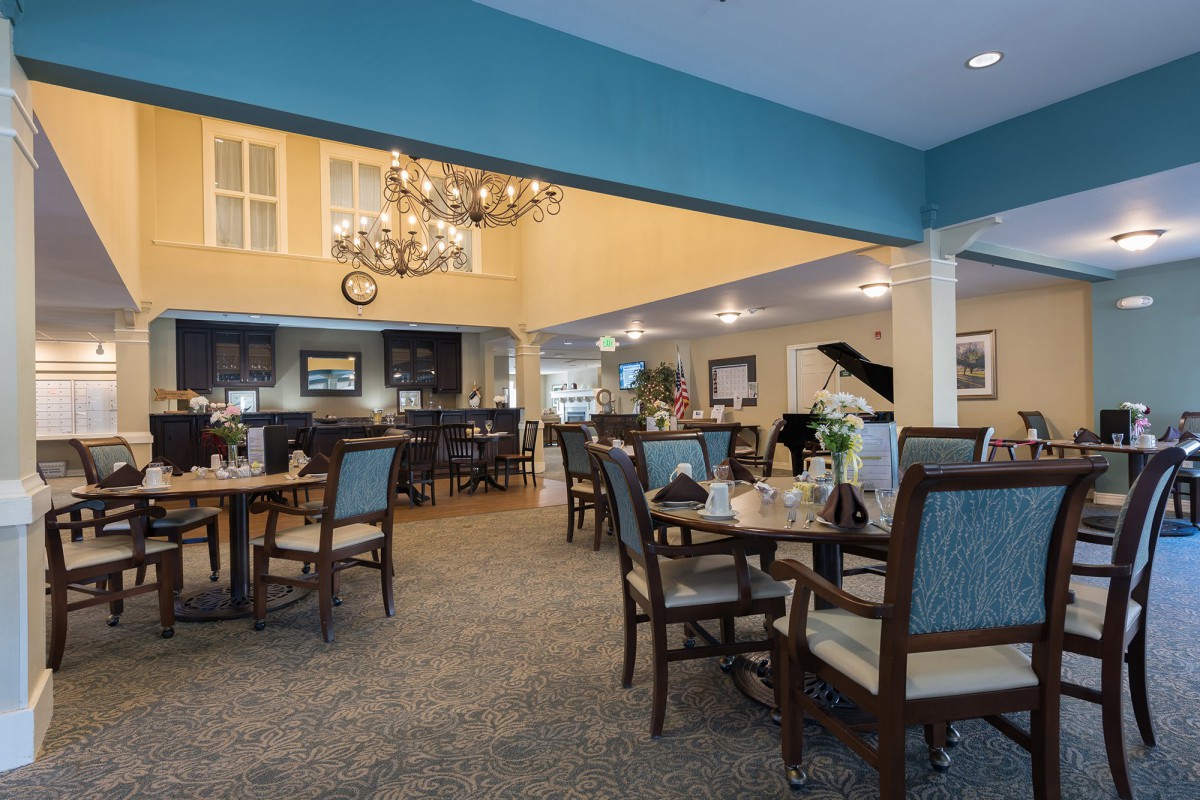
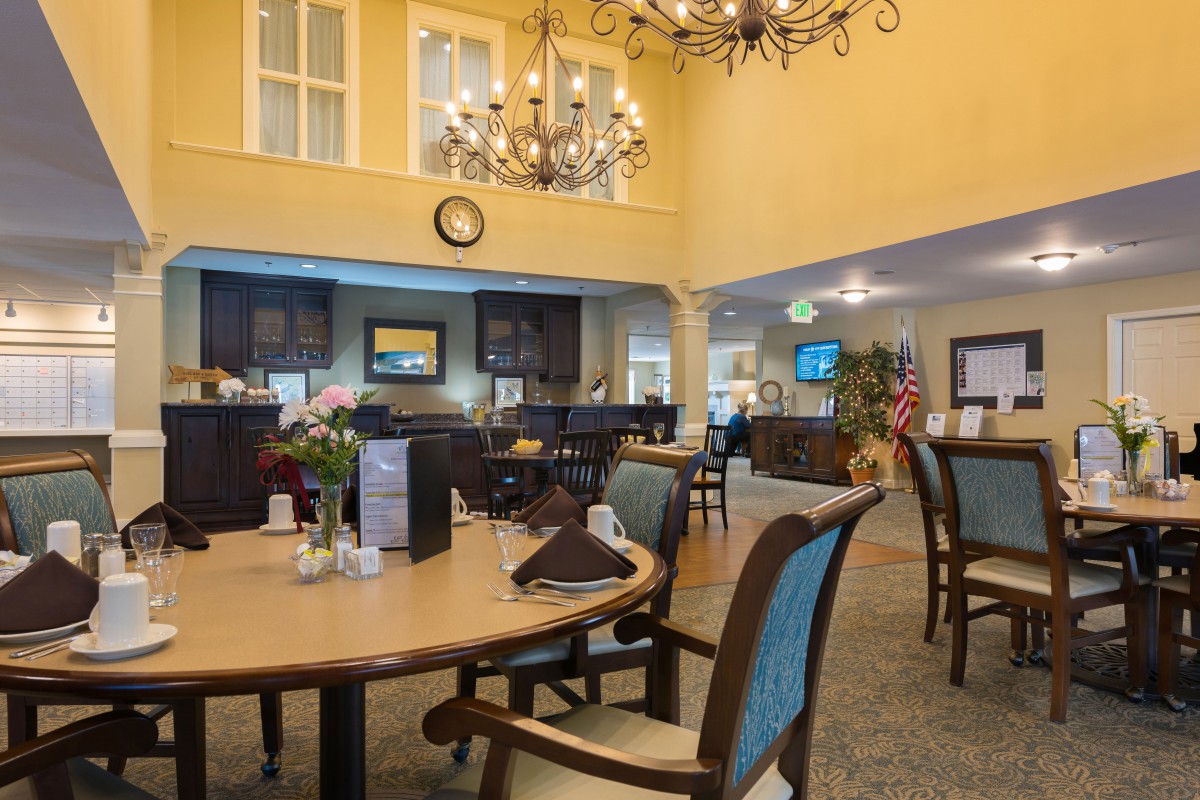
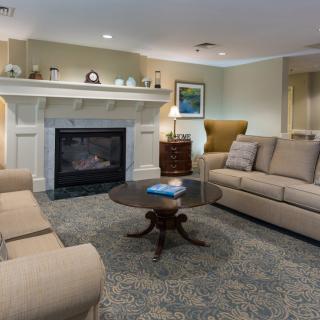
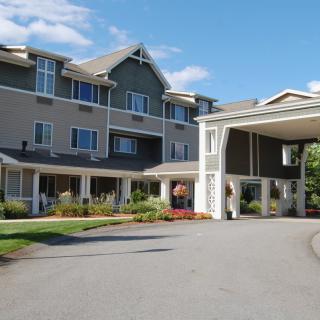
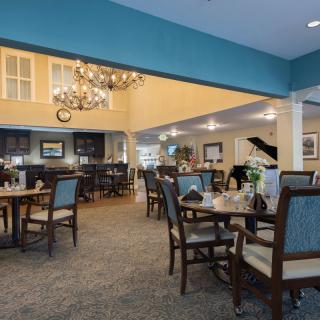
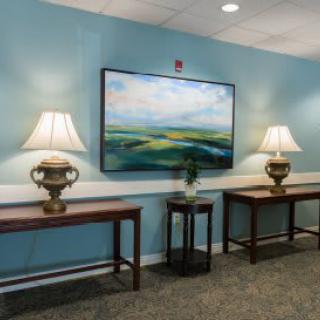
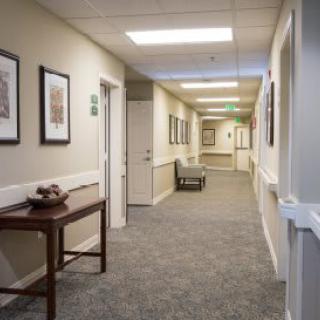
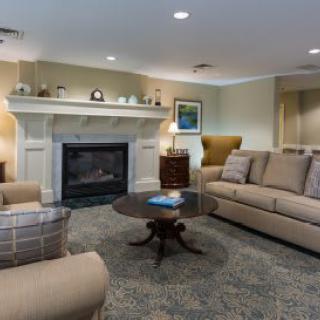
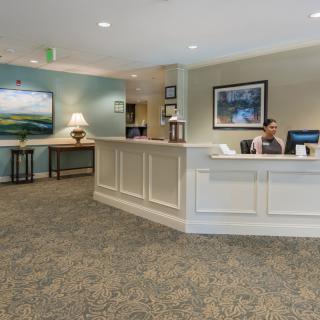
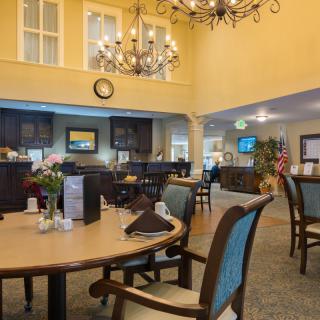
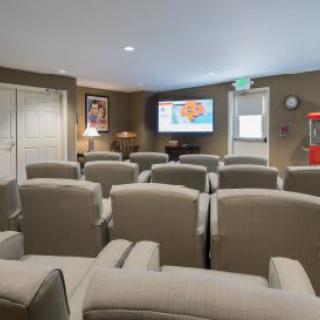
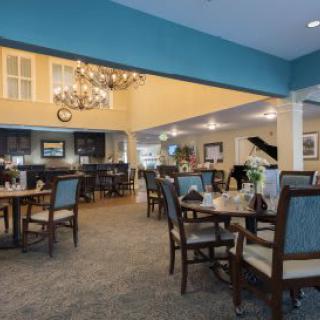
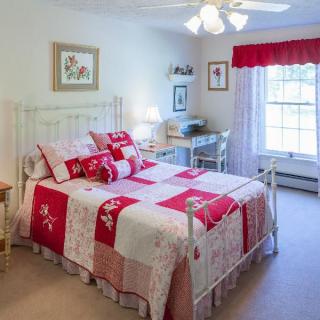
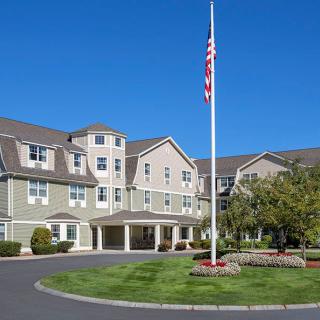
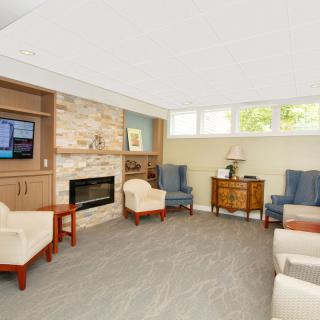
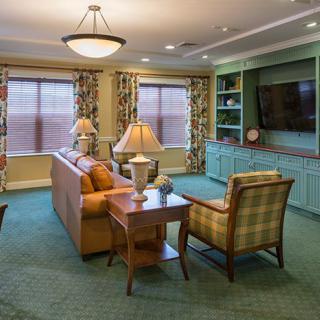
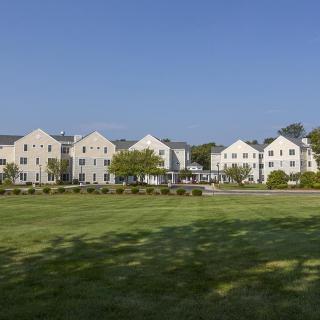
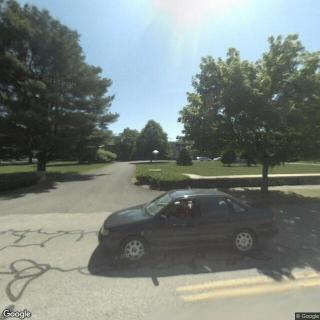
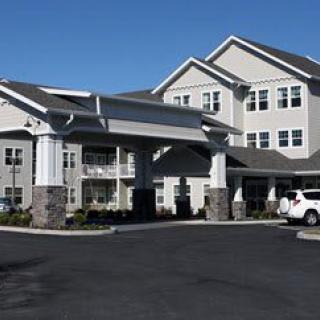
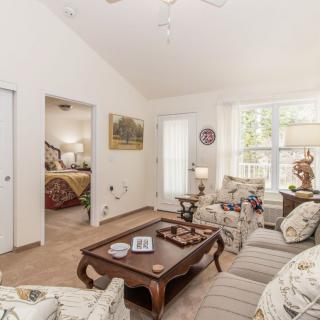
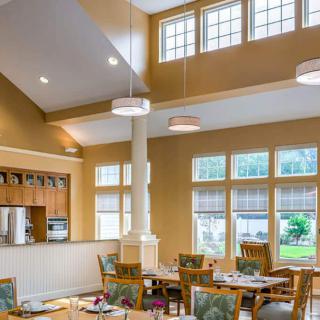
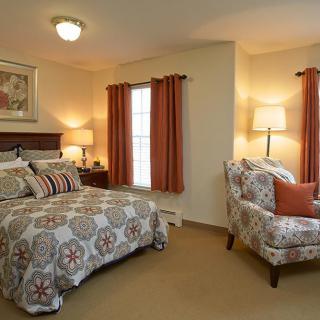
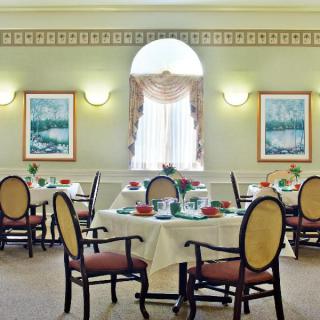
Bayberry At Emerald Court on seniors.fyi includes 15 photos including images showing interior, decor, dining, chandelier, office, bedroom, hallway, artwork, and more.
Nearby Communities
Blaire House Of Tewksbury
Tewksbury, MA
3.5 from 89 reviews
Friendly staff, clean facilities, and engaging activities.
Blaire House of Tewksbury Assisted Living
Tewksbury, MA
4.3 from 38 reviews
$5,271 to $6,828 / month
Warm, attentive staff in a well-maintained, welcoming environment with engaging activities.
Oblate Novitiate House
Tewksbury, MA
5 from 2 reviews
Nearby amenities (cafes, pharmacies, restaurants, transportation) in a peaceful setting.
Heatherwood
Tewksbury, MA
4.3 from 53 reviews
$3,125 to $4,995 / month
Friendly staff in a well-maintained, welcoming community with engaging activities.
Heatherwood Gracious Retirement Living
Tewksbury, MA
4.1 from 26 reviews
Small, intimate community with 24/7 supervision and comprehensive care services.
Circle Home
Lowell, MA
1.8 from 5 reviews
Comprehensive care with 24/7 supervision, restaurant-style dining, and engaging activities.
Bridges® By Epoch At Andover
Andover, MA
4.7 from 27 reviews
Benchmark Senior Living At Billerica Crossings
Billerica, MA
4.5 from 77 reviews
$3,050 to $5,300 / month
Attentive staff, clean apartment-style living with engaging activities and varied dining.
Regal Care at Lowell
Lowell, MA
3.8 from 43 reviews
$1,850 to $2,700 / month
Lower-than-average pricing with 24-hour supervision and furnished units.
The article highlights eight indicators that a loved one with dementia may require specialized memory care, emphasizing the emotional and logistical challenges families encounter in this decision. It discusses signs such as difficulties with daily tasks, safety concerns, and caregiver burnout, suggesting that memory care facilities can provide the necessary support and structured environments for those experiencing cognitive decline.
Dementia, primarily caused by Alzheimer's disease but also linked to other conditions, leads to cognitive decline impacting memory and daily functioning, with individuals experiencing varied awareness of their impairments. Despite memory loss, emotional connections persist, enabling responses to familiar stimuli, highlighting the need for caregivers to provide compassionate support that recognizes both limitations and retained emotional depth.
The article presents five subtle indicators of dementia, such as memory lapses and mood swings, to help families assess cognitive decline in loved ones. It emphasizes early detection, open communication, and seeking professional help while providing practical support steps.
Get PricingAsk A QuestionSchedule A TourContact Senior Advisor
By clicking submit, you agree to our Partner's Terms of Use. You
also consent to receive calls and texts, which may be autodialed, from our Partner. Your consent is not a condition to
using our Partner's service. Please visit our Partner's Privacy Policy for information about their privacy practices.





 94 resident community capacity
 1-bedroom apartments
 Assisted Living
 Independent Living
 Memory Care
 Cats allowed
 Dogs allowed
 Activities off-site
 Air-conditioning
 Beautician on-site
 Cable or satellite TV
 Computer center
 Devotional services off-site
 Dining room
 Financing advice
 Fitness room
 Fully furnished
 Gaming room
 Garden
 General store
 Ground floor units
 Guest parking
 Handicap accessible
 Housekeeping services
 Indoor common areas
 Kitchenette
 Laundry
 Move-in coordination
 Outdoor common areas
 Overnight guests
 Party space
 Private bathrooms
 Respite or short term stays offered
 Restaurant-style dining
 Security gate
 Small library
 Telephone
 Wellness center
 Wheelchair accessible showers
 Wi-Fi/high-speed internet available
 Gen Edw L Logan International (21 miles away)
 Community operated transportation
 12-16 hour nursing
 24-hour call system
 Ambulatory care
 Assistance with bathing
 Assistance with dressing
 Assistance with transfers
 Diabetes diet
 Incontinence care
 Medication management
 Mental wellness program
 Special dietary restrictions
 Transportation arrangement (medical)
 Art classes
 Book club
 Catholic services
 Concierge services
 Cooking classes
 Day trips and outings
 Educational speakers / life long learning
 Games
Games Happy hour
 Karaoke
 Live dance or theater performances
 Live musical performances
 Wii bowling
 Wine tasting
 Friendly staff, clean facilities, and engaging activities.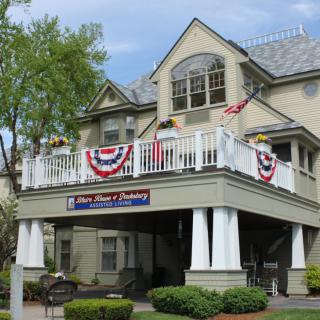

 8 Important Indicators That Memory Care May Be Necessary
 Delving into the Inner World of Dementia: Insights into Thoughts and Awareness
 Five Subtle Dementia Indicators to Observe: An In-Depth Guide to Understanding “Does My Mom Have Dementia?”