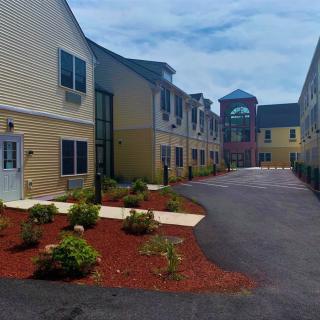
Circle Home in Lowell, MA

847 Rogers Street Ste 201, Lowell, MA 01852

For more information about senior living options: (844) 490-3973

1.8 from 5 reviews
5 stars
1
4 stars
0
3 stars
0
2 stars
0
1 stars
4

Assisted Living

Overall Review of Circle Home

Pros

  • pro One reviewer described Circle Health as a great place to work.

Cons

  • pro They were not impressed with the service.
  • pro There was zero communication between the nursing staff and the family.
  • pro The situation was discouraging.
  • pro The two nurses did not take the time to care for the patient.
  • pro The patient was discharged without any documentation on follow-up care.
  • pro The patient was not pleased with Circle Health home care.
  • pro They waited two weeks for dressings, and the 15-day supply of six bandages was unusable due to adhesive.
  • pro The supply would not cover the patient's needs, as they use at least four dressings per dressing change.
  • pro There was no call from the office to arrange a nurse visit; the patient had to call to confirm if a nurse would come.
  • pro A staff member said paperwork was misplaced and that the soonest a nurse could come was tomorrow.

Review

Circle Home in Lowell, MA is best suited for adults who want light, intermittent home health support and have strong family oversight to fill care gaps. The model appears to lean on episodic nursing visits rather than integrated, continuous care. For someone recovering from surgery or needing frequent wound care, and for families that rely on timely, clear communication and documented follow-ups, this setup often proves insufficient. In practice, Circle Home should not be the first choice for those with complex medical needs or for households requiring reliable coordination and responsive documentation.

Those evaluating options should consider alternatives if consistent communication and proactive care coordination are non-negotiable. The current pattern shows persistent gaps between nursing staff and families, with feedback after visits arriving late or, in some cases, not at all. For post-discharge care, wound management, or pediatric-home-health scenarios, the absence of predictable scheduling and steady supply logistics makes Circle Home a risky fit. Prospects with urgent or evolving care plans will likely encounter misalignment between expectations and actual service delivery.

The core drawbacks far outweigh any remotely positive signal. Reviews describe nurses who perform minimal engagement beyond a cursory check, leaving essential clinical observations unaddressed. Discharges often arrive without written handoffs or follow-up instructions, creating confusion about what to monitor and when to escalate. Wound-care supplies prove inconsistent: waits of weeks for dressings and an insufficient number of bandages within long intervals between visits. The only favorable note - the sentiment that Circle Home is a "great place to work" - relates to internal morale rather than patient outcomes and does little to offset the risk from weak care coordination.

Administrative and operational lapses extend to scheduling and paperwork. Reported delays caused by misplaced documentation can push nursing contact by a day or more, a critical flaw in home care where timing can affect recovery and safety. In at least one instance, the office could not confirm a nurse visit for a newborn, leading to unnecessary worry and avoidable gaps in care. When calls are answered, responses tend to be slow, and the care plan frequently lacks specificity about the next steps or ongoing monitoring. These patterns undermine trust and raise real concerns for families relying on consistent support.

Families should demand hard, verifiable protections before committing. A written, actionable care plan with precise goals, deadlines, and assigned clinicians is essential. A single, dedicated point of contact with an established escalation path helps avoid the silence that characterizes many visits. Guarantees around response times, clear communication protocols after each visit, and a transparent process for wound-care supplies - including exact quantities and replenishment timelines - are nonnegotiable. It is prudent to insist on a trial period or staged transition to confirm that the team can meet critical needs, with a clear fallback option to another agency if expectations are not met promptly.

Bottom line: Circle Home in Lowell is not well suited for anyone with substantial care requirements, immediate post-discharge needs, or the expectation of reliable, proactive coordination. If this provider is chosen, enter with tight, written expectations and a plan to escalate or switch quickly if progress stalls. For families prioritizing steady communication, consistent documentation, and timely nursing involvement, alternatives with stronger track records in home health will deliver safer, more predictable care. This agency warrants cautious consideration, best reserved for modest needs where rigorous oversight and family involvement can compensate for gaps in the program.

Features

Housing

  • 21 resident community capacity 21 resident community capacity

Types of Care

  • Assisted Living Assisted LivingAssisted living facilities provide crucial support and care for seniors who may need help with daily tasks such as medication management, bathing, and meal preparation. These communities offer a safe and comfortable environment where seniors can maintain their independence while receiving the assistance they need to thrive in their golden years.

Amenities

  • Beauty salon Beauty salonBeauty salons are important for seniors because they provide a space for them to feel pampered, socialize, and maintain their personal grooming and hygiene. Regular visits to a beauty salon can help boost seniors' self-esteem and overall well-being.
  • Cable or satellite TV Cable or satellite TVCable or satellite TV is important for seniors because it provides entertainment, news, and companionship, helping to combat loneliness and boredom. It also offers a wide range of programming options tailored to different interests and preferences.
  • Dining room Dining roomDining rooms are important for seniors as they provide a space for socialization, connection, and nutritious meals. They offer opportunities for residents to bond over shared meals, foster a sense of community, and promote healthy eating habits. Dining rooms also ensure that seniors have access to well-balanced meals tailored to their dietary needs and preferences.
  • Fully furnished Fully furnishedFully furnished senior living communities are important for seniors because they provide convenience, comfort, and a hassle-free moving experience. Seniors can easily settle into their new living space without the stress of having to buy and move furniture. This allows them to focus on enjoying their new home and community.
  • Garden GardenGardens are important for seniors as they provide a peaceful and therapeutic environment for relaxation, physical activity, and socialization. Being in nature has been shown to reduce stress, improve mood, and promote overall well-being. Gardens also offer opportunities for seniors to engage in gardening activities, which can improve mobility, flexibility, and cognitive function. Additionally, gardens create a sense of community and connection with others who share a passion for plants and outdoor spaces.
  • Housekeeping services Housekeeping servicesHousekeeping services are important for seniors because they help maintain a clean and safe living environment, promote independence, and reduce the risk of accidents or illnesses. Additionally, having assistance with household chores can alleviate physical strain and allow seniors to focus on other aspects of their well-being.
  • Kitchenette KitchenetteKitchenettes are important for seniors living in senior living communities because they provide the convenience and independence of being able to prepare simple meals and snacks in the comfort of their own living space. This can help promote a sense of autonomy and well-being for seniors, allowing them to maintain some level of control over their dietary choices and daily routines.
  • Move-in coordination Move-in coordinationMove-in coordination is important for seniors because it helps ease the transition into their new living environment. It ensures that all logistics, such as packing, organizing movers, and setting up utilities are taken care of, allowing seniors to focus on settling in and adjusting to their new home. Having a smooth move-in process can alleviate stress and anxiety, making the transition smoother and more enjoyable for seniors.
  • Outdoor space Outdoor spaceOutdoor spaces are important for seniors as they provide opportunities for physical activity, social interaction, exposure to natural light and fresh air, and a sense of connection to nature. Having access to outdoor spaces can improve overall well-being and quality of life for older adults living in senior communities.
  • Restaurant-style dining Restaurant-style diningRestaurant-style dining is important for seniors because it allows them to enjoy delicious, nutritious meals in a social and upscale setting. This enhances their dining experience, promotes healthy eating habits, and fosters socialization with fellow residents, ultimately contributing to their overall well-being and quality of life.
  • Small library Small librarySmall libraries are important for seniors as they provide access to a variety of reading materials, including books, newspapers, and magazines. This can help stimulate their minds, keep them engaged, and provide a sense of community through book clubs and other social activities. Additionally, reading has been shown to improve cognitive function and overall mental well-being in older adults.
  • Telephone TelephoneTelephones are important for seniors as they provide a lifeline for communication with loved ones, emergency services, and healthcare providers. They offer a sense of security and independence, enabling seniors to stay connected and access assistance when needed.
  • Wi-Fi/high-speed internet available Wi-Fi/high-speed internet availableWi-Fi/high-speed internet is important for seniors to stay connected with loved ones, access online resources, and participate in virtual activities to combat feelings of loneliness and isolation. It also allows them to easily manage healthcare needs, access entertainment, and engage in lifelong learning opportunities.

Transportation

  • Manchester (23 miles away) Manchester (23 miles away)
  • Gen Edw L Logan International (23 miles away) Gen Edw L Logan International (23 miles away)

Care Services

  • 24-hour call system 24-hour call system24-hour call systems are important for seniors because they provide peace of mind and immediate assistance in case of emergencies. This technology ensures that help is always available, promoting safety and security for elderly individuals living alone or in assisted living facilities.
  • 24-hour supervision 24-hour supervision24-hour supervision is important for seniors to ensure their safety, well-being, and access to immediate assistance in case of emergencies or health issues. This constant support provides peace of mind for both seniors and their loved ones, allowing them to age in place with dignity and security.
  • Activities of daily living assistance Activities of daily living assistanceActivities of daily living assistance are important for seniors because they provide essential support with tasks such as eating, bathing, dressing, and mobility. This assistance helps seniors maintain their independence, dignity, and overall quality of life as they age.
  • Assistance with bathing Assistance with bathingAssistance with bathing is crucial for seniors as it helps maintain personal hygiene, prevents infections, and ensures their overall well-being and comfort. It also provides a sense of dignity and independence for seniors who may struggle with this task on their own.
  • Assistance with dressing Assistance with dressingAssistance with dressing is important for seniors because it helps maintain their independence, promotes personal hygiene, prevents accidents and injuries, and improves overall quality of life. This service ensures that seniors can continue to dress comfortably and confidently, despite any physical limitations they may have.
  • Assistance with transfers Assistance with transfersAssistance with transfers is crucial for seniors as it helps prevent falls and injuries, maintains their independence, and ensures they can safely navigate their living environment. It also provides peace of mind for both seniors and their loved ones.
  • Diabetes diet Diabetes dietA diabetes diet is crucial for seniors as it helps manage blood sugar levels, reduce risks of complications, and improve overall health and well-being. By following a balanced and nutritious diet tailored to their specific needs, seniors can better control their diabetes and enhance their quality of life.
  • Meal preparation and service Meal preparation and serviceMeal preparation and service are crucial for seniors as they may have limited mobility or energy to cook nutritious meals. Having access to healthy and convenient food options can ensure they are getting the proper nutrition needed to maintain their overall health and well-being.
  • Medication management Medication managementMedication management is crucial for seniors to ensure they are taking the right medications at the correct dosages and times. This helps prevent adverse drug interactions, reduces the risk of medication errors, and promotes overall health and well-being. Proactive management also allows for adjustments as needed based on changing health conditions or new prescriptions.
  • Mental wellness program Mental wellness programMental wellness programs are essential for seniors as they promote cognitive stimulation, emotional support, and social engagement. These programs help prevent isolation, depression, and cognitive decline, ultimately enhancing the overall quality of life for older adults.
  • Special dietary restrictions Special dietary restrictionsSpecial dietary restrictions are important for seniors because age-related changes in metabolism and health conditions can make it difficult for their bodies to process certain foods. By following a diet tailored to their specific needs, seniors can maintain their overall health and well-being, manage chronic conditions, and reduce the risk of complications such as malnutrition or food interactions with medications.

Dining

  • Diabetes diet Diabetes dietA diabetes diet is crucial for seniors as it helps manage blood sugar levels, reduce risks of complications, and improve overall health and well-being. By following a balanced and nutritious diet tailored to their specific needs, seniors can better control their diabetes and enhance their quality of life.
  • Special dietary restrictions Special dietary restrictionsSpecial dietary restrictions are important for seniors because age-related changes in metabolism and health conditions can make it difficult for their bodies to process certain foods. By following a diet tailored to their specific needs, seniors can maintain their overall health and well-being, manage chronic conditions, and reduce the risk of complications such as malnutrition or food interactions with medications.

Activities

  • Community-sponsored activities Community-sponsored activitiesCommunity-sponsored activities are important for seniors as they provide opportunities for social interaction, mental stimulation, and physical activity. These activities can help improve overall well-being, combat loneliness and isolation, and promote a sense of belonging and purpose among older adults.
  • Resident-run activities Resident-run activitiesResident-run activities are important for seniors as they encourage social interaction, creativity, and a sense of autonomy. These activities empower seniors to stay engaged and active in their community while fostering meaningful connections with their peers.
  • Scheduled daily activities Scheduled daily activitiesScheduled daily activities are important for seniors because they provide structure, socialization, mental stimulation, and physical activity. Engaging in regular activities can improve overall well-being and quality of life for seniors living in a community setting.

Description

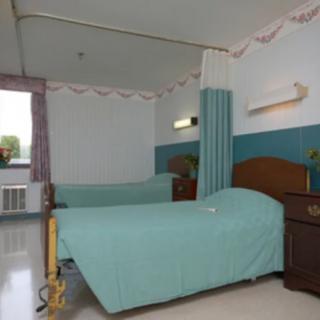
Circle Home in Lowell, MA is a vibrant and welcoming assisted living community that offers a range of amenities and care services to cater to the unique needs of each resident. Located in a peaceful and picturesque neighborhood, our community provides a comfortable and fulfilling lifestyle for seniors.

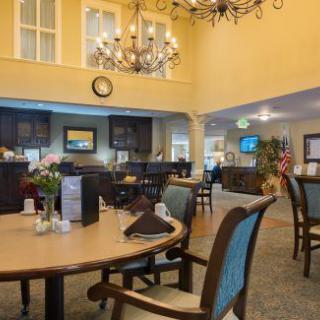
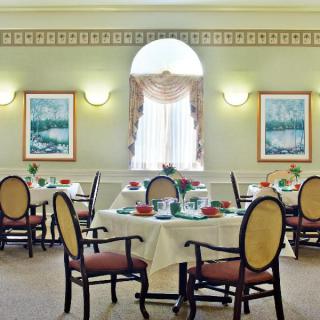
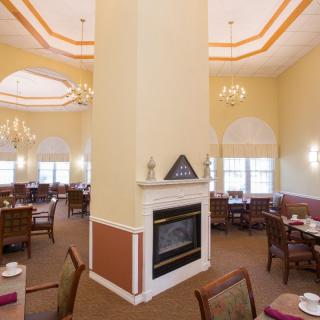
Residents at Circle Home enjoy a fully furnished home with cable or satellite TV, Wi-Fi/high-speed internet, and a small library for leisurely reading. The dining room offers delicious restaurant-style meals prepared by our trained chefs, with special attention given to accommodate any dietary restrictions. For those who prefer to cook their own meals, each apartment is equipped with a kitchenette.

Our caring staff provides 24-hour supervision and assistance with activities of daily living such as bathing, dressing, and transfers. They also offer medication management to ensure residents stay on track with their health needs. Our mental wellness program focuses on promoting emotional well-being through personalized care plans and engagement in meaningful activities.

Beyond the comforts of their apartments, residents can take advantage of our beautiful outdoor spaces and garden where they can relax or engage in light exercises. We also offer move-in coordination services to make the transition as smooth as possible for new residents.

At Circle Home, we encourage an active lifestyle by providing scheduled daily activities that cater to various interests. Residents can participate in resident-run activities or join organized outings to nearby cafes, restaurants, pharmacies, physicians' offices, and hospitals.

With its array of amenities and care services tailored specifically for seniors' needs, Circle Home in Lowell ensures that residents can embrace a joyful and fulfilling life in a supportive environment.

Nearby Places of Interest

Restaurants

  • McDonald's (0 miles)
  • Burger King (0.4 miles)
  • Subway (0.6 miles)
  • Cracker Barrel (2.3 miles)
  • McDonald's (2.3 miles)
  • Tavern in the Square (2.7 miles)
  • McDonald's (2.7 miles)

Physicians

  • Massachusetts Eye Associates (0.3 miles)
  • Harvard Vanguard Medical Associates (3.3 miles)
  • Global Care Group MD (4.1 miles)
  • Mark Gilchrist, MD (4.2 miles)
  • Allergy & Asthma Specialists, PC (4.3 miles)
  • Chelmsford Dermatology (4.3 miles)
  • Massachusetts Eye Associates (4.3 miles)

Pharmacies

  • Walmart Pharmacy (0.6 miles)
  • Walgreens (1.2 miles)
  • Walgreens (2.3 miles)
  • Walgreens (2.7 miles)
  • CVS Pharmacy (3.1 miles)
  • CVS Pharmacy (3.4 miles)
  • Walgreens (4 miles)

Cafes

  • Aroma Joe's (2 miles)
  • Heav'nly Donuts (2.2 miles)
  • Starbucks (4.5 miles)
  • Perfecto's Caffe (4.6 miles)
  • Triangle Store And Deli (6.2 miles)
  • Starbucks (7.8 miles)
  • Panera Bread (8.3 miles)

Hospitals

  • Tewksbury Hospital (3.4 miles)
  • Lawrence General Hospital (8.5 miles)

Parks

  • Friendship Park (6.1 miles)
  • Ward Reservation (8.3 miles)

Places of Worship

  • La Iglesia De Jesucristo De Los Santos De Los Últimos Días (6.2 miles)
  • First Baptist Church (6.5 miles)

Transportation

  • Ballardvale Mbta Station (7.7 miles)

Frequently Asked Questions

Where is Circle Home?

Nearby Communities

  • Wingate At Belvidere

    Wingate At Belvidere

    Lowell, MA


    pro Extensive amenities and 24/7 care with move-in coordination.

  • Care One At Lowell

    Care One At Lowell

    Lowell, MA

    2.7 from 24 reviews
     

    pro Extensive on-site amenities and restaurant-style dining with 24/7 care.

  • Focus Home Healthcare

    Focus Home Healthcare

    Lowell, MA


    pro Convenient access to nearby cafes, parks, pharmacies, physicians, and restaurants.

  • Blaire House of Tewksbury Assisted Living

    Blaire House of Tewksbury Assisted Living

    Tewksbury, MA

    4.3 from 38 reviews
    $5,271 to $6,828 / month

    pro Warm, attentive staff in a well-maintained, welcoming environment with engaging activities.

  • Bayberry At Emerald Court

    Bayberry At Emerald Court

    Tewksbury, MA

    4.5 from 113 reviews
    $3,560 to $8,640 / month

    pro Very clean facility with friendly staff and engaging activities that foster a strong sense of community.

  • Blaire House Of Tewksbury

    Blaire House Of Tewksbury

    Tewksbury, MA

    3.6 from 82 reviews
     

    pro Friendly staff, clean facilities, and engaging activities.

  • Regal Care at Lowell

    Regal Care at Lowell

    Lowell, MA

    3.8 from 43 reviews
    $1,850 to $2,700 / month

    pro Lower-than-average pricing with 24-hour supervision and furnished units.

  • Benchmark Senior Living at Chelmsford Crossings

    Benchmark Senior Living at Chelmsford Crossings

    Chelmsford, MA

    4.5 from 112 reviews
    $3,350 to $4,550 / month

    pro Friendly staff with engaging activities and well-regarded dining.

  • Giving Tree Senior Living

    Giving Tree Senior Living

    Dracut, MA

    4.1 from 76 reviews
    $4,400 to $5,500 / month

    pro Caring staff, clean, inviting facility with engaging activities.

Related Resources

  • assisted living costUnderstanding the True Cost of Assisted Living in 2025: A Comprehensive Guide

    Assisted living in 2025 offers a crucial balance of independence and support for seniors, with costs varying from $2,500 to over $7,000 per month based on factors such as location and care level. Understanding pricing complexities, including regional differences and potential hidden fees, is essential for families to plan financially while ensuring quality care for their loved ones.

  • does medicaid pay for assisted livingUnderstanding Medicaid Coverage for Assisted Living: A Comprehensive Guide

    The guide outlines the complexities of Medicaid coverage for assisted living, highlighting significant state-to-state variations, limited coverage often restricted to personal care services, and the existence of specialized waivers for certain needs like memory care. It advises families to consult local Medicaid offices for options while emphasizing the importance of understanding state-specific regulations and facility policies.

  • does medicaid pay for assisted livingHow and When Medicaid May Cover Assisted Living Costs

    Medicaid coverage for assisted living varies by state and is primarily available to low-income individuals, with eligibility dependent on strict income and asset limits. Some states offer HCBS waivers for specific services in assisted living, but families must generally cover room and board costs, and should verify facility acceptance of Medicaid while considering potential waiting lists.