
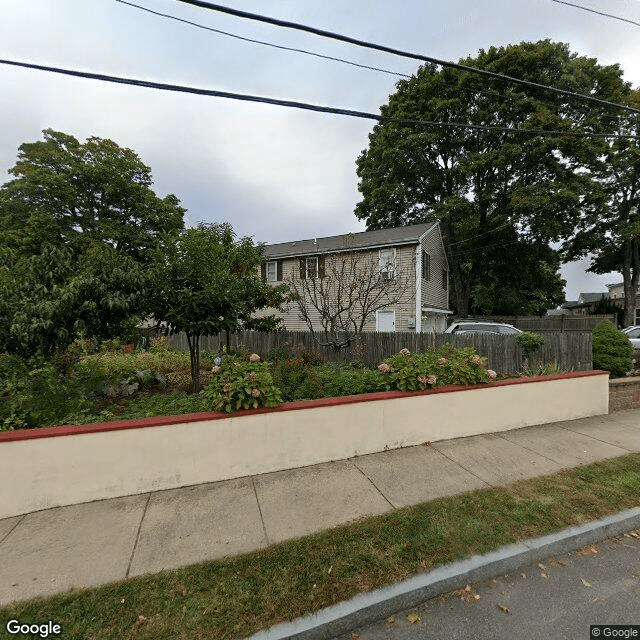
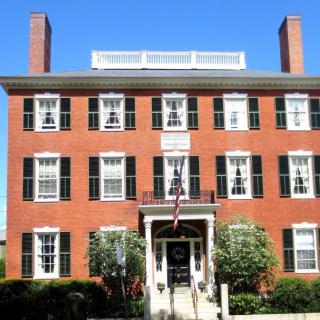
2 Oakland Street, Peabody, MA 01960
To contact a resident: (978) 587-6029
For more information about senior living options: (866) 208-4318
Overall Review of Amazing Love Senior Services
Pros
 Amazing Love provided outstanding care for an elderly relative with early-stage dementia, demonstrating compassion, professionalism, and dedication from day one.
- Stella, Joyce, Lola, and Rashidat were attentive and kind, formed a real connection, and kept the loved one safe.
- Stella and the team were responsive, flexible, and easy to work with, always keeping the family informed and involved.
- The reviewers express deep gratitude and highly recommend Amazing Love for trustworthy, compassionate care for a loved one.
- Clients highly recommend Senior Love Amazing Care.
- The care team is dependable, reliable, caring, like family, knowledgeable, and provides excellent care.
Review
Amazing Love Senior Services in Peabody, MA is best suited for families that want dementia-focused, compassionate care delivered by a tight-knit, responsive team. The community appeals to relatives who prize personal connection, safety, and ongoing involvement in their loved one’s daily routine. It excels for seniors with early-stage memory needs who benefit from staff who form real bonds and tailor care to individual rhythms. Those seeking a broader medical regime, extensive clinical programming, or a large campus with hospital-like infrastructure may want to consider alternatives. For families prioritizing a small-scale, relationship-driven care model, this community presents a clear and compelling option.
The strongest attributes live in the caregiving team. Reviewers highlight staff who are attentive, genuinely kind, and willing to go the extra mile, creating a sense of trust and security for residents. The relationships appear to extend beyond mere tasks, with care that feels personal and professional at the same time. Families appreciate how staff connect with loved ones, maintain safety, and keep routines predictable. The team’s reliability shines in how they engage with relatives, being flexible, easy to work with, and consistently communicative. This combination, warmth, competence, and dependable availability, forms the core advantage for memory care here.
Family involvement emerges as a defining strength, effectively turning daily care into a collaborative, transparent process. People note that communication from Stella, Joyce, Lola, Rashidat, and the rest of the team is steady and informative, which reduces lingering worry and confusion for caregivers at home. The ability to call in for help and receive timely responses makes pinch moments manageable and preserves continuity in care plans. In a field where changes can be stressful, this level of accessibility and openness helps families feel empowered rather than sidelined. The practical impact is a calmer experience for the resident and less emotional strain on relatives.
Given the reviews’ tone, the main potential limitation is the absence of explicit details about medical oversight and clinical programming. Prospective families should verify what on-site medical resources are available, how medication management is handled, and what happens in an urgent situation. While the staff’s dependability and warmth offset many concerns, a family with high-acuity medical needs or a demand for very structured, hospital-grade memory care may prefer a larger operation with more comprehensive clinical staffing. The offset is that the environment compensates with consistently attentive care, strong resident safety, and a communicative partnership with families, attributes that are often harder to achieve in bigger facilities.
To determine fit, prospective residents and their families should approach a tour as a diagnostic: observe interactions between staff and residents, notice how daily routines unfold, and ask concrete questions about dementia-specific programming, scheduling, and how care plans adapt to evolving memory needs. Inquire about staffing ratios, training credentials, and how team members coordinate with families during transitions. Request to meet the core care team and ask for examples of how families are kept informed. If medical complexity is a central concern, seek explicit confirmation of available on-site clinical coverage and escalation procedures. These steps clarify whether the community’s strengths align with the loved one’s expectations.
Bottom line: for families prioritizing warmth, safety, and a reliantly connective approach to dementia care in a setting that feels like family, Amazing Love Senior Services stands out. It delivers tangible benefits, compassionate caregivers who form real bonds, safety-forward practices, and open, ongoing family communication, that together offset the lack of extensive clinical programming often found in larger homes. The recommendation is clear for those in need of a memory-care partner who can be trusted to stay engaged, be flexible, and keep relatives in the loop. For others with higher clinical demands or a preference for a larger, more clinically oriented community, exploring alternatives is prudent, but for many Peabody families, this homey, attentive option will prove highly reassuring.
 Gen Edw L Logan International (12 miles away)

 Essential Knowledge on Pneumonia in Older Adults
 Exploring Palliative Care in the Home: A Comprehensive Overview
 Comprehensive Insights into Palliative Home Care: What It Is and What to Expect