



New England Homes For The Deaf in Danvers, MA

Save

  • Outdoors

    A stunning double rainbow arches over a serene landscape, reflecting the beauty of nature.
  • Building

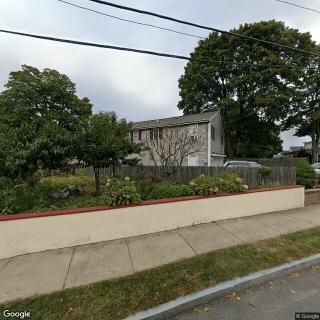
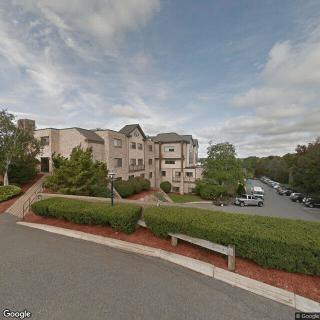
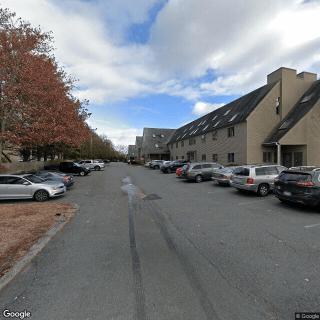
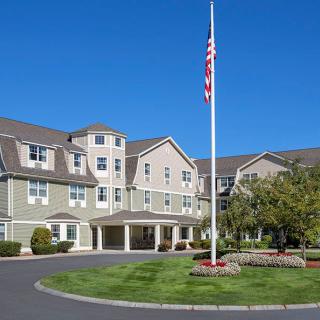
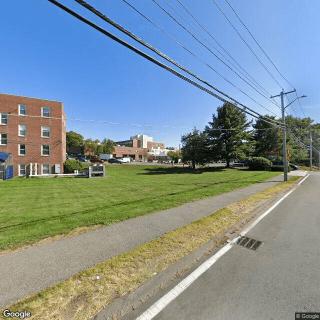
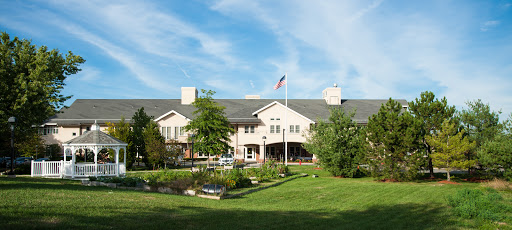
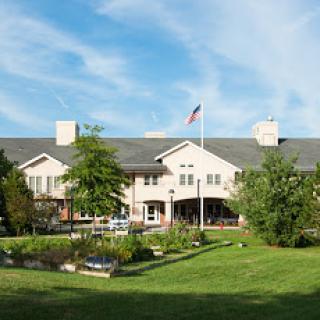
    A welcoming residential building surrounded by lush greenery and a clear blue sky.
  • Landscaping

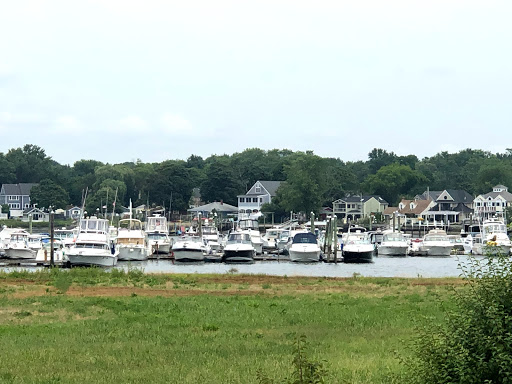
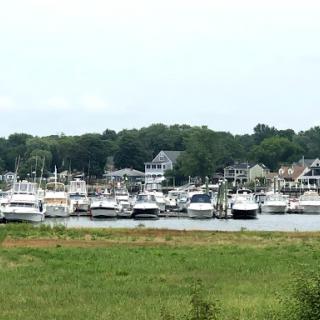
    A serene view of a marina filled with boats surrounded by lush greenery.
  • Outdoor

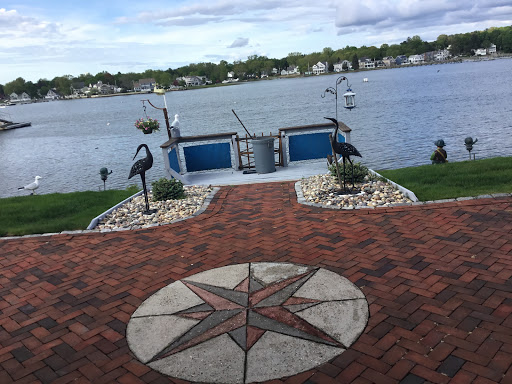
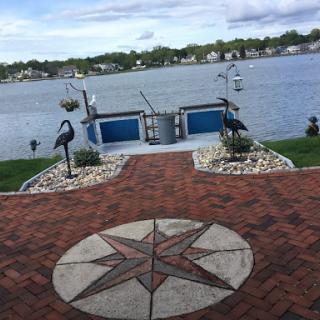
    A serene lakeside view with a decorative pathway leading to the water.
  • Bathroom

    A casual selfie taken in a bathroom mirror.
  • Nature

    A breathtaking sunset painting the sky with vibrant hues of orange and purple.
  • Grass

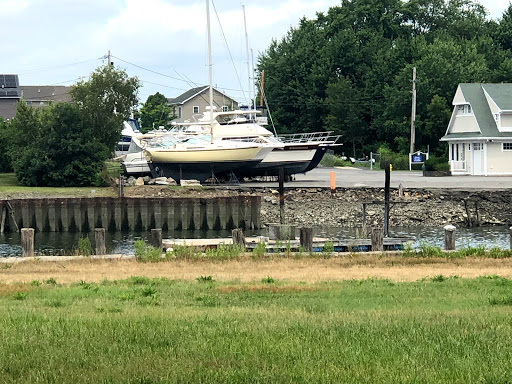
    A boat on dry land at a marina, surrounded by grass and trees under a cloudy sky.

New England Homes For The Deaf in Danvers, MA

154 Water Street, Danvers, MA 01923

For more information about senior living options: (844) 490-3973

4.4 from 32 reviews
5 stars
24
4 stars
3
3 stars
2
2 stars
1
1 stars
2

Skilled Nursing Facility

Overall Review of New England Homes For The Deaf

Pros

  • pro It feels warm and comforting from the moment the front door is seen.
  • pro The staff are thoughtful and caring, with a friendly atmosphere.
  • pro It is one of the best places to receive services.
  • pro The staff are wonderfully helpful to residents.
  • pro It is very clean inside, with a neat and well-maintained environment.
  • pro The facility provides 24-hour nursing care with attentive staff.
  • pro Most staff members are trained in sign language, easing communication with deaf residents.
  • pro The building is well secured and surrounded by beautiful gardens and lawns.
  • pro Balanced meals are served three times a day.
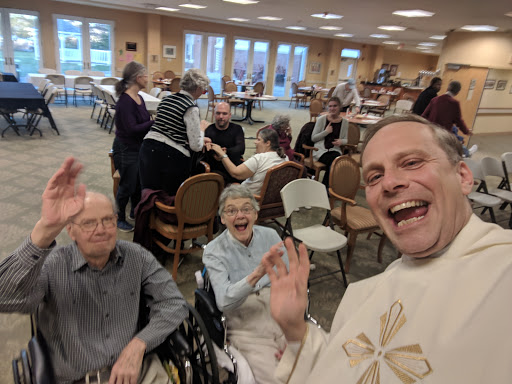
  • pro It feels homey, like a small community where staff interact freely with residents.

Cons

  • pro The staff attitude is poor and not friendly.
  • pro The staff are unprofessional and mean to the residents.
  • pro Nurses have been heard talking badly about deaf residents.
  • pro There is concern for a family member due to ongoing complaints about the staff.
  • pro The care provided could be better.

Review

New England Homes For The Deaf in Danvers is best suited for Deaf seniors who rely on ASL for daily communication and want a small, homey community where sign language is the natural bridge to care. The facility emphasizes a deaf-centered environment, with 24-hour nursing and staff trained in ASL, and it sits in a setting that feels secure and welcoming, complete with gardens and well-kept spaces. For families seeking a place where residents can stay connected through language and shared culture, this community offers a cohesive, sign-fluent atmosphere, plus easy access to nearby medical centers should health needs arise.

Those who should consider alternatives are primarily families prioritizing consistent warmth and professional conduct above all else. Several reviews raise red flags about staff attitude and professionalism, including reports of unkind or unfriendly behavior and, in some instances, complaints about staff discussing residents disparagingly. If reliability of staff interactions, respectful conduct, and a consistently positive resident experience are non-negotiable, other options - especially in non-deaf-specific settings - may deliver more predictable day-to-day dynamics. Also, if the resident would benefit from broader social programming beyond a deaf-centric milieu, some larger communities may offer more varied activities.

The positives align tightly with the core mission: ASL-accessible care, around-the-clock nursing, and a setting that emphasizes dignity and belonging. Residents typically experience clear communication with a workforce that can sign, which reduces frustration and enhances safety. The environment feels orderly and clean, with rooms described as spacious and common areas that reinforce a sense of home rather than institutional formality. The small-community vibe encourages closer staff-resident relationships and more direct interaction, while the proximity to major hospitals provides practical reassurance for families monitoring ongoing or acute medical needs.

However, the main cons cannot be dismissed as minor. When staff interactions veer toward unprofessional or unwelcoming, the very advantage of ASL-enabled communication can be undermined by poor bedside manner or inconsistent attitudes. Complaints about staff demeanor and the occasional perception of a harsh or impersonal environment clash with the otherwise warm, home-like setting. For a resident whose well-being depends as much on daily emotional tone as on clinical care, these downsides can significantly tilt the overall experience. The hospital-like atmosphere some describe, even in a small, intimate community, may also feel less comforting to those who crave a more cushioned, sanctified sense of home.

Weighing the pros and cons, the clear offset rests with the reliability and clarity of ASL communication and the tailored deaf-centric culture. If this is the resident's primary priority, the benefits - visible nursing presence, strong sign-language access, and a cohesive community that communicates in comfort - often outweigh the concerns, provided staff conduct improves through ongoing training and accountability. For families with significant concerns about staff reliability, a rigorous due diligence process is essential: schedule multiple visits, request to meet current caregivers and administrators, observe interactions, and ask how conflicts or complaints are addressed. If those assurances cannot be obtained, or if the resident needs exhaustive social programming beyond ASL fluency, exploring mainstream or larger deaf-friendly facilities with documented staff stability may be prudent.

Bottom line: New England Homes For The Deaf delivers a compelling option for Deaf seniors who prize language-accessible care, a tight-knit environment, and dependable nursing support in a safe, homelike setting. When staff consistency and warmth become the determining factors, however, this community warrants concrete assurances and recent, firsthand impressions during a trial period. For families who can verify ongoing constructive staff engagement and who value a deaf-centered culture, this is a solid, reasonably strong choice. If those assurances cannot be secured, or if the resident would benefit from broader programming and steadier day-to-day warmth, it is wise to consider alternatives and compare engagement, staffing stability, and overall resident morale before making a final commitment.

Features

Housing

  • 30 resident community capacity 30 resident community capacity

Types of Care

  • Skilled Nursing Facility Skilled Nursing FacilitySkilled Nursing Facilities are crucial for seniors as they provide round-the-clock medical care, rehabilitation services, and assistance with daily activities. These facilities ensure that seniors receive the specialized care they need to maintain their health and well-being as they age.

Amenities

  • Beauty salon Beauty salonBeauty salons are important for seniors because they provide a space for them to feel pampered, socialize, and maintain their personal grooming and hygiene. Regular visits to a beauty salon can help boost seniors' self-esteem and overall well-being.
  • Cable or satellite TV Cable or satellite TVCable or satellite TV is important for seniors because it provides entertainment, news, and companionship, helping to combat loneliness and boredom. It also offers a wide range of programming options tailored to different interests and preferences.
  • Dining room Dining roomDining rooms are important for seniors as they provide a space for socialization, connection, and nutritious meals. They offer opportunities for residents to bond over shared meals, foster a sense of community, and promote healthy eating habits. Dining rooms also ensure that seniors have access to well-balanced meals tailored to their dietary needs and preferences.
  • Fully furnished Fully furnishedFully furnished senior living communities are important for seniors because they provide convenience, comfort, and a hassle-free moving experience. Seniors can easily settle into their new living space without the stress of having to buy and move furniture. This allows them to focus on enjoying their new home and community.
  • Garden GardenGardens are important for seniors as they provide a peaceful and therapeutic environment for relaxation, physical activity, and socialization. Being in nature has been shown to reduce stress, improve mood, and promote overall well-being. Gardens also offer opportunities for seniors to engage in gardening activities, which can improve mobility, flexibility, and cognitive function. Additionally, gardens create a sense of community and connection with others who share a passion for plants and outdoor spaces.
  • Housekeeping services Housekeeping servicesHousekeeping services are important for seniors because they help maintain a clean and safe living environment, promote independence, and reduce the risk of accidents or illnesses. Additionally, having assistance with household chores can alleviate physical strain and allow seniors to focus on other aspects of their well-being.
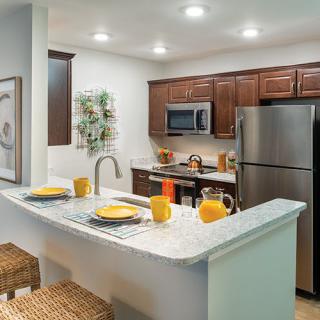
  • Kitchenette KitchenetteKitchenettes are important for seniors living in senior living communities because they provide the convenience and independence of being able to prepare simple meals and snacks in the comfort of their own living space. This can help promote a sense of autonomy and well-being for seniors, allowing them to maintain some level of control over their dietary choices and daily routines.
  • Move-in coordination Move-in coordinationMove-in coordination is important for seniors because it helps ease the transition into their new living environment. It ensures that all logistics, such as packing, organizing movers, and setting up utilities are taken care of, allowing seniors to focus on settling in and adjusting to their new home. Having a smooth move-in process can alleviate stress and anxiety, making the transition smoother and more enjoyable for seniors.
  • Outdoor space Outdoor spaceOutdoor spaces are important for seniors as they provide opportunities for physical activity, social interaction, exposure to natural light and fresh air, and a sense of connection to nature. Having access to outdoor spaces can improve overall well-being and quality of life for older adults living in senior communities.
  • Restaurant-style dining Restaurant-style diningRestaurant-style dining is important for seniors because it allows them to enjoy delicious, nutritious meals in a social and upscale setting. This enhances their dining experience, promotes healthy eating habits, and fosters socialization with fellow residents, ultimately contributing to their overall well-being and quality of life.
  • Small library Small librarySmall libraries are important for seniors as they provide access to a variety of reading materials, including books, newspapers, and magazines. This can help stimulate their minds, keep them engaged, and provide a sense of community through book clubs and other social activities. Additionally, reading has been shown to improve cognitive function and overall mental well-being in older adults.
  • Telephone TelephoneTelephones are important for seniors as they provide a lifeline for communication with loved ones, emergency services, and healthcare providers. They offer a sense of security and independence, enabling seniors to stay connected and access assistance when needed.
  • Wi-Fi/high-speed internet available Wi-Fi/high-speed internet availableWi-Fi/high-speed internet is important for seniors to stay connected with loved ones, access online resources, and participate in virtual activities to combat feelings of loneliness and isolation. It also allows them to easily manage healthcare needs, access entertainment, and engage in lifelong learning opportunities.

Transportation

  • Gen Edw L Logan International (13 miles away) Gen Edw L Logan International (13 miles away)

Care Services

  • 24-hour call system 24-hour call system24-hour call systems are important for seniors because they provide peace of mind and immediate assistance in case of emergencies. This technology ensures that help is always available, promoting safety and security for elderly individuals living alone or in assisted living facilities.
  • 24-hour supervision 24-hour supervision24-hour supervision is important for seniors to ensure their safety, well-being, and access to immediate assistance in case of emergencies or health issues. This constant support provides peace of mind for both seniors and their loved ones, allowing them to age in place with dignity and security.
  • Activities of daily living assistance Activities of daily living assistanceActivities of daily living assistance are important for seniors because they provide essential support with tasks such as eating, bathing, dressing, and mobility. This assistance helps seniors maintain their independence, dignity, and overall quality of life as they age.
  • Assistance with bathing Assistance with bathingAssistance with bathing is crucial for seniors as it helps maintain personal hygiene, prevents infections, and ensures their overall well-being and comfort. It also provides a sense of dignity and independence for seniors who may struggle with this task on their own.
  • Assistance with dressing Assistance with dressingAssistance with dressing is important for seniors because it helps maintain their independence, promotes personal hygiene, prevents accidents and injuries, and improves overall quality of life. This service ensures that seniors can continue to dress comfortably and confidently, despite any physical limitations they may have.
  • Assistance with transfers Assistance with transfersAssistance with transfers is crucial for seniors as it helps prevent falls and injuries, maintains their independence, and ensures they can safely navigate their living environment. It also provides peace of mind for both seniors and their loved ones.
  • Diabetes diet Diabetes dietA diabetes diet is crucial for seniors as it helps manage blood sugar levels, reduce risks of complications, and improve overall health and well-being. By following a balanced and nutritious diet tailored to their specific needs, seniors can better control their diabetes and enhance their quality of life.
  • Meal preparation and service Meal preparation and serviceMeal preparation and service are crucial for seniors as they may have limited mobility or energy to cook nutritious meals. Having access to healthy and convenient food options can ensure they are getting the proper nutrition needed to maintain their overall health and well-being.
  • Medication management Medication managementMedication management is crucial for seniors to ensure they are taking the right medications at the correct dosages and times. This helps prevent adverse drug interactions, reduces the risk of medication errors, and promotes overall health and well-being. Proactive management also allows for adjustments as needed based on changing health conditions or new prescriptions.
  • Mental wellness program Mental wellness programMental wellness programs are essential for seniors as they promote cognitive stimulation, emotional support, and social engagement. These programs help prevent isolation, depression, and cognitive decline, ultimately enhancing the overall quality of life for older adults.
  • Special dietary restrictions Special dietary restrictionsSpecial dietary restrictions are important for seniors because age-related changes in metabolism and health conditions can make it difficult for their bodies to process certain foods. By following a diet tailored to their specific needs, seniors can maintain their overall health and well-being, manage chronic conditions, and reduce the risk of complications such as malnutrition or food interactions with medications.
Dining

  • Diabetes diet Diabetes dietA diabetes diet is crucial for seniors as it helps manage blood sugar levels, reduce risks of complications, and improve overall health and well-being. By following a balanced and nutritious diet tailored to their specific needs, seniors can better control their diabetes and enhance their quality of life.
  • Special dietary restrictions Special dietary restrictionsSpecial dietary restrictions are important for seniors because age-related changes in metabolism and health conditions can make it difficult for their bodies to process certain foods. By following a diet tailored to their specific needs, seniors can maintain their overall health and well-being, manage chronic conditions, and reduce the risk of complications such as malnutrition or food interactions with medications.

Activities

  • Community-sponsored activities Community-sponsored activitiesCommunity-sponsored activities are important for seniors as they provide opportunities for social interaction, mental stimulation, and physical activity. These activities can help improve overall well-being, combat loneliness and isolation, and promote a sense of belonging and purpose among older adults.
  • Resident-run activities Resident-run activitiesResident-run activities are important for seniors as they encourage social interaction, creativity, and a sense of autonomy. These activities empower seniors to stay engaged and active in their community while fostering meaningful connections with their peers.
  • Scheduled daily activities Scheduled daily activitiesScheduled daily activities are important for seniors because they provide structure, socialization, mental stimulation, and physical activity. Engaging in regular activities can improve overall well-being and quality of life for seniors living in a community setting.

Description

The New England Homes For The Deaf, located in Danvers, MA, offers a comfortable and supportive environment for individuals who are deaf or hard of hearing. This assisted living community provides a range of amenities to ensure residents' comfort and convenience.

Each fully furnished apartment is equipped with cable or satellite TV, a kitchenette, telephone, and Wi-Fi/high-speed internet access. Residents can enjoy the beautifully landscaped outdoor space and garden area, perfect for relaxation or socializing with fellow residents.

Meals at the community are served restaurant-style in the dining room, accommodating special dietary restrictions as needed. Housekeeping services are provided to ensure a clean and well-maintained living environment.

The dedicated staff at New England Homes For The Deaf provides 24-hour supervision and assistance with activities of daily living such as bathing, dressing, and transfers. They also offer medication management services to support resident's health needs. A mental wellness program is available to promote emotional well-being.

Residents have the opportunity to participate in resident-run activities and scheduled daily activities to engage socially and mentally. Additionally, several cafes, parks, pharmacies, restaurants, places of worship, physicians' offices, hospitals are conveniently located nearby for easy access to essential services.

Overall, New England Homes For The Deaf offers a welcoming and supportive community where individuals who are deaf or hard of hearing can enjoy their independence while receiving the care and assistance they need.

Nearby Places of Interest

Physicians

  • NS Physicians Group (0.7 miles)
  • Sports Medicine North (1.5 miles)
  • Lahey Clinic Peabody (1.5 miles)
  • Harvard Vanguard Medical Associates - Peabody-Lynnfield (1.7 miles)
  • Essex Surgical Associates (1.9 miles)
  • Microsurgical Eye Consultants (2.2 miles)
  • The New England Facial and Cosmetic Surgery Center (2.4 miles)

Pharmacies

  • CVS Pharmacy (0.9 miles)
  • Walgreens (1.2 miles)
  • Walgreens (1.4 miles)
  • CVS Pharmacy (1.5 miles)
  • CVS Pharmacy (1.7 miles)
  • Walgreens (1.9 miles)
  • Walgreens (2 miles)

Restaurants

  • Kelly's Roast Beef (1.2 miles)
  • Taco Bell (1.3 miles)
  • The Cheesecake Factory (1.3 miles)
  • Sylvan Street Grille (1.4 miles)
  • McDonald's (1.7 miles)
  • Old Planters Brewing (1.8 miles)
  • China River Restaurant (1.8 miles)

Cafes

  • Starbucks (1.5 miles)
  • Starbucks (1.6 miles)
  • Starbucks (2.1 miles)
  • Jaho Coffee & Tea (2.3 miles)
  • Starbucks (2.8 miles)
  • Caffe Nero (2.8 miles)
  • Perfecto's Caffe (3.1 miles)

Parks

  • Salem Dog Park (1.7 miles)
  • Salem Common (2.1 miles)
  • Independence Park (2.1 miles)
  • Salem Maritime National Historic Site (2.3 miles)
  • Winter Island Park (2.8 miles)
  • Crocker Park (4.5 miles)
  • Chandler Hovey Park (5.1 miles)

Transportation

  • MBTA Salem Station (1.8 miles)

Hospitals

  • Childrens Hospital Peabody (2.2 miles)
  • Beverly Hospital (2.6 miles)
  • Northeast Hospital Corporation (2.9 miles)
  • Danvers State Hospital (3.7 miles)

Places of Worship

  • Temple B'Nai Abraham (2.8 miles)
  • St Richard Catholic Church (2.8 miles)
  • Danvers Church Of The Nazarene (4.2 miles)
  • First Church Nursery School (5.2 miles)
  • The Church of Jesus Christ of Latter-day Saints (6.3 miles)
  • Lynn Spanish Branch Latter-day Saints (6.3 miles)

Frequently Asked Questions

Where is New England Homes For The Deaf?
What photos are available for New England Homes For The Deaf in Danvers, Massachusetts?

Nearby Communities

  • Sunrise of Gardner Park

    Sunrise of Gardner Park

    Peabody, MA

    4.4 from 73 reviews
    $7,170 to $9,690 / month

    pro Personable, attentive staff in a clean, home-like setting with engaging activities and memory-care support.

  • Brightview Danvers

    Brightview Danvers

    Danvers, MA

    4.5 from 134 reviews
    $3,960 to $5,980 / month

    pro Welcoming atmosphere with caring staff and engaging activities.

  • Amazing Love Senior Services

    Amazing Love Senior Services

    Peabody, MA


    pro Strong access to healthcare, dining, parks, and other amenities nearby.

  • CareOne at Peabody

    CareOne at Peabody

    Peabody, MA

    4.4 from 112 reviews
     

    pro Attentive, compassionate staff in a clean, welcoming setting with strong rehab support.

  • BrightStar of Danvers & Essex County

    BrightStar of Danvers & Essex County

    Danvers, MA


    pro Excellent access to nearby amenities and healthcare for an active lifestyle.

  • Brentwood Rehabilitation And Healthcare Center

    Brentwood Rehabilitation And Healthcare Center

    Danvers, MA

    4.1 from 136 reviews
     

    pro Caring staff in a clean facility with strong rehab services.

  • Benchmark Senior Living At Putnam Farm

    Benchmark Senior Living At Putnam Farm

    Danvers, MA

    4.5 from 66 reviews
    $4,050 to $8,750 / month

    pro Beautiful, well-maintained community with friendly, proactive staff and engaging on-site activities.

  • Herrick House

    Herrick House

    Beverly, MA

    4.5 from 13 reviews
    $4,340 to $5,500 / month

    pro Upscale, clean environment with attentive staff and strong security.

  • Brooksby Village

    Brooksby Village

    Peabody, MA

    3.7 from 49 reviews
    $1,687 to $11,640 / month

    pro Vibrant community with extensive amenities and well-maintained grounds.

Related Resources

  • geriatric care managerIs a Geriatric Care Manager the Right Choice for Your Family?

    Geriatric care managers create personalized care plans for older adults, addressing their medical, social, financial, and psychological needs while coordinating services and advocating for their well-being. They help families navigate caregiving challenges but may be hindered by high costs and a shortage of qualified professionals.

  • what to say to someone who is grievingCompassionate Conversations: How to Comfort Someone Who Is Grieving

    The article highlights the importance of empathy and open communication when comforting someone who is grieving, noting that grief is unique to each individual and emphasizing the need for sincere expressions of condolence, active listening, and ongoing support. It also addresses cultural differences in mourning practices and encourages tailored approaches to provide effective comfort.

  • home care aideHome Health Care Aides: Understanding Their Role and Supporting Your Family

    Home health care aides provide vital medical and non-medical support to individuals at home, assisting with daily living activities and promoting emotional well-being, while the demand for these services increases due to an aging population. Families benefit from in-home care's flexibility and cost-effectiveness but face challenges like scheduling consistency and caregiver turnover.