
29 Washington Sq, Salem, MA 01970
To contact a resident: (978) 744-1002
For more information about senior living options: (866) 208-4318
John Bertram House Costs & Pricing
At John Bertram House, the monthly costs for living arrangements are notably competitive compared to both Essex County and the broader Massachusetts region. A semi-private room is priced at $4,500, which presents a significant savings against the county's average of $5,800 and the state's average of $5,805. For those considering a studio, John Bertram House offers this option at $5,500, which remains reasonably aligned with Essex County's rate of $5,255 and slightly above Massachusetts' average of $5,312. Overall, residents can benefit from more affordable pricing while enjoying quality care and community within the John Bertram House environment.
| Floor plans | John Bertram House | Essex County | Massachusetts |
|---|---|---|---|
| Semi-Private | $4,500 | $5,800 | $5,805 |
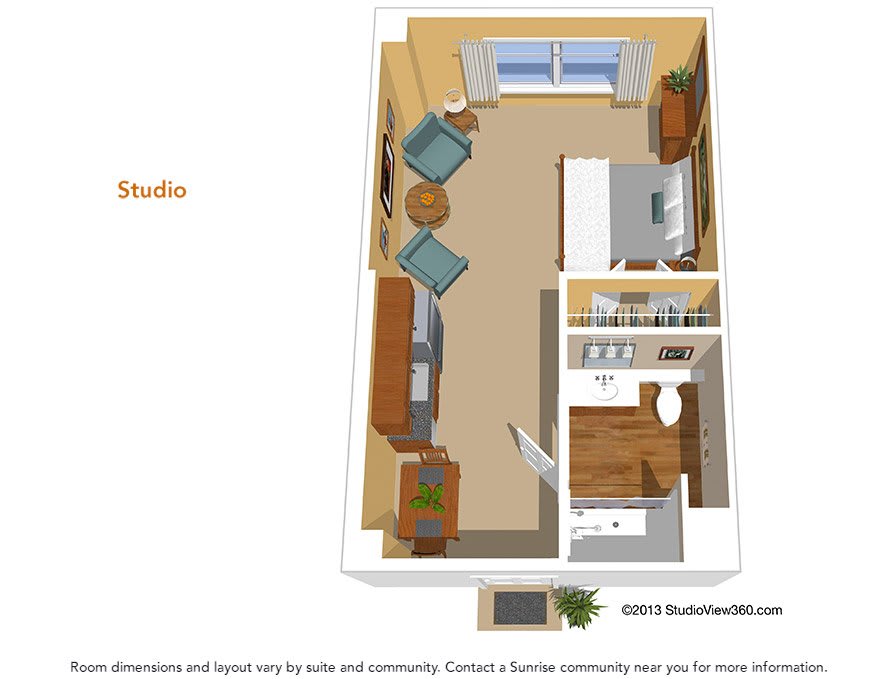
| Studio | $5,500 | $5,255 | $5,312 |
Assisted Living communities with a similar price nearby
-
from +$245 / mo

Stone Hill At Andover
$4,745 to $9,295 / month15.6 miles away -
from -$150 / mo
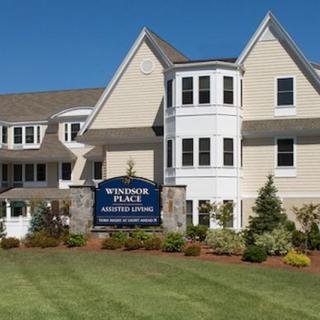
Windsor Place Of Wilmington
$4,350 to $5,695 / month12.6 miles away -
from +$300 / mo
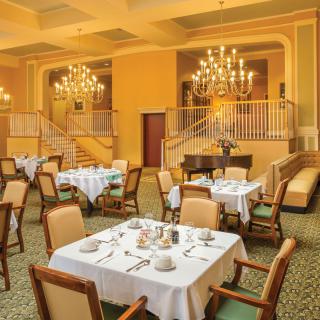
Brigham House
$4,800 / month17.8 miles away -
from +$899 / mo
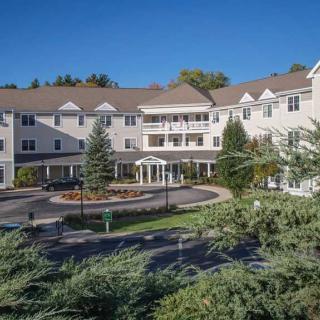
Traditions of Dedham
$5,399 to $7,599 / month24.8 miles away -
from +$495 / mo

Wingate Residences at Haverhill
$4,995 to $6,995 / month21.6 miles away
Overall Review of John Bertram House
Pros
 The facility has a homey feel with nice staff and a good choice of activities.
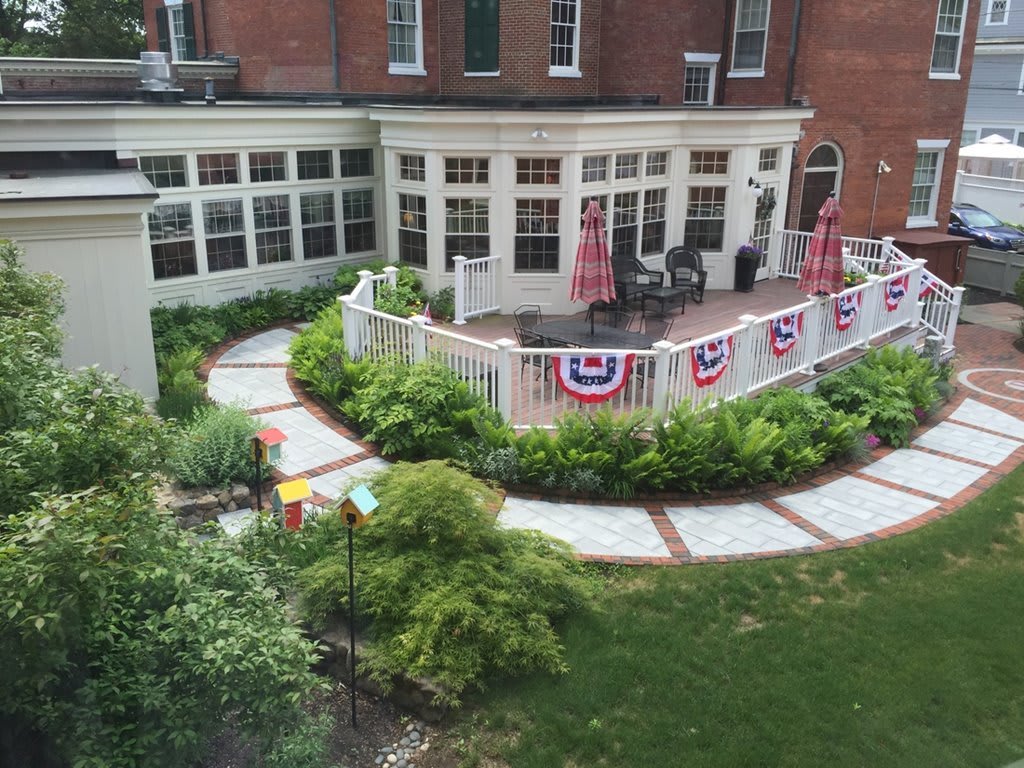
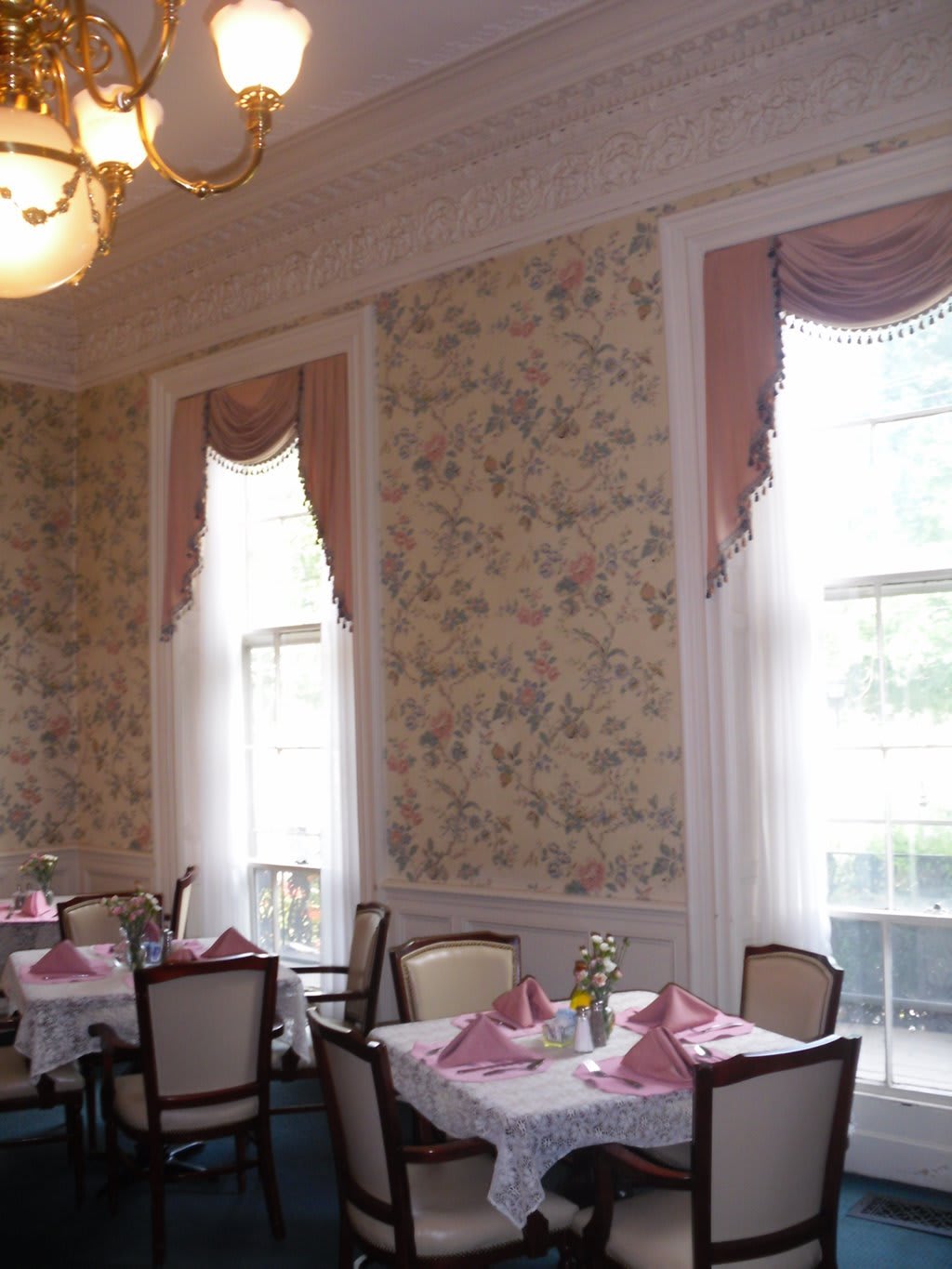
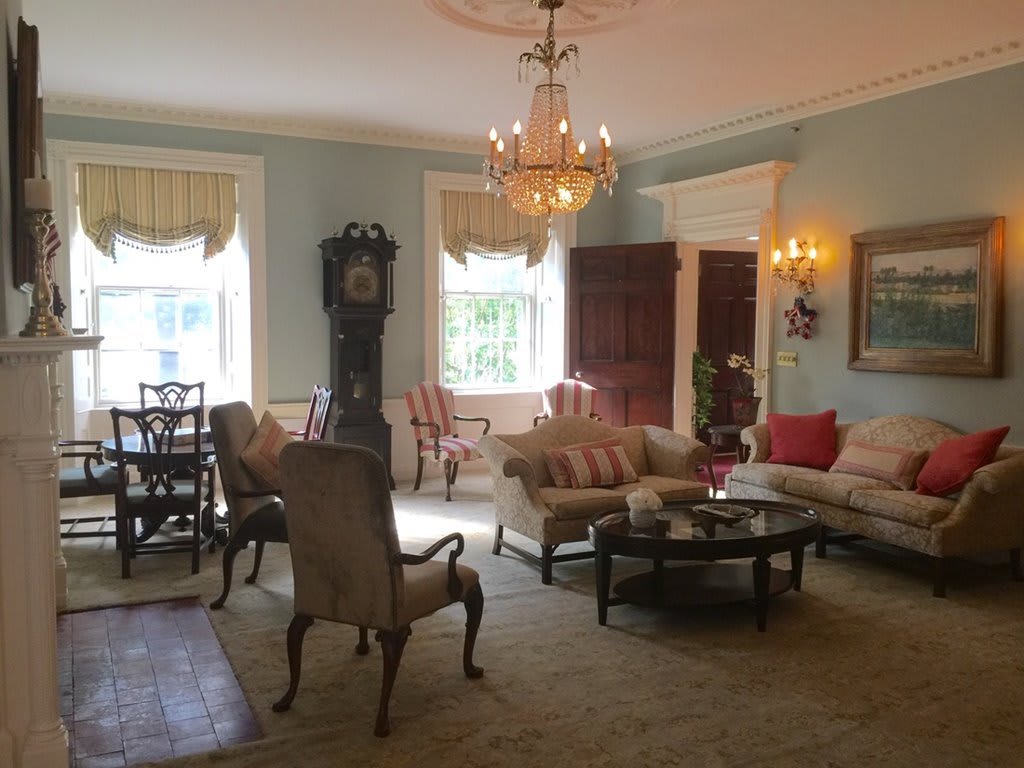
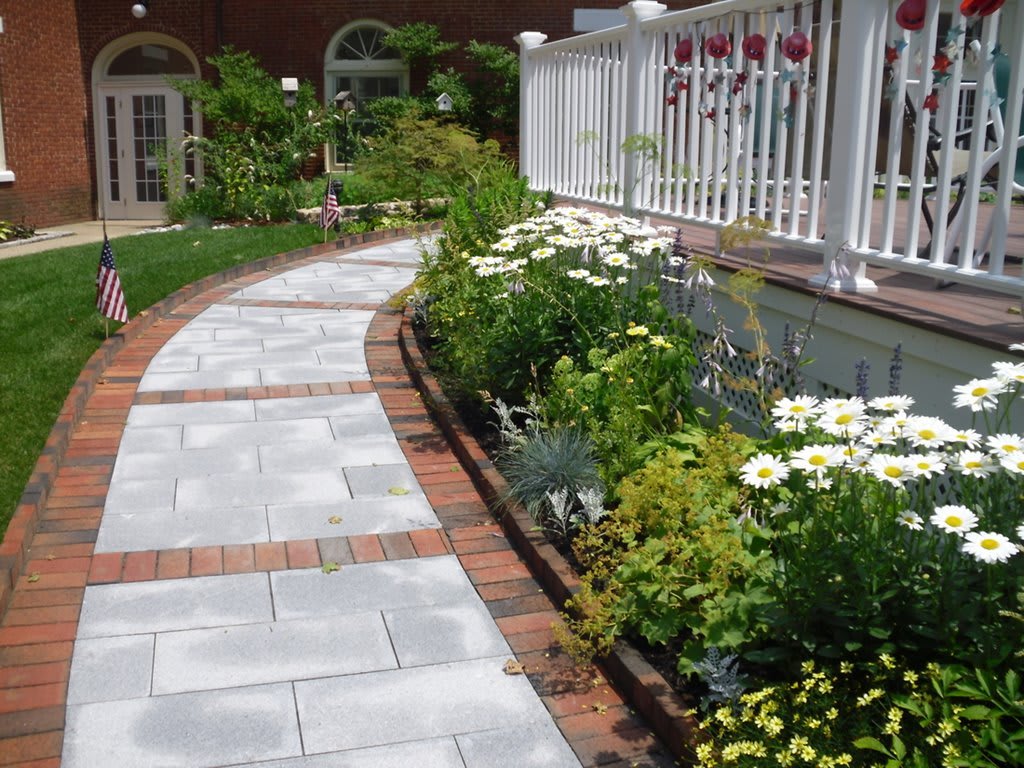
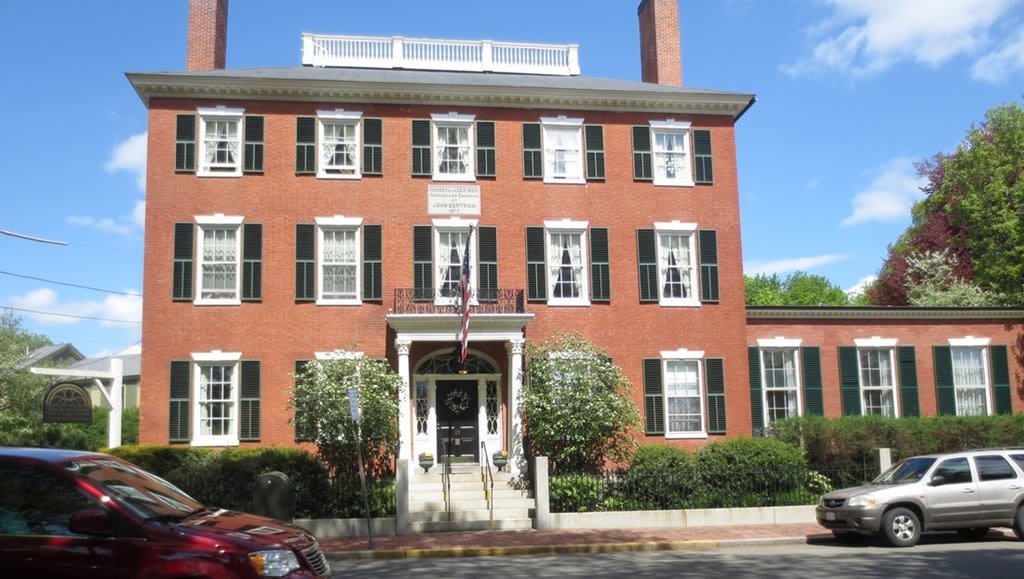
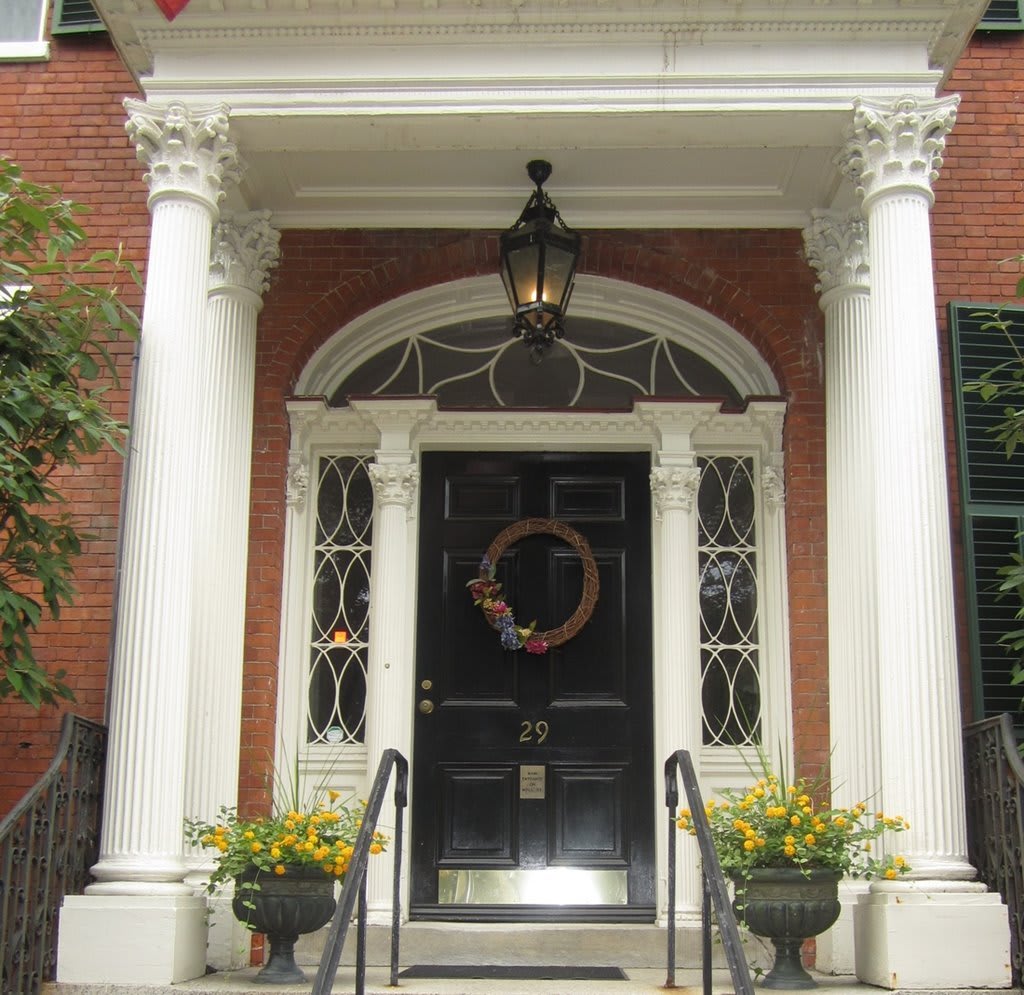
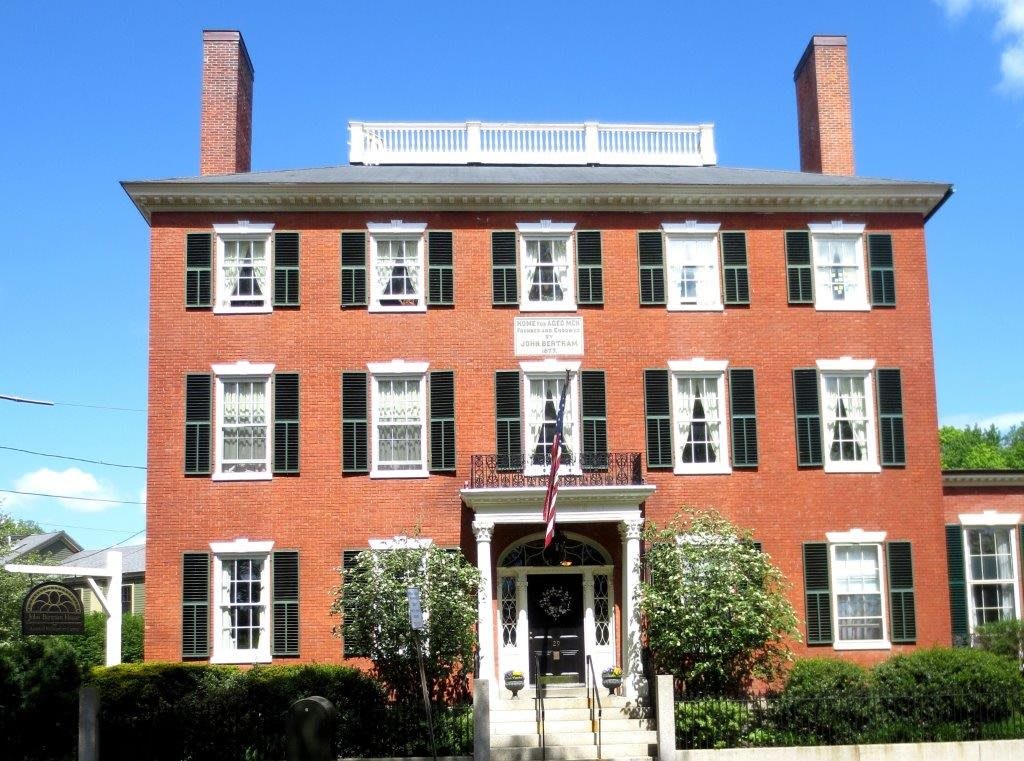
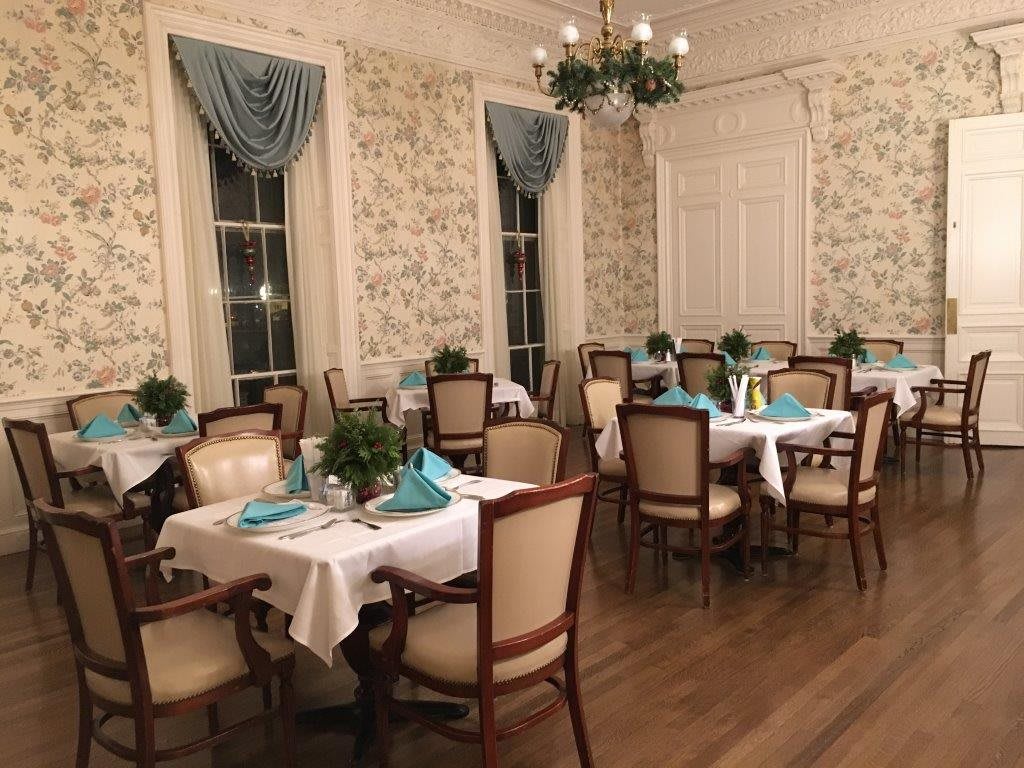
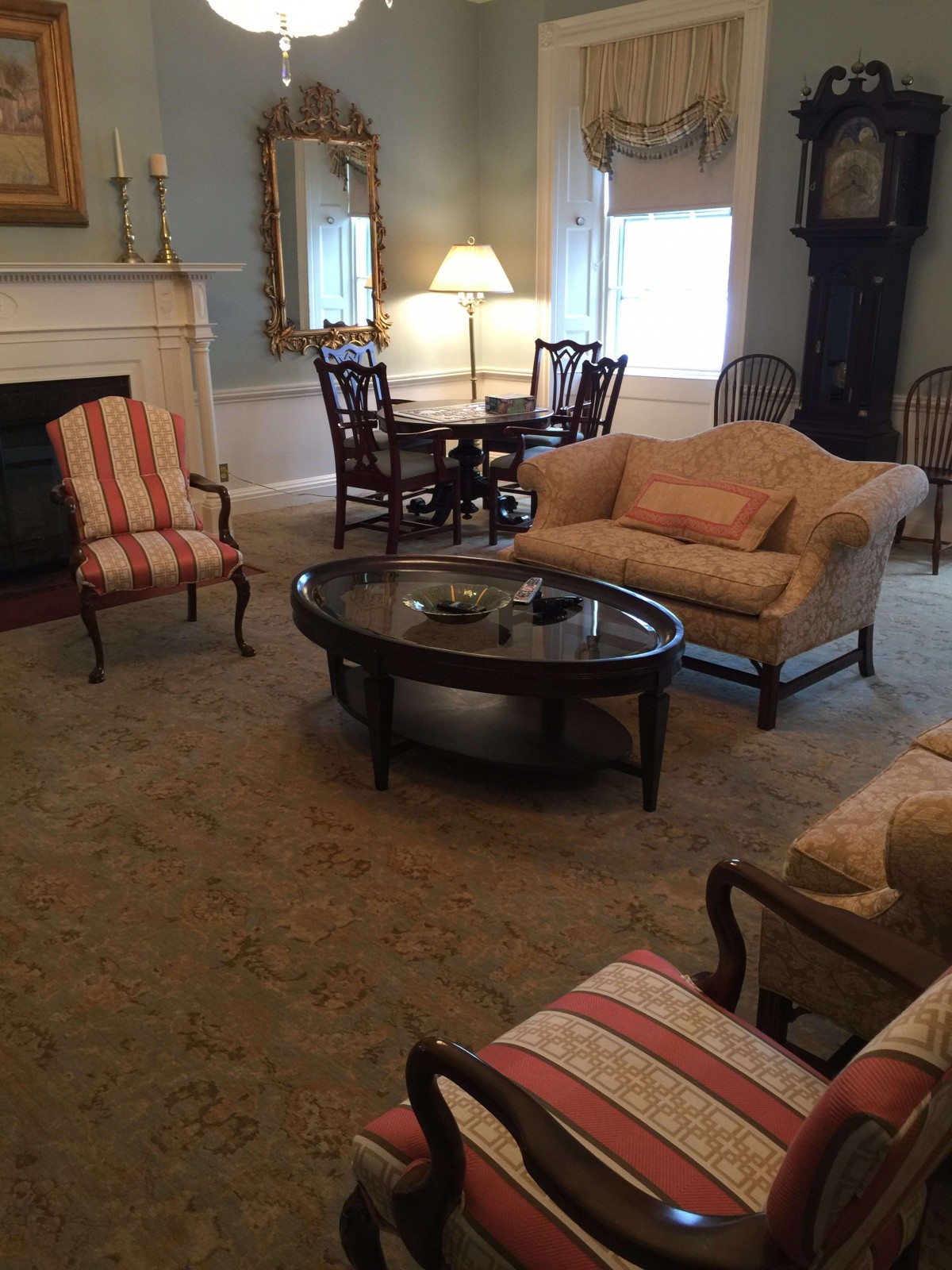
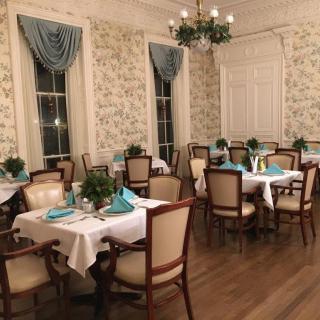
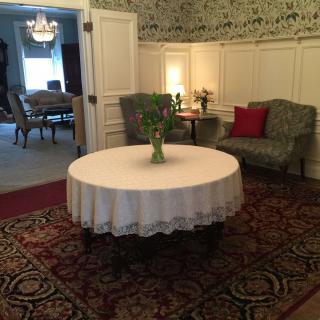
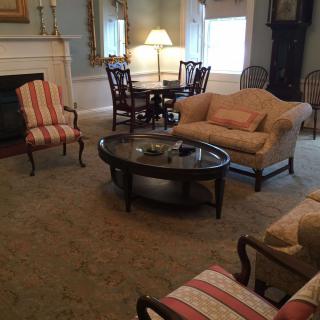
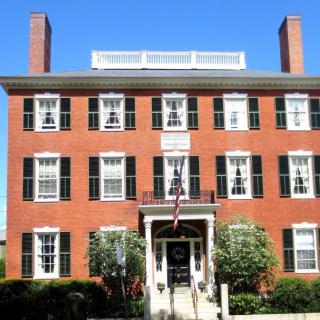
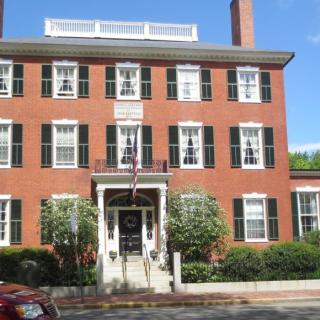
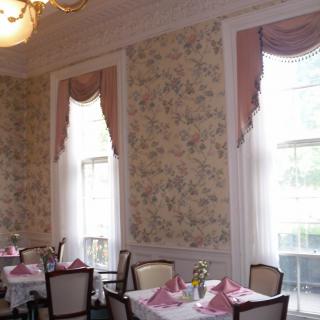
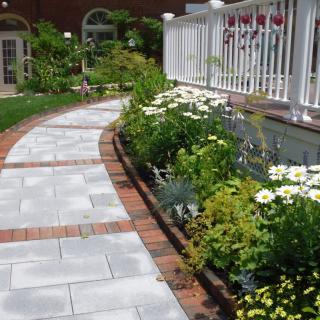
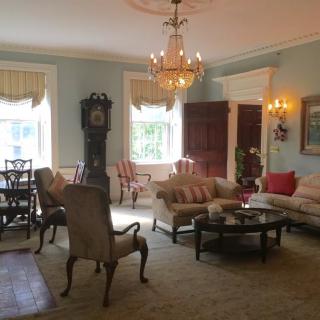
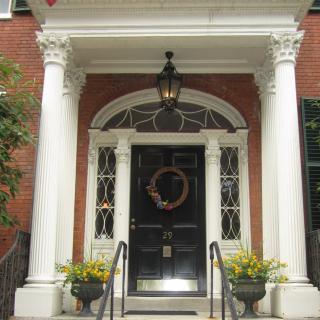
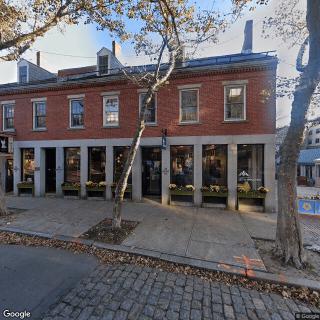
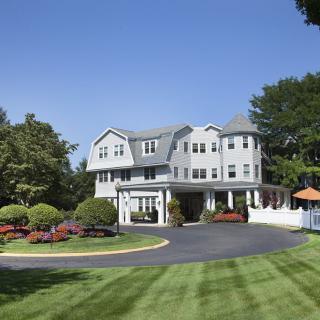
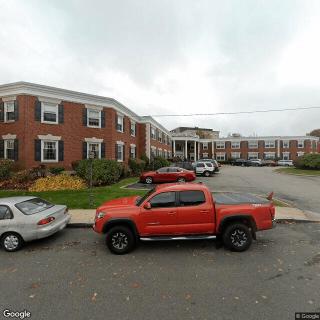
- The building is a beautiful, historic house, and the dining area looks elegant with linen tablecloths and napkins.
- The meals are well balanced and tasty, with fresh fruit and salads.
- It provides engaging activities and outings, including Explorers at Salem State and trips to Boston.
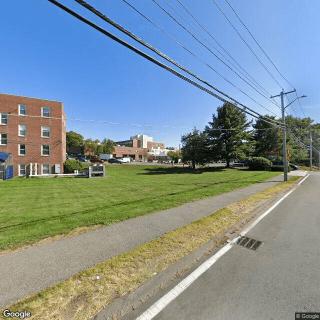
- It is located in a safe neighborhood and is near Salem Hospital and Beverly Hospital.
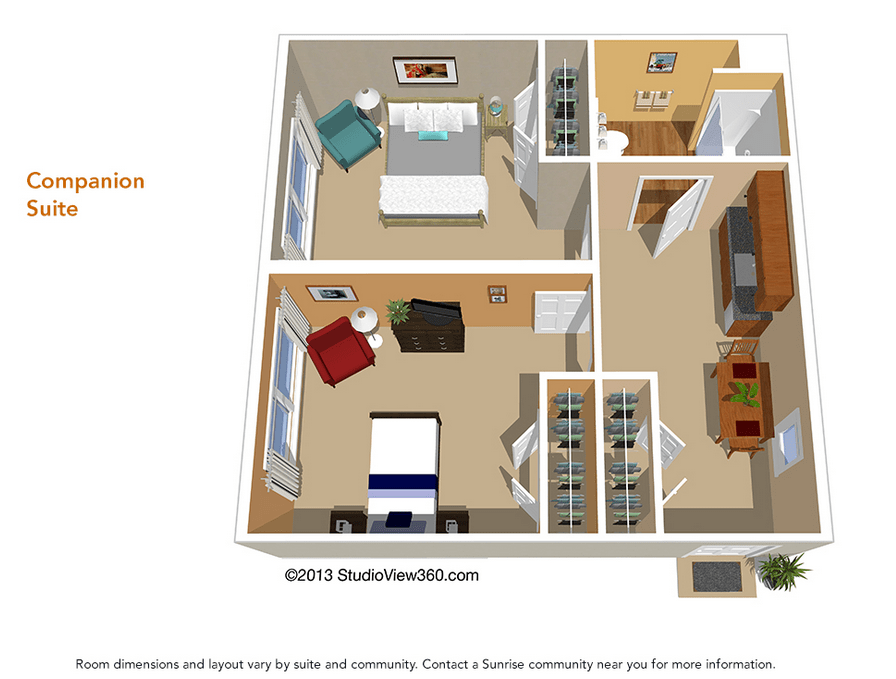
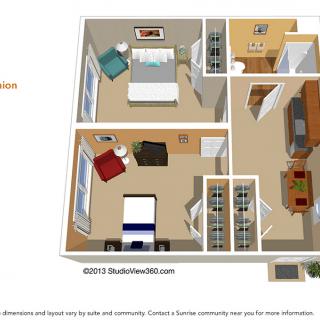
- Residents have spacious apartments, and the 24-hour staff keeps the facility neat, with reliable daily living assistance and strong Alzheimer's care.
Cons
 Their only reason for not choosing the facility was that it was about 2.5 hours away from their home on a good day.
- The lengthy travel time would likely prevent the mom from continuing activities she was interested in, such as Salem State classes.
Review
John Bertram House in Salem, MA is best suited for seniors who want a warm, home-like assisted living experience with a clearly active social calendar and reliable daily support. The setting, a handsome late-1800s federal house, delivers a sense of dignity and continuity that many older adults value more than a clinical campus. Residents gain from a staff that feels attentive but approachable, a dining experience described as appealing and thoughtfully prepared, and a program that emphasizes enrichment rather than mere routine. For those who still want to stay connected to the local community, the combination of on-site activities and outward-bound outings, Salem State Explorers programs, Boston trips, and other excursions, provides a compelling reason to choose this community. In short, it serves seniors who want to remain engaged, independent where possible, and supported where needed.
Those who should consider alternatives are typically guided by geography, medical needs, or facility style. A reviewer explicitly ruled it out because it’s about two-and-a-half hours away from their home, underscoring that distance can be a decisive issue for families who want easy, frequent access. Additionally, any senior requiring higher-acuity medical care on-site or a more modern, resort-like campus with expansive on-site amenities may naturally look elsewhere. For families seeking highly specialized memory-care settings or hyper-modern environments, this house’s historic charm and intimate scale may feel too small or not sufficiently equipped to handle complex medical needs. In short, the travel burden and a preference for advanced on-site services push some toward other options.
The strongest pros here, homey ambiance, attentive staff, and a robust activity slate, tend to offset the main drawback for many buyers. The house feels welcoming, not institutional, which helps residents settle in and stay socially active. Staff availability around the clock, a clear emphasis on safety, and well-maintained, spacious apartments contribute to peace of mind for families and residents alike. The dining experience, three balanced meals daily with fresh fruit and salads, complements the lifestyle goals of preserving appetite, health, and social dining. The optional enrichment through local college partnerships and travel to cultural sites adds a purposeful dimension to daily life, making care feel participatory rather than merely supervisory. For seniors who prize independence within a supportive framework, these factors collectively make the cons seem manageable rather than deal-breakers.
Equally important are proximity advantages that translate into practical reliability. The Salem location places residents near major medical centers, including Salem and Beverly hospitals, which matters for emergencies and routine care alike. The neighborhood is described as safe, with staff vigilant about wandering and a setting that supports privacy in private apartments. This combination, security, near-by hospitals, and a strong daily routine, helps families feel confident that a loved one is both well-cared-for and able to maintain a degree of autonomy. The downside remains the distance for families not within a reasonable travel radius, but for those who can visit regularly or coordinate virtual updates, the positives tend to dominate the decision calculus.
For families weighing options, the choice hinges on travel practicality and what the elder values most. If ongoing social participation, cultural programming, and easy access to medical facilities are top priorities, John Bertram House stands out as a prudent, well-supported choice in the Salem area. If the senior prioritizes proximity to home, wants a more contemporary campus with broader on-site amenities, or requires intensive, on-site medical or dementia care beyond what the current model offers, exploring other communities is wise. The best-fit determination will balance the joy of a charming, engaging environment with the realism of distance and medical needs, ensuring that the chosen community aligns with daily routines, family involvement, and long-term care goals.
Bottom line: this community delivers a warm, connected, and well-staffed assisted-living experience that resonates with seniors who value companionship, purposeful activity, and convenient access to hospitals and local culture. It is less suitable for those who cannot comfortably manage longer drives for family visits or who require a higher level of on-site medical or aggressive memory-care resources. For families in or near Salem, and for those willing to embrace the geographic trade-off, the appeal is substantial, and the practical rhythm of life here can translate into meaningful, enduring quality of life.
 Studio apartments
 Assisted Living
 Cats allowed
 Dogs allowed
 Activities off-site
 Air-conditioning
 Beautician on-site
 Cable or satellite TV
 Cafe
Cafe Devotional services off-site
 Dining room
 Financing advice
 Garden
 Ground floor units
 Guest parking
 Housekeeping services
 Indoor common areas
 Kitchenette
 Laundry
 Outdoor common areas
 Overnight guests
 Party space
 Private bathrooms
 Respite or short term stays offered
 Wheelchair accessible showers
 Wi-Fi/high-speed internet available
 Gen Edw L Logan International (13 miles away)
 Transportation & parking
 Ambulatory care
 High acuity care
 Hospice care
 Incontinence care
 Medication management
 Anytime dining
 Art classes
 Book club
 Catholic services
 Cooking classes
 Day trips and outings
 Educational speakers / life long learning
 Fitness programs
 Games
Games Jewish services
 Live musical performances
 Live well programs
 Wii bowling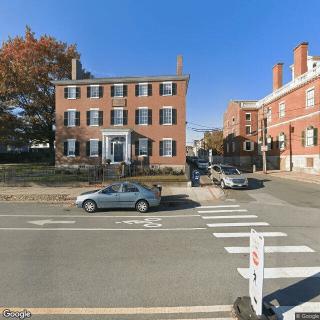


 Securing Financial Support for Assisted Living: A Comprehensive Overview
 Social Security Benefits and Assisted Living: Navigating Options Across the U.S.
 An Extensive Exploration of the VA Aid and Attendance Benefit