The Residence at Cedar Dell offers a range of accommodation options at competitive rates compared to both Bristol County and the broader Massachusetts market. For instance, their studio apartments are priced at $4,450 per month, which is slightly above the county average of $4,245 but significantly lower than the state average of $5,312. The one-bedroom units follow a similar trend, costing $4,950 - just above Bristol County's average of $4,853 but again more economical than Massachusetts's average of $5,349. Notably, the semi-private rooms are priced at $6,625, which exceeds both local and state averages. On the higher end, their two-bedroom apartments are available for $7,455; this rate stands out as well above Bristol County's average of $5,921 and the state average of $6,151. Overall, while The Residence at Cedar Dell positions itself competitively within its local context for studio and one-bedroom accommodations, it does command higher prices for semi-private and two-bedroom options compared to nearby areas.
Floor plans
The Residence at Cedar Dell
Bristol County
Massachusetts
Studio
$4,450
$4,245
$5,312
1 Bedroom
$4,950
$4,853
$5,349
Semi-Private
$6,625
$5,997
$5,805
2 Bedrooms
$7,455
$5,921
$6,151
Overall Review of The Residence at Cedar Dell
common
Staff kindness is a consistent theme
Residents and families repeatedly describe the staff as warm, caring, and responsive.
Many reviews highlight friendly, welcoming staff who treat residents with compassion and respect. Several mention staff who communicate with families, help during transitions, and follow up when needs come up. In memory care reviews especially, families describe confidence in the team’s day-to-day attention.
common
Activities keep residents engaged daily
The day-to-day schedule of activities is something residents and visitors talk about often.
Reviews frequently describe a full calendar of programs, outings, and group activities that keep people busy and social. Residents and visitors mention things like exercise classes, chair yoga, arts and crafts, and music or special events. The community also offers multiple faith-based services and community-sponsored events that show up in resident experiences.
caveat
Food is mostly praised, with some complaints
Dining draws strong compliments, but a few reviews raise concerns about quality and value.
Many reviews say the food is excellent and that dining is a highlight, with residents enjoying desserts and varied menu options. At the same time, at least one review complains about a downgrade toward a more cafeteria-style experience and questions whether pricing matches the quality. When dining is mentioned alongside the community’s other daily routines, it’s often described as part of what helps residents feel settled.
differentiator
Memory care feels secure and supported
Families describe the memory care unit as attentive, safe, and focused on engagement.
Multiple reviews discuss the Reflections memory care neighborhood and say families gained peace of mind after placement. Residents and visitors mention structured engagement and close staff attention, and some specifically note comfort and safety features that keep memory care residents outdoors without wandering. Several families connect improvements in comfort and thriving to the support they saw in this unit.
caveat
Pricing feels high for some families
Some families say the cost is difficult to justify for the value they experienced.
While many reviews call the facility great overall, several raise cost concerns, including that pricing is high. One review also mentions a need to pay separately for certain resident basics, and another suggests value could be better relative to what is included. Even so, many of the same reviewers still describe strong satisfaction with care and daily life.
common
Location helps families visit easily
Reviews mention the location as convenient for family visits and local errands.
Some families describe choosing the community because of how close it is for them to visit, making regular check-ins easier. Reviews also mention access to everyday destinations as part of the overall convenience of daily life. Nearby options include restaurants, pharmacies, and medical offices within a few miles.
How we summarize
We summarize when many written reviews mention each theme; a review can touch several themes, and only frequently mentioned themes are displayed.
The Residence at Cedar Dell offers a range of accommodation options at competitive rates compared to both Bristol County and the broader Massachusetts market. For instance, their studio apartments are priced at $4,450 per month, which is slightly above the county average of $4,245 but significantly lower than the state average of $5,312. The one-bedroom units follow a similar trend, costing $4,950 - just above Bristol County's average of $4,853 but again more economical than Massachusetts's average of $5,349. Notably, the semi-private rooms are priced at $6,625, which exceeds both local and state averages. On the higher end, their two-bedroom apartments are available for $7,455; this rate stands out as well above Bristol County's average of $5,921 and the state average of $6,151. Overall, while The Residence at Cedar Dell positions itself competitively within its local context for studio and one-bedroom accommodations, it does command higher prices for semi-private and two-bedroom options compared to nearby areas.
The Residence at Cedar Dell enhances the well-being of residents with dementia and Alzheimer's disease through a comprehensive array of supportive features. With 24-hour supervision, caregivers can promptly address the needs and safety concerns of residents at any time. Assistance with activities of daily living, including bathing, dressing, and transfers, promotes dignity while ensuring personal hygiene and comfort are maintained. Coordination with health care providers ensures that each resident receives tailored medical attention, complemented by medication management to help maintain health stability. The inclusion of specialized memory care programming addresses cognitive challenges through engaging activities tailored to varying stages of cognitive impairment. Furthermore, a mental wellness program offers residents emotional support and opportunities for social interaction, while incontinence care is discreetly managed to enhance quality of life. Meal preparation and service provide balanced nutrition critical for overall health, and transportation arrangements facilitate access to necessary medical appointments, thereby supporting holistic care throughout their stay.
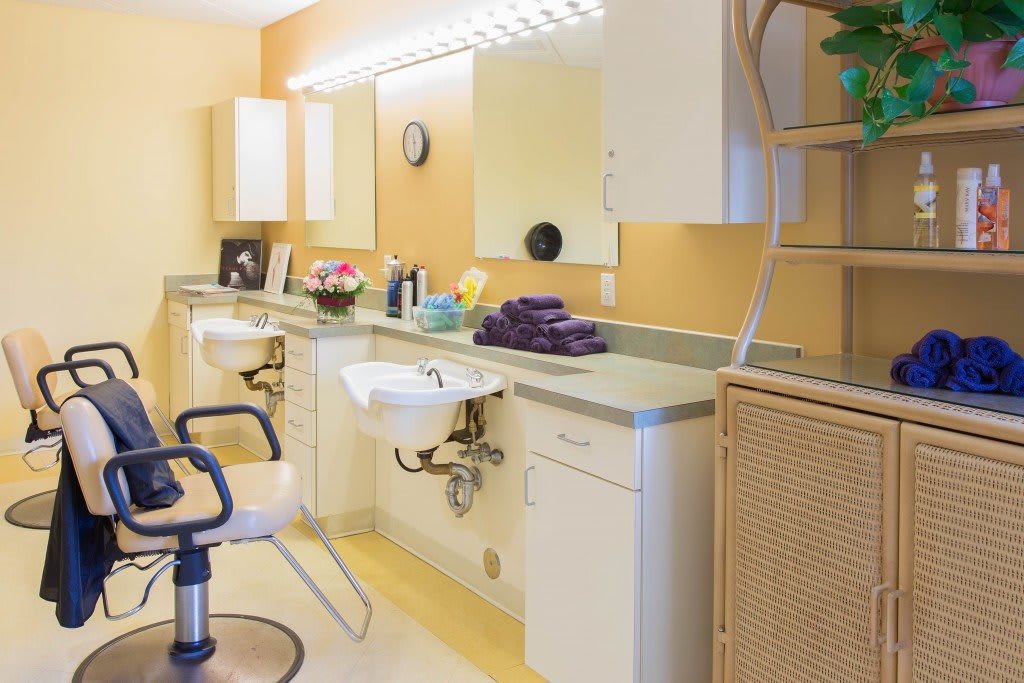
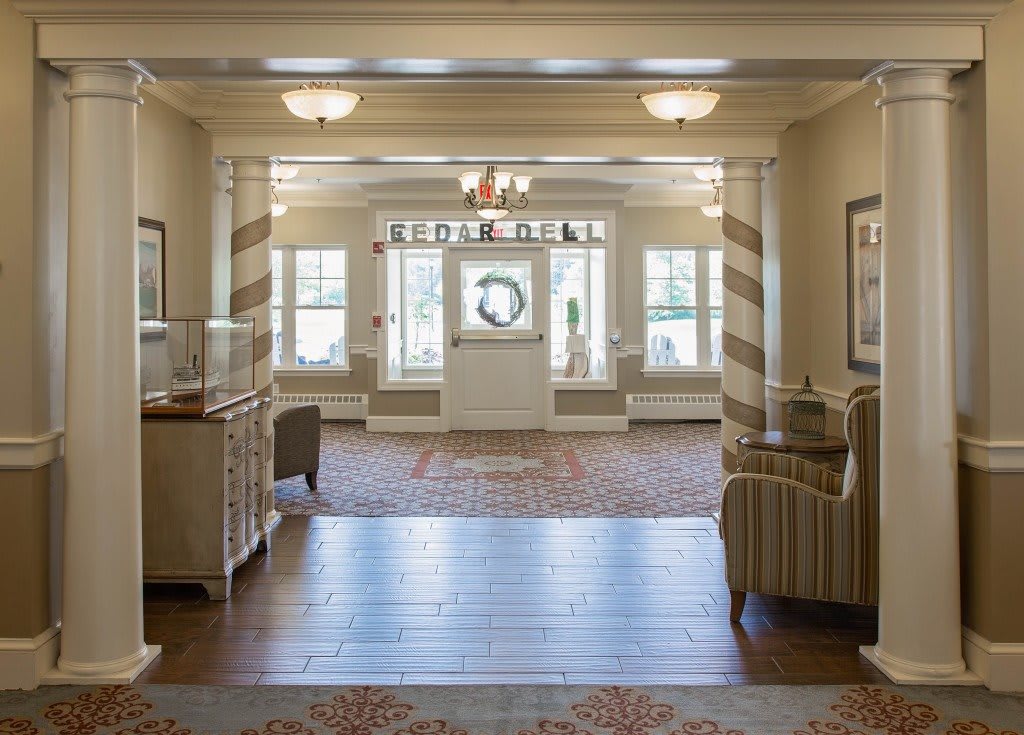
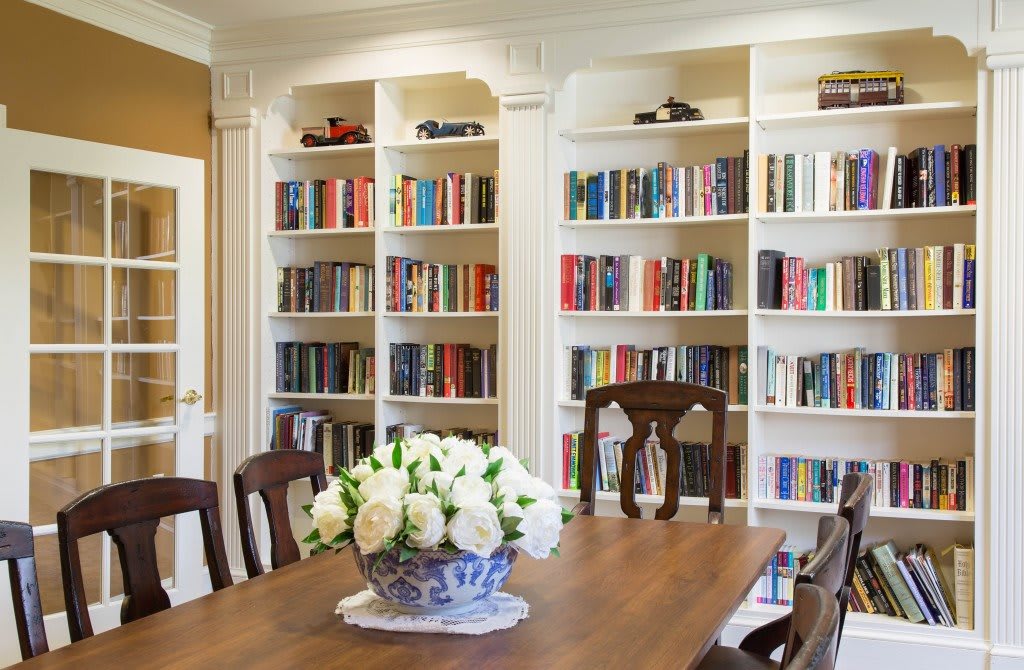
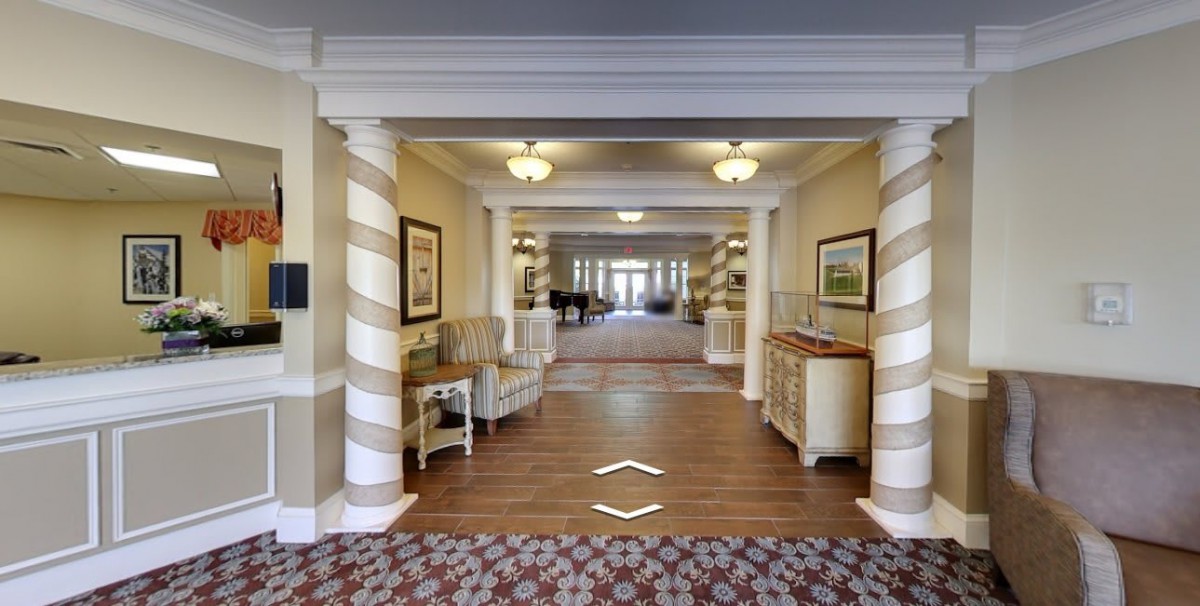
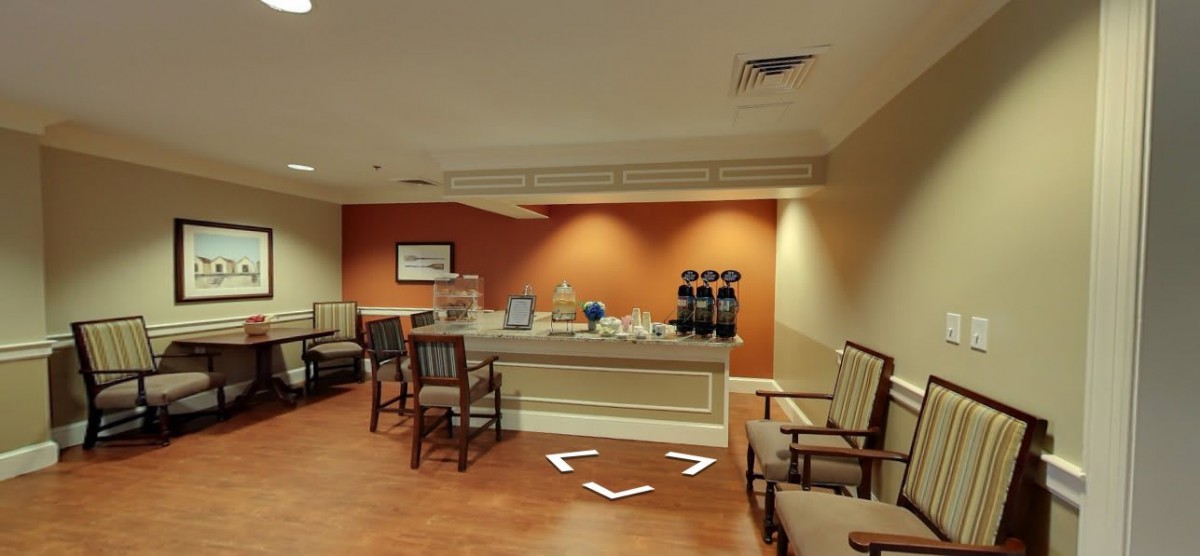
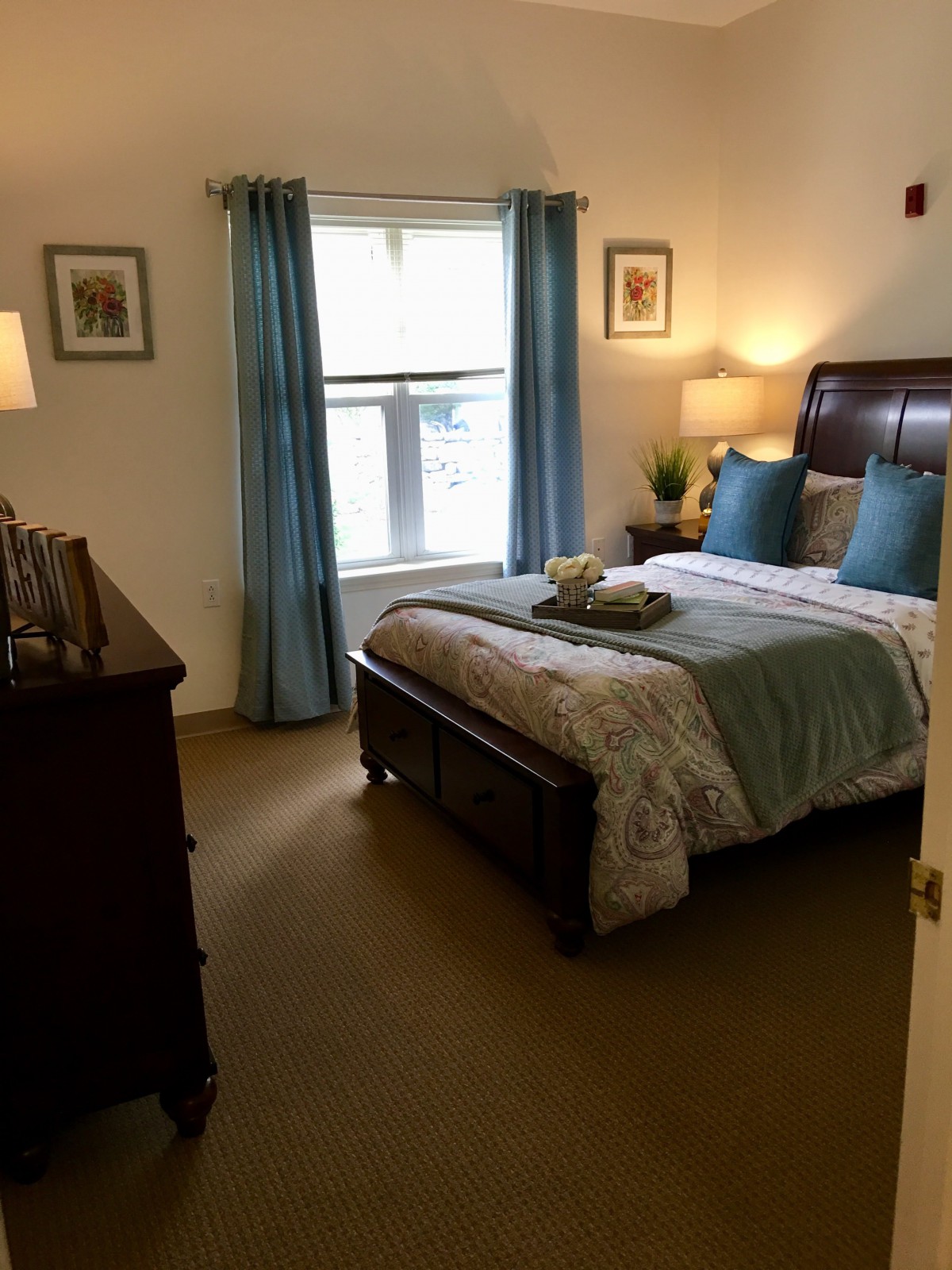
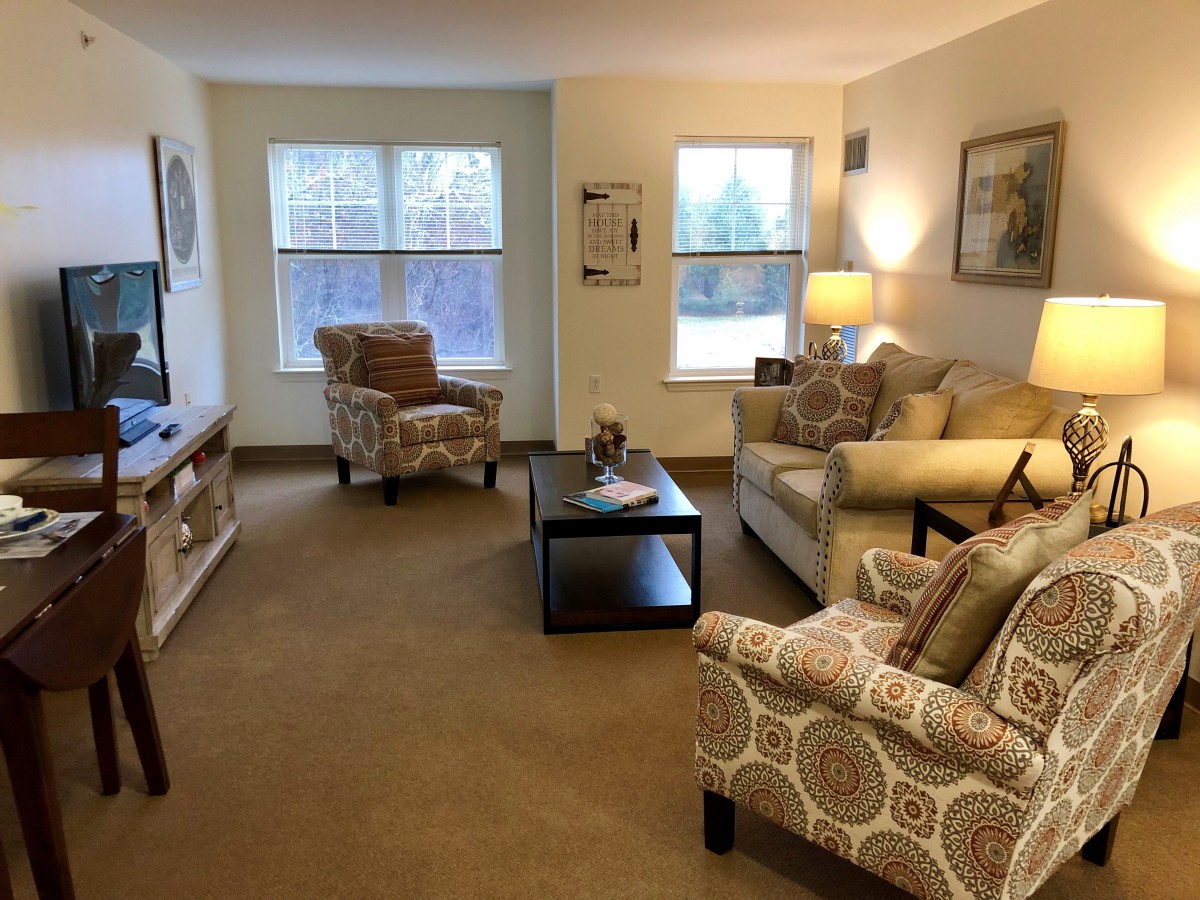
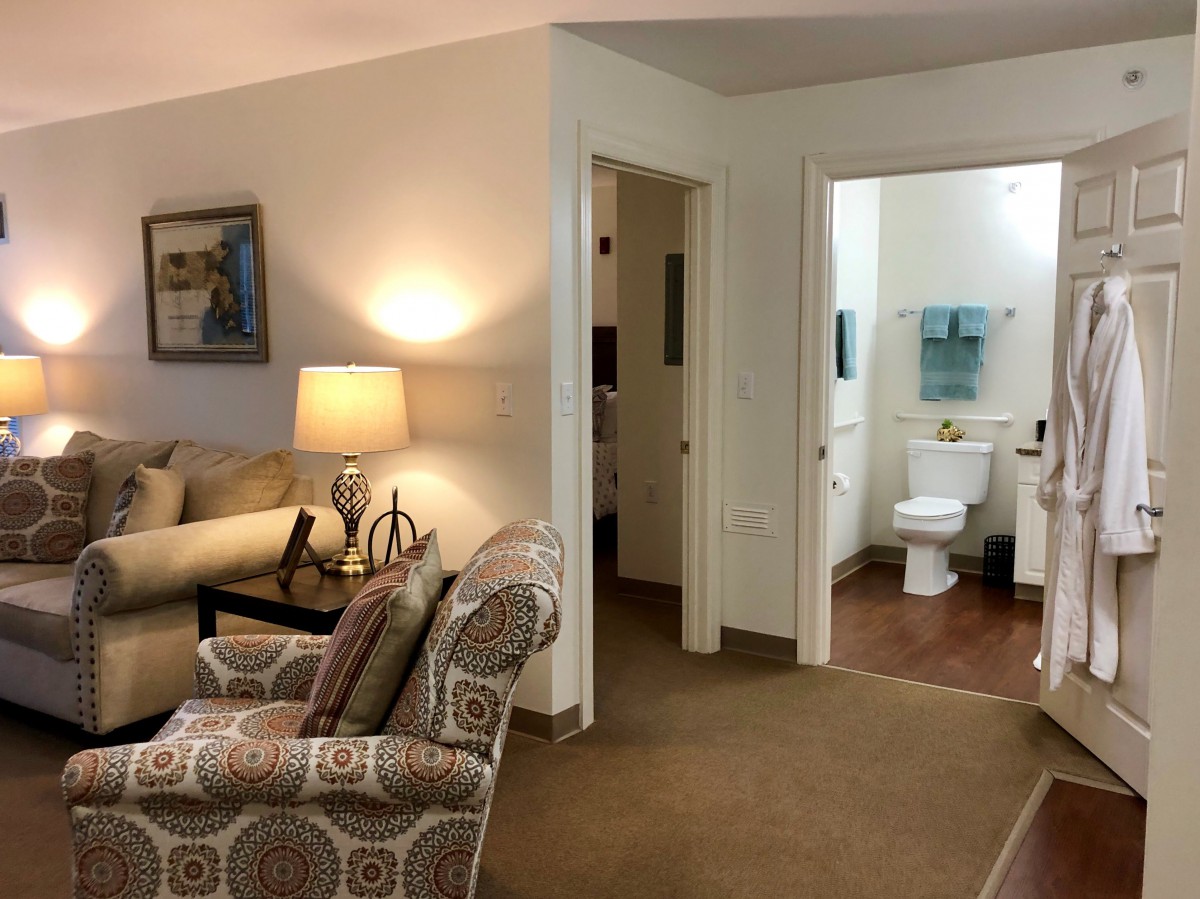
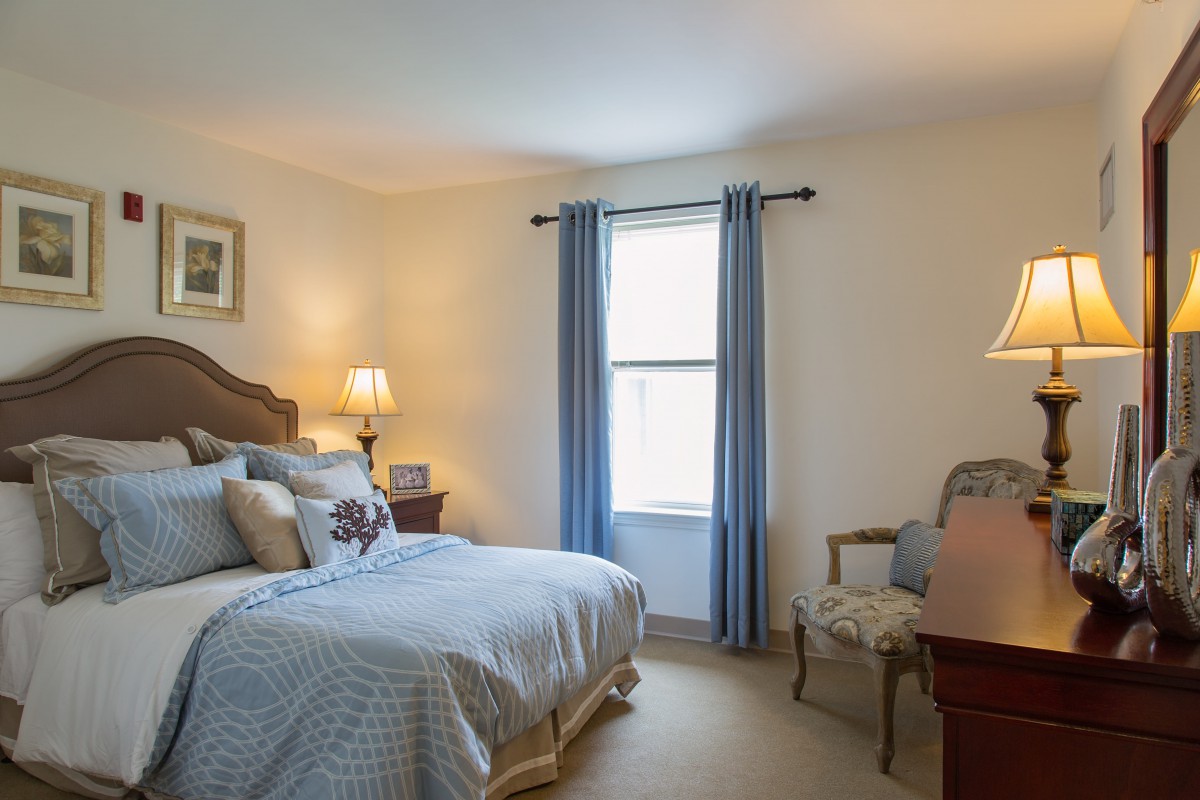
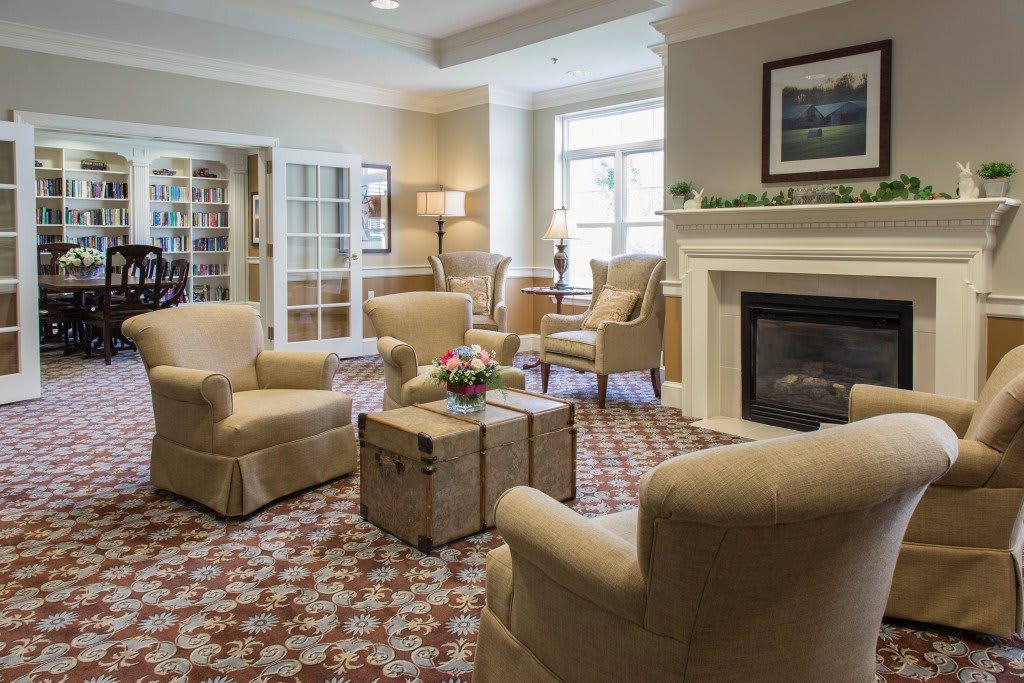
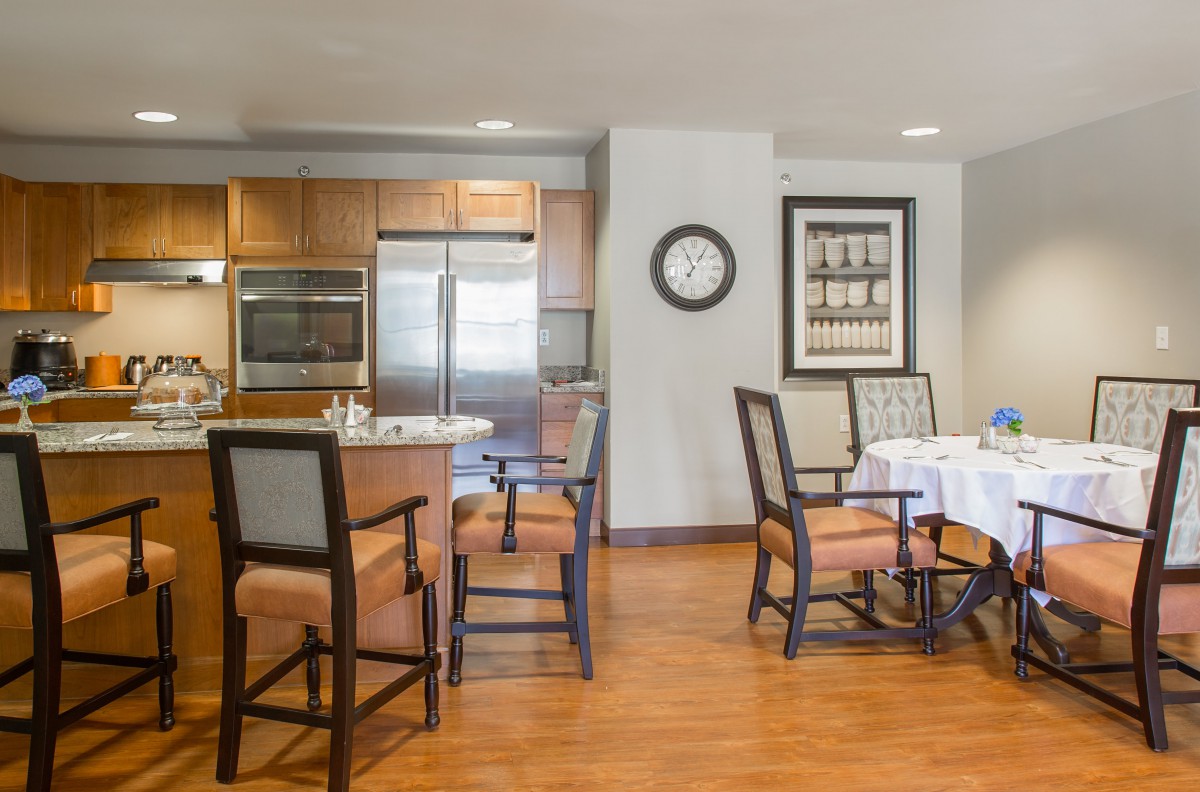
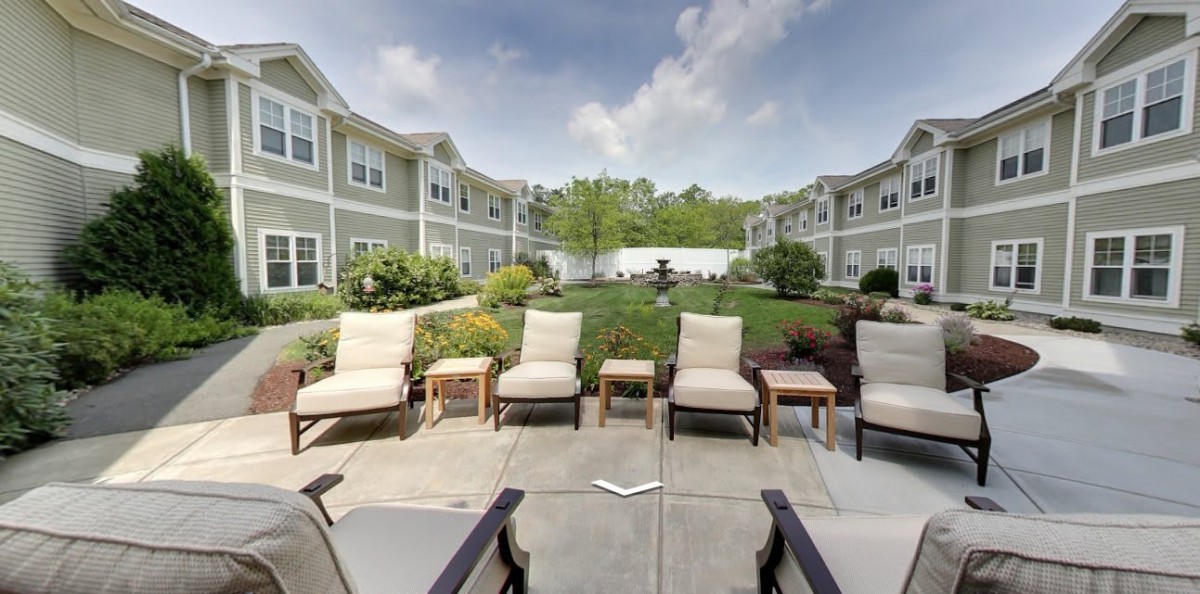
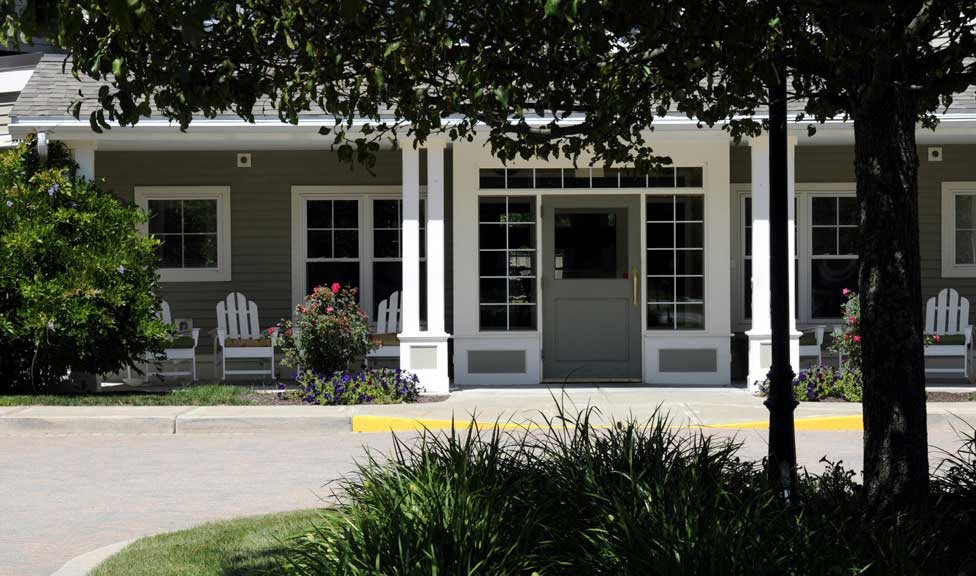
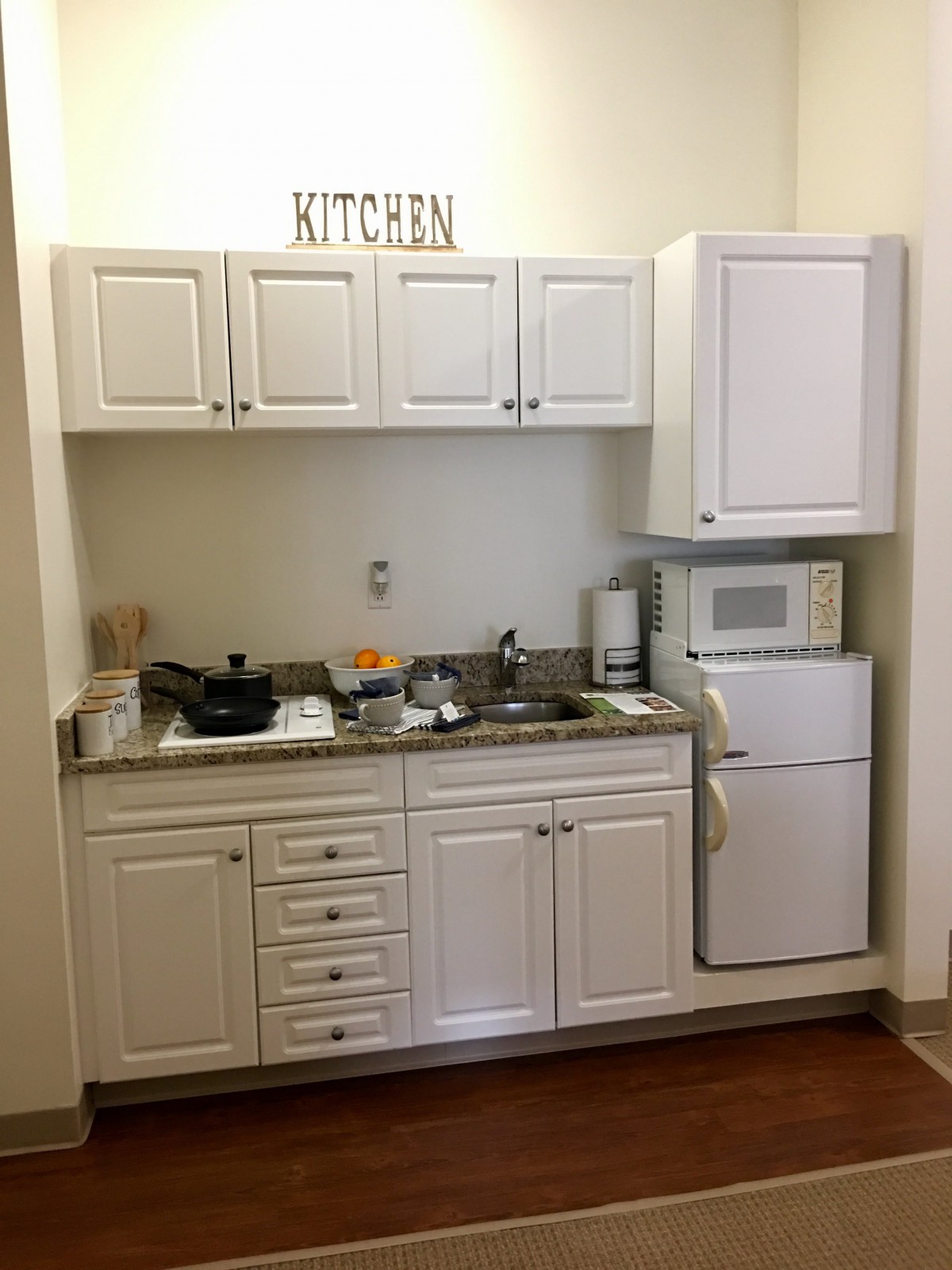
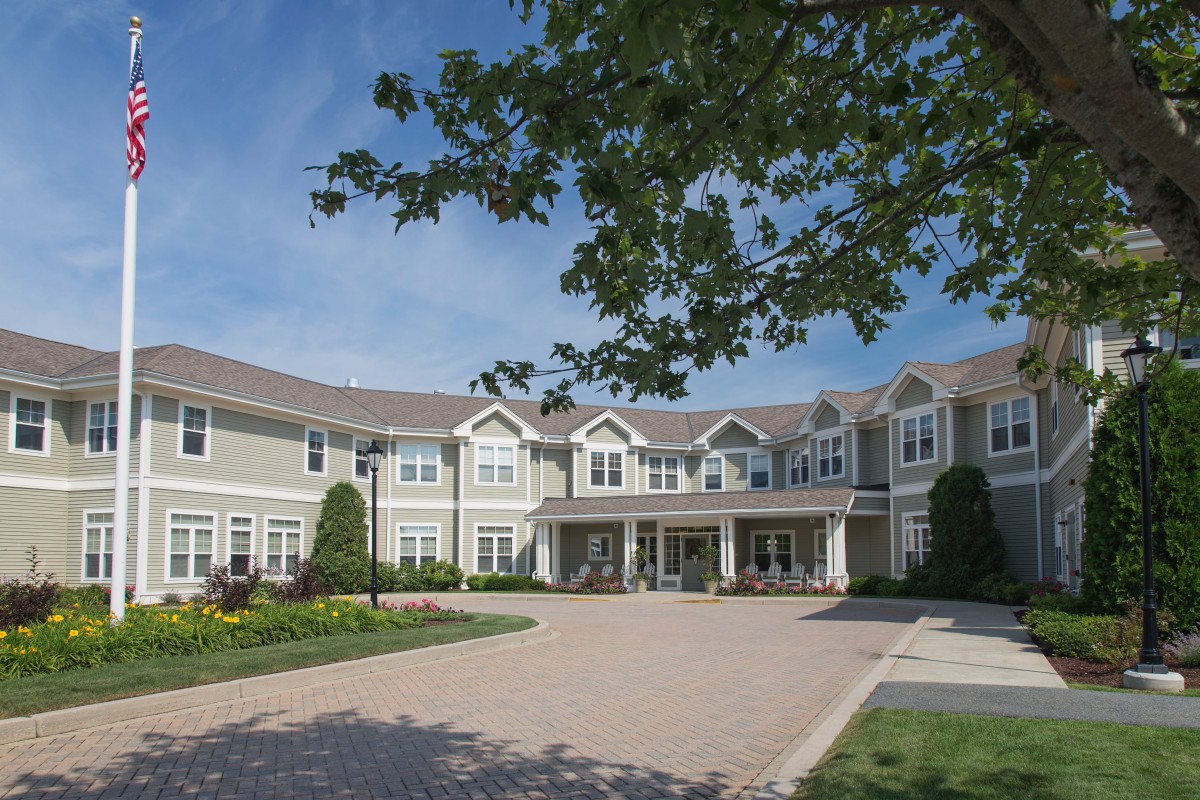
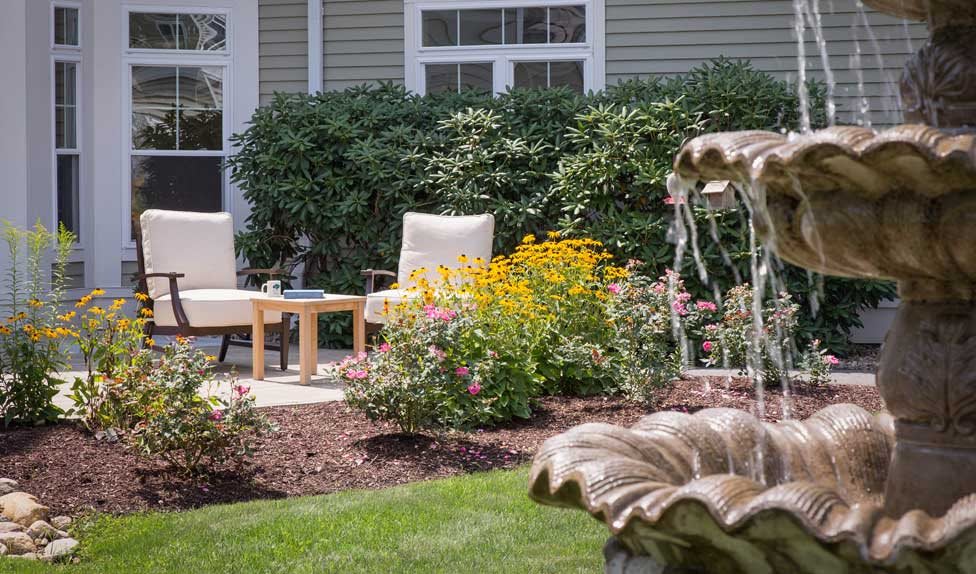
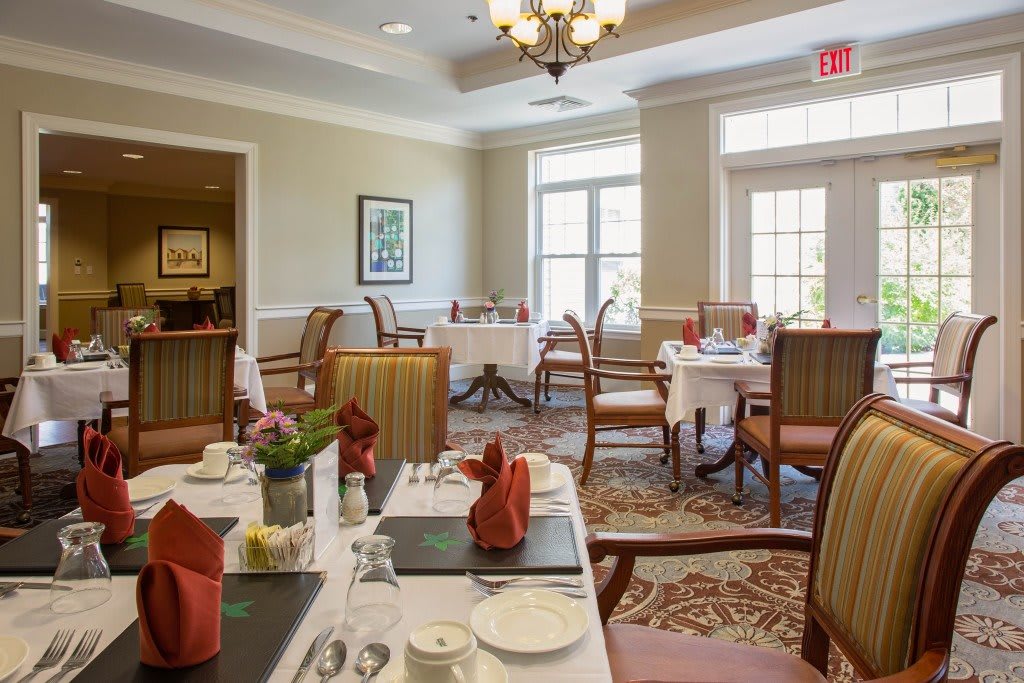
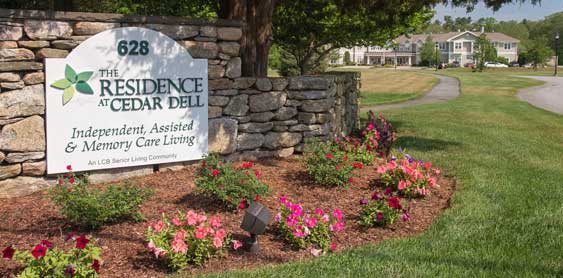
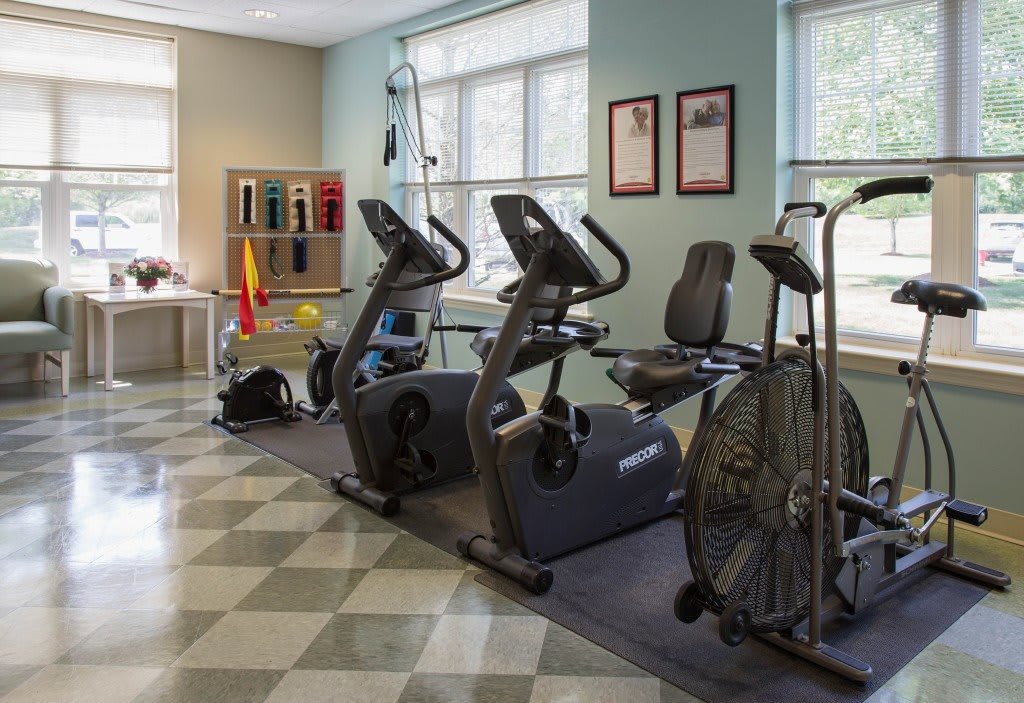
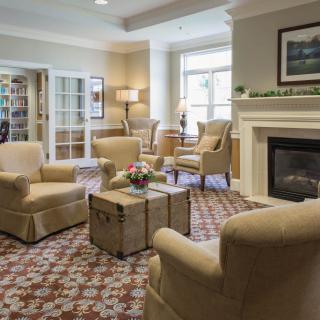
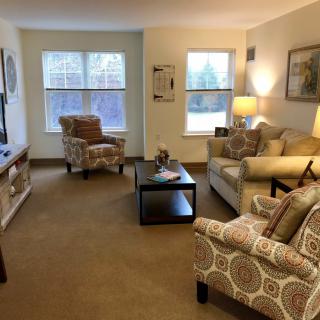
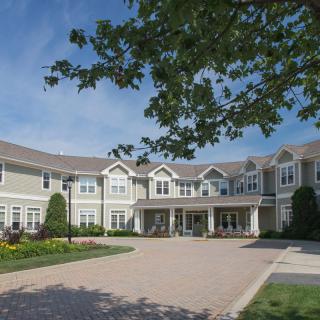
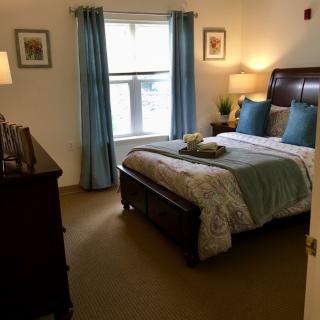
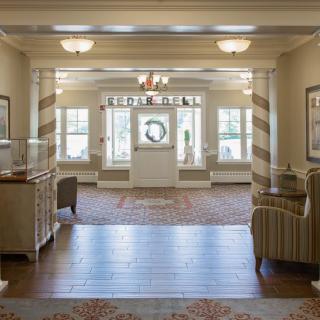
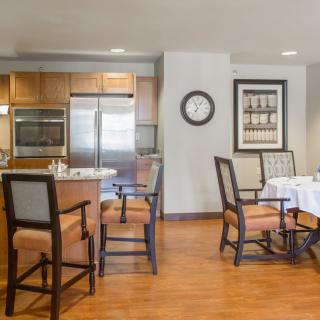
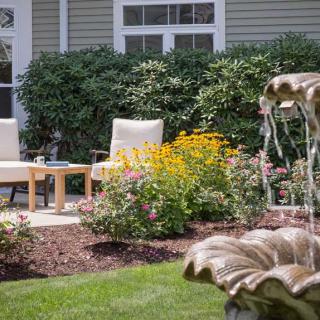
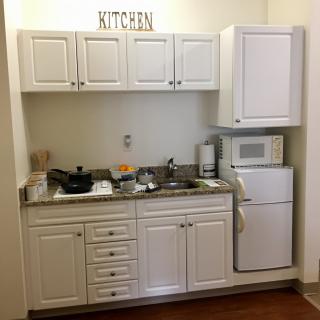
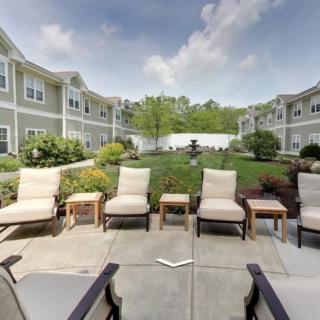
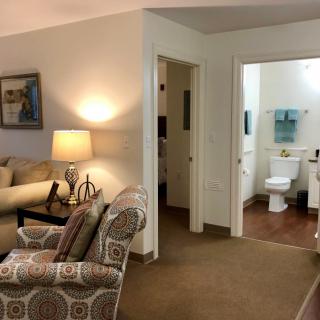
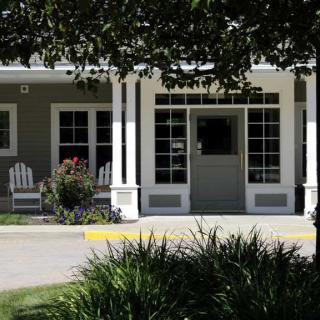
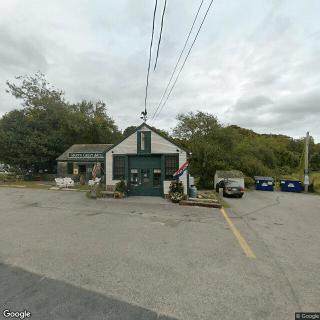
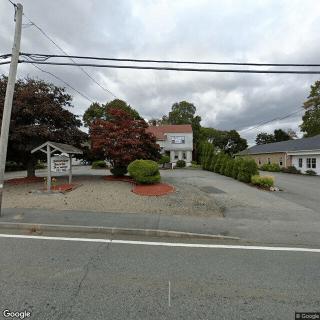
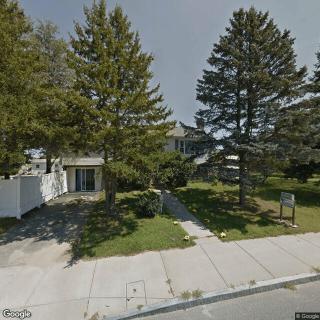
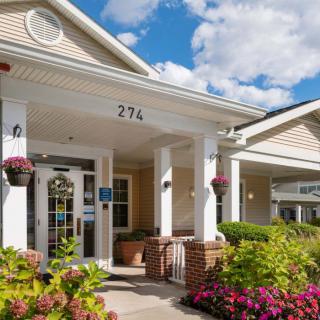
The Residence at Cedar Dell on seniors.fyi includes 19 photos including images showing interior, windows, decor, bedroom, landscaping, kitchen, living room, dining, and more.
Nearby Communities
Autumn Glen At Dartmouth
North Dartmouth, MA
4.7 from 65 reviews
$5,300 to $7,555 / month
Personalized care with friendly staff and a bright, activity-rich environment.
Home Instead - Westport, MA
Westport, MA
5 from 13 reviews
Great location with easy access to healthcare and nearby amenities.
Perfect Care Match, LLC.
Westport, MA
4.3 from 17 reviews
Strong nearby amenities (cafes, pharmacies, doctor, restaurants) and a nurturing, home-like environment.
Dartmouth Manor Home Inc
North Dartmouth, MA
3.4 from 10 reviews
Serene setting with abundant nearby amenities (healthcare, dining, worship, entertainment).
Mass Caregivers
Dartmouth, MA
3.9 from 7 reviews
The Cottages at Dartmouth Village
Dartmouth, MA
4.5 from 107 reviews
$5,410 to $6,720 / month
Compassionate, family-like staff in a warm, home-like environment with engaging activities and memory-care programs.
Hallmark Nursing and Rehabilitation Center
New Bedford, MA
4 from 93 reviews
$6,960 to $7,110 / month
Some staff provide fair care and show effort amid challenges.
Our Ladys Haven Of Fairhaven
Fairhaven, MA
4 from 6 reviews
Warm, community-focused atmosphere with attentive staff.
Assisted living provides moderate support for seniors seeking independence, while memory care offers specialized support for individuals with dementia or cognitive impairments through structured routines and trained staff. Key differences include care approaches, environment security measures, staff training levels, activity types, and cost considerations.
Choosing between assisted living and nursing homes involves evaluating emotional and financial factors, with assisted living offering independence and support for daily activities at a lower cost, while nursing homes provide intensive medical care for individuals with significant health needs. The decision is influenced by personal preferences, health status, cognitive function, and varying Medicaid coverage across states.
The article presents eight strategies for preserving cognitive health and memory in older adults, emphasizing a nutrient-rich diet, regular exercise, intellectually stimulating activities, adequate sleep, social connections, stress management techniques, limiting harmful substances, and regular medical checkups to mitigate age-related memory decline.
Exercise Equipment, Gym, Fitness, and Excercise Equipment
Salon
Bookshelves and Library
Hallway
Porch
Waiting Area, Reception Area, and Coffee Station
Tree
Courtyard, Apartment Complex, and Building Exterior
Stone Wall
Place Settings
Fridge
Get PricingAsk A QuestionSchedule A TourContact Senior Advisor
By clicking submit, you agree to our Partner's Terms of Use. You
also consent to receive calls and texts, which may be autodialed, from our Partner. Your consent is not a condition to
using our Partner's service. Please visit our Partner's Privacy Policy for information about their privacy practices.







 78 resident community capacity
 1-bedroom apartments
 Assisted Living
 Independent Living
 Memory Care
 Activities off-site
 Air-conditioning
 Beautician on-site
 Cable or satellite TV
 Computer center
 Devotional services off-site
 Dining room
 Fitness room
 Fully furnished
 Gaming room
 Garden
 Ground floor units
 Handicap accessible
 Housekeeping services
 Indoor common areas
 Kitchenette
 Move-in coordination
 Outdoor common areas
 Private bathrooms
 Respite or short term stays offered
 Restaurant-style dining
 Small library
 Telephone
 Wellness center
 Wheelchair accessible showers
 Wi-Fi/high-speed internet available
 Theodore F Green State (21 miles away)
 Community operated transportation
 12-16 hour nursing
 24-hour call system
 Assistance with bathing
 Assistance with dressing
 Assistance with transfers
 Diabetes diet
 Diabetic care
 Hospice waiver
 Incontinence care
 Medication management
 Mental wellness program
 Special dietary restrictions
 Transportation arrangement (medical)
 Art classes
 Catholic services
 Concierge services
 Cooking classes
 Day trips and outings
 Educational speakers / life long learning
 Happy hour
 Jewish services
 Karaoke
 Wine tasting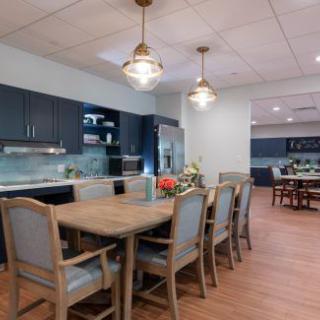
 Personalized care with friendly staff and a bright, activity-rich environment.

 Assisted Living and Memory Care: Understanding Their Core Differences
 Choosing the Right Senior Care: A Detailed Exploration of Assisted Living and Nursing Homes
 Safeguarding Your Memory Through the Golden Years: Eight Ways to Preserve Cognitive Health