Hallmark Nursing and Rehabilitation Center Costs & Pricing
At Hallmark Nursing and Rehabilitation Center, the monthly costs for care reflect a commitment to quality services tailored to individual needs. For a semi-private room, residents can expect to pay $6,960, which is notably higher than the average rate for Bristol County at $5,997 and the statewide average in Massachusetts of $5,805. Those opting for a private room will find the cost slightly elevated as well, with a monthly fee of $7,110 compared to $6,165 in Bristol County and $6,090 across Massachusetts. While Hallmark's rates exceed local and state averages, they may encompass enhanced levels of care and amenities that contribute to overall resident satisfaction and well-being.
Floor plans
Hallmark Nursing and Rehabilitation Center
Bristol County
Massachusetts
Semi-Private
$6,960
$5,997
$5,805
Private
$7,110
$6,165
$6,090
Skilled Nursing Facilities with a similar price nearby
from +$340 / mo
Cape Cod Senior Residences
4.8 from 37 reviews
$7,300 to $7,930 / month
18.5 miles away
from +$990 / mo
Grand Islander Center
4.1 from 116 reviews
$7,950 / month
19.6 miles away
About the same
Oakhill Healthcare
3 from 28 reviews
$7,140 / month
17.8 miles away
from -$450 / mo
Wedgemere Healthcare
2.4 from 29 reviews
$6,510 / month
19.1 miles away
from -$210 / mo
Crawford Skilled Nursing And Rehabilitation Center
Overall Review of Hallmark Nursing and Rehabilitation Center
common8 reviews mention this
Rehab therapy stands out
Rehabilitation professionals are repeatedly described as engaged and effective.
Many reviewers focus on PT/OT and the day-to-day rehab process, saying the therapy team helped them regain strength and mobility. Several describe therapists delivering multiple sessions a day and encouraging progress, including after surgeries and injuries. A few also contrast the therapy here with worse experiences elsewhere, saying the rehab team made a meaningful difference for recovery.
common4 reviews mention this
Activities are a mixed picture
Activities availability is inconsistent, but music and group events help when offered.
Some residents and families say the community works to keep people engaged, including music days and the activity director working hard to fill time. Others report activities are extremely limited or lack variety. At least a couple reviewers also describe more active programming during rehab stays, including bingo, entertainment, and daily activities that helped residents thrive.
common5 reviews mention this
Food quality improves, but varies
Dining reviews range from disappointing to restaurant-quality.
Food is one of the more debated topics in the reviews. Some reviewers say meals were decent, while others describe food as horrible or not very good. A few also report improvement, including the arrival of a new chef and better-tasting meals, along with staff accommodating what residents like for meals and snacks.
caveat6 reviews mention this
Staffing and responsiveness are concerns
Several reviewers report understaffing and slow response to urgent needs.
Alongside positive caregiving, multiple reviewers raise concerns about staffing levels and how quickly help is provided. Some describe shifts being understaffed and needing more CNAs and nurses, while others mention delayed pain medication or difficulty getting nurses when requested. A few negative reviews also point to missed basics of care and prolonged waits for medications or assistance, which they describe as painful and stressful.
How we summarize
Counts show how many written reviews mention each theme; a review can touch several themes, and only frequently mentioned themes are displayed.
Features
Types of Care
Skilled Nursing Facility
Pets
Cats allowed
Dogs allowed
Amenities
Private
Transportation
Marthas Vineyard (25 miles away)
Nearby Places of Interest
This area of New Bedford, Massachusetts, offers a variety of amenities that cater to the needs and interests of seniors. With several restaurants within close proximity, including West End Grill and Not Your Average Joe's, there are plenty of dining options to choose from. Pharmacies such as Walgreens and CVS Pharmacy are conveniently located nearby for easy access to medications and healthcare supplies. In terms of medical care, there are multiple physician offices and hospitals in the area, such as AAAP Allergy Assoc and St. Luke's Hospital, ensuring residents have access to quality healthcare services. For spiritual needs, Grace Episcopal Church is located just 1.6 miles away. Additionally, cafes like Honey Dew Donuts and Starbucks provide cozy spots for socializing or enjoying a cup of coffee. The AMC Dartmouth Mall 11 theater is also close by for entertainment options. Overall, this part of New Bedford offers a mix of conveniences and leisure activities that would make it a comfortable and enjoyable place for seniors to consider living in.
At Hallmark Nursing and Rehabilitation Center, the monthly costs for care reflect a commitment to quality services tailored to individual needs. For a semi-private room, residents can expect to pay $6,960, which is notably higher than the average rate for Bristol County at $5,997 and the statewide average in Massachusetts of $5,805. Those opting for a private room will find the cost slightly elevated as well, with a monthly fee of $7,110 compared to $6,165 in Bristol County and $6,090 across Massachusetts. While Hallmark's rates exceed local and state averages, they may encompass enhanced levels of care and amenities that contribute to overall resident satisfaction and well-being.
Older adults with urinary tract infections (UTIs) often present atypical symptoms, complicating diagnosis due to factors like incomplete bladder emptying and chronic health conditions that increase their susceptibility. Effective management involves prompt treatment with antibiotics, hydration, and preventive strategies while minimizing antibiotic resistance and focusing on holistic care approaches.
California's Form 602A is a vital tool for evaluating the health needs of seniors seeking residential care, detailing their medical conditions and daily living requirements to ensure proper service alignment. This standardized form enhances communication among physicians, families, and facilities, serving as a regulatory measure for admissions and ongoing care while adapting to changing healthcare practices.
The overview of blood pressure management for seniors emphasizes the importance of monitoring and interpreting blood pressure readings, noting that normal ranges can vary due to age-related factors and individual health conditions. It highlights tailored guidelines for systolic and diastolic levels, the necessity of early detection and consistent management to prevent serious health complications, and advocates for personalized care strategies that incorporate lifestyle changes and medication adherence.
Get PricingAsk A QuestionSchedule A TourContact Senior Advisor
By clicking submit, you agree to our Partner's Terms of Use. You
also consent to receive calls and texts, which may be autodialed, from our Partner. Your consent is not a condition to
using our Partner's service. Please visit our Partner's Privacy Policy for information about their privacy practices.



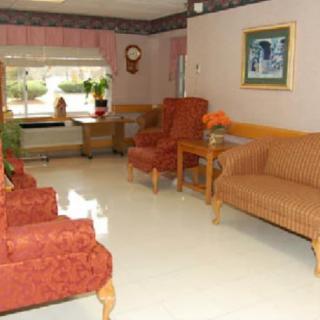
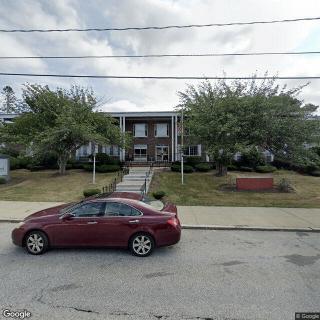
 Skilled Nursing Facility
 Cats allowed
 Dogs allowed
 Private
 Marthas Vineyard (25 miles away)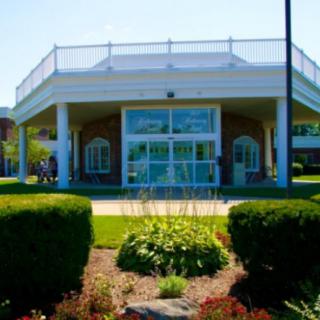
 Well-equipped, home-like setting with friendly staff and strong resident engagement.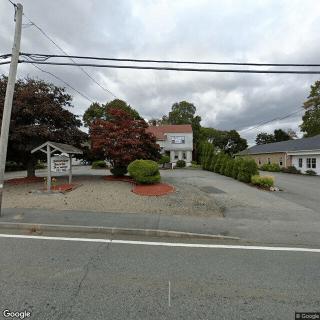



 Urinary Tract Infections in Older Adults: Comprehensive Insights on Symptoms, Treatment, and Prevention
 California's Form 602A: An In-Depth Examination of Senior Care Assessment
 Comprehensive Look at Senior Blood Pressure Charts: Normal and Elevated Levels by Age