
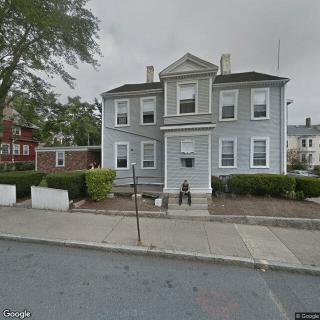
200 Hawthorn St, New Bedford, MA 02740
To contact a resident: (508) 997-9314
For more information about senior living options: (866) 208-4318
Overall Review of New Bedford Jewish Cnvlscnt Hm
Pros
 The staff were attentive, kind, and took great care of him during his stay.
- Erin is amazing and advocates for her patients; more nurses like her are needed.
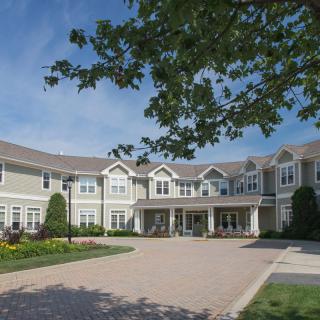
- The facility may be old, but it is very clean.
- The housekeeping team is absolutely lovely and very attentive; they are an essential part of the healthcare team.
- All the staff and management were great, and the care helped him get back home to his family.
- The therapy team was phenomenal, and Gail, the unit manager, helped with whatever he needed.
- It is highly recommended for short-term rehab.
Cons
 The facility is not at all like the Jewish home.
- There is a large amount of agency nurses.
- Staff morale is very low.
- What needs to get done does not get done.
- The food portions have recently declined.
- Snacks with medications have run out; residents are lucky to get saltine crackers.
- There is only half a cup of coffee, and residents are lucky to get cream.
- Diabetics are fed an unbelievable amount of sugar.
Review
New Bedford Jewish Convalescent Home is best suited for seniors needing short-term rehabilitation and convalescent care who want a hands-on, therapy-forward approach aimed at returning them home. The community’s strongest selling point is the rehab ecosystem: a capable therapy team, engaged nursing leadership, and a clean, well-maintained environment that supports recovery. Families seeking visible advocacy from nurses and a care culture where staff across roles coordinate to move a patient toward discharge will find this setting particularly aligned with their goals. It is a practical choice for those prioritizing progress in function and a collaborative care plan over polish alone.
Those who should actively consider alternatives are residents needing ultra-stable direct-care staffing with minimal reliance on agency personnel, or families who place a premium on dining quality and meal customization. One review underscores a heavy use of agency nurses and low staff morale, raising questions about consistency in daily tasks and hands-on coverage. The facility’s aging infrastructure and fluctuating meal portions also tilt some families toward options with newer amenities or more predictable nutrition programs. For long-term residency, where steady staffing and predictable routines matter most, exploring other communities is prudent.
On balance, the positives, strong therapy, attentive leadership, and a genuinely cohesive care team, often offset the negatives for short-term rehab trajectories. The staff described as exceptional includes Erin the nurse, the director of nursing, and the unit manager, all of whom are praised for advocacy and responsiveness. The therapy team earns praise for its effectiveness, enabling patients to regain function and return home, while cleanliness and housekeeping are consistently highlighted as meaningful contributors to the recovery environment. When the objective is to regain mobility and function quickly, these strengths carry substantial weight.
Yet the drawbacks are real enough to disrupt the experience if not managed. The most salient risk is inconsistency tied to reliance on agency nurses, which can translate to gaps in coverage or delays in care. A separate criticism points to morale that affects day-to-day execution, with expectations sometimes unmet and routine tasks not getting done. Nutrition, a subtler but impactful concern, has shown signs of decline, portion sizes shrinking and meal options that may not meet diabetic needs or patient expectations. Taken together, these operational fragilities can erode the rehab momentum or become burdens for residents who require steady nourishment and predictable service.
From a decision-making standpoint, it pays to match the choice to the care objective. If the priority is a well-structured short-term rehab where therapy and leadership drive outcomes, New Bedford Jewish Convalescent Home can deliver meaningful returns, assuming staffing remains stable and the dining program supports medical needs. Prospective families should verify current staffing patterns, request a transparent discussion about agency nurse use, and review a patient’s discharge trajectory and therapy plan. A tour should include conversations with current residents about meal satisfaction and care responsiveness, plus a review of sample menus and daily schedules.
Bottom line: this community offers a compelling path for those focused on aggressive rehabilitation within a clean, team-driven environment. The strongest upside, the robust rehab program and the compassionate leadership, consistently shines in reviews and translates into real, homebound progress. The caveat lies in staffing variability and nutrition-related concerns, which can undermine the experience for residents who require unwavering consistency or have stringent dietary needs. For families prioritizing rehab outcomes and a care team that truly advocates for patients, the New Bedford facility is a strong fit; for those who cannot tolerate potential fluctuations in staffing or meals, exploring alternatives with steadier direct staffing and more predictable nutrition is sensible.
 Skilled Nursing Facility
 Marthas Vineyard (23 miles away)

 Powerful Realities of Elder Abuse and the Most Effective Ways to Report It
 Ten Vital Duties of a Senior Caregiver: A Comprehensive Guide
 9 Stimulating Memory Activities for Seniors: Puzzles, Cards, and Much More