Kimwell Nursing And Rehabilitation

Save

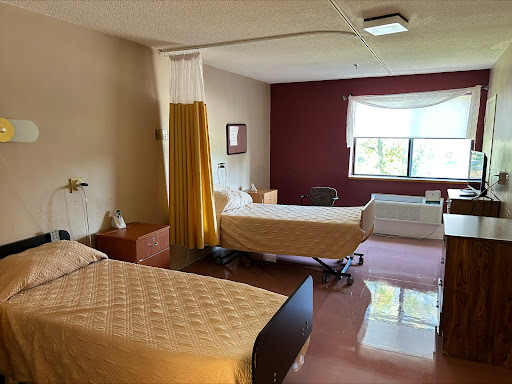
  • Interior

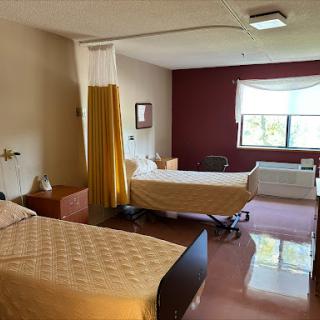
    A spacious patient room in a hospital, featuring two beds and ample natural light.
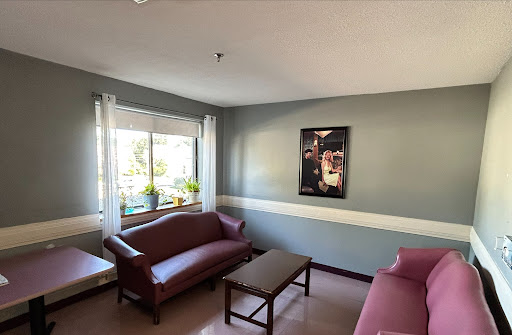
  • Living Room

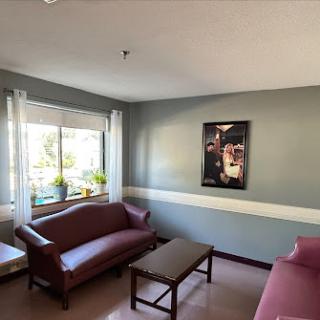
    A cozy living room featuring two red couches, a coffee table, and bright natural light coming through the window.
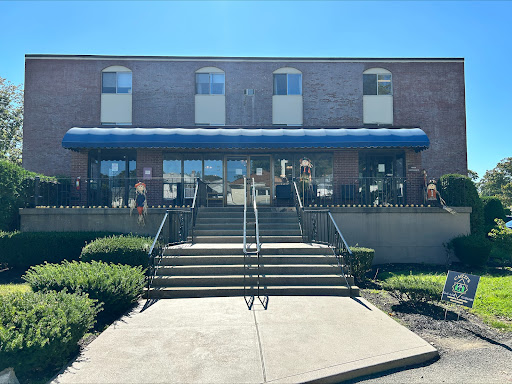
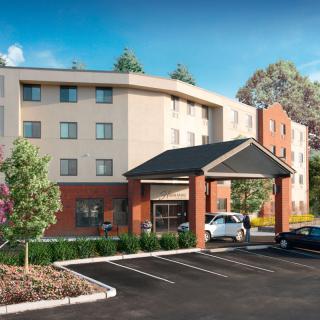
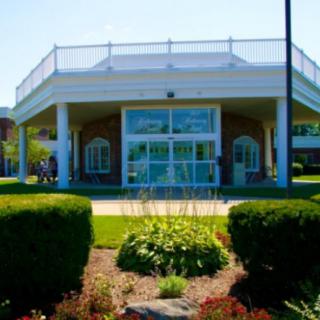
  • Building

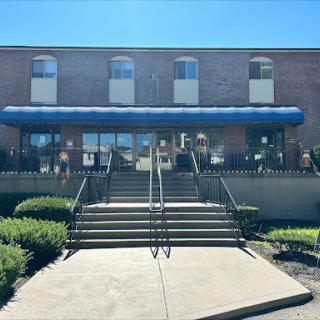
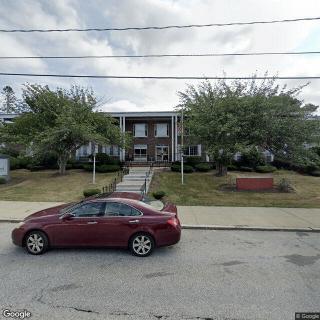
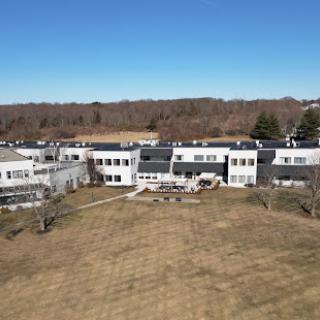
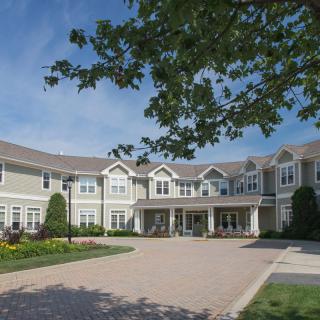
    The entrance of a modern building with a blue awning and landscaped surroundings.
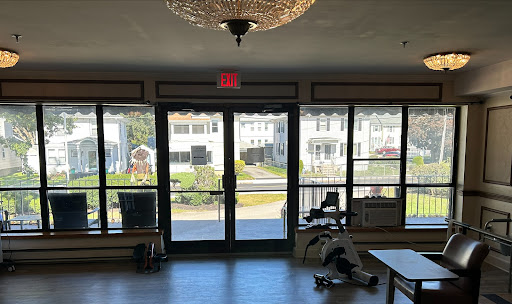
  • Windows

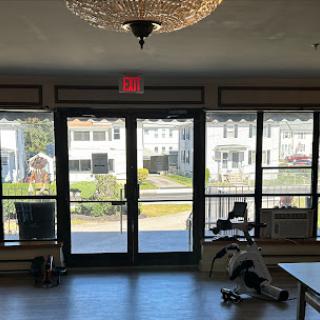
    A well-lit gym area featuring exercise equipment and large windows that offer a view of the outdoors.
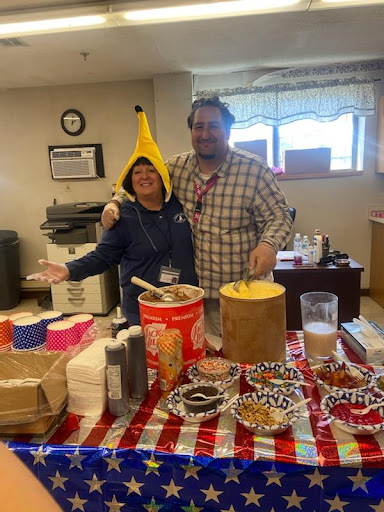
  • Dining

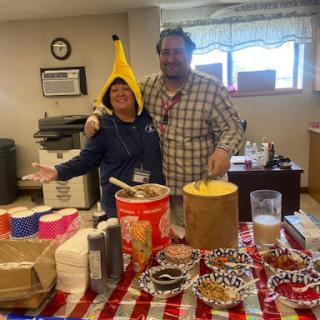
    A fun gathering with treats and a banana hat!
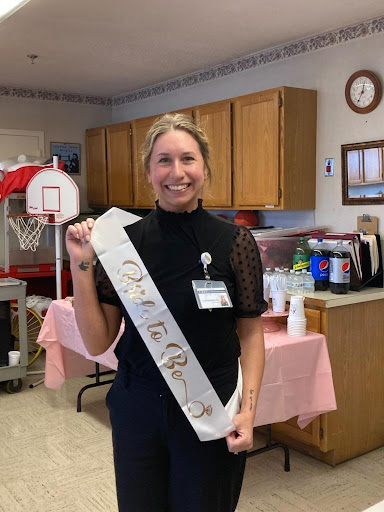
  • Kitchen

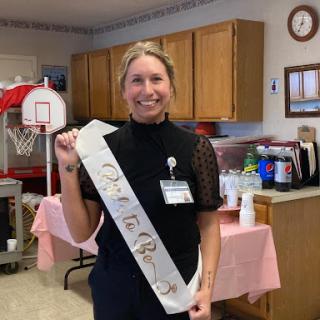
    A cheerful celebration with someone wearing a sash, marking a special occasion.
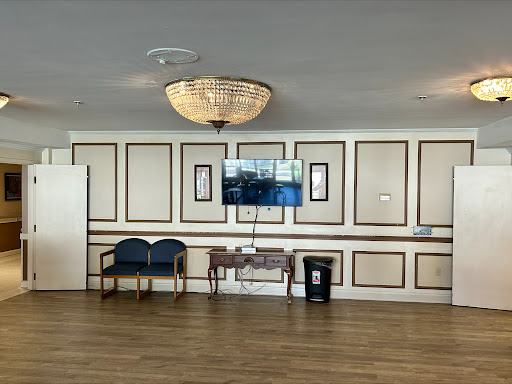
  • Television

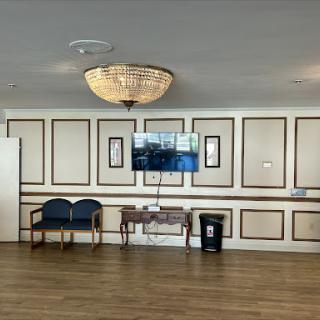
    A well-lit lobby featuring elegant interior design elements, including a chandelier and modern seating.
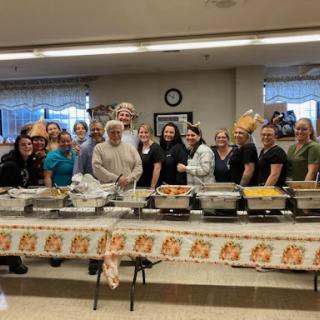
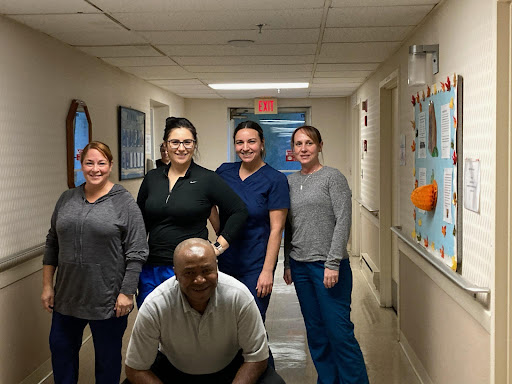
  • Cooking

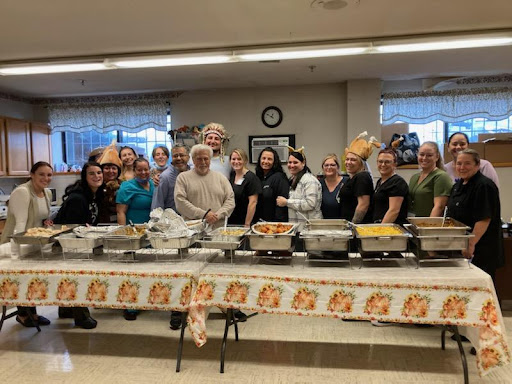
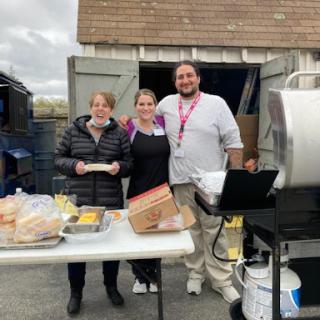
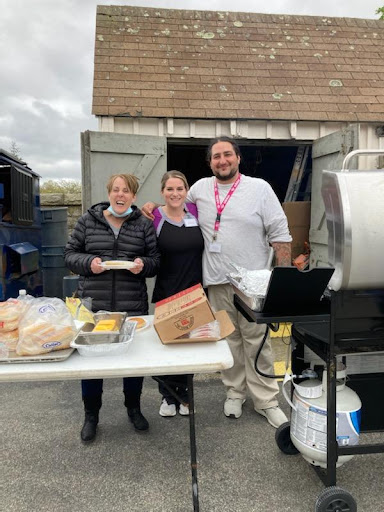
    Volunteers gathered to serve meals at a community event.

Kimwell Nursing And Rehabilitation

495 New Boston Road, Fall River, MA 02720

For more information about senior living options: (844) 490-3973

3.9 from 83 reviews
5 stars
53
4 stars
6
3 stars
1
2 stars
5
1 stars
18

Skilled Nursing Facility

Kimwell Nursing And Rehabilitation Costs & Pricing

Kimwell Nursing and Rehabilitation offers competitive pricing for its services, particularly in comparison to both Bristol County and the broader Massachusetts area. For a studio room, residents at Kimwell can expect to pay $4,195 per month, which positions it slightly below the county average of $4,245. This reflects a thoughtful approach to affordability while maintaining quality care. In contrast, the statewide average for similar accommodations reaches $5,312, highlighting Kimwell's commitment to providing valuable options that are more accessible without compromising on the standard of care. Overall, Kimwell stands out as an affordable choice within its local context, making it an appealing option for families seeking rehabilitation services in a supportive environment.

Floor plansKimwell Nursing And RehabilitationBristol CountyMassachusetts
Studio$4,195$4,245$5,312

Overall Review of Kimwell Nursing And Rehabilitation

Pros

  • pro The staff at Kimwell Nursing Home and Rehabilitation Center provides impeccable service and outstanding care.
  • pro The bilingual staff communicate with patients in their language, reducing stress and ensuring comfort.
  • pro Carmen Nave on K3 is praised for kindness, compassion, and dedicated leadership.
  • pro The PT department delivers excellent care and supports recovery, including after a stroke.
  • pro The facility is professional, caring, and committed to residents and families.
  • pro Families express deep gratitude for the staff's dedication and support.
  • pro The senior citizen luncheon and music event showcased the staff's friendly, family?oriented approach.
  • pro Nurses and CNAs are repeatedly praised for going above and beyond and showing empathy.
  • pro Administration is responsive and respectful, addressing concerns promptly.
  • pro Overall, Kimwell is described as a positive, reassuring place for loved ones.

Cons

  • pro The facility did not respect HIPAA laws.
  • pro The facility did not honor patients' rights.
  • pro Staff did not refrain from profanity.
  • pro The facility did not enforce patients' rights to peace and quiet during night hours.
  • pro The second floor smelled of fecal odor, indicating poor cleanliness.
  • pro The building is tired and in need of an overhaul or upgrades.
  • pro The front of the building is not wheelchair accessible, requiring use of an elevator to the basement and a poorly accessible ramp.
  • pro A roommate with a loud TV disrupted a resident's sleep.

Review

Kimwell Nursing Home and Rehabilitation Center has earned a chorus of heartfelt gratitude from families who entrusted their loved ones to its care. Across multiple stories, reviewers describe a level of service that feels both professional and deeply compassionate. A central thread is the importance of communication and comfort: caregivers who take the time to listen, explain, and ease worries, with a standout emphasis on staff who speak patients' languages. In particular, the bilingual team members were praised for their ability to connect with a grandmother in her own language, dramatically reducing stress and ensuring she was comfortable and understood at every moment. This focus on respectful, patient-centered care colors many of the accounts and leaves readers with a strong sense of trust in the facility's approach.

Within the broad circle of those who contributed to positive experiences, several names recur as especially impactful. Robin, Liz, Brianna, Trinity, Lisandra, Anna, Geo, Andrew, and Larry are repeatedly singled out for their dedication to a resident's well-being. The reviewers emphasize that each of these individuals demonstrated a remarkable commitment to daily care, responsiveness to questions, and a willingness to go the extra mile to ensure comfort and dignity. The consistent praise for these staff members across shifts and units paints a picture of a team that aligns around patient needs, fostering a sense of stability and reliability for families during challenging times.

The sentiment extends beyond a single patient, reaching a broader sense of reassurance for families dealing with complex health issues. One reviewer notes that their father, who has multiple health concerns, is currently staying at Kimwell and benefits from the staff's efforts even when things get extremely busy. The writer recognizes the realities of healthcare work - the "swamped" pace - and expresses genuine appreciation for the care and comfort provided to their father. This acknowledgment captures a common thread: even on chaotic days, the facility's teams strive to maintain a humane, compassionate atmosphere and to respect each patient's dignity.

Kimwell's sense of community is also celebrated through special events that bring residents, families, and staff together. A senior citizen luncheon with music by Jordan Paiva is described as an amazing and delightful afternoon, where everyone went above and beyond to cater to needs and ensure a friendly, inclusive environment. The reviews emphasize the warmth and hospitality of the staff, noting how activities like these strengthen connections and support the well-being of residents and their loved ones in a meaningful way.

A particular tribute centers on Carmen Nave, a nurse on K3 who is described in deeply glowing terms by a family. The letter portrays Carmen as a strong, compassionate charge nurse whose leadership steadies the unit during difficult times. The family describes her as not only effective in managing clinical care but also as a comforting presence - always checking in, patiently answering questions, and treating their loved one with dignity and respect. The narrative conveys that Carmen's personal touch and professional poise foster a safer, more supportive environment for patients and families alike, and the family believes Kimwell is incredibly fortunate to have someone with her caliber in such a pivotal role.

The volume of testimonials continues with additional families praising staff across units. In one set of notes, Elizabeth Thomas, Isandra Gonsalves, Tracy Toupin, and Sandrine Toussaint are thanked on behalf of an aunt who recovered well after surgery, while another guest, Nancy Jones, recounts a hip-rehabilitation experience that was aided by the attentiveness of the same group of caregivers. These messages extend gratitude to nurses, CNAs, social workers like Shirley, unit managers like Robin, and a broader circle of colleagues who contributed to a successful recovery journey. The sense conveyed is that curated, compassionate care - coupled with prompt responsiveness - can transform a difficult medical process into a manageable, hopeful experience.

Other testimonials highlight the rehabilitation program and team dynamics as a cornerstone of Kimwell's strengths. Several residents and families credit the PT department with guiding meaningful progress, including walking improvements and strategies for managing daily tasks with greater independence. Names like Jodie (Director), Trien (PT), Kayla, and Larry surface in these accounts as part of a broader ecosystem of leadership and hands-on care. Across these narratives, the recurring motif is clear: dedicated staff, clear communication, and a patient- and family-centered approach can create a recovery environment in which people feel heard, respected, and engaged every step of the way.

Yet the reviews are not without candid criticisms, and they acknowledge that no facility is perfect. One aunt's experience notes a rocky start but also stresses how administration addressed concerns promptly. There are recurring cautions about maintaining HIPAA standards, honoring patient rights, avoiding profanity, and protecting residents' right to peace and quiet during night hours. In terms of physical conditions, several reviewers describe Kimwell as aging and in need of updates to the building itself - painting, flooring, and furniture, alongside improvements to room layout and laundry handling. Specific issues include a second-floor roommate situation that disrupted sleep due to noise and odors on that floor, as well as accessibility challenges at the front of the building, where wheelchair access requires using an elevator to the basement and exiting on the side - a workaround that is less than ideal for everyday use. A few reviewers also report experiences with laundry damage, such as over-drying a blanket, underscoring a desire for more meticulous housekeeping and maintenance. Taken together, these critiques paint a realistic portrait of a facility facing common aging infrastructure challenges while attempting to deliver strong care.

Looking across all the feedback, the overarching message is one of substantial gratitude and respect for Kimwell's staff, tempered by a shared call for continuous improvement. The families repeatedly emphasize that the staff's empathy, professionalism, and clinical competence stood out against the backdrop of a busy, demanding field. They appreciate the way concerns are addressed, the way care plans are explained, and the sense of partnership that emerges when families feel listened and involved. There is broad consensus that Kimwell, despite its aging building and imperfect moments, remains a place where dedicated professionals do their best to honor patients' dignity and support recovery. The final sentiment is one of deep appreciation for the care received, paired with hopeful expectations for ongoing improvements that will make every resident's experience even better.

Features

Housing

  • 124 resident community capacity 124 resident community capacity

Types of Care

  • Skilled Nursing Facility Skilled Nursing FacilitySkilled Nursing Facilities are crucial for seniors as they provide round-the-clock medical care, rehabilitation services, and assistance with daily activities. These facilities ensure that seniors receive the specialized care they need to maintain their health and well-being as they age.

Amenities

  • Air-conditioning Air-conditioningAir conditioning is important for seniors as they are more vulnerable to heat-related illnesses and may have underlying health conditions that make it difficult for them to regulate their body temperature. It helps to keep them comfortable, safe, and healthy in hot weather.
  • Beauty salon Beauty salonBeauty salons are important for seniors because they provide a space for them to feel pampered, socialize, and maintain their personal grooming and hygiene. Regular visits to a beauty salon can help boost seniors' self-esteem and overall well-being.
  • Cable or satellite TV Cable or satellite TVCable or satellite TV is important for seniors because it provides entertainment, news, and companionship, helping to combat loneliness and boredom. It also offers a wide range of programming options tailored to different interests and preferences.
  • Computer center Computer centerA computer center is essential for seniors as it provides access to technology, communication tools, and resources that can enhance their daily lives. It allows them to stay connected with loved ones, engage in online activities, and learn new skills, ultimately promoting socialization and mental stimulation.
  • Dining room Dining roomDining rooms are important for seniors as they provide a space for socialization, connection, and nutritious meals. They offer opportunities for residents to bond over shared meals, foster a sense of community, and promote healthy eating habits. Dining rooms also ensure that seniors have access to well-balanced meals tailored to their dietary needs and preferences.
  • Fitness room Fitness roomHaving a fitness room in a senior living community is essential for seniors to stay active, maintain their physical health, and improve their overall well-being. Regular exercise can help prevent falls, reduce the risk of chronic diseases, and promote mental sharpness. It also provides social opportunities for residents to connect with others and enjoy a sense of community.
  • Fully furnished Fully furnishedFully furnished senior living communities are important for seniors because they provide convenience, comfort, and a hassle-free moving experience. Seniors can easily settle into their new living space without the stress of having to buy and move furniture. This allows them to focus on enjoying their new home and community.
  • Gaming room Gaming roomGaming rooms are important for seniors as they provide a fun and engaging environment for socializing, cognitive stimulation, and physical activity. Games can improve memory, problem-solving skills, and overall mental well-being while fostering friendships and reducing feelings of isolation.
  • Garden GardenGardens are important for seniors as they provide a peaceful and therapeutic environment for relaxation, physical activity, and socialization. Being in nature has been shown to reduce stress, improve mood, and promote overall well-being. Gardens also offer opportunities for seniors to engage in gardening activities, which can improve mobility, flexibility, and cognitive function. Additionally, gardens create a sense of community and connection with others who share a passion for plants and outdoor spaces.
  • Housekeeping services Housekeeping servicesHousekeeping services are important for seniors because they help maintain a clean and safe living environment, promote independence, and reduce the risk of accidents or illnesses. Additionally, having assistance with household chores can alleviate physical strain and allow seniors to focus on other aspects of their well-being.
  • Kitchenette KitchenetteKitchenettes are important for seniors living in senior living communities because they provide the convenience and independence of being able to prepare simple meals and snacks in the comfort of their own living space. This can help promote a sense of autonomy and well-being for seniors, allowing them to maintain some level of control over their dietary choices and daily routines.
  • Move-in coordination Move-in coordinationMove-in coordination is important for seniors because it helps ease the transition into their new living environment. It ensures that all logistics, such as packing, organizing movers, and setting up utilities are taken care of, allowing seniors to focus on settling in and adjusting to their new home. Having a smooth move-in process can alleviate stress and anxiety, making the transition smoother and more enjoyable for seniors.
  • Outdoor space Outdoor spaceOutdoor spaces are important for seniors as they provide opportunities for physical activity, social interaction, exposure to natural light and fresh air, and a sense of connection to nature. Having access to outdoor spaces can improve overall well-being and quality of life for older adults living in senior communities.
  • Private bathrooms Private bathroomsPrivate bathrooms are important for seniors in senior living communities because they provide independence, dignity, and comfort. Having a private bathroom allows seniors to maintain their personal hygiene routines without the need for assistance, promoting a sense of autonomy and privacy. Additionally, private bathrooms help prevent the spread of infections and provide a safe and clean environment for seniors to navigate safely.
  • Restaurant-style dining Restaurant-style diningRestaurant-style dining is important for seniors because it allows them to enjoy delicious, nutritious meals in a social and upscale setting. This enhances their dining experience, promotes healthy eating habits, and fosters socialization with fellow residents, ultimately contributing to their overall well-being and quality of life.
  • Small library Small librarySmall libraries are important for seniors as they provide access to a variety of reading materials, including books, newspapers, and magazines. This can help stimulate their minds, keep them engaged, and provide a sense of community through book clubs and other social activities. Additionally, reading has been shown to improve cognitive function and overall mental well-being in older adults.
  • Telephone TelephoneTelephones are important for seniors as they provide a lifeline for communication with loved ones, emergency services, and healthcare providers. They offer a sense of security and independence, enabling seniors to stay connected and access assistance when needed.
  • Wellness center Wellness centerWellness centers are important for seniors because they offer a variety of programs and services that promote physical, mental, and emotional well-being. These centers provide opportunities for exercise, socialization, education, and relaxation, helping seniors maintain their overall health and quality of life.
  • Wi-Fi/high-speed internet available Wi-Fi/high-speed internet availableWi-Fi/high-speed internet is important for seniors to stay connected with loved ones, access online resources, and participate in virtual activities to combat feelings of loneliness and isolation. It also allows them to easily manage healthcare needs, access entertainment, and engage in lifelong learning opportunities.

Transportation

  • Theodore F Green State (15 miles away) Theodore F Green State (15 miles away)
  • Community operated transportation Community operated transportationCommunity operated transportation is crucial for seniors as it provides them with the means to access essential services, social activities, and medical appointments. It allows seniors to maintain their independence and quality of life by ensuring they can participate in activities outside of their homes. Additionally, community-operated transportation services offer a safe and reliable way for seniors to travel without having to rely on family or friends for assistance.
  • Transportation arrangement Transportation arrangementTransportation arrangements are crucial for seniors as they may face challenges with driving, mobility, or access to public transportation. Having reliable transportation services ensures that seniors can easily attend appointments, social activities, and maintain their independence and quality of life.
  • Transportation arrangement (non-medical) Transportation arrangement (non-medical)Transportation arrangements are essential for seniors as they provide access to essential services, activities, and social interactions outside the home. This service helps maintain independence, mobility, and overall well-being for seniors who may have limited transportation options.
  • Transportation to doctors appointments Transportation to doctors appointmentsTransportation to doctors appointments is crucial for seniors as it ensures they have access to necessary medical care and support, promoting their health and well-being. It allows them to receive timely treatment, monitor existing conditions, and address any new health concerns efficiently. Additionally, transportation services can help seniors maintain their independence and quality of life by enabling them to stay connected with their healthcare providers.

Care Services

  • 12-16 hour nursing 12-16 hour nursing12-16 hour nursing care is crucial for seniors in order to ensure around-the-clock monitoring, timely medication administration, and prompt response to any health concerns or emergencies. This level of care helps to promote the overall well-being and safety of seniors living in senior living communities.
  • 24-hour call system 24-hour call system24-hour call systems are important for seniors because they provide peace of mind and immediate assistance in case of emergencies. This technology ensures that help is always available, promoting safety and security for elderly individuals living alone or in assisted living facilities.
  • 24-hour supervision 24-hour supervision24-hour supervision is important for seniors to ensure their safety, well-being, and access to immediate assistance in case of emergencies or health issues. This constant support provides peace of mind for both seniors and their loved ones, allowing them to age in place with dignity and security.
  • Activities of daily living assistance Activities of daily living assistanceActivities of daily living assistance are important for seniors because they provide essential support with tasks such as eating, bathing, dressing, and mobility. This assistance helps seniors maintain their independence, dignity, and overall quality of life as they age.
  • Assistance with bathing Assistance with bathingAssistance with bathing is crucial for seniors as it helps maintain personal hygiene, prevents infections, and ensures their overall well-being and comfort. It also provides a sense of dignity and independence for seniors who may struggle with this task on their own.
  • Assistance with dressing Assistance with dressingAssistance with dressing is important for seniors because it helps maintain their independence, promotes personal hygiene, prevents accidents and injuries, and improves overall quality of life. This service ensures that seniors can continue to dress comfortably and confidently, despite any physical limitations they may have.
  • Assistance with transfers Assistance with transfersAssistance with transfers is crucial for seniors as it helps prevent falls and injuries, maintains their independence, and ensures they can safely navigate their living environment. It also provides peace of mind for both seniors and their loved ones.
  • Diabetes diet Diabetes dietA diabetes diet is crucial for seniors as it helps manage blood sugar levels, reduce risks of complications, and improve overall health and well-being. By following a balanced and nutritious diet tailored to their specific needs, seniors can better control their diabetes and enhance their quality of life.
  • Meal preparation and service Meal preparation and serviceMeal preparation and service are crucial for seniors as they may have limited mobility or energy to cook nutritious meals. Having access to healthy and convenient food options can ensure they are getting the proper nutrition needed to maintain their overall health and well-being.
  • Medication management Medication managementMedication management is crucial for seniors to ensure they are taking the right medications at the correct dosages and times. This helps prevent adverse drug interactions, reduces the risk of medication errors, and promotes overall health and well-being. Proactive management also allows for adjustments as needed based on changing health conditions or new prescriptions.
  • Mental wellness program Mental wellness programMental wellness programs are essential for seniors as they promote cognitive stimulation, emotional support, and social engagement. These programs help prevent isolation, depression, and cognitive decline, ultimately enhancing the overall quality of life for older adults.
  • Special dietary restrictions Special dietary restrictionsSpecial dietary restrictions are important for seniors because age-related changes in metabolism and health conditions can make it difficult for their bodies to process certain foods. By following a diet tailored to their specific needs, seniors can maintain their overall health and well-being, manage chronic conditions, and reduce the risk of complications such as malnutrition or food interactions with medications.

Dining

  • Diabetes diet Diabetes dietA diabetes diet is crucial for seniors as it helps manage blood sugar levels, reduce risks of complications, and improve overall health and well-being. By following a balanced and nutritious diet tailored to their specific needs, seniors can better control their diabetes and enhance their quality of life.
  • Special dietary restrictions Special dietary restrictionsSpecial dietary restrictions are important for seniors because age-related changes in metabolism and health conditions can make it difficult for their bodies to process certain foods. By following a diet tailored to their specific needs, seniors can maintain their overall health and well-being, manage chronic conditions, and reduce the risk of complications such as malnutrition or food interactions with medications.

Activities

  • Community-sponsored activities Community-sponsored activitiesCommunity-sponsored activities are important for seniors as they provide opportunities for social interaction, mental stimulation, and physical activity. These activities can help improve overall well-being, combat loneliness and isolation, and promote a sense of belonging and purpose among older adults.
  • Concierge services Concierge servicesConcierge services are essential for seniors as they provide assistance with daily tasks and errands, enhance their quality of life by offering convenience and personalized care, and promote a sense of safety and security.
  • Fitness programs Fitness programsFitness programs are crucial for seniors as they help improve strength, flexibility, balance, and overall well-being. Staying active can reduce the risk of chronic diseases, improve mental health, and enhance quality of life in older adults.
  • Planned day trips Planned day tripsPlanned day trips are important for seniors because they offer opportunities for socialization, mental stimulation, and physical activity. They provide a change of scenery and help seniors stay engaged and connected to their community, promoting overall well-being and quality of life.
  • Resident-run activities Resident-run activitiesResident-run activities are important for seniors as they encourage social interaction, creativity, and a sense of autonomy. These activities empower seniors to stay engaged and active in their community while fostering meaningful connections with their peers.
  • Scheduled daily activities Scheduled daily activitiesScheduled daily activities are important for seniors because they provide structure, socialization, mental stimulation, and physical activity. Engaging in regular activities can improve overall well-being and quality of life for seniors living in a community setting.

Description

Kimwell Nursing and Rehabilitation in Fall River, MA is a premier assisted living community that offers exceptional care services and an array of amenities to enhance the quality of life for its residents. Our beautiful facility features a range of comfortable and fully furnished accommodations, including private bathrooms, ensuring utmost privacy and convenience.

At Kimwell Nursing and Rehabilitation, we strive to provide a comprehensive range of services to meet the individual needs of each resident. Our highly trained staff is available around the clock, offering 24-hour supervision and assistance with activities of daily living such as bathing, dressing, and transfers. We also provide medication management services to ensure residents receive their medications in a timely and organized manner.

Our community boasts an impressive list of amenities designed to promote an active and engaging lifestyle for our residents. For those who enjoy staying active, we offer a fitness room and wellness center where residents can partake in various exercise programs tailored to their abilities. Additionally, our beautifully landscaped outdoor spaces provide opportunities for relaxation and enjoyment.

Residents can also indulge in a variety of recreational activities within our community. They can socialize with fellow residents in our gaming room or small library or participate in resident-run activities. Planned day trips are also organized regularly for those who wish to explore the local area.

We understand the importance of nutritious meals tailored to specific dietary restrictions, which is why our dining options include restaurant-style dining with special dietary options available. Residents can savor delicious meals prepared by our skilled culinary team.

To ensure ease of transportation, we offer community-operated transportation services as well as arrangements for non-medical transportation needs such as doctor's appointments. In addition, our concierge services are available to assist residents with any requests or information they may need.

With 10 nearby pharmacies and 8 physicians in close proximity, residents have easy access to medical care when needed. Furthermore, should any emergencies arise, there are two hospitals conveniently located nearby.

At Kimwell Nursing and Rehabilitation, we are committed to providing a warm and welcoming environment where our residents can thrive. With our exceptional care services, extensive amenities, and convenient location, we strive to create a supportive community that promotes independence, comfort, and overall well-being.

Nearby Places of Interest

Physicians

  • Center For Eye Health (0.3 miles)
  • Plastic Surgery of Southern New England (0.4 miles)
  • Highland Obstetrics & Gynecology (0.5 miles)
  • Prima Care (1 miles)
  • Psychiatric Care Counseling (1.1 miles)
  • Somerset-Swansea Medical Center (1.6 miles)
  • Aspire Dermatology (3.3 miles)

Hospitals

  • Charlton Memorial Hospital (0.5 miles)
  • Andrew Sucov, MD - St Anne's Hospital (1.8 miles)
  • Norton & Associates (10.1 miles)

Pharmacies

  • CVS Pharmacy (0.5 miles)
  • CVS Pharmacy (0.9 miles)
  • Walgreens (1.2 miles)
  • Rite Aid (1.3 miles)
  • Rite Aid (1.9 miles)
  • Natures Medicines (2.4 miles)
  • CVS Pharmacy (2.4 miles)

Restaurants

  • Tipsy Seagull (1.8 miles)
  • Sonic Drive-In (2.1 miles)
  • Railway Cafe (3.1 miles)
  • Macray's Seafood II (3.5 miles)
  • Family Ties Restaurant (3.9 miles)
  • McDonald's (4.6 miles)
  • Cask & Pig Kitchen and Alehouse (7.2 miles)

Parks

  • Freetown State Forrest (6.8 miles)
  • Colt State Park (7.5 miles)

Cafes

  • Coastal Roasters (6.9 miles)
  • Mirasol's Cafe (8.5 miles)
  • Starbucks (8.6 miles)
  • Groundswell Cafe and Bakery (9.9 miles)
  • Starbucks (11.3 miles)

Theaters

  • AMC Dartmouth Mall 11 (8.8 miles)

Frequently Asked Questions

How much does it cost to live at Kimwell Nursing And Rehabilitation in Fall River, MA?
Where is Kimwell Nursing And Rehabilitation?
What photos are available for Kimwell Nursing And Rehabilitation in Fall River, Massachusetts?

Nearby Communities

Related Resources

  • caregiver burnoutCaring for Those Who Care: Recognizing, Understanding, and Overcoming Caregiver Burnout

    Caregiver burnout is a common issue resulting from the intense physical, emotional, and mental demands of caregiving, leading to symptoms like fatigue and social withdrawal. To prevent burnout, caregivers should recognize early warning signs and implement self-care strategies, seek support, and prioritize their own well-being alongside that of those they care for.

  • caregiver burnoutCaregiver Exhaustion: Recognizing the Signs and Restoring Your Well-Being

    Caregiver exhaustion, or burnout, stems from the relentless demands of caregiving, leading to emotional and physical depletion characterized by stress, frustration, and neglect of personal needs. Addressing this burden is essential to prevent long-term consequences, with early recognition and support being crucial for caregivers to maintain balance and implement self-care.

  • what is hospice care at homeUnderstanding Hospice Care at Home: Comprehensive Services, Key Benefits, and Eligibility
    Hospice care at home provides specialized end-of-life support that focuses on comfort and dignity for individuals with life-limiting illnesses, offering a range of services including medical management, emotional and spiritual support, and logistical assistance tailored to the family's needs. It involves collaboration to create individualized care plans and extends to bereavement support after a loved one's passing.