Transitional Care Unit in Fall River, MA

Save
Transitional Care Unit

Transitional Care Unit in Fall River, MA

Information last verified:

363 Highland Ave Fl 3, Fall River, MA 02720

For more information about senior living options: (844) 490-3973

2.8 from 110 reviews
5 stars
41
4 stars
4
3 stars
5
2 stars
10
1 stars
50

Overall Review of Transitional Care Unit

Pros

  • pro The staff at Charlton Memorial Hospital are professional and caring, and the procedures go smoothly.
  • pro Micheal Gauthier is described as compassionate, taking time to explain every detail and making the daughter feel comfortable and secure in his expertise.
  • pro Dr. Charme in the ER is noted as thorough, professional, and personable.
  • pro The Cardiology department is highly skilled, with nurses and doctors delivering excellent, reassuring care.
  • pro The imaging department staff are courteous and attentive, with Stacey praised for explaining everything clearly and making the experience comfortable.

Cons

  • pro They describe Charlton Memorial Hospital’s ER as having hours-long waits with little urgency.
  • pro They call the facilities dirty and unsafe, noting cockroaches, mold, and leaks.
  • pro They say the staff are rude, unprofessional, and lacking bedside manner.
  • pro They allege the hospital is severely understaffed, leading to delays and poor care.
  • pro They report inadequate pain relief and delays in tests or treatment despite distress.
  • pro They accuse some clinicians of misdiagnoses or poor communication, resulting in unsafe outcomes.
  • pro They claim excessive charges and aggressive collection practices for unclear or unavailable services.
  • pro They suggest avoiding Charlton and going to other hospitals with better care.

Review

This Transitional Care Unit in Fall River, MA is best suited for older adults who have recently been discharged from an acute stay and need short-term skilled nursing, therapy, and care coordination aimed at safely returning home. The strongest value lies in access to Southcoast Health resources, including cardiology and other specialty services, which can support a measured, medically guided recovery. The unit is not a one-size-fits-all solution, however: the experience can be uneven, and the environment may not consistently deliver the high-touch, around-the-clock attentiveness that some families expect during a vulnerable recovery.

Those who may want to consider alternatives include families prioritizing consistently seamless, timely bedside care and minimal waiting, especially during evenings and weekends. Several reviews describe prolonged ER wait times, uneven staffing, and variability in CNA performance, which can compound anxiety for patients and caregivers. For families seeking a more predictable daily rhythm, with steadier front-desk responsiveness and fewer instances of care gaps, it may be prudent to compare St. Anne’s or other nearby facilities. Private post-acute rehab centers or home-health-based recovery plans could offer tighter staffing and more uniform day-to-day attention.

On the plus side, the unit’s potential is underscored by several durable strengths. When care teams are aligned, patients report compassionate, competent nursing and medical attention, with specific praise for cardiology and recovery-floor staff who delivered clear explanations, consistent guidance, and genuine bedside warmth. Instances of high-caliber teamwork shine through in posts from patients who describe skilled clinicians, helpful discharge planning, and attentive post-operative care. Cleanliness and professional demeanor appear in many positive notes, and where therapy and nursing staff collaborate effectively, meaningful progress toward mobility and independence can be achieved.

The strongest headwinds come from systemic inconsistencies. Recurrent themes across reviews point to understaffing, long waits, and uneven bedside manners, factors that erode trust and complicate recovery. Front-desk interactions and triage processes are frequently cited as difficult, with reports of delayed assistance and communication gaps between departments. Billing disputes, intermittent supply shortages (such as linens or essential amenities), and sporadic lapses in routine care (bed changes, timely IV removal, or timely pain management) further compound the risk of a frustrating stay. These challenges are not universal, but their frequency suggests that outcomes may hinge on which shift is present and how well the team communicates with family members.

Despite the drawbacks, the unit’s advantages can still offset significant downsides for a targeted patient profile. For medically stable individuals requiring post-acute rehabilitation or closer medical supervision, access to hospital-level specialists and structured rehab can shorten the path back to independence when care teams coordinate effectively. Positive experiences often center on true patient advocacy from attentive nurses and doctors, the clarity of discharge instructions, and the presence of skilled responders who can pivot quickly to evolving needs. If care plans are well-structured, with explicit goals and reliable therapy schedules, this unit has the capacity to deliver steady gains that improve safety at home and reduce readmission risk.

In decision-making terms, families should approach with a clear set of checks and expectations. Demand up-to-date information on patient-to-nurse and patient-to-CNA ratios for each shift, and ask who will be the primary point of contact for daily updates. Inquire about the therapy calendar, speech, occupational, and physical therapy, and confirm that discharge planning begins on admission with a concrete, home-ready plan. Seek a tour that includes conversations with current residents or families about their experiences across different shifts, and request candid answers about staffing stability and response times. Finally, assess financial expectations and billing practices upfront to avoid surprises that cloud the recovery timeline.

Overall, this unit serves a specific niche: a medically guided, short-term recovery hub with strong specialty access, best for patients who can tolerate some variability in staffing but stand to gain from coordinated hospital-based rehabilitation. If the priority is consistently warm bedside care, minimal wait times, and uniformly compassionate interaction across all shifts, alternatives may offer greater peace of mind. For families who prioritize access to robust medical oversight, targeted rehab, and the potential for meaningful mobility gains during a controlled, discharge-focused stay, this Fall River unit remains a viable, though not flawless, option worth careful comparison against nearby facilities.

Features

Types of Care

  • Skilled Nursing Facility Skilled Nursing FacilitySkilled Nursing Facilities are crucial for seniors as they provide round-the-clock medical care, rehabilitation services, and assistance with daily activities. These facilities ensure that seniors receive the specialized care they need to maintain their health and well-being as they age.

Transportation

  • Theodore F Green State (15 miles away) Theodore F Green State (15 miles away)
Description

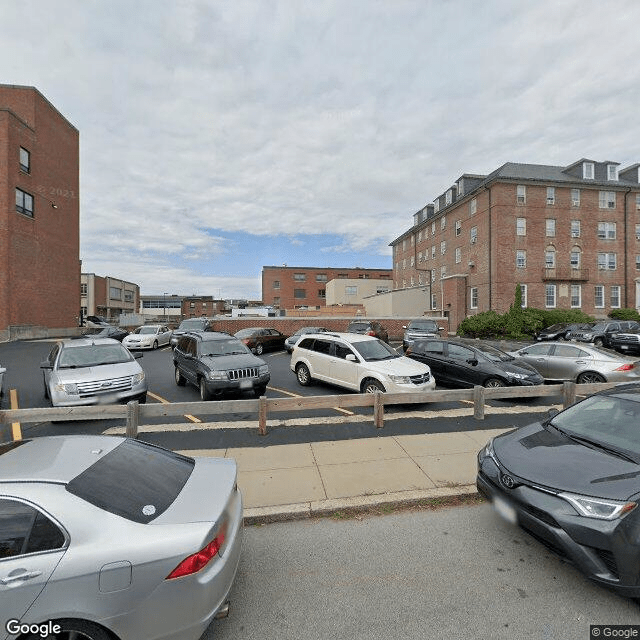
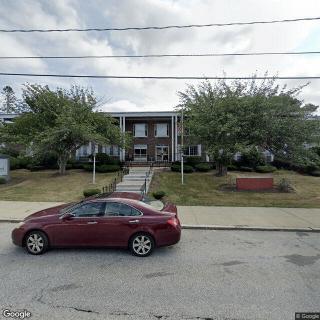
The Transitional Care Unit in Fall River, MA is a vibrant and supportive assisted living community designed to provide exceptional care and assistance to individuals seeking a seamless transition from hospital to home. Located conveniently in Fall River, MA, this community offers a variety of amenities and services to ensure the comfort and well-being of its residents.

With 10 pharmacies nearby, residents can easily access their medication needs without any hassle. The presence of 8 physicians in the vicinity ensures that residents have easy access to medical expertise whenever required. This proximity guarantees a prompt response and availability of healthcare professionals for any urgent medical needs.

For those looking to enjoy a delicious meal or have an outing with family or friends, there are 6 restaurants in close proximity offering diverse cuisines. Residents can indulge in culinary delights while enjoying quality time with loved ones.

In terms of healthcare facilities, the community is situated near 2 hospitals, providing peace of mind to residents and their families knowing that emergency medical services are readily available if needed.

The Transitional Care Unit excels at providing personalized care and assistance tailored to each resident's unique needs. Trained caregiving staff members are available round-the-clock to deliver compassionate support with activities of daily living, medication management, and any other necessary assistance.

Additionally, the community offers engaging recreational activities and social programs aimed at promoting overall well-being and encouraging social connections among residents. These activities may include fitness classes, arts and crafts workshops, movie nights, and various outings that cater to different interests and preferences.

The Transitional Care Unit in Fall River, MA strives to create a warm and welcoming environment where residents feel safe, comfortable, and valued. With its convenient location near essential amenities such as pharmacies, physicians' offices, restaurants, and hospitals, it offers convenience along with exceptional care in an assisted living setting.

Nearby Places of Interest

This part of Fall River, Massachusetts offers a variety of healthcare options nearby, including plastic surgery, obstetrics and gynecology, eye care, primary care, psychiatry, dermatology, and multiple hospitals. Pharmacies are conveniently located within a mile for easy access to medication. There are also several dining options in the area ranging from casual cafes to seafood restaurants. If you enjoy outdoor activities, there are parks nearby for leisurely walks or picnics. Additionally, transportation options like Rail Explorers provide opportunities for exploration beyond the immediate area. Overall, this part of Fall River offers a mix of healthcare services, dining choices, and recreational activities that may suit your needs as you consider senior living in the area.

Physicians

  • Plastic Surgery of Southern New England (0 miles)
  • Highland Obstetrics & Gynecology (0.2 miles)
  • Center For Eye Health (0.5 miles)
  • Prima Care (0.7 miles)
  • Psychiatric Care Counseling (0.8 miles)
  • Somerset-Swansea Medical Center (1.4 miles)
  • Aspire Dermatology (3.2 miles)

Hospitals

  • Charlton Memorial Hospital (0.1 miles)
  • Andrew Sucov, MD - St Anne's Hospital (1.5 miles)
  • Norton & Associates (10.5 miles)

Pharmacies

  • CVS Pharmacy (0.7 miles)
  • CVS Pharmacy (0.9 miles)
  • Rite Aid (1 miles)
  • Walgreens (1 miles)
  • Rite Aid (1.6 miles)
  • Natures Medicines (2 miles)
  • CVS Pharmacy (2.1 miles)

Restaurants

  • Tipsy Seagull (1.4 miles)
  • Sonic Drive-In (1.8 miles)
  • Railway Cafe (2.8 miles)
  • Macray's Seafood II (3.5 miles)
  • Family Ties Restaurant (3.6 miles)
  • McDonald's (4.3 miles)
  • Del's Lemonade & Refreshments (7.1 miles)

Cafes

  • Coastal Roasters (6.7 miles)
  • Mirasol's Cafe (8.9 miles)
  • Starbucks (8.9 miles)
  • Groundswell Cafe and Bakery (9.8 miles)
  • Starbucks (11 miles)
  • Panera Bread (11.5 miles)

Parks

  • Freetown State Forrest (7.1 miles)
  • Colt State Park (7.1 miles)

Theaters

  • AMC Dartmouth Mall 11 (9.1 miles)

Transportation

  • Rail Explorers (11.2 miles)

Frequently Asked Questions

Where is Transitional Care Unit?

Nearby Communities

  • Fall River Jewish Home

    Fall River Jewish Home

    Fall River, MA

    4 from 53 reviews
     

    pro 24/7 nursing with comprehensive on-site care and amenities (transport, wellness center, dining, activities).

  • Rosewood Rest Home

    Rosewood Rest Home

    Fall River, MA

    4 from 1 review
     

    pro Compassionate staff and a clean, welcoming environment.

  • Kimwell Nursing And Rehabilitation

    Kimwell Nursing And Rehabilitation

    Fall River, MA

    3.9 from 90 reviews
    $4,195 / month

    pro Compassionate, dedicated nurses and caregivers.

  • Visiting Nursing Assn

    Visiting Nursing Assn

    Fall River, MA


    pro Strong access to healthcare and nearby amenities (pharmacies, physicians, hospitals, dining).

  • Crawford Skilled Nursing And Rehabilitation Center

    Crawford Skilled Nursing And Rehabilitation Center

    Fall River, MA

    1 from 2 reviews
    $6,750 to $7,140 / month

    pro Public demand for accountability and improved resident safety.

  • SunBridge Care & Rehabilitation for Fall River

    SunBridge Care & Rehabilitation for Fall River

    Fall River, MA

    3.9 from 24 reviews
     

    pro Personalized care with memory care services and convenient access to pharmacies, physicians, and hospitals.

  • Clifton Rehabilitation Nursing Center

    Clifton Rehabilitation Nursing Center

    Somerset, MA

    4.8 from 116 reviews
     

    pro Clean, pleasant setting with friendly staff and engaging activities.

  • Clifton Assisted Living Community

    Clifton Assisted Living Community

    Somerset, MA

    4.8 from 73 reviews
    $3,644 to $6,911 / month

    pro Well-maintained, clean facility with a warm, welcoming atmosphere, friendly staff, and an active social calendar.

  • The Residence at Cedar Dell

    The Residence at Cedar Dell

    Dartmouth, MA

    4.8 from 149 reviews
     

    pro Beautiful grounds, friendly staff, and a robust calendar of activities with on-site dining and amenities.

Related Resources

  • palliative care vs hospiceUnderstanding the Nuances of Palliative Care and Hospice: A Comprehensive Exploration
    Palliative care focuses on alleviating distress at any stage of a serious illness and can accompany curative treatments, while hospice care is for those nearing the end of life with a prognosis of six months or less, emphasizing comfort over curative measures. Both prioritize holistic care for patients and families but differ in timing, goals, and scope.

  • fecal incontinenceFecal Incontinence in Older Adults: A Comprehensive Guide
    Fecal incontinence, prevalent among older adults, arises from factors like weakened pelvic muscles and nerve damage, significantly affecting well-being and social interactions. Diagnosis involves clinical evaluation and tests to inform tailored treatments, while caregivers and preventive measures can aid in managing the condition effectively.

  • gardening for seniorsNurturing Well-Being Through Gardening: A Detailed Guide for Senior Enthusiasts

    Gardening provides seniors with physical exercise, mental and emotional support, and social interaction opportunities, while accommodating their needs through raised beds and ergonomic tools. It promotes health benefits like improved dexterity and cardiovascular health, encourages sustainable practices, and allows for manageable upkeep with low-maintenance plants.