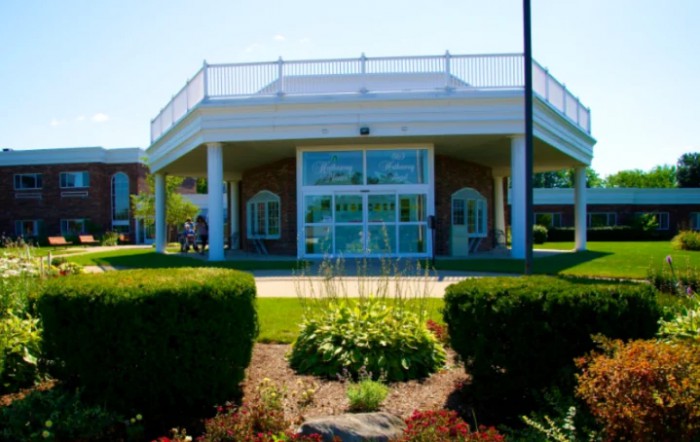
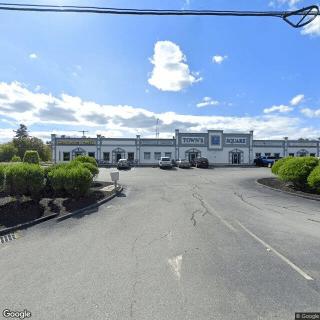
863 Hathaway Road, New Bedford, MA 02740
For more information about senior living options: (866) 208-4318
Hathaway Manor Extended Care Costs & Pricing
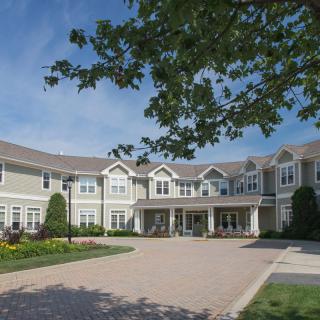
Hathaway Manor Extended Care offers a competitively priced option for those seeking private room accommodations, with a monthly cost of $3,536. This rate is significantly lower than the average costs in Bristol County, which stands at $6,165, and reflects a similar trend at the state level in Massachusetts, where private room expenses reach approximately $6,090. By choosing Hathaway Manor, residents not only receive quality care in a welcoming environment but also benefit from substantial savings compared to other facilities in the region, making it an appealing choice for families looking for value without compromising on care quality.
| Floor plans | Hathaway Manor Extended Care | Bristol County | Massachusetts |
|---|---|---|---|
| Private | $3,536 | $6,165 | $6,090 |
Skilled Nursing Facilities with a similar price nearby
-
from +$459 / mo

Atria Woodbriar
$3,995 to $9,395 / month19.5 miles away -
from +$659 / mo
Kimwell Nursing And Rehabilitation
$4,195 / month9.6 miles away -
from -$536 / mo
Catholic Memorial Home
$3,000 / month10.1 miles away -
from -$646 / mo

Franklin Court Assisted Living
$2,890 to $3,575 / month15.8 miles away -
from -$356 / mo

Sippican Health Care Ctr Inc
$3,180 / month10.9 miles away
Overall Review of Hathaway Manor Extended Care
Pros
 One reviewer praised Hathaway Manor for wonderful care.
- A reviewer calls the facility the best they have been involved with, noting cleanliness and attentive staff.
- A visitor was impressed by smooth operations, extra amenities, and a homey, spacious environment.
- Residents are described as pleased with their living conditions and in good spirits.
- The staff are described as friendly and attentive, with caregivers who connect well with residents.
Cons
 The facility is dated, dirty, and smells of urine and mold, with consistently poor staffing.
 - The quality of care is severely lacking and residents’ needs are ignored by the staff.
- Medications are never on time, and nurses spend more time on the phone than on the floor.
- The food is horrible and lacking nutrition, with small portions and quality issues (e.g., hair in meals).
- Rooms and linens are not cleaned or changed regularly; housekeeping is negligent.
- There are reports of elder abuse and neglect by staff, with some workers described as unprofessional or inattentive.
- Administration is unresponsive and requests for incident reports are often denied, hindering transparency.
Review
Hathaway Manor Extended Care in New Bedford is best suited for families facing very limited post-acute options who can commit to vigilant oversight and fast escalation of problems. The facility operates as a rehab-oriented stop with some staff and administration that, on good days, can provide attentive care. For families who must make a quick placement due to recovery needs and a constrained budget, this community can appear as a possible coordinate point in the care continuum. However, this recommendation carries a heavy caveat: the care experience is highly variable, and the cost savings are often offset by serious questions about consistency, responsiveness, and overall safety. In short, it is not a fit for someone seeking a consistently high standard of daily care across the board.
Those weighing options should be explicit about alternatives when evaluating Hathaway Manor. If reliability in staffing, timely medication administration, clean and well-maintained rooms, and nutritious, varied meals are non-negotiable, other facilities in the area should be prioritized. The reviews repeatedly flag chronic understaffing, delayed responses to call bells, and a troubling pattern of neglect in basic housekeeping. Prospective families should treat Hathaway Manor as a potential overflow choice only if a comparable or better facility is unavailable and if a strong advocacy plan is in place to monitor every shift, every meal, and every medication pass.
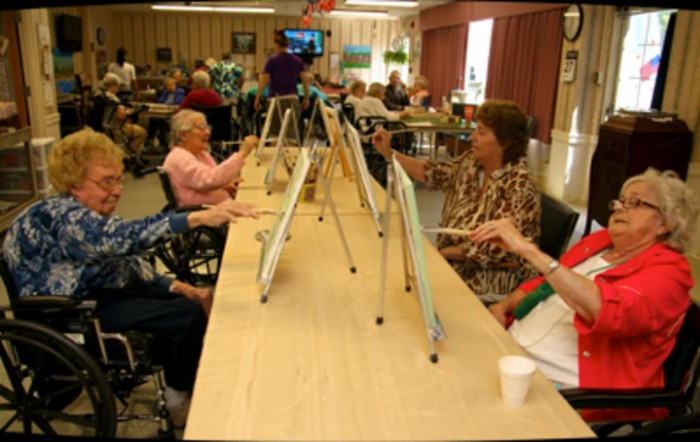
On balance, the handful of credible positives from the community points to what could be salvaged when the facility is able to deploy a stable team. A few reviewers report periods when the environment felt clean, the nurses and aides showed genuine attentiveness, and administration was responsive to concerns. There is also mention of rehabilitation-focused spaces and activities that can support recovery when staffing is sufficient. These bright spots demonstrate that the underlying model can work, but the pattern is erratic. The gaps in daily operations, when they widen, override the positives and cast serious doubt on whether a consistently safe, respectful experience is achievable here for most residents.
The dominant concerns are substantive and well-documented in multiple accounts. Chronic understaffing translates into long waits for assistance, missed or late medication administration, and rooms that are not cleaned or refreshed promptly. Odors, old furnishings, and aging infrastructure compound the sense of neglect, while call bells often go unanswered. Families report instances of improper wound care, diaper rash and inadequate hygiene, and, in the most alarming cases, allegations of elder abuse or unsafe handling by staff. Administrative communication appears inconsistent, with reports of opaque incident reporting and intermittent cooperation with families. Taken together, these factors paint a risk profile that requires a proactive defense and a readiness to seek immediate alternatives if conditions prove unstable.
A disciplined decision process can soften the risk here, but it requires concrete, practical steps before placement and ongoing vigilance afterward. Visitors should schedule daytime and evening observations to see how staff interact with residents, how quickly call bells are answered, and whether rooms and common areas feel clean and maintained. Ask for the current menu and observe meal service to assess nutritional quality, portion sizes, and whether special diets are respected. Request to review the facility’s latest state inspections and any corrective action plans, and speak directly with caregiving staff about training and expectations. A clear line of communication with administration, documented incident reports, and a transparent, time-stamped process for resolving concerns are essential before committing to long-term placement.
Ultimately, the decision comes down to risk tolerance and the availability of superior options. For families who can tolerate ongoing advocacy and are prepared to switch providers if care quality slips, Hathaway Manor can function as a temporary, budget-conscious choice, provided one acts as a persistent steward of the resident’s daily needs. For most families prioritizing safety, dignity, and dependable care, alternatives with stronger staffing practices, cleaner environments, and consistent meal quality will outperform. The prudent course is to pursue those options first, and only assign a loved one to Hathaway Manor if every red flag is matched by a concrete plan to secure reliable oversight, rapid problem resolution, and a clear path to a better setting should conditions fail to improve.
 142 resident community capacity
 Skilled Nursing Facility
 Air-conditioning
 Beauty salon
 Cable or satellite TV
 Computer center
 Dining room
 Fitness room
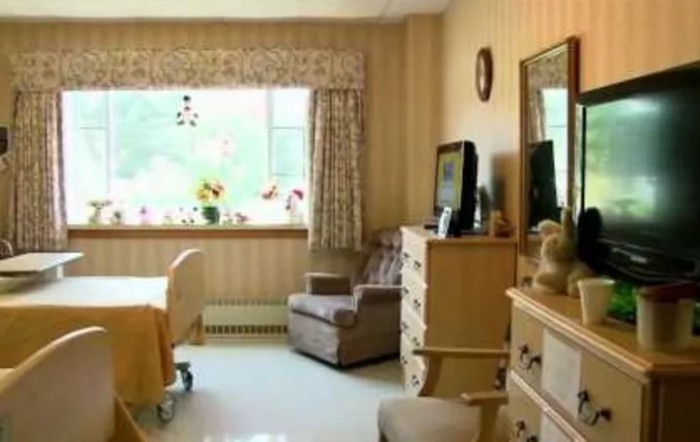
 Fully furnished
 Gaming room
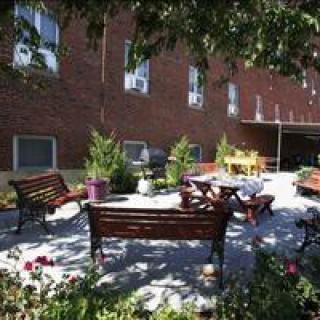
 Garden
 Housekeeping services
 Kitchenette
 Move-in coordination
 Outdoor space
 Private bathrooms
 Restaurant-style dining
 Small library
 Telephone
 Wellness center
 Wi-Fi/high-speed internet available
 Theodore F Green State (24 miles away)
 Community operated transportation
 12-16 hour nursing
 24-hour call system
 Activities of daily living assistance
 Assistance with bathing
 Assistance with dressing
 Assistance with transfers
 Diabetes diet
 Medication management
 Mental wellness program
 Special dietary restrictions
 Concierge services
 Planned day trips

 Navigating the Financial Road to Nursing Home Care: In-Depth Guidance and Resources
 Supportive Employee Benefits That Help Caregivers Attain Better Work-Life Harmony
 Top Cars for Senior Drivers and Essential Safety Innovations