
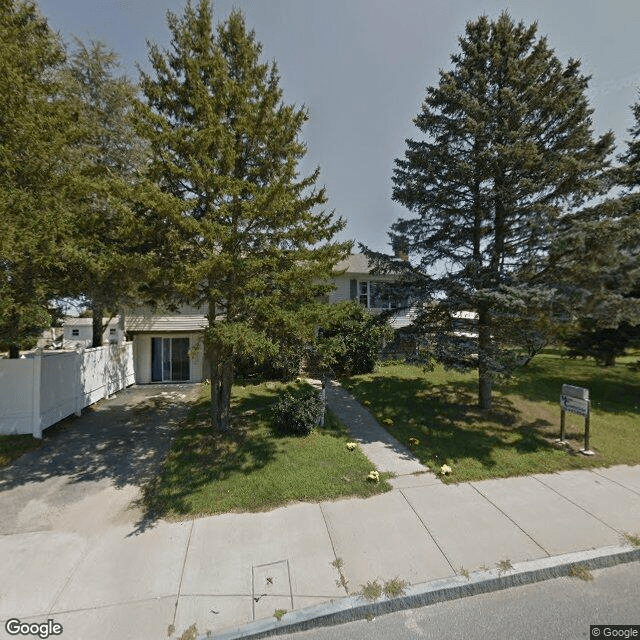
288 Slocum Road, Dartmouth, MA 02747
To contact a resident: (508) 951-8129
For more information about senior living options: (866) 208-4318
Overall Review of Mass Caregivers
Pros
 The Bayada team is amazing.
- The RN, OT, and physical therapist are outstanding.
- The Bayada office in North Dartmouth is highly recommended.
- Healing begins with compassion.
- The Bayada team is truly the best of the best.
Cons
 None found.
Review
Mass Caregivers in Dartmouth, MA is best suited for families seeking skilled, in-home medical support that keeps a loved one in familiar surroundings while gaining access to a coordinated clinical team. This community-agnostic label hides a clear strength: a focused home-health approach delivered by a consistent roster of professionals, registered nurses, occupational therapists, and physical therapists, elevated by a culture that foregrounds compassionate care. The reviews anchor this impression in real-world momentum: families describe rapid, competent clinical input that helps with recovery, pain management, and daily functioning. For seniors who value independence at home but still require reliable nursing oversight, rehab services, and careful care coordination, Mass Caregivers represents a practical, effective model. In short, this option is a strong fit when the priority is at-home clinical support that supports functional improvement without requiring a full-time live-in environment.
There are clear reasons to consider alternatives. For families evaluating assisted living or memory-care campuses, the lure of a campus lifestyle, on-site dining, structured programming, social activities, and 24/7 supervision, can be decisive. When safety, social engagement, and built-in supervision are paramount, traditional assisted living or skilled-nursing facilities often deliver a more comprehensive solution in a single location. Mass Caregivers excels at delivering professional, home-based care, but it does not replicate the social fabric and round-the-clock oversight that a multi-room campus provides. For those whose goals include broad social interaction, constant monitoring, or a seamless transition to congregate living as needs evolve, alternatives should be actively explored.
The best advantages of Mass Caregivers, chiefly a capable, compassionate clinical team, do a lot of the heavy lifting in offsetting the most common drawbacks of in-home care. A high-quality Bayada-led team, with RN, OT, and PT, surfaces as a standout strength in the feedback stream. Families note that healing begins with genuine compassion, and that medical and rehabilitative guidance feels reliable, timely, and well-coordinated. This clinical fidelity translates into tangible benefits: improved mobility, better symptom management, and more confident daily living for clients who are navigating recovery or chronic conditions. When the objective is steady clinical momentum in a home setting, these pros carry significant weight and often outpace the absence of campus amenities.
Nevertheless, the mix of reviews introduces a caution: not every experience aligns with the strongest praise. The community carries a 3.9 rating from seven reviews, including five five-star perspectives and two one-star ratings. This distribution signals that while many families have transformative, positive encounters with staff and care plans, a portion of clients encounter service gaps or consistency issues that matter in the long run. The lack of on-site social programming and the absence of a traditional, 24/7 supervised living environment are not merely abstract downsides; they translate into practical tradeoffs for households seeking continual engagement, safety nets, and predictable daily rhythms. Weighing these realities helps families calibrate expectations and plan accordingly.
For a family weighing options, a practical decision framework is essential. Start with a concrete inventory of needs: Is there a strong emphasis on rehabilitation and medical management at home? Is daily social interaction a priority, or can that be satisfactorily met through community resources, family involvement, or a campus setting? Inquire about care coordination: how quickly can nurses respond to changes in condition, how therapists schedule sessions, and how consistently the same clinicians work with a given client. Ask about coverage and costs: which services are billable through Medicare or private insurance, what out-of-pocket expenses may arise, and whether respite care is available to give family caregivers a break. Clarify the care plan review process: how often goals are reassessed, how progress is communicated to families, and what happens if a client’s condition worsens. These questions will reveal whether the home-health strengths align with the family’s risk tolerance and care expectations.
In the end, Mass Caregivers offers a compelling proposition for families prioritizing professional, home-based clinical support delivered with compassion. Its strongest appeal lies in a skilled, dedicated care team that can drive meaningful functional gains without ushering a loved one into a residential setting. Yet the decision should be grounded in a clear-eyed assessment of priorities: if social connectivity, 24/7 campus oversight, and a built-in community life are nonnegotiable, alternatives in assisted living or memory care deserve serious consideration. For those who can embrace a home-first model with robust clinical oversight, Mass Caregivers represents not merely a viable option but a prudent bridge to better health outcomes while preserving the dignity and autonomy that home inherently provides. A thoughtful, side-by-side comparison with nearby assisted living communities will yield the clearest path forward.
 Marthas Vineyard (24 miles away)



 Navigating the Financial Road to Nursing Home Care: In-Depth Guidance and Resources
 Supportive Employee Benefits That Help Caregivers Attain Better Work-Life Harmony
 Top Cars for Senior Drivers and Essential Safety Innovations