The Cottages at Dartmouth Village offers a range of monthly costs that reflect both the quality of care provided and the overall market conditions in Bristol County and Massachusetts. For a studio apartment, residents can expect to pay $5,410, which is notably higher than the county average of $4,245 but closely aligns with the state average of $5,312. The semi-private rooms are priced at $6,615, surpassing both local and state benchmarks, with Bristol County averaging $5,997 and Massachusetts at $5,805. Meanwhile, one-bedroom units are available for $6,720 - a figure that again positions The Cottages above county pricing ($4,853) while remaining somewhat competitive with statewide rates ($5,349). Overall, these costs reflect a commitment to delivering high-quality accommodations and services tailored to the needs of their residents.
Floor plans
The Cottages at Dartmouth Village
Bristol County
Massachusetts
Studio
$5,410
$4,245
$5,312
Semi-Private
$6,615
$5,997
$5,805
1 Bedroom
$6,720
$4,853
$5,349
Skilled Nursing Facilities with a similar price nearby
Overall Review of The Cottages at Dartmouth Village
common16 reviews mention this
Staff communication brings peace of mind
Families describe clear, responsive communication that reduces stress during moves.
Many reviewers highlight that staff and leadership were easy to reach and helpful during the transition, with questions answered and families kept informed. Several comments specifically credit a sales director for being patient and attentive, and for following up with resources after initial discussions. Others say the day-to-day experience felt reassuring because staff were responsive when care needs changed.
common12 reviews mention this
Clean, well kept grounds feel home-like
Residents and visitors repeatedly mention a clean, well-kept community environment.
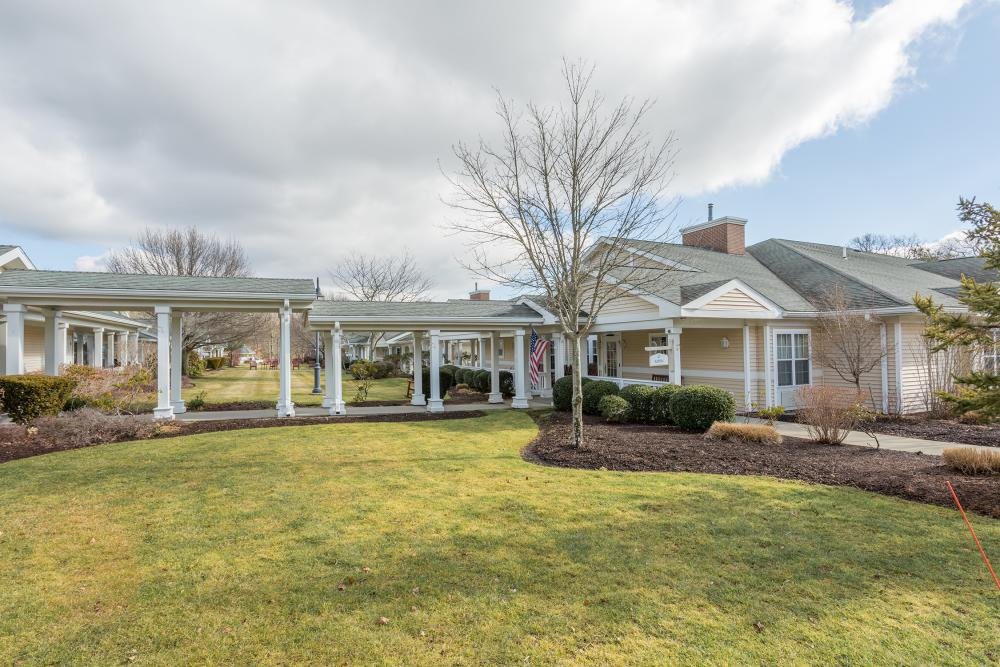
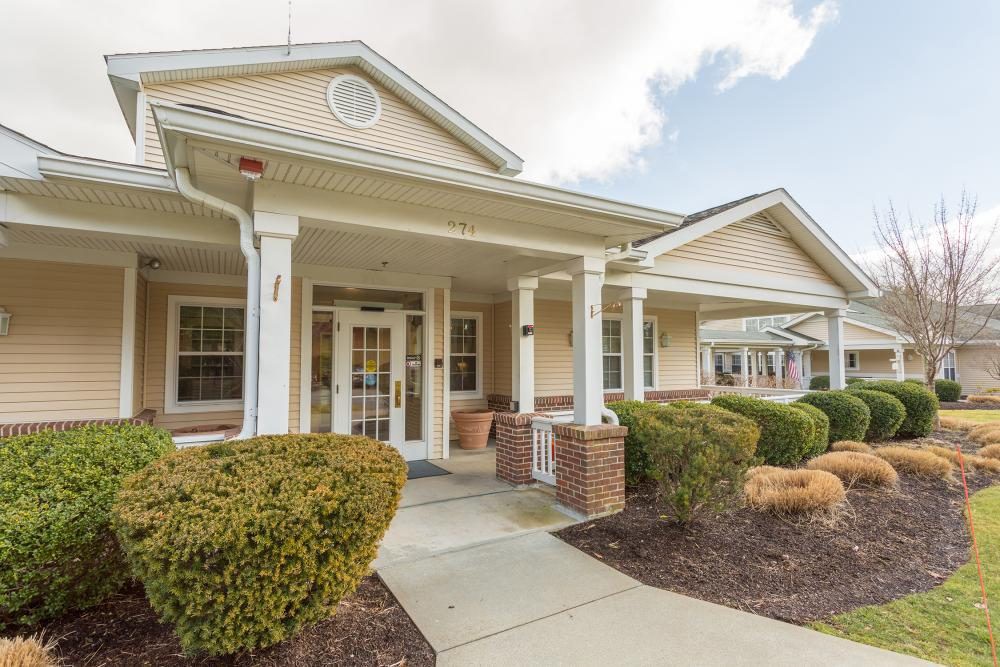
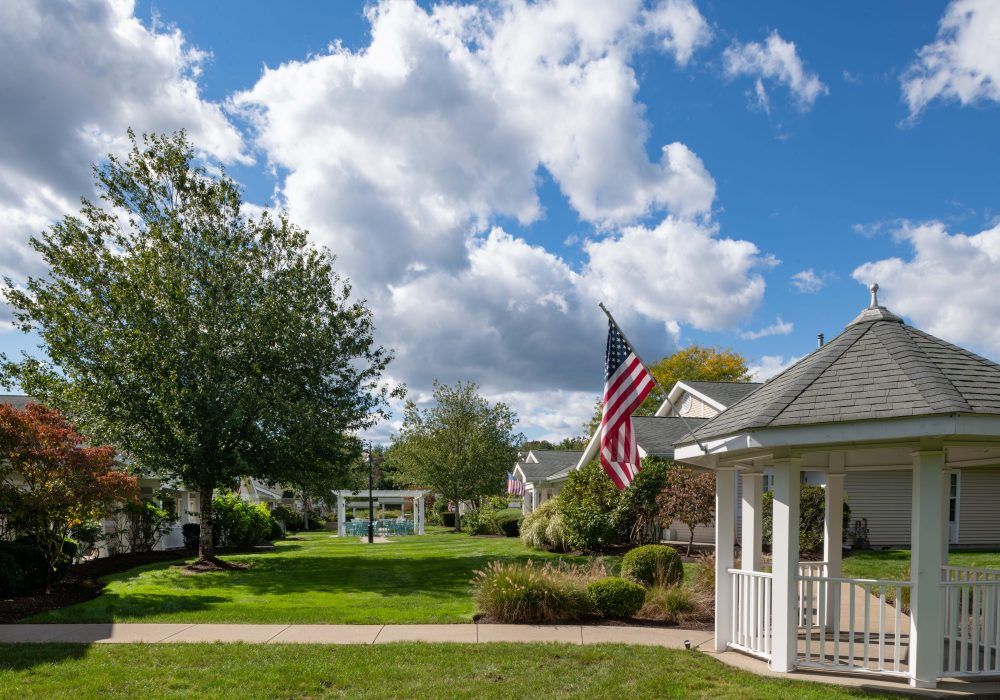
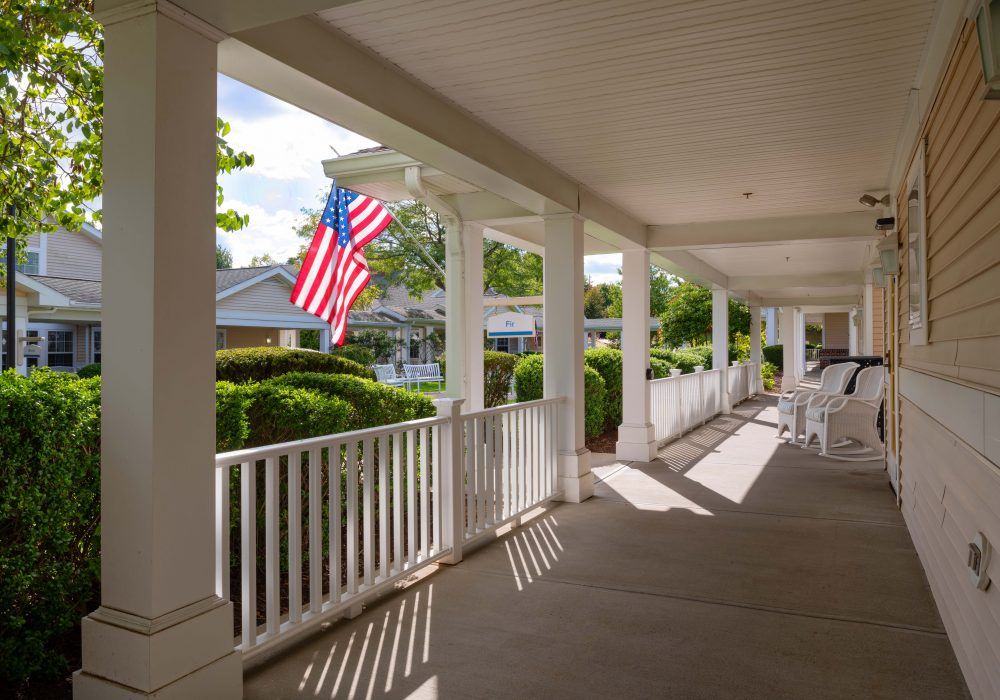
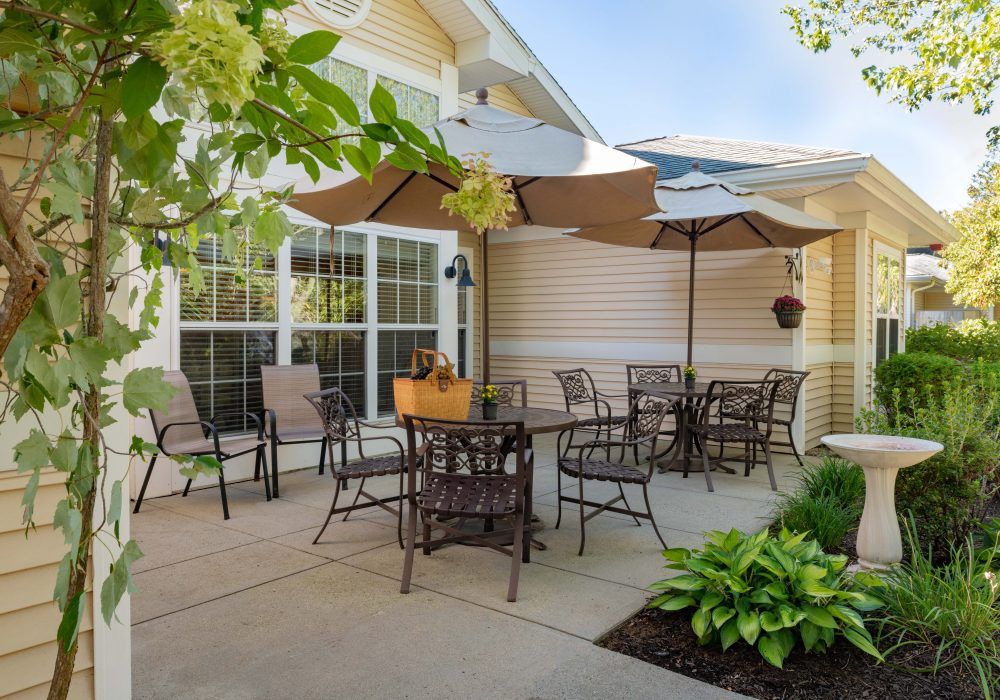
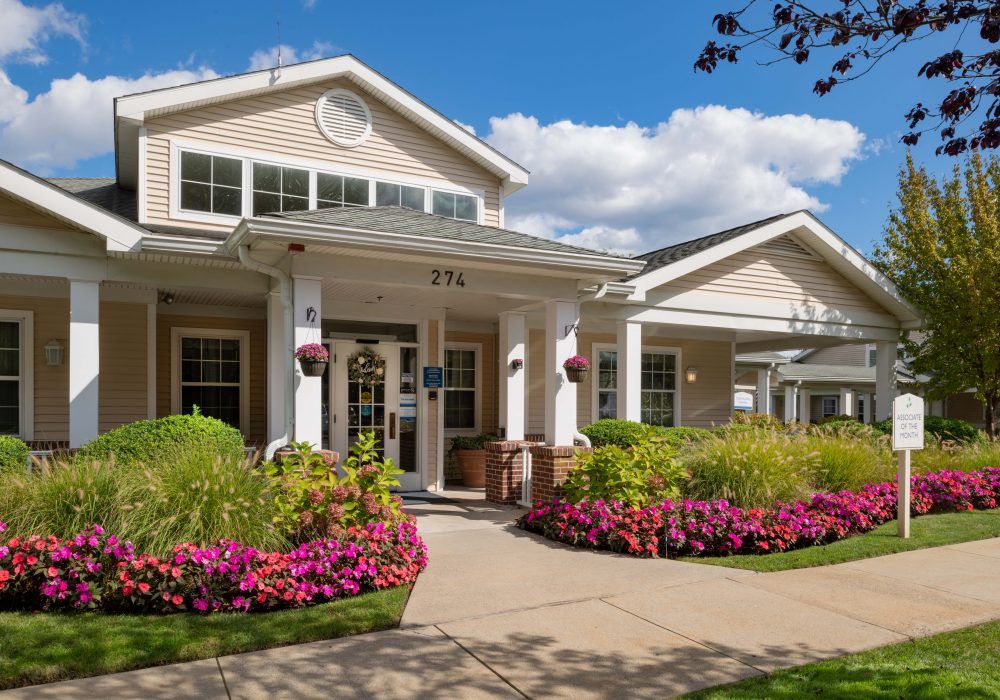
Reviews often start with first impressions of cleanliness and a tidy building, along with well maintained outdoor spaces. Multiple people also describe the physical layout as comfortable and cottage-like, contributing to a more home-like feel. Others mention gardens and landscaping as highlights during visits and walks.
common14 reviews mention this
Activities and social time stay active
Residents and families describe frequent activities that support social connection.
A large number of reviewers say residents are engaged with daily or scheduled activities, including group gatherings and outings. Some specifically mention exercise, music or entertainment, and community events that keep residents from feeling bored. In memory care, reviewers also describe structured activities designed to match residents’ needs.
common5 reviews mention this
Dining earns praise for quality
Several reviewers praise the meals as a standout part of daily life.
Reviews mention good meals and food quality, with multiple people calling meals delicious or outstanding. Some reviewers describe dining as part of a pleasant routine, rather than a rushed or purely institutional experience. A few comments connect meals to overall comfort and satisfaction for loved ones.
differentiator7 reviews mention this
Memory care emphasizes safety and support
Memory care reviews focus on safety, supervision, and programming support.
Several reviewers describe loved ones in locked or memory care settings and say staff support helped address wandering concerns. People also mention small-group connection and activities intended for memory needs, describing residents as safer and more engaged. Alongside that praise, a couple of reviewers still raise concerns specific to dementia staffing and handling of challenging situations.
caveat4 reviews mention this
Some families report understaffing and falls
A minority of reviewers report staffing shortages linked to supervision issues and falls.
Some negative reviews cite being understaffed and describe inadequate supervision, including reports of residents falling with injuries. A reviewer also describes problems with dementia care staffing and frequent emergency transfers related to medical or behavioral concerns. These comments contrast with the broader set of reviews that describe feeling confident in care and responsiveness.
caveat2 reviews mention this
Costs raise concerns for some families
Some reviewers criticize pricing as overpriced or not worth the cost.
A couple of reviewers express concern that the community is overpriced or takes advantage of seniors, while others focus on value as a reason they chose the place. Pricing also sits at a higher range than county and state benchmarks in the available comparisons, which can align with the complaints about cost. Overall, reader sentiment on value appears mixed rather than uniformly negative.
How we summarize
Counts show how many written reviews mention each theme; a review can touch several themes, and only frequently mentioned themes are displayed.
Features
Housing
86 resident community capacity
1-bedroom apartments
Detached homes
Studio apartments
Types of Care
Assisted Living
Memory Care
Skilled Nursing Facility
Pets
Cats allowed
Dogs allowed
Amenities
Activities off-site
Activities on-site
Air-conditioning
Bath tubs
Beautician on-site
Beauty salon
Cable or satellite TV
Computer center
Devotional services off-site
Devotional services on-site
Dining room
Fitness room
Fully furnished
Gaming room
Garden
Guest parking
Handicap accessible
Housekeeping services
Indoor common areas
Kitchenette
Laundry
Move-in coordination
Outdoor common areas
Outdoor space
Private bathrooms
Resident parking
Respite or short term stays offered
Restaurant-style dining
Small library
Spa
Telephone
Wellness center
Wheelchair accessible showers
Wi-Fi/high-speed internet available
Transportation
Marthas Vineyard (24 miles away)
Community operated transportation
Transportation & parking
Transportation arrangement
Transportation arrangement (non-medical)
Transportation to doctors appointments
Care Services
12-16 hour nursing
24-hour call system
24-hour supervision
Activities of daily living assistance
Ambulatory care
Assistance with bathing
Assistance with dressing
Assistance with transfers
Coordination with health care providers
Dementia waiver
Diabetes diet
Hospice waiver
Incontinence care
Meal preparation and service
Medication management
Mental wellness program
Mild cognitive impairment
Special dietary restrictions
Specialized memory care programming
Transportation arrangement (medical)
Transportation to doctors appointments
Dining
Diabetes diet
Guest meals
Low / no sodium
Meals provided
No Sugar
Special dietary restrictions
Vegetarian
Activities
Art classes
Community-sponsored activities
Concierge services
Cooking classes
Day trips and outings
Devotional activities offsite
Devotional activities on-site
Educational speakers / life long learning
Fitness programs
Happy hour
Live dance or theater performances
Live musical performances
Planned day trips
Resident-run activities
Scheduled daily activities
Stretching classes
Wine tasting
Languages Spoken
English
Videos
Nearby Places of Interest
This part of Dartmouth, Massachusetts, offers convenient access to a variety of healthcare services, including physicians specializing in brain and spine care, dental surgeons, pediatricians, and allergy specialists. There are several pharmacies nearby for easy medication management. In terms of dining options, there is a mix of casual eateries like McDonald's and upscale restaurants such as Not Your Average Joe's. The area also boasts proximity to hospitals like St. Luke's Hospital and the Southcoast Health System. For spiritual fulfillment, residents can attend Grace Episcopal Church or St Mary's Religious Education. Entertainment options include the AMC Dartmouth Mall 11 theater and cafes like Starbucks and Mirasol's Cafe for socializing with friends. Overall, this neighborhood provides a blend of medical resources, dining choices, healthcare facilities, places of worship, and recreational opportunities for seniors looking to settle in the area.
The Cottages at Dartmouth Village offers a range of monthly costs that reflect both the quality of care provided and the overall market conditions in Bristol County and Massachusetts. For a studio apartment, residents can expect to pay $5,410, which is notably higher than the county average of $4,245 but closely aligns with the state average of $5,312. The semi-private rooms are priced at $6,615, surpassing both local and state benchmarks, with Bristol County averaging $5,997 and Massachusetts at $5,805. Meanwhile, one-bedroom units are available for $6,720 - a figure that again positions The Cottages above county pricing ($4,853) while remaining somewhat competitive with statewide rates ($5,349). Overall, these costs reflect a commitment to delivering high-quality accommodations and services tailored to the needs of their residents.
The Cottages at Dartmouth Village offers a comprehensive range of features specifically designed to support residents with dementia or Alzheimer's disease, ensuring their safety and enhancing their quality of life. With 24-hour supervision, residents receive constant monitoring that fosters a secure environment while allowing for independence. Assistance with activities of daily living, including bathing and dressing, provides personalized care tailored to individual needs and preferences, promoting dignity and comfort. Coordination with healthcare providers ensures continuity in medical care, while the dementia waiver allows for necessary accommodations that cater to varying cognitive levels. Incontinence care and meal preparation contribute to overall well-being by addressing basic physiological needs in a respectful manner. Medication management is essential for maintaining health stability as cognitive decline progresses. Additionally, specialized memory care programming and mental wellness initiatives engage residents cognitively and emotionally, supporting their mental health. Finally, transportation arrangements for medical appointments further facilitate access to necessary healthcare services, contributing to a holistic approach in managing the complexities associated with dementia care.
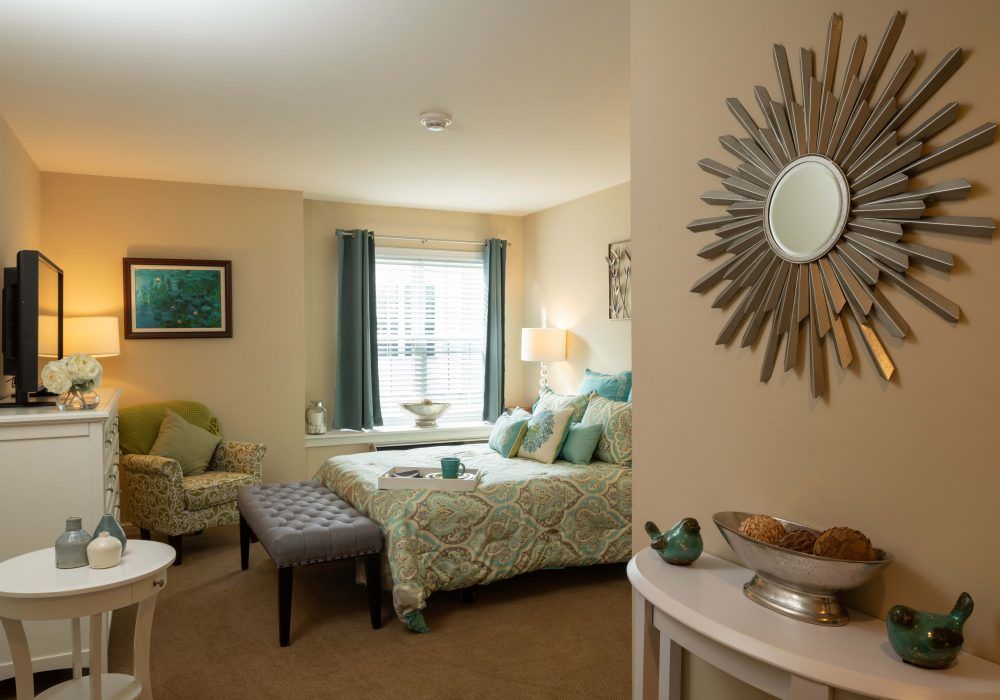
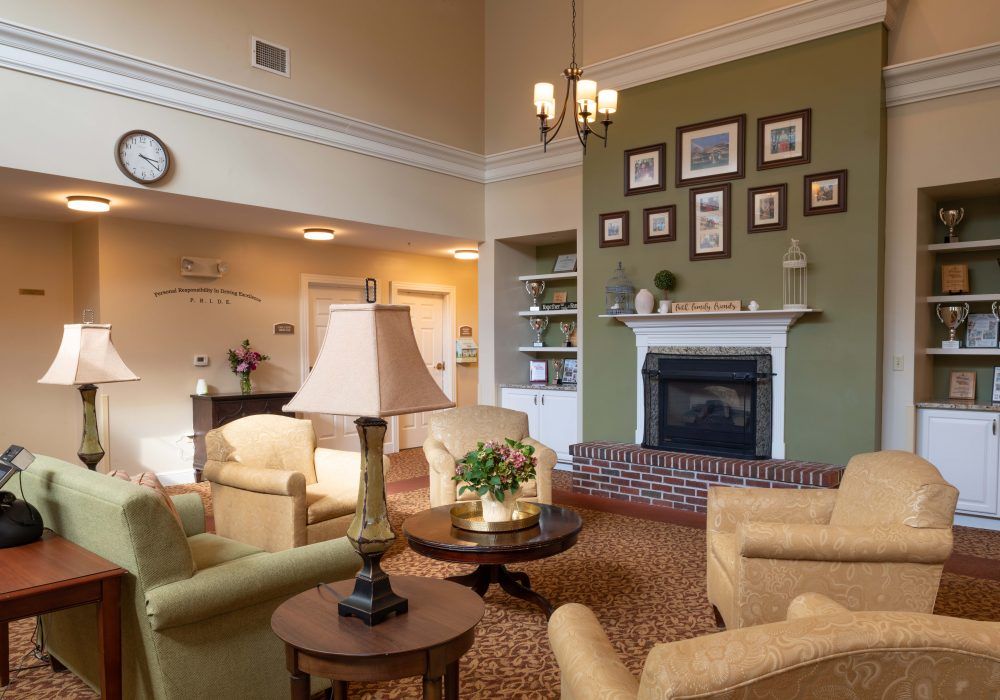
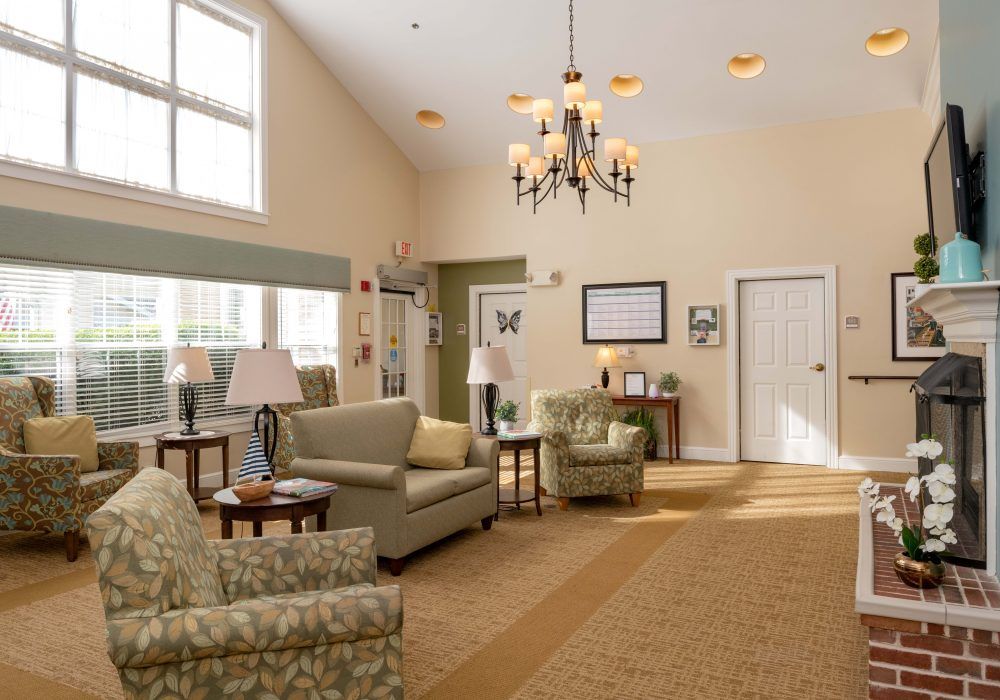
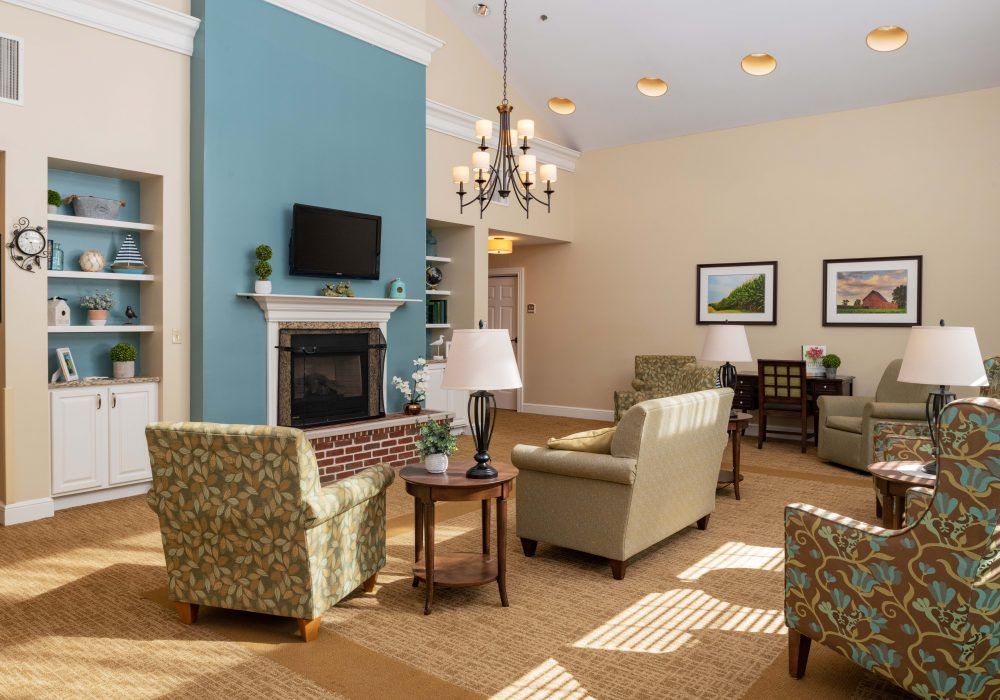
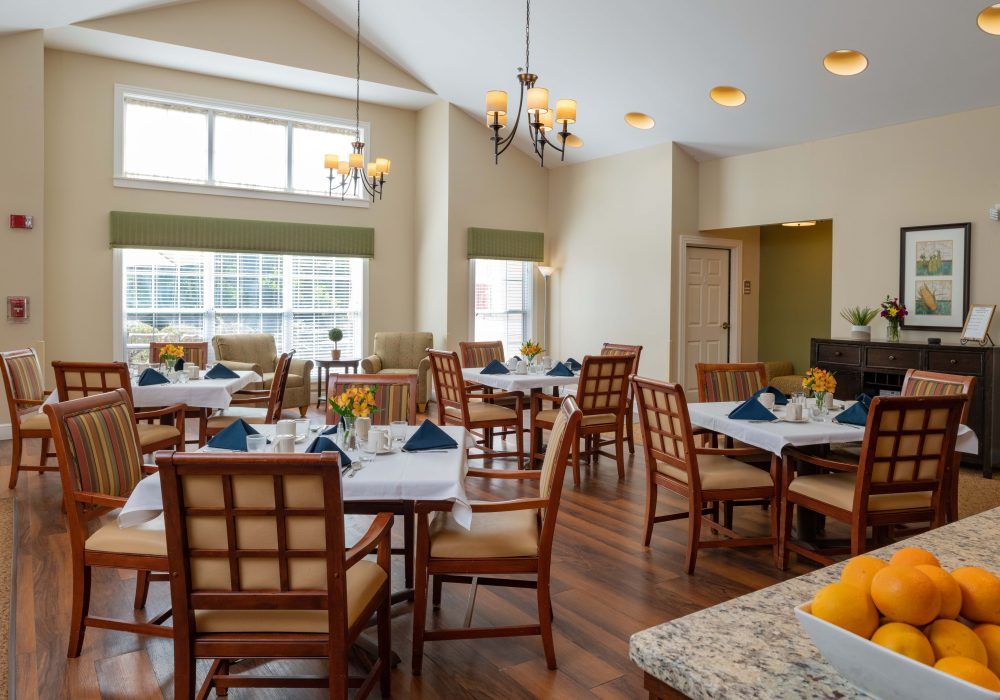
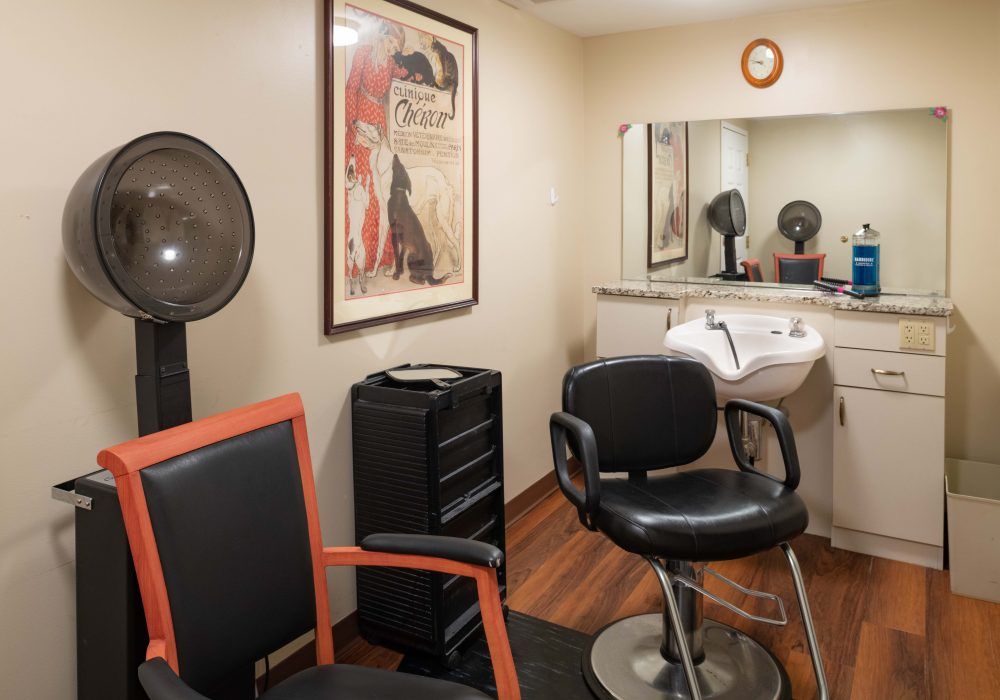
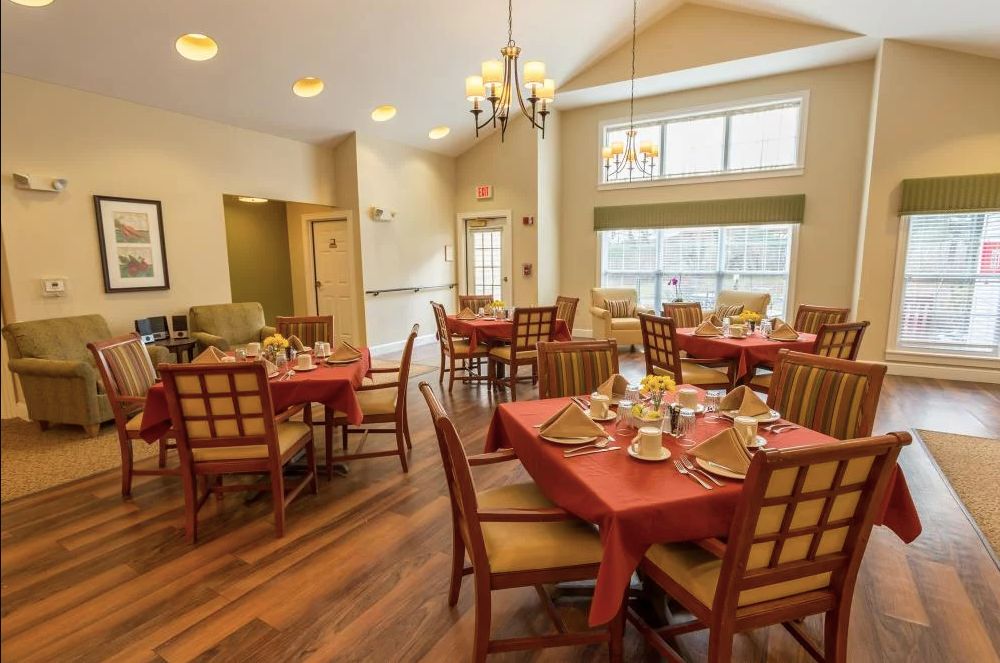
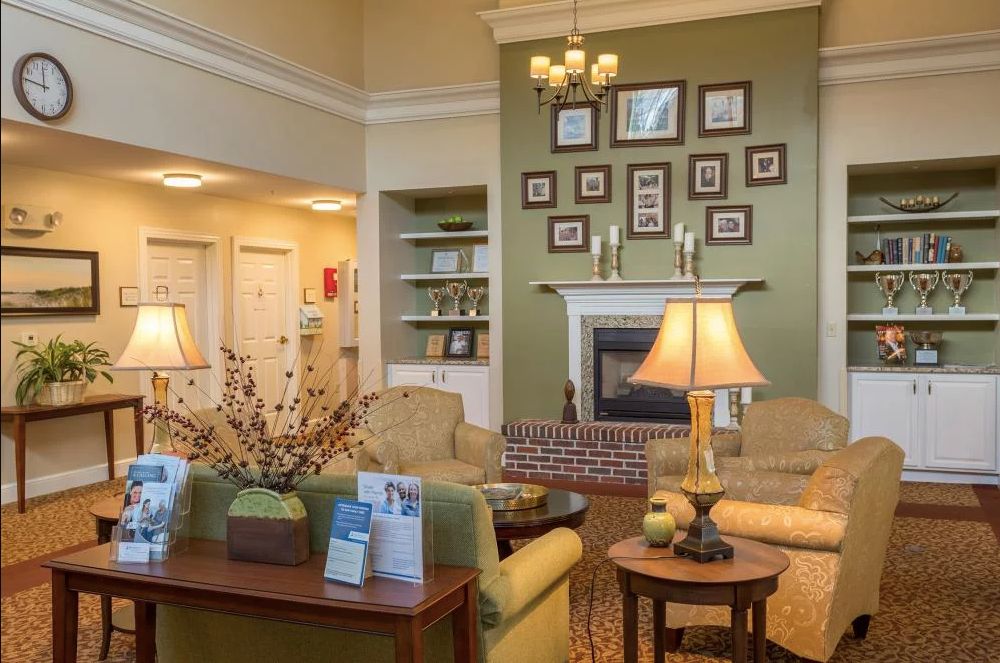
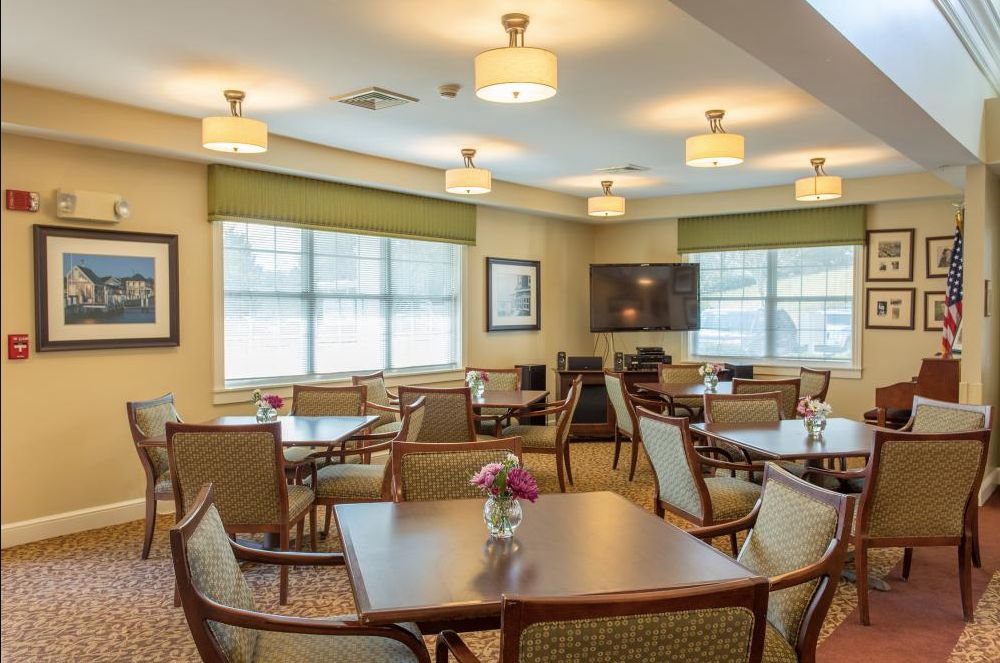
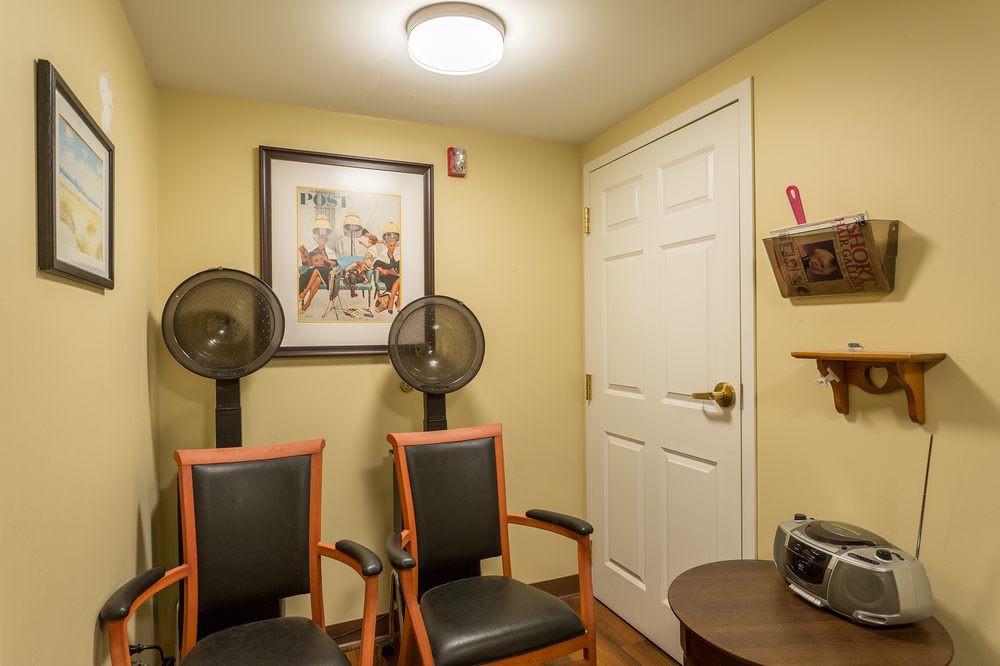
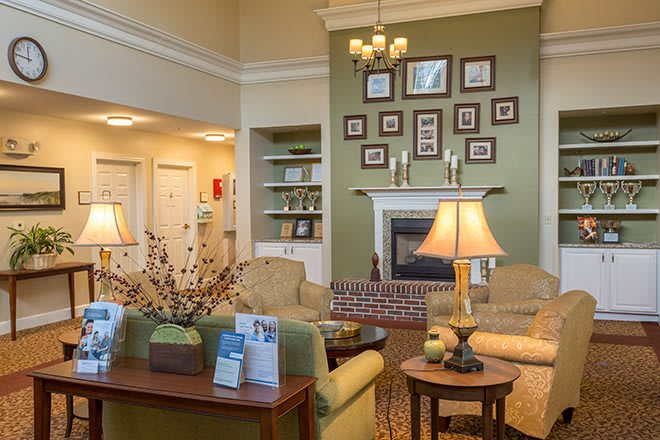
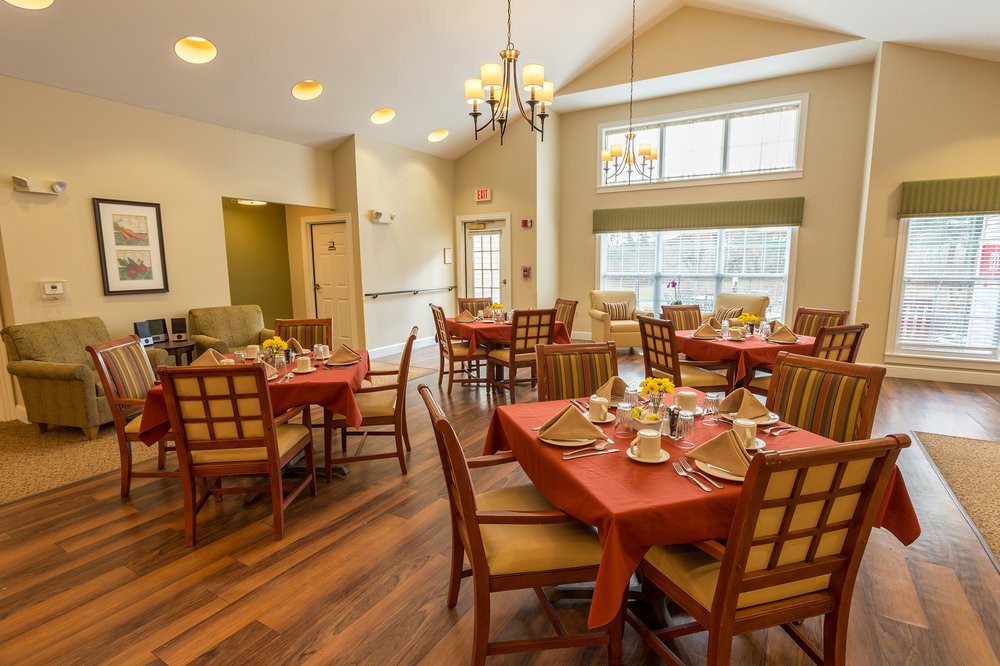
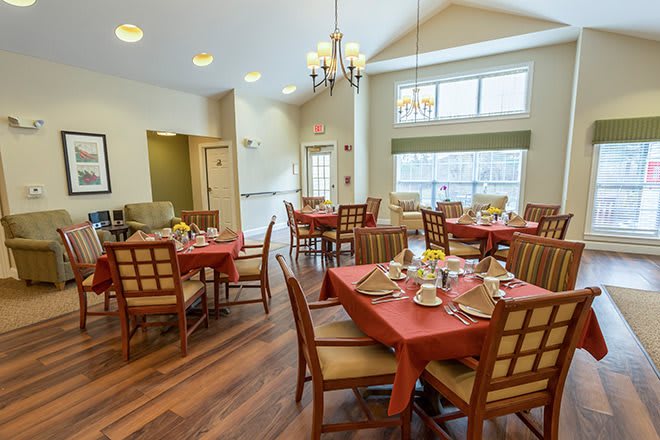
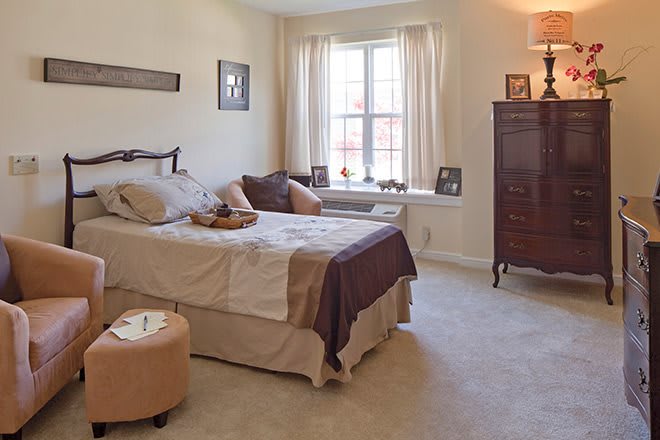
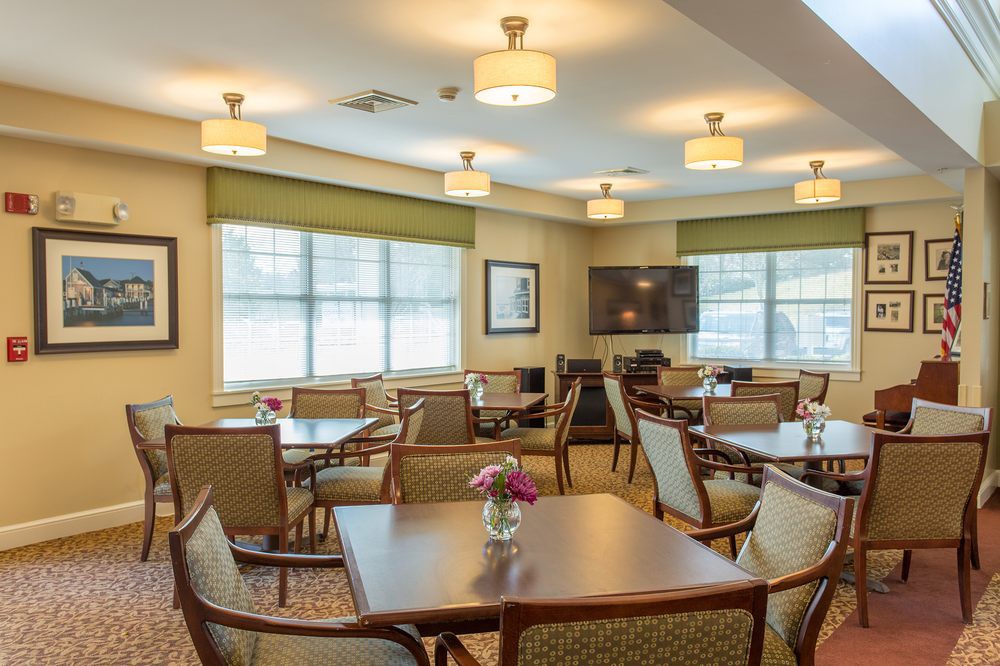
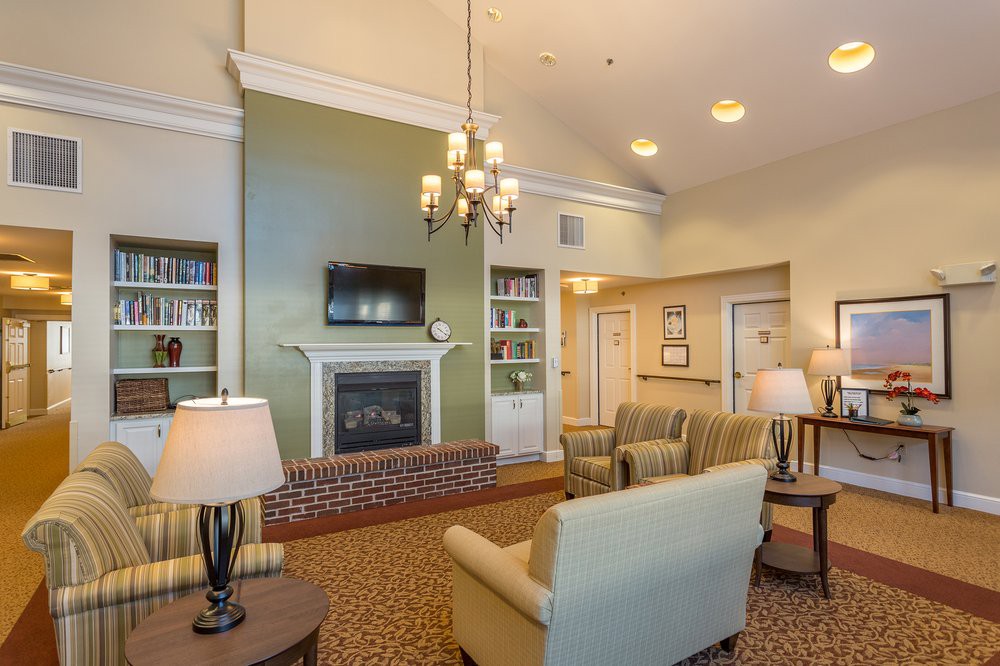
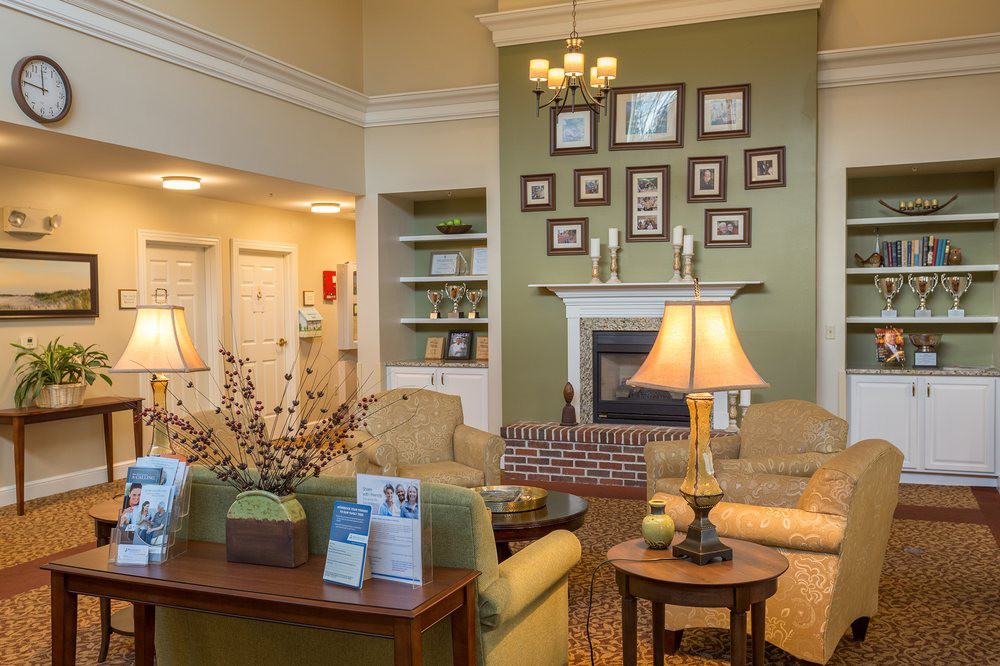
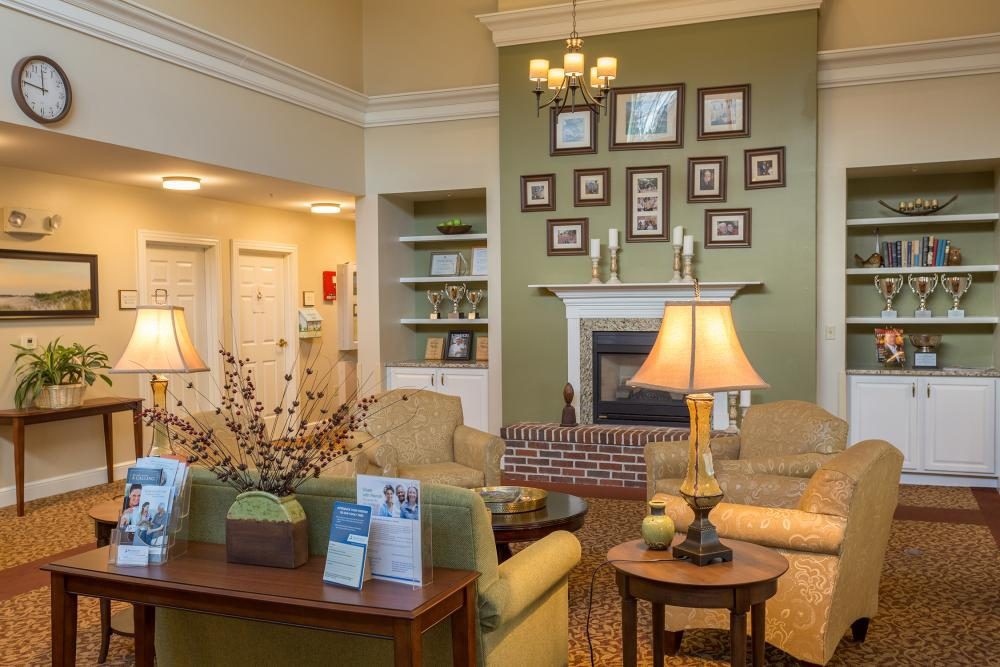
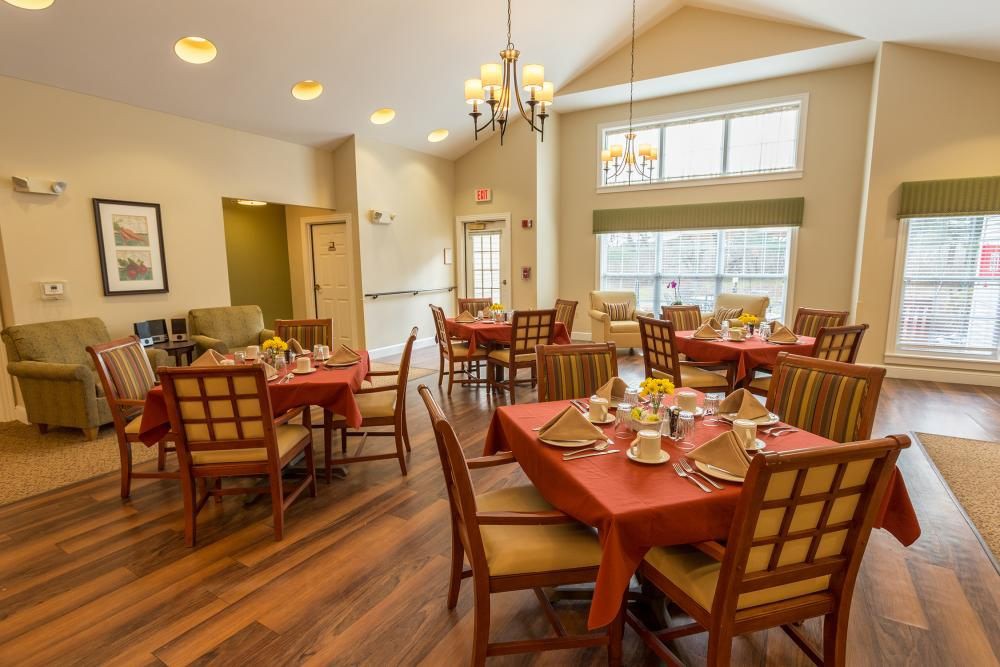
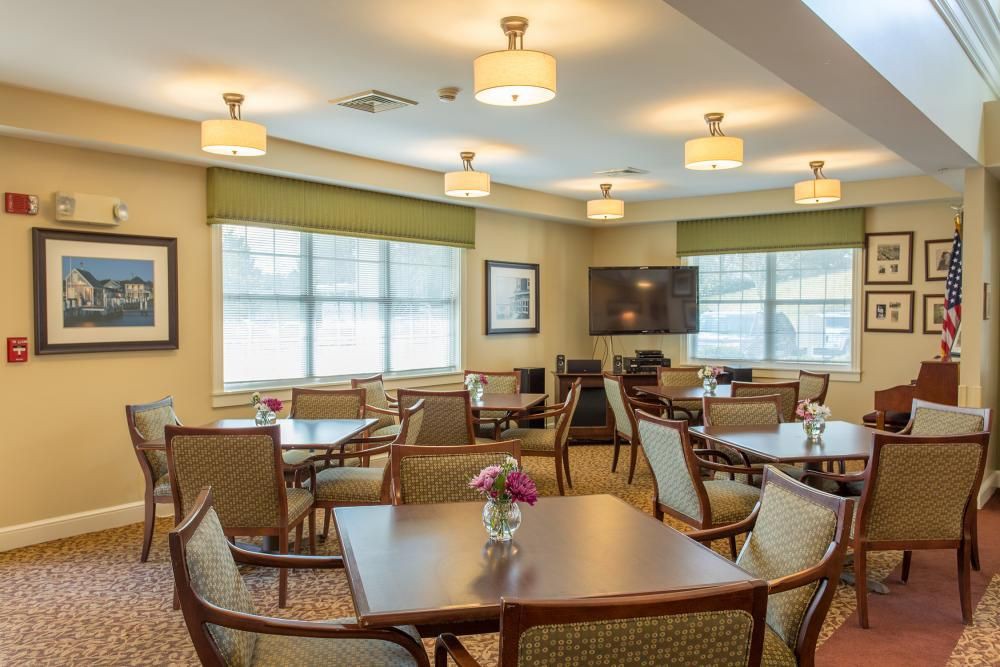
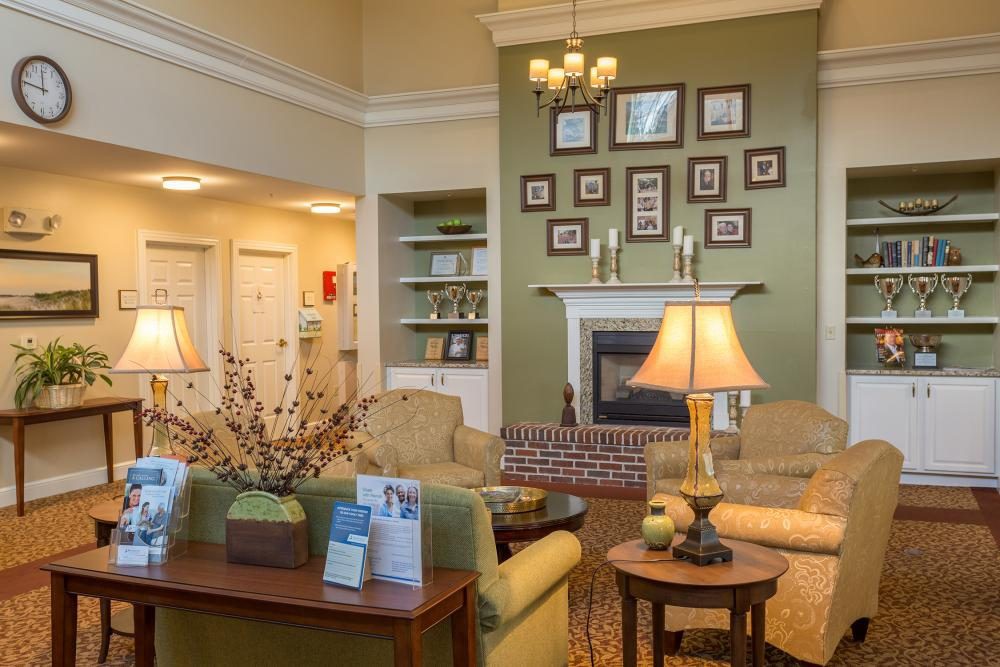
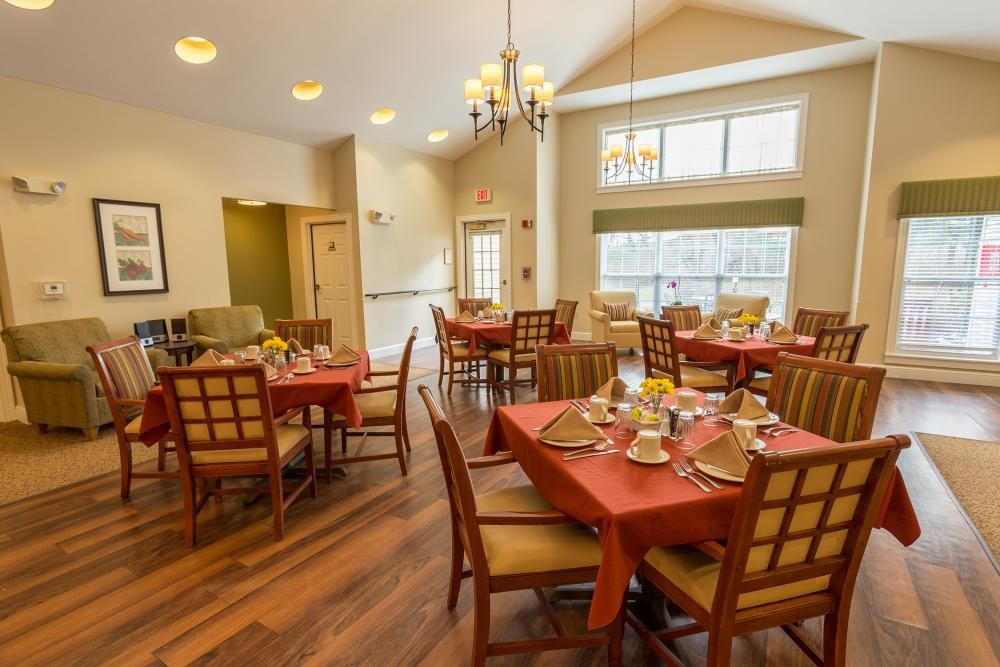
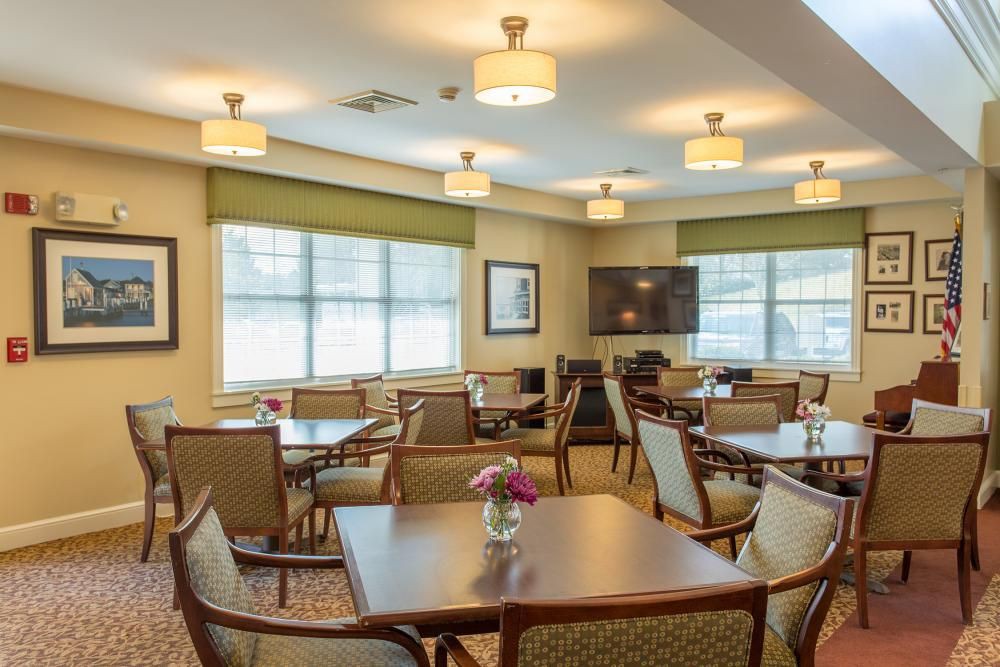
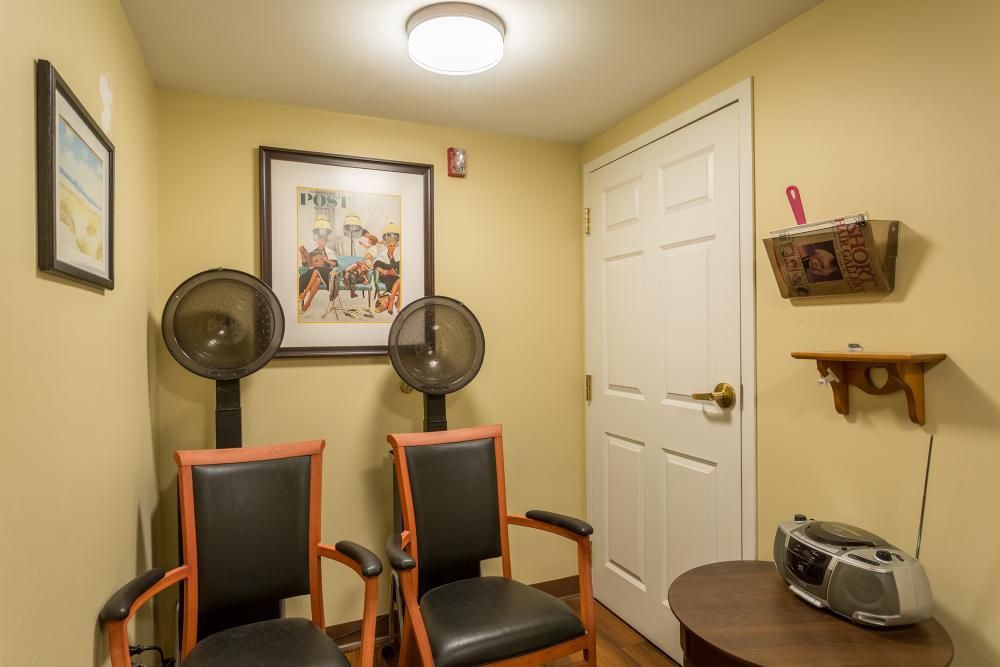
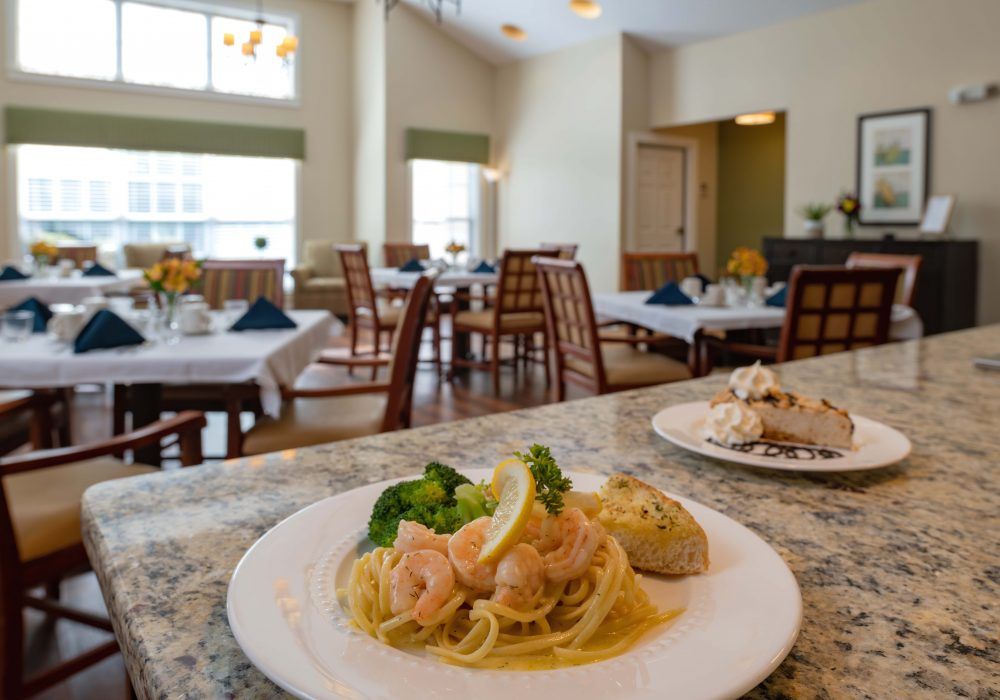
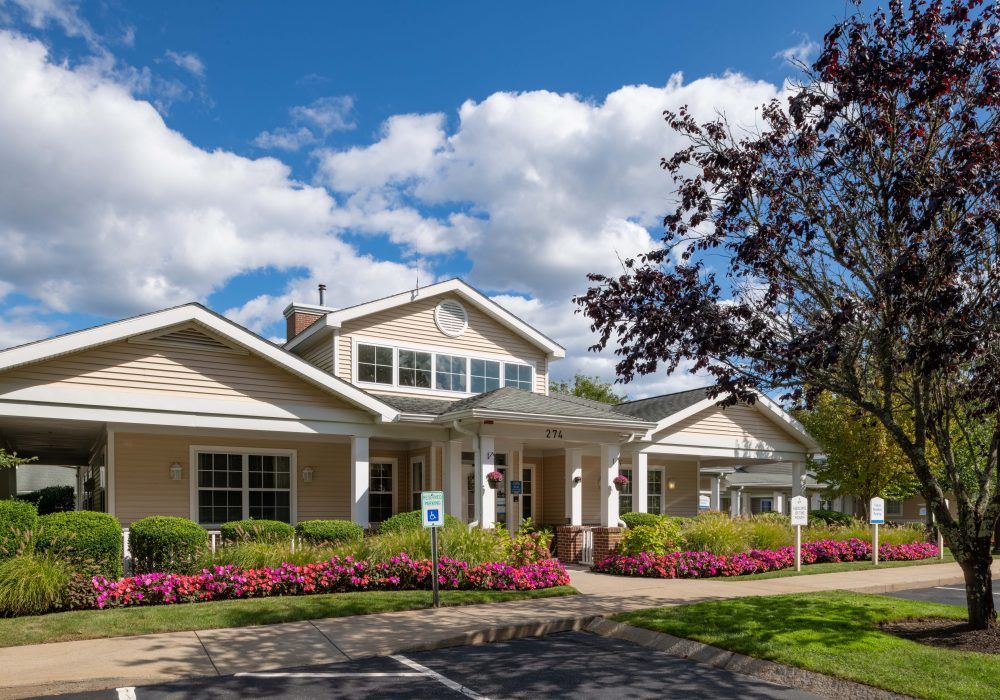
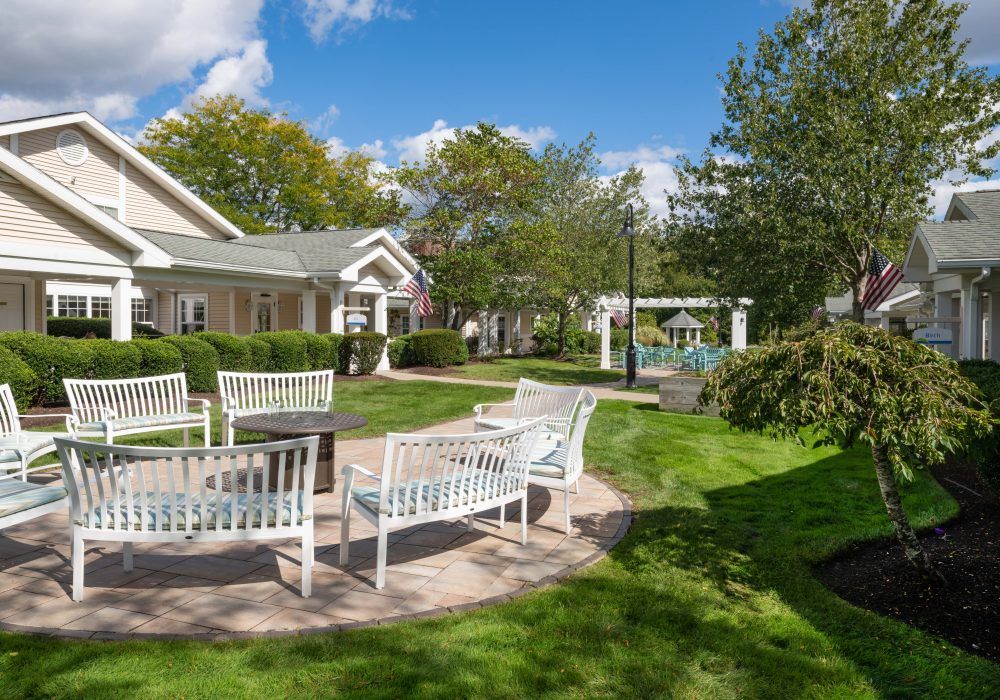
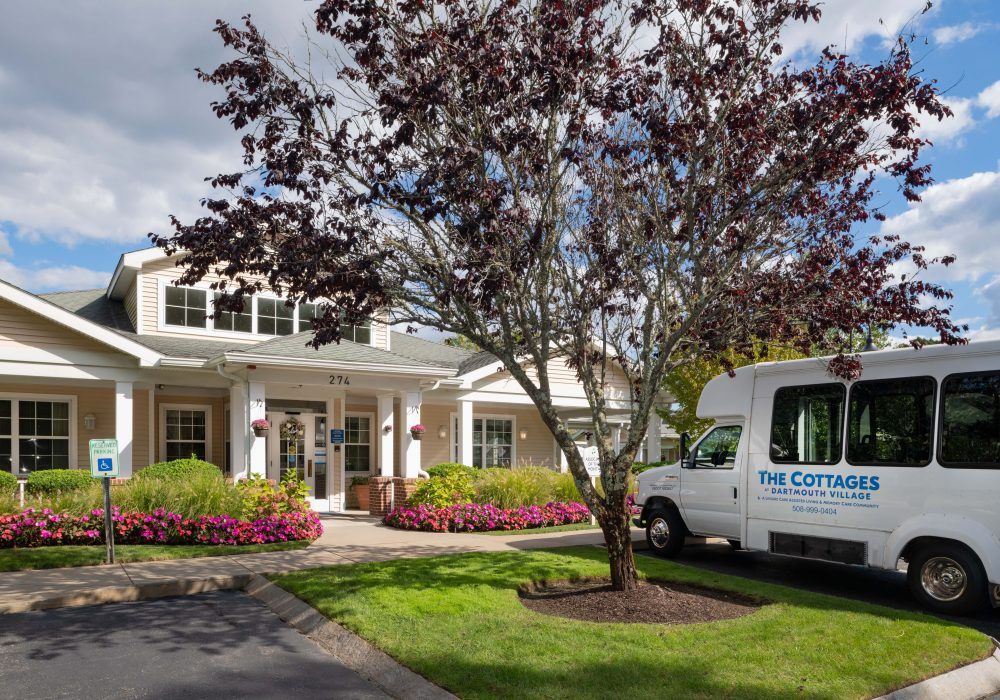
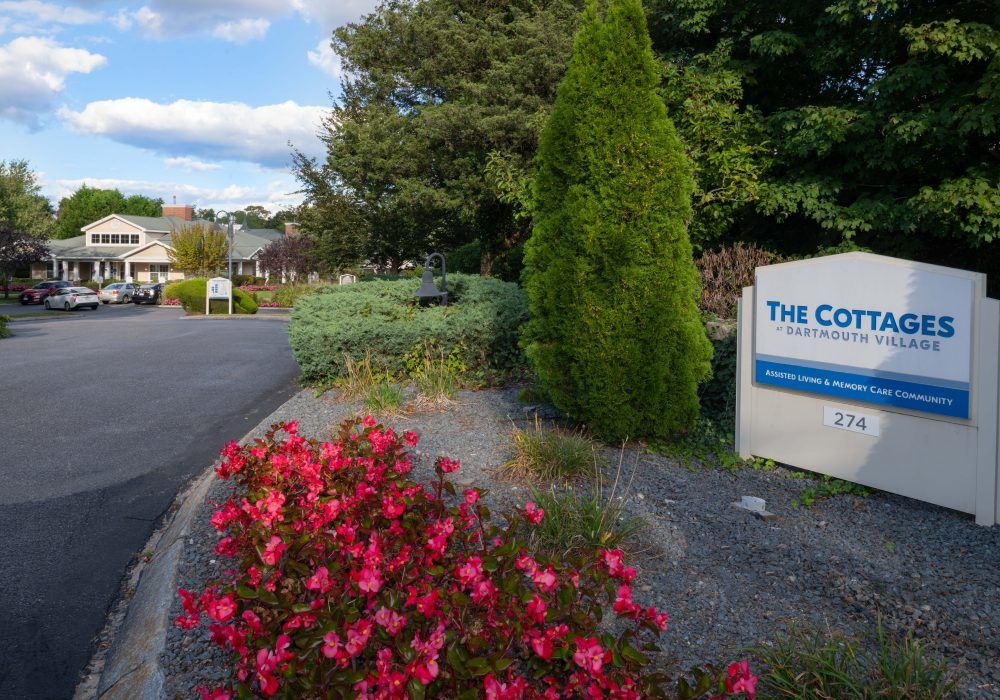
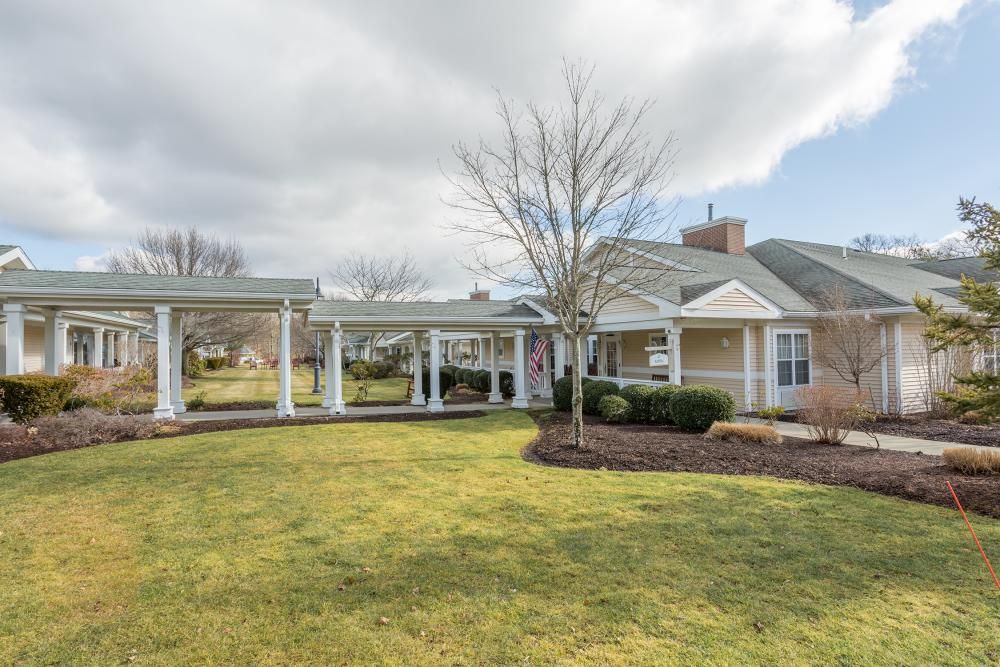
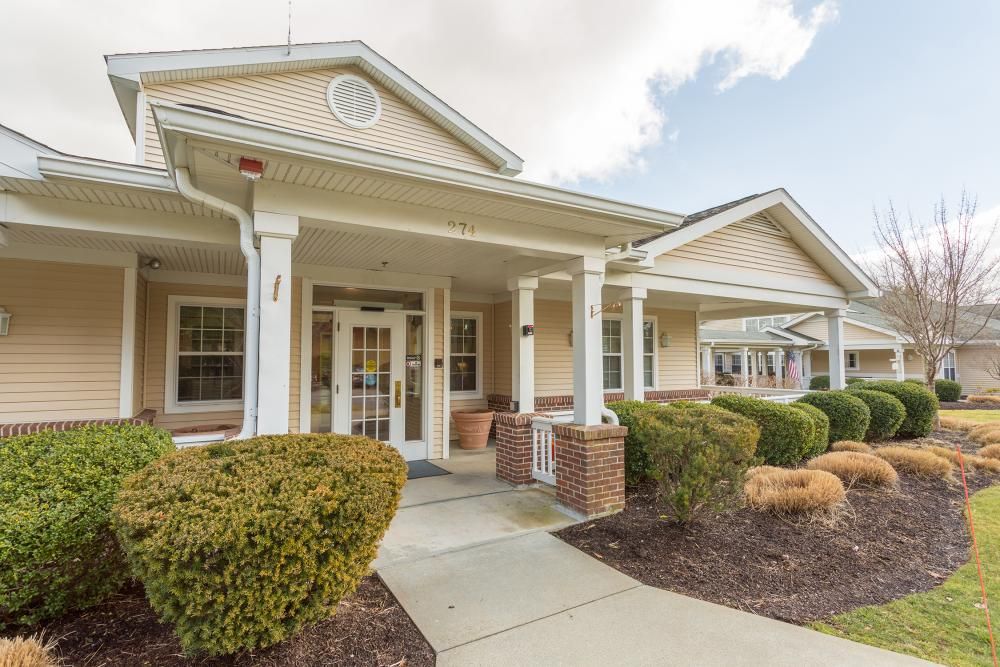
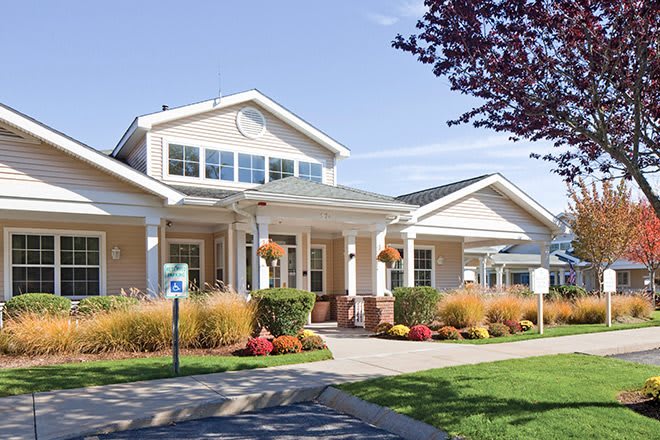
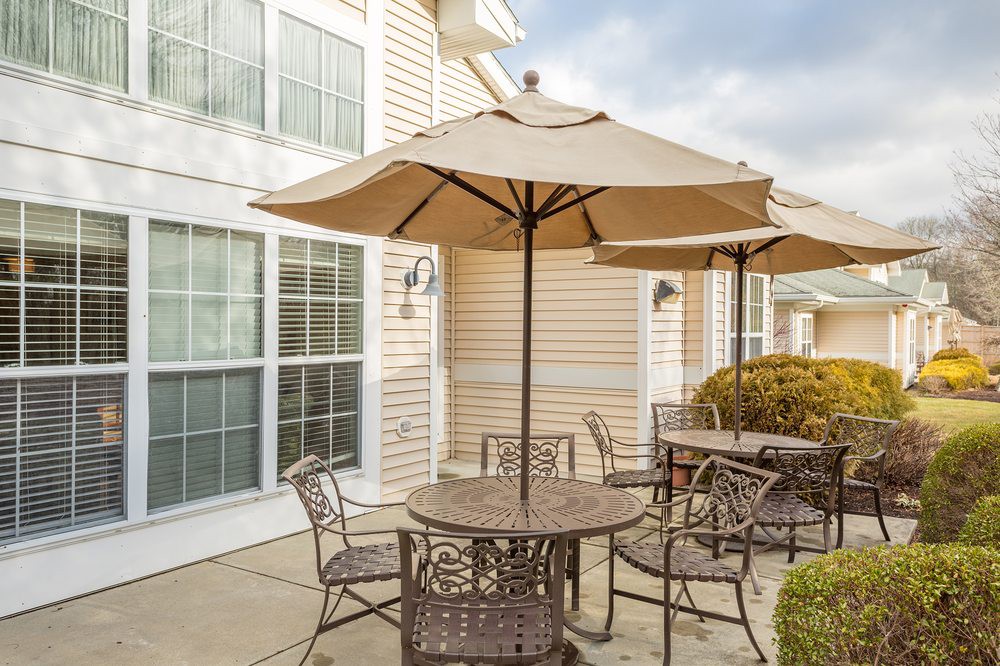
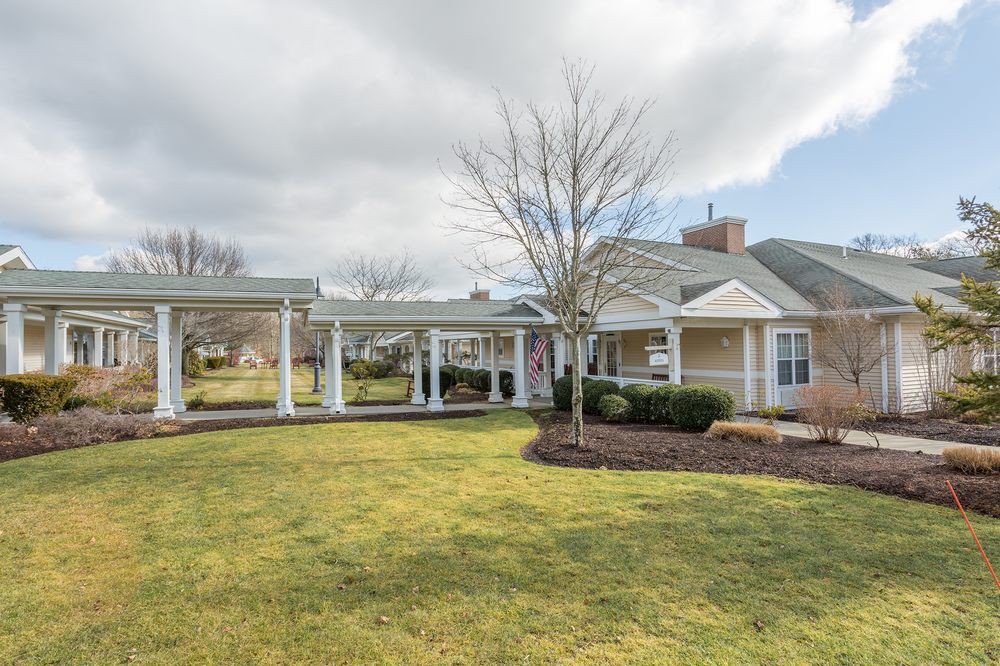
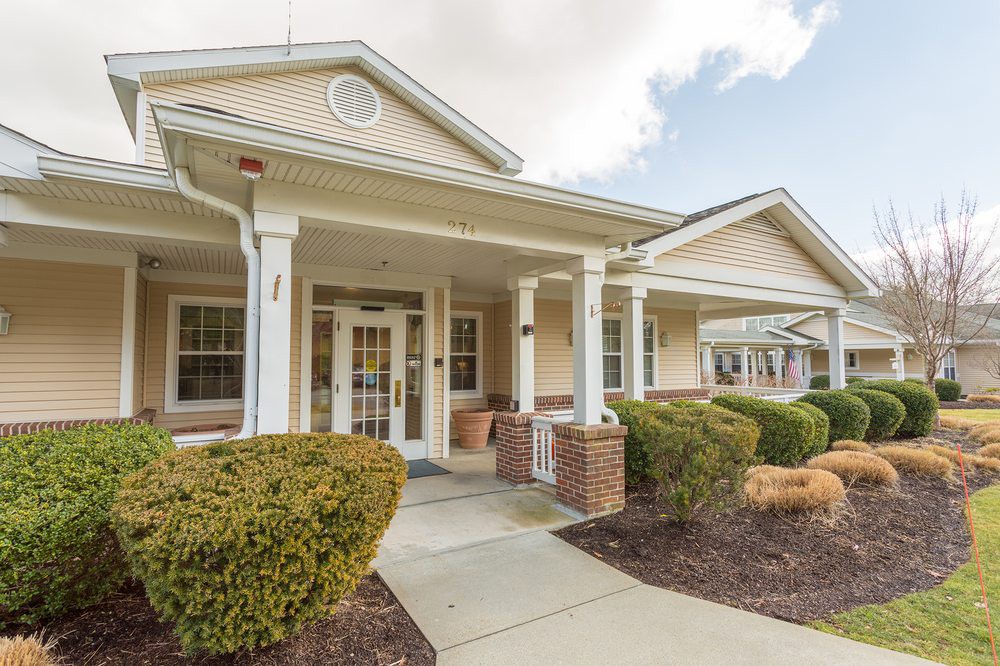
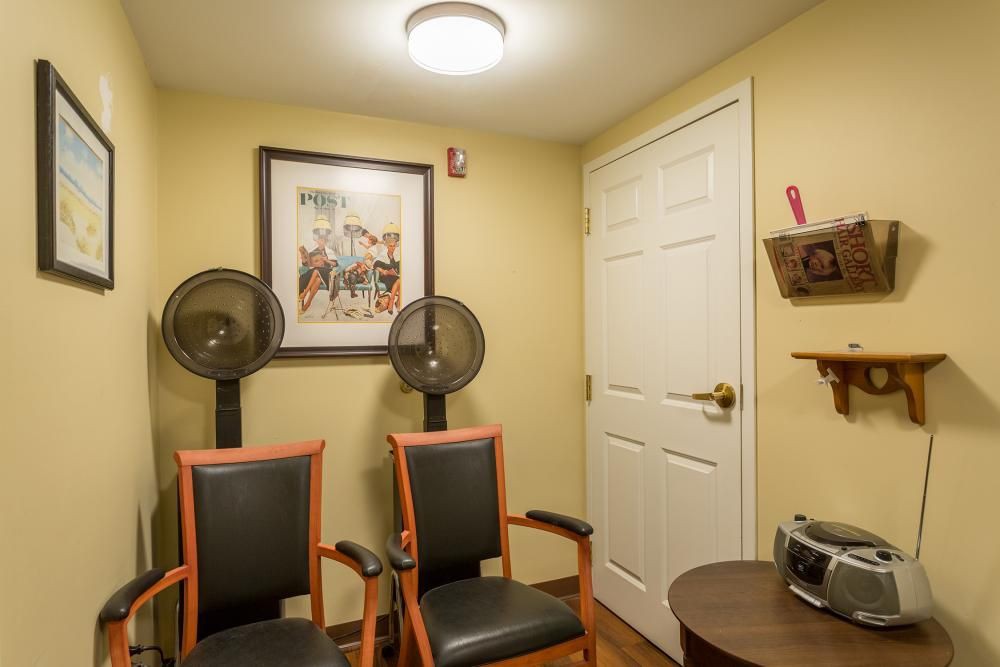
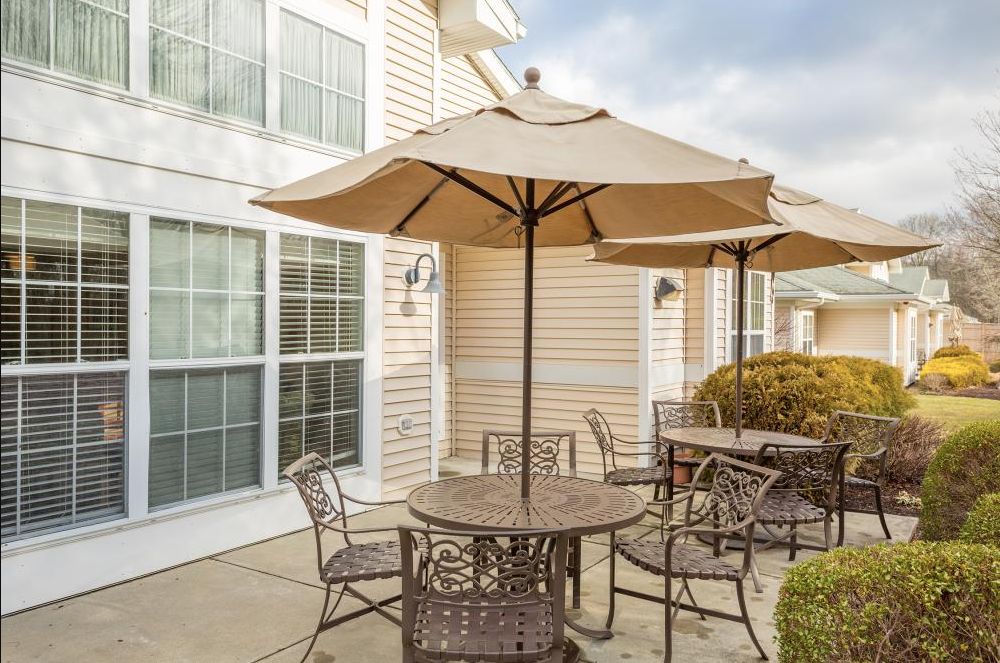
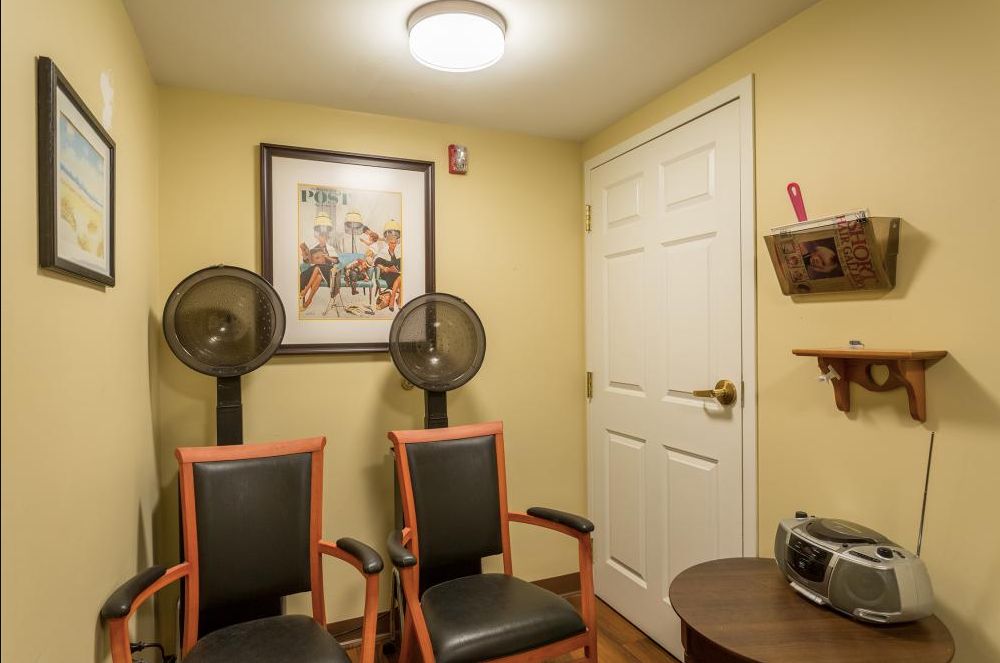
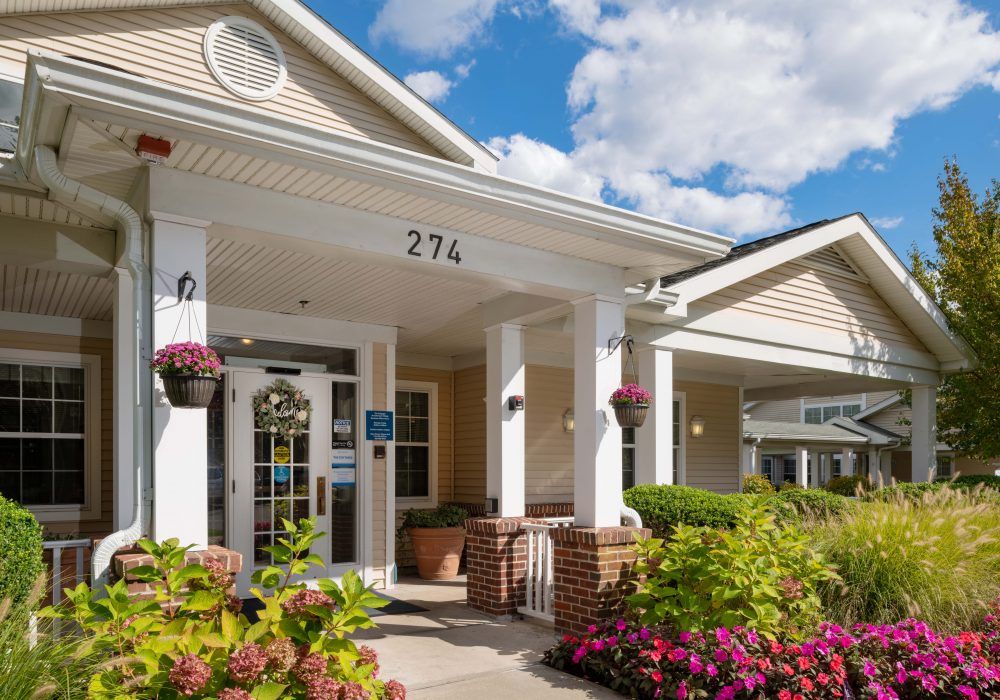
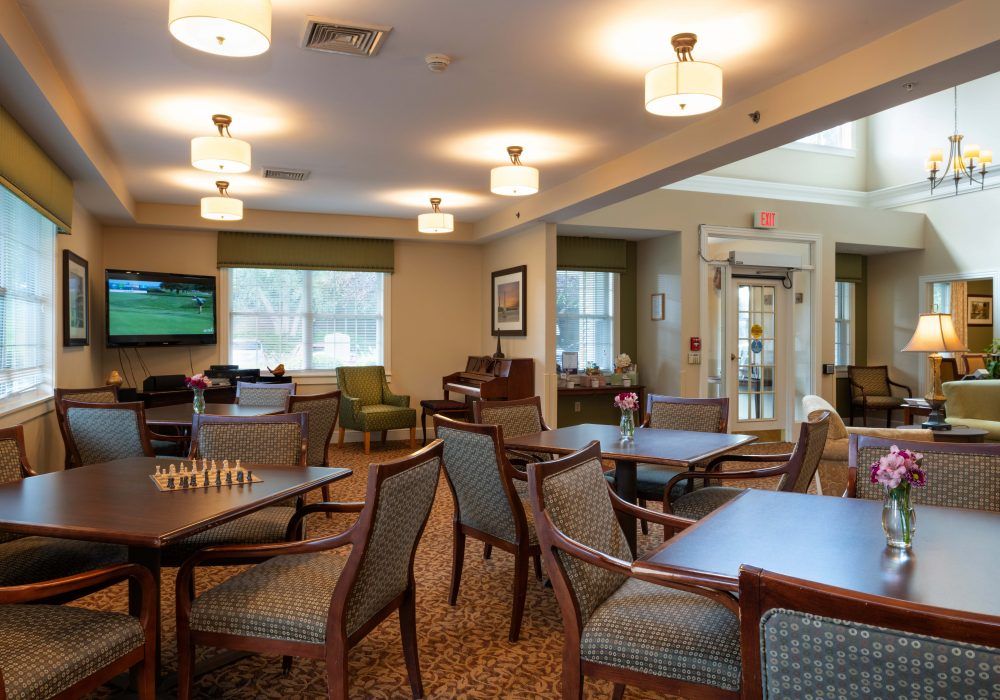
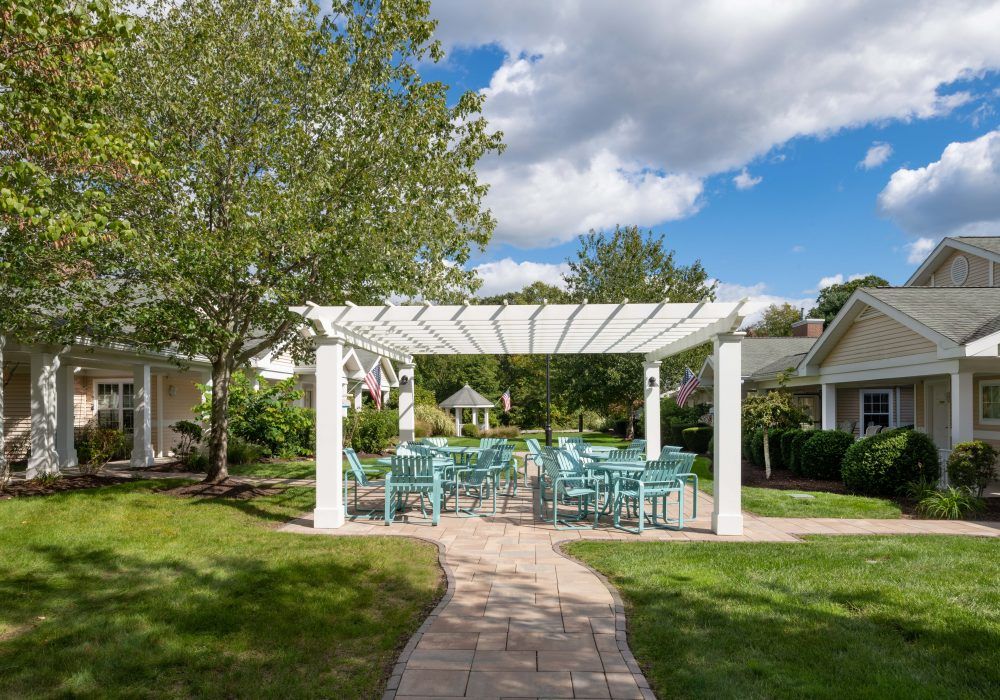
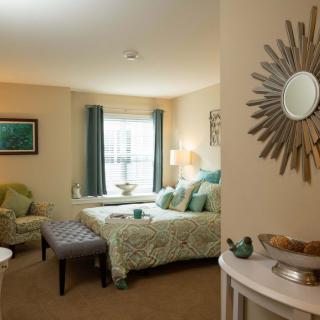
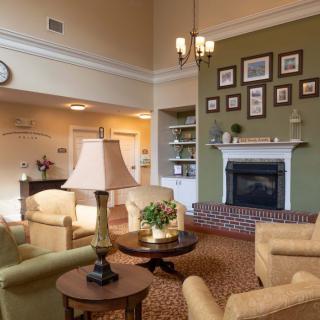
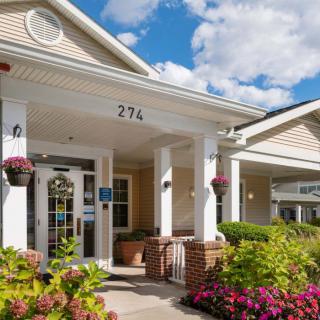
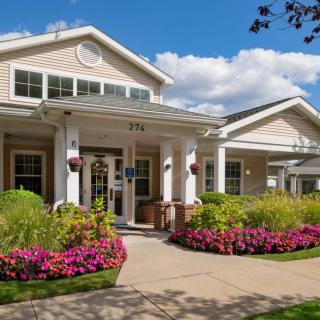
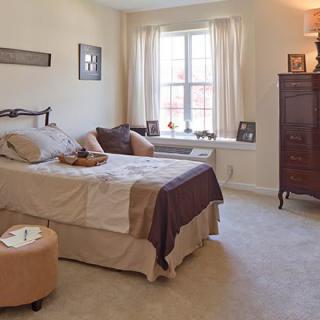
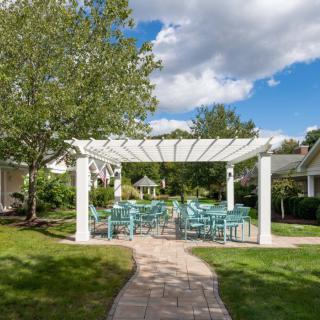
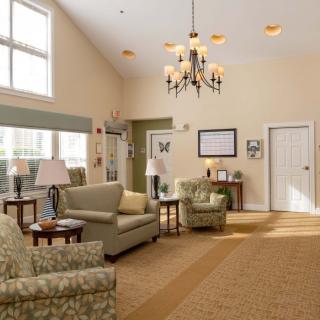
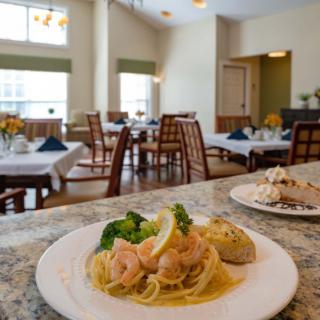
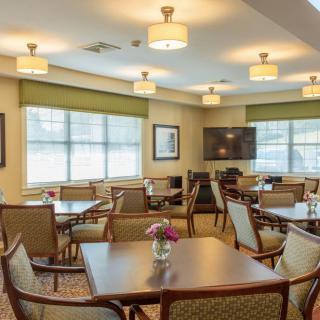
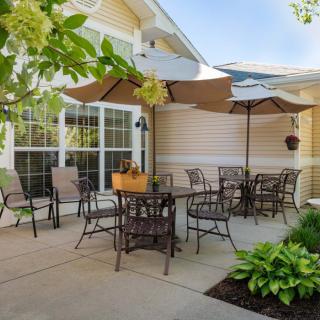
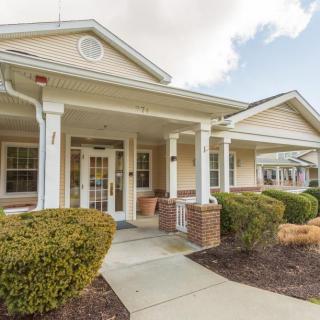
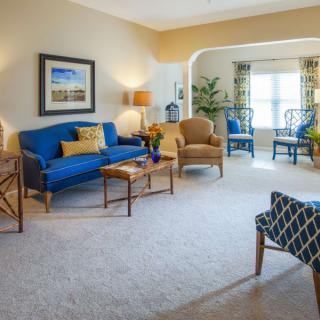
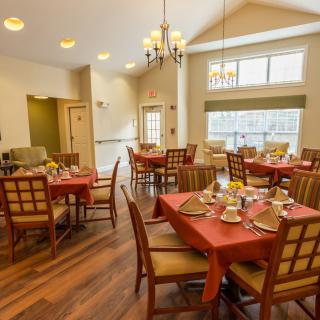
The Cottages at Dartmouth Village on seniors.fyi includes 51 photos including images showing interior, landscaping, dining, windows, architecture, decor, chandelier, building, and more.
Nearby Communities
Mass Caregivers
Dartmouth, MA
3.9 from 7 reviews
Brandon Woods Of Dartmouth
South Dartmouth, MA
3.3 from 7 reviews
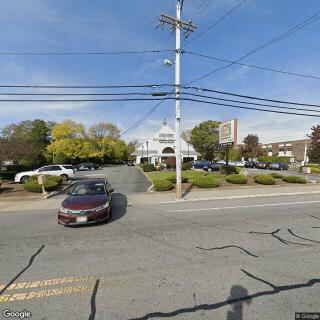
Some caring staff and strong on-site amenities/activities.
New Bedford Jewish Convalescent Home
New Bedford, MA
3.4 from 5 reviews
24/7 supervision with restaurant-style dining, activities, and transportation.
New Bedford Jewish Cnvlscnt Hm
New Bedford, MA
4 from 4 reviews
Peaceful setting with extensive nearby healthcare and community amenities.
Dartmouth Manor Home Inc
North Dartmouth, MA
3.4 from 10 reviews
Serene setting with abundant nearby amenities (healthcare, dining, worship, entertainment).
Taber Street Nursing Home
New Bedford, MA
3.6 from 7 reviews
Convenient location with rich nearby healthcare and dining options.
Hallmark Nursing and Rehabilitation Center
New Bedford, MA
4 from 93 reviews
$6,960 to $7,110 / month
Some staff provide fair care and show effort amid challenges.
Our Ladys Haven Of Fairhaven
Fairhaven, MA
4 from 6 reviews
Warm, community-focused atmosphere with attentive staff.
The Residence at Cedar Dell
Dartmouth, MA
4.8 from 155 reviews
Beautiful grounds, friendly staff, and a robust calendar of activities with on-site dining and amenities.
The transition from assisted living to skilled nursing care is often prompted by complex medical needs that assisted living cannot meet, with key indicators including frequent health declines, increased falls, severe memory issues, and caregiver burnout. Families should recognize these signs early to discuss options with healthcare providers and prepare for the emotional and logistical aspects of moving to a facility that offers comprehensive medical support.
Dementia is characterized by cognitive decline, with nutrition playing a vital role in brain health; while no specific diet can prevent or reverse it, a nutrient-dense diet rich in antioxidants and healthy fats may support cognitive function. The MIND diet, which emphasizes beneficial foods and limits processed items, along with proper hydration and individualized meal strategies, can enhance the well-being of dementia patients.
Dementia affects memory and cognitive function in older adults, presenting challenges for caregivers due to behavioral changes such as confusion and mood swings. Compassionate, person-centered care that considers individual history and preferences, along with effective communication and environmental modifications, is essential for supporting both patients and their caregivers.
Get PricingAsk A QuestionSchedule A TourContact Senior Advisor
By clicking submit, you agree to our Partner's Terms of Use. You
also consent to receive calls and texts, which may be autodialed, from our Partner. Your consent is not a condition to
using our Partner's service. Please visit our Partner's Privacy Policy for information about their privacy practices.


 86 resident community capacity
 1-bedroom apartments
 Detached homes
 Assisted Living
 Memory Care
 Skilled Nursing Facility
 Cats allowed
 Dogs allowed
 Activities off-site
 Air-conditioning
 Bath tubs
 Beautician on-site
 Cable or satellite TV
 Computer center
 Devotional services off-site
 Dining room
 Fitness room
 Fully furnished
 Gaming room
 Garden
 Guest parking
 Handicap accessible
 Housekeeping services
 Indoor common areas
 Kitchenette
 Laundry
 Move-in coordination
 Outdoor common areas
 Private bathrooms
 Respite or short term stays offered
 Restaurant-style dining
 Small library
 Spa
Spa Telephone
 Wheelchair accessible showers
 Wi-Fi/high-speed internet available
 Marthas Vineyard (24 miles away)
 Community operated transportation
 12-16 hour nursing
 24-hour call system
 Ambulatory care
 Assistance with bathing
 Assistance with dressing
 Assistance with transfers
 Diabetes diet
 Hospice waiver
 Incontinence care
 Medication management
 Mental wellness program
 Special dietary restrictions
 Transportation arrangement (medical)
 Art classes
 Concierge services
 Cooking classes
 Day trips and outings
 Educational speakers / life long learning
 Happy hour
 Live dance or theater performances
 Live musical performances
 Wine tasting
 English
 Some caring staff and strong on-site amenities/activities.

 8 Key Indicators That Suggest It May Be Time to Transition from Assisted Living to Skilled Nursing Care
 Nourishing the Mind: Essential Dietary Approaches for Dementia
 Understanding Dementia Behaviors: Practical Insights and Strategies for Caregivers