
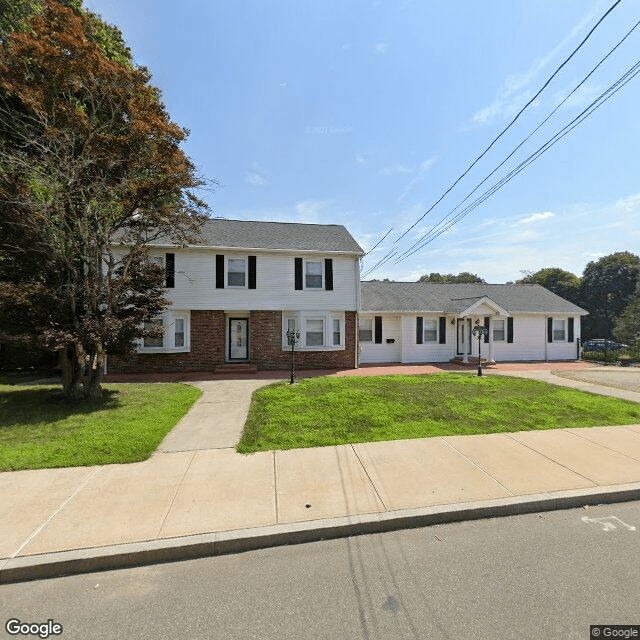
670 Washington Street, Braintree, MA 02184
To contact a resident: (617) 769-0640
For more information about senior living options: (866) 208-4318
The Irish Manor Costs & Pricing
The Irish Manor offers a competitive monthly rate of $4,500 for private rooms, which positions it as an appealing option compared to the broader market in Norfolk County and across Massachusetts. In Norfolk County, the average cost for similar accommodations is approximately $5,047, while the statewide average rises significantly to around $6,090. This substantial difference highlights The Irish Manor's commitment to providing quality care at a more accessible price point, making it an attractive choice for those seeking premium living arrangements without compromising on affordability.
| Floor plans | The Irish Manor | Norfolk County | Massachusetts |
|---|---|---|---|
| Private | $4,500 | $5,047 | $6,090 |
Senior living communities with a similar price nearby
-
About the same

Benchmark at Hanover
$4,500 to $7,500 / month9.7 miles away -
from -$165 / mo
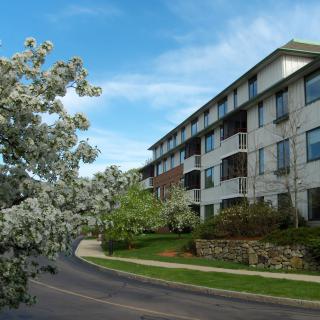
Orchard Cove Hebrew SeniorLife, a CCRC
$4,335 to $8,400 / month6.1 miles away -
from +$800 / mo
Cabot Park Village
$5,300 to $8,450 / month13.9 miles away -
from -$150 / mo
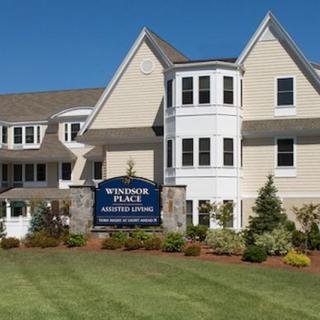
Windsor Place Of Wilmington
$4,350 to $5,695 / month23.7 miles away -
from -$400 / mo
All American Assisted Living at Wrentham
$4,100 to $4,950 / month19.5 miles away
Overall Review of The Irish Manor
Pros
 The facility is beautiful, modern, peaceful, and set on lovely grounds.
- The nurses and aides are absolutely wonderful—kind, patient, and genuinely caring.
- Residents feel safe and well looked after, earning the family’s complete trust in their care.
- The staff are understanding with families and visitors, offering compassion and comfort.
- The home is bright, airy, and immaculate, with lovely grounds and thoughtful renovations.
- The nursing staff and aides are top-notch—friendly and very sweet.
- The care provides outstanding end-of-life support, focusing on dignity and quality of life.
Cons
 "This place just lets your love ones die slowly."
Review
This community is best suited for families navigating end-of-life or comfort-focused care where expert hospice-style support, dignity, and a serene environment are the top priorities. The Irish Manor presents a calm, modern setting with well-kept grounds that visually signal a careful, understated approach to care. For patients with advanced illness, such as ALS transitioning to hospice, the combination of a peaceful milieu and highly attentive clinicians offers a level of reassurance that the primary caregiver can rely on. When safety, consistency, and compassionate daily support matter most, this community demonstrates clear value.
Those weighing alternatives should recognize that this option centers on end-of-life comfort rather than long-term, active independent living. If the goal is sustained daily activity, robust social programming, or memory-care services outside a hospice framework, other communities may be a better fit. Families seeking an ongoing living arrangement with a longer trajectory of independence or a broader range of life-enrichment options should consider places that emphasize continuing care across multiple stages, not solely the hospice continuum.
The strongest pros here are the staff and the environment. The nursing team and aides come across as genuinely kind, patient, and dedicated, delivering care that feels both skilled and deeply humane. Families consistently describe feeling that loved ones are safe and well cared for, which is the core relief sought in hospice transitions. The facility itself reinforces trust: bright, well-appointed interiors and renovated grounds create a soothing backdrop that reduces the emotional weight of caregiving. The willingness to accommodate visitors, and to manage visits from a broad circle of family and friends, also eases the logistical and emotional strain on families during a difficult time.
However, the main cons center on expectations around care goals. Several reviews frame the setting as a dedicated hospice environment, which may feel heavy or emotionally challenging for families seeking a longer-term, non-terminal living arrangement. One strongly worded remark suggests the atmosphere can be experienced as letting a loved one die slowly, signaling a misalignment for some expectations or cultural beliefs about how end-of-life care should unfold. Prospective residents should weigh whether a hospice-centered model aligns with their prognosis, desired pace, and spiritual or personal preferences around dying and dying well.
When the positives align with the needs, the advantages substantially offset the drawbacks. For families facing terminal illness, the combination of top-tier clinical attention, transparent communication, and a compassionate, unhurried pace provides a level of comfort that is difficult to obtain elsewhere. The setting supports both patient dignity and family peace of mind, reducing the day-to-day decision-making burden during a critical period. In short, for end-of-life care where every lifelike moment matters and where staff competency pairs with genuine empathy, the benefits are persuasive enough to favor this option over more transactional or impersonal settings.
In practical terms, this community should be a strong contender for families prioritizing hospice-level quality of care, compassionate bedside culture, and a serene environment. It is especially compelling for those who have received nurse or physician referrals praising the facility’s ability to support a loved one through the final stages with calm, consistent care. For others, especially those aiming for longer-term residency, independent living, or specialized memory-care programming, it is prudent to compare alternatives that offer broader trajectories of care and a livelier mix of activities designed for steady, non-terminal aging. A timely tour and frank questions about prognosis, care goals, and what happens if needs shift will illuminate whether Irish Manor truly matches the family’s care map.
 Board and Care Home
 Private
 Gen Edw L Logan International (11 miles away)
 Diabetic care
 High acuity care







 Fecal Incontinence in Older Adults: A Comprehensive Guide
 Recognizing the Journey: Understanding and Navigating Anticipatory Grief
 Encouraging Participation in Adult Day Care: A Guide to Supporting a Hesitant Parent