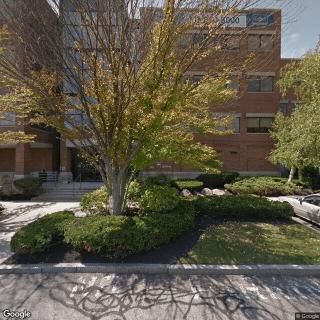
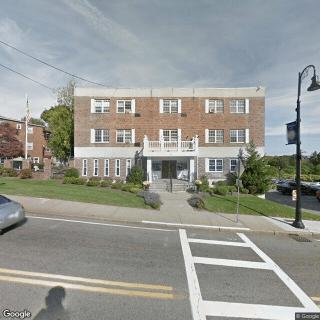
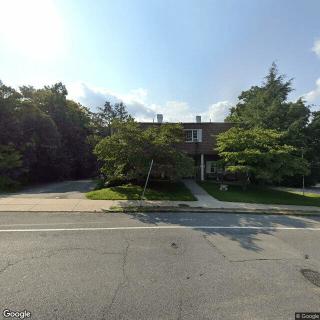
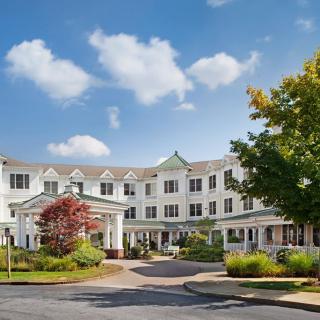
John Scott House Nursing & Rehabilitation Center in Braintree, MA

Save

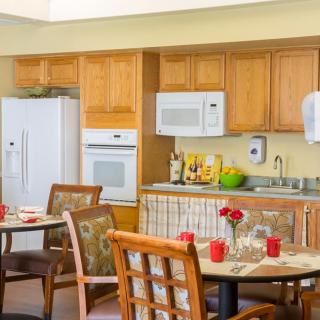
  • Interior

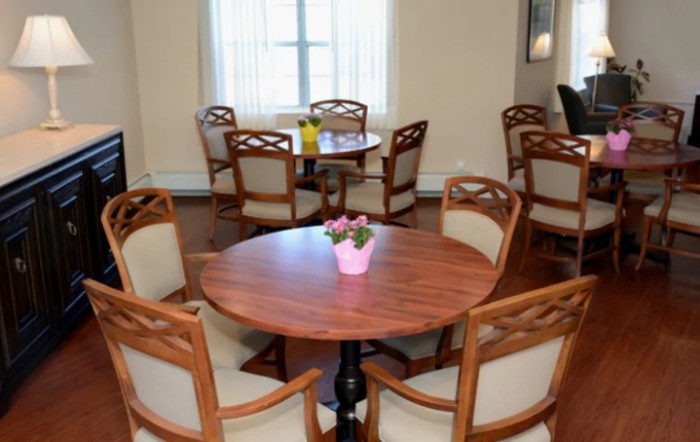
    A cozy dining room with round tables and comfortable chairs.
  • Outdoors

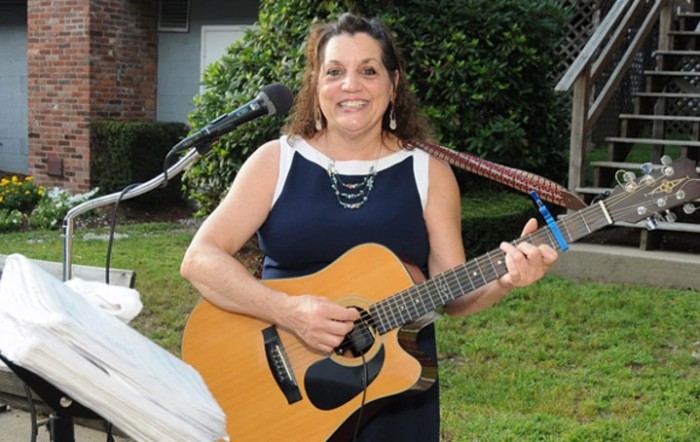
    A woman playing the guitar and singing outdoors.
  • Decor

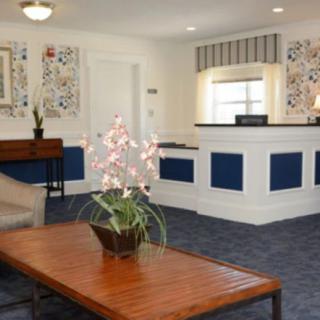
    A welcoming hotel reception area with a cozy and elegant design.
  • Exercise Equipment

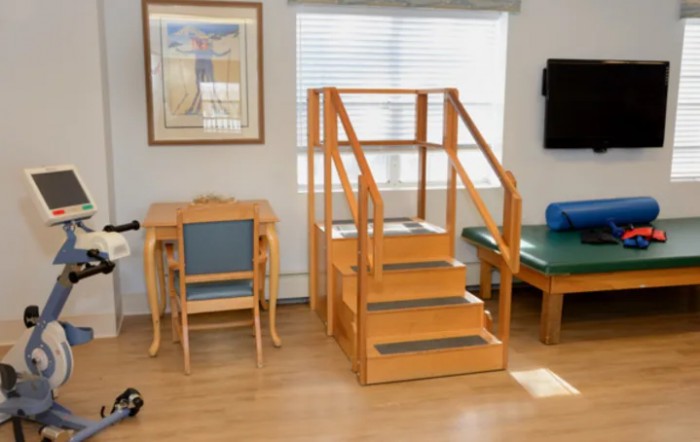
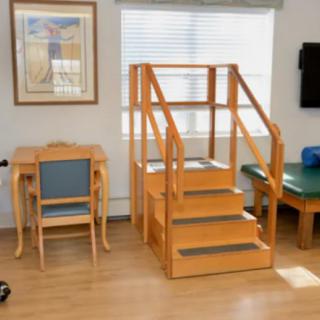
    A therapy room featuring a small staircase used for rehabilitation exercises.
  • Healthcare

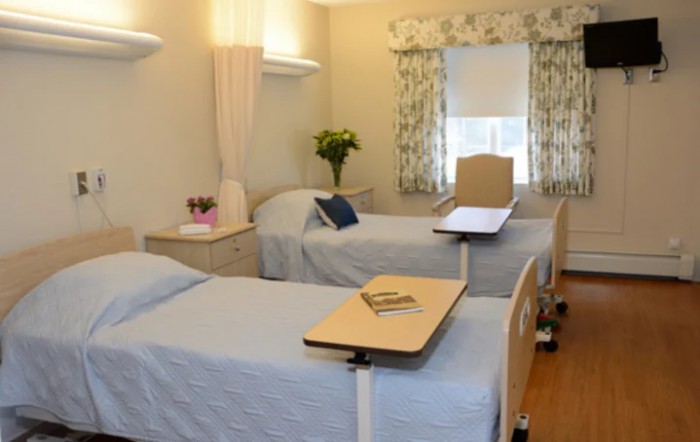
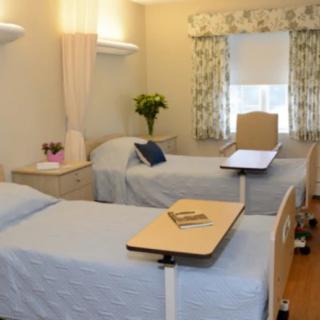
    A clean and organized hospital room featuring two beds with overbed tables.
  • Exercise

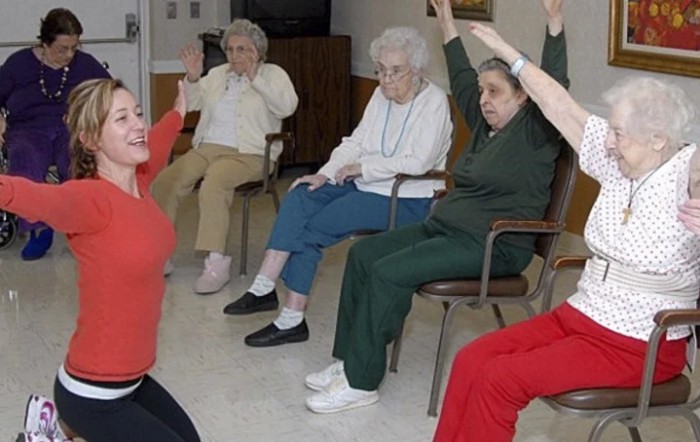
    A group of elderly individuals participating in a seated exercise or yoga session.

John Scott House Nursing & Rehabilitation Center in Braintree, MA

Information last verified:

233 Middle Street, Braintree, MA 02184

For more information about senior living options: (844) 490-3973

3.6 from 63 reviews
5 stars
34
4 stars
7
3 stars
1
2 stars
2
1 stars
19

Overall Review of John Scott House Nursing & Rehabilitation Center

Pros

  • pro The nurses and CNAs were knowledgeable, kind, compassionate, and attentive.
  • pro The rehab team was fantastic.
  • pro The discharge planning was thorough and set patients up with home services, equipment, and education for a full recovery.
  • pro The facility was homelike, clean, and welcoming.
  • pro The team communicated well with families and treated residents with dignity and respect.
  • pro The care and attentiveness were outstanding, with staff described as world-class in compassion.
  • pro The staff-to-patient ratio was well balanced, and the caregivers were consistently caring and dedicated.
  • pro The leadership and management were hands-on, proactive, and devoted to patient comfort and safety.
  • pro The meals were delicious and well-prepared, with top-notch dining service noted.

Cons

  • pro The facility is described as the worst place ever, with the room never cleaned.
  • pro The staff are labeled as insensitive, unprofessional, and lacking compassion.
  • pro The care is characterized as neglectful, with overall care quality described as zero.
  • pro The dementia unit is portrayed as depressing and dreary.
  • pro The food is cold, unappetizing, and of low quality.
  • pro Medications are given late and pain management is poor.
  • pro Nurses and aides are described as rude and unhelpful, often failing to respond to calls for help.
  • pro Discharge planning and case management are reported as ineffective and poorly coordinated.
  • pro There are accounts of neglect that allegedly contributed to serious harm or death.
  • pro The building and infrastructure are criticized as outdated (slow elevator) and with poor infection control.
  • pro The facility is labeled a “Medicare/Hospice mill,” implying profit over patient care.

Review

John Scott House Nursing & Rehabilitation Center in Braintree is best suited for older adults who are transitioning from hospital care and need structured rehabilitation with daily therapy, and for families that want to be actively involved in discharge planning. The rehabilitation track is repeatedly praised: patients recover function with consistent PT and OT, and discharge-planning teams coordinate home services, equipment, and education to maximize the chances of a safe return home. The setting and staff culture can feel welcoming and “home-like” when the rehab team is engaged, and families frequently note that nurses, aides, and therapists work together in a coordinated care plan. For families seeking tangible progress in mobility, strength, and independence over a short-term stay, this community delivers actionable results and a clear pathway to going home.

Those contemplating long-term nursing home care, high-acuity medical needs, or specialized memory-care requirements may want to consider alternatives. Several reviews center on experiences that go well beyond rehab, with concerns about ongoing custodial care, medical oversight, and daily routine for residents who will remain long-term. Others flag issues such as limited access to certain floors or spaces, inconsistent bedside attentiveness, and variability in infection-control practices. For families prioritizing consistent medical management, constant responsiveness to call bells, or a dementia unit that feels bright and secure at all hours, the variability across units here can be a meaningful reason to look at other facilities. In short, John Scott House can satisfy post-acute rehab goals well, but it is not universally ideal for those seeking steady, uniform care over many months or years.

The strongest positives, the rehab team, caring nursing staff, and thorough discharge planning, often offset the most significant downsides for short-term rehab patients. Numerous reviews celebrate therapists who are engaged, approachable, and consistently available, helping patients regain independence and return to daily life. Families repeatedly highlight the social workers and case managers who keep them informed and coordinate equipment, home health needs, and follow-up services. Cleanliness and a generally homey ambiance on the rehab floors also emerge as a consistent strength, reinforcing the sense that the facility can support recovery without feeling clinical or impersonal. When the focus stays on rehab, the staff’s compassionate approach, respectful communication, and structured routines create a productive healing environment that many families value deeply.

Yet the record is not uniformly steady, and the most persistent drawbacks relate to care quality on non-rehab units, safety concerns, and inconsistencies that can undermine confidence in long-term stays. Complaints range from perceived neglect, delayed responses to call bells, and sporadic lapses in medication administration to troubling anecdotes about inadequate showers, limited access to certain spaces, and infection-control concerns. Several reviews describe dementia care as especially dreary or under-resourced, with some families feeling that the unit’s atmosphere and security measures did not consistently meet expectations for highly vulnerable residents. Food quality and meal service also recur as a negative note in a meaningful subset of testimonials, alongside remarks about noise, aging infrastructure, and limited elevator access during busy periods. Taken together, these patterns suggest that while rehab services shine, the overall care environment can feel uneven for residents who require comprehensive, long-duration supervision.

The practical takeaway is clear: for families prioritizing strong rehabilitation outcomes and an active care partnership, John Scott House can be a prudent choice, provided anticipatory planning and proactive advocacy are in place. When choosing this facility, focus on placing loved ones on the rehab track and insist on explicit, scheduled therapy sessions, daily nurse-to-patient contact, and a defined discharge pathway. Engage the social worker early to map the transition home, and request direct oversight from the director or DON to ensure responses to concerns are timely and transparent. If the stay is anticipated to extend beyond a few weeks or move into a long-term phase, insist on a detailed care plan that includes staffing accountability, clear pain and medication management protocols, and a concrete improvement plan for any unit where past reviews signal trouble.

Ultimately, the decision hinges on anticipated needs and risk tolerance. For families seeking an evidence-based, therapy-forward rehabilitation experience with a strong emphasis on family involvement and discharge readiness, John Scott House offers a credible, workable option. For those who require unwavering, uniform care across all shifts and units, or who must rely on a secure, consistently uplifting dementia environment and consistently high medical oversight, alternatives may reduce risk and provide greater confidence. Visiting multiple units, meeting with the administrator and head of nursing, and reviewing recent survey results will illuminate where this community stands in real-time. The bottom line favors John Scott House for post-acute recovery with engaged families; it warrants careful scrutiny for long-term or memory-care needs, where other facilities may deliver more consistent daily care and environmental conditions.

Features

Housing

  • 138 resident community capacity 138 resident community capacity

Types of Care

  • Skilled Nursing Facility Skilled Nursing FacilitySkilled Nursing Facilities are crucial for seniors as they provide round-the-clock medical care, rehabilitation services, and assistance with daily activities. These facilities ensure that seniors receive the specialized care they need to maintain their health and well-being as they age.

Amenities

  • Air-conditioning Air-conditioningAir conditioning is important for seniors as they are more vulnerable to heat-related illnesses and may have underlying health conditions that make it difficult for them to regulate their body temperature. It helps to keep them comfortable, safe, and healthy in hot weather.
  • Beauty salon Beauty salonBeauty salons are important for seniors because they provide a space for them to feel pampered, socialize, and maintain their personal grooming and hygiene. Regular visits to a beauty salon can help boost seniors' self-esteem and overall well-being.
  • Cable or satellite TV Cable or satellite TVCable or satellite TV is important for seniors because it provides entertainment, news, and companionship, helping to combat loneliness and boredom. It also offers a wide range of programming options tailored to different interests and preferences.
  • Computer center Computer centerA computer center is essential for seniors as it provides access to technology, communication tools, and resources that can enhance their daily lives. It allows them to stay connected with loved ones, engage in online activities, and learn new skills, ultimately promoting socialization and mental stimulation.
  • Dining room Dining roomDining rooms are important for seniors as they provide a space for socialization, connection, and nutritious meals. They offer opportunities for residents to bond over shared meals, foster a sense of community, and promote healthy eating habits. Dining rooms also ensure that seniors have access to well-balanced meals tailored to their dietary needs and preferences.
  • Fitness room Fitness roomHaving a fitness room in a senior living community is essential for seniors to stay active, maintain their physical health, and improve their overall well-being. Regular exercise can help prevent falls, reduce the risk of chronic diseases, and promote mental sharpness. It also provides social opportunities for residents to connect with others and enjoy a sense of community.
  • Fully furnished Fully furnishedFully furnished senior living communities are important for seniors because they provide convenience, comfort, and a hassle-free moving experience. Seniors can easily settle into their new living space without the stress of having to buy and move furniture. This allows them to focus on enjoying their new home and community.
  • Gaming room Gaming roomGaming rooms are important for seniors as they provide a fun and engaging environment for socializing, cognitive stimulation, and physical activity. Games can improve memory, problem-solving skills, and overall mental well-being while fostering friendships and reducing feelings of isolation.
  • Garden GardenGardens are important for seniors as they provide a peaceful and therapeutic environment for relaxation, physical activity, and socialization. Being in nature has been shown to reduce stress, improve mood, and promote overall well-being. Gardens also offer opportunities for seniors to engage in gardening activities, which can improve mobility, flexibility, and cognitive function. Additionally, gardens create a sense of community and connection with others who share a passion for plants and outdoor spaces.
  • Housekeeping services Housekeeping servicesHousekeeping services are important for seniors because they help maintain a clean and safe living environment, promote independence, and reduce the risk of accidents or illnesses. Additionally, having assistance with household chores can alleviate physical strain and allow seniors to focus on other aspects of their well-being.
  • Kitchenette KitchenetteKitchenettes are important for seniors living in senior living communities because they provide the convenience and independence of being able to prepare simple meals and snacks in the comfort of their own living space. This can help promote a sense of autonomy and well-being for seniors, allowing them to maintain some level of control over their dietary choices and daily routines.
  • Move-in coordination Move-in coordinationMove-in coordination is important for seniors because it helps ease the transition into their new living environment. It ensures that all logistics, such as packing, organizing movers, and setting up utilities are taken care of, allowing seniors to focus on settling in and adjusting to their new home. Having a smooth move-in process can alleviate stress and anxiety, making the transition smoother and more enjoyable for seniors.
  • Outdoor space Outdoor spaceOutdoor spaces are important for seniors as they provide opportunities for physical activity, social interaction, exposure to natural light and fresh air, and a sense of connection to nature. Having access to outdoor spaces can improve overall well-being and quality of life for older adults living in senior communities.
  • Private bathrooms Private bathroomsPrivate bathrooms are important for seniors in senior living communities because they provide independence, dignity, and comfort. Having a private bathroom allows seniors to maintain their personal hygiene routines without the need for assistance, promoting a sense of autonomy and privacy. Additionally, private bathrooms help prevent the spread of infections and provide a safe and clean environment for seniors to navigate safely.
  • Restaurant-style dining Restaurant-style diningRestaurant-style dining is important for seniors because it allows them to enjoy delicious, nutritious meals in a social and upscale setting. This enhances their dining experience, promotes healthy eating habits, and fosters socialization with fellow residents, ultimately contributing to their overall well-being and quality of life.
  • Small library Small librarySmall libraries are important for seniors as they provide access to a variety of reading materials, including books, newspapers, and magazines. This can help stimulate their minds, keep them engaged, and provide a sense of community through book clubs and other social activities. Additionally, reading has been shown to improve cognitive function and overall mental well-being in older adults.
  • Telephone TelephoneTelephones are important for seniors as they provide a lifeline for communication with loved ones, emergency services, and healthcare providers. They offer a sense of security and independence, enabling seniors to stay connected and access assistance when needed.
  • Wellness center Wellness centerWellness centers are important for seniors because they offer a variety of programs and services that promote physical, mental, and emotional well-being. These centers provide opportunities for exercise, socialization, education, and relaxation, helping seniors maintain their overall health and quality of life.
  • Wi-Fi/high-speed internet available Wi-Fi/high-speed internet availableWi-Fi/high-speed internet is important for seniors to stay connected with loved ones, access online resources, and participate in virtual activities to combat feelings of loneliness and isolation. It also allows them to easily manage healthcare needs, access entertainment, and engage in lifelong learning opportunities.

Transportation

  • Gen Edw L Logan International (10 miles away) Gen Edw L Logan International (10 miles away)
  • Community operated transportation Community operated transportationCommunity operated transportation is crucial for seniors as it provides them with the means to access essential services, social activities, and medical appointments. It allows seniors to maintain their independence and quality of life by ensuring they can participate in activities outside of their homes. Additionally, community-operated transportation services offer a safe and reliable way for seniors to travel without having to rely on family or friends for assistance.
  • Transportation arrangement Transportation arrangementTransportation arrangements are crucial for seniors as they may face challenges with driving, mobility, or access to public transportation. Having reliable transportation services ensures that seniors can easily attend appointments, social activities, and maintain their independence and quality of life.
  • Transportation arrangement (non-medical) Transportation arrangement (non-medical)Transportation arrangements are essential for seniors as they provide access to essential services, activities, and social interactions outside the home. This service helps maintain independence, mobility, and overall well-being for seniors who may have limited transportation options.
  • Transportation to doctors appointments Transportation to doctors appointmentsTransportation to doctors appointments is crucial for seniors as it ensures they have access to necessary medical care and support, promoting their health and well-being. It allows them to receive timely treatment, monitor existing conditions, and address any new health concerns efficiently. Additionally, transportation services can help seniors maintain their independence and quality of life by enabling them to stay connected with their healthcare providers.

Care Services

  • 12-16 hour nursing 12-16 hour nursing12-16 hour nursing care is crucial for seniors in order to ensure around-the-clock monitoring, timely medication administration, and prompt response to any health concerns or emergencies. This level of care helps to promote the overall well-being and safety of seniors living in senior living communities.
  • 24-hour call system 24-hour call system24-hour call systems are important for seniors because they provide peace of mind and immediate assistance in case of emergencies. This technology ensures that help is always available, promoting safety and security for elderly individuals living alone or in assisted living facilities.
  • 24-hour supervision 24-hour supervision24-hour supervision is important for seniors to ensure their safety, well-being, and access to immediate assistance in case of emergencies or health issues. This constant support provides peace of mind for both seniors and their loved ones, allowing them to age in place with dignity and security.
  • Activities of daily living assistance Activities of daily living assistanceActivities of daily living assistance are important for seniors because they provide essential support with tasks such as eating, bathing, dressing, and mobility. This assistance helps seniors maintain their independence, dignity, and overall quality of life as they age.
  • Assistance with bathing Assistance with bathingAssistance with bathing is crucial for seniors as it helps maintain personal hygiene, prevents infections, and ensures their overall well-being and comfort. It also provides a sense of dignity and independence for seniors who may struggle with this task on their own.
  • Assistance with dressing Assistance with dressingAssistance with dressing is important for seniors because it helps maintain their independence, promotes personal hygiene, prevents accidents and injuries, and improves overall quality of life. This service ensures that seniors can continue to dress comfortably and confidently, despite any physical limitations they may have.
  • Assistance with transfers Assistance with transfersAssistance with transfers is crucial for seniors as it helps prevent falls and injuries, maintains their independence, and ensures they can safely navigate their living environment. It also provides peace of mind for both seniors and their loved ones.
  • Diabetes diet Diabetes dietA diabetes diet is crucial for seniors as it helps manage blood sugar levels, reduce risks of complications, and improve overall health and well-being. By following a balanced and nutritious diet tailored to their specific needs, seniors can better control their diabetes and enhance their quality of life.
  • Meal preparation and service Meal preparation and serviceMeal preparation and service are crucial for seniors as they may have limited mobility or energy to cook nutritious meals. Having access to healthy and convenient food options can ensure they are getting the proper nutrition needed to maintain their overall health and well-being.
  • Medication management Medication managementMedication management is crucial for seniors to ensure they are taking the right medications at the correct dosages and times. This helps prevent adverse drug interactions, reduces the risk of medication errors, and promotes overall health and well-being. Proactive management also allows for adjustments as needed based on changing health conditions or new prescriptions.
  • Mental wellness program Mental wellness programMental wellness programs are essential for seniors as they promote cognitive stimulation, emotional support, and social engagement. These programs help prevent isolation, depression, and cognitive decline, ultimately enhancing the overall quality of life for older adults.
  • Special dietary restrictions Special dietary restrictionsSpecial dietary restrictions are important for seniors because age-related changes in metabolism and health conditions can make it difficult for their bodies to process certain foods. By following a diet tailored to their specific needs, seniors can maintain their overall health and well-being, manage chronic conditions, and reduce the risk of complications such as malnutrition or food interactions with medications.

Dining

  • Diabetes diet Diabetes dietA diabetes diet is crucial for seniors as it helps manage blood sugar levels, reduce risks of complications, and improve overall health and well-being. By following a balanced and nutritious diet tailored to their specific needs, seniors can better control their diabetes and enhance their quality of life.
  • Special dietary restrictions Special dietary restrictionsSpecial dietary restrictions are important for seniors because age-related changes in metabolism and health conditions can make it difficult for their bodies to process certain foods. By following a diet tailored to their specific needs, seniors can maintain their overall health and well-being, manage chronic conditions, and reduce the risk of complications such as malnutrition or food interactions with medications.

Activities

  • Community-sponsored activities Community-sponsored activitiesCommunity-sponsored activities are important for seniors as they provide opportunities for social interaction, mental stimulation, and physical activity. These activities can help improve overall well-being, combat loneliness and isolation, and promote a sense of belonging and purpose among older adults.
  • Concierge services Concierge servicesConcierge services are essential for seniors as they provide assistance with daily tasks and errands, enhance their quality of life by offering convenience and personalized care, and promote a sense of safety and security.
  • Fitness programs Fitness programsFitness programs are crucial for seniors as they help improve strength, flexibility, balance, and overall well-being. Staying active can reduce the risk of chronic diseases, improve mental health, and enhance quality of life in older adults.
  • Planned day trips Planned day tripsPlanned day trips are important for seniors because they offer opportunities for socialization, mental stimulation, and physical activity. They provide a change of scenery and help seniors stay engaged and connected to their community, promoting overall well-being and quality of life.
  • Resident-run activities Resident-run activitiesResident-run activities are important for seniors as they encourage social interaction, creativity, and a sense of autonomy. These activities empower seniors to stay engaged and active in their community while fostering meaningful connections with their peers.
  • Scheduled daily activities Scheduled daily activitiesScheduled daily activities are important for seniors because they provide structure, socialization, mental stimulation, and physical activity. Engaging in regular activities can improve overall well-being and quality of life for seniors living in a community setting.

Description

John Scott House Nursing & Rehabilitation Center in Braintree, MA is an exceptional assisted living community that offers a wide range of amenities and care services to ensure the comfort and well-being of its residents.

The community boasts a variety of amenities, including a beauty salon, cable or satellite TV, a computer center, and a fitness room. Residents can also enjoy fully furnished accommodations with private bathrooms and access to outdoor spaces such as gardens. With housekeeping services provided, residents can focus on enjoying their leisure time in the gaming room or small library. Wi-Fi/high-speed internet is available throughout the community for convenience.

In terms of care services, John Scott House provides round-the-clock support and supervision with its 24-hour call system. Trained staff members are available to assist with activities of daily living, dressing, bathing, and transfers as needed. Medication management ensures that residents receive their medications promptly and correctly. The mental wellness program focuses on promoting emotional health and well-being.

For dining options, John Scott House offers restaurant-style dining where residents can enjoy delicious meals prepared by professional chefs. Special dietary restrictions are accommodated to ensure that each resident's nutritional needs are met.

Residents at John Scott House Nursing & Rehabilitation Center have access to various activities designed to promote engagement and social interaction. Concierge services are available for convenience, while fitness programs help residents stay active and healthy. Planned day trips provide opportunities for exploration and adventure, while resident-run activities allow individuals to take the lead in organizing events according to their interests. Scheduled daily activities also ensure there is always something exciting happening within the community.

Located in Braintree, MA, John Scott House enjoys a convenient location close to numerous amenities in the surrounding area. There are cafes, parks, pharmacies, physicians' offices, restaurants, places of worship nearby for easy access by residents. Additionally, transportation arrangements are available both for non-medical purposes as well as commuting to doctors' appointments.

Overall, John Scott House Nursing & Rehabilitation Center offers an inviting and supportive environment for residents seeking assisted living care. With a wide range of amenities and care services, residents can enjoy a comfortable and enriching lifestyle while receiving the assistance they need.

Nearby Places of Interest

Located in Braintree, Massachusetts, this area offers a variety of amenities and services that cater to the needs of seniors. With several physicians' offices nearby, including Harvard Vanguard Medical Associates and Coffey Eye Care, residents have access to quality healthcare. Transportation options such as MBTA stations and pharmacies like Walmart and Walgreens are conveniently located within a few miles. For leisure activities, there are cafes like Starbucks and restaurants such as The Cheesecake Factory, providing options for dining out. Additionally, parks like Great Esker Park and hospitals like South Shore Hospital offer opportunities for outdoor recreation and healthcare services. Places of worship like the Annunciation Greek Orthodox Church provide spiritual support within the community. Overall, this neighborhood provides a well-rounded environment for senior living with convenient access to essential services and recreational facilities.

Physicians

  • Harvard Vanguard Medical Associates (0.7 miles)
  • Coffey Eye Care (2.2 miles)
  • Eye Health Services (2.9 miles)
  • South Shore Orthopedics (4.7 miles)
  • Carney Hospital (5.6 miles)
  • Angels Neurological Ce (8 miles)
  • Cohasset Pediatrics (8.4 miles)

Transportation

  • MBTA Braintree Station (0.8 miles)
  • MBTA Wollaston Station (3.7 miles)
  • MBTA North Quincy Station (4.4 miles)
  • West Hingham Commuter RailStation (4.7 miles)
  • Readville (7.4 miles)
  • MBTA - JFK/UMass (7.8 miles)
  • Route 128 station (8 miles)

Pharmacies

  • Walmart Pharmacy (1.4 miles)
  • Walgreens (1.5 miles)
  • CVS Pharmacy (1.8 miles)
  • CVS Pharmacy (2 miles)
  • Walgreens (2 miles)
  • CVS Pharmacy (2.4 miles)
  • Walgreens (2.6 miles)

Cafes

  • Target T2693 Braintree (1.7 miles)
  • Reign Drink Lab (6.9 miles)
  • Dunkin' Brands (7.1 miles)
  • Marylou's News (8 miles)
  • Mike's Donuts (8.3 miles)
  • Starbucks (8.7 miles)

Restaurants

  • Burger King (1.7 miles)
  • The Cheesecake Factory (1.7 miles)
  • Widowmaker Brewing (2.3 miles)
  • McDonald's (2.5 miles)
  • McDonald's (3.4 miles)
  • K C's Pub & Grill (3.8 miles)
  • Pho 89 (3.9 miles)

Theaters

  • AMC Braintree 10 (2.1 miles)
  • Showcase Cinema de Lux Randolph (5.2 miles)

Parks

  • Great Esker Park (2.9 miles)
  • Braintree Highlands Community Playground (3.3 miles)
  • Andrew's Park (3.8 miles)
  • Bare Cove Park (4.3 miles)
  • Webb Memorial State Park (4.5 miles)
  • Governor Hutchinson's Field (4.9 miles)
  • Houghton's Pond (5.3 miles)

Hospitals

  • South Shore Hospital (3.5 miles)
  • South Shore Hospital (4.9 miles)
  • Lemuel Shattuck Hospital (8 miles)

Places of Worship

  • First Baptist Church (4.2 miles)
  • Annunciation Greek Orthodox Church (8.4 miles)

Frequently Asked Questions

Where is John Scott House Nursing & Rehabilitation Center?
What photos are available for John Scott House Nursing & Rehabilitation Center in Braintree, Massachusetts?

Nearby Communities

  • KinCare at Home

    KinCare at Home

    Braintree, MA

    5 from 5 reviews
     

    pro Convenient location with easy access to healthcare, dining, parks, and transportation.
  • The Irish Manor

    The Irish Manor

    Braintree, MA

    4.6 from 9 reviews
    $4,500 / month

    pro High-acuity care with private rooms at a competitive price near amenities.

  • Royal Braintree Nursing And Rehabilitation Center

    Royal Braintree Nursing And Rehabilitation Center

    Braintree, MA

    4.2 from 99 reviews
     

    pro Kind, respectful staff; clean, spacious rooms; engaging activities.

  • Royal Rehabilitation and Nursing Center

    Royal Rehabilitation and Nursing Center

    Braintree, MA

    4.2 from 93 reviews
     

    pro Some compassionate staff and potential rehab support; convenient access to nearby amenities.

  • Elizabeth Catherine Rest Home

    Elizabeth Catherine Rest Home

    Weymouth, MA


    pro Diabetic and ambulatory care available; meals provided; indoor common areas.

  • Irish Connection Inc

    Irish Connection Inc

    Quincy, MA


    pro Nearby amenities and healthcare access

  • The Atrium At Faxon Woods

    The Atrium At Faxon Woods

    Quincy, MA

    4.3 from 52 reviews
    $5,025 to $7,850 / month

    pro Caring, attentive staff; engaging activities; clean, well-maintained environment; memory-care programming with restaurant-style dining.

  • Sunrise of Braintree

    Sunrise of Braintree

    Braintree, MA

    4.5 from 71 reviews
    $5,160 to $8,400 / month

    pro Friendly, attentive staff; clean facility with engaging activities.

  • Grove Manor Estates

    Grove Manor Estates

    Braintree, MA

    4.6 from 76 reviews
    $3,550 to $7,265 / month

    pro Caring, responsive staff in a welcoming, activity-rich community.

Related Resources

  • senior move managementSenior Move Management: Understanding the Role, Value, and Associated Costs

    Senior move management provides specialized support for older adults relocating by assisting with logistics, emotional challenges, and downsizing decisions to ensure a smooth transition to new living environments. These services address the unique needs of seniors and have become increasingly important as baby boomers retire and seek to downsize.

  • weight training for seniorsWeight Training for Seniors: Building Strength and Vitality

    Weight training is vital for seniors to maintain muscle mass, bone density, and overall health, combating age-related declines through customized resistance exercises that enhance balance and well-being. Safe routines should start with realistic goals and proper form, while emphasizing gradual progress and consultations with healthcare providers to ensure safety and effectiveness.

  • what does the sandwich generation meanUnderstanding the Sandwich Generation: Stress and Responsibilities for Multigenerational Caregivers
    The Sandwich Generation comprises adults managing the dual responsibilities of caring for aging parents and raising children, leading to significant emotional, logistical, and financial challenges. This situation is exacerbated by longer life expectancies and cultural expectations, necessitating effective coping strategies and support resources to alleviate caregiver stress and burnout.