For more information about senior living options: (866) 208-4318
4.3 from 54 reviews
5 stars
34
4 stars
11
3 stars
5
2 stars
0
1 stars
4
The Atrium At Faxon Woods Costs & Pricing
The Atrium At Faxon Woods offers a range of monthly costs that reflect its commitment to quality and comfort in assisted living. For a studio apartment, residents can expect to pay between $5,025 and $5,675, which is competitive compared to the average rates for Norfolk County and Massachusetts as a whole, both of which fall slightly higher at around $5,282 and $5,312 respectively. The one-bedroom units are priced at $5,940, which is above the county's average but still reasonably positioned against the state benchmark. In terms of larger accommodations, the two-bedroom apartments are listed at $6,880 - again surpassing county averages but remaining in line with state costs. Notably, the semi-private rooms at $7,850 represent a premium choice that aligns more closely with local market trends than broader state averages. Overall, The Atrium At Faxon Woods maintains its reputation for providing high-quality living environments while navigating various pricing dynamics within Norfolk County and Massachusetts.
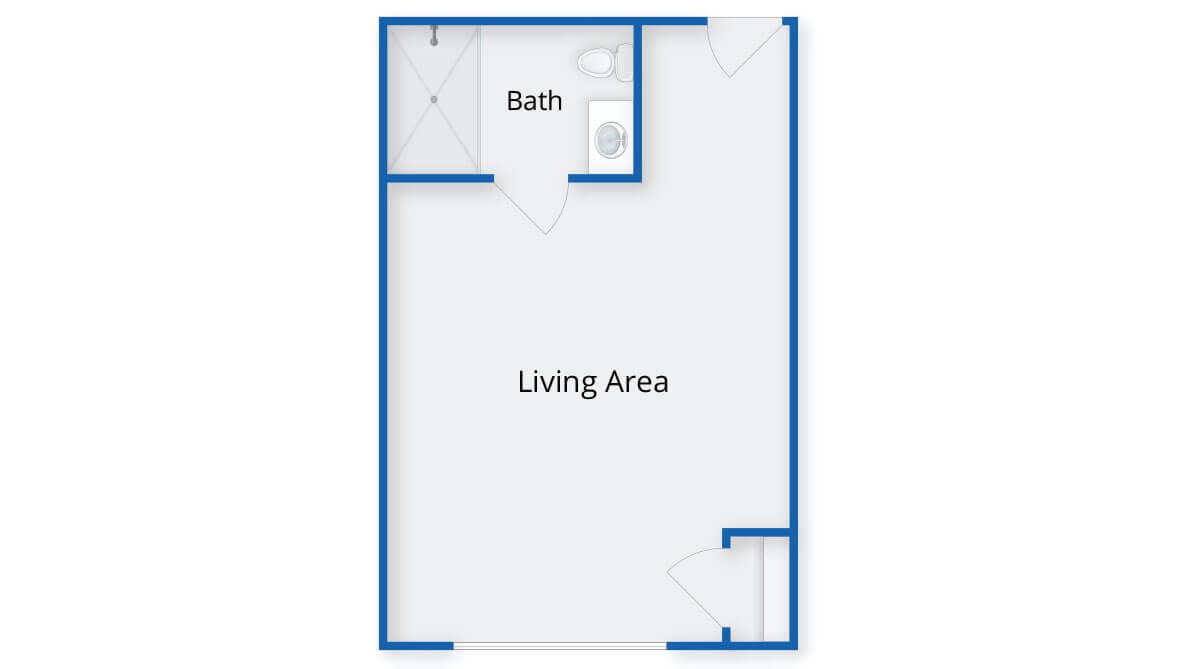
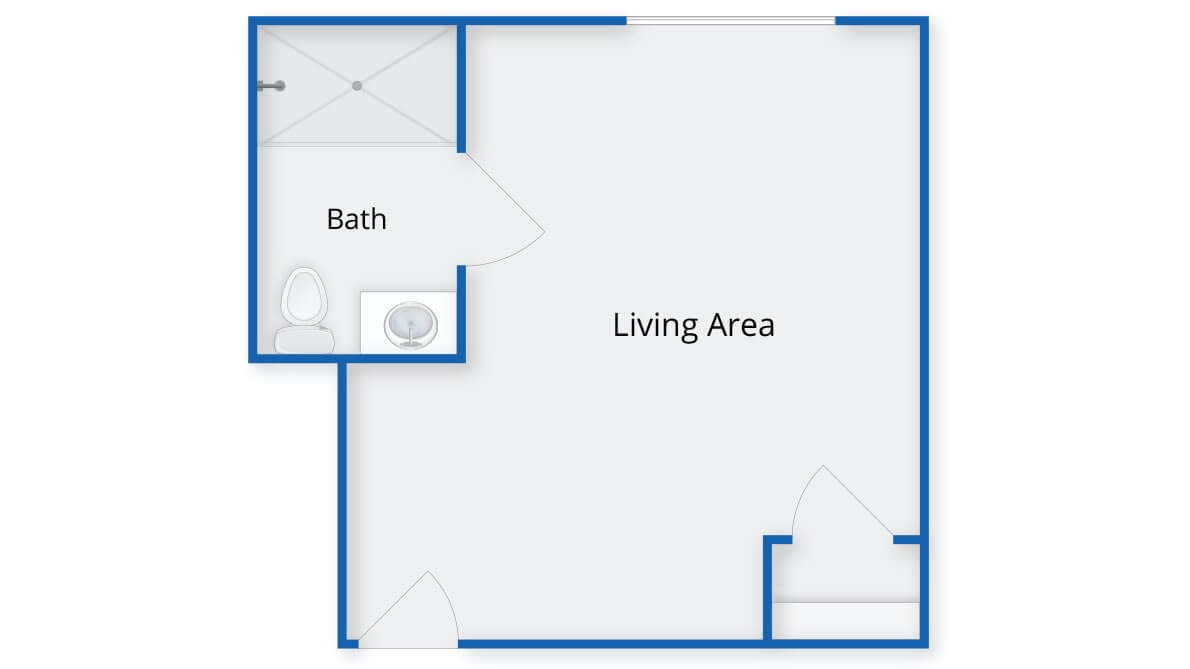
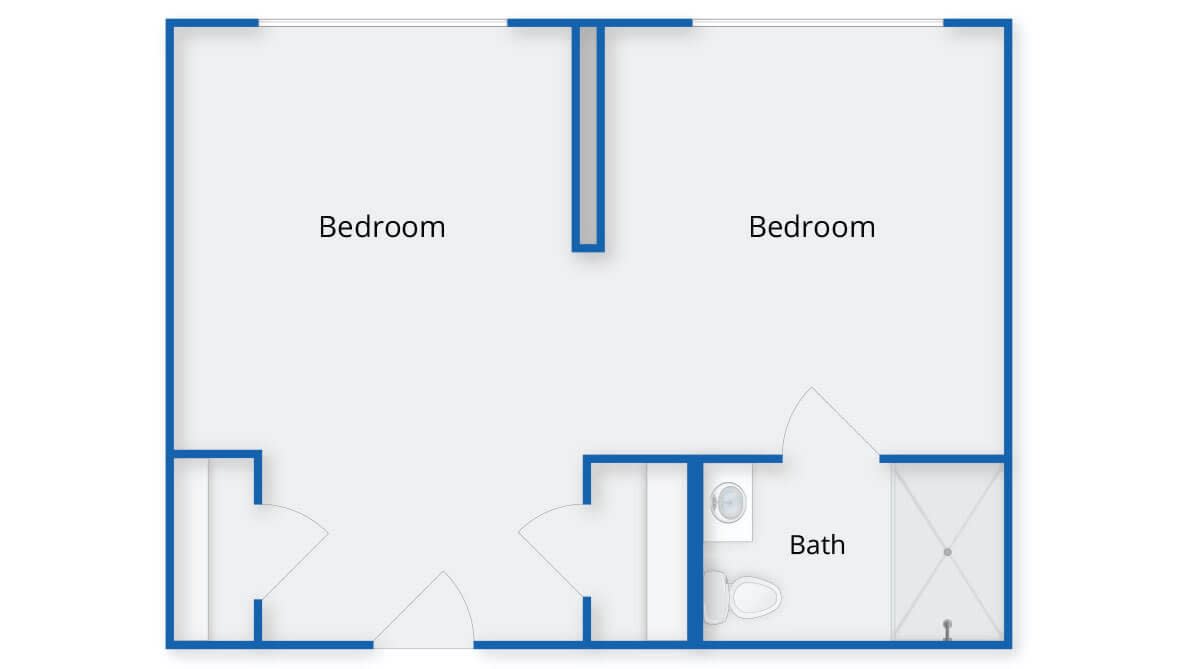
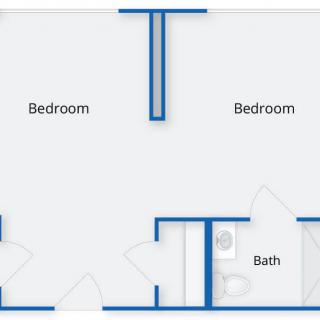
Floor plans
The Atrium At Faxon Woods
Norfolk County
Massachusetts
Studio
$5,025 to $5,675
$5,282
$5,312
1 Bedroom
$5,940
$5,598
$5,349
2 Bedrooms
$6,880
$6,133
$6,151
Semi-Private
$7,850
$6,142
$5,805
Memory care communities with a similar price nearby
The community is set up specifically for dementia and memory decline needs.
Multiple reviewers describe the Atrium as an all-memory care setting, including a locked unit and a design intended for residents with dementia. Residents and families mention staff helping them adjust to routines and keeping residents engaged, especially as symptoms progress. A few reviewers also point out the layout and security as part of why it felt like a safer fit for their loved one.
common21 reviews mention this
Staff care is consistently praised
Residents and families repeatedly describe attentive, compassionate support from staff.
Across reviews, families highlight staff kindness, responsiveness, and hands-on support, including helping residents settle in and helping with day-to-day needs as dementia changes. Several mention nurses and aides keeping families informed, assessing needs, and helping residents participate in activities. A small number of reviews disagree strongly about care delivery, but the majority describe a caring team from receptionists through nursing and aides.
common14 reviews mention this
Activities keep residents engaged
Many residents and families describe frequent activities and entertainment.
Reviewers frequently mention live entertainment, music, and scheduled activities that give residents something to look forward to. Families also describe outings such as bus tours or scenic rides, plus in-room or communal activities like games, exercises, arts and crafts, and cooking-style programming. Some reviewers frame the community as active and stimulating, while one person notes it may feel less stimulating for a resident with mild dementia.
differentiator12 reviews mention this
Dining quality stands out
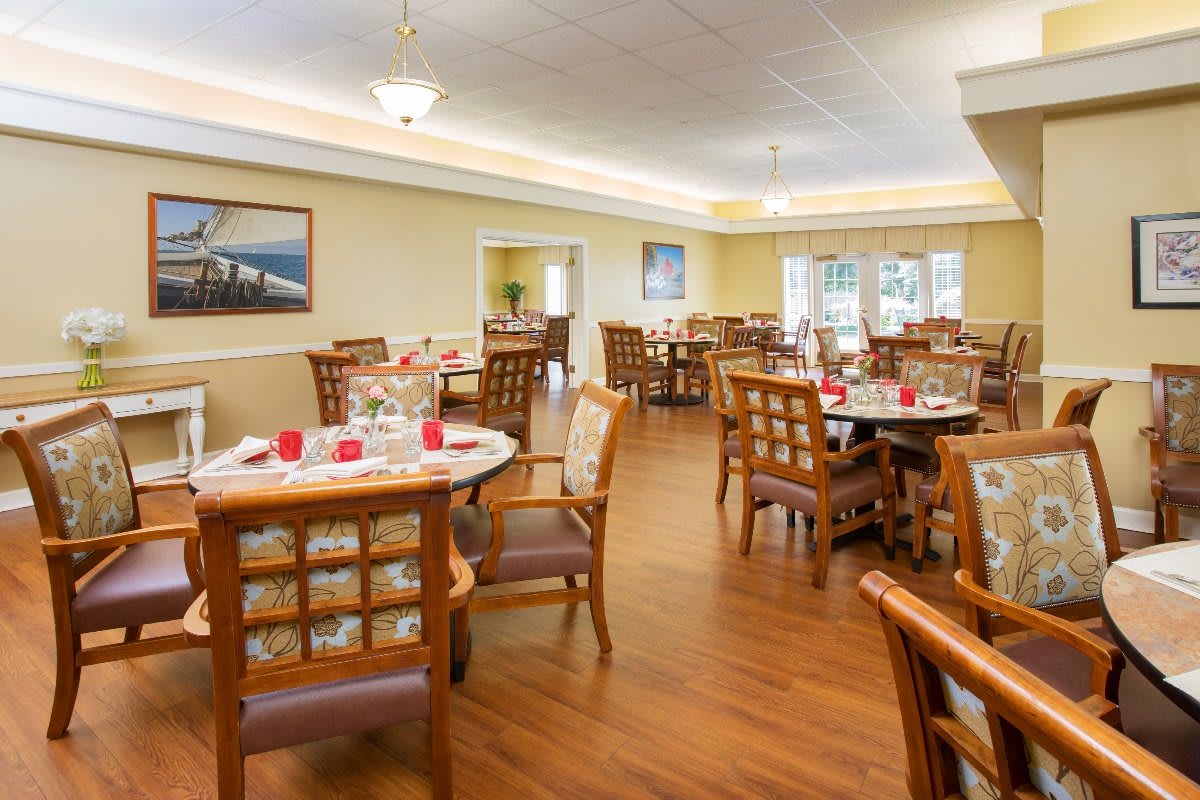
Meals and dining are a recurring positive in residents’ day-to-day experience.
Several reviewers say the food is exceptional, delicious, and not like typical nursing home fare. Families also mention variety, holiday dinners, and options at meals, along with help during eating when needed. A few reviews express mixed feedback on dining, including a complaint that meals need improvement, but the balance of comments describes strong dining satisfaction.
caveat4 reviews mention this
Cost and room setup raise concerns
Some families feel the pricing is high and room expectations may not match.
While others mention it felt like a good fit or value, multiple reviewers flag cost-related concerns, including add-on expectations for certain extras. There are also comments about privacy and room setup, including disappointment with having to share a room or expecting more space for the price. One review suggests staffing or delivery issues that contributed to a negative experience, though that theme is broader than pricing alone.
caveat2 reviews mention this
Location can feel out of the way
A couple of reviewers note the community feels remote.
At least one reviewer mentions the facility being up on a hill and feeling out of the way compared with other options. Another review focuses on initial impressions during a tour rather than daily life, but the takeaway is that distance and comparisons matter to some families. On balance, many others emphasize ease and home-like comfort, so this seems to depend on expectations and location priorities.
How we summarize
Counts show how many written reviews mention each theme; a review can touch several themes, and only frequently mentioned themes are displayed.
Features
Housing
54 resident community capacity
Studio apartments
Types of Care
Memory Care
Amenities
Activities off-site
Activities on-site
Air-conditioning
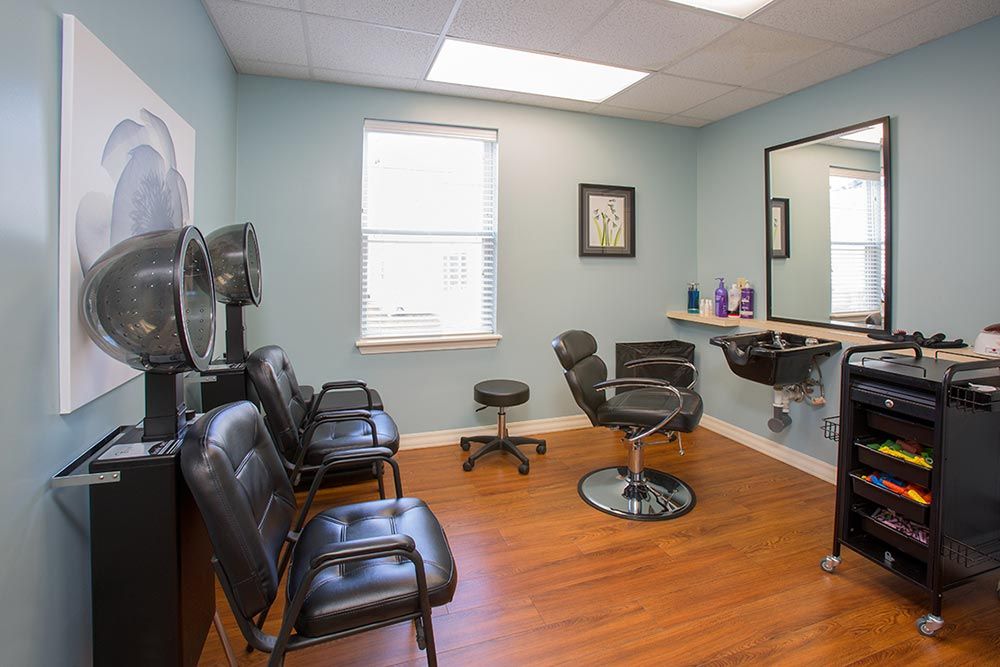
Beautician on-site
Beauty salon
Cable or satellite TV
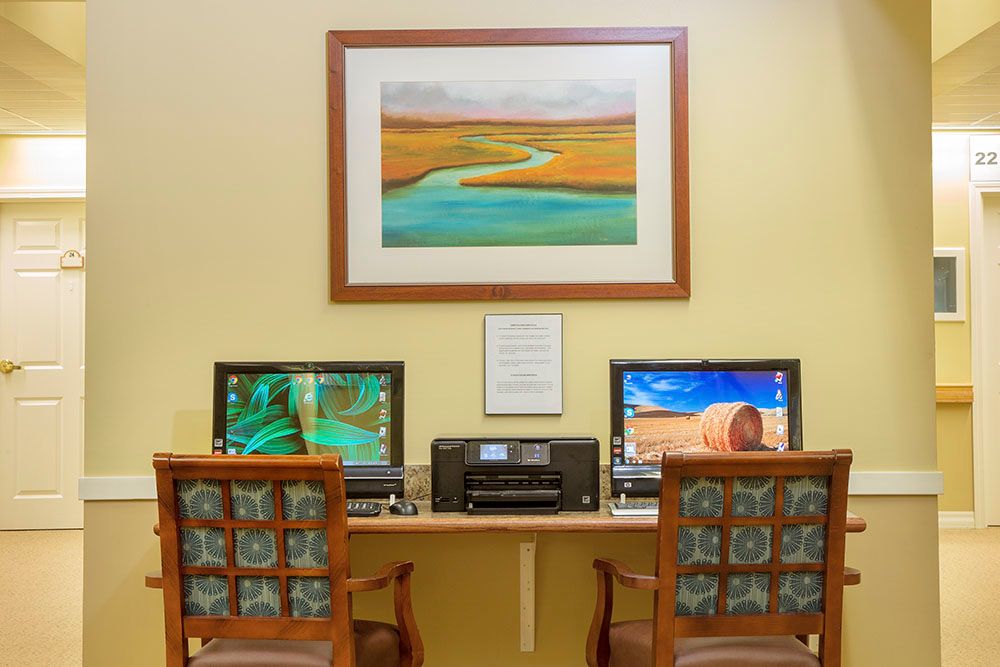
Computer center
Devotional services off-site
Devotional services on-site
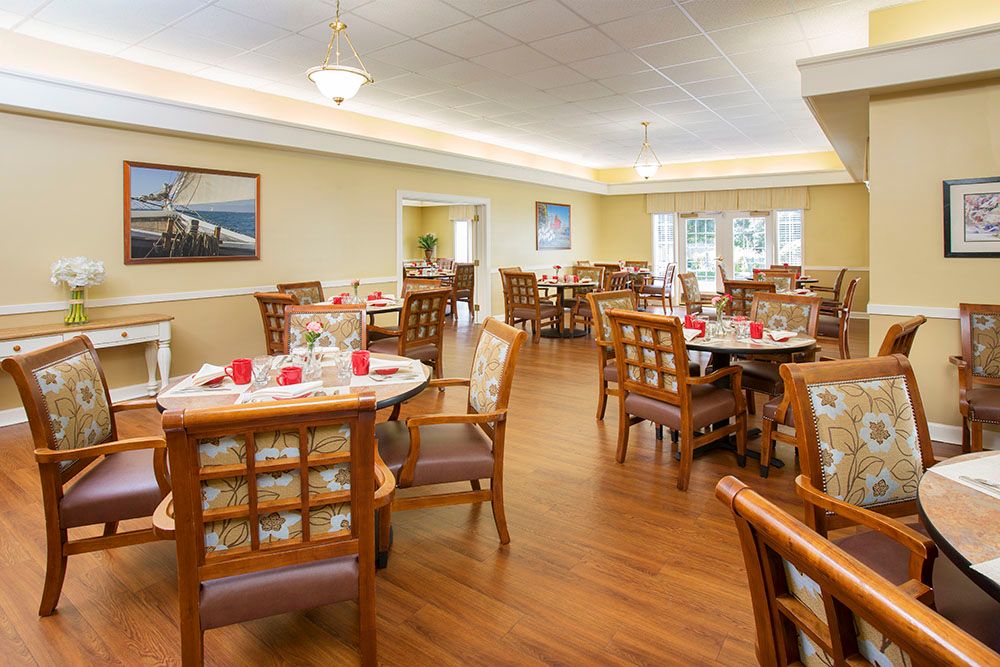
Dining room
Financing advice
Fitness room
Fully furnished
Gaming room
Garden
Ground floor units
Guasts at mealtime
Guest parking
Handicap accessible
Housekeeping services
Indoor common areas
Kitchenette
Laundry
Move-in coordination
Outdoor common areas
Outdoor patio
Outdoor space
Party space
Private bathrooms
Respite or short term stays offered
Restaurant-style dining
Security gate
Small library
TV room
Telephone
VA Benefits Consultation
Wellness center
Wheelchair accessible showers
Wi-Fi/high-speed internet available
Transportation
Gen Edw L Logan International (9 miles away)
Community operated transportation
Transportation & parking
Transportation arrangement
Transportation arrangement (non-medical)
Transportation to doctors appointments
Care Services
12-16 hour nursing
24-hour call system
24-hour supervision
Activities of daily living assistance
Assistance with bathing
Assistance with dressing
Assistance with transfers
Coordination with health care providers
Dementia waiver
Diabetes diet
Diabetic care
High acuity care
Hospice waiver
Incontinence care
Meal preparation and service
Medication management
Mental wellness program
Mild cognitive impairment
Special dietary restrictions
Specialized memory care programming
Transportation arrangement (medical)
Transportation to doctors appointments
Dining
Diabetes diet
Guest meals
Low / no sodium
Low fat
Meals provided
No Sugar
Professional chef
Restaurant style dining
Room service
Special dietary restrictions
Special dining programs
Vegan
Vegetarian
Activities
Activities off-site
Art classes
Arts and crafts
Catholic services
Community-sponsored activities
Concierge services
Cooking classes
Cooking club
Day trips and outings
Devotional activities offsite
Devotional activities on-site
Educational speakers / life long learning
Fitness programs
Games
Gardening club
Live dance or theater performances
Live musical performances
Live well programs
Planned day trips
Religious services
Resident-run activities
Scheduled daily activities
Stories
Visiting chaplain or priest
Nearby Places of Interest
This area of Quincy, Massachusetts offers a variety of amenities that may be appealing to seniors looking for a convenient and active lifestyle. With several pharmacies, restaurants, physicians, cafes, transportation options, theaters, parks, hospitals, and places of worship within a reasonable distance, residents have access to essential services and entertainment options. The presence of multiple medical facilities like Coffey Eye Care and South Shore Hospital ensures that healthcare needs can be easily met. Additionally, the abundance of parks such as Great Esker Park and Houghton's Pond provide opportunities for recreational activities and enjoying the outdoors. Overall, this neighborhood provides a well-rounded environment for seniors looking to live in a community with diverse resources and conveniences.
Pharmacies
Walmart Pharmacy (0.3 miles)
Walgreens (0.5 miles)
Walgreens (0.8 miles)
CVS Pharmacy (1.1 miles)
CVS Pharmacy (2.4 miles)
CVS Pharmacy (2.8 miles)
CVS Pharmacy (3.2 miles)
Restaurants
McDonald's (1.2 miles)
The Cheesecake Factory (2 miles)
Burger King (2.5 miles)
Widowmaker Brewing (2.5 miles)
McDonald's (2.9 miles)
K C's Pub & Grill (4.6 miles)
1048 Bar and Grill (4.7 miles)
Physicians
Coffey Eye Care (1.3 miles)
Harvard Vanguard Medical Associates (1.9 miles)
Eye Health Services (3.9 miles)
Carney Hospital (4.6 miles)
South Shore Orthopedics (5.6 miles)
Cohasset Pediatrics (8.3 miles)
Cafes
Target T2693 Braintree (2 miles)
Reign Drink Lab (5.7 miles)
Dunkin' Brands (7.3 miles)
Mike's Donuts (7.4 miles)
Transportation
MBTA Braintree Station (2.1 miles)
MBTA Wollaston Station (2.5 miles)
MBTA North Quincy Station (3.3 miles)
West Hingham Commuter RailStation (4.6 miles)
MBTA - JFK/UMass (6.6 miles)
Readville (7.2 miles)
Route 128 station (8.1 miles)
Theaters
AMC Braintree 10 (2.4 miles)
Showcase Cinema de Lux Randolph (6.2 miles)
Parks
Andrew's Park (2.8 miles)
Great Esker Park (3.7 miles)
Webb Memorial State Park (3.9 miles)
Bare Cove Park (4.1 miles)
Governor Hutchinson's Field (4.1 miles)
Braintree Highlands Community Playground (4.6 miles)
The Atrium At Faxon Woods offers a range of monthly costs that reflect its commitment to quality and comfort in assisted living. For a studio apartment, residents can expect to pay between $5,025 and $5,675, which is competitive compared to the average rates for Norfolk County and Massachusetts as a whole, both of which fall slightly higher at around $5,282 and $5,312 respectively. The one-bedroom units are priced at $5,940, which is above the county's average but still reasonably positioned against the state benchmark. In terms of larger accommodations, the two-bedroom apartments are listed at $6,880 - again surpassing county averages but remaining in line with state costs. Notably, the semi-private rooms at $7,850 represent a premium choice that aligns more closely with local market trends than broader state averages. Overall, The Atrium At Faxon Woods maintains its reputation for providing high-quality living environments while navigating various pricing dynamics within Norfolk County and Massachusetts.
The Atrium At Faxon Woods offers essential features that significantly enhance the quality of life for residents with dementia or Alzheimer's disease. With 24-hour supervision, residents receive continuous support, ensuring their safety and well-being at all times. Assistance with activities of daily living, including bathing and dressing, promotes dignity while helping individuals maintain as much independence as possible. Coordinated healthcare support fosters a comprehensive approach to health management, addressing the unique medical needs associated with cognitive impairments. Specialized memory care programming and mental wellness initiatives are designed to engage residents cognitively, reducing anxiety and enhancing overall mental health. Additionally, meal preparation tailored to dietary needs ensures proper nutrition, while medication management prevents complications from missed doses or misunderstandings about prescriptions. Incontinence care is handled sensitively to preserve dignity, and transportation arrangements facilitate access to medical appointments, further promoting health and stability in a compassionate environment dedicated to enriching lives affected by memory challenges.
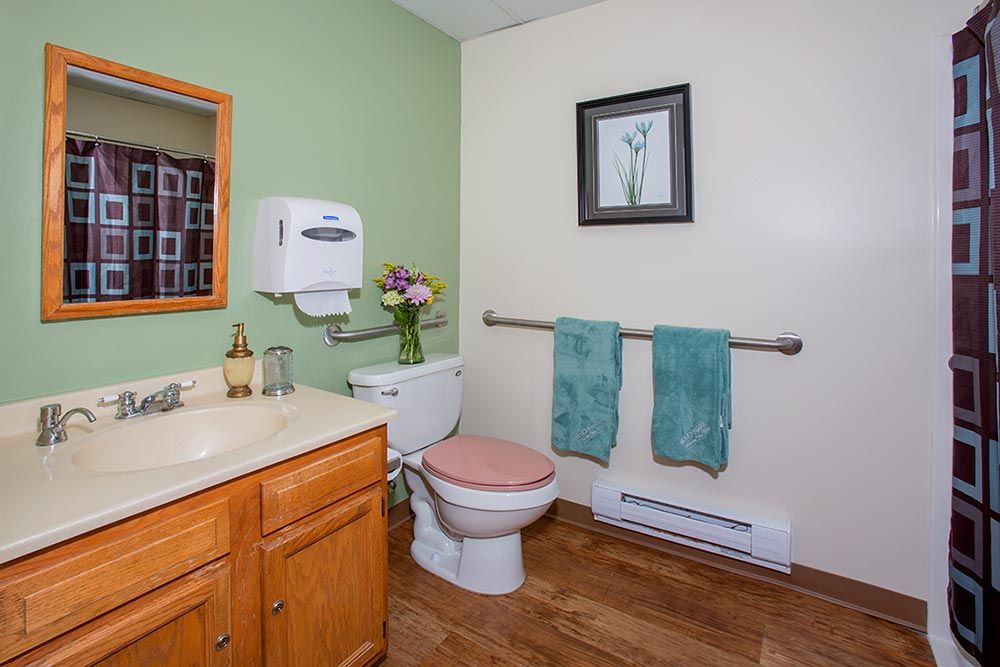
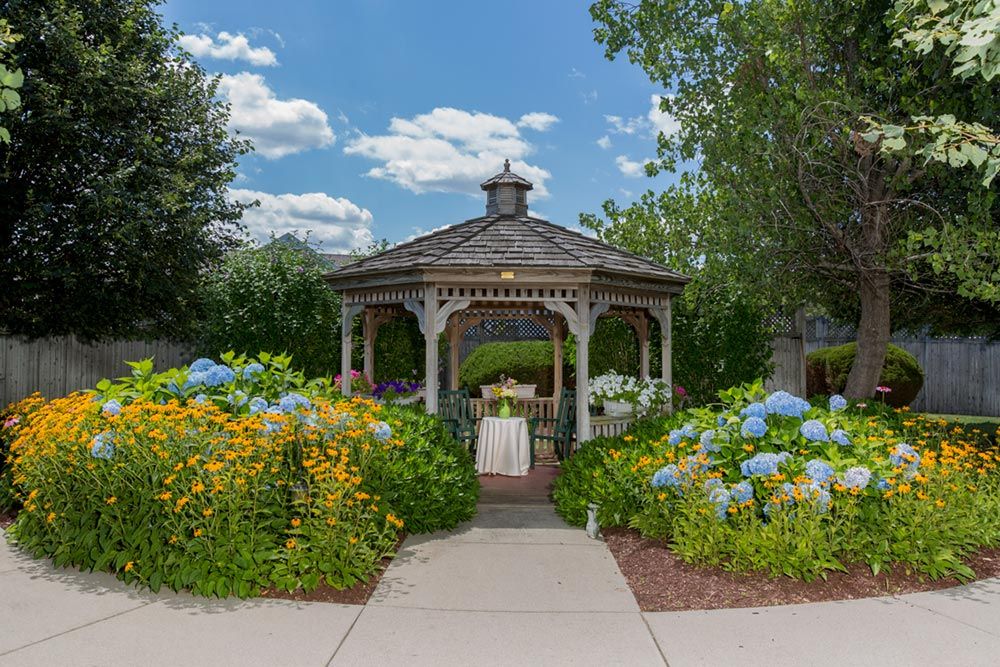
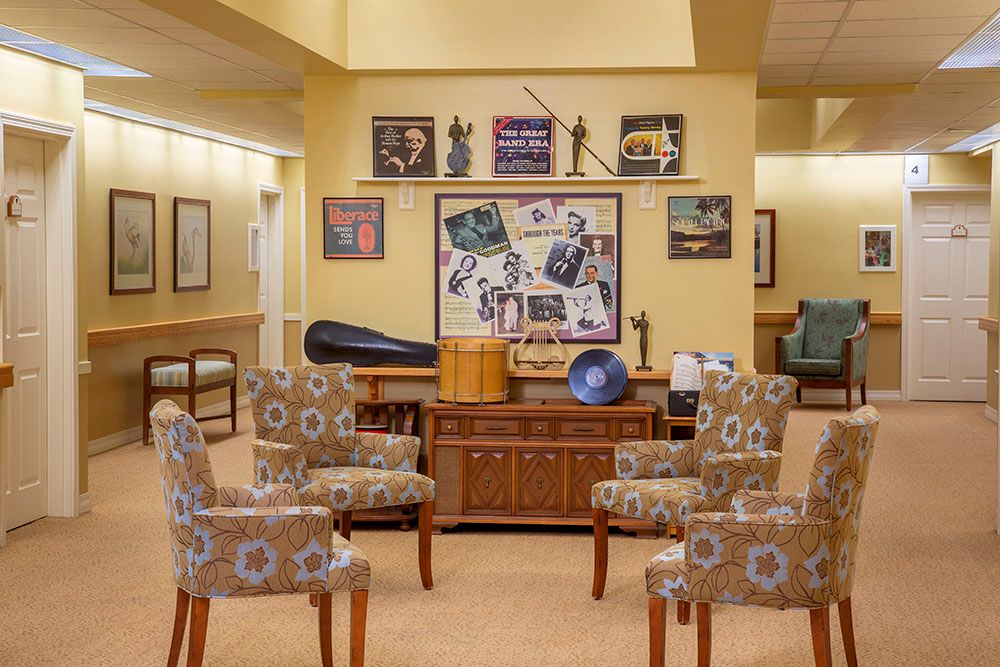
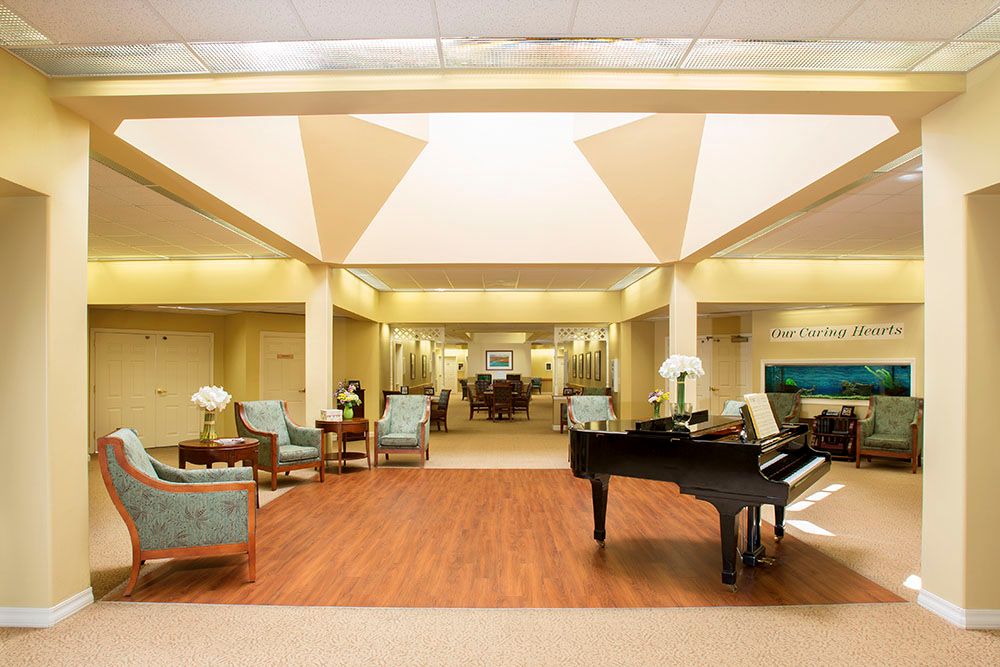
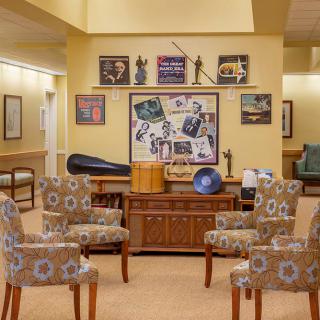
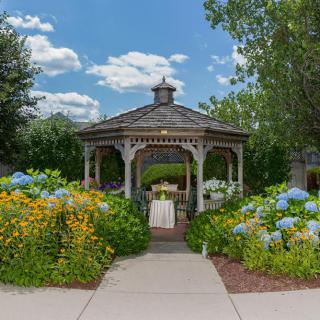
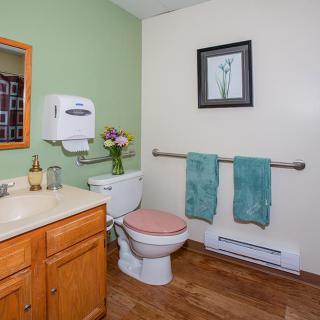
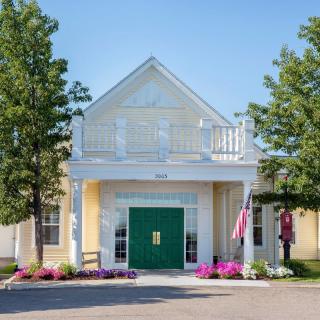
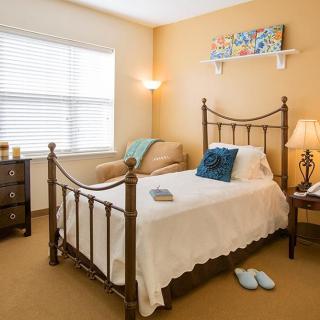
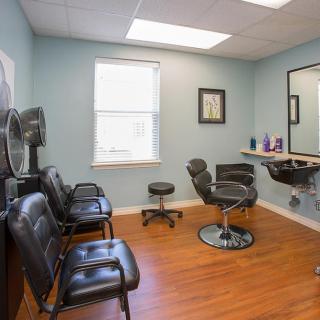
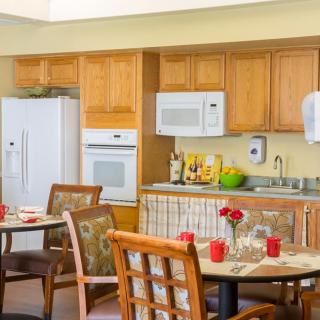
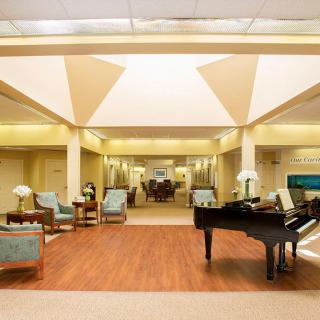
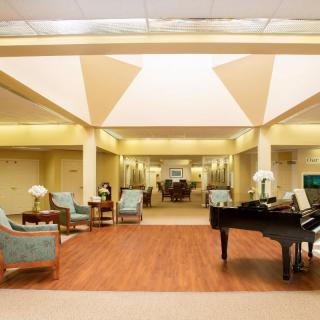
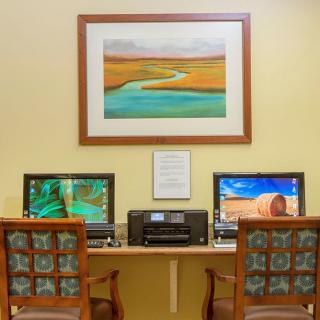
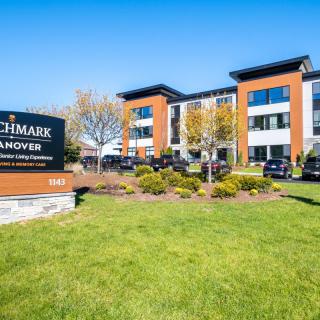
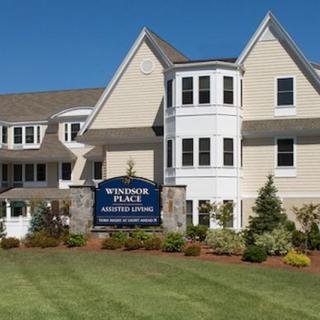
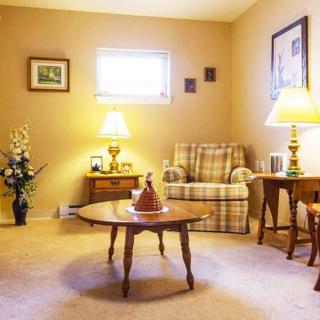
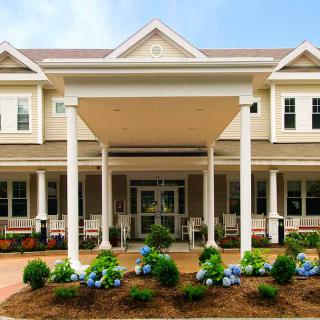
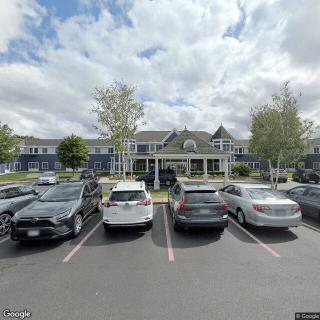
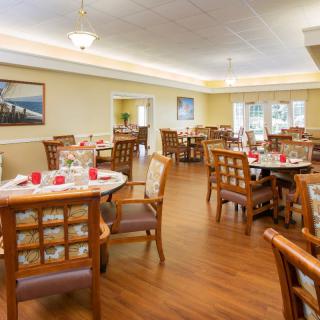
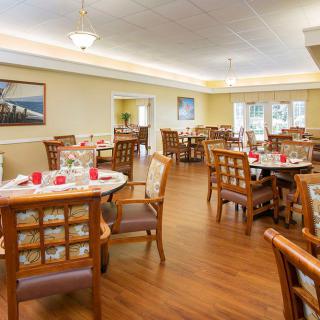
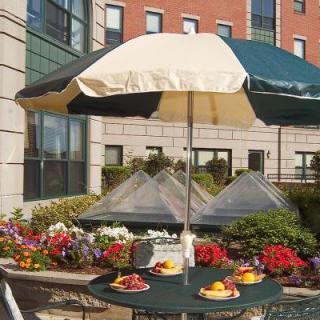
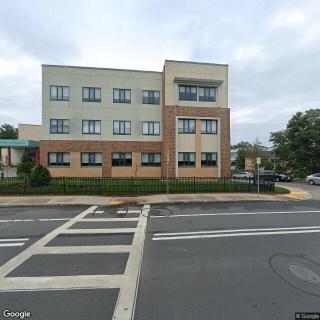
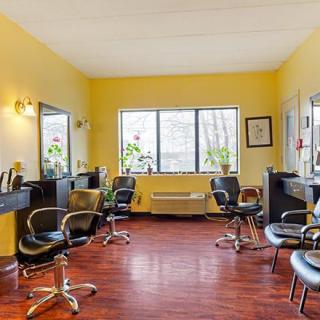
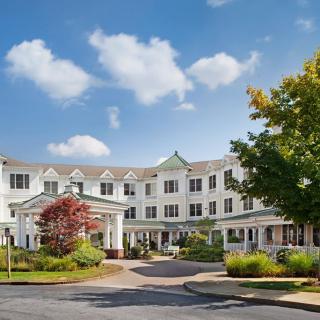
The Atrium At Faxon Woods on seniors.fyi includes 17 photos including images showing interior, floor plan, decor, dining, bedroom, bathroom, architecture, windows, and more.
Nearby Communities
Irish Connection Inc
Quincy, MA
Nearby amenities and healthcare access
John Adams Healthcare Center
Quincy, MA
2.6 from 19 reviews
Compassionate staff in a clean, home-like setting with personalized meals and activities.
Comfort Keepers Inc
Quincy, MA
5 from 2 reviews
Convenient location with easy access to amenities (cafes, parks, pharmacies, physicians, transportation, worship, and theater).
Allerton House At Hancock Park
Quincy, MA
3.4 from 8 reviews
$3,600 to $4,000 / month
Clean, well-maintained facility with friendly staff and a wide range of resident activities.
Vineyard Community Living - Nova Quincy
Quincy, MA
5 from 2 reviews
$3,000 to $4,500 / month
Warm, engaging environment with outstanding staff delivering enriching care.
South Cove Manor Nursing Home
Quincy, MA
4.4 from 21 reviews
Convenient location with abundant nearby amenities and services (parks, dining, pharmacies, physicians, transportation, theater).
South Cove Manor Nursing & Rehabilitation Center
Quincy, MA
4.4 from 20 reviews
Extensive amenities with 24/7 care and engaging activities.
Brookdale Quincy Bay
Quincy, MA
4.3 from 127 reviews
$2,350 to $4,265 / month
Friendly staff and engaging activities in a clean, cheerful environment.
Sunrise of Braintree
Braintree, MA
4.5 from 72 reviews
$5,160 to $8,400 / month
Friendly, attentive staff; clean facility with engaging activities.
Dementia, including Alzheimer’s disease, is often mischaracterized in terms of lethality as it leads to complications that can be fatal rather than being a direct cause of death; it causes a progressive decline in cognitive and physical health, making patients vulnerable to infections and other health crises. Effective management of nutrition, hydration, and communication is crucial in patient care, with palliative care becoming vital in advanced stages to enhance comfort and quality of life while caregivers play a key role amidst the challenges posed by the disease.
Reminiscence therapy helps individuals with dementia recall past memories through structured discussions and meaningful objects, enhancing mood, relationships, and sense of identity while celebrating their lives. It can be practiced in formal settings or at home, requiring sensitivity to personal histories and cultural backgrounds.
Reminiscence therapy is a structured method for older adults, especially those with dementia, to share life stories using prompts and sensory cues, fostering emotional well-being, social engagement, and self-identity. It aims to improve quality of life by enhancing interpersonal connections and cognitive stimulation while requiring careful facilitation to avoid distressing memories.
Landscaping, Garden, Outdoors, Pathway, and Gazebo
Windows
Floor Plan
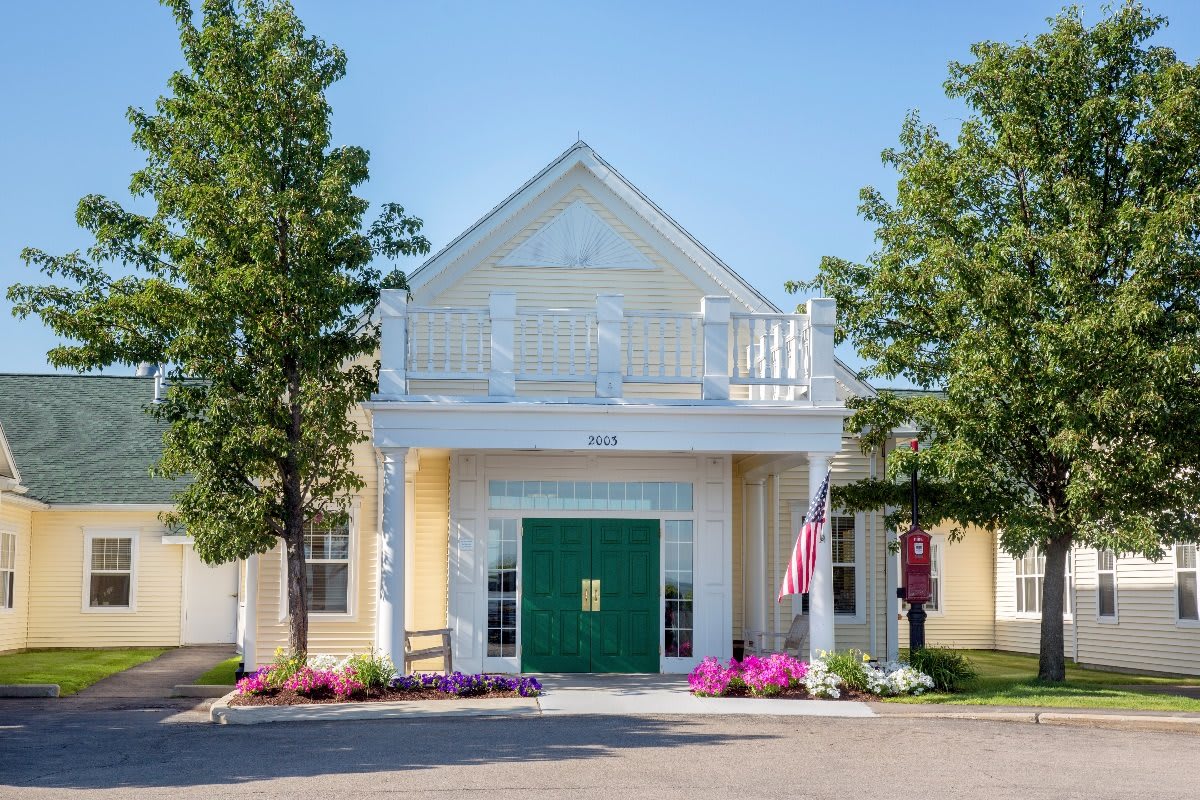
Building, Trees, Entrance, and Flag
Architecture
Bathroom
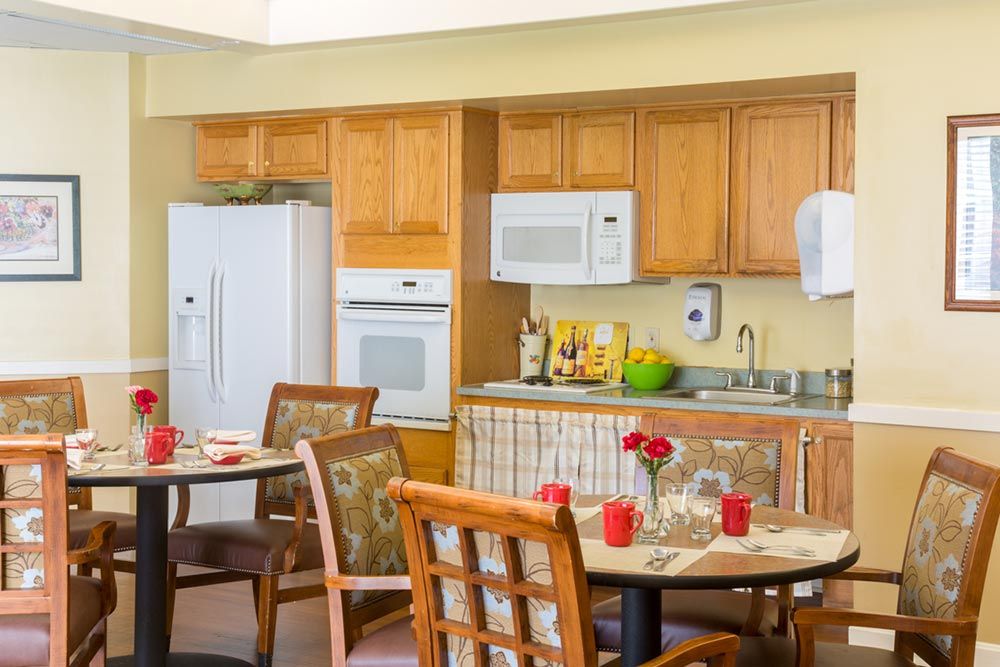
Kitchen, Cabinets, and Refrigerator
Lighting
Seating Area
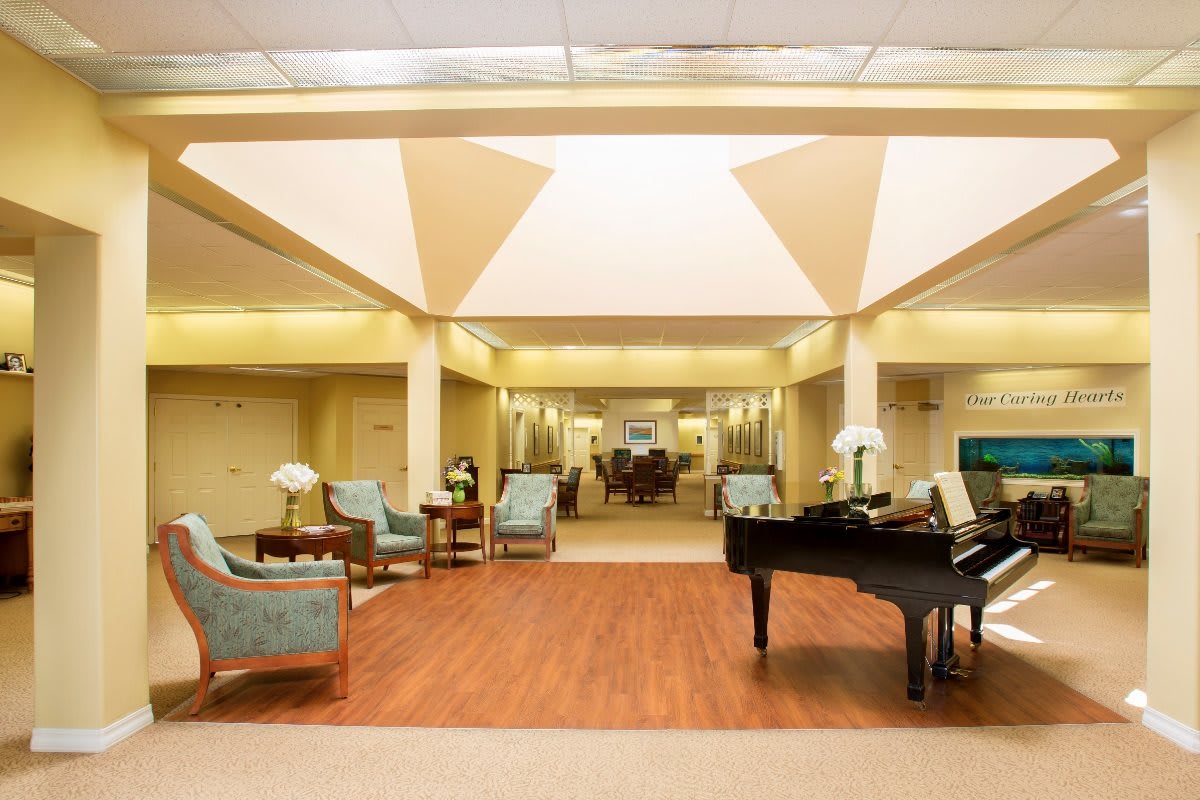
Lobby and Piano
Salon
Wall Art
Painting and Office
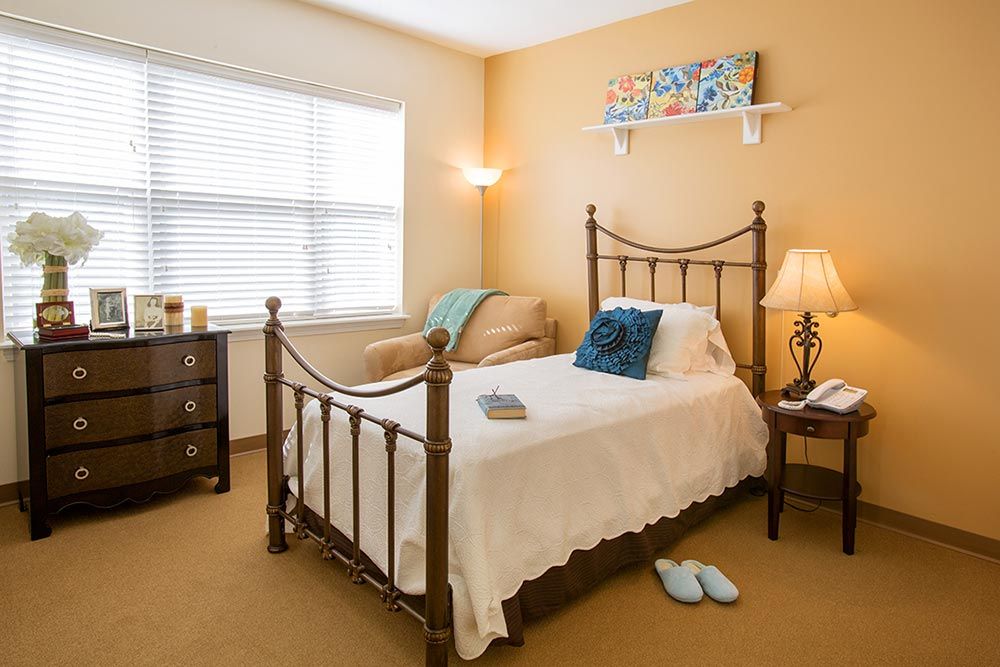
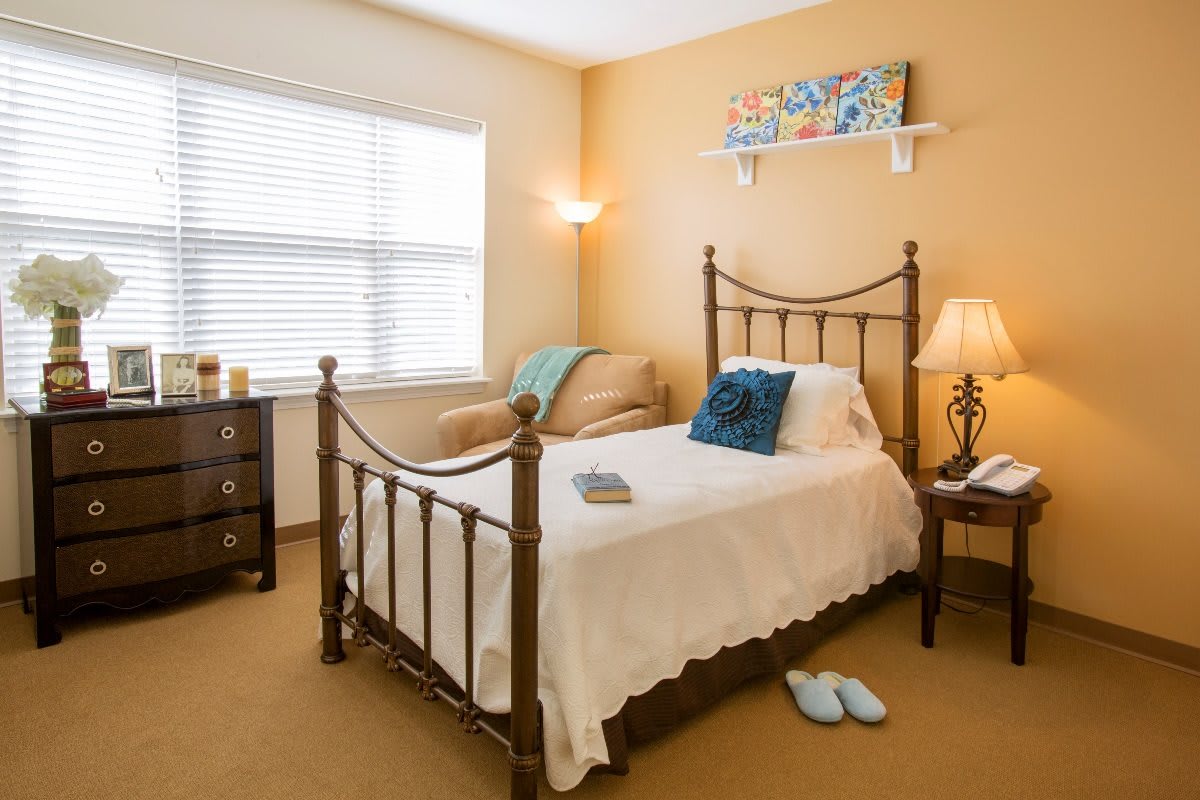
Studio Apartment
Bright Lighting and Spacious
Living Area
Paintings and Handrail
Get PricingAsk A QuestionSchedule A TourContact Senior Advisor
By clicking submit, you agree to our Partner's Terms of Use. You
also consent to receive calls and texts, which may be autodialed, from our Partner. Your consent is not a condition to
using our Partner's service. Please visit our Partner's Privacy Policy for information about their privacy practices.

 54 resident community capacity
 Studio apartments
 Memory Care
 Activities off-site
 Air-conditioning
 Beautician on-site
 Cable or satellite TV
 Computer center
 Devotional services off-site
 Dining room
 Financing advice
 Fitness room
 Fully furnished
 Gaming room
 Garden
 Ground floor units
 Guest parking
 Handicap accessible
 Housekeeping services
 Indoor common areas
 Kitchenette
 Laundry
 Move-in coordination
 Outdoor common areas
 Outdoor patio
 Party space
 Private bathrooms
 Respite or short term stays offered
 Restaurant-style dining
 Security gate
 Small library
 Telephone
 Wellness center
 Wheelchair accessible showers
 Wi-Fi/high-speed internet available
 Gen Edw L Logan International (9 miles away)
 Community operated transportation
 12-16 hour nursing
 24-hour call system
 Assistance with bathing
 Assistance with dressing
 Assistance with transfers
 Diabetes diet
 Diabetic care
 High acuity care
 Hospice waiver
 Incontinence care
 Medication management
 Mental wellness program
 Special dietary restrictions
 Transportation arrangement (medical)
 Art classes
 Catholic services
 Concierge services
 Cooking classes
 Day trips and outings
 Educational speakers / life long learning
 Games
Games Live dance or theater performances
 Live musical performances
 Stories
 Nearby amenities and healthcare access


 Are Dementia and Alzheimer's Disease Lethal? A Comprehensive Exploration
 Exploring the Power of Reminiscence Therapy for Individuals With Dementia
 An In-Depth Look at Reminiscence Therapy in Dementia Care