






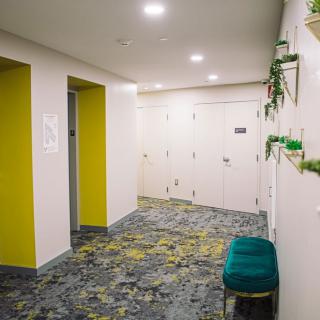
1500 Hancock St, Quincy, MA 02169
To contact a resident: (617) 249-4127
For more information about senior living options: (866) 208-4318
Vineyard Community Living - Nova Quincy Costs & Pricing
Vineyard Community Living - Nova Quincy offers an attractive pricing structure for its residents, with monthly costs significantly lower than both Norfolk County and the broader state of Massachusetts. For instance, a studio apartment at Nova Quincy is priced at $3,000, in stark contrast to the county's average of $5,282 and the state's average of $5,312. Similarly, the one-bedroom option at Nova Quincy is available for $3,500, compared to $5,598 in Norfolk County and an average of $5,349 across Massachusetts. The two-bedroom units also present remarkable savings at $4,500 relative to county rates of $6,133 and state averages of $6,151. This competitive pricing makes Vineyard Community Living - Nova Quincy a compelling choice for those seeking quality living arrangements without the financial strain typically associated with similar facilities in the region.
| Floor plans | Vineyard Community Living - Nova Quincy | Norfolk County | Massachusetts |
|---|---|---|---|
| Studio | $3,000 | $5,282 | $5,312 |
| 1 Bedroom | $3,500 | $5,598 | $5,349 |
| 2 Bedrooms | $4,500 | $6,133 | $6,151 |
Independent Living communities with a similar price nearby
-
from -$575 / mo

New Horizons At Choate
$2,425 to $4,495 / month17.6 miles away -
About the same

Vineyard Community Living - Nova Brighton
$3,000 to $5,000 / month10.0 miles away -
from -$549 / mo

Avenu at Natick
$2,451 to $5,615 / month18.2 miles away -
About the same
The Willows Retirement Community
$2,930 to $4,850 / month22.4 miles away -
About the same
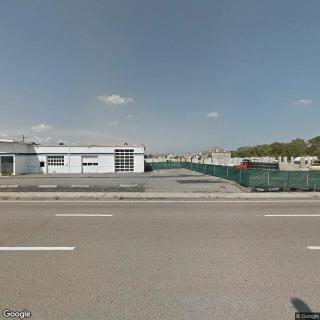
Vineyard Community Living - Hingham Shipyard
$3,000 to $5,000 / month4.4 miles away
Overall Review of Vineyard Community Living - Nova Quincy
Pros
 The environment is exceptional and the staff are outstanding, creating a friendly, warm, and engaging atmosphere.
- The Cove is a beautiful and professional location for loved ones in the area.
- The activities, lifestyle, food, and friendships at The Cove enrich residents' lives.
- The Cove's staff are not just doing a job, but genuinely enjoy enriching the lives of the residents.
- The whole family couldn't be happier with The Cove.
Review
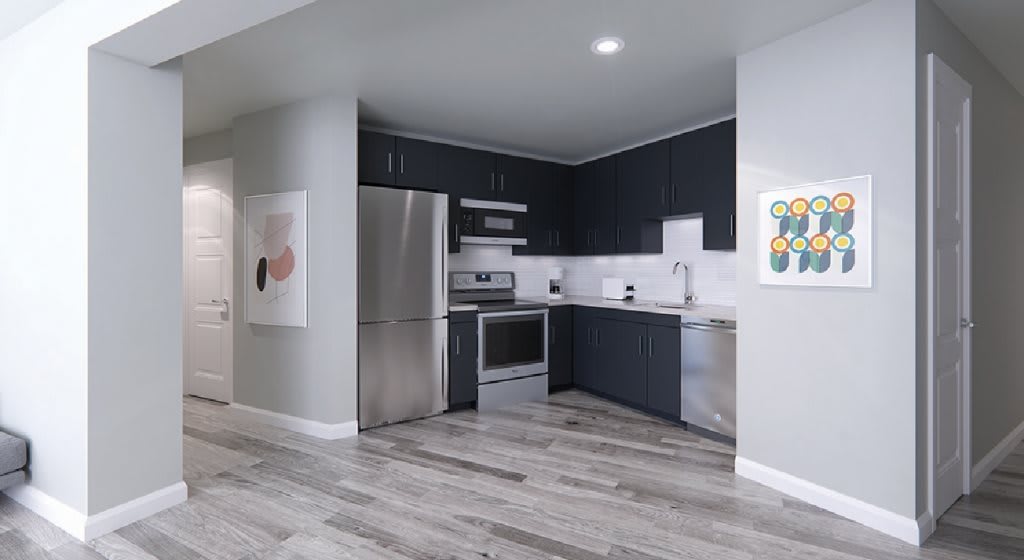
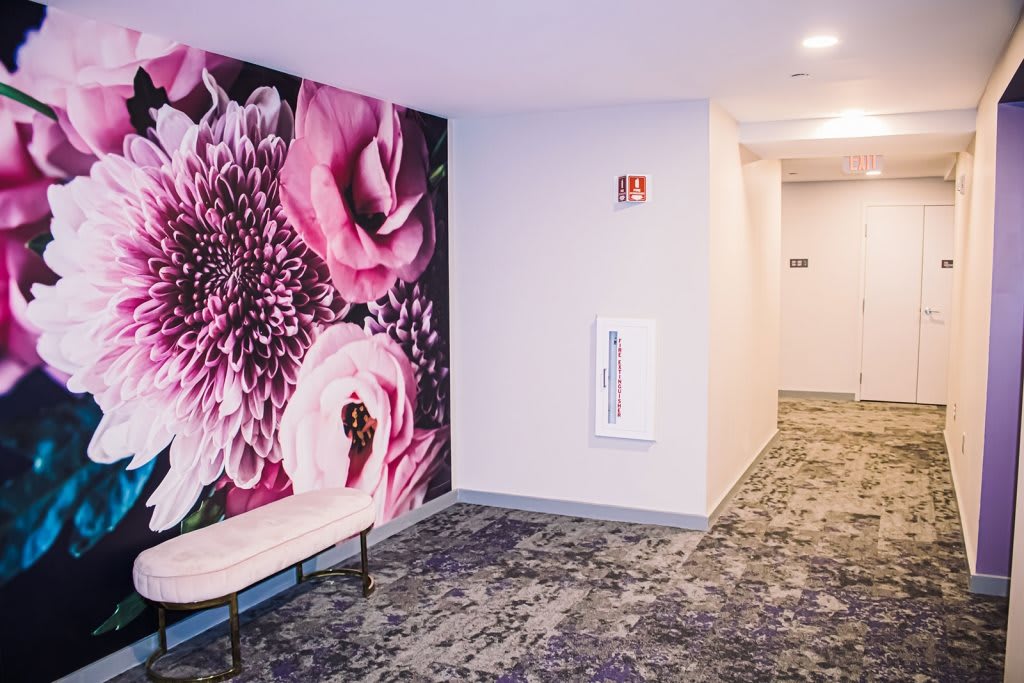
This community is best suited for seniors who prize a warm, engaging environment with genuinely attentive staff and a strong social life. In Nova Quincy, Vineyard Community Living projects a well-kept, aesthetically pleasing setting where residents are not merely cared for but connected to daily activities, friendships, and purposeful routines. The reviews describe an exceptional atmosphere, with staff described as outstanding and a location that feels both beautiful and professional. For families seeking reassurance that a loved one will be welcomed, engaged, and treated with dignity, this setting offers a compelling match.
Those considering alternatives should note that the strongest appeal here is social vitality and hands-on, compassionate caregiving rather than a heavy emphasis on high-acuity medical services. Families needing intensive, 24/7 skilled nursing, dementia-specific memory care, or highly clinical oversight may want to explore options that specialize in those environments. While the community excels at enrichment and companionship, it is prudent to confirm the exact level of medical support available on site and whether it aligns with a resident’s changing needs over time.
The most compelling pros center on environment, staff, and lived experience. A beautiful setting matters, but the practical benefit comes from staff who are described as genuinely enjoying enriching residents’ lives, not merely performing tasks. This distinction translates into more meaningful interactions, timely assistance, and a sense of safety that can lessen anxiety about transitioning from home. The daily rhythm, activities, lifestyle programming, flavorful meals, and opportunities to make friends, helps residents integrate into the community quickly, which is a crucial offset to the emotional challenge of requiring assistance.
Where the reviews fall short of detailing, potential concerns remain worth confirming in due diligence. There is no explicit discussion of clinical amenities, memory-care capabilities, or levels of medical oversight, so families should verify the availability of on-site nursing, medication management, and plans for escalating care if health needs shift. For residents with higher mobility limitations, complex wound care, or demanding medical schedules, it is essential to confirm that the care model can adapt without necessitating a move. Nevertheless, the evident strength lies in a staff-led culture that prioritizes connection and meaningful engagement, which often reduces the feel of confinement and promotes continuity of purpose.
From a practical decision-making standpoint, prospective families should test several variables during a visit: staff-to-resident ratios at different shifts, the cadence of events on the activity calendar, the quality and variety of meals, and the tone of interactions between caregivers and residents. Listening to current residents and family members provides a real-world gauge of consistency and warmth beyond marketing language. Ask to review sample care plans and to see how individual preferences are incorporated into daily routines. Finally, clarify cost structures, what is included in monthly fees, and what additional services might be needed as care needs evolve.
Bottom line: Vineyard Community Living in Nova Quincy stands out for those who want a vibrant, people-centered living environment backed by staff who invest in enriching lives. It delivers a practical, confident answer for families prioritizing social engagement, tasteful surroundings, and dependable companionship. For households where advanced medical oversight, dementia-specific care, or budget-driven options are decisive, it remains essential to explore alternatives that foreground those needs more explicitly. When the priority is preserving a sense of community, belonging, and everyday joy, this community earns serious consideration and purposeful evaluation rather than a casual glance.
 1-bedroom apartments
 Independent Living
 Cats allowed
 Dogs allowed
 Activities off-site
 Air-conditioning
 Beautician on-site
 Devotional services off-site
 Full kitchen
 Handicap accessible
 Indoor common areas
 Outdoor common areas
 Wheelchair accessible showers
 Gen Edw L Logan International (8 miles away)
 Medication management
 Anytime dining
 Art classes
 Day trips and outings
 Educational speakers / life long learning
 Live dance or theater performances
 Live musical performances
 Live well programs
 Water aerobics





 Recognizing the Journey: Understanding and Navigating Anticipatory Grief
 Encouraging Participation in Adult Day Care: A Guide to Supporting a Hesitant Parent
 Comprehensive Exploration of Living Wills and Other Advance Directives