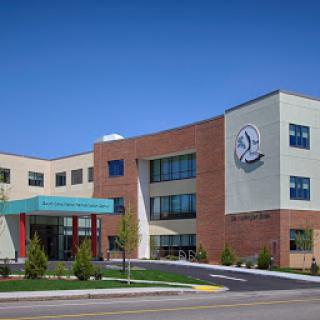
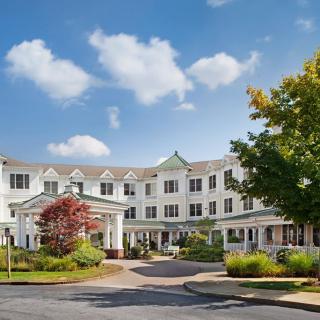
Quincy Health And Rehabilitation Center in Quincy, MA

11 Mcgrath Highway, Quincy, MA 02169

For more information about senior living options: (844) 490-3973

3 from 17 reviews
5 stars
4
4 stars
5
3 stars
1
2 stars
1
1 stars
6

Skilled Nursing Facility

What level of care are you interested in?

Assisted Living

Memory Care

Independent Living

Skilled Nursing Facility

Continuing Care Retirement Community (CCRC)CCRC

Other


Request a tour at Quincy Health And Rehabilitation Center

    Overall Review of Quincy Health And Rehabilitation Center

    Pros

    • pro Victor and his team have been amazing in supporting the intake process and keeping families updated on residents' care plans.
    • pro Victor goes beyond his duties to communicate with non-English-speaking and hard-of-hearing residents, demonstrating exceptional care.
    • pro The staff are professional in providing support and care.
    • pro Entertainment programs bring smiles and happiness to elderly residents.
    • pro Victor Ng and the staff have been praised for staying in touch with families and going above and beyond during challenging times.
    • pro The facility is described as clean, with friendly nurses and a secure environment.
    • pro Care has been consistent with measurable progress in residents' well-being, giving families peace of mind.

    Cons

    • pro The staff seem overwhelmed and not able to manage the volume of patients.
    • pro The facility is dirty, careless, unprofessional, with flies everywhere.
    • pro Nurses refused proper medication after major surgery and treated patients poorly.
    • pro This is a terrible place to put your loved ones.
    • pro Very dumb, stupid people work at this rehab.
    • pro The administration has given families the runaround for months and will not release records.

    Review

    Quincy Health and Rehabilitation Center is best suited for families that prize hands-on program coordination, steady rehabilitation momentum, and language-sensitive communication when a loved one needs skilled nursing support alongside regular social engagement. The facility has earned loyalty from families who saw a program coordinator deeply involved in care plans and family updates, and who valued staff members who went the extra mile to bridge language or cultural gaps. The core appeal is concrete: clear, ongoing contact about a resident's progress, a capable rehab pathway, and a community that can feel like a lifeline for relatives navigating complex care needs.

    The strongest, most persuasive pros center on a cadre of caregivers who deliver measurable reassurance and practical support. Victor Ng, in particular, consistently appears as a linchpin: he communicates thoughtfully across language barriers, coordinates care with a family-first mindset, and often becomes the trusted point of contact during daily and long-term care. Other staff - yings, Gladys, and a skilled nursing team - are repeatedly credited with competence, compassion, and a professional demeanor that helps residents feel seen and attended to. For families, the quality of meals, the responsiveness of therapy staff, and a robust activity program that brings regular life to the halls translate into real, observable benefits for residents who benefit from routine, social engagement, and steady physical therapy progress.

    Yet the improvements are not universal, and the downsides are repeatedly underscored by multiple families. The most consequential fault line is staffing stability and communication. After Victor's departure, families report a notable decline in updates, responsiveness, and overall momentum in care coordination, leaving relatives anxious and out of the loop. Laundry mishaps, misplaced clothing, and inconsistent follow-through with basic daily tasks materialize as tangible reminders that the system can stumble under high volume. Several reviewers describe moments of neglect or care lapses that shake confidence in the day-to-day operation, and there are complaints about unresponsive or brusque interactions with some staff after certain hours. Environmental and operational concerns - flies and the presence of pests in some units, inconsistent heating, and disputes over care decisions - compound these worries and frame a pattern rather than isolated incidents.

    In weighing pros against cons, the decisive factor hinges on the predictability of care and the reliability of the care team. When a beacon like Victor Ng is present, families experience a highly responsive, culturally aware, and well-coordinated approach that translates into real gains in rehabilitation, emotional comfort, and peace of mind for loved ones. The rest of the staff can deliver solid clinical care and kindness, but without steady leadership and consistent communication, those strengths fail to fully offset the risk of missed updates, administrative gaps, and the occasional perceived neglect. For residents who require frequent, proactive outreach, transparent care plans, and a partner in advocacy, the positives can carry substantial weight - but only if the facility maintains that level of engagement across shifts and leadership.

    Those who should actively compare alternatives include families intolerant of recurring lapses in communication, those who demand flawless cleanliness and consistently warm environments, and caregivers seeking unwavering administrative accessibility and prompt problem resolution. The facility's mixed reviews suggest that another community with a track record of stable staffing, rigorous quality assurance, and transparent accountability may be a better fit for relatives who cannot tolerate the variability present here. For families willing to test the waters with diligent due diligence - visiting multiple times, meeting with the program coordinator, and getting a read on current staff dynamics - the decision becomes clearer: the potential for excellent, person-centered care exists, but it is unevenly realized and depends heavily on ongoing leadership and operational stability.

    In practical terms, the smarter move is a structured visit plan: observe how staff interact with residents, probe the current leadership structure, and review how care plans are communicated to families. Ask for a specific point of contact beyond occasional administrators, and request a demonstration of how therapy progress is tracked and shared. In parallel, verify housekeeping and laundry processes, inquire about how frequent supply issues are resolved, and gauge whether the living environment feels consistently clean and comfortable. If these checks reveal steady, proactive problem-solving and dependable updates, Quincy Health and Rehabilitation Center can be a strong fit for rehab-focused families who value genuine connection. If not, exploring alternatives with a calmer, more consistently managed care team will likely yield a more predictable, peace-of-mind experience.

    Features

    Housing

    • 126 resident community capacity 126 resident community capacity

    Types of Care

    • Skilled Nursing Facility Skilled Nursing FacilitySkilled Nursing Facilities are crucial for seniors as they provide round-the-clock medical care, rehabilitation services, and assistance with daily activities. These facilities ensure that seniors receive the specialized care they need to maintain their health and well-being as they age.

    Amenities

    • Air-conditioning Air-conditioningAir conditioning is important for seniors as they are more vulnerable to heat-related illnesses and may have underlying health conditions that make it difficult for them to regulate their body temperature. It helps to keep them comfortable, safe, and healthy in hot weather.
    • Beauty salon Beauty salonBeauty salons are important for seniors because they provide a space for them to feel pampered, socialize, and maintain their personal grooming and hygiene. Regular visits to a beauty salon can help boost seniors' self-esteem and overall well-being.
    • Cable or satellite TV Cable or satellite TVCable or satellite TV is important for seniors because it provides entertainment, news, and companionship, helping to combat loneliness and boredom. It also offers a wide range of programming options tailored to different interests and preferences.
    • Computer center Computer centerA computer center is essential for seniors as it provides access to technology, communication tools, and resources that can enhance their daily lives. It allows them to stay connected with loved ones, engage in online activities, and learn new skills, ultimately promoting socialization and mental stimulation.
    • Dining room Dining roomDining rooms are important for seniors as they provide a space for socialization, connection, and nutritious meals. They offer opportunities for residents to bond over shared meals, foster a sense of community, and promote healthy eating habits. Dining rooms also ensure that seniors have access to well-balanced meals tailored to their dietary needs and preferences.
    • Fitness room Fitness roomHaving a fitness room in a senior living community is essential for seniors to stay active, maintain their physical health, and improve their overall well-being. Regular exercise can help prevent falls, reduce the risk of chronic diseases, and promote mental sharpness. It also provides social opportunities for residents to connect with others and enjoy a sense of community.
    • Fully furnished Fully furnishedFully furnished senior living communities are important for seniors because they provide convenience, comfort, and a hassle-free moving experience. Seniors can easily settle into their new living space without the stress of having to buy and move furniture. This allows them to focus on enjoying their new home and community.
    • Gaming room Gaming roomGaming rooms are important for seniors as they provide a fun and engaging environment for socializing, cognitive stimulation, and physical activity. Games can improve memory, problem-solving skills, and overall mental well-being while fostering friendships and reducing feelings of isolation.
    • Garden GardenGardens are important for seniors as they provide a peaceful and therapeutic environment for relaxation, physical activity, and socialization. Being in nature has been shown to reduce stress, improve mood, and promote overall well-being. Gardens also offer opportunities for seniors to engage in gardening activities, which can improve mobility, flexibility, and cognitive function. Additionally, gardens create a sense of community and connection with others who share a passion for plants and outdoor spaces.
    • Housekeeping services Housekeeping servicesHousekeeping services are important for seniors because they help maintain a clean and safe living environment, promote independence, and reduce the risk of accidents or illnesses. Additionally, having assistance with household chores can alleviate physical strain and allow seniors to focus on other aspects of their well-being.
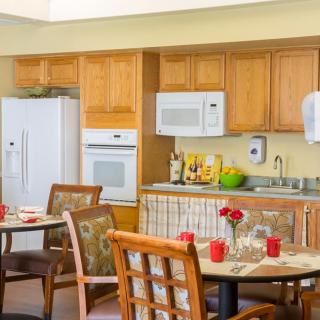
    • Kitchenette KitchenetteKitchenettes are important for seniors living in senior living communities because they provide the convenience and independence of being able to prepare simple meals and snacks in the comfort of their own living space. This can help promote a sense of autonomy and well-being for seniors, allowing them to maintain some level of control over their dietary choices and daily routines.
    • Move-in coordination Move-in coordinationMove-in coordination is important for seniors because it helps ease the transition into their new living environment. It ensures that all logistics, such as packing, organizing movers, and setting up utilities are taken care of, allowing seniors to focus on settling in and adjusting to their new home. Having a smooth move-in process can alleviate stress and anxiety, making the transition smoother and more enjoyable for seniors.
    • Outdoor space Outdoor spaceOutdoor spaces are important for seniors as they provide opportunities for physical activity, social interaction, exposure to natural light and fresh air, and a sense of connection to nature. Having access to outdoor spaces can improve overall well-being and quality of life for older adults living in senior communities.
    • Private bathrooms Private bathroomsPrivate bathrooms are important for seniors in senior living communities because they provide independence, dignity, and comfort. Having a private bathroom allows seniors to maintain their personal hygiene routines without the need for assistance, promoting a sense of autonomy and privacy. Additionally, private bathrooms help prevent the spread of infections and provide a safe and clean environment for seniors to navigate safely.
    • Restaurant-style dining Restaurant-style diningRestaurant-style dining is important for seniors because it allows them to enjoy delicious, nutritious meals in a social and upscale setting. This enhances their dining experience, promotes healthy eating habits, and fosters socialization with fellow residents, ultimately contributing to their overall well-being and quality of life.
    • Small library Small librarySmall libraries are important for seniors as they provide access to a variety of reading materials, including books, newspapers, and magazines. This can help stimulate their minds, keep them engaged, and provide a sense of community through book clubs and other social activities. Additionally, reading has been shown to improve cognitive function and overall mental well-being in older adults.
    • Telephone TelephoneTelephones are important for seniors as they provide a lifeline for communication with loved ones, emergency services, and healthcare providers. They offer a sense of security and independence, enabling seniors to stay connected and access assistance when needed.
    • Wellness center Wellness centerWellness centers are important for seniors because they offer a variety of programs and services that promote physical, mental, and emotional well-being. These centers provide opportunities for exercise, socialization, education, and relaxation, helping seniors maintain their overall health and quality of life.
    • Wi-Fi/high-speed internet available Wi-Fi/high-speed internet availableWi-Fi/high-speed internet is important for seniors to stay connected with loved ones, access online resources, and participate in virtual activities to combat feelings of loneliness and isolation. It also allows them to easily manage healthcare needs, access entertainment, and engage in lifelong learning opportunities.

    Transportation

    • Gen Edw L Logan International (8 miles away) Gen Edw L Logan International (8 miles away)
    • Community operated transportation Community operated transportationCommunity operated transportation is crucial for seniors as it provides them with the means to access essential services, social activities, and medical appointments. It allows seniors to maintain their independence and quality of life by ensuring they can participate in activities outside of their homes. Additionally, community-operated transportation services offer a safe and reliable way for seniors to travel without having to rely on family or friends for assistance.
    • Transportation arrangement Transportation arrangementTransportation arrangements are crucial for seniors as they may face challenges with driving, mobility, or access to public transportation. Having reliable transportation services ensures that seniors can easily attend appointments, social activities, and maintain their independence and quality of life.
    • Transportation arrangement (non-medical) Transportation arrangement (non-medical)Transportation arrangements are essential for seniors as they provide access to essential services, activities, and social interactions outside the home. This service helps maintain independence, mobility, and overall well-being for seniors who may have limited transportation options.
    • Transportation to doctors appointments Transportation to doctors appointmentsTransportation to doctors appointments is crucial for seniors as it ensures they have access to necessary medical care and support, promoting their health and well-being. It allows them to receive timely treatment, monitor existing conditions, and address any new health concerns efficiently. Additionally, transportation services can help seniors maintain their independence and quality of life by enabling them to stay connected with their healthcare providers.

    Care Services

    • 12-16 hour nursing 12-16 hour nursing12-16 hour nursing care is crucial for seniors in order to ensure around-the-clock monitoring, timely medication administration, and prompt response to any health concerns or emergencies. This level of care helps to promote the overall well-being and safety of seniors living in senior living communities.
    • 24-hour call system 24-hour call system24-hour call systems are important for seniors because they provide peace of mind and immediate assistance in case of emergencies. This technology ensures that help is always available, promoting safety and security for elderly individuals living alone or in assisted living facilities.
    • 24-hour supervision 24-hour supervision24-hour supervision is important for seniors to ensure their safety, well-being, and access to immediate assistance in case of emergencies or health issues. This constant support provides peace of mind for both seniors and their loved ones, allowing them to age in place with dignity and security.
    • Activities of daily living assistance Activities of daily living assistanceActivities of daily living assistance are important for seniors because they provide essential support with tasks such as eating, bathing, dressing, and mobility. This assistance helps seniors maintain their independence, dignity, and overall quality of life as they age.
    • Assistance with bathing Assistance with bathingAssistance with bathing is crucial for seniors as it helps maintain personal hygiene, prevents infections, and ensures their overall well-being and comfort. It also provides a sense of dignity and independence for seniors who may struggle with this task on their own.
    • Assistance with dressing Assistance with dressingAssistance with dressing is important for seniors because it helps maintain their independence, promotes personal hygiene, prevents accidents and injuries, and improves overall quality of life. This service ensures that seniors can continue to dress comfortably and confidently, despite any physical limitations they may have.
    • Assistance with transfers Assistance with transfersAssistance with transfers is crucial for seniors as it helps prevent falls and injuries, maintains their independence, and ensures they can safely navigate their living environment. It also provides peace of mind for both seniors and their loved ones.
    • Diabetes diet Diabetes dietA diabetes diet is crucial for seniors as it helps manage blood sugar levels, reduce risks of complications, and improve overall health and well-being. By following a balanced and nutritious diet tailored to their specific needs, seniors can better control their diabetes and enhance their quality of life.
    • Meal preparation and service Meal preparation and serviceMeal preparation and service are crucial for seniors as they may have limited mobility or energy to cook nutritious meals. Having access to healthy and convenient food options can ensure they are getting the proper nutrition needed to maintain their overall health and well-being.
    • Medication management Medication managementMedication management is crucial for seniors to ensure they are taking the right medications at the correct dosages and times. This helps prevent adverse drug interactions, reduces the risk of medication errors, and promotes overall health and well-being. Proactive management also allows for adjustments as needed based on changing health conditions or new prescriptions.
    • Mental wellness program Mental wellness programMental wellness programs are essential for seniors as they promote cognitive stimulation, emotional support, and social engagement. These programs help prevent isolation, depression, and cognitive decline, ultimately enhancing the overall quality of life for older adults.
    • Special dietary restrictions Special dietary restrictionsSpecial dietary restrictions are important for seniors because age-related changes in metabolism and health conditions can make it difficult for their bodies to process certain foods. By following a diet tailored to their specific needs, seniors can maintain their overall health and well-being, manage chronic conditions, and reduce the risk of complications such as malnutrition or food interactions with medications.

    Dining

    • Diabetes diet Diabetes dietA diabetes diet is crucial for seniors as it helps manage blood sugar levels, reduce risks of complications, and improve overall health and well-being. By following a balanced and nutritious diet tailored to their specific needs, seniors can better control their diabetes and enhance their quality of life.
    • Special dietary restrictions Special dietary restrictionsSpecial dietary restrictions are important for seniors because age-related changes in metabolism and health conditions can make it difficult for their bodies to process certain foods. By following a diet tailored to their specific needs, seniors can maintain their overall health and well-being, manage chronic conditions, and reduce the risk of complications such as malnutrition or food interactions with medications.

    Activities

    • Community-sponsored activities Community-sponsored activitiesCommunity-sponsored activities are important for seniors as they provide opportunities for social interaction, mental stimulation, and physical activity. These activities can help improve overall well-being, combat loneliness and isolation, and promote a sense of belonging and purpose among older adults.
    • Concierge services Concierge servicesConcierge services are essential for seniors as they provide assistance with daily tasks and errands, enhance their quality of life by offering convenience and personalized care, and promote a sense of safety and security.
    • Fitness programs Fitness programsFitness programs are crucial for seniors as they help improve strength, flexibility, balance, and overall well-being. Staying active can reduce the risk of chronic diseases, improve mental health, and enhance quality of life in older adults.
    • Planned day trips Planned day tripsPlanned day trips are important for seniors because they offer opportunities for socialization, mental stimulation, and physical activity. They provide a change of scenery and help seniors stay engaged and connected to their community, promoting overall well-being and quality of life.
    • Resident-run activities Resident-run activitiesResident-run activities are important for seniors as they encourage social interaction, creativity, and a sense of autonomy. These activities empower seniors to stay engaged and active in their community while fostering meaningful connections with their peers.
    • Scheduled daily activities Scheduled daily activitiesScheduled daily activities are important for seniors because they provide structure, socialization, mental stimulation, and physical activity. Engaging in regular activities can improve overall well-being and quality of life for seniors living in a community setting.

    Description

    Quincy Health and Rehabilitation Center in Quincy, MA is a senior living community that offers a wide range of amenities and care services to ensure the comfort and well-being of its residents. The community features a beauty salon where residents can pamper themselves, cable or satellite TV for entertainment, and community-operated transportation for easy access to nearby attractions and appointments.

    For those who enjoy technology, there is a computer center with Wi-Fi/high-speed internet available. Meals are served in a spacious dining room with restaurant-style dining, offering delicious options to cater to special dietary restrictions. Housekeeping services keep the living spaces clean and tidy.

    Residents can stay active in the fitness room or participate in activities organized by the staff or resident-run activities. Planned day trips provide opportunities for exploration outside the community. There is also a gaming room, small library, and outdoor space for relaxation and leisure time.

    Care services provided include 24-hour call system and supervision to ensure round-the-clock support. Assistance with daily living activities such as bathing, dressing, and transfers is readily available. The staff assists with medication management and provides diabetes diet options. A mental wellness program focuses on supporting residents' emotional well-being.

    Transportation arrangements are made for non-medical needs as well as doctors' appointments. Move-in coordination helps facilitate a smooth transition for new residents.

    The surrounding area offers plenty of amenities, including two cafes, five parks, 13 pharmacies, four physicians' offices, five restaurants, four transportation options nearby. This ensures that residents have easy access to additional services and entertainment options.

    Overall, Quincy Health and Rehabilitation Center provides a comfortable and caring environment where seniors can enjoy their retirement years while receiving the necessary assistance they need to thrive and live fulfilling lives.

    Nearby Places of Interest

    Restaurants

    • McDonald's (0.4 miles)
    • The Cheesecake Factory (2.4 miles)
    • Widowmaker Brewing (2.8 miles)
    • McDonald's (3.2 miles)
    • Burger King (3.3 miles)
    • 1048 Bar and Grill (5.1 miles)
    • Pho 89 (5.2 miles)

    Pharmacies

    • Walgreens (0.5 miles)
    • CVS Pharmacy (0.6 miles)
    • Walmart Pharmacy (1 miles)
    • Walgreens (1.1 miles)
    • CVS Pharmacy (1.5 miles)
    • CVS Pharmacy (2.9 miles)
    • CVS Pharmacy (3.4 miles)

    Physicians

    • Coffey Eye Care (0.9 miles)
    • Harvard Vanguard Medical Associates (2.7 miles)
    • Carney Hospital (3.9 miles)
    • Eye Health Services (4.7 miles)
    • South Shore Orthopedics (6.4 miles)

    Transportation

    • MBTA Wollaston Station (1.6 miles)
    • MBTA North Quincy Station (2.4 miles)
    • MBTA Braintree Station (2.9 miles)
    • West Hingham Commuter RailStation (5 miles)
    • MBTA - JFK/UMass (5.7 miles)
    • Readville (7 miles)
    • MBTA Ruggles Station (7.6 miles)

    Parks

    • Andrew's Park (2.1 miles)
    • Governor Hutchinson's Field (3.5 miles)
    • Webb Memorial State Park (3.9 miles)
    • Bare Cove Park (4.4 miles)
    • Great Esker Park (4.5 miles)
    • Almont Park (5.3 miles)
    • Braintree Highlands Community Playground (5.4 miles)

    Cafes

    • Target T2693 Braintree (2.4 miles)
    • Reign Drink Lab (4.9 miles)
    • Mike's Donuts (6.7 miles)
    • Dunkin' Brands (7.3 miles)

    Theaters

    • AMC Braintree 10 (2.8 miles)
    • Showcase Cinema de Lux Randolph (6.8 miles)

    Hospitals

    • South Shore Hospital (5.6 miles)
    • Lemuel Shattuck Hospital (6.3 miles)
    • South Shore Hospital (6.7 miles)

    Places of Worship

    • First Baptist Church (5.8 miles)

    Frequently Asked Questions

    Where is Quincy Health And Rehabilitation Center?

    Nearby Communities

    • Unlimited Care Inc

      Unlimited Care Inc

      Quincy, MA

      4.5 from 2 reviews
       

      pro Convenient location with nearby cafes, parks, pharmacies, physicians, restaurants, transportation, and a theater.

    • Vineyard Community Living - Nova Quincy

      Vineyard Community Living - Nova Quincy

      Quincy, MA

      5 from 2 reviews
      $3,000 to $4,500 / month

      pro Warm, engaging environment with outstanding staff delivering enriching care.

    • Bayada Nurses  - Quincy

      Bayada Nurses - Quincy

      Quincy, MA

      1.5 from 8 reviews
       

    • Lumen Christi Health Care Inc

      Lumen Christi Health Care Inc

      Quincy, MA


      pro Excellent access to nearby pharmacies, parks, physicians, restaurants, transportation, and theater.

    • Brookdale Quincy Bay

      Brookdale Quincy Bay

      Quincy, MA

      4.3 from 126 reviews
      $2,350 to $4,265 / month

      pro Friendly staff and engaging activities in a clean, cheerful environment.

    • Allerton House At Hancock Park

      Allerton House At Hancock Park

      Quincy, MA

      3.4 from 8 reviews
      $3,600 to $4,000 / month

      pro Clean, well-maintained facility with friendly staff and a wide range of resident activities.

    • South Cove Manor Nursing & Rehabilitation Center

      South Cove Manor Nursing & Rehabilitation Center

      Quincy, MA


      pro Extensive amenities with 24/7 care and engaging activities.

    • The Atrium At Faxon Woods

      The Atrium At Faxon Woods

      Quincy, MA

      4.4 from 51 reviews
      $5,025 to $7,850 / month

      pro Caring, attentive staff; engaging activities; clean, well-maintained environment; memory-care programming with restaurant-style dining.

    • Sunrise of Braintree

      Sunrise of Braintree

      Braintree, MA

      4.5 from 70 reviews
      $5,160 to $8,400 / month

      pro Friendly, attentive staff; clean facility with engaging activities.

    Related Resources

    • brain games for seniorsEngaging Brain Games and Innovative Apps to Keep Senior Minds Active

      Maintaining cognitive fitness through engaging in various brain games, both traditional and digital, is crucial for seniors as it enhances memory retention, problem-solving abilities, and emotional well-being while helping to protect against age-related decline. A holistic approach that includes diverse activities, physical exercise, a balanced diet, and social interaction further supports mental health and cognitive function.

    • brain games for seniorsEffective Strategies for Keeping Seniors' Minds Active: A Deep Dive into Brain Games and Apps

      The article outlines strategies for keeping seniors' minds active through brain games and apps, highlighting the importance of cognitive exercises, social engagement, and a healthy lifestyle in combating cognitive decline. It emphasizes the benefits of various types of games and offers practical tips for maintaining mental wellness through enjoyable activities while acknowledging their limitations.

    • aid and attendance vaIn-Depth Look at the VA Aid and Attendance Program

      The VA Aid and Attendance program offers financial assistance to veterans needing help with daily activities due to health issues, available through a pension for low-income wartime veterans or an allowance for 100% disabled individuals. Eligibility depends on medical documentation of care needs and navigating guidelines about income and service history, with funds being usable for various healthcare-related expenses.


    Get Pricing Ask A Question Schedule A Tour Contact Senior Advisor