
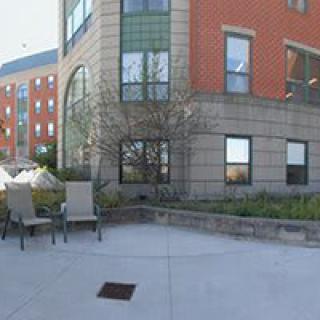

164 Parkingway, Quincy, MA 02169
For more information about senior living options: (866) 208-4318
Allerton House At Hancock Park Costs & Pricing
Allerton House At Hancock Park offers competitive pricing for its accommodations, particularly when compared to the broader market in Norfolk County and the state of Massachusetts. For instance, a studio at Allerton House is available for $3,600 per month, providing a significant saving against the county average of $5,282 and the state average of $5,312. Similarly, the one-bedroom option at Allerton House is priced at $4,000 per month, which is notably lower than both the Norfolk County average of $5,598 and the Massachusetts average of $5,349. This indicates that Allerton House At Hancock Park not only positions itself as an attractive choice for residents seeking independent living but also ensures affordability without compromising on quality or services typically expected in assisted living facilities.
| Floor plans | Allerton House At Hancock Park | Norfolk County | Massachusetts |
|---|---|---|---|
| Studio | $3,600 | $5,282 | $5,312 |
| 1 Bedroom | $4,000 | $5,598 | $5,349 |
Skilled Nursing Facilities with a similar price nearby
-
from +$200 / mo
Mary Ann Morse at Heritage
$3,800 to $6,400 / month22.8 miles away -
from +$375 / mo
Standish Village
$3,975 to $8,650 / month3.7 miles away -
from -$600 / mo
Greenwood Nursing & Rehabilitation Center
$3,000 / month16.4 miles away -
from +$150 / mo
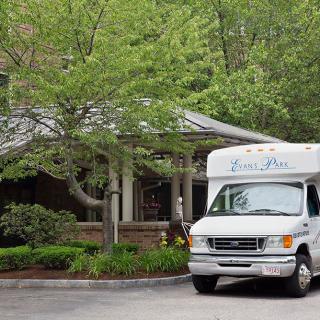
Evans Park At Newton Corner
$3,750 to $7,700 / month12.1 miles away -
from +$563 / mo

Care One At Randolph
$4,163 to $5,411 / month6.6 miles away
Overall Review of Allerton House At Hancock Park
Pros
 The Assisted and Nursing Home are the best and have no problems with staff.
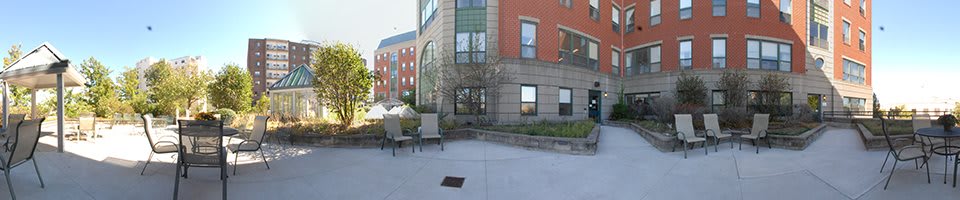
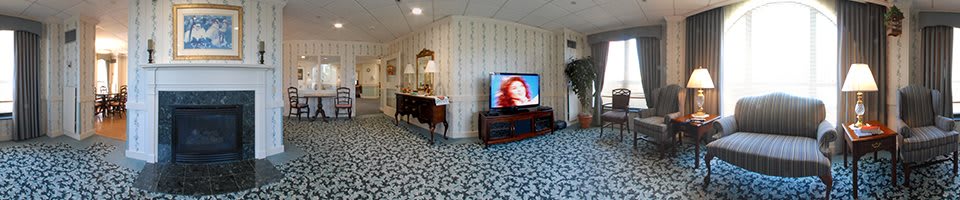
- The facility is clean, well lit, and well maintained.
- The staff are very well trained and friendly.
- There is an appropriate ratio of staff to patients.
- The food is nutritious and fresh, and staff sometimes bring meals to the assisted living area.
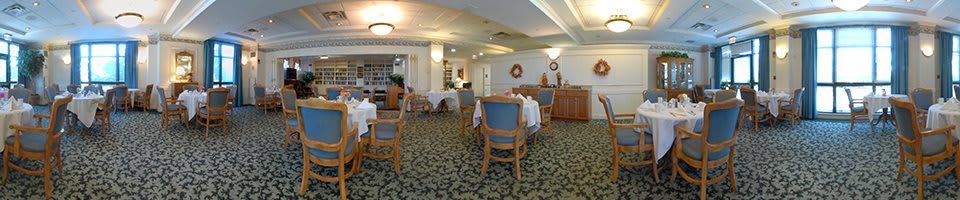
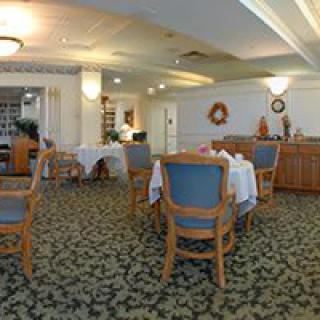
- The dining room is large and offers two meal choices.
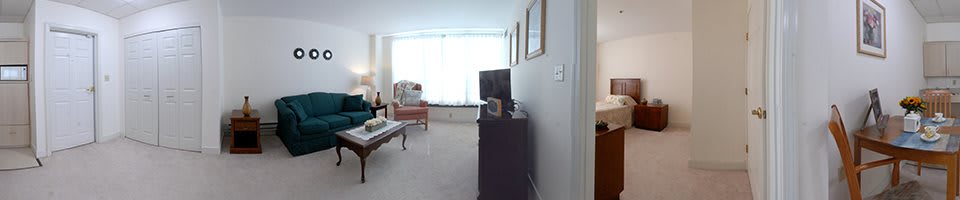
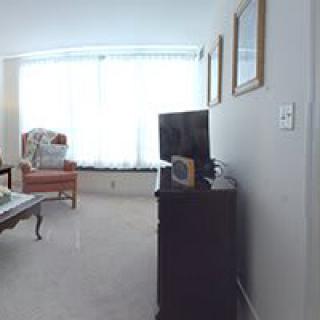
- Residents' rooms are very good and include washers and dryers.
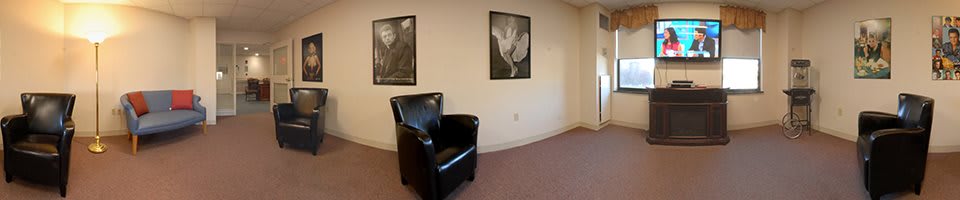
- The center offers engaging activities such as singing, arts and crafts, and a TV room.
- Families can bring food for holidays like Thanksgiving, adding a home-like atmosphere.
Cons
 The staff left the resident in a high-back chair to sleep for hours with his legs down, causing fluid buildup.
- Residents were wheeled into a hall and left there all day, with little attention from staff.
- His neck hurt because his head stayed down on his chest all day, and the pain patch applied did not relieve it.
- He was given someone else’s tray despite his special diet.
- The food was described as dog food and inedible, including a plate of dark yellow macaroni and cheese with no nutrition.
- An aide removed his uneaten food without offering alternatives like ice cream, soup, or a sandwich.
- The facility should be shut down and is not recommended for loved ones.
- Nursing care was average, rehabilitation staff were mostly poor, and there was poor communication between staff.
- A relative’s loved one developed a bed sore that went unattended, oxygen was turned off on several occasions, and she was left sitting in a chair for hours in excruciating pain with the call button unanswered.
Review
Allerton House At Hancock Park is best suited for seniors who want a comfortable, activity-forward assisted living environment with on-site nursing and rehab options, and for families that value a tangible sense of home and regular, friendly staff interactions. The campus supports daily living with clean facilities, accessible staff, and an active calendar of programming, making it a practical choice for those who want social engagement, singing, arts and crafts, memory-stimulating activities, and meals in a spacious dining setting. It works well for residents who may need episodic nursing support or rehabilitation after a hospital stay, as the campus integrates nursing visits and therapists into the plan of care. In short, this is a viable, people-centered option for families prioritizing atmosphere, routine, and visible staff connection.
But there are clear triggers to consider alternatives. Several reviews flag inconsistent care quality, especially in nursing and rehabilitation, along with communication gaps across teams. When urgent responses, accurate medication handling, and consistently safe patient positioning are non-negotiable, the facility’s variability becomes a red flag. Families with loved ones who require meticulous high-touch care, frequent monitoring, or robust safety oversight should entertain other options or demand very specific assurances before committing. Those who place a premium on wound care, strict dietary management, or reliable response to call bells may find the reported gaps too risky without stringent safeguards.
On the plus side, the facility’s strengths are tangible and meaningful. Clean, well-lit spaces and a comfortably maintained environment create a reassuring first impression. Staff in many instances are described as attentive, personable, and well-trained, with a genuine effort to know residents’ preferences and to engage them in meals, activities, and social moments. The dining room is generous and welcoming, with a piano and a sense of group life, and residents’ rooms are equipped with washers and dryers, conveniences that reduce daily friction. Families note that the building’s atmosphere invites interaction, and that staff sometimes goes the extra mile to accommodate special requests and family gatherings. The presence of doctors and nurses visiting the floor is another meaningful assurance for those balancing medical oversight with daily living.
However, the most troubling threads run through several accounts. Notable episodes describe residents left in uncomfortable positions or halls, with concerns about bed positioning, mobility, and pain management. Several complaints point to meal-service lapses, incorrect trays, or unresponsive staff during meals or call-bell activations. Dissonance between departments, nursing, rehab, and dining, generates a sense of instability for families who rely on cohesive care plans. For some, these reports overwhelm the otherwise positive attributes and raise legitimate questions about consistency, accountability, and the facility’s ability to prevent these failures from reoccurring.
Despite the flaws, the pros can offset the cons for families who implement clear oversight and set firm expectations. Where care teams are consistently engaged and responsive, residents feel seen, supported, and emotionally uplifted. The combination of an active social calendar, accessible clinicians, and a home-like environment can preserve dignity and quality of life even when minor inconsistencies surface. For families willing to monitor care closely, request regular progress updates, and push for continuous improvement in staffing and communication, Allerton House offers a credible option with real strengths in atmosphere, routine, and day-to-day living.
Tour focus should center on staffing patterns, turnover, and accountability. Ask to meet the director of nursing and the nurse manager; request a detailed overview of shift-by-shift coverage and response times to call bells; review the latest incident log and the facility’s process for addressing concerns. Inspect meal service on-site: ask to sample the menu, confirm accommodations for dietary restrictions, and observe whether aides are present to assist those with mobility or appetite challenges. Seek resident and family references beyond published stories, and insist on a documented plan for any resident with mobility, wound, or cognitive needs. If those elements align with strong performance, Allerton House can be a sound, well-rounded choice; if not, pursuing alternatives with proven consistency may protect peace of mind and care quality.
 42 resident community capacity
 1-bedroom apartments
 Assisted Living
 Respite Care
 Skilled Nursing Facility
 Activities on-site
 Beautician on-site
 Cable or satellite TV
 Devotional services off-site
 Dining room
 Fully furnished
 Garden
 Guest parking
 Housekeeping services
 Indoor common areas
 Kitchenette
 Laundry
 Move-in coordination
 Outdoor space
 Overnight guests
 Party space
 Restaurant-style dining
 Small library
 Telephone
 Wi-Fi/high-speed internet available
 Gen Edw L Logan International (8 miles away)
 24-hour call system
 Ambulatory care
 Assistance with bathing
 Assistance with dressing
 Assistance with transfers
 Diabetes diet
 Hospice care
 Medication management
 Mental wellness program
 Physical therapy
 Special dietary restrictions
 Arts and crafts
 Cooking club
 Educational speakers / life long learning
 Fitness programs
 Games
Games Live musical performances
 Stories
 Yoga / chair yoga
 English







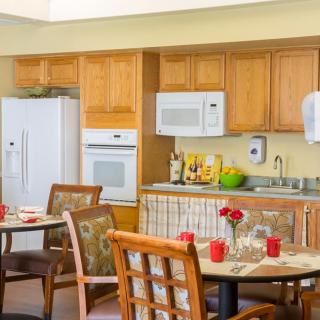
 When to Transition from Assisted Living to Memory Care: Key Indicators, Steps, and Finding the Right Community
 Assisted Living and Memory Care: Understanding Their Core Differences
 Beyond the Bingo Hall: 50+ Enriching Activities for Seniors in Assisted Living