Overall Review of Royal Braintree Nursing And Rehabilitation Center
differentiator34 reviews mention this
Russian program feels especially supportive
The Russian-speaking program is repeatedly described as culturally reassuring and easier to communicate with.
Multiple families describe comfort and smoother care when staff can speak residents’ native Russian, especially for day-to-day communication and during difficult transitions. Reviews frequently tie that language access to feeling more informed, more at ease, and better able to advocate. Several comments also mention the program’s organized environment and activities aimed at Russian-speaking residents.
common52 reviews mention this
Staff kindness and attentiveness stand out
Residents and families consistently describe staff as kind, patient, and attentive.
Across many reviews, families praise nurses, CNAs, therapists, and unit teams for being gentle, responsive, and respectful. Multiple accounts emphasize that staff explains what’s happening, checks in with families, and treats residents with dignity. Even when experiences differ across reviews, the most consistent praise is about people taking time and showing care.
common24 reviews mention this
Rehab therapy helps residents regain function
Physical and occupational therapy are described as effective in supporting recovery and mobility goals.
Several reviews mention PT/OT involvement that helped residents progress after conditions like surgery, strokes, and mobility challenges. Families describe therapists as supportive and goal-focused, and they connect therapy to improvements such as walking, strength, and confidence. A few reviews also highlight quick responsiveness from rehab staff on units where residents received care.
common18 reviews mention this
Clean, well-maintained spaces are noted
Many reviewers call out cleanliness and a well-kept facility environment.
Several families report the building felt clean, organized, and well maintained, including first impressions during tours or early admission. Others add details like clean rooms and comfort-focused upkeep as part of why they felt confident in care. A small set of negative reviews contrasts with that by describing unpleasant conditions, which is the main reason cleanliness doesn’t read as universally positive.
caveat10 reviews mention this
Some complaints about response and staffing
A minority of reviews describe slow response times and concerns about staffing coverage.
Some negative reviews allege delayed assistance when residents used call buttons and complaints about under-staffing during visits. A few accounts describe situations involving care needs not being addressed promptly, including bathing help, timely communication, and discharge or placement confusion. These critiques stand in direct contrast to many other reviews that describe attentive, quick responses.
How we summarize
Counts show how many written reviews mention each theme; a review can touch several themes, and only frequently mentioned themes are displayed.
Features
Housing
204 resident community capacity
Types of Care
Skilled Nursing Facility
Amenities
Air-conditioning
Beauty salon
Cable or satellite TV
Computer center
Dining room
Fitness room
Fully furnished
Gaming room
Garden
Housekeeping services
Kitchenette
Move-in coordination
Outdoor space
Private bathrooms
Restaurant-style dining
Small library
Telephone
Wellness center
Wi-Fi/high-speed internet available
Transportation
Gen Edw L Logan International (10 miles away)
Community operated transportation
Transportation arrangement
Transportation arrangement (non-medical)
Transportation to doctors appointments
Care Services
12-16 hour nursing
24-hour call system
24-hour supervision
Activities of daily living assistance
Assistance with bathing
Assistance with dressing
Assistance with transfers
Diabetes diet
Meal preparation and service
Medication management
Mental wellness program
Special dietary restrictions
Dining
Diabetes diet
Special dietary restrictions
Activities
Community-sponsored activities
Concierge services
Fitness programs
Planned day trips
Resident-run activities
Scheduled daily activities
Nearby Places of Interest
Restaurants
Burger King (0.9 miles)
McDonald's (2.4 miles)
McDonald's (2.6 miles)
The Cheesecake Factory (2.8 miles)
K C's Pub & Grill (3 miles)
Widowmaker Brewing (3.4 miles)
Stars On Hingham Harbo (4.7 miles)
Pharmacies
CVS Pharmacy (1.2 miles)
Walgreens (1.4 miles)
Walmart Pharmacy (1.4 miles)
Walgreens (1.8 miles)
CVS Pharmacy (2.2 miles)
CVS Pharmacy (2.4 miles)
Walgreens (2.4 miles)
Physicians
Harvard Vanguard Medical Associates (1.6 miles)
Eye Health Services (2.3 miles)
Coffey Eye Care (2.8 miles)
South Shore Orthopedics (4 miles)
Carney Hospital (6.2 miles)
Cohasset Pediatrics (7.3 miles)
Angels Neurological Ce (8 miles)
Transportation
MBTA Braintree Station (1.8 miles)
West Hingham Commuter RailStation (3.6 miles)
MBTA Wollaston Station (4 miles)
MBTA North Quincy Station (4.8 miles)
MBTA - JFK/UMass (8.1 miles)
Readville (8.4 miles)
Parks
Great Esker Park (2.2 miles)
Bare Cove Park (3.2 miles)
Webb Memorial State Park (3.5 miles)
Braintree Highlands Community Playground (4 miles)
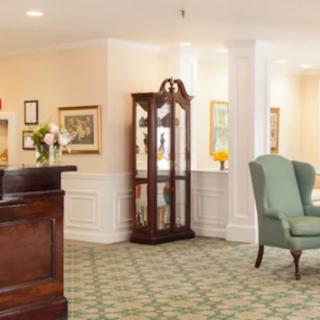
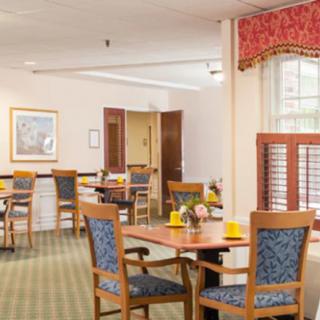
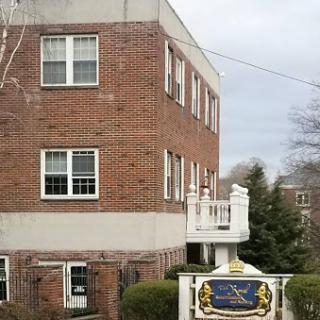
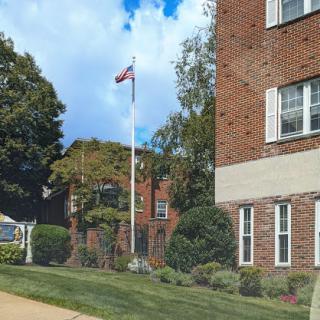
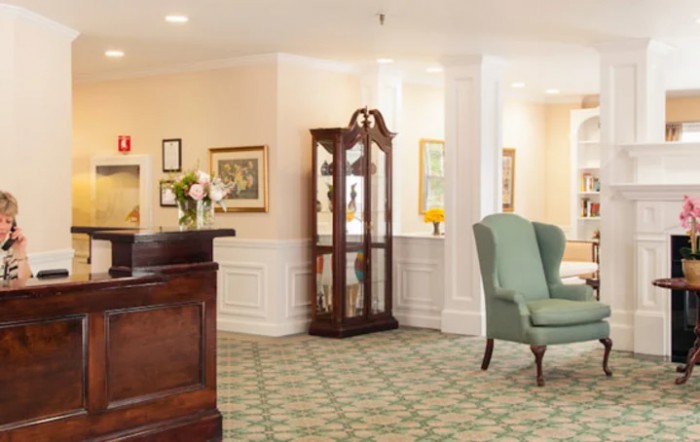
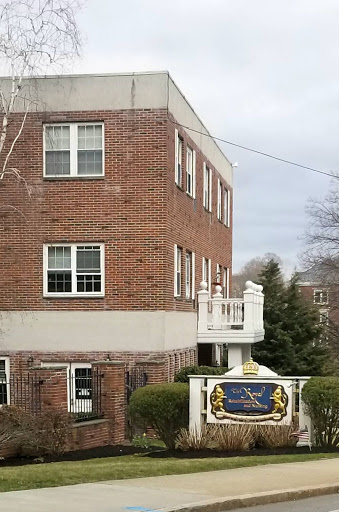
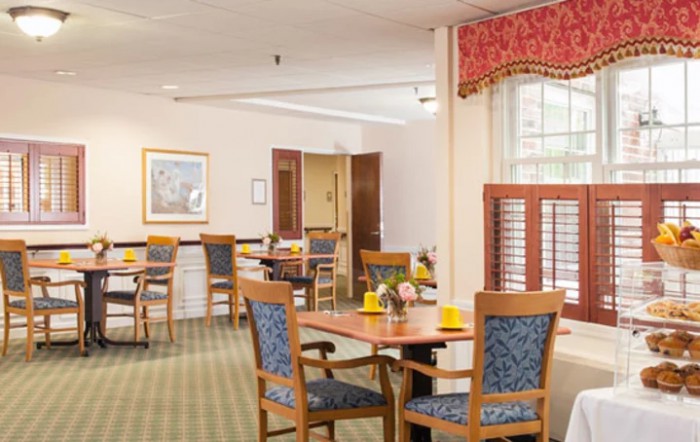
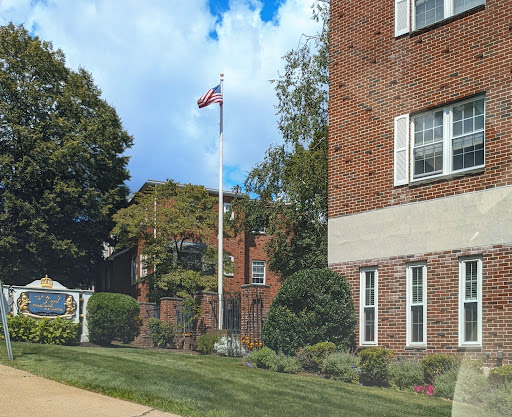
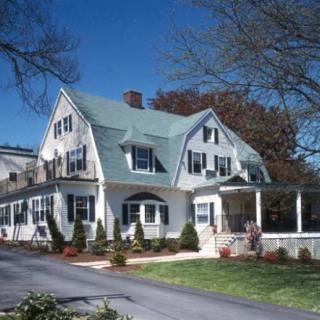
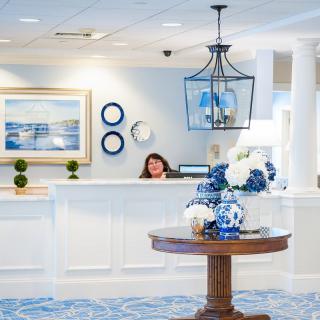
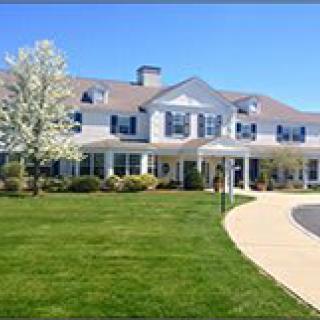
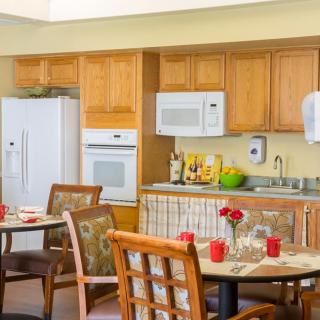
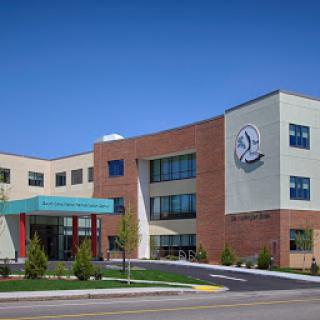
Royal Braintree Nursing And Rehabilitation Center on seniors.fyi includes 4 photos including images showing interior, decor, windows, building, brick, exterior, landscaping, lobby, and more.
Nearby Communities
Royal Rehabilitation and Nursing Center
Braintree, MA
4.2 from 93 reviews
Some compassionate staff and potential rehab support; convenient access to nearby amenities.
Elizabeth Catherine Rest Home
Weymouth, MA
Diabetic and ambulatory care available; meals provided; indoor common areas.
Pope Nursing Home
Weymouth, MA
3.2 from 5 reviews
Intimate 49-bed setting with 24-hour supervision, daily living assistance, and restaurant-style dining plus a range of amenities.
Colonial Rehabilitation And Nursing Center
Weymouth, MA
5 from 1 review
Comprehensive 24/7 care with a wide range of on-site amenities in a peaceful Weymouth setting.
Allerton House At Central Park
Weymouth, MA
4.7 from 64 reviews
Bright, resort-like ambiance with friendly staff and good dining.
Allerton House Weymouth
Weymouth, MA
4.7 from 62 reviews
$6,800 to $9,500 / month
Caring, attentive staff in a well-maintained, smaller community with engaging activities.
The VA Aid and Attendance program offers financial assistance to veterans needing help with daily activities due to health issues, available through a pension for low-income wartime veterans or an allowance for 100% disabled individuals. Eligibility depends on medical documentation of care needs and navigating guidelines about income and service history, with funds being usable for various healthcare-related expenses.
Linda's caregiving journey for her elderly mother, Joan, is marked by deep love and challenges as she navigates health changes, emotional support, and practical arrangements while learning to prioritize self-care and utilize community resources. Their evolving relationship highlights resilience and the universal themes of empathy and preparedness in caregiver experiences.
Royal Braintree Nursing And Rehabilitation Center photos
×
Interior
Decor
Building
Landscaping
Interior and Decor
Dining
Landscaping and Flag
Windows
Building, Exterior, and Brick
Architecture
Lobby and Reception
Get PricingAsk A QuestionSchedule A TourContact Senior Advisor
By clicking submit, you agree to our Partner's Terms of Use. You
also consent to receive calls and texts, which may be autodialed, from our Partner. Your consent is not a condition to
using our Partner's service. Please visit our Partner's Privacy Policy for information about their privacy practices.

 204 resident community capacity
 Skilled Nursing Facility
 Air-conditioning
 Beauty salon
 Cable or satellite TV
 Computer center
 Dining room
 Fitness room
 Fully furnished
 Gaming room
 Garden
 Housekeeping services
 Kitchenette
 Move-in coordination
 Outdoor space
 Private bathrooms
 Restaurant-style dining
 Small library
 Telephone
 Wellness center
 Wi-Fi/high-speed internet available
 Gen Edw L Logan International (10 miles away)
 Community operated transportation
 12-16 hour nursing
 24-hour call system
 Activities of daily living assistance
 Assistance with bathing
 Assistance with dressing
 Assistance with transfers
 Diabetes diet
 Medication management
 Mental wellness program
 Special dietary restrictions
 Concierge services
 Planned day trips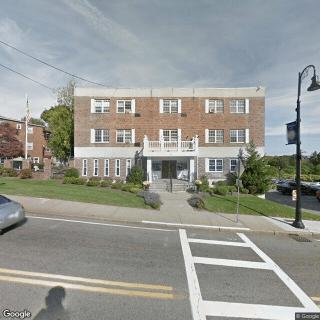
 Some compassionate staff and potential rehab support; convenient access to nearby amenities.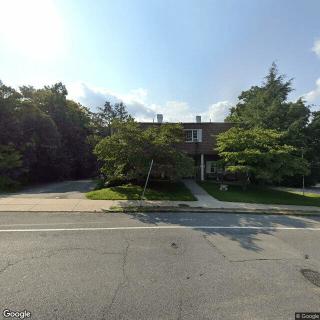


 In-Depth Look at the VA Aid and Attendance Program
 Nurturing Our Loved Ones: A Daughter's Journey in Caring for Her Mother
 Nurturing Our Elders: Linda's Journey of Supporting Her Mother